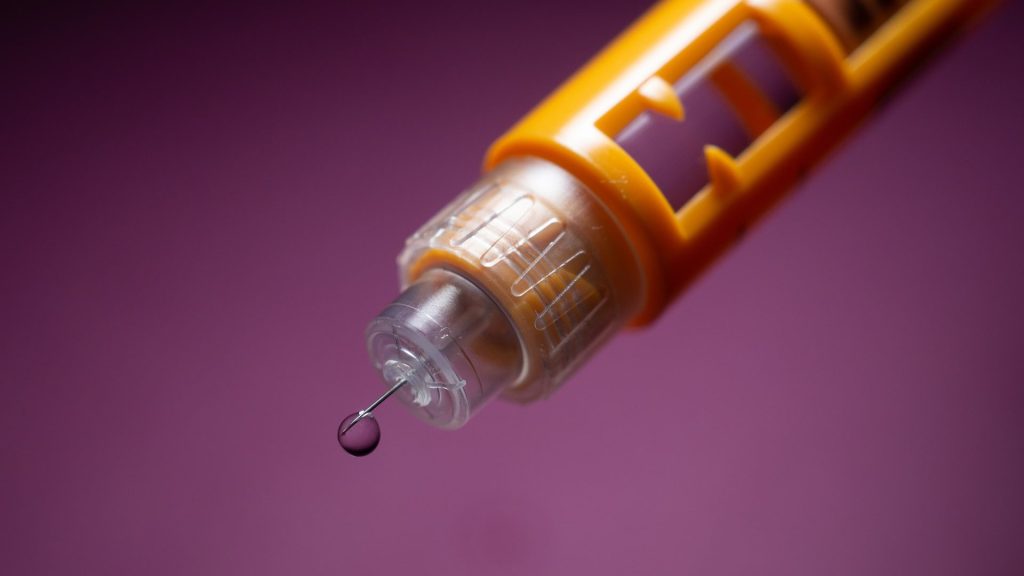
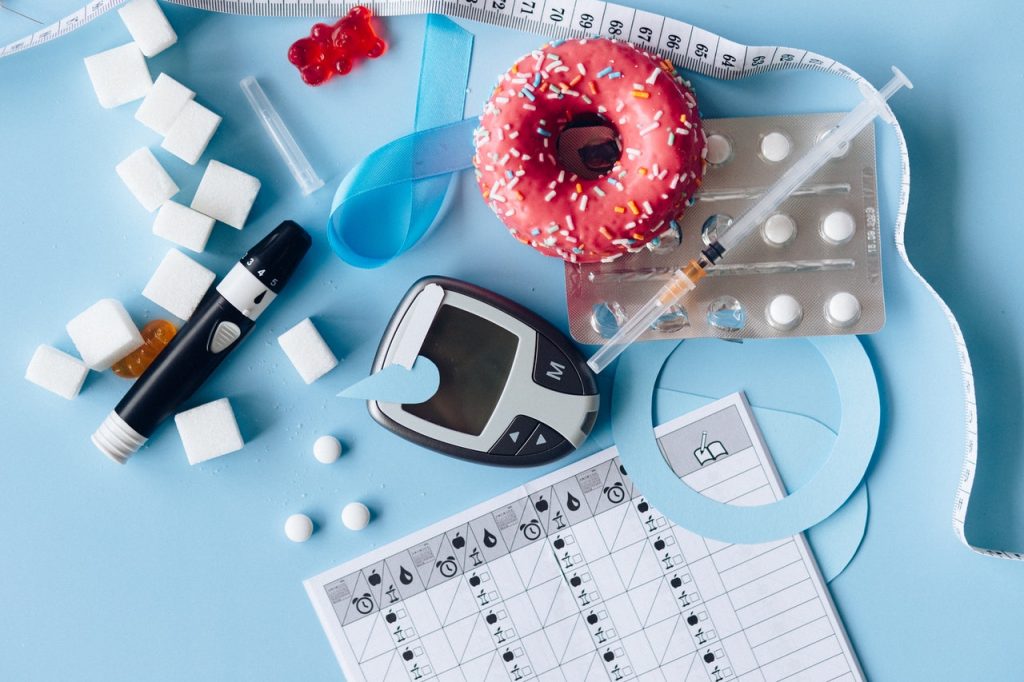
A low-fat vegan diet that doesn’t limit calories or carbohydrates could help people with type 1 diabetes reduce insulin use and insulin costs, according to new research by the Physicians Committee for Responsible Medicine published in BMC Nutrition.
The new research, which is a secondary analysis of a 2024 Physicians Committee study, compared the effect of a low-fat vegan diet to a portion-controlled diet on insulin use and insulin costs in people with type 1 diabetes. The analysis found that the total dose of insulin decreased by 28%, or 12.1 units, per day in the vegan group, compared to no significant change in the portion-controlled group. The reductions in insulin use in the vegan group likely reflect improved insulin sensitivity, or how well the body responds to insulin. Total insulin costs decreased by 27%, or $1.08 per day, in the vegan group, compared to no significant change in the portion-controlled group.
The 2024 study found that a vegan diet also led to an average weight loss of 11 pounds, improved insulin sensitivity and glycaemic control, and improved cholesterol levels and kidney function in people with type 1 diabetes.
The new research comes as insulin prices in the United States continue to rise. Spending on insulin in the United States tripled in the past 10 years, reaching $22.3 billion in 2022, due to the increased usage and higher price of insulin, according to the American Diabetes Association. The inflation-adjusted cost of insulin increased by 24% from 2017 to 2022.
“As insulin prices continue to rise, people with type 1 diabetes should consider a low-fat vegan diet, which can help improve their insulin sensitivity and reduce the amount of insulin they need, potentially saving them hundreds of dollars a year,” says Hana Kahleova, MD, PhD, the lead author of the study and director of clinical research at the Physicians Committee for Responsible Medicine.
The development of a self-regulating, implantable living technology that could offer hope for millions with diabetes and other chronic diseases
The crystal capsules developed by the researchers. They made the cover of Science Translational Medicine.
A pioneering study marks a major step toward eliminating the need for daily insulin injections for people with diabetes. The research introduces a living, cell-based implant that can function as an autonomous artificial pancreas, essentially a living drug that is long-term, thanks to a novel crystalline shield technology.
Once implanted, the system operates entirely on its own: it continuously senses blood-glucose levels, produces insulin within the implant itself, and releases the exact amount needed – precisely when it is needed. In effect, the implant becomes a self-regulating, drug-manufacturing organ inside the body, requiring no external pumps, injections, or patient intervention.
One of the study’s most significant breakthroughs addresses the longstanding challenge of immune rejection, which has limited the success of cell-based therapies for decades. The researchers developed engineered therapeutic crystals that shield the implant from the immune system, preventing it from being recognised as a foreign object. This protective strategy enables the implant to function reliably and continuously for several years.
The technology has already been successfully tested in a mouse model for effective and long-term regulation of glucose levels and in non-human primates for cell viability and functionality. These results represent a critical milestone and strongly support the potential for future translation to human patients.
From Postdoctoral Insight to Global Collaboration
The study was led by Assistant Professor Shady Farah of the Faculty of Chemical Engineering at the Technion – Israel Institute of Technology, in co-correspondence with MIT, and in collaboration with Harvard University, Johns Hopkins University, and the University of Massachusetts. Asst Prof Farah began developing the concept with colleagues in 2018 during his postdoctoral fellowship at MIT and Boston Children’s Hospital/Harvard Medical School, under the supervision of Prof Daniel Anderson and Prof Robert (Bob) Langer, a world leader in tissue engineering and co-founder of Moderna.
Today, the research continues in Asst Prof Farah’s laboratory at the Technion, in close collaboration with leading US institutions, including MIT, Harvard, the University of Massachusetts, Boston Children’s Hospital, and the Johns Hopkins University School of Medicine.
A Platform with Far-Reaching Potential
While the immediate focus is diabetes, the researchers emphasise that this implantable, closed-loop platform could be adapted to treat a wide range of chronic conditions requiring continuous delivery of biological therapeutics – including haemophilia and other metabolic or genetic diseases.
If successfully translated to the clinic, this technology could redefine how chronic diseases are treated, shifting from repeated drug administration to living, self-regulating therapies that work seamlessly from within.
An unassuming brown bovine from the south of Brazil has made history as the first transgenic cow capable of producing human insulin in her milk. The advancement, led by researchers from the University of Illinois Urbana-Champaign and the Universidade de São Paulo, could herald a new era in insulin production, one day eliminating drug scarcity and high costs for people living with diabetes.
“Mother Nature designed the mammary gland as a factory to make protein really, really efficiently. We can take advantage of that system to produce a protein that can help hundreds of millions of people worldwide,” said Matt Wheeler, professor in the Department of Animal Sciences, part of the College of Agricultural, Consumer and Environmental Sciences (ACES) at U. of I.
Wheeler is lead author on a new Biotechnology Journal study describing the development of the insulin-producing cow, a proof-of-concept achievement that could be scaled up after additional testing and FDA approval.
Precise insertion of DNA
Wheeler’s colleagues in Brazil inserted a segment of human DNA coding for proinsulin – the protein precursor of the active form of insulin – into cell nuclei of 10 cow embryos. These were implanted in the uteruses of normal cows in Brazil, and one transgenic calf was born. Thanks to updated genetic engineering technology, the human DNA was targeted for expression – the process whereby gene sequences are read and translated into protein products – in mammary tissue only.
“In the old days, we used to just slam DNA in and hope it got expressed where you wanted it to,” Wheeler said. “We can be much more strategic and targeted these days. Using a DNA construct specific to mammary tissue means there’s no human insulin circulating in the cow’s blood or other tissues. It also takes advantage of the mammary gland’s capabilities for producing large quantities of protein.”
When the cow reached maturity, the team unsuccessfully attempted to impregnate her using standard artificial insemination techniques. Instead, they stimulated her first lactation using hormones. The lactation yielded milk, but a smaller quantity than would occur after a successful pregnancy. Still, human proinsulin and, surprisingly, insulin were detectable in the milk.
“Our goal was to make proinsulin, purify it out to insulin, and go from there. But the cow basically processed it herself. She makes about three to one biologically active insulin to proinsulin,” Wheeler said. “The mammary gland is a magical thing.”
The insulin and proinsulin, which would need to be extracted and purified for use, were expressed at a few grams per liter in the milk. But because the lactation was induced hormonally and the milk volume was smaller than expected, the team can’t say exactly how much insulin would be made in a typical lactation.
Conservatively, Wheeler says if a cow could make 1 gram of insulin per liter and a typical Holstein makes 40 to 50 litres per day, that’s a lot of insulin. Especially since the typical unit of insulin equals 0.0347 milligrams.
“That means each gram is equivalent to 28,818 units of insulin,” Wheeler said. “And that’s just one liter; Holsteins can produce 50 liters per day. You can do the math.”
The team plans to re-clone the cow, and is optimistic they’ll achieve greater success with pregnancy and full lactation cycles in the next generation. Eventually, they hope to create transgenic bulls to mate with the females, creating transgenic offspring that can be used to establish a purpose-built herd. Wheeler says even a small herd could quickly outcompete existing methods – transgenic yeast and bacteria – for producing insulin, and could do so without having to create highly technical facilities or infrastructure.
“With regard to mass-producing insulin in milk, you’d need specialized, high-health-status facilities for the cattle, but it’s nothing too out of the ordinary for our well-established dairy industry,” Wheeler said. “We know what we’re doing with cows.”
An efficient system to collect and purify insulin products would be needed, as well as FDA approval, before transgenic cows could supply insulin for the world’s diabetics. But Wheeler is confident that day is coming.
“I could see a future where a 100-head herd, equivalent to a small Illinois or Wisconsin dairy, could produce all the insulin needed for the country,” he said. “And a larger herd? You could make the whole world’s supply in a year.
Scientists have developed a ‘smart’ insulin which can be taken orally. The insulin is encapsulated within tiny nano-carriers, 1/10 000th the width of a human hair. The results of its testing in baboons were recently published in Nature Nanotechnology.
“This way of taking insulin is more precise because it delivers the insulin rapidly to the areas of the body that need it most. When you take insulin with a syringe, it is spread throughout the body where it can cause unwanted side effects,” explains Professor Peter McCourt at UiT Norway’s Arctic University. He is one of the researchers behind the study.
Delivered insulin to where it’s needed
It was researchers at the University of Sydney and Sydney Local Health District who, in collaboration with UiT, discovered many years ago that it was possible to deliver medicines via nano-carriers to liver. The method has then been further developed in Australia and in Europe.
Many medicines can be taken orally, but until now people have had to inject insulin into the body. McCourt explains that the problem with insulin with a nano-carrier is that it breaks down in the stomach and thus does not get to where it is needed in the body. This has been a major challenge for developing a diabetes medicine that can be taken orally.
But now the researchers have solved this challenge.
“We have created a coating to protect the insulin from being broken down by stomach acid and digestive enzymes on its way through the digestive system, keeping it safe until it reaches its destination, namely the liver,” says McCourt, who is a liver biologist.
The coating is then broken down in the liver by enzymes that are active only when the blood sugar levels are high, releasing the insulin where it can then act in the liver, muscle, and fat to remove sugar from the blood.
“This means that when blood sugar is high, there is a rapid release of insulin, and even more importantly, when blood sugar is low, no insulin is released,” says Nicholas J. Hunt at the University of Sydney who, together with Victoria Cogger, leads the project.
He explains that this is a more practical and patient-friendly method of managing diabetes because it greatly reduces the risk of a low blood sugar event occurring, namely hypoglycaemia and allows for the controlled released of insulin depending on the patient’s needs, unlike injections where all the insulin is released in one shot.
Fewer side effects
The new method works similarly to how insulin works in healthy people. The pancreas produces insulin which first passes through the liver where a large portion of it is absorbed and maintains stable blood sugar levels. In the new insulin method, the nano-carrier releases insulin in the liver, where it can be taken up or enter the blood to circulate in the body.
When insulin is injected subcutaneously, far more of it goes to the muscles and to adipose tissues that would normally happen if it was released from the pancreas, which can lead to fat accumulation. It can also lead to hypoglycaemia.
With the new method, there will be fewer such side effects, and no need for injection – or refrigeration.
Tested on baboons
The oral insulin has been tested on nematodes, on mice and rats. And lastly, the medicine has now been tested on baboons in the National Baboon Colony in Australia.
“In order to make the oral insulin palatable we incorporated it into sugar-free chocolate, this approach was well received” says Hunt.
He says that 20 baboons have taken part in this study. When they received the medicine, their blood sugar was lowered.
The baboons were normal, healthy baboons, but the oral insulin have also been tested on mice and rats that actually have diabetes. The mice and rats did not have hypoglycaemic events, gain weight or fat accumulation in the liver overcoming current challenges with injectable and other oral insulins.
What remains now is to test the new method on humans.
Ready for use in 2-3 years
“Trials on humans will start in 2025 led by the spin out company Endo Axiom Pty Ltd. Clinical trials are performed in 3 phases; in the phase I trial we will investigate the safety of the oral insulin and critically look at the incidence of hypoglycaemia in healthy and type 1 diabetic patients. Our team is very excited to see if we can reproduce the absent hypoglycaemia results seen in baboons in humans as this would be a huge step forward. The experiments follow strict quality requirements and must be carried out in collaboration with physicians to ensure that they are safe for the test subjects” says Hunt.
A 3D map of the islet density routes throughout the healthy human pancreas. Source: Wikimedia CC0
Scientists have long known that pancreatic β cells increase during pregnancy and promptly return to their original number following birth. But the underlying mechanisms that cause the cells to go back to their original number are still not well understood.
In a significant breakthrough, a research group using mouse models, has discovered that macrophages ‘eat’ (phagocytose) the pancreatic β cells, thereby revealing the process behind their return to previous levels after pregnancy.
The research group, which was led by Associate Professor Junta Imai, Assistant Professor Akira Endo, and Professor Hideki Katagiri from Tohoku University’s Graduate School of Medicine, published the results in the journal Development Cell.
Initially, the group examined the number of pancreatic β cells in the islets of Langerhans in a mouse model of pregnancy.
They confirmed the cell number was double at the end of the pregnancy when compared to non-pregnant mice, but that it then gradually decreased, returning to the original amount after delivery.
“After we observed the islets of Langerhans before and after delivery, we noticed an increase in macrophages, which protect the body from infections by engulfing bacteria, foreign substances and dead cells, after delivery,” says Imai.
“When we applied treatment to inhibit this process, the blood glucose levels became too low (hypoglycaemia).”
Additional microscopic observation of the islets of Langerhans after birth revealed β cells to be phagocytosed by macrophages.
This mechanism appeared to keep the mother’s blood glucose levels from decreasing excessively after delivery by rapidly reducing pancreatic β cells to their normal pre-pregnancy number.
Next, the group identified the protein responsible for attracting the macrophages into the islets of Langerhans: cytokine CXCL10.
Accordingly, the inhibition of CXCL10 function suppressed the decrease in pancreatic β cells after birth.
“We hope our results will contribute to clarifying the means by which normal blood glucose levels are maintained as well as the development of methods to prevent and treat diabetes,” adds Imai.
A new Cochrane review has found that insulin can be kept at room temperature for months without losing potency, offering hope to people living with diabetes in regions with limited access to healthcare or stable powered refrigeration. This affects millions of people living in low- and middle-income countries, particularly in rural areas, as well as people whose lives have been disrupted by conflict or natural disasters.
Insulin is an essential medicine for people with diabetes and current guidance states that before use it must be kept refrigerated to preserve its effectiveness. For millions of people with diabetes living in low- and middle-income countries, however, the harsh reality is that electricity and refrigeration are luxuries that are unavailable to them. Vulnerable populations in war-torn areas, disaster-prone regions, and climate crisis-affected areas, including those enduring extreme heat, also need solutions that don’t rely on powered fridges.
The new Cochrane review summarises results of different studies investigating what happens to insulin when stored outside of fridges, including previously unpublished data from manufacturers. The review found that it is possible to store unopened vials and cartridges of specific types of human insulin at temperatures of up to 25°C for a maximum of six months, and up to 37°C for a maximum of two months, without any clinically relevant loss of insulin activity. Data from one study showed no loss of insulin activity for specific insulin types when stored in oscillating ambient temperatures of between 25°C and 37°C for up to three months. This fluctuation resembles the day-night temperature cycles experienced in tropical countries.
The research team, led by Bernd Richter from the Institute of General Practice, Medical Faculty of the Heinrich-Heine-University in Düsseldorf, Germany, conducted comprehensive research to investigate insulin stability under various storage conditions. The review analysed a total of seventeen studies, including laboratory investigations of insulin vials, cartridges/pens, and prefilled syringes, demonstrating consistent insulin potency at temperatures ranging from 4°C to 37°C, with no clinically relevant loss of insulin activity.
Bernd stressed the significance of this research, particularly for people living with type 1 diabetes, where “insulin is a lifeline, as their very lives depend on it. While type 2 diabetes presents its challenges, type 1 diabetes necessitates insulin for survival. This underscores the critical need for clear guidance for people with diabetes in critical life situations, which many individuals lack from official sources.
“Our study opens up new possibilities for individuals living in challenging environments, where access to refrigeration is limited. By understanding the thermal stability of insulin and exploring innovative storage solutions, we can make a significant impact on the lives of those who depend on insulin for their well-being.”
These findings can help communities facing challenges in securing constant cold storage of insulin. They provide reassurance that alternatives to powered refrigeration of insulin are possible without compromising the stability of this essential medicine. It suggests that if reliable refrigeration is not possible, room temperature can be lowered using simple cooling devices such as clay pots for insulin storage.
The researchers have also identified uncertainties for future research to address. There remains a need to better understand insulin effectiveness following storage under varying conditions. Further research is also needed on mixed insulin, influence of motion for example when insulin pumps are used, contamination in opened vials and cartridges, and studies on cold environmental conditions.
Insulin icodec, a once-weekly basal injection to treat type 1 diabetes, has the potential to be as effective in managing the condition as daily basal insulin treatments, according to research from the University of Surrey. The results of the year-long phase 3 clinical trial were published in The Lancet, and could one day revolutionise diabetes care.
During this pioneering study, scientists across 12 countries at 99 sites, led by Professor David Russell-Jones from Surrey, tested the efficacy and safety of a weekly basal injection of icodec (a long-lasting type of insulin) and compared it to a daily basal injection of insulin degludec in adults with type 1 diabetes. Short acting insulin to cover meals was used in both groups.
Professor David Russell-Jones, Professor of Diabetes and Endocrinology at the University of Surrey and a Consultant at the Royal Surrey Foundation Trust, said:
“Many people find managing a long-term condition such as diabetes very difficult and report missing vital insulin injections. Missed injections can affect glycaemic control, and a lack of consistency in the treatment has been linked to increased rates of diabetic ketoacidosis, a serious complication of the condition that can be life-threatening. Reducing insulin injection frequency could lessen the burden of treatment for some people with the condition and improve their glycaemic control.”
To learn more about the efficacy of icodec, scientists recruited 582 participants with type 1 diabetes. Participants were split into two groups; the first received once-weekly injections of icodec (700U/mL), and the second received daily injections of degludec (100U/mL), both in combination with aspart, a short-acting insulin at mealtimes.
After 26 weeks, scientists identified HbA1C levels in those who had taken icodec had decreased from a mean of 7.59% at baseline to an estimated mean of 7.15% , and for degludec, the mean had fallen from 7.63% to 7.10%. The estimated treatment difference between them being 0.05 percent, confirming the non-inferiority of icodec to degludec, but with a significantly reduced injection frequency for patients to manage.
Scientists did also identify higher rates of hypoglycaemic episodes (abnormally low levels of glucose in the blood) in the icodec group compared to degludec. However, despite the higher levels in the icodec group, scientists noted that incidences were low in both groups, with most episodes only requiring oral carbohydrate administration. For icodec, time below 3.0mmol/L was at the threshold of the internationally recommended targets during weeks 22-26 and below recommended targets during weeks 48-52.
Professor Russell-Jones added:
“What we have found is that once-weekly icodec injections showed non inferiority to once-daily injections of degludec in reducing HbA1C after 26 weeks. Although there is a slightly higher rate of hypoglycaemia under this regime, we found this could be easily managed. We’ve concluded this new insulin may have a role in reducing the burden of daily basal injections for patients managing type 1 diabetes.
“Our findings are very promising, but further analysis of continuous glucose monitoring data and real-world studies are needed.”
A significant step forward has been taken in the management of gestational diabetes mellitus after a clinical trial involving pregnant women provided new hope for expectant mothers suffering the condition. The findings from the trial are published in the Journal of American Medical Association.
Gestational diabetes affects almost 3 million pregnant women worldwide every year. It is a condition characterised by elevated blood sugar levels during pregnancy, posing increased health risks for both mothers and their babies.
The EMERGE, randomised, placebo-controlled trial, was conducted by the University of Galway and involved more than 500 pregnant women.
The trial results showed that:
Women assigned to metformin were 25% less likely to need insulin, and when insulin was necessary, it was started later in the pregnancy.
Fasting and post-meal glycaemic values in the mother were significantly lower in the metformin exposed group at weeks 32 and 38.
Women receiving metformin gained less weight throughout the trial and maintained this weight difference at the 12-week post-delivery visit.
Importantly, delivery occurred at the same mean gestational age (39.1 weeks) in both groups. There was no evidence of any increase in preterm birth (defined as birth before 37 weeks) among those who received metformin.
Infants born to mothers who received metformin weighed, on average, 113g less at birth, with significantly fewer infants classified as large at birth, or weighing over 4kg.
While there was a slight reduction in infant length (0.7cm), there were no other significant differences in baby measurements.
There were slightly more babies who were small at birth but this did not reach statistical significance.
The study also revealed no differences in adverse neonatal outcomes, including the need for intensive care treatment for new-borns, respiratory support, jaundice, congenital anomalies, birth injuries or low sugar levels.
Additionally there were no variations in rates of labour induction, caesarean delivery, maternal haemorrhage, infection or blood pressure issues during or after birth.
Professor Fidelma Dunne managed the trial, and presented the results at the 59th Annual Meeting of the European Association for the Study of Diabetes in Hamburg, Germany.
Professor Dunne said, “While there is convincing evidence that improved sugar control is associated with improved pregnancy outcomes, there was uncertainty about the optimal management approach following a diagnosis of gestational diabetes.
“In our pursuit of a safe and effective treatment option we explored an alternative approach – administering the drug metformin. A previous trial compared metformin to insulin and found it to be effective, yet concerns remained, especially regarding preterm birth and infant size.”
To address concerns comprehensively, the team at University of Galway conducted a ground-breaking placebo-controlled-trial, filling a critical gap in the gestational diabetes treatment landscape.
535 pregnant women took part, with 268 receiving metformin and 267 a placebo.
98% of women remained in the trial until delivery, with 88% completing the 12-week post-delivery follow up assessment.
Only 4.9% of women discontinued medication due to side effects, highlighting the safety of the interventions.
Professor Dunne said, “Traditionally, gestational diabetes has been managed initially through dietary advice and exercise, with insulin introduced if sugar levels remain sub optimal. While effective in reducing poor pregnancy outcomes, insulin use is associated with challenges, including low sugars in both the mother and infant which may require neonatal intensive care, excess weight gain for mothers, and higher caesarean birth rates.” Professor Dunne added: “The results from the EMERGE study are a significant step forward for women with gestational diabetes. Metformin has emerged as an effective alternative for managing gestational diabetes, offering new hope for expectant mothers and healthcare providers worldwide.”
Freddie Mercury performing with Queen in 1977. Source: Wikimedia Commons
Music has often been touted as a soothing treatment to aid healing. Now, researchers at ETH Zurich in Basel have come up with another medical approach. They have developed a novel method to get music to make specially designed cells secrete insulin. They found that this works especially well with the bass rhythm “We Will Rock You,” a global hit by British rock band, Queen.
Diabetics depend on an external supply of insulin via injection or pump. Researchers led by Martin Fussenegger from the Department of Biosystems Science and Engineering at ETH Zurich in Basel want to make the lives of these people easier and are looking for solutions to produce and administer insulin directly in the body. Any alternatives must be able to release insulin in controlled quantities on command.
One such solution the scientists are pursuing is enclosing insulin-producing designer cells in capsules that can be implanted in the body. To be able to control from the outside when and how much insulin the cells release into the blood, researchers have studied and applied different triggers in recent years: light, temperature and electric fields.
Equipping cells to receive sound waves
To make the insulin-producing cells receptive to sound waves, the researchers used a protein from the bacterium E. coli. Such proteins respond to mechanical stimuli and are common in animals and bacteria. The protein is located in the membrane of the bacterium and regulates the influx of calcium ions into the cell interior. The researchers incorporated the blueprint of this bacterial ion channel into human insulin-producing cells, letting these cells create the ion channel themselves and embed it in their membrane.
As the scientists have been able to show, the channel in these cells opens in response to sound, allowing positively charged calcium ions to flow into the cell. This leads to a charge reversal in the cell membrane, which in turn causes the tiny insulin-filled vesicles inside the cell to fuse with the cell membrane and release the insulin to the outside.
Turn up the bass
In cell cultures, the researchers first determined which frequencies and volume levels activated the ion channels most strongly. They found that volume levels around 60 decibels (dB) and bass frequencies of 50 hertz were the most effective in triggering the ion channels. To trigger maximum insulin release, the sound or the music had to continue for a minimum of three seconds and pause for a maximum of five seconds. If the intervals were too far apart, substantially less insulin was released.
Finally, the researchers looked into which music genres caused the strongest insulin response at a volume of 85dB. Rock music with booming bass like the song “We Will Rock You,” from Queen, came out on top, followed by the soundtrack to the action movie The Avengers. The insulin response to classical music and guitar music was rather weak by comparison.
“We Will Rock You” triggered roughly 70% of the insulin response within five minutes, and all of it within 15 minutes. This is comparable to the natural glucose-induced insulin response of healthy individuals, Fussenegger says.
Sound source must be directly above the implant
To test the system as a whole, the researchers implanted the insulin-producing cells into mice and placed the animals so that their bellies were directly on the loudspeaker. This was the only way the researchers could observe an insulin response. If, however, the animals were able to move freely in a “mouse disco,” the music failed to trigger insulin release.
“Our designer cells release insulin only when the sound source with the right sound is played directly on the skin above the implant,” Fussenegger explains. The release of the hormone was not triggered by ambient noise such as aircraft noise, lawnmowers, fire brigade sirens or conversations.
Ambient noise won’t do
As far as he can tell from tests on cell cultures and mice, Fussenegger sees little risk that the implanted cells in humans would release insulin constantly and at the slightest noise.
Another safety buffer is that insulin depots need four hours to fully replenish after they have been depleted. So even if the cells were exposed to sound at hourly intervals, they would not be able to release a full load of insulin each time and thereby cause life-threatening hypoglycaemia. “It could, however, cover the typical needs of a diabetes patient who eats three meals a day,” Fussenegger says. He explains that insulin remains in the vesicles for a long time, even if a person doesn’t eat for more than four hours. “There’s no depletion or unintentional discharge taking place.”
As a proof of concept only, clinical application is a long way off, but it shows that genetic networks can be controlled by mechanical stimuli such as sound waves. Whether this principle will ever be put to practical use depends on whether a pharmaceutical company is interested in doing so. It could, after all, be applied broadly: the system works not only with insulin, but with any protein that lends itself to therapeutic use.
Research team led by Joshua Pearce has developed a new 3-D printed, completely open-source autoinjector for a tenth of the cost of a commercially purchased product. (Photo by Anjutha Selvaraj)
A new study published in PLOS One describes the development of a spring-driven autoinjector for the delivery of insulin and other medications. This device, made from a combination of 3D-printed and commercially available parts, could cost less than $7 to make while a store-bought version is closer to $70.
Sir Frederick Banting was an inspiration for a new open source self-administering drug delivery device. Long before open source was an option or even a concept, the now-celebrated former University of Western Ontario lecturer refused to patent insulin because he wanted it to be inexpensive and widely available for the betterment of all.
A century after Banting won the Nobel Prize for his discovery, Western researchers led by engineering and Ivey Business School professor Joshua Pearce has developed a new 3D printed, completely open-source autoinjector – a device designed to deliver a single dose of medicine – for a tenth of the cost of a commercially purchased product.
“I think of this device, like so much of what we’re doing here at Western, very much as following the golden rule: do unto others as you would have them do unto you,” said Pearce. “It makes the world slightly better to have an open-source version of an autoinjector, especially for people who don’t have access or the financial means to purchase a proprietary one.”
Autoinjectors are used all over the world by health care practitioners, patients and parents (for children under 12) to inject insulin into people with diabetes. Other chronic conditions such as psoriasis, multiple sclerosis and rheumatoid arthritis can also be treated using an autoinjector. The device is also essential during emergency conditions for migraine, anaphylaxis and status epilepticus patients, as well.
Pearce, along with research assistant Anjutha Selvaraj and post-doctoral associate Apoorv Kulkarni, have created the new open-source autoinjector to make the device – considered more reliable and easier to operate than a simple syringe for self-administering medications into the body – an equitable alternative to the more expensive options.
Studies show self-administration of medications by patients improves compliance and comfort and empowers patients as they are actively involved in their personal care. It also allows patients to avoid time-consuming and costly visits to the hospital, which is a bonus for overburdened health care systems.
And, as with all open-source hardware, there is money to be made as the digitally replicable device enables low-cost distributed manufacturing. All materials, designs and assembly instructions are also detailed in the new study, and the effectiveness of the autoinjector is tested against the current standard (ISO 11608-1:2022) for needle-based injection systems. It is released with an open source hardware license. Companies wishing to commercialise the device will still need to meet their own local regulatory requirements.
“Does this design make it possible for other people to commercialise it anywhere in the world? Yes, it does,” said Pearce. “But more importantly, it means we can really target isolated communities, whether they’re in northern Canada, Africa or anywhere in else in the world, and improve health care access for everyone.”