Category: Gastrointestinal

Ulcerative Colitis Treatment Fixes Inflammation in Gut Microbiota
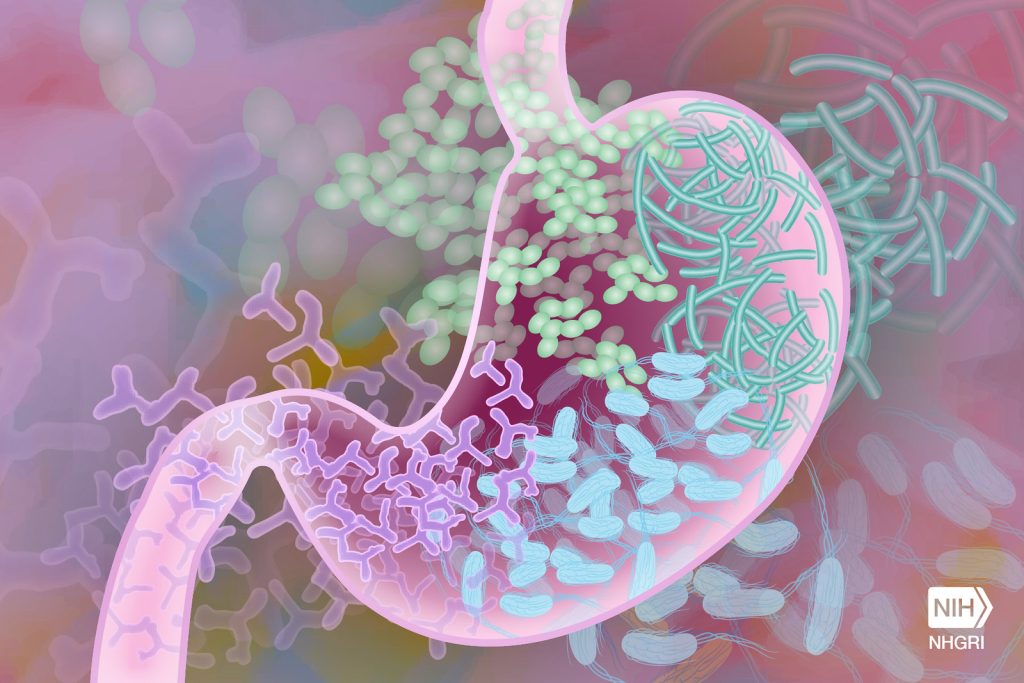
Gut microbiome. Credit: Darryl Leja, NIH

Researchers have developed a new oral treatment for ulcerative colitis that takes the innovative approach of focusing on reducing inflammation in gut microbiota.

Published in Pharmaceutics, the study comprised a two-step approach to fighting ulcerative colitis. First, the researchers reduced inflammation in gut microbiota from a mouse using an anti-inflammatory drug candidate delivered by lipid nanoparticles. Then, they orally administered the end products of these treated microbiota to the same mouse, resulting in a new, effective way to prevent ulcerative colitis.

Studies have shown that irregular gut microbiota composition is linked to ulcerative colitis, and altering this composition can effectively treat a variety of chronic diseases, including ulcerative colitis. However, current methods such as faecal microbiota transplants carry a serious infection risk because they involve the transmission of drug-resistant organisms.

In this study, the researchers developed an organism-free strategy in which gut microbiota were altered in test tubes, and then microbiota-secreted metabolites were transferred back to the host. Analysis of faeces from mice with ulcerative colitis, researchers found that a natural lipid nanoparticle-encapsulated drug candidate modified the composition of inflamed gut microbiota, which were cultured outside of the host, and the secreted metabolites.

The researchers found that their M13/nLNP nano formulation shifted the inflamed microbiota composition toward being non-inflamed. This altered microbiota composition induced significant changes in secreted metabolites, and when these metabolites were fed to mice, they established strong protection against the formation of chronic inflammation.

“Our study demonstrates that modifying microbiota outside of the host using M13/nLNP effectively reshaped the microbial secreted metabolites,” commented Dr Didier Merlin, a professor at Georgia State University. “Oral transfer of these metabolites might be an effective and safe therapeutic approach for preventing chronic ulcerative colitis.”

“Our strategy to tackle the progression of ulcerative colitis might offer an alternative and complementary approach for better managing this disease,” said Dr Chunhua Yang, a research assistant professor at the Institute for Biomedical Sciences at Georgia State. “Although this study demonstrates the anti-inflammatory effects of metabolites modified outside of the organism, further investigations are required to characterise the specific bacteria that contribute to the anti-inflammatory metabolites and to identify anti-inflammatory metabolite structures.”

Source: Georgia State University

IBD and Depression is a Two-way Street

Photo by Andrea Piacquadio on Pexels

While irritable bowel disease (IBD) and depression are known to occur together, scientists report a clinical overlap of these conditions in the Journal of Gastroenterology and Hepatology, implying the existence of a two-way relationship. Patients diagnosed with IBD were nine times as likely to develop depression than the general population. Their siblings who did not suffer from IBD were almost two times as likely to develop depression.

Conversely, patients with depression were two times as likely to develop IBD, and their siblings without depression were more than one and a half times as likely to develop IBD.

“This research reveals a clinical overlap between both conditions, and is the first study to investigate the two-way association between IBD and depression in siblings,” said Bing Zhang, MD, a gastroenterologist with Keck Medicine and co-lead author of the study.

The researchers drew on the data of more than 20 million people from Taiwan’s National Health Insurance Research Database. For 11 years, they tracked patients with either IBD or depression and their siblings without either condition, comparing onset of depression or IBD with a control group of people without either condition, but with similar age, sex and socioeconomic status.

Zhang hypothesises that many factors may contribute to the bidirectional nature of the disorders, including environmental stressors, the gut microbiome and genetics.

“The finding that people with IBD are more prone to depression makes sense because IBD causes constant gastrointestinal symptoms that can be very disruptive to a patient’s life,” he said. “And the elevated depression risk among siblings of IBD patients may reflect caregiver fatigue if the siblings have a role in caring for the patient.”

What surprised researchers was that patients with depression were prone to IBD. Zhang speculates that this discovery may have to do with what is known as the gut-brain axis, a scientifically established connection between the gastrointestinal system and the central nervous system, which consists of the spinal cord and the brain.

For example, he said, inflammation of the brain, which plays a role in depression, may be linked to the inflammation of the gastrointestinal tract, a hallmark of IBD.

The researchers are not sure why siblings of patients with depression are more likely to be diagnosed with IBD. Zhang surmises that there may be a shared genetic susceptibility for either disease that presents differently in family members.

Zhang hopes that the study findings will encourage health care professionals to take both family history and the relationship between gastrointestinal and mood disorders into consideration when evaluating or treating patients with either IBD or depression.

Through more research and better understanding of the gut-brain axis, he envisions leveraging the newfound connection between the conditions to improve the prevention, diagnosis and treatment of IBD and mental disorders.

Source: University of Southern California – Health Sciences

Growing up with Dogs (But not Cats) Protects Against Crohn’s Disease

Photo by Snapwire on Pexels

Young children who grow up with a dog or in a large family appears to confer some protection later on in life from Crohn’s disease, according to a study presented at Digestive Disease Week® (DDW) 2022.

Crohn’s disease is a common type of inflammatory bowel disease that often develops in young adults, smokers, and those with a close family member who has IBD. Symptoms include diarrhoea, abdominal pain and weight loss. Treatments currently aim to prevent symptom flare-ups through diet modification, medication, and surgery.

“Our study seems to add to others that have explored the ‘hygiene hypothesis’ which suggests that the lack of exposure to microbes early in life may lead to lack of immune regulation toward environmental microbes,” said Williams Turpin, PhD, the study’s senior author and a research associate with Mount Sinai Hospital and the University of Toronto.

Researchers used an environmental questionnaire to collect information from nearly 4300 first-degree relatives of people with Crohn’s disease enrolled in the Crohn’s and Colitis Canada Genetic, Environmental, and Microbial (CCC-GEM) project. Using responses to the questionnaire and historical data collected at the time of recruitment, Dr Turpin and his team analysed several environmental factors, including family size, the presence of dogs or cats as household pets, the number of bathrooms in the house, living on a farm, drinking unpasteurised milk and drinking well water. The analysis also included age at the time of exposure.

The study found that exposure to dogs, especially from ages 5 to 15, was associated with healthy gut permeability and balance between the microbes in the gut and the body’s immune response, which may all help protect against Crohn’s disease. Similar effects were observed with exposure to dogs across all age groups.

“We did not see the same results with cats, though we are still trying to determine why,” Dr Turpin said. “It could potentially be because dog owners get outside more often with their pets or live in areas with more green space, which has been shown previously to protect against Crohn’s.”

Another protective factor seemed to be living with three or more family members in the first year of life, which was associated with microbiome composition later in life. The gut microbiome is believed to play a role in a number of health conditions, such as inflammatory bowel disease, colorectal cancer, diabetes, and high blood pressure.

Dr Turpin and his colleagues hope their findings may assist physicians in asking detailed questions of patients to determine who is at highest risk. However, he noted that the early life environmental factors were assessed by questionnaires, so caution is warranted in interpreting these results due to possible recall bias at recruitment. The reasons dog ownership and larger families appear to provide protection from Crohn’s remain unclear.

Source: Digestive Disease Week

Using Ablation Therapy to Treat Stomach Disorders

Photo by Andrea Piacquadio on Pexels

Researchers have shown that ablation therapy, often used to correct an abnormally beating heart, could be used to correct disorders of the stomach such as ‘stomach dysrhythmias’. They outline the results of their work in AJP Gastrointestinal and Liver Physiology.

In normal circumstances the stomach is coordinated by underlying bioelectrical ‘slow wave’ activity, which coordinates the contraction of the muscles that mix and move contents into and through the gastrointestinal (GI) tract.  When these electrical slow waves don’t work as they should, described as ‘stomach dysrhythmias’, it can lead to severe GI disorders and symptoms of nausea, vomiting, pain and bloating, and is often untreatable.

When dysrhythmic activity occurs in the heart it results in atrial fibrillation, which is often treated with ablation therapy in which tissues are precisely ‘burnt’ to control the naturally occurring electricity in the heart. Dr Tim Angeli-Gordon and PhD student Zahra Aghababaie of the ABI have shown that the technique could also be applied to control the naturally occurring bioelectrical “slow wave” activity in the stomach.

With last year’s publication of the team’s initial research using ablation in the stomach, they demonstrated that it was possible to use the technique to block the electrical activation of the stomach in localised regions. “The more recent paper builds on that foundational work and is an important advance because we have now shown that we can eliminate abnormal electrical activation with ablation, and also that the normal electrical activation of the stomach can be restored after ablation,” said Dr Angeli-Gordon. “Although these studies were done in our pre-clinical lab, they demonstrate the powerful potential of ablation in the stomach which may now be able to be translated as a therapy for patients suffering from gastrointestinal disorders.”

Source: EurekAlert!

GI Issues and Anxiety Linked in Children with Autism

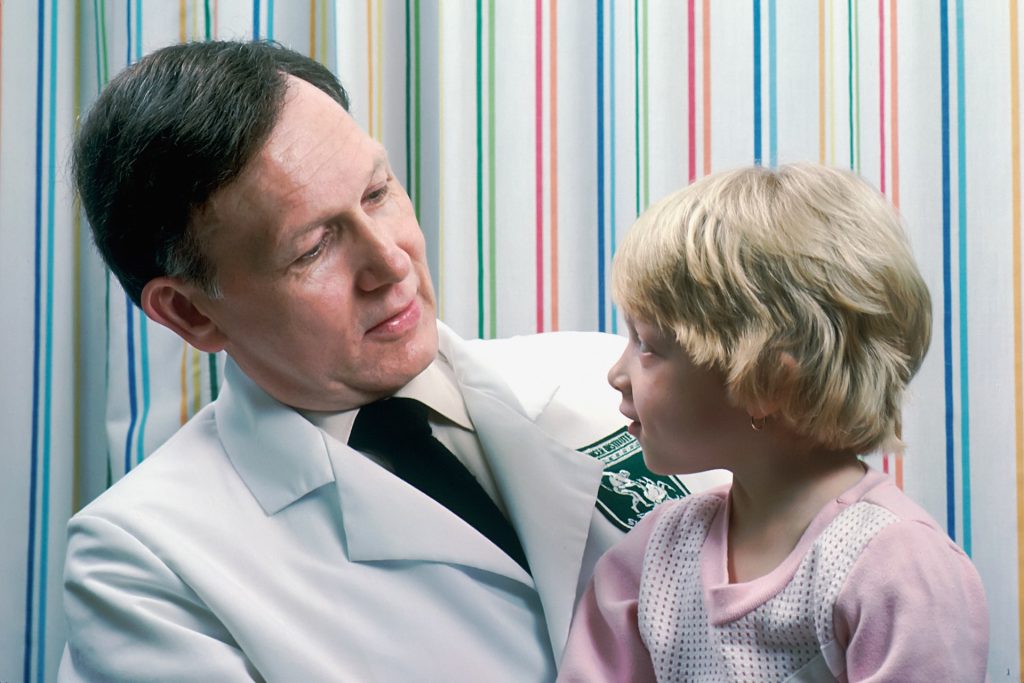
Male doctor with young girl patient
Photo by National Cancer Institute on Unsplash

A new study has found a bi-directional relationship between gastrointestinal (GI) issues and internalised symptoms such as anxiety in children and adolescents with autism, which means the symptoms seem to be affecting each other. The findings could inform future precision medicine research aimed at developing personalised treatments for people with autism experiencing gastrointestinal issues. The study appears in the Journal of Autism and Developmental Disorders.

Autism is known to be often associated with GI issues, and is often overlooked in children despite being a source of pain and anxiety. Food preferences are often for carbohydrates and processed foods. The most common cause of GI issues in children with autism are abdominal pain, constipation, chronic diarrhea and gastroesophageal reflux disease (GERD).

“Research has shown gastrointestinal issues are associated with an increased stress response as well as aggression and irritability in some children with autism,” said Brad Ferguson, an assistant research professor. “This likely happens because some kids with autism are unable to verbally communicate their gastrointestinal discomfort as well as how they feel in general, which can be extremely frustrating. The goal of our research is to find out what factors are associated with gastrointestinal problems in individuals with autism so we can design treatments to help these individuals feel better.”

In the study, Ferguson and his team analysed health data from more than 620 under-18 patients with autism who experience gastrointestinal issues. Then, the researchers examined the relationship between the GI issues and internalised symptoms. Ferguson explained the findings provide more evidence on the importance of the ‘gut–brain axis’ in GI disorders in individuals with autism.

“Stress signals from the brain can alter the release of neurotransmitters like serotonin and norepinephrine in the gut which control gastrointestinal motility, or the movement of stool through the intestines. Stress also impacts the balance of bacteria living in the gut, called the microbiota, which can alter gastrointestinal functioning,” Ferguson said. “The gut then sends signals back to the brain, and that can, in turn, lead to feelings of anxiety, depression and social withdrawal. The cycle then repeats, so novel treatments addressing signals from both the brain and the gut may provide the most benefit for some kids with gastrointestinal disorders and autism.”

Ferguson is collaborating with David Beversdorf, a neurologist who also studies gastrointestinal problems in individuals with autism. Beversdorf had recently helped identify specific RNA biomarkers linked with gastrointestinal issues in children with autism.

“Interestingly, the study from Beversdorf and colleagues found relationships between microRNA that are related to anxiety behaviour following prolonged stress as well as depression and gastrointestinal disturbance, providing some converging evidence with our behavioural findings,” Ferguson said.

Ferguson and Beversdorf are now together investigating the effects of a stress-reducing medication on GI issues in a clinical trial. Ferguson cautioned that treatment could be effective for certain people with autism but not others.

“Our team uses a biomarker-based approach to find what markers in the body are common in those who respond favourably to certain treatments,” Ferguson said. “Our goal is to eventually develop a quick test that tells us which treatment is likely to work for which subgroups of patients based on their unique biomarker signature, including markers of stress, composition of gut bacteria, genetics, co-occurring psychological disorders, or a combination thereof. This way, we can provide the right treatments to the right patients at the right time.”

Source: University of Missouri-Columbia

Damaging Candida Strains in Inflammatory Bowel Disease

Anatomy of the gut
Source: Pixabay CC0

In the human gut, individual strains of Candida albicans are incredibly varied, and some C. albicans strains may damage the gut of patients with inflammatory bowel disease (IBD), according to a new study published in Nature. The findings suggest a possible way to tailor treatments to individual patients in the future.

The researchers used an array of techniques to study Candida strains from the colons of people with or without ulcerative colitis, a chronic, relapsing and remitting inflammatory disorder of the colon and rectum and one of the main forms of IBD. They found that certain strains, which they call “high-damaging,” produce candidalysin, a potent toxin that damages immune cells.

“Such strains retained their “high-damaging” properties when they were removed from the patient’s gut and triggered pro-inflammatory immunity when colonised in mice, replicating certain disease hallmarks,” said senior author Dr Iliyan Iliev, an associate professor of immunology in medicine at Weill Cornell Medicine.

IBD is estimated to affect between one in 11 and one in 26 people worldwide. The condition can significantly impact patients’ quality of life. There are a handful of available therapies, but treatments may not always be effective. The study showed that steroids, one of the common treatments, may not work. Treating mice with steroids to suppress intestinal inflammation failed in the presence of “high-damaging” C. albicans strains.

“Our findings suggest that C. albicans strains do not cause spontaneous intestinal inflammation in a host with intact immunity,” Dr Iliev said. “But they do expand in the intestines when inflammation is present and can be a factor that influences response to therapy in our models and perhaps in patients.”

Most studies of the human microbiome in healthy individuals and those with IBD have focused on bacteria and viruses, but recent studies  by Dr Iliev and others has highlighted the role of fungi. Intestinal fungi play an important role in regulating immunity at surfaces exposed to the outside, such as the intestines and lungs, due to their potent immune-stimulating characteristics. While the mycobiota – the body’s fungi community – has been linked to IBD, the pro-inflammatory of gut the mycobiota was not understood.

In the new study, the investigators initially found that Candida strains, while highly diverse in the intestines of both patients with and without colitis, were on average more abundant in the patients with IBD. But that did not explain disease outcomes in individual patients. So, the investigators set out to identify the characteristics of these strains that cause damage and how they relate to individual patients.

The researchers observed that in the patients with ulcerative colitis, severe disease was associated with the presence of “high-damaging” Candida strains, all of which produce the candidalysin toxin. The scientists showed that the toxin damages immune cells called macrophages, prompting a storm of the pro-inflammatory cytokine IL-1β.

The researchers then grew macrophages in the presence of Candida strains and found that the ability of the strains to induce IL-1β corresponded closely to the severity of colitis in the patients.

“Our finding shows that a cell-damaging toxin candidalysin released by “high damaging” C. albicans strains during the yeast-hyphae morphogenesis triggers pathogenic immunological responses in the gut,” said first author Dr Xin Li.

Experiments in mice delineated that candidalysin-producing “high-damaging” strains induced the expansion of a population of T cells called Th17 cells and other inflammation-associated immune cells, such as neutrophils.

“Neutrophils contribute to tissue damage and their accumulation is a hallmark of active IBD,” said Dr Ellen Scherl, a professor of inflammatory bowel disease. “The indication that these processes might in part be driven by a fungal toxin released by yeast strains in specific patients could potentially inform personalized treatment approaches.”

Consistent with this finding, blocking IL-1β signalling had a dramatic effect in reducing colitis signs in mice that harboured these highly pro-inflammatory strains. The researchers noted that other recent studies have linked IBD to IL-1β in a general way, prompting ongoing investigations of drugs targeting related pathways as potential IBD therapies.

“We do not know whether specific strains are acquired by specific patients during the course of disease or whether they have been always there and become a problem during episodes of active disease” Dr Iliev said. “Nevertheless, our findings highlight a mechanism by which commensal fungal strains can turn against their host and overdrive inflammation.”

The team’s next steps are to investigate the persistence candidalysin-producing strains in the inflamed colon of specific IBD patients, as well as ways to choose patients for mycobiome therapy.

Source: Weill Cornell Medicine

A Touch-sensing Protein Helps the Gut to ‘Feel’

Anatomy of the gut
Source: Pixabay CC0

New research published in the journal Gastroenterology has discovered that a touch-sensing protein is present in the gut, with its presence likely playing a key role in constipation. The protein, called Piezo2, was found using both human gut samples and mice is not just in our fingers, but also in our gut.

“Many people suffer from digestive issues on a daily basis, such as chronic constipation, however we still don’t understand the cause which underlies most of them,” said Lauren Jones, lead author and final year PhD student.

“Our research identified Piezo2 in cells that line the human digestive tract, allowing them to sense physical stimuli, such as touch or pressure, that would occur when food is present. The cells then respond by releasing serotonin to stimulate gut contractions and push the food along.”

Last year, international researchers Ardem Patapoutian and David Julius were awarded the Nobel Prize in Physiology or Medicine for their research on receptors responsible for the perception of touch and temperature, including the discovery of Piezo2, now known to be responsible for sensing light touch on our skin.

Of potential clinical importance, the Flinders research team also discovered that the levels of Piezo2 decrease in the gut with age, and found that if the protein was removed only from gut serotonin cells, gut motility slowed down in mice, causing constipation.

The authors say this could be a potential contributing factor to age-related constipation and provide a possible path to treatment.

Researchers discover a nuclear import mechanism essential for organ growth and development

“Age-related constipation affects 1 in 2 adults over the age of 80, whilst constipation generally affects almost everyone at some point throughout their life,” says Ms Jones.

“It’s therefore extremely important we increase our understanding of the underlying mechanisms, so that we can find targeted solutions to improve the quality of life of the many people who suffer daily from various gut disorders, including constipation.

“This research provides the building blocks for both further research and the development of highly specific treatments to reduce the impacts of constipation.”

The authors say that, though more studies are needed to firmly link Piezo2 to constipation, the research overall is an important advancement into our understanding of gut physiology, opening up new targets for the treatment of digestive issues.

The insights allow for reduced side effects, explained Ms Jones: “More specifically, we now have the potential to create treatments that are taken orally and only directly impact these cells that line the gut, therefore significantly reducing side effects typically seen with many of the current medications.”

Source: News-Medical.Net

Propofol and Physician Anaesthesiologists Speed Up Endoscopy

Photo by Anna Shvets on Pexels

Using a physician anaesthesiologist-led model administering fast-acting propofol increases patient access to care, compared to previous models which used nurse-administered sedation for gastrointestinal (GI) endoscopy procedures, according to work done by the University of Colorado Hospital.

“The Anaesthesia Care Team model allows us to optimise patient flow and utilise faster-acting medications, resulting in shorter total case lengths and reduced post-anaesthesia care unit (PACU) length of stay for upper and lower GI endoscopic procedures, compared to a model where nurses provided sedation,” said Dr Adeel A. Faruki, senior author of the study. “This allows for scheduling more patients in fewer rooms in the GI suite per day and increases patient access to care.”

Most anaesthesia care in the US is delivered either by a physician anaesthesiologist or a non-physician anaesthesia practitioner supervised by a physician anaesthesiologist within the Anaesthesia Care Team model. This model and physician-led anaesthesia care is seen as the gold standard for ensuring patient safety and the best outcomes.

The University of Colorado Hospital previously used a model where GI procedural nurses provided sedation under supervision from gastroenterologists for cases that did not require general anesthesia (called the GI luminal unit). The hospital transitioned to the Anaesthesia Care Team model for all GI cases July 1, 2021.

In the study, researchers compared GI cases performed under the previous nurse-provided sedation model to those performed under the Anaesthesia Care Team model. They found it took less time to start the procedure (sedation start to scope-in time) when deep sedation with propofol (MAC) was provided by the Anaesthesia Care Team than when nurses administered sedation with fentanyl, midazolam and diphenhydramine. That change, along with a redesigned patient flow, provided the opportunity to increase daily GI procedural volume by 25%, while using the same number of procedural suites, Dr Faruki said.

Propofol is a fast-acting and effective medication with a higher-risk-profile, which physician anesthesiologists have the skills and training to deliver and monitor. “Propofol can result in very deep levels of sedation in a short period of time and, therefore, at most institutions, is restricted for use by anesthesia providers,” said Andrew Mariotti, lead author of the study and M.D. candidate at the University of Colorado. “Unlike GI procedural nurses, the Anesthesia Care Team has the training and expertise to perform advanced airway and cardiovascular interventions if an emergency arises.”

The researchers analysed the sedation-to-scope-in time of 5640 endoscopy patients, comparing 4,606 who received nurse-administered sedation for GI procedures, to 1034 who had MAC. The time was reduced by 2 to 2-1/2 minutes per case with MAC. Extrapolating to the typical cases performed at their hospital over a year (more than 2600 cases), the authors said the time savings equates to more than 5300 minutes, or 90 hours.

Sincerecovery also is faster with propofol, there were time savings in the PACU of 7 minutes for upper GI endoscopies and 2 minutes in lower-GI cases. The researchers also found patients reported being less groggy.

GI endoscopies account for about two-thirds of all endoscopies in the US. The time savings for Anesthesia Care Team-administered MAC sedation likely would apply to non-GI procedures as well, the authors noted.

This research is presented at the American Society of Anesthesiologists’ ADVANCE 2022, the Anesthesiology Business Event.

Source: EurekAlert!

Commonly Used Drugs Have a Significant Impact on Gut Microbiome

Source: Pixabay CC0

Many commonly used drugs have powerful effects on the human gut microbiome, according to a large cohort study published in the journal Nature. These include drugs used to treat cardiometabolic disorders and antibiotics.

The human microbiome is composed of microbes that reside in and on our bodies, which have tremendous potential to impact our physiology, both in health and in disease. They contribute metabolic functions, protect against pathogens, educate the immune system, and, through these basic functions, affect directly or indirectly most of our physiologic functions.

“We analysed the effects of 28 different drugs and several drug combinations,” explained Professor Peer Bork, Director of Scientific Activities at EMBL Heidelberg, “Many drugs negatively impact the composition and state of the gut bacteria, but others, including aspirin, can have a positive influence on the gut microbiome. We found that drugs can have a more pronounced effect on the host microbiome than disease, diet, and smoking combined.”

While the negative and lasting impact of antibiotics on gut bacteria is already well-known, this study showed that such effects likely accumulate over time. “We found that the gut microbiome of patients taking multiple courses of antibiotics over five years became less healthy. That included signs indicating antimicrobial resistance,” said co-first author of the study Dr Sofia Forslund.

“We wanted to disentangle the effect that diseases have on host microbiomes from the effect of medications, particularly in patients taking more than one drug at the same time,” said co-first author Dr Maria Zimmermann-Kogadeeva. “Being part of the MetaCardis consortium enabled us to use multi-omics data from more than 2000 patients with cardiometabolic diseases,” she added. The cohort’s large size also let the researchers establish that drug dosage also has a significant effect on the level of impact on the microbiome.

“We know that the microbiome can reflect the status of a patient’s health and provide a range of biomarkers to assess the severity of diseases. What is often overlooked, however, is that the medication used to treat a disease also affects the state of the microbiome,” added Dr Rima Chakaroun, one of the lead authors.

The researchers came up with a statistical approach to tease out the effects of drugs and disease separately. “We now have a robust methodological framework that makes it possible to get rid of many of the standard errors,” said Professor Bork. “That allowed us to show that medication can mask the signatures of disease and conceal potential biomarkers or therapeutic targets.”

It is hoped that these results could potentially inform drug repurposing as well as in planning individualised treatment and prevention strategies.

The study combined the insight, knowledge and approaches of experts in six countries. “It was very motivating to work with an interdisciplinary team of clinicians, bioinformaticians, and computational systems biologists to advance our understanding of molecular interactions in cardiometabolic disease,” said Dr Zimmermann-Kogadeeva.

Source: European Molecular Biology Lab

IBS Dietary Therapy Works Best with Certain Gut Microbiomes

Beneficial gut bacteria. Credit: Darryl Leja, National Human Genome Research Institute, National Institutes of Health

People who respond well to the irritable bowel syndrome (IBS) dietary therapy of reduced fermentable carbs have an abundance of particular types of bacteria in their gut, reveals research published online in the journal Gut.

The composition of the gut microbiome is thought to have a major role in the development of IBS. Restricting fermentable carbs, found in many foods including wheat, onions, and milk, is usually recommended to ease symptoms, an approach known as the low FODMAP (fermentable oligo-, di-, mono-saccharides and polyols) diet. But why this diet works is not fully understood.

In a bid to fill this knowledge gap, the researchers analysed stool samples of 56 people with IBS and 56 people who lived with them, but without the condition, to identify the microbial profile and genes involved in converting food into active molecules while on their usual diet.

They then assessed the clinical response in 41 of these pairs after 4 weeks on the low FODMAP diet by reviewing their stool samples again.

Before adoption of the low FODMAP diet, analysis of the stool samples of those with IBS revealed two distinct microbial ‘signatures’, which the researchers referred to as ‘pathogenic-like’ (IBSP) and as ‘health-like’ (IBSH).

The pathogenic microbial signature was abundant in harmful Firmicutes sp, including known disease causing bacteria, such as C. difficileC. sordellii and C. perfringens, but very low in beneficial Bacteroidetes species.

The lactic acid bacteria Streptococcus parasanguinis and Streptococcus timonensis that are usually found in the mouth were also abundant. And bacterial genes for amino acid and carbohydrate metabolism were overexpressed, which may explain the excess of some metabolites that are linked to IBS symptoms, say the researchers.

The healthy microbial signature of the other IBS patients was similar to that found in the comparison group (household members).

After 4 weeks on the low FODMAP diet, the microbiome of the comparison group and those with the healthy microbial profile stayed the same.

But the microbiome of those with the pathogenic profile became healthier, with an increase in Bacteroidetes, and a fall in Firmicutes species. And the bacterial genes involved in the metabolism of amino acids and carbs were no longer overexpressed.

In 3 out of 4 of IBS patients, symptoms improved. But the clinical response to the low FODMAP diet was greater in those with IBS and a pathogenic microbial signature than it was in those with IBS and a healthy microbial signature in their gut.

“The evidence associating diet, the microbiome and symptoms in [pathogenic IBS] is compelling, but studies following the introduction of candidate organisms into an animal model are needed to prove the relationship is causal,”  the researchers cautioned.

Nevertheless, they suggest their findings could lead to a microbial signature to identify those who would respond best to a low FODMAP diet and better manage those who wouldn’t.

“If the bacteria represented in the [pathogenic] subtype are shown to play a pathogenic role in IBS, perhaps through their metabolic activity, this provides a target for new therapies and an intermediate [marker] by which to assess them,” they suggest.

In a linked editorial, Professor Peter Gibson and Dr Emma Halmos of Melbourne’s Monash University, describe the introduction and adoption of the FODMAP diet as “a major change in the management of patients with irritable bowel syndrome (IBS) towards integrated care.

But while “an effective symptomatic therapy, [it’s] one that carries risks associated with exacerbating disordered eating, challenging nutritional adequacy and putatively inducing dysbiotic gut microbiota,” they added.

They point out some limitations of the research, including that FODMAP intake was poorly assessed, fibre intake,which can also influence the microbiome wasn’t reported and patient drop-out reduced the power of the study.

Nevertheless, the authors concluded that “the beauty of [the study] is not in its definitive nature, but that it enables the creation of feasible innovative hypotheses that can be examined by focused studies. Perhaps the FODMAP diet is not just a symptomatic therapy.” 

Source: BMJ