Category: Gastrointestinal

A Touch-sensing Protein Helps the Gut to ‘Feel’

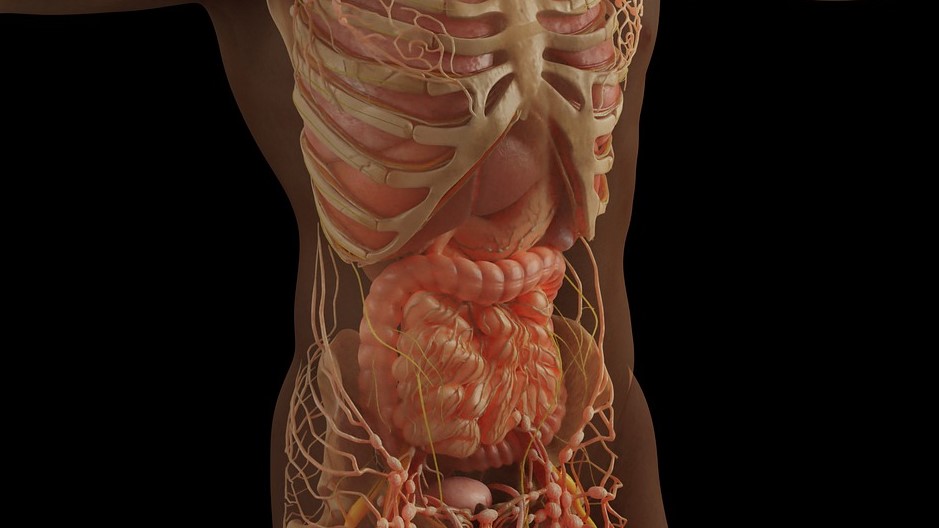
Anatomy of the gut
Source: Pixabay CC0

New research published in the journal Gastroenterology has discovered that a touch-sensing protein is present in the gut, with its presence likely playing a key role in constipation. The protein, called Piezo2, was found using both human gut samples and mice is not just in our fingers, but also in our gut.

“Many people suffer from digestive issues on a daily basis, such as chronic constipation, however we still don’t understand the cause which underlies most of them,” said Lauren Jones, lead author and final year PhD student.

“Our research identified Piezo2 in cells that line the human digestive tract, allowing them to sense physical stimuli, such as touch or pressure, that would occur when food is present. The cells then respond by releasing serotonin to stimulate gut contractions and push the food along.”

Last year, international researchers Ardem Patapoutian and David Julius were awarded the Nobel Prize in Physiology or Medicine for their research on receptors responsible for the perception of touch and temperature, including the discovery of Piezo2, now known to be responsible for sensing light touch on our skin.

Of potential clinical importance, the Flinders research team also discovered that the levels of Piezo2 decrease in the gut with age, and found that if the protein was removed only from gut serotonin cells, gut motility slowed down in mice, causing constipation.

The authors say this could be a potential contributing factor to age-related constipation and provide a possible path to treatment.

Researchers discover a nuclear import mechanism essential for organ growth and development

“Age-related constipation affects 1 in 2 adults over the age of 80, whilst constipation generally affects almost everyone at some point throughout their life,” says Ms Jones.

“It’s therefore extremely important we increase our understanding of the underlying mechanisms, so that we can find targeted solutions to improve the quality of life of the many people who suffer daily from various gut disorders, including constipation.

“This research provides the building blocks for both further research and the development of highly specific treatments to reduce the impacts of constipation.”

The authors say that, though more studies are needed to firmly link Piezo2 to constipation, the research overall is an important advancement into our understanding of gut physiology, opening up new targets for the treatment of digestive issues.

The insights allow for reduced side effects, explained Ms Jones: “More specifically, we now have the potential to create treatments that are taken orally and only directly impact these cells that line the gut, therefore significantly reducing side effects typically seen with many of the current medications.”

Source: News-Medical.Net

Propofol and Physician Anaesthesiologists Speed Up Endoscopy

Photo by Anna Shvets on Pexels

Using a physician anaesthesiologist-led model administering fast-acting propofol increases patient access to care, compared to previous models which used nurse-administered sedation for gastrointestinal (GI) endoscopy procedures, according to work done by the University of Colorado Hospital.

“The Anaesthesia Care Team model allows us to optimise patient flow and utilise faster-acting medications, resulting in shorter total case lengths and reduced post-anaesthesia care unit (PACU) length of stay for upper and lower GI endoscopic procedures, compared to a model where nurses provided sedation,” said Dr Adeel A. Faruki, senior author of the study. “This allows for scheduling more patients in fewer rooms in the GI suite per day and increases patient access to care.”

Most anaesthesia care in the US is delivered either by a physician anaesthesiologist or a non-physician anaesthesia practitioner supervised by a physician anaesthesiologist within the Anaesthesia Care Team model. This model and physician-led anaesthesia care is seen as the gold standard for ensuring patient safety and the best outcomes.

The University of Colorado Hospital previously used a model where GI procedural nurses provided sedation under supervision from gastroenterologists for cases that did not require general anesthesia (called the GI luminal unit). The hospital transitioned to the Anaesthesia Care Team model for all GI cases July 1, 2021.

In the study, researchers compared GI cases performed under the previous nurse-provided sedation model to those performed under the Anaesthesia Care Team model. They found it took less time to start the procedure (sedation start to scope-in time) when deep sedation with propofol (MAC) was provided by the Anaesthesia Care Team than when nurses administered sedation with fentanyl, midazolam and diphenhydramine. That change, along with a redesigned patient flow, provided the opportunity to increase daily GI procedural volume by 25%, while using the same number of procedural suites, Dr Faruki said.

Propofol is a fast-acting and effective medication with a higher-risk-profile, which physician anesthesiologists have the skills and training to deliver and monitor. “Propofol can result in very deep levels of sedation in a short period of time and, therefore, at most institutions, is restricted for use by anesthesia providers,” said Andrew Mariotti, lead author of the study and M.D. candidate at the University of Colorado. “Unlike GI procedural nurses, the Anesthesia Care Team has the training and expertise to perform advanced airway and cardiovascular interventions if an emergency arises.”

The researchers analysed the sedation-to-scope-in time of 5640 endoscopy patients, comparing 4,606 who received nurse-administered sedation for GI procedures, to 1034 who had MAC. The time was reduced by 2 to 2-1/2 minutes per case with MAC. Extrapolating to the typical cases performed at their hospital over a year (more than 2600 cases), the authors said the time savings equates to more than 5300 minutes, or 90 hours.

Sincerecovery also is faster with propofol, there were time savings in the PACU of 7 minutes for upper GI endoscopies and 2 minutes in lower-GI cases. The researchers also found patients reported being less groggy.

GI endoscopies account for about two-thirds of all endoscopies in the US. The time savings for Anesthesia Care Team-administered MAC sedation likely would apply to non-GI procedures as well, the authors noted.

This research is presented at the American Society of Anesthesiologists’ ADVANCE 2022, the Anesthesiology Business Event.

Source: EurekAlert!

Commonly Used Drugs Have a Significant Impact on Gut Microbiome

Source: Pixabay CC0

Many commonly used drugs have powerful effects on the human gut microbiome, according to a large cohort study published in the journal Nature. These include drugs used to treat cardiometabolic disorders and antibiotics.

The human microbiome is composed of microbes that reside in and on our bodies, which have tremendous potential to impact our physiology, both in health and in disease. They contribute metabolic functions, protect against pathogens, educate the immune system, and, through these basic functions, affect directly or indirectly most of our physiologic functions.

“We analysed the effects of 28 different drugs and several drug combinations,” explained Professor Peer Bork, Director of Scientific Activities at EMBL Heidelberg, “Many drugs negatively impact the composition and state of the gut bacteria, but others, including aspirin, can have a positive influence on the gut microbiome. We found that drugs can have a more pronounced effect on the host microbiome than disease, diet, and smoking combined.”

While the negative and lasting impact of antibiotics on gut bacteria is already well-known, this study showed that such effects likely accumulate over time. “We found that the gut microbiome of patients taking multiple courses of antibiotics over five years became less healthy. That included signs indicating antimicrobial resistance,” said co-first author of the study Dr Sofia Forslund.

“We wanted to disentangle the effect that diseases have on host microbiomes from the effect of medications, particularly in patients taking more than one drug at the same time,” said co-first author Dr Maria Zimmermann-Kogadeeva. “Being part of the MetaCardis consortium enabled us to use multi-omics data from more than 2000 patients with cardiometabolic diseases,” she added. The cohort’s large size also let the researchers establish that drug dosage also has a significant effect on the level of impact on the microbiome.

“We know that the microbiome can reflect the status of a patient’s health and provide a range of biomarkers to assess the severity of diseases. What is often overlooked, however, is that the medication used to treat a disease also affects the state of the microbiome,” added Dr Rima Chakaroun, one of the lead authors.

The researchers came up with a statistical approach to tease out the effects of drugs and disease separately. “We now have a robust methodological framework that makes it possible to get rid of many of the standard errors,” said Professor Bork. “That allowed us to show that medication can mask the signatures of disease and conceal potential biomarkers or therapeutic targets.”

It is hoped that these results could potentially inform drug repurposing as well as in planning individualised treatment and prevention strategies.

The study combined the insight, knowledge and approaches of experts in six countries. “It was very motivating to work with an interdisciplinary team of clinicians, bioinformaticians, and computational systems biologists to advance our understanding of molecular interactions in cardiometabolic disease,” said Dr Zimmermann-Kogadeeva.

Source: European Molecular Biology Lab

IBS Dietary Therapy Works Best with Certain Gut Microbiomes

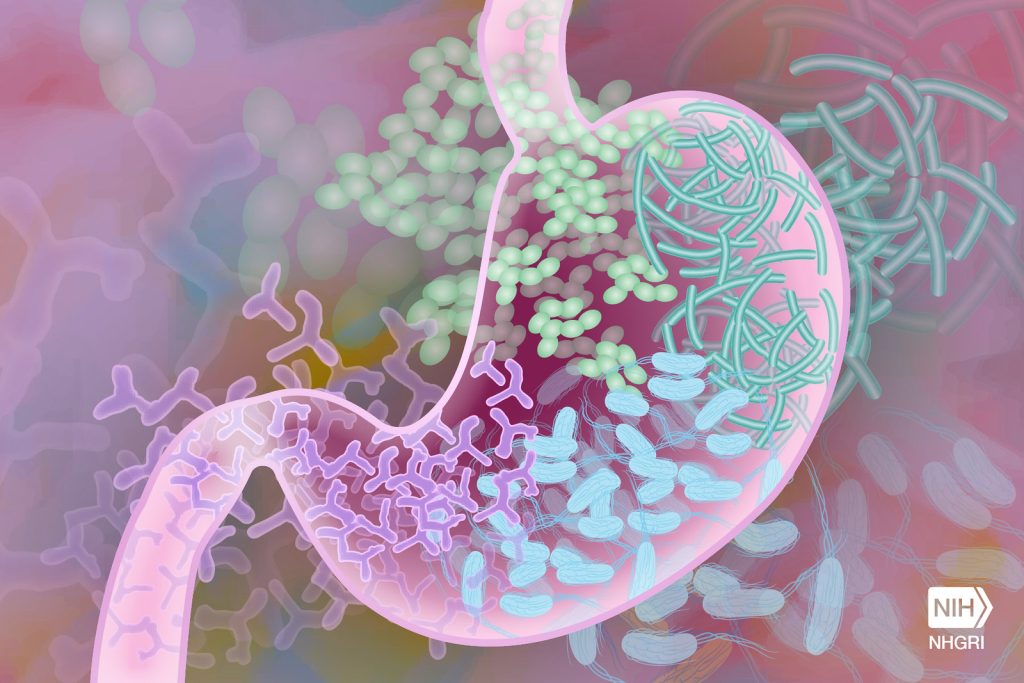
Beneficial gut bacteria. Credit: Darryl Leja, National Human Genome Research Institute, National Institutes of Health

People who respond well to the irritable bowel syndrome (IBS) dietary therapy of reduced fermentable carbs have an abundance of particular types of bacteria in their gut, reveals research published online in the journal Gut.

The composition of the gut microbiome is thought to have a major role in the development of IBS. Restricting fermentable carbs, found in many foods including wheat, onions, and milk, is usually recommended to ease symptoms, an approach known as the low FODMAP (fermentable oligo-, di-, mono-saccharides and polyols) diet. But why this diet works is not fully understood.

In a bid to fill this knowledge gap, the researchers analysed stool samples of 56 people with IBS and 56 people who lived with them, but without the condition, to identify the microbial profile and genes involved in converting food into active molecules while on their usual diet.

They then assessed the clinical response in 41 of these pairs after 4 weeks on the low FODMAP diet by reviewing their stool samples again.

Before adoption of the low FODMAP diet, analysis of the stool samples of those with IBS revealed two distinct microbial ‘signatures’, which the researchers referred to as ‘pathogenic-like’ (IBSP) and as ‘health-like’ (IBSH).

The pathogenic microbial signature was abundant in harmful Firmicutes sp, including known disease causing bacteria, such as C. difficileC. sordellii and C. perfringens, but very low in beneficial Bacteroidetes species.

The lactic acid bacteria Streptococcus parasanguinis and Streptococcus timonensis that are usually found in the mouth were also abundant. And bacterial genes for amino acid and carbohydrate metabolism were overexpressed, which may explain the excess of some metabolites that are linked to IBS symptoms, say the researchers.

The healthy microbial signature of the other IBS patients was similar to that found in the comparison group (household members).

After 4 weeks on the low FODMAP diet, the microbiome of the comparison group and those with the healthy microbial profile stayed the same.

But the microbiome of those with the pathogenic profile became healthier, with an increase in Bacteroidetes, and a fall in Firmicutes species. And the bacterial genes involved in the metabolism of amino acids and carbs were no longer overexpressed.

In 3 out of 4 of IBS patients, symptoms improved. But the clinical response to the low FODMAP diet was greater in those with IBS and a pathogenic microbial signature than it was in those with IBS and a healthy microbial signature in their gut.

“The evidence associating diet, the microbiome and symptoms in [pathogenic IBS] is compelling, but studies following the introduction of candidate organisms into an animal model are needed to prove the relationship is causal,”  the researchers cautioned.

Nevertheless, they suggest their findings could lead to a microbial signature to identify those who would respond best to a low FODMAP diet and better manage those who wouldn’t.

“If the bacteria represented in the [pathogenic] subtype are shown to play a pathogenic role in IBS, perhaps through their metabolic activity, this provides a target for new therapies and an intermediate [marker] by which to assess them,” they suggest.

In a linked editorial, Professor Peter Gibson and Dr Emma Halmos of Melbourne’s Monash University, describe the introduction and adoption of the FODMAP diet as “a major change in the management of patients with irritable bowel syndrome (IBS) towards integrated care.

But while “an effective symptomatic therapy, [it’s] one that carries risks associated with exacerbating disordered eating, challenging nutritional adequacy and putatively inducing dysbiotic gut microbiota,” they added.

They point out some limitations of the research, including that FODMAP intake was poorly assessed, fibre intake,which can also influence the microbiome wasn’t reported and patient drop-out reduced the power of the study.

Nevertheless, the authors concluded that “the beauty of [the study] is not in its definitive nature, but that it enables the creation of feasible innovative hypotheses that can be examined by focused studies. Perhaps the FODMAP diet is not just a symptomatic therapy.” 

Source: BMJ

A Link Between Intestinal Changes, Diet and Disease

A new study published in Nature Metabolism has found a link between diet, intestinal cell changes and disease.

The intestine has to react quickly to changes in nutrition and nutrient balance. One of the ways it does so is with intestinal cells that are specialised in the absorption of food components or the secretion of hormones. In adult humans, the intestinal cells regenerate every five to seven days. The ability to constantly renew and develop all types of intestinal cells from intestinal stem cells is crucial for the natural adaptability of the digestive system. However, a long-term diet high in sugar and fat disrupts this adaptation and can contribute to the development of obesity, type 2 diabetes, and gastrointestinal cancer.

The molecular mechanisms behind this maladaptation are the research area of this study. Intestinal stem cells are thought to play a special role in maladaptation, and to investigate this, the researchers used a mouse model to compare the impacts of a high-sugar and high-fat diet and with a control group.

“The first thing we noticed was that the small intestine increases greatly in size on the high-calorie diet,” said study leader Anika Böttcher. “Together with Fabian Theis’ team of computational biologists at Helmholtz Munich, we then profiled 27 000 intestinal cells from control diet and high fat/high sugar diet-fed mice. Using new machine learning techniques, we thus found that intestinal stem cells divide and differentiate significantly faster in the mice on an unhealthy diet.” The researchers hypothesize that this is due to an upregulation of the relevant signaling pathways, which is associated with an acceleration of tumor growth in many cancers. “This could be an important link: Diet influences metabolic signaling, which leads to excessive growth of intestinal stem cells and ultimately to an increased risk of gastrointestinal cancer,” says Böttcher.

Using this high-resolution technique, the researchers have also been able to study rare cell types in the intestine, such as hormone-secreting cells. Among their findings, they were able to show that an unhealthy diet leads to a reduction in serotonin-producing cells in the intestine. This can result in intestinal inertia (typical of diabetes mellitus) or increased appetite. Furthermore, the absorbing cells were shown to adapt to the high-fat diet, increasing functionality and thus directly contributing to weight gain.

The study findings enable a new understanding of disease mechanisms associated with a high-calorie diet. “What we have found out is of crucial importance for developing alternative non-invasive therapies,” said study leader Heiko Lickert. 

Presently, there is no pharmacological approach to prevent, stop or reverse obesity and diabetes. Only bariatric surgery causes permanent weight loss and can even lead to remission of diabetes. However, these surgeries are invasive, non-reversible and costly to the healthcare system. Novel non-invasive therapies could happen, for example, at the hormonal level through targeted regulation of serotonin levels. This will be an avenue of future research for the group.

Source: EurekAlert!

Gut Inflammation and Mental Health Link

Image by Falkurian Design on Unsplash

Using mouse models, scientists have discovered a link between gut inflammation and mental comorbidities. In response to gut inflammation like that caused by inflammatory bowel disease (IBD), they observed that the vascular barrier in the brain choroid plexus closes, clamping down access to the brain. The findings were published in Science.

Though this gut-brain vascular axis deregulation is likely a protective mechanism for the brain against inflammation, the findings suggest it may also result in the various cognitive and psychiatric symptoms that are occasionally associated with IBD.

Usually associated with intestinal inflammation, IBD can also cause a wide variety of symptoms in other organs. There is a robust link between anxiety and IBD; up to 40% of patients with IBD also present with psychiatric symptoms such as anxiety or depression. While the gut-brain axis is thought to be involved in driving these symptoms, no other related mechanisms are currently known.

Using a mouse model of intestinal inflammation, Sara Carloni and colleagues identified a potential pathogenic link between IBD and its associated mental comorbidities. According to the findings, the gut vascular barrier becomes more permeable due to the inflammatory process, which allows inflammation to spread beyond the intestines.

In response to this spread, the vascular barrier in the choroid plexus of the brain shuts down, which helps to protect the brain from inflammation. However, in doing so, the process also potentially impairs communications between organs and may hinder brain function.

In a mouse model of genetically driven closure of choroid plexus endothelial cells, Carloni and colleagues observed a deficit in short-term memory and anxiety-like behaviour. Thus, the mental deficits observed alongside IBD may result from deregulation of the gut-brain vascular axis, the authors said. This finding could be used for the development of therapeutic targets in treating some behavioural disorders.

Source: News-Medical.Net

Gut Microbes and Antibiotics Impact Inflammatory Pain

C difficile. Source: CDC

A study in rats showed that gut microbiomes and antibiotic use could modulate inflammatory pain.

Published in The Journal of Pain, the study examined the impact of antibiotics on the gut microbiome and how antibiotic use can alter inflammatory pain in subjects with or without access to exercise.

According to Glenn Stevenson, Ph.D., professor of psychology within the School of Social and Behavioral Sciences, this is the first publication to assess how antibiotic-induced changes to the gut microbiome impact inflammatory pain distal to the gut (in the limbs, for example).

The study determined the effects of vancomycin on inflammatory pain-stimulated and pain-depressed behaviours in rats, which was induced with formalin. Oral vancomycin administered in drinking water attenuated pain-stimulated behaviour, and prevented formalin pain-depressed wheel running. Faecal microbiota transplantation produced a non-significant trend toward reversal of vancomycin’s effect on pain-stimulated behaviour. Vancomycin depleted Firmicutes and Bacteroidetes gut populations while partially sparing Lactobacillus species and Clostridiales. The vancomycin treatment effect was associated with an altered profile in amino acid concentrations in the gut.

The results indicate that manipulation of the gut microbiome may be one method to attenuate inflammatory pain amplitude. Additionally, results indicated that the antibiotic-induced shift in gut amino acid concentrations may be a causal mechanism for this reduction in pain.

The research for this study took four years to complete, Prof Stevenson said, adding that the link between amino acids and pain reduction is “highly novel.”

Source: University of New England

1 in 10 Suffer Abdominal Pain After Meals

Photo by Vanessa Loring from Pexels

Around 11% of the global population frequently experience abdominal pain when they eat meals, according to a large online survey.

The research, presented at UEG Week Virtual 2021, found that was pain associated with eating is most common in those aged 18 to 28, with 15% of that age group affected. A gender split was seen, with 13% of women and 9% of men reporting eating-linked pain.

People experiencing frequent abdominal meal-related pain were also more likely to experience bloating, feeling full too soon, constipation and diarrhoea. The same group also had more severe psychological distress and non-gastrointestinal somatic symptoms.

A total of 36% of the people with frequent (>50% of the time) meal-related pain reported suffered from anxiety compared with 25% in the occasional (10-40% of the time) symptoms group and 18 % in those who never experienced meal-related pain. Those with frequent attacks also reported higher rates of depression (35%) compared to 24% in the occasional  symptom group and 17% in the group that never had meal-related pain.
The findings came from an online survey of 54 127 people across 26 countries.
Esther Colomier, study author and a joint PhD researcher at KU Leuven, Belgium, and the University of Gothenburg, Sweden, explained, “The take home message from this study is that people who experience meal-related abdominal pain more frequently experience other gastrointestinal symptoms and more regularly fulfil criteria for disorders of the gut brain interactions (DGBIs, formerly known as functional gut disorders), including common conditions such as irritable bowel syndrome (IBS), bloating and abdominal distension.”

“They also have a higher burden of psychological and somatic symptoms, such as back pain or shortness of breath, which are associated with major distress and functioning problems. These symptoms cause distress and disruption in daily life”, she added.

Lower gastrointestinal symptoms such as constipation and diarrhoea were experienced in 30% of those who reported frequent meal-related pain, versus 20% in the group who reported occasional symptoms and 10 % in the no symptoms at all group. The same applied for bloating and abdominal distension symptoms, which were reported as often as once a week in the group who experienced frequent meal pain, compared to two or three days a month in the group with occasional pain and one day a month in the group who experienced no symptoms.

Esther Colomier concluded, “Considering meal-related symptoms in future diagnostic criteria for DGBIs should be encouraged. In clinical practice, assessing meal association in all patients with DGBIs could be of major importance for improving and individualising treatment. Here, patients could benefit from a multidisciplinary care approach, including dietary and lifestyle advice, psychological support and pharmacological therapy.

Source: EurekAlert!

Artificial Sweeteners Can Turn Gut Bacteria Bad

Source: Breakingpic on Pexels

Scientists have found that common artificial sweeteners can turn previously healthy gut bacteria pathogenic, invading the gut wall and potentially leading to serious health issues.

This study is the first to show the pathogenic effects of some of the most widely used artificial sweeteners (saccharin, sucralose, and aspartame) on two types of gut bacteria, Escherichia coli and Enterococcus faecalisE. faecalis is capable of crossing the intestinal wall to enter the bloodstream and congregate in the lymph nodes, liver, and spleen, causing a number of infections including septicaemia. To top it off, this commensal bacteria has emerged as a multi-drug resistant pathogen.

Previous studies have shown that artificial sweeteners can affect the composition of gut bacteria, but this new molecular research, led by academics from Anglia Ruskin University (ARU), has shown that sweeteners can also induce pathogenic features in certain bacteria. It found that these pathogenic bacteria can latch onto, invade and kill epithelial Caco-2 cells lining the intestinal wall.

This new study discovered that at a concentration equivalent to two cans of diet soft drink, all three artificial sweeteners significantly increased the adhesion of both E. coli and E. faecalis to intestinal Caco-2 cells, and differentially increased biofilm formation. Bacteria growing in biofilms are less sensitive to antimicrobial resistance treatment and are more likely to secrete toxins and express disease-causing virulence factors.

Additionally, all three sweeteners caused the pathogenic gut bacteria to invade Caco-2 cells found in the wall of the intestine, save for saccharin, which had no significant effect on E. coli invasion.

Senior author Dr Havovi Chichger, Senior Lecturer in Biomedical Science at ARU, said: “There is a lot of concern about the consumption of artificial sweeteners, with some studies showing that sweeteners can affect the layer of bacteria which support the gut, known as the gut microbiota.

“Our study is the first to show that some of the sweeteners most commonly found in food and drink—saccharin, sucralose and aspartame—can make normal and ‘healthy’ gut bacteria become pathogenic. These pathogenic changes include greater formation of biofilms and increased adhesion and invasion of bacteria into human gut cells.

“These changes could lead to our own gut bacteria invading and causing damage to our intestine, which can be linked to infection, sepsis and multiple-organ failure.

“We know that overconsumption of sugar is a major factor in the development of conditions such as obesity and diabetes. Therefore, it is important that we increase our knowledge of sweeteners versus sugars in the diet to better understand the impact on our health.”
Source: EurekAlert!

Journal reference: Shil, A & Chichger, H (2021) Artificial Sweeteners Negatively Regulate Pathogenic Characteristics of Two Model Gut Bacteria, E. coli and E. faecalis. International Journal of Molecular Sciences. doi.org/10.3390/ijms22105228.

Macrophage Role in Liver Regeneration Identified

A macrophage engulfing a yeast cell. Source: CDC

Researchers have found out what role macrophages play in liver regeneration after resection. The results are published in the journal Biomedicine & Pharmacotherapy.

In mammals, the liver is the most regenerative internal organ. It can restore its original size with as little as 25% of the original tissue remaining. Macrophages play an important role in this process. It is known, for example, that if the liver is affected by foreign substances, including drugs, macrophages migrate to the liver, absorb harmful microorganisms and dead cells, cause inflammation and thus contribute to the restoration of the organ. However, it is still unknown unambiguously how macrophages affect the growth of the liver after its resection, ie when a large part of the organ is removed. RUDN University doctors investigated this issue in an experiment with laboratory mice.

“The role of macrophages in the liver growth after massive resections is uncertain. Some studies reveal the lack of immigration of macrophages to the liver during its recovery from partial resection, whereas other studies demonstrate such possibility. So, we focused our study on the macrophage population dynamics after 70% liver resection in mouse mode”, Andrey Elchaninov, MD, PhD, researcher at the Department of Histology, Cytology and Embryology of RUDN University.

The researchers removed 70% of the liver of a number of lab mice. Immediately after that, then a day later, three days later, and a week later, the scientists took liver samples for analysis. The resulting cells were studied using an immunohistochemical method. The sections were labelled with specific antibodies to the glycoproteins CD68, CD206 and other compounds that are found on the surface of macrophages. To count them, the antibodies are labelled with fluorescent dyes and glow when attached to macrophages. The researchers also measured the rate of reproduction and cell death of macrophages.

The researchers found that after resection, macrophages migrate to the liver in large numbers. A day after surgery, the number of macrophages with CD68 in the liver doubles, which persists after a week. It also turned out that the resection led to significant changes in the ratio of different types of macrophages. For example, the proportion of Ly6C cells in the week after surgery increased 4-fold — from 5% to 22%, and the proportion of CD86 droppedfrom 50% to 15%. The role of macrophages is ambiguous. On the one hand, they release chemicals (chemoattractors) that attract white blood cells responsible for the body’s inflammatory response, but on the other hand, they regulate the reproduction of liver cells and the metabolism in the organ.

“Corresponding profiles of macrophages in the regeneration of the liver cannot be unambiguously defined as pro- or anti-inflammatory,” the researchers said. “Their typical features include elevated expression of leukocyte chemoattractant factors, and many of the differentially expressed sequences are related to the control of cell growth and metabolic processes in the liver. Our findings revealed essential roles of macrophages and macrophages proliferation in the mouse liver during its recovery from a massive resection.”

Source: EurekAlert!

Journal reference: Elchaninov, A., et al. (2021) Macro- and microtranscriptomic evidence of the monocyte recruitment to regenerating liver after partial hepatectomy in mouse model. Biomedicine & Pharmacotherapy. doi.org/10.1016/j.biopha.2021.111516.