Tag: antibiotics

Cutting Sugar Intake in Antibiotic Treatment may Help Protect the Gut Microbiome

Researchers analysed more than 9400 meals and 1000 stool samples, linking sugar-rich foods to greater antibiotic-related microbiome disruption in stem cell transplant patients.

Photo by Patrick Fore on Unsplash

Treatment with antibiotics often causes stomach cramps and diarrhoea, broadly destroying good bacteria in the gut, allowing the overgrowth of harmful microbes. A new study involving City of Hope researchers suggests eating less sugar could protect the microbiome during antibiotic treatment. The study followed patients with blood cancer who were going through an intensive treatment called allogeneic hematopoietic cell transplant, a population at particularly high risk for severe gut microbiome disruption and associated side effects.

Published in Nature, the surprising findings connect to the idea of “food as medicine” during cancer care and the ways diet can help us prevent and recover from illness. The research could lead to new treatment strategies for cancer patients and potentially others taking antibiotics.

“Antibiotics disrupt the diversity of our gut bacteria, or microbiomes, which play an essential role in supporting our immune systems and overall health,” said co-senior author Marcel van den Brink, MD, PhD, president of City of Hope Los Angeles and City of Hope chief physician executive. “Our research supports emerging evidence that avoiding sugary foods during antibiotic treatment may protect the microbiome. Preserving microbiome diversity has previously been linked with improved clinical outcomes for patients with cancer.”

Dr van den Brink, a globally recognised leader in the microbiome, cell transplantation and cancer immunotherapy, collaborated on the research with Jonathan Peled, MD, PhD, at Memorial Sloan Kettering Cancer Center and Jonas Schluter, PhD, at NYU’s Grossman School of Medicine.

A Large Clinical Study With High-Frequency Data

The five-year study, one of the largest of its kind, followed patients who were hospitalised for several weeks to receive intensive chemotherapy, sometimes with radiation, to wipe out their immune systems and then undergo a stem cell transplant. To prevent and treat infections, each patient took at least one antibiotic during their hospital stay, with 80% of them taking one or more of the broad-spectrum antibiotics that exert the strongest effect on the microbiome by targeting many types of bacteria.

The research team tracked 9419 meals eaten by 173 hospitalised patients and profiled the microbiome diversity in stool samples from 158 patients. Microbiome diversity is a key indicator of a healthy microbiome.

Precisely Measuring Food in Real Time and Tracking Effects in the Gut

Each time patients ordered a meal from the hospital kitchen, the tray arrived with a questionnaire asking them to record the amount of each item that they ate and drank.

With this help from the hospital kitchen to track nutritional information for all hospital meals consumed, the scientists recorded more than 40,000 food items, creating an unprecedented dataset with a level of detail that’s rarely possible in nutrition research.

For each patient, the researchers tracked between eight and 128 meals across a period ranging from 12 days before to 49 days after transplantation. The team also analysed more than 1000 patient stool samples to monitor changes in the gut microbiome.

“Unlike past nutrition studies that rely on patients’ memories of what they ate or other imprecise surveys, we had meticulous dietary records collected in real time,” noted Dr van den Brink. “This enabled us to look for patterns that otherwise might be impossible to detect.”

A Striking Discovery: Sugar Upsets the Balance of Gut Bacteria

Using a variety of advanced statistical models, the researchers scoured the data in search of patterns linked to injury to the gut microbiome.

What they found surprised them.

“No matter how we analysed the data, the same strong signal kept appearing,” observed Dr van den Brink. “The patients who consumed more sweets while taking antibiotics were more likely to experience a loss of microbiome diversity as aggressive microbes crowded out other strains of bacteria.”

One organism stood out: Enterococcus. When it takes over the microbiome, patients undergoing transplant face a higher risk of bloodstream infections, graft-versus-host disease and other life-threatening complications.

The combination of high-sugar foods and broad-spectrum antibiotics appeared to multiply injury to the microbiome, leading to a substantial 24% drop in bacterial diversity for every 100-gram increase in sweets (equivalent in sugar content to a large milkshake).

Replicating the Results in Mice Supports Human Data

The researchers also tested their hypothesis that sugar exacerbates microbiome injury by giving broad-spectrum antibiotics to healthy mice and feeding them a variety of diets. Mice that ate a high-sucrose diet quickly developed an overgrowth of Enterococcus in their guts. Mice that ate the high-sugar diet without antibiotics, however, maintained normal bacterial diversity.

“The fact that animal studies support associations we found in patient data provides a compelling rationale for future clinical trials to evaluate whether reducing sugar intake during antibiotic use would protect the microbiome,” said Dr van den Brink, the Deana and Steve Campbell Physician Executive Distinguished Chair and the Morgan and Helen Chu Presidential Chair.

What the Findings Could Mean for Patients

“The microbiome is emerging as an important factor in cancer care,” Dr van den Brink said. “The better we understand what supports and disrupts it, the more opportunities we have to reduce treatment side effects while improving how patients respond to and recover from therapy.”

For cancer patients, he noted, the study results reinforce diet as a strong influence on the microbiome and as one of the most practical ways hospitals can support recovery during treatment.

“Many of the foods and drinks we encourage hospitalised patients to consume, like nutritional shakes, smoothies and sports drinks, are high in sugar content,” Dr van den Brink said. “That’s something we’ll need to evaluate when prescribing antibiotics.”

The practical takeaway for physicians, he says, is that antibiotic stewardship matters beyond preventing antibiotic resistance.

“Antibiotic stewardship includes thinking about how different antibiotics affect the microbiome,” Dr van den Brink said. “Our study demonstrates that some antibiotics disrupt beneficial gut bacteria more than others.”

To preserve microbiome health, he encourages patients to ask their healthcare team to ensure antibiotics are thoughtfully chosen from equally effective treatment options for controlling infections.

So, should people cut out sugar while taking antibiotics?

“It’s premature to recommend everyone taking antibiotics avoid sugar,” Dr van den Brink said. “On the other hand, we don’t have strong evidence that probiotics help preserve or restore microbiome diversity and many people choose to take them anyway. There’s no harm in limiting sugar in your diet, and it’s an easy thing to try.”

Original written by Elaine Schmidt

Source: City of Hope

Study Finds Caffeine Can Weaken Effectiveness of Certain Antibiotics

Photo by Mike Kenneally on Unsplash

Ingredients of our daily diet – including caffeine – can influence the resistance of bacteria to antibiotics. This has been shown in a new study by a team of researchers at the Universities of Tübingen and Würzburg led by Professor Ana Rita Brochado. They discovered bacteria such as Escherichia coli (E. coli) orchestrate complex regulatory cascades to react to chemical stimuli from their direct environment which can influence the effectiveness of antimicrobial drugs such as ciprofloxacin.

In a systematic screening, Brochado’s team investigated how 94 different substances – including antibiotics, prescription drugs, and food ingredients – influence the expression of key gene regulators and transport proteins of the bacterium E. coli, a potential pathogen. Transport proteins function as pores and pumps in the bacterial envelope and control which substances enter or leave the cell. A finely tuned balance of these mechanisms is crucial for the survival of bacteria.

Researchers describe phenomenon as an ‘antagonistic interaction’

“Our data show that several substances can subtly but systematically influence gene regulation in bacteria,” says PhD student Christoph Binsfeld, first author of the study. The findings suggest even everyday substances without a direct antimicrobial effect – eg, caffeinated drinks – can impact certain gene regulators that control transport proteins, thereby changing what enters and leaves the bacterium. “Caffeine triggers a cascade of events starting with the gene regulator Rob and culminating in the change of several transport proteins in E. coli – which in turn leads to a reduced uptake of antibiotics such as ciprofloxacin,” explains Ana Rita Brochado. This results in caffeine weakening the effect of this antibiotic. The researchers describe this phenomenon as an ‘antagonistic interaction.’

“Caffeine triggers a cascade of events starting with the gene regulator Rob and culminating in the change of several transport proteins in E. coli – which in turn leads to a reduced uptake of antibiotics such as ciprofloxacin,” says Prof Brochado.

This weakening effect of certain antibiotics was not detectable in Salmonella enterica, a pathogen closely related to E. coli. This shows that even in similar bacterial species, the same environmental stimuli can lead to different reactions – possibly due to differences in transport pathways or their contribution to antibiotic uptake.

The study, which has been published in the scientific journal PLOS Biology, makes an important contribution to the understanding of what is called ‘low-level’ antibiotic resistance, which is not due to classic resistance genes, but to regulation and environmental adaptation. This could have implications for future therapeutic approaches, including what is taken during treatment and in what amount, and whether another drug or food ingredient – should be given greater consideration.

Source: University of Tübingen

Antibiotics, Vaccinations and Anti-inflammatories Linked to Reduced Risk of Dementia

Photo by Mufid Majnun on Unsplash

Antibiotics, antivirals, vaccinations and anti-inflammatory medication are associated with reduced risk of dementia, according to new research that looked at health data from over 130 million individuals.

The study, led by researchers from the universities of Cambridge and Exeter, identified several drugs already licensed and in use that have the potential to be repurposed to treat dementia.

Dementia is a leading cause of death in the UK and can lead to profound distress in the individual and among those caring for them. It has been estimated to have a worldwide economic cost in excess of US$1 trillion dollars.

Despite intensive efforts, progress in identifying drugs that can slow or even prevent dementia has been disappointing. Until recently, dementia drugs were effective only for symptoms and have a modest effect. Recently, lecanemab and donanemab have been shown to reduce the build-up in the brain of amyloid plaques – a key characteristic of Alzheimer’s disease – and to slow down progression of the disease, but the National Institute for Health and Care Excellence (NICE) concluded that the benefits were insufficient to justify approval for use within the NHS.

Scientists are increasingly turning to existing drugs to see if they may be repurposed to treat dementia. As the safety profile of these drugs is already known, the move to clinical trials can be accelerated significantly.  

Dr Ben Underwood, from the Department of Psychiatry at the University of Cambridge and Cambridgeshire and Peterborough NHS Foundation Trust, said: “We urgently need new treatments to slow the progress of dementia, if not to prevent it. If we can find drugs that are already licensed for other conditions, then we can get them into trials and – crucially – may be able to make them available to patients much, much faster than we could do for an entirely new drug. The fact they are already available is likely to reduce cost and therefore make them more likely to be approved for use in the NHS.”

In a study published today in Alzheimer’s and Dementia: Translational Research & Clinical Interventions, Dr Underwood, together with Dr Ilianna Lourida from the University of Exeter, led a systematic review of existing scientific literature to look for evidence of prescription drugs that altered the risk of dementia. Systematic reviews allow researchers to pool several studies where evidence may be weak, or even contradictory, to arrive at more robust conclusions.

In total, the team examined 14 studies that used large clinical datasets and medical records, capturing data from more than 130 million individuals and 1 million dementia cases. Although they found a lack of consistency between studies in identifying individual drugs that affect the risk of dementia, they identified several drug classes associated with altered risk.

One unexpected finding was an association between antibiotics, antivirals and vaccines, and a reduced risk of dementia. This finding supports the hypothesis that common dementias may be triggered by viral or bacterial infections, and supports recent interest in vaccines, such as the BCG vaccine for tuberculosis, and decreased risk of dementia.

Anti-inflammatory drugs such as ibuprofen were also found to be associated with reduced risk. Inflammation is increasingly being seen to be a significant contributor to a wide range of diseases, and its role in dementia is supported by the fact that some genes that increase the risk of dementia are part of inflammatory pathways.

The team found conflicting evidence for several classes of drugs, with some blood pressure medications and anti-depressants and, to a lesser extent, diabetes medication associated with a decreased risk of dementia and others associated with increased risk.

Dr Ilianna Lourida from the National Institute for Health and Care Research Applied Research Collaboration South West Peninsula (PenARC), University of Exeter, said: “Because a particular drug is associated with an altered risk of dementia, it doesn’t necessarily mean that it causes or indeed helps in dementia. We know that diabetes increases your risk of dementia, for example, so anyone on medication to manage their glucose levels would naturally also be at a higher risk of dementia – but that doesn’t mean the drug increases your risk.

“It’s important to remember that all drugs have benefits and risks. You should never change your medicine without discussing this first with your doctor, and you should speak to them if you have any concerns.”

The conflicting evidence may also reflect differences in how particular studies were conducted and how data was collected, as well as the fact that different medications even within the same class often target different biological mechanisms.

The UK government is supporting the development of an Alzheimer’s trial platform to evaluate drugs rapidly and efficiently, including repurposed drugs currently used for other conditions.

“Pooling these massive health data sets provides one source of evidence which we can use to help us focus on which drugs we should try first,” said Dr Underwood. “We’re hopeful this will mean we can find some much-needed new treatments for dementia and speed up the process of getting them to patients.”

Republished under a Creative Commons Attribution-NonCommercial-ShareAlike 4.0 International License.

Reference
Underwood, BU & Lourida, I et al. Data-driven discovery of associations between prescribed drugs and dementia risk: A systematic review. Alz & Dem; 21 Jan 2025; DOI: 10.1002/trc2.70037

Source: University of Cambridge

Autism and ADHD are Linked to Gut Flora Disturbance in First Year of Life

Photo by Christian Bowen on Unsplash

Disturbed gut flora during the first years of life is associated with diagnoses such as autism and ADHD later in life. One explanation for this disturbance could be from antibiotic treatment. This is according to a study led by researchers at the University of Florida and Linköping University and published in the journal Cell.

The study is the first prospective study to examine gut flora composition and a large variety of other factors in infants, in relation to the development of the children’s nervous system. The researchers have found many biological markers that seem to be associated with future neurological development disorders, such as autism spectrum disorder, ADHD, communication disorder and intellectual disability.

“The remarkable aspect of the work is that these biomarkers are found at birth in cord blood or in the child’s stool at one year of age over a decade prior to the diagnosis,” says Eric W Triplett, professor at the Department of Microbiology and Cell Science at the University of Florida, USA, one of the study leaders.

Antibiotic treatment could be involved

The study is part of the ABIS (All Babies in Southeast Sweden) study led by Johnny Ludvigsson at Linköping University. More than 16 000 children born in 1997–1999, representing the general population, have been followed from birth into their twenties. Of these, 1197 children (7.3%), have been diagnosed with autism spectrum disorder, ADHD, communication disorder or intellectual disability. Many lifestyle and environmental factors have been identified through surveys conducted on several occasions during the children’s upbringing. For some of the children, the researchers have analysed substances in umbilical cord blood and bacteria in their stool at the age of one.

“We can see in the study that there are clear differences in the intestinal flora already during the first year of life between those who develop autism or ADHD and those who don’t. We’ve found associations with some factors that affect gut bacteria, such as antibiotic treatment during the child’s first year, which is linked to an increased risk of these diseases,” says Johnny Ludvigsson, senior professor at the Department of Biomedical and Clinical Sciences at Linköping University, who led the study together with Eric W. Triplett.

Children who had repeated ear infections before one year of age had a higher risk of a developmental neurological disorder diagnosis later in life. It is probably not the infection itself that is the culprit, but the researchers suspect a link to antibiotic treatment. They found that the presence of Citrobacter bacteria or the absence of Coprococcus bacteria increased the risk of future diagnosis. One possible explanation may be that antibiotic treatment has disturbed the composition of the gut flora in a way that contributes to neurodevelopmental disorders. The risk of antibiotic treatment damaging the gut flora and increasing the risk of diseases linked to the immune system, such as type 1 diabetes and childhood rheumatism, has been shown in previous studies.

“Coprococcus and Akkermansia muciniphila have potential protective effects. These bacteria were correlated with important substances in the stool, such as vitamin B and precursors to neurotransmitters which play vital roles orchestrating signalling in the brain. Overall, we saw deficits in these bacteria in children who later received a developmental neurological diagnosis,” says study first author Angelica Ahrens, Assistant Scientist in Eric Triplett’s research group at the University of Florida.

The present study also confirms that the risk of developmental neurological diagnosis in the child increases if the parents smoke. Conversely, breastfeeding has a protective effect, according to the study.

Differences at birth

In cord blood taken at the birth of children, the researchers measured substances such as fatty acids and amino acids, as well as exogenous ones such as nicotine and environmental toxins. They compared substances in the umbilical cord blood of 27 children diagnosed with autism with the same number of children without a diagnosis.

It turned out that children who were later diagnosed had low levels of several important fats in the umbilical cord blood. One of these was linolenic acid, which is needed for the formation of omega 3 fatty acids with anti-inflammatory properties and other effects in the brain. The same group also had higher levels than the control group of a PFAS substance, used as flame retardants and shown to negatively affect the immune system in several different ways. PFAS substances can enter the body via drinking water, food and the air we breathe.

Opens up new possibilities

As the relationships found in the Swedish children may not be generalisable to other populations, studies in other populations are needed. Another question is whether gut flora imbalance is a triggering factor or whether it has occurred as a result of underlying factors, such as diet or antibiotics. Yet even accounting for risk factors that might affect the gut flora, they found that the link between future diagnosis remained for many of the bacteria.

The research is at an early stage and more studies are needed, but the discovery that many biomarkers for future developmental neurological disorders can be observed at an early age opens up the possibility of developing screening protocols and preventive measures in the long term.

Source: Linköping University

Trial of Minocycline for Dry Age-related Macular Degeneration Flops

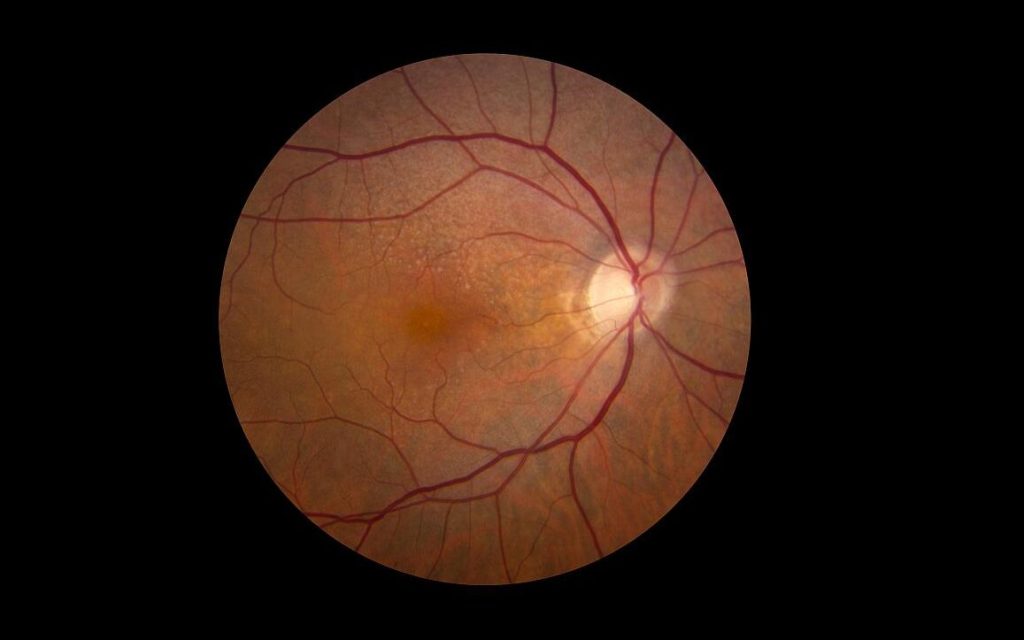
Retina showing reticular pseudodrusen. Although they can infrequently appear in individuals with no other apparent pathology, their highest rates of occurrence are in association with age-related macular degeneration (AMD), for which they hold clinical significance by being highly correlated with end-stage disease sub-types, choroidal neovascularisation and geographic atrophy. Credit: National Eye Institute

The drug minocycline, an antibiotic that also decreases inflammation, failed to slow vision loss or expansion of geographic atrophy in people with dry age-related macular degeneration (AMD), according to a phase II clinical study at the National Eye Institute (NEI), part of the National Institutes of Health.

Dry AMD affects the macula, the part of the retina that allows for clear central vision. In people with dry AMD, patches of photoreceptors and their nearby support cells begin to die off, leaving regions known as geographic atrophy. Over time, these regions expand, causing people to lose more and more of their central vision.

Microglia, immune cells that help maintain tissue and clear up debris, are present at higher levels around damaged retinal regions in people with dry AMD than in people without AMD. Scientists have suggested that inflammation – and particularly microglia – may be driving the expansion of geographic atrophy regions.

This study, led by Tiarnan Keenan, MD, PhD, a Stadtman Tenure-Track Investigator at the NEI’s Division of Epidemiology and Clinical Applications, tested whether inhibiting microglia with minocycline might help slow geographic atrophy expansion and its corresponding vision loss.

The trial enrolled 37 participants at the NIH Clinical Center in Bethesda, Maryland, and at the Bristol Eye Hospital, United Kingdom.

After a nine-month period where the researchers tracked each participant’s rate of geographic atrophy expansion, the participants took twice-daily doses of minocycline for two years.

The researchers compared each participant’s rate of geographic atrophy expansion while taking minocycline to their baseline rate, and found there was no difference in geographic atrophy expansion rate or vision loss with minocycline.

Previous studies have shown that minocycline can help reduce inflammation and microglial activity in the eye, including the retina.

The drug has shown beneficial effects for conditions such as diabetic retinopathy, but has not previously been tested for dry AMD.

Source: NIH/National Eye Institute

Did the FDA Break its Own Rules in Approving New Antibiotic?

Photo by Rodion Kutsaiev on Unsplash

In the US, drug approval needs “substantial evidence” of effectiveness – but an investigation by The BMJ into the recent approval of the antibiotic Recarbrio from Merck suggests that these standards are being bypassed.

Recarbrio is a combination therapy made up of a new beta-lactamase inhibitor (relebactam) and a decades old Merck antibiotic (imipenem-cilastatin) to treat complicated infections. It costs $4000–$15 000 for a course, compared with a couple of hundred dollars for the generic version of Merck’s old antibiotic.

Peter Doshi, senior editor at The BMJ, describes how US Food and Drug Administration (FDA) scientists had serious doubts about its highly expensive Recarbrio but the agency approved it anyway.

Did the FDA break its own rules in approving this antibiotic, and what does this case tell us about problems within the agency, he asks? 

In its FDA application, Merck submitted results from two clinical trials comparing Recarbrio with imipenem in adults with complicated urinary tract infections and in patients with complex intra-abdominal infections.

But FDA reviewers noted that Merck had studied the wrong patient population to evaluate the added benefits of the new drug, and said the trial for urinary tract infections showed that Recarbrio was as much as 21% less effective than the older, cheaper imipenem.

The FDA concluded that “these studies are not considered adequate and well-controlled.” And of a third clinical study, the FDA called it a “very small,” “difficult to interpret” “descriptive trial with no pre-specified plans for hypothesis testing.”

Yet despite all three clinical studies not providing substantial evidence of effectiveness, FDA approved Recarbrio.

“Instead of basing its decision on the clinical trials in Merck’s application, FDA’s determination of Recarbrio’s efficacy was justified on past evidence that imipenem was effective, plus – to justify the new relebactam component – in vitro (lab) studies and animal models of infection rather than evidence from human trials as required by law,” writes Doshi.

Others are concerned that Recarbrio’s approval essentially amounts to a return to a way of regulating medicines that the FDA abandoned a half century ago prior to the agency’s “substantial evidence” standard.

Doshi explains that, under specific circumstances, the Director of the Center for Drug Evaluation and Research (CDER) can waive in whole or in part the FDA’s “adequate and well-controlled studies” approval criteria. But the FDA told The BMJ ”there was no center director memo in the file” for Recarbrio.

And when The BMJ contacted Janet Woodcock, CDER Director at the time, and now the FDA’s Principal Deputy Commissioner, she said she was not aware that clinical studies showed Recarbrio did not provide substantial evidence of effectiveness.

Woodcock was also unable to confirm that approvals of new drugs require at least one clinical study of the drug itself that demonstrates substantial evidence – evidence lacking in the case of Recarbrio.

A spokesperson for CDER told The BMJ that FDA “applied regulatory flexibility” in approving Recarbrio. 

It is unclear whether this regulatory flexibility enabled FDA to conclude Recarbrio had met the legal “substantial evidence” standard without “adequate and well-controlled investigations” of Recarbrio, says Doshi. FDA declined to answer the question, saying “We have no additional information to provide.”

The decline of science at the FDA has become unmanageable, argues David Ross, associate clinical professor of medicine at George Washington University, School of Medicine and Health Sciences, and former FDA medical reviewer, in a linked commentary.

He describes Recarbrio’s approval as “shocking” and says while much of the blame must go to the FDA’s reliance on industry paid user fees for around two-thirds of its annual drugs budget, “the corruption of the FDA’s scientific culture remains the primary culprit driving the deterioration of safety and effectiveness standards.”

To address this “dismal situation” he suggests tapering the FDA’s dependence on user fees and improving public access to the information received by the FDA, its reasoning, and its decisions.

“The Recarbrio approval is a sentinel event, warning of a return to an era when drug effectiveness was an afterthought,” argues Ross. “Although the FDA crowed about this approval, it would have been better advised to remember that “for a successful technology, reality must take precedence over public relations, for nature cannot be fooled,” he concludes.

Source: EurekAlert!

Injectable Hydrogel Treats Infections from Hip and Knee Replacements

Source: Pixabay CC0

In APL Bioengineering, researchers report on an injectable hydrogel that treats infections around hip and knee replacement prosthetics without the problems caused by current treatments. Testing showed that the gel inhibits common bacteria and promotes tissue regrowth.

After hip and knee replacement surgeries, pathogenic bacteria can adhere to the surface of the joint prosthesis and form a dangerous biofilm. Gold standard clinical methods use potent antibiotics and further surgery, including removal of infected tissue and transplantation of new tissue, to treat these infections. However, these strategies run into problems with hyper-resistant bacteria caused by the abuse of antibiotics, persistent damage caused by tissue removal, difficulties in obtaining tissue donors, and toxicity and immune system complications.

A team from Shanghai Jiao Tong University School of Medicine created ablack phosphorus-enhanced antibacterial injectable hydrogel to re-establish biological barriers in soft tissue and suppress persistent infections. The gel has a porous structure, excellent injectability, and rapid self-healing properties.

“It is important to explore a new strategy for treatment of infected soft tissue wounds because it is directly related to prognosis,” said author Ruixin Lin. “We aspire to develop a simpler, safer method to help more patients avoid suffering and help more doctors make the right choices.”

In vitro tests showed the hydrogel had good stability and low toxicity to tissue cells. Irradiating the gel with near infrared light causes it to release silver ions. This process was highly efficient at inhibiting the common bacteria S. aureus.

“Furthermore, an in vivo infected wound model showed that the hydrogel could not only inhibit the persistent infection of the wound, but also accelerate the deposition of collagen fibres and angiogenesis, thereby realizing the repair of the natural barrier of soft tissue,” said Lin.

The novel hydrogel provides a safe and feasible synergistic antibacterial strategy for infected soft tissue healing. The team believes that it solves current clinical problems, such as stubborn infections caused by antibiotic resistance, and provides new ideas for minimally invasive treatment. They hope to see it used in the clinic after conducting sufficient studies on its underlying mechanisms.

Source: American Institute of Physics

Antibiotics Exposure in Childhood Linked to Later Allergies and Asthma

Young girl sneezing
Photo by Andrea Piacquadio on Unsplash

Early exposure to antibiotics kills healthy bacteria in the digestive tract, possibly leading to asthma and allergies, according to a series of experiments in mouse models.

The experiments, reported in Mucosal Immunology, have provided the strongest evidence so far that the long-observed connection between antibiotic exposure in early childhood and later development of asthma and allergies is causal.

“The practical implication is simple: avoid antibiotic use in young children whenever you can because it may elevate the risk of significant, long-term problems with allergy and/or asthma,” said senior author Martin Blaser at Rutgers University.

In the study, the researchers noted that antibiotics, which are “among the most used medications in children, affect gut microbiome communities and metabolic functions. These changes in microbiota structure can impact host immunity.”

In the first part of the experiment, five-day-old mice received water, azithromycin or amoxicillin. After the mice matured, researchers exposed them to a common allergen derived from house dust mites. Mice that had received either of the antibiotics, especially azithromycin, exhibited elevated rates of immune responses – ie, allergies.

The second and third parts of the experiment tested whether early exposure to antibiotics (but not later exposure) causes allergies and asthma by killing some healthy gut bacteria that support proper immune system development.

Lead author Timothy Borbet first transferred bacteria-rich faecal samples from the first set of mice to a second set of adult mice with no previous exposure to any bacteria or germs. Some received samples from mice given azithromycin or amoxicillin in infancy. Others received normal samples from mice that had received water.

Mice that received antibiotic-altered samples were no more likely than other mice to develop immune responses to house dust mites, just as people who receive antibiotics in adulthood are no more likely to develop asthma or allergies than those who don’t.

Things were different, however, for the next generation. Offspring of mice that received antibiotic-altered samples reacted more to house dust mites than those whose parents received samples unaltered by antibiotics, just as mice that originally received antibiotics as babies reacted more to the allergen than those that received water.

“This was a carefully controlled experiment,” said Blaser. “The only variable in the first part was antibiotic exposure. The only variable in the second two parts was whether the mixture of gut bacteria had been affected by antibiotics. Everything else about the mice was identical.

Blaser added that “these experiments provide strong evidence that antibiotics cause unwanted immune responses to develop via their effect on gut bacteria, but only if gut bacteria are altered in early childhood.”

Source: Rutgers University

Anti-Ligands: New Antibiotics Targeting Bacterial Adhesion

Female scientist in laboratory
Photo by Gustavo Fring on Pexels

In a study published in Microbiology Spectrum, researchers detail how they have turned to attacking one of the critical proteins bacteria use to create an infection – adhesins, which confer the ability to adhere to cells. They also suggest that targeting adhesins with ‘anti-ligands’ could form a new class of antibiotics.

As their first decisive step in establishing a foothold in an organism, bacteria adhere to host cells. Infection pathogens use this adhesion to first colonise the host organism, and then to trigger an infection, which as a worst case scenario can end being fatal. Precise understanding of the bacteria’s adhesion to host cells is a key to finding therapeutic alternatives that block this critical interaction in the earliest possible stage of an infection.

The international collaborative effort has now explained the exact bacterial adhesion mechanism using the human-pathogenic bacterium Bartonella henselae. This pathogen causes ‘cat-scratch disease‘, which affects the lymph nodes draining the area where a cat scratch or bite occurs, causing regional lymphadenopathy. The bacterial adhesion mechanism was deciphered with the help of a combination of in-vitro adhesion tests and high-throughput proteomics. Proteomics is the study of all the proteins present in a cell or a complex organism.

The research group, led by University Hospital Frankfurt and Goethe University Frankfurt, shed light on a key mechanism: the bacterial adhesion to the host cells can be traced back to the interaction of a certain class of adhesins, trimeric autotransporter adhesins, with fibronectin, a common protein in human tissue. Adhesins are components on the surface of bacteria which enable the pathogen to adhere to the host’s biological structures. Homologues of the adhesin identified here as critical are also present in many other human-pathogenic bacteria, such as the multi-resistant Acinetobacter baumannii, which the World Health Organization (WHO) has classified as the top priority for research into new antibiotics.

The researchers visualised the exact points of interaction between the proteins using cutting-edge protein analytics. They also demonstrated that experimental blocking of these processes almost entirely prevents bacterial adhesion. Therapeutic approaches that aim to prevent bacterial adhesion in this way could represent a promising treatment alternative as a new class of antibiotics (known as ‘anti-ligands’) to treat the constantly growing array of multi-resistant bacteria.

Source: Goethe University Frankfurt

Faecal Microbiota Transplantation is Effective for Recurrent C. Diff

C difficile. Source: CDC

Research just published in Clinical Infectious Diseases has found that Faecal Microbiota Transplantation, or FMT, is an optimal cost-effective treatment for first recurrent Clostridioides difficile infection (CDI).

“The most effective therapies for CDI are also the cost effective therapies,” said co-investigator Radha Rajasingham, MD. “FMT should be moved earlier in the treatment algorithm for CDI. Our model suggests it is effective and cost effective when used in patients after a single episode of recurrent CDI.”

Mathematical modelling was used to understand both the effectiveness and cost effectiveness of earlier use of FMT in the treatment of CDI, which normally arises from the disruption of healthy gut bacteria.

While this disease is caused by antibiotics, it is often treated with antibiotics, including fidaxomicin for initial, non-severe CDI or vancomycin for severe CDI, followed by FMT for any recurrent CDI.s. Unfortunately in many cases, CDI recurs in the same person again. This cycle of infection is called recurrent CDI.

Current guidelines recommend using FMT as a last resort for people with recurrent CDI. The goal of this research was to examine the benefits of using FMT earlier in the cycle of CDI.

“Based on this analysis, we would recommend that rather than waiting for multiple recurrent CDI, providers should consider FMT use for any recurrent CDI,” said co-author Byron Vaughn, MD, MS.

The authors suggest future research examine the role of FMT to prevent all recurrent CDI or even as primary prevention of CDI in high risk individuals.

Source: University of Minnesota Medical School