Category: Cardiovascular Disease

1 in 5 Patients at High Cardiovascular Risk Refuse Statins, Especially Women

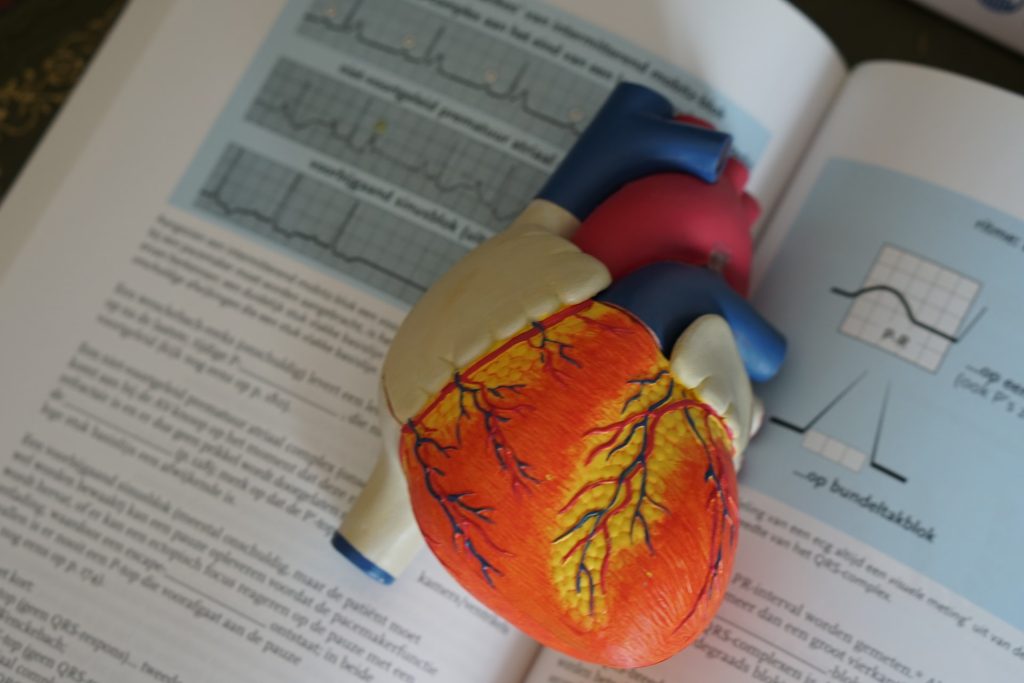
Photo by Priscilla du Preez on Unsplash

Heart disease is the leading cause of death worldwide, and statins are a vital medication against it – but they are notoriously unpopular, leading to poor adherence. Investigators from Brigham and Women’s Hospital conducted the first population-based study on patients’ nonacceptance of statin therapy recommendations, and published their results in JAMA Network Open.

The study found that in patients at high risk of developing cardiovascular disease, over 20% refused to take statin medications. They were particularly surprised to see that women were about 20% more likely than men to refuse statin therapy when it was first suggested by their physician, and 50% more likely than men to never accept the recommendation. The study also showed that all patients who refused statin therapy developed higher LDL cholesterol levels, likely increasing their risk even further.

“Our study highlights the alarming number of patients who refuse statins and signals that physicians must have discussions with patients about why,” says Alex Turchin, MD, MS, an associate professor at Harvard Medical School and director of quality in the Brigham’s Division of Endocrinology, Diabetes, and Hypertension. “We need to better understand what our patients’ preferences are and to be able to provide more patient-centered care.”

After Turchin began noticing that many of his patients with high cholesterol, including those with diabetes, were opting not to take safe and beneficial medications like statins that can lower cholesterol and bring down the risk of heart attack and stroke, he developed a system to more closely study the phenomenon by analysing the text of provider notes.

The study focused on high-risk patients who either had coronary artery or vascular disease, diabetes, very high cholesterol, or had suffered a stroke. All were recommended statin medications by their physicians to reduce their risk of heart attack and stroke and reduce cholesterol levels. The retrospective study included more than 24 000 patients who were seen at Mass General Brigham between January 1, 2000, and December 31, 2018.

“Even in this higher-risk patient population, so many people did not accept statin therapy,” Turchin said. The study found that while about two-thirds of the patients who were being recommended statin therapy eventually tried it, about one-third never did. And it took three times as long for people in the study who initially said no to taking statin medications to reduce their LDL cholesterol levels to less than 100, compared to people who initially said yes.

The study’s biggest surprise, however, was the much higher rate of refusal by women than men. Turchin and his colleagues wonder if this might be due in part to a false misconception that heart disease impacts men more than women, and plan to further research the reasons underlying these results.

“Ultimately, we need to talk to our patients and find out in more detail why they would prefer not to take statins,” Turchin says. He is currently looking at the impacts of nonacceptance of statin therapy on outcomes that matter to most to patients including heart attacks, strokes, and death. “I think people underestimate how much of a difference modern medicine has made in extending people’s lives, and their quality of life, and medications can play a big role in that.”

Source: Brigham and Women’s Hospital

Gender Affirming Hormone Therapy Linked to Greatly Increased Cardiovascular Risk

Source: CC0

People undergoing hormone replacement therapy (HRT) for gender dysphoria have a greatly increased risk of serious cardiac events, according to a study presented at the American College of Cardiology annual meeting. Compared to people with gender dysphoria not taking HRT, those taking HRTY saw a seven-fold risk increase for ischaemic stroke, and risk increases for myocardial infarction and pulmonary embolism.

People with gender dysphoria may use HRT as part of gender affirmation therapy to transition to a different gender than their biological sex at birth. HRT for this purpose is rapidly increasing, especially among teens and young adults.

Previous research on hormone-modulating medications has primarily focused on younger women using hormone-based birth control or on older women following a hysterectomy or during menopause. In these populations, long-term HRT has been associated with an increased risk of breast cancer, stroke and blood clots.

Researchers retrospectively examined rates of cardiovascular events in over 21 000 people with gender dysphoria from a national database of hospital records, of whom 1675 had used HRT. Typically, people assigned male at birth receive oestrogen and people assigned female at birth receive testosterone. Overall results found hormone replacements were associated with higher rates of cardiac events, mostly related to dangerous blood clots, but were not associated with higher rates of death.

Compared with hospitalised patients with gender dysphoria who had never used HRT, those taking gender affirmation HRT had higher rates for a range of in-hospital cardiovascular events:

  • ST-elevation myocardial infarction (OR 5.90, 95% CI 1.07-32.42)
  • Ischaemic cerebrovascular accident (OR 7.15, 95% CI 2.74-18.67)
  • Non-ST-elevation myocardial infarction (OR 3.30, 95% CI 1.20-9.04)
  • Pulmonary embolism (OR 4.92, 95% CI 2.08-11.62)

“It’s all about risks and benefits. Starting transitioning is a big part of a person’s life and helping them feel more themselves, but hormone replacement therapy also has a lot of side effects – it’s not a risk-free endeavour,” said Ibrahim Ahmed, MD, a third-year resident at Mercy Catholic Medical Center in Darby, Pennsylvania and the study’s lead author.

HRT was not associated with any increase in deaths, incident atrial fibrillation, diabetes, hypertension, haemorrhagic stroke, or heart failure.

Both oestrogen and testosterone are known to increase the clotting activity of blood, which could explain the increase in clotting-related cardiovascular events, researchers said. Those taking hormone replacement therapy also had higher rates of substance use disorder and hypothyroidism.

“Looking at a person’s medical and family history should definitely be part of the screening protocol before they even start hormone replacement therapy,” Ahmed said. “It is also important that people considering this therapy are made aware of all the risks.”

One limitation of the study is that it only accounted for whether individuals had ever used any type of hormone replacement therapy. To better inform clinical decisions, researchers said it would be helpful to assess whether the duration of treatment, the age at which it is initiated or the type of hormone therapy used affects the risks.

“I’m curious to see if the method of administration alters the outcomes,” Ahmed said. “Is one way of giving hormone replacement therapy better or associated with a lower risk of cardiovascular outcomes? If so, then that should be the focus for how we give these patients their hormone replacement therapy going forward.”

In addition to considering ways to mitigate potential cardiovascular risks before starting hormone replacement therapy for individual patients, researchers said it will be important to continue to study potential long-term cardiovascular and other health effects of gender affirmation therapies as the use of these therapies become more common.

Source: American College of Cardiology

Ultrasound to the Kidneys can Treat Resistant Hypertension

Credit: Thirdman on Pexels

A device that uses ultrasound to calm overactive nerves in the kidneys may be able to help some people get their blood pressure under control, according to successful test results published in JAMA Cardiology.

Led by researchers at Columbia University and Université de Paris, the study has found that the device consistently reduced daytime ambulatory blood pressure by an average of 8.5 points among middle-aged people with hypertension.

Lifestyle changes, such as cutting salt intake or losing weight, along with medications are often prescribed to lower blood pressure in patients with hypertension. Yet about one-third of hypertensive patients have resistant hypertension.

“Many patients in our clinical practice are just like the patients in our study, with uncontrolled blood pressure in the 150s despite some efforts,” says Ajay Kirtane, MD, professor of medicine at Columbia University Vagelos College of Physicians and Surgeons and co-leader of the study.

Leaving blood pressure uncontrolled for too long can lead to heart failure, strokes, heart attacks, and irreversible kidney damage.

“Renal ultrasound could be offered to patients who are unable to get their blood pressure under control after trying lifestyle changes and drug therapy, before these events occur,” says Kirtane, who is also an interventional cardiologist and director of cardiac catheterisation laboratories at NewYork-Presbyterian/Columbia University Irving Medical Center.

The study tested the device, which is used in an outpatient procedure called ultrasound renal denervation. The device is still investigational and has not yet been approved by the FDA for use outside of clinical trials.

Kidney nerves and hypertension

Hypertension in middle age is thought to be caused in part by overactive nerves in the kidneys, which trigger water and sodium retention and release hormones that can raise blood pressure. (In older people, hypertension often occurs as blood vessels stiffen). Antihypertensive drugs work in different ways to lower blood pressure, by dilating blood vessels, removing excess fluid, or blocking hormones that raise blood pressure. But none target the renal nerves directly.

Ultrasound therapy calms overactive nerves in the renal artery, disrupting signals that lead to hypertension. The therapy is delivered to the nerves via a thin catheter that is inserted into a vein in the leg or wrist and threaded to the kidney.

Study results

The new study pooled data from three randomised trials encompassing more than 500 middle-aged patients with varying degrees of hypertension and medication use.

Twice as many patients who received the ultrasound therapy reached their target daytime blood pressure (less than 135/85 mmHg) compared to patients in the sham groups.

“The result was almost identical across the different study groups, which definitively shows that the device can lower blood pressure in a broad range of patients,” Kirtane says.

The procedure was well-tolerated, and most patients were discharged from the hospital the same day. According to Kirtane, improvements in blood pressure were seen as soon as one month after the procedure.

The treatment will be evaluated by the FDA in the coming months.

Bottom line for patients with resistant hypertension

The investigators expect the treatment could be offered as an adjunct to medication therapy and lifestyle changes for patients with uncontrolled hypertension.

“Once the device is available, we envision recommending it to patients who have tried other therapies first. The hope is that by controlling blood pressure, we might be able to prevent kidney damage and other effects of uncontrolled blood pressure,” Kirtane adds.

Source: Columbia University Irving Medical Center

Reproductive Factors in Women Linked to Cardiovascular Disease

Source: American Heart Association

An earlier first birth, a higher number of live births, and starting periods at a younger age are all linked to a higher risk of cardiovascular problems in women, according to new research published in the Journal of the American Heart Association. The study, led by Imperial College London researchers, provides evidence for a causal relationship between sex-specific factors and cardiovascular disease in women, and identifies potential ways to mediate this increased risk.

The study is the most comprehensive analysis to date of reproductive factors specific to women and their links to a range of cardiovascular diseases, including atrial fibrillation (irregular heart rate), coronary heart disease, heart failure, and stroke. The researchers hope it will help doctors to better understand and monitor women’s risk factors and intervene where appropriate.

Imperial College London researchers led a team that analysed genetic data linked to women’s age at first birth, their number of live births, age at menarche, and age at menopause. They looked at previous studies involving more than 100 000 women.

Observational research has previously identified that some reproductive factors are associated with cardiovascular disease for women in later life, but such studies are limited as they have been unable to support a causal relationship.

By using a statistical technique called Mendelian Randomization, the researchers were able to show a link between the genes that predict reproductive factors and the risk of multiple cardiovascular diseases. This type of analysis enables researchers to cut through the noise of factors such as diet, economic background and physical activity levels that can otherwise complicate the overall picture, and so it points to causal links.

The analysis showed that earlier first birth, a higher number of live births, and earlier menarche were associated with a higher risk of atrial fibrillation, coronary artery disease, heart failure, and stroke in women. However, it did not find an association between the age of menopause and cardiovascular disease.

The researchers also found that much of the increased risk for earlier menarche resulted from this factor being associated with women having a higher body mass index (BMI). This means that lowering a person’s BMI could help to reduce this risk. The increased risk for earlier first birth could be partly limited by acting on traditional cardiometabolic risk factors, such as BMI, high cholesterol and high blood pressure.

Dr Maddalena Ardissino, lead author of the study, from the National Heart and Lung Institute at Imperial College London, said: “Women are often mischaracterised as being at low risk for cardiovascular disease, leading to delays in diagnosis. Even when they are diagnosed, they tend to receive less targeted treatment than men.

“This study shows a clear link between reproductive factors and cardiovascular disease. This doesn’t mean that women should worry if they’ve had their period at a young age, or if they had an early first birth. Our research shows that the additional risk of cardiovascular disease can be minimised if traditional risk factors like BMI and blood pressure are well-controlled. These findings highlight the need for doctors to monitor these risk factors closely in women and intervene where needed.”

Dr Fu Siong Ng, senior author for the study, said: “Many of the previous studies on cardiovascular disease have focused on men, but our research shows that there are sex-specific factors that influence the risk for women.

“While we cannot say exactly how much these factors increase the risk of cardiovascular disease, our study shows that reproductive history is important and it points towards a causal impact. We need to understand more about these factors to make sure that women get the best possible care.”

Further research is needed to understand the extent of the relationship between reproductive factors and cardiovascular disease risk, such as whether there is a linear or non-linear relationship between a factor and increased risk.

Source: Imperial College London

Sex Differences in Brain Glycogen After a Stroke may Yield New Treatments

Credit: American Heart Association

Although males and females are equally impacted by stroke, there are differences in recovery. Since oestrogen and progesterone have known neuroprotective effects, it is important to gauge their effects in stroke recovert. In a paper published in IBRO Neuroscience Reports, researchers have discovered differences between biomarkers such as glycogen levels in the brains of male and female mice.

“A stroke is caused by a loss of blood flow to brain cells. Without urgent intervention this may cause those cells to die because they constantly need energy and nutrients from the blood,” said Prof Nicole Sylvain, clinical research coordinator and lab manager at the University of Saskatchewan.

Sylvain and her colleagues are looking at treatments for post-stroke recovery that help supplement these energy losses. Using the Canadian Light Source (CLS) at the University of Saskatchewan (USask), the team was able to identify energy biomarkers in the brain, which could eventually inform clinicians about the effects of potential stroke treatments on brain recovery after a stroke.

The group’s recent study examined post-stroke differences between male and female mice, and found that female mice have higher amounts of glycogen in their brains. When the supply of glycogen is disrupted by stroke, the brain is severely impacted.

Most pre-clinical stroke research has been performed using male lab animals, with results usually generalised to both sexes. In clinical stoke cases, females have a higher incidence of ischaemic stroke and poorer outcomes, compared to males.

“We found that, for the most part, male data can be generalised for females, however, some of the metabolic markers we measured were actually different,” Sylvain said. “It’s really important to do the research on both sexes.”

It would be impossible for the team to detect the biomarkers without to the Mid-IR beamline.

“The only way to detect them in such an accurate way across the brain is with infrared imaging, so the CLS has been absolutely vital to our research.”

Source: University of Saskatchewan

Serotonin Link Found in Degenerative Mitral Regurgitation

Anatomical model of a human heart
Photo by Robina Weermeijer on Unsplash

Serotonin can impact the mitral valve of the heart and potentially accelerate a cardiac condition known as degenerative mitral regurgitation, according to a new study published in Science Translational Medicine.

Degenerative mitral regurgitation

Degenerative mitral regurgitation (DMR) is one of the most common heart valve diseases. The mitral valve is located between the left atrium and left ventricle of the heart, and normally it closes tightly when the heart contracts to prevent blood from leaking back into the left atrium.

In DMR, the mitral valve shape is distorted, preventing complete closure. This allows blood to leak back toward the lungs (regurgitation), limiting the amount of oxygen-rich blood moving through the heart to the rest of the body.

As a result, DMR can bring about symptoms like fatigue and shortness of breath. Because of the reduced efficiency in circulation, the heart has to work harder, which over time causes permanent damage. This can lead to a number of serious and life-threatening cardiac issues, including atrial fibrillation and heart failure.

Currently, there is no treatment for mitral valve degeneration. “Certain medications can ease the symptoms and prevent complications, but they do not treat the mitral valve,” says co-lead researcher, Columbia University’s Giovanni Ferrari, PhD. “If the degeneration of the mitral valve becomes severe, surgery to repair or replace the valve is needed.”

The role of serotonin

Serotonin plays a part in a wide range of body functions, including emotional state, digestion, sleep, memory, and blood-clotting. Serotonin’s role as a neurotransmitter aids mood regulation; lower levels of serotonin are associated with anxiety and depression.

Serotonin binds to specific receptors on the surface of a cell, sending a signal to the cell to act accordingly. A protein known as the serotonin transporter (SERT or 5-HTT) moves serotonin into the cell to be reabsorbed and recycled, a process known as serotonin reuptake.

Medications called selective serotonin reuptake inhibitors (SSRIs) bind to the SERT to reduce serotonin reuptake, allowing serotonin to remain available for longer periods. This increased serotonin availability can help improve symptoms of mood disorders. SSRIs are some of the most widely prescribed types of antidepressants and include well-known medications like fluoxetine (Prozac) and sertraline (Zoloft).

Study design

The study examined clinical data from more than 9000 patients who had undergone valve repair or replacement surgery for DMR and evaluated 100 mitral valve biopsies. “Studying the data of these patients, we found that taking SSRIs was associated with severe mitral regurgitation that needed to be treated with surgery at a younger age than for patients not taking SSRIs,” says Ferrari.

The researchers also studied in vivo mouse models using transgenic mice lacking the SERT gene and normal mice. They discovered that mice without a SERT gene developed thicker mitral valves and that normal mice treated with high doses of SSRIs also developed thickened mitral valves.

Using genetic analysis, the researchers identified genetic variants in the SERT gene region 5-HTTLPR that affect SERT activity. They found that a “long” variant of 5-HTTLPR makes SERT less active in the mitral valve cells, especially when there are two copies (one maternal and one paternal). DMR patients with the “long-long” variant needed mitral valve surgery more often than those with other variants.

Mitral valve cells from DMR patients with the “long-long” variant were more prone to react to serotonin by producing more collagen, changing the shape of the mitral valve. Additionally, mitral valve cells with the “long-long” variant of 5-HTTLPR were more sensitive to fluoxetine than those with other variants.

Implications for MVD patients

The study indicates that for DMR patients with the “long-long” variant, taking SSRIs lowers SERT activity in the mitral valve. The researchers suggest testing DMR patients for potential low SERT activity by genotyping them for 5-HTTLPR, which can be determined easily from a DNA sample obtained from the blood or a mouth swab. “Assessing patients with DMR for low SERT activity may help identify patients who may need mitral valve surgery earlier,” says Ferrari. “Promptly fixing a mitral valve that is very leaky would protect the heart and could prevent congestive heart failure.”

The researchers did not find a negative effect with normal doses of SSRIs or the “long-long” variant in cells from healthy human mitral valves. “A healthy mitral valve can probably stand low SERT activity without deforming,” says Ferrari. “It is unlikely that low SERT can cause degeneration of the mitral valve by itself. SSRIs are generally safe for most patients. Once the mitral valve has started to degenerate, it may be more susceptible to serotonin and low SERT.”

Additional research may help determine if DMR patients who respond well to SSRIs should be regularly seen to assess progression of mitral degeneration, and whether DMR patients who are not responding well to SSRIs should consider switching to a non-SSRI antidepressant rather than raising the dose of the SSRI.

Source: Columbia University Irving Medical Center

Female and Male Hearts may Respond Differently to Noradrenaline

Source: Wikimedia CC0

A new study published in Science Advances shows that female and male hearts respond differently to the stress hormone noradrenaline. The study in mice may have implications for human heart disorders like arrhythmias and heart failure and how different sexes respond to various drugs.

Using fluorescence imaging, the researchers were able to see in real time and in vivo how a mouse heart responds to hormones and neurotransmitters, including noradrenaline.

The results reveal that male and female mouse hearts respond uniformly at first after exposure to noradrenaline. However, some areas of the female heart return to normal more quickly than the male heart, producing differences in the heart’s electrical activity.

“The differences in electrical activity that we observed are called repolarisation in the female hearts. Repolarisation refers to how the heart resets between each heartbeat and is closely linked to some types of arrhythmias,” said Jessica L. Caldwell, first author of the study.

“We know that there are sex differences in the risk for certain types of arrhythmias. The study reveals a new factor that may contribute to different arrhythmia susceptibility between men and women,” Caldwell said.

Methods

The novel imaging system uses a genetically modified ‘CAMPER’ mouse to emit light during a very specific chemical reaction in the heart: cAMP binding.

The cAMP molecule (an abbreviation of cyclic adenosine 3′,5;-monophosphate) is an intermediate messenger that turns signals from hormones and neurotransmitters, including noradrenaline, into action from heart cells.

The light signals from the CAMPER mouse are transmitted by a biosensor that uses a fluorescence signal that can be picked up at high speed and high resolution by a new imaging system specially designed for hearts. This allows the researchers to record the heart’s reaction to noradrenaline in real time, along with changes in electrical activity.

This new imaging approach revealed the differences in the breakdown of cAMP in female and male mice and the associated differences in electrical activity.

Including female mice leads to discoveries

The researchers had not planned to study sex-based responses, according to Crystal M. Ripplinger, senior author of the study. But the researchers started seeing a pattern of different reactions, which led them to realise the differences were sex-based.

When Ripplinger started her lab at the UC Davis School of Medicine over a decade ago, she exclusively used male animals. That was the norm for most research at the time. But several years ago, she began including male and female animals in her studies.

“Sometimes the data between the two sexes is the same. But if the data start to show variation, the first thing we do is look at sex differences. Using both male and female mice has revealed clues into differences we would never have suspected. Researchers are realising you can’t extrapolate to both sexes from only studying one,” Ripplinger said.

She notes that with the current study, it’s not clear what the differences in cAMP and electrical activity may mean.

“The response in the female mice may be protective – or it may not. But simply documenting that there is a measurable difference in the response to a stress hormone is significant. We are hoping to learn more in future studies,” Ripplinger said.

Source: University of California – Davis Health

Pre-eclampsia Causes Coronary Artery Changes Normally Seen in Older Women

Source: Pixabay CC0

A large new study led by researchers from Lund University in Sweden shows that narrowing and calcification of the blood vessels of the heart are more common in women previously affected by pregnancy complications, and in some cases can result in coronary artery changes similar to those in women 10 years older who had no pregnancy complications.

Despite complications in pregnancy having increasingly been acknowledged as a new type of risk factor for heart disease, it is yet to be determined how this information can best be used within healthcare.

“Our results suggest that the correlation exists even among women with a low expected risk of cardiovascular disease. The study is an important piece of the puzzle in understanding how women with pregnancy complications should be followed-up by their healthcare provider after pregnancy,” says lead researcher Simon Timpka, associate professor of clinical epidemiology at Lund University.

Researchers included 10 528 women from the National Medical Birth Register* who have subsequently gone on to participate in the large population study SCAPIS at age 50-65 years. All the women underwent coronary CT angiography in order to detect calcification of blood vessels, narrowing and other signs of heart disease. The researchers investigated signs of heart disease by history of five common complications in pregnancy: pre-eclampsia, gestational hypertension, preterm delivery, gestational diabetes and infants born small for gestational age.

Four per cent more of the women with pregnancy complications had visible atherosclerosis of the coronary arteries, compared to the group who had not had complications in pregnancy (32% as opposed to 28%).

Pre-eclampsia and gestational hypertension were the most strongly linked: among women who had not experienced any pregnancy complications, 2% had narrowing in coronary arteries while the corresponding number among women who previously suffered from pre-eclampsia or pregnancy-induced hypertension was 5%.

“To reduce the risk of these women developing coronary heart disease in the future, it is important that they check risk factors such as blood pressure, blood sugar and cholesterol regularly,” says co-author Sofia Sederholm Lawesson, consultant cardiologist at the University Hospital in Linköping.

“In this study, we have investigated many different associations between complications in pregnancy and heart disease all at once, so it is possible that chance might explain individual results,” says Timpka. “Yet the pattern is relatively consistent, which makes it easier to draw conclusions including that women with prior pre-eclampsia have changes in the coronary arteries that are equivalent to the changes seen in women who have not experienced complications in pregnancy but are five to ten years older.”

According to Timpka, CT scans of the coronary arteries are increasingly used in patients presenting with symptoms, but there is still a lack of large studies into the significance over time of some of the studied changes among women without current symptoms.

“Even if our study provides new knowledge on the development of coronary heart disease among middle-aged women who have previously suffered complications in pregnancy, there is a need for long-term studies in order to understand the true meaning that our discoveries have for symptomatic disease,” concludes Timpka.

Source: Lund University

Preeclampsia Leads to 4x Higher Risk of MI in Decade after Delivery

Pregnant with ultrasound image
Source: Pixabay

Women with preeclampsia have a higher likelihood of heart attack and stroke than their peers within just seven years of delivery, with risks remaining elevated more than 20 years later. The study in more than one million pregnant women is published today in the European Journal of Preventive Cardiology, a journal of the ESC.

“The high risk of cardiovascular disease after preeclampsia manifests at young ages and early after delivery,” said study author Dr Sara Hallum of the University of Copenhagen. “This indicates that interventions to prevent heart attacks and strokes in affected women cannot wait until middle age when they become eligible for conventional cardiovascular screening programmes.”

Preeclampsia affects up to 8% of pregnancies worldwide, and signs include hypertension and albuminuria, which develop after 20 weeks of pregnancy or soon after delivery. Symptoms include severe headache, stomach pain and nausea. “Women may mistake these for ‘normal’ pregnancy symptoms and thus not seek medical help until the condition becomes severe,” said Dr Hallum. “Most cases are mild, but preeclampsia may lead to serious complications for the mother and baby if not treated in time.”

It is well established that preeclampsia predisposes women to an elevated likelihood of cardiovascular disease later in life. This was the first study to examine how soon after pregnancy these heart attacks and strokes manifest, and the magnitude of risk in different age groups.

National registers were used to identify all pregnant women in Denmark between 1978 and 2017. Women were grouped into those with one or more pregnancies complicated by preeclampsia and those with no preeclampsia. Participants were free of cardiovascular disease before pregnancy and with follow-up for heart attack and stroke up to 39 years later. Dr Hallum said: “This allowed us to evaluate exactly when cardiovascular disease occurs in women with and without pre-eclampsia, and to estimate risk in different age groups and at various durations of follow-up.”

Up to 2% of those with pre-eclampsia in their first pregnancy had a heart attack or stroke within 20 years of delivery, compared with up to 1.2% of unaffected women. Differences in risk became apparent seven years after delivery. “A 2% incidence of acute myocardial infarction and ischaemic stroke should not be accepted as the cost of a pregnancy complicated by preeclampsia, particularly considering the young age of these women when they fall ill (below 50 years of age),” states the paper.

Overall, women with pre-eclampsia were four times more likely to have a heart attack and three times more likely to have a stroke within 10 years of delivery than those without pre-eclampsia. The risk of heart attack or stroke was still twice as high in the preeclampsia group more than 20 years after giving birth compared to unaffected women.

When the researchers examined the risk of cardiovascular disease according to age, they found that women aged 30 to 39 years with a history of preeclampsia had five- and three-fold higher rates of heart attack and stroke, respectively, than those of similar age with no history of pre-eclampsia. The raised likelihood of cardiovascular disease in those with a history of pre-eclampsia persisted throughout adulthood, with women over 50 years of age still at doubled risk compared to their peers with no history of the pregnancy complication.

Dr Hallum said: “Women are often in contact with the healthcare system during and immediately after pregnancy, providing a window of opportunity to identify those at increased risk of cardiovascular disease. The number of women with previous pre-eclampsia is large, and routine follow-up could last years or even decades. Our study suggests that the women most likely to benefit from screening are those who had pre-eclampsia after age 35 and those who had it more than once. Prevention should start within a decade of delivery, for example by treating high blood pressure and informing women about risk factors for heart disease such as smoking and inactivity.”

Source: European Society of Cardiology

Gum Infection may be a Risk Factor for Arrhythmia

Dentist checking teeth
Image by Caroline LM on Unsplash

Periodontitis can lead to a litany of dental issues from bad breath to bleeding and tooth loss, and has long been suspected to be connected to other negative health outcomes in the body. Researchers at Hiroshima University have now found evidence that periodontitis could be connected to atrial fibrosis and arrythmias.

In a study published in JACC: Clinical Electrophysiology, the team found a significant correlation between periodontitis and fibrosis (which is scarring to an appendage of the heart’s left atrium that can lead to an irregular heartbeat called atrial fibrillation) in a sample of 76 patients with cardiac disease.

“Periodontitis is associated with a long-standing inflammation, and inflammation plays a key role in atrial fibrosis progression and atrial fibrillation pathogenesis,” said first author Shunsuke Miyauchi, assistant professor with the Hiroshima University’s Health Service Center. He is also affiliated with the university’s Graduate School of Biomedical and Health Sciences. “We hypothesised that periodontitis exacerbates atrial fibrosis. This histological study of left atrial appendages aimed to clarify the relationship between clinical periodontitis status and degree of atrial fibrosis.”

The left atrial appendages were surgically removed from the patients, and the researchers analysed the tissue to establish the correlation between severity of the atrial fibrosis and severity of the gum disease. They found that the worse the periodontitis, the worse the fibrosis, suggesting that the inflammation of gums may intensify inflammation and disease in the heart.

“This study provides basic evidence that periodontitis can aggravate atrial fibrosis and can be a novel modifiable risk factor for atrial fibrillation,” said corresponding author Yukiko Nakano, professor of cardiovascular medicine in Hiroshima University’s Graduate School of Biomedical and Health Sciences.

According to Nakano, in addition to improving other risk factors such as weight, activity levels, tobacco and alcohol use, periodontal care could aid in comprehensive atrial fibrillation management. However, she cautioned that this study did not establish a causal relationship, meaning that while gum disease and atrial fibrosis degrees of severity appear connected, researchers have not found that one definitively leads to the other.

“Further evidence is required for establishing that periodontitis contributes to the atrial fibrosis in a causal manner and that periodontal care can alter fibrosis,” Nakano said. “One of our goals is to confirm that periodontitis is a modifiable risk factor for atrial fibrillation and to promote dental specialists’ participation in comprehensive atrial fibrillation management. Periodontitis is an easy modifiable target with lower cost among known atrial fibrillation risk factors. Thus, the achievement of this study series may bring benefits for many people worldwide.”

Next, the researchers said they hope to conduct future clinical trials to clarify if periodontal intervention reduces atrial fibrillation occurrence and improves patient outcomes.

Source: Hiroshima University