Category: Cardiovascular Disease

Global Trends for Atherosclerosis Still on the Rise

Source: Wikimedia CC0

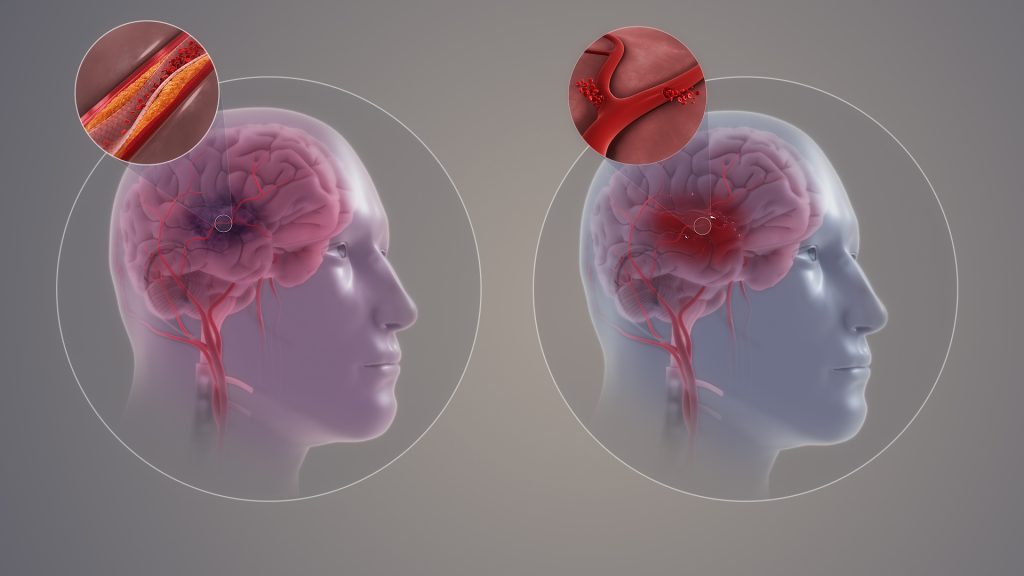
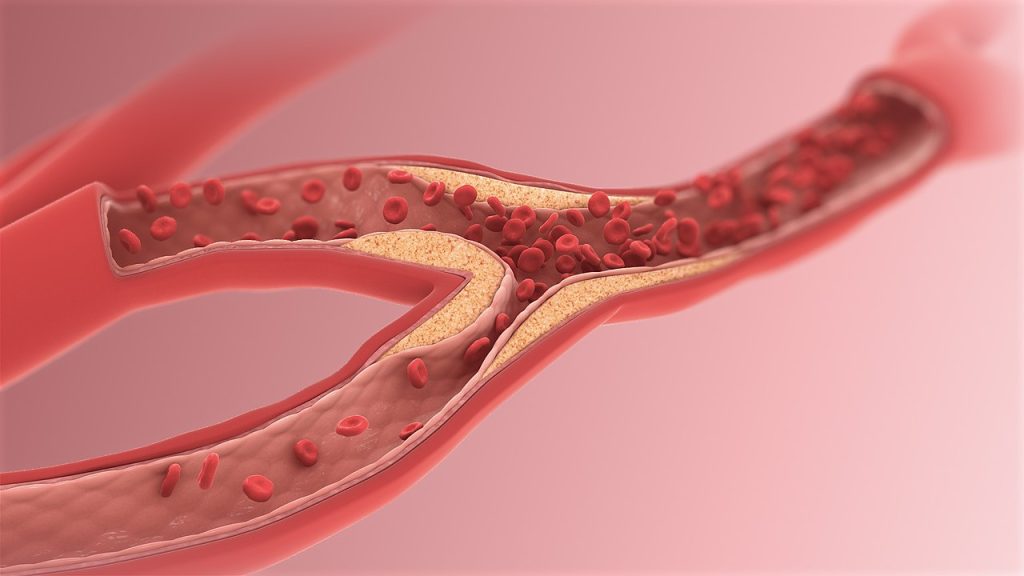
Atherosclerosis, caused by arterial wall plaque build-up, is a leading cause of death globally, particularly in the developed countries. Although the mortality rates for this condition fell dramatically during the 20th century, the incidence is now ever increasing. Unfortunately, despite the widespread impact of atherosclerosis – and efforts to curb it – data on the global and national trends of the disease is quite limited.

In a recent effort to address this knowledge gap, a research team from China led by Professor Rongchong Huang decided to conduct a detailed statistical analysis on the impact of atherosclerosis at the global and national levels by using GBD data. The study was published in the Chinese Medical Journal.

“It is unknown how global changes in pertinent controllable variables in recent years have affected the burden of atherosclerosis,” remarks Prof Huang.

The researchers analysed publicly available data from the Global Burden of Disease Study 2019 related to the three main clinical presentations of atherosclerosis, ischaemic heart disease (IHD), ischaemic stroke (IS), and peripheral arterial disease (PAD). The data collected, which spanned the period from 1990 to 2019, included participants of all ages with similar epidemiologic characteristics and in relative proximity, from 21 countries.

Overall, the study had four main goals. The first was to determine the global trends in terms of prevalence, mortality, and disability of the three conditions. The second goal was to identify the years that had the biggest shift in the trends of these indicators. Finally, the third and fourth goals were to analyze global trends based on age, gender, and socioeconomic factors and report global and national patterns, respectively. 

According to the results, there was an overall increasing trend in the global incidence of the three clinical manifestations of atherosclerosis from 1990 to 2019. Notably, the main drivers for this rising incidence were adults aged 20–54. The researchers found this very concerning, given that atherosclerosis with such an early onset is usually caused by preventable factors, such as lack of exercise, dietary habits, and environmental pollution. However, the mortality rates and disability-adjusted life years for IHD and IS declined during this period across all age groups. This could indicate greater awareness regarding these conditions and their early symptoms, as well as advancements in clinical management. 

Nonetheless, the global rise in the incidence of atherosclerosis over the past three decades is a serious problem that warrants special attention towards its root causes. In this regard, Prof Huang explains: “This rise can be attributed to a variety of factors. Firstly, global aging trends have led to a higher prevalence of the disease, given that age is a significant risk factor for atherosclerosis. Secondly, modern lifestyle habits, including high-fat diets, lack of exercise, smoking, and excessive alcohol consumption, have increased atherosclerosis risk. Lastly, there has been a rise in chronic diseases such as diabetes and hypertension, which are significant risk factors for atherosclerosis.”

The researchers also pointed out that the burden posed by atherosclerosis is increasing significantly in low- or middle-income countries, summarising key social and economic development indicators. China, which has the world’s greatest number of deaths due to cardiovascular diseases, is a prime example of this issue.

Taken together, the study paints a grim picture of global cardiovascular health, which is very concerning. “Overall, the burden of atherosclerosis-related disease is still not significantly decreasing and is even trending upward, especially in low- and middle-income countries and in younger populations,” says Prof Huang, “There is an urgent need for more targeted treatment and management in younger populations and in low-middle and middle-income countries.”

Hopefully, the results of these analyses will prompt decision makers, scientists, and medical professionals alike to increase their efforts towards fighting against atherosclerosis and its devastating consequences.

Source: EurekAlert!

Only 30% of Adults Discuss OTC Pain Relievers with Doctors Despite Hypertension Risk

Credit: Pixabay CC0

Only about 30% of US adults have spoken with their health care professional about the adverse effects some over-the-counter (OTC) pain relievers can have on blood pressure. The findings are part of a recent online poll commissioned by the American Heart Association.

Some pain relievers may raise blood pressure, according to the American Heart Association’s most recent Guideline for the Prevention, Detection, Evaluation and Management of High Blood Pressure

“It’s paramount that people who have high blood pressure, or are at risk for it, understand the effects associated with some over-the-counter pain relievers,” said Mitchell S. V. Elkind, MD, MS, FAHA, chief clinical science officer of the American Heart Association and a tenured professor of neurology and epidemiology at Columbia University. “A conversation with a health care professional about pain relief options is essential to preventing and managing high blood pressure.”

High blood pressure affects almost half of all people in the US. According to the American Heart Association’s recent poll, of those who have been diagnosed with high blood pressure, white and Asian adults (40%) are significantly less likely than Black (54.2%) and Hispanic (54.1%) adults to have ever discussed the effect some pain relievers have on blood pressure with a health care professional.
“Some over-the-counter pain relievers are safer than others,” added Elkind. “A conversation with a health care professional regularly about medications you or a loved one takes is an important step in finding safe options and controlling blood pressure.”

The poll conducted by Big Village, a collaborative and consultative research firm, also looked at how often people used OTC pain relievers. Of the close to 3000 US adults aged 18 and older surveyed, nearly 50% took medication for pain once a week or more. Adults aged 45-54 take them most frequently of all age groups polled. Additional findings include:

  • Gen X, people born from 1965 to 1980, are significantly more likely than other generations to take OTC pain relievers multiple times a day, but only 41% of Gen X would initially ask a health care professional for alternative pain relief even if they knew some OTC pain relievers can raise a person’s blood pressure.
  • Gen Z, people born from 1997 to 2012, are significantly less likely (30.5%) than any other generation to initially ask their health care professional for alternative pain relief if they knew some OTC pain relievers can raise a person’s blood pressure.
  • 61% of all respondents had not discussed the effect some over-the-counter pain relievers have on blood pressure with a health care professional.
  • 22% would research an alternative pain reliever online, second only to discussing with a health care professional.

Source: American Heart Association

8000 Steps a Day is the Magic Number for Health Benefits

Photo by Teona Swift on Unsplash

An international study led by the University of Granada (UGR) has identified for the first time the optimal number of steps at which most people obtain the greatest benefits. The findings, published in the Journal of the American College of Cardiology, also show that walking pace provides additional benefits.

The idea that you should take 10 000 steps a day originated in Japan in the 1960s, but with no scientific basis – rather it is a popular number there. Researchers have now shown that, focusing on cardiovascular disease mortality, most of the benefits are seen at around 7000 steps.

The study provided the first scientific proof for how many steps you need to take per day to significantly reduce the risk of premature death: 8000. Given the average length of a human stride (76cm for men and 67cm for women), taking 8000 steps is equivalent to walking approximately 6.4km a day.

Researchers have also shown that the pace at which we walk has additional benefits, and that it is better to walk fast than slow. With regard to the risk of dying from cardiovascular disease, most of the benefits are seen at around 7000 steps.

The study identifies for the first time the optimal number of steps at which most people obtain the greatest benefits, and also shows that the pace at which you walk provides additional benefits.

The research was carried out in collaboration between researchers from the Netherlands (Radboud University Medical Center), Spain (Universities of Granada and Castilla-La Mancha) and the United States (Iowa State University).

“Traditionally, many people thought that you had to reach about 10 000 steps a day to obtain health benefits – an idea that came out of Japan in the 1960s but had no basis in science,” explains the lead author of the study, Francisco B. Ortega, a professor at the UGR’s Department of Physical Education and Sports.

Previously, no scientific basis

In Japan and China, the number 10 000 is a significant number, being the largest order of magnitude for common usage and also expressing the idea of ‘unending’. The Japanese cheer of banzai literally translates as ‘ten thousand years’.

For instance, the first pedometer marketed to the general public was the “10 000 steps meter” (a literal translation), but the figure had no scientific basis. “We’ve shown for the first time that the more steps you take, the better, and that there is no excessive number of steps that has been proven to be harmful to health,” says Ortega, who also points out that reaching 7000–9000 steps a day is a sensible health goal for most people.

The researchers conducted a systematic literature review and meta-analysis of data from twelve international studies involving more than 110 000 participants.

The results of this study are in line with other recent studies, which show that health benefits are obtained at less than 10 000 steps. “What makes our study different is that, for the first time, we set clear step targets,” explains Esmée Bakker, currently a Marie Curie Postdoctoral Research Fellow at the University of Granada and one of the lead authors of the study.

“In this study, we show that measurable benefits can be obtained with small increases in the number of steps per day, and that for people with low levels of physical activity, every additional 500 steps improves their health. This is good news because not everyone can walk almost 9000 steps a day, at least not at first, so you can set small, reachable goals and gradually make progress and increase the number of steps per day,” the researchers note.

The study revealed no difference between men and women. It also found that faster walking is associated with a reduced risk of mortality, regardless of the total number of steps per day. Additionally, according to Bakker, “it doesn’t matter how you count your steps, whether you wear a smartwatch, a wrist-based activity tracker or a smartphone in your pocket: the step targets are the same.”

Physical activity recommendations: steps

So, should we stop walking when we reach around nine thousand steps? “Absolutely not,” insists Francisco B. Ortega. “More steps are never bad. Our study showed that even as many as 16 000 steps a day does not pose a risk; on the contrary, there are additional benefits compared to walking 7000–9000 steps a day, but the differences in risk reduction are small. Furthermore, the step target should be age appropriate, with younger people being able to set a higher target than older people. It is also important to note that our study only looked at the effect on the risk of all-cause mortality and cardiovascular disease. There are other studies and a large body of scientific evidence that show that doing moderate and even vigorous physical activity is associated with many health benefits, including improvements in sleep quality and mental health, among many others.”

“Our study gives people clear and easily measurable goals,” Bakker continues. “The (inter)national physical activity recommendations advise adults to get 150–300 minutes of moderate-intensity exercise per week. But most people don’t know what exercises count as moderate intensity, making it difficult to verify their compliance with this exercise standard. Counting steps is much simpler, especially since most people have a smartphone or smartwatch these days. Herein lies the importance of our study: to provide simple and concrete targets for the number of daily steps that people can easily measure with their phones and smartwatches or wristbands, and thereby contribute to people’s health,” the authors conclude.

Source: University of Grenada

Researchers ID Two Probiotics that can Help Bring Down Hypertension

Recent studies suggest that probiotics may offer a protective effect against hypertension, but how gut microbiota can regulate blood pressure has remained something of a mystery. Now a study published in mSystems showed that two probiotics, Bifidobacterium lactis and Lactobacillus rhamnosus, returned blood pressure in hypertensive mouse models to normal levels. The researchers also tracked how those probiotics altered the animals’ gut microbial mix over 16 weeks, identifying specific microbes and metabolic pathways that may help explain the protective effect. 

“Accumulated evidence supports an antihypertensive effect of probiotics and probiotic fermented foods in both in vitro and in vivo experiments,” said computational biologist Jun Li, PhD, at the City University of Hong Kong. Her team worked with that of microbiologist Zhihong Sun, PhD, at Inner Mongolia Agricultural University, on the study. “So, we believed that the dietary intake of probiotic foods would well supplement traditional hypertension treatment.” 

Previous studies have connected the rising rates of hypertension worldwide to increasing consumption of sugar. It likely boosts blood pressure through many mechanisms, such as increased insulin resistance or salt retention, but in recent years researchers have also investigated sugar’s effect on the gut microbiome. 

In the new study, the researchers tested the two probiotic strains on mice that developed hypertension after consuming water mixed with fructose. Over the course of 16 weeks, they measured the animals’ blood pressures every 4 weeks. They found that fructose-fed mice that received either probiotic showed significantly lower blood pressures than those fed a high fructose diet and not treated with probiotics. 

In addition, the researchers found no difference between the blood pressure readings of fructose-fed mice that received probiotics and a control group of mice that only drank water. According to Li, that suggests probiotic interventions would maintain blood pressure at normal levels. 

The researchers used shotgun metagenomic sequencing to probe connections between the altered gut microbiota and the change in blood pressure. They found that a high-fructose diet in the mice led to an increase in Bacteroidetes and a decrease in Firmicutes bacteria; however, treatment with probiotics returned those populations to those found in the control group. In addition, the analysis identified new microbial signatures associated with blood pressure: Increased levels of Lawsonia and Pyrolobus bacteria, and reduced levels of Alistipes and Alloprevotella, were associated with lower blood pressure. 

The researchers are now planning a large clinical trial to see if the protective effect of probiotics extend to people with hypertension. “Probiotics present a promising avenue in preventive medicine,” Sun said, “offering potential in regulating hypertension and reshaping our approach to cardiovascular health.”

Source: American Society for Microbiology

‘Smart’ EEG Lets Paramedics Identify Stroke Type in the Ambulance

Photo by Mat Napo o Unsplash

Scientists in the Netherlands have developed a special EEG cap which can diagnose stroke in the ambulance, allowing the patient to receive appropriate treatment faster. The research is published in the journal Neurology

Every year, millions of people worldwide suffer an ischaemic stroke, the most common type of stroke, when a blood clot blocks a blood vessel of the brain, causing a part of the brain to receive no or insufficient blood. Prompt treatment is crucial to prevent permanent disability or death.  

Neurologist Jonathan Coutinho, Technical Physician Wouter Potters and professor of Radiology Henk Marquering, all from Amsterdam UMC, invented the brain-wave cap, which allows an EEG to be carried out in the back of an ambulance. This shows whether there is an ischaemic stroke and whether the blocked cerebral blood vessel is large or small.

This distinction determines the treatment: in case of a small ischaemic stroke, the patient receives a blood thinner, and in case of a large ischaemic stroke, the blood clot must be removed mechanically in a specialised hospital. “When it comes to stroke, time is literally brain. The sooner we start the right treatment, the better the outcome. If the diagnosis is already clear in the ambulance, the patient can be routed directly to the right hospital, which saves valuable time,” says Coutinho. 

Jonathan Coutinho said: “Our research shows that the brain-wave cap can recognise patients with large ischaemic stroke with great accuracy. This is very good news, because the cap can ultimately save lives by routing these patients directly to the right hospital.”

Between 2018 and 2022, the smart brain-wave cap was tested in twelve Dutch ambulances, with data collected from almost 400 patients. The study shows that the brain-wave cap can recognise patients with a large ischaemic stroke with great accuracy. “This study shows that the brain-wave cap performs well in an ambulance setting. For example, with the measurements of the cap, we can distinguish between a large or small ischaemic stroke,” adds Coutinho. 

In order to develop the brain-wave cap into a product and bring it to the market, TrianecT, an Amsterdam UMC, spin-off company was founded in 2022. In addition, a follow-up study (AI-STROKE) is currently ongoing in which even more measurements are collected in order to develop an algorithm for improved recognition of a large ischaemic stroke in the ambulance. The Dutch Heart Foundation has also recognised the importance of this research and has made 4 million euros available for large-scale research into faster treatment of ischaemic stroke.

Source: Amsterdam University Medical Centers

Addition of a Statin Reduces Treatments Needed to Shrink Breast Cancer Tumour

Colourised scanning electron micrograph of a breast cancer cell. Credit: NIH

A novel therapeutic approach that combines human epidermal growth receptor factor 2 (HER2)-targeted therapies with the cholesterol-lowering drug lovastatin can reduce the number of cancer treatments required to prevent tumour growth. Monitored by immuno-PET scans, this combination therapy has the potential to personalise treatment for cancer patients and spare them from harmful side effects. This research was published in The Journal of Nuclear Medicine.

Antibody-drug conjugates (ADCs) have become an eminent cancer treatment because of their ability to precisely target tumours with potent efficacy. HER2-ADC therapies have been effective in treating breast, lung, bladder, and stomach cancers. Although usually well-tolerated, multiple doses of the drugs can result in severe side effects, including low blood counts, liver damage, and lung damage. Strategies that reduce toxic side effects caused by ADCs and predictive biomarkers of ADC toxicity are currently an unmet clinical need.

“In this study, we sought to determine whether a single dose of HER2-ADCs could be administered in combination with lovastatin (which temporarily elevates cell-surface HER2) to achieve therapeutic efficacy similar to that of a multiple dose regime,” said Patricia Pereira, PhD, assistant professor at the Washington University School of Medicine. “We also used HER2-targeted immuno-PET to monitor changes in HER2 expression after ADC therapy.”

Researchers injected mice with cultured gastric cancer cells and patient-derived gastric cancer cells. When tumours grew sufficiently, the mice were divided into groups and received various treatment schedules (no treatment, multiple doses of ADC, multiple doses of ADC with lovastatin, single dose of ADC, or single dose of ADC with lovastatin). Immuno-PET was used to investigate the dosing regimen and the efficacy of the treatment schedules.

A single dose of ADC therapy combined with lovastatin was found to reduce tumour volume at rates similar to those resulting from multiple doses of ADC in a preclinical setting. The study results showed that immuno-PET can noninvasively monitor HER2 tumour levels after treatment with HER2-targeted ADC therapies.

“This preclinical work is significant because it has the potential to improve therapy for patients with HER2-positive cancers,” noted Pereira. “It not only simplifies treatment by exploring single-dose schedules of antibody-drug conjugates but can also reduce side effects by minimizing the number of doses required. Additionally, it personalises therapy using molecular imaging, enhancing treatment efficacy.”

She continued, “The findings suggest a future where molecular imaging techniques play a critical role in guiding drug development and cancer treatment decisions, particularly as various ADCs are being tested and approved for cancer treatment. Currently, there is no perfect way to select tumours or monitor their response to ADCs. This research indicates that molecular imaging can bridge this gap by providing real-time insights into therapy response.”

Source: Society of Nuclear Medicine and Molecular Imaging

Study Dispels Safety Fears over the Antihypertensive Drug Amlodipine

Pexels Photo by Thirdman

A new paper in the journal Function finds that a widely prescribed drug for treating hypertension, amlodipine, is not dangerous for patients, despite recent concerns from researchers and clinicians that there may be risks associated with taking amlodipine. 

Approximately one in five adults worldwide have the disease, which is responsible for 7.6 million deaths per year. If untreated, hypertension significantly increases the risk of premature death through heart attack, stroke, or kidney disease. 

One widely prescribed drug for treating hypertension is amlodipine, now taken regularly in pill form by over 70 million Americans. Amlodipine inhibits an L-type calcium channel that is found on blood vessels. When the calcium channel opens, calcium enters the muscle and causes it to constrict, increasing blood pressure. Amlodipine prevents calcium from coming in, leading to vessel relaxation and a decrease in blood pressure. 

Recently some researchers have questioned the benefit of amlodipine for treating hypertension. Studies suggested that amlodipine may activate a different type of calcium channel, resulting in changes to blood vessels and an increase in heart failure in patients. Removing amlodipine as a prescribed anti-hypertensive medication carries significant health implications, since hypertension is such a common health condition.

A new study by research teams from National Institutes of Health and Glasgow University finds that taking amlodipine is unlikely to result in an increase in heart failure in patients. The researchers found that amlodipine appears to have unique chemical properties that caused the drug to mimic the calcium channel activation, without in fact opening the channels as clinicians worried. When the study’s authors controlled for these chemical properties, they found that amlodipine did not activate calcium channels. A meta-analysis combining clinical trials and a prospective real-world analysis both showed that amlodipine was not associated with increased heart failure or other cardiovascular problems.

“Removal of amlodipine as a front-line therapy would most likely increase deaths from hypertension dramatically,” said Anant Parekh, one of the study’s authors. “The study recommends that amlodipine remain a first-line treatment for high blood pressure.”

Source: EurekAlert!

In Women, Poor Quality Sleep may Increase Hypertension Risk

Photo by Karolina Grabowska on Pexels

Getting enough sleep is becoming more of a challenge in today’s busy society. New research from investigators in the Channing Division of Network Medicine of Brigham and Women’s Hospital, highlights why getting a good night’s sleep is critical to staying healthy. Their research unveils that women who struggled with getting enough sleep were at greater risk of developing hypertension, or high blood pressure. Results are published in the journal Hypertension.

“These findings suggest that individuals who struggle with symptoms of insomnia may be at risk of hypertension and could benefit from preemptive screening,” explained Shahab Haghayegh, PhD, a research fellow at the Brigham and Harvard Medical School. “Hypertension is associated with many other physical and mental health complications. The sooner we can identify individuals with high blood pressure and treat them for it, the better we can mitigate future health issues.”

Haghayegh and colleagues followed 66 122 participants between 25 and 42 years of age in the Nurses’ Health Study II (NHS2) cohort, all without hypertension at the study’s onset, over sixteen years (from 2001 until 2017). Investigators collected information on participants’ age, race, body mass index (BMI), diet, lifestyle, physical activity, history of sleep apnoea, and family history of hypertension and assessed the incidence of hypertension among the group every two years. They first began measuring sleep duration in 2001, then did so again in 2009, recording the average number of hours slept over a 24-hour period. They also tracked sleeping difficulties, such as having trouble falling or staying asleep or waking up early in the morning, collecting responses at several time points throughout the study.

Data analyses revealed that women with sleeping difficulties had higher BMIs, lower physical activity, and poorer diets, on average. Researcher also found that those who struggled with sleep were more likely to smoke and drink alcohol and have previously gone through menopause.

Among the 25 987 cases of hypertension documented over the follow-up, women who slept less than seven to eight hours a night had a significantly higher risk of developing hypertension, according to the data collected. Similarly, women who had trouble falling asleep and staying asleep were also more likely to develop hypertension. Waking up early in the morning was not associated with this increased risk. Notably, these associations, remained significant after controlling for participant shift work schedules (night versus day shifts) and chronotype (morningness versus eveningness).

While the exact nature of the relationship between sleep and risk of hypertension is unknown, Haghayegh said that sleep difficulties can lead to a chain of events that can increase sodium retention, arterial stiffness, and cardiac output, potentially leading to hypertension. Disruptions to the sleep/wake cycle can also influence blood vessel constriction/relaxation activity and the function of cells that regulate the vascular tone.

One limitation is that the study only looked at the association between sleep and hypertension in women, so researchers hope to expand their work to include men and non-binary participants. A second is that researchers could only collect data on sleep quality at select time points throughout the study. Some of the study’s strengths include the larger number of participants and length of follow-up duration.

Haghayegh emphasises that these findings do not indicate causality. He wants to understand why this association exists and how treating one condition may also treat the other. In future clinical studies, he aims to investigate if sleep medications could have a beneficial effect on blood pressure.

“I hope these findings further underscore the crucial role of quality sleep in our overall well-being. The American Academy of Sleep Medicine recommends sleeping seven or more hours a night, and if you cannot fall or stay asleep, it might be worth exploring why that is,” said Haghayegh. “This study highlights yet another reason why getting a good night’s sleep is so important.”

Source: Brigham and Women’s Hospital

50 Steps a Day Cuts Heart Disease Risk by 20%

Credit: Pixabay CC0

Forget walking 10 000 steps a day – climbing up at least 50 steps a day could significantly reduce the risk of heart disease, according to a new study from Tulane University.

The study, published in Atherosclerosis, found that climbing more than five flights of stairs daily could reduce risk of cardiovascular disease by 20%.

Atherosclerotic cardiovascular disease (ASCVD) along with coronary artery disease and stroke are the leading causes of morbidity and mortality worldwide.

“Short bursts of high-intensity stair climbing are a time-efficient way to improve cardiorespiratory fitness and lipid profile, especially among those unable to achieve the current physical activity recommendations,” said co-corresponding author Dr Lu Qi, professor at Tulane University. “These findings highlight the potential advantages of stair climbing as a primary preventive measure for ASCVD in the general population.”

Using UK Biobank data collected from 450 000 adults, the study calculated participants’ susceptibility to cardiovascular disease based on family history, established risk factors and genetic risk factors and surveyed participants about their lifestyle habits and frequency of stair climbing. Median follow-up time was 12.5 years.

The study found that climbing more stairs daily especially reduced risk of cardiovascular disease in those who were less susceptible. However, Qi said the increased risk of heart disease in more susceptible people could be “effectively offset” by daily stair climbing.

Qi touted the public availability of stairs as a low-cost, accessible way to incorporate exercise into daily routines.

“This study provides novel evidence for the protective effects of stair climbing on the risk of ASCVD, particularly for individuals with multiple ASCVD risk factors,” Qi said.

Source: Tulane University

Fast-acting Nasal Spray Could Treat Tachycardia Episodes

Photo by Stephen Andrews

A fast-acting drug delivered as a nasal spray may someday allow patients with intermittent tachycardia to treat it themselves as soon as they develop symptoms, according to new research published in the Journal of the American Heart Association. The drug is still under development and awaiting approval in the US by the Food and Drug Administration.

“This is a potential new and exciting option for patients to safely self-treat their rapid heartbeat without direct medical supervision to avoid emergency room visits and medical interventions,” said lead author James E. Ip, MD, an associate professor of clinical medicine at Weill Cornell Medicine at New York-Presbyterian Hospital.

About 1 in 300 people in the United States experience intermittent periods paroxysmal supraventricular tachycardia, a condition characterised by rapid heartbeat (>100bpm, and more typically 150–200 bpm) in the lower chambers of the heart.

The standard treatment during an episode is to perform vagal manoeuvres, one of which is done by trying to bear down, achieved by breathing out with stomach muscles but not letting air out the nose or mouth. This can make the vagus nerve slow electrical conduction through the atrioventricular (AV) node, which regulates the timing of the electrical pulses to the lower portion of the heart. If the self-administered vagal manoeuvres are not effective (which happens about 20–40% of the time), the person should seek immediate treatment of intravenous medication at an emergency room to return the heart rate to normal. In the United States, about 50,000 emergency room visits a year are for paroxysmal supraventricular tachycardia, Ip said.

In a previous study, people with the disorder treated themselves with either etripamil or a placebo nasal spray for a single episode of rapid heartbeat. Participants applied an electrocardiogram (ECG) patch at the onset of symptoms, did a vagal manoeuvre and self-administered the nasal spray if the rapid heartbeat continued – keeping the ECG patch on for at least five hours. In that study, the first time that etripamil was used without direct supervision, normal heart rhythms were restored within 30 minutes in 54% of patients, compared to 35% with placebo, and the medication was found to be safe and well tolerated. The ECG patch is a wearable heart monitor that has a small device with an adhesive that sticks on the chest skin surface and is wirelessly connected to a cell phone to transmit the ECG data.

All people in that randomised trial were invited to participate in the current open-label study that allowed patients to self-treat with etripamil during multiple episodes of paroxysmal supraventricular tachycardia (PSVT). Of the 169 patients enrolled, 105 self-administered at least one dose of etripamil (70mg) during the median 232-day study period.

The new study found:

  • Etripamil restored heart rate to normal within 30 minutes in 60.2% of the 188 verified PSVT episodes, and within an hour in 75.1% of the episodes.
  • Of the 40 participants who self-treated two episodes, 63.2% responded to the medication within 30 minutes. Nine people (23%) did not convert to a normal heart rate on either episode, and 21 (53%) converted to normal heart rate on both episodes.
  • Safety was assessed regardless of whether the episode was confirmed by ECG. Thirty-four participants (32.4%) reported one or more side effects from the medication, most commonly mild-to-moderate nasal congestion or discomfort, or a runny nose. There were no serious heart-related adverse events.

“There are no great options for patients to self-treat paroxysmal supraventricular tachycardia, and this condition can cause significant distress and anxiety,” Ip said. “Similar to an albuterol inhaler for asthma patients or an epinephrine pen for patients that have severe allergies or anaphylaxis, etripamil nasal spray may be a great option for people who have paroxysmal supraventricular tachycardia.

Source: American Heart Association