Some individuals with anti-Ro/SSA antibodies (anti–Sjögren’s-syndrome–related antigen A autoantibodies, also called anti-Ro antibodies) have autoimmune diseases such as lupus or Sjögren’s syndrome, but many have no symptoms. A clinical trial published in Arthritis & Rheumatology found that high levels of these antibodies in pregnant women are associated with foetal atrioventricular block (AVB), which occurs when inflammation and subsequent scarring prevent electric signals from the heart’s atria from reaching the ventricles. The disease is associated with life-long pacing and can be fatal.
In the trial, called Surveillance ToPrevent AV Block Likely to Occur Quickly (STOP BLOQ), the incidence of AVB increased with higher levels of anti-Ro/SSA antibodies, reaching 7.7% for those in the top quartile, which increased to 27.3% in those with a previous child who had AVB, although participant numbers in that category were small. Antibody titres did not change over time. The trial also revealed that home-based foetal heart rate monitoring reliably detected conduction abnormalities, which may reduce the need for serial echocardiograms.
“Examining the levels of anti-Ro/SSA antibodies is an important advance since for women with low titres, monitoring is probably not necessary and for those with high titres the increased risk supports surveillance,” said corresponding author Jill Buyon, MD, of NYU Langone Health. She added that this study also indicated that titres of antibodies do not change and that additional factors besides antibodies contribute to risk.
“That home monitoring can rapidly and accurately identify early foetal conduction disease is a major step forward that may significantly decrease the need for echocardiograms and hopefully facilitate reversibility,” added senior author and research professor Bettina Cuneo MD, of the University of Arizona-Tucson College of Medicine.
In a large, international clinical trial, people with obesity or overweight but not diabetes taking semaglutide for more than three years had a 20% lower risk of cardiovascular disease outcomes and lost an average of 9.4% of their body weight.
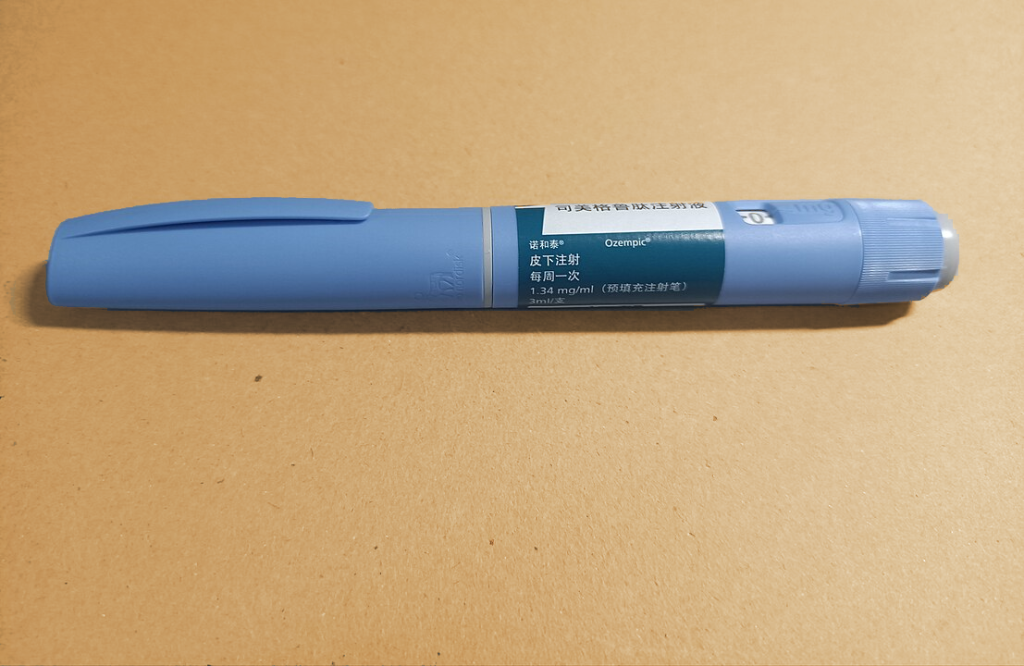
Semaglutide, a GLP-1 medication primarily prescribed for people with Type 2 diabetes, is also FDA-approved for weight loss in people with obesity.
These results were shared in a late-breaking science presentation at the American Heart Association’s Scientific Sessions 2023 and the full manuscript was also published in The New England Journal of Medicine.
“This news is very encouraging for people with overweight or obesity because no treatment specifically directed at the management of obesity and overweight in people without Type 1 or Type 2 diabetes has been tested in a randomised trial and been shown to influence cardiovascular outcomes,” said lead study author A. Michael Lincoff, MD.
While prior research has confirmed the benefits of semaglutide in managing blood sugar, decreasing cardiovascular disease events and reducing weight in people with Type 2 diabetes, this study specifically investigated the potential impact of semaglutide on cardiovascular disease in people with overweight or obesity and cardiovascular disease who did not have either Type 1 or Type 2 diabetes.
In this randomised, controlled, double-blind trial, participants were assigned to take either 2.4mg of semaglutide (the FDA-approved semaglutide dose for weight management) or a placebo once a week, which is higher than the FDA-approved semaglutide dose limit for Type 2 diabetes of 2.0mg/week. Each person in the study used a ‘pen’ to inject the medicine or placebo into a skin fold in their stomach, thigh or upper arm each week on the same day, and the dose started at 0.24mg and gradually increased every four weeks up to 2.4mg, and mean follow-up for all participants was 40 months.
In addition to taking either semaglutide or placebo for the trial, all participants also received standard of care treatment for cardiovascular disease, such as cholesterol modifying medications, antiplatelet therapies, beta blockers or other treatments. The authors note that heart disease diagnoses varied among the participants, therefore, treatment was adjusted to meet each individual’s diagnosis and needs, as well as the treatment guidelines in their country of residence.
The study, which ran from October 2018 through June 2023, indicated the following:
There was a 20% reduction in the risk of heart attacks, strokes or death due to cardiovascular disease in the participants who took semaglutide, compared to the participants in the placebo group.
In the semaglutide group, the participants’ body weight was reduced, on average, by 9.4% compared to a reduction of 0.9% among the adults in the placebo group.
There were no new safety concerns found in the study, which researchers note is encouraging since the SELECT trial is the largest and longest (4.5 years) trial of semaglutide in adults without Type 1 or Type 2 diabetes.
The number of serious adverse events was lower in the semaglutide group. Previous studies of medications of the GLP-1 receptor agonist class have shown an association with gallbladder disorders, and in SELECT, there was a slightly higher rate of gallbladder disorders in the semaglutide vs placebo group (2.8% vs 2.3%, respectively).
Semaglutide was stopped more frequently than placebo for gastrointestinal intolerance, a known side effect of this class of medications; however, there was no higher rate of serious gastrointestinal events.
The researchers noted that this medication did not lead to an increased rate of pancreatitis, which has been a concern with prior medications of this type.
Of note, other weight-loss medications that are not GLP-1 receptor agonists have been associated with increased risks of psychiatric disorders or cancer; these risks were not elevated with semaglutide in the SELECT trial.
“It’s been estimated that within about ten years, over half of the world’s population will have overweight or obesity,” said Dr Lincoff. “And while GLP-1 medications are frequently prescribed for patients with vascular disease and Type 2 diabetes, there is a significant number of people who do not have Type 1 or Type 2 diabetes but do have vascular disease and overweight or obesity for whom these medications are often not available due to access to care issues, insurance coverage or other factors. This population may now potentially benefit from semaglutide, and importantly, our results indicate the magnitude of cardiovascular risk reduction with semaglutide among people without Type 1 or Type 2 diabetes is the same as what we have seen in people with Type 2 diabetes. Our findings expand the opportunity to treat patients who have overweight or obesity and existing heart disease without Type 1 or Type 2 diabetes, and we have a chance to significantly reduce their risk of a secondary cardiovascular event including death.”
Among the study limitations were including adults with prior cardiovascular disease, thereby not investigating primary prevention of cardiovascular disease (people with no history of a heart attack, stroke and/or peripheral artery disease). In addition, 28% of the study participants were female, which is not proportionate to the number of women with cardiovascular disease and overweight or obesity in the general population.
Additional analyses will include identifying the mediators of the cardiovascular benefit to determine to what extent the results were driven by reduction of metabolically unhealthy body fat, positive impacts on inflammation or blood sugar, direct effects of the medication itself on plaque build-up in the arteries, or a combination of one or more variables.
Researchers at Karolinska Institutet have evaluated dispatching drones equipped with automated external defibrillators (AED) to patients with suspected cardiac arrest. In more than half of the cases, the drones were ahead of the ambulance by an average of three minutes. The drone-delivered defibrillator was used in a majority of the cases which proved to be cardiac arrests. The results have been published in The Lancet Digital Health.
“The use of an AED is the single most important factor in saving lives. We have been deploying drones equipped with AED since the summer of 2020 and show in this follow-up study that drones can arrive at the scene before an ambulance by several minutes. This lead time has meant that the AED could be used by people at the scene in several cases,” says Andreas Claesson, Associate Professor at the Center for Cardiac Arrest Research at the Department of Clinical Research and Education, Södersjukhuset, Karolinska Institutet, and principal investigator of the study.
Every year, around 6000 people in Sweden suffer a sudden cardiac arrest, but only a tenth of those affected survive. Although an early shock with a AED can dramatically increase the chance of survival and there are tens of thousands of AED in the community, they are not available in people’s homes where most cardiac arrests occur.
Since 2020, in an effort to cut the time to defibrillation with an AED, Karolinska Institutet, together with Region Västra Götaland, SOS Alarm and the drone operator Everdrone, have tested the possibility of dispatched an AED-carrying drone at the same time as an ambulance is alerted. The project covered an area of approximately 200 000 people in western Sweden. An initial study conducted in the summer of 2020 in Gothenburg and Kungälv showed that the idea was feasible and safe.
“This more comprehensive and follow-up study now shows in a larger material that the methodology works throughout the year, summer and winter, in daylight and darkness. Drones can be alerted, arrive, deliver AED, and people on site have time to use the AED before the ambulance arrives,” says Sofia Schierbeck, PhD student at the same department and first author of the study.
In the study, drones delivered a AED in 55 cases of suspected cardiac arrest. In 37 of these cases, the delivery took place before an ambulance, corresponding to 67%, with a median lead of 3 minutes and 14 seconds. In the 18 cases of actual cardiac arrest, the caller managed to use the AED in six cases, representing 33%. A shock was recommended by the device in two cases and in one case the patient survived.
“Our study now shows once and for all that it is possible to deliver AED with drones and that this can be done several minutes before the arrival of the ambulance in connection with acute cardiac arrest,” says Andreas Claesson. “This time saving meant that the healthcare emergency centre could instruct the person who called the ambulance to retrieve and use the AED in several cases before the ambulance arrived.”
The research was mainly funded by the Swedish Heart-Lung Foundation.
Only concerted multi-disciplinary collaboration and research will stem the tide of diabetes and diabetes-linked cardiovascular disease (CVD), the latter currently the leading cause of death locally and worldwide, claiming 17.9 million lives annually1.
This was the consensus among some of the world’s leading cardiologists and researchers gathered at the SA Heart Association’s annual congress aptly themed: ‘The Cardiac Collaboration,’ which took place at the Sandton Convention Centre in Johannesburg from 26-29 October this year.
Globally, CVD takes more lives than TB, HIV and malaria combined, while 215 South Africans are killed by CVD every day – with 80% of CVD and strokes being preventable.1,2 The prevalence of diabetes has also increased in South Africa, from 4.5% in 2010 to 12.7% in 2019. Of the 4.58 million people aged 20-79 years who were estimated to have diabetes in 2019, 52.4% were undiagnosed.3
With diabetes being a key driver of CVD – especially in Africa (with limited access to novel drugs and the prevalence of sugar-rich, poverty-driven lifestyles), the mutual consensus at this year’s congress was that collaboration is key.
Dr Zaheer Bayat, Chairperson of the Society for Endocrinology, Metabolism and Diabetes of South Africa (SEMDSA), told delegates that endocrinologists and cardiologists would have to work together to improve outcomes for diabetic patients, 30% of whom suffered cardiovascular events. He warned that a 134% increase of people living with diabetes was predicted over the next two decades, translating into a dramatic surge in chronic kidney disease, cardiovascular disease, blindness, and amputations.
Dr Bayat said he intends appealing for mass diabetes screening to find the 52% of people whom researchers estimate are undiagnosed. Ideally, this should be followed by access to cheaply acquired, effective new glucose-lowering drugs.
“The reality is that this country cannot afford all the new treatments for everyone – not private funders, not government. So, drugs are not really a solution – the best solution is to change lifestyle and prevent disease in the first place,” said Dr Bayat.
“We’re here to fight for our patients, not our pockets. Can we afford to have 52% of our patients not knowing they’re diabetic? People who should be contributing to our economy are living with diabetes and eventually dying,” he asserted.
Dr Bayat also said that globally, First World countries such as the USA and Sweden are reducing myocardial infarctions, strokes, and amputations, because they’re doing all the right things together. This included adopting a healthy lifestyle, effective management of sugar, blood pressure and cholesterol and smoking cessation.
“However, here in South Africa with private healthcare representing 15% of healthcare delivery but consuming 50% of the spend and the public sector representing 85% of the population and consuming the other half – we’re not doing nearly as well. With only 200 cardiologists in the country (one per 190 000 population), and even less nephrologists, we need to join together and change the trajectory of diabetes. We must work together to reduce morbidity and mortality,” said Dr Bayat.
According to the SA Heart Association, this graphically illustrates the importance of a multi-disciplinary approach, the very reason why the conference was called ‘The Cardiac Collaboration.’
The SA Heart Association has already begun forging formal ties with other academic societies and next year, it hopes to join and host joint sessions with collaborative meetings to connect a multidisciplinary team in order to achieve a well-rounded balance of care.
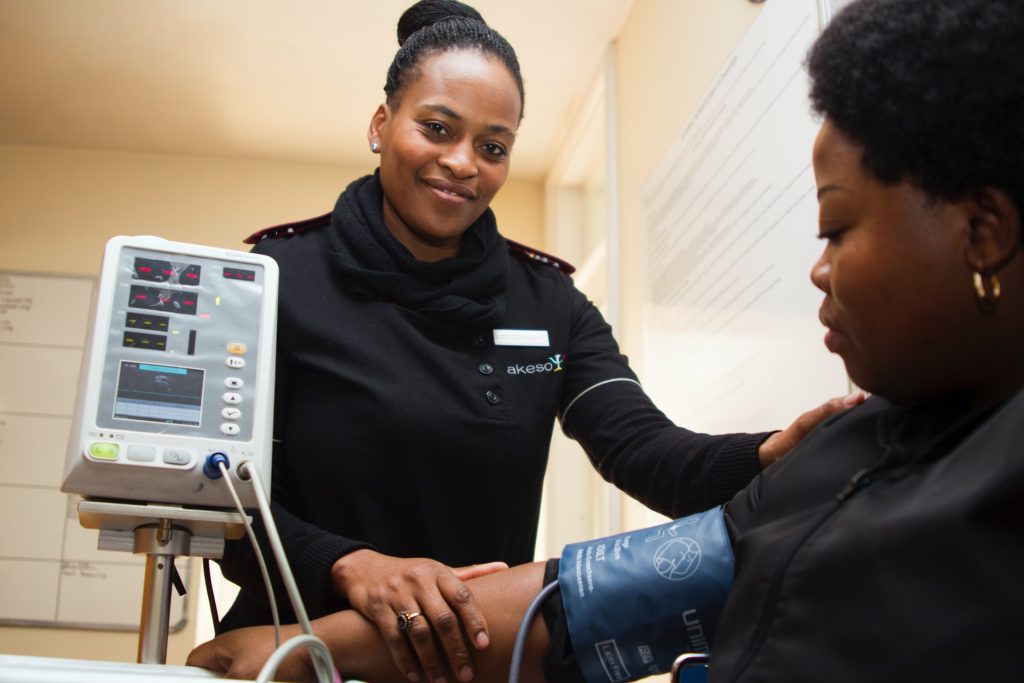
An intensive three-year intervention to lower systolic blood pressure (BP) to less than 120mmHg was more effective at preventing death, heart attack, stroke and other cardiovascular events in adults at high risk for cardiovascular disease, compared to the standard treatment target of under 140mmHg, according to late-breaking science presented at the American Heart Association’s Scientific Sessions 2023.
“Our study provides evidence to support targeting systolic blood pressure to less than 120mmHg in hypertensive patients with high cardiovascular risk and normal or mild-reduced kidney function, regardless of their diabetes status (Type 1, Type 2 or none) or history of stroke,” said lead study author Jing Li, MD, PhD, director of the department of preventive medicine at the National Center for Cardiovascular Diseases in Beijing, China.
The researchers conducted a multi-centre, randomised controlled trial to evaluate the effects of an intensive blood pressure-lowering strategy on the incidence of major cardiovascular events, including heart attack, stroke, cardiovascular death, revascularisation, or hospitalisation or emergency room visit for heart failure, in participants with increased cardiovascular risk.
Participants in the ESPRIT trial were randomised to receive intensive antihypertensive treatment with a systolic BP target of less than 120mmHg (using higher doses and multiple classes of drugs) or standard treatment, with a target measurement of under 140mmHg over a three-year period. Safety was assessed between treatment groups by comparing serious adverse events among participants.
The researchers found that after two years, participants in the intensive treatment group had significantly better outcomes than those receiving standard care. Compared with the standard treatment, the intensive treatment strategy prevented:
12% of heart attacks, stroke, revascularisation procedures, death from cardiovascular causes and hospitalisation or emergency room visit for heart failure;
39% of deaths from cardiovascular causes; and
21% of deaths from any cause.
There was no significant difference in serious adverse events of hypotension, electrolyte abnormality, fall resulting in an injury, acute kidney injury or renal failure.
Syncope, or fainting, was one of the serious adverse events used to evaluate safety. Syncope occurred at a rate of 0.4% per year in the intensive group and 0.1% in the standard group. This means that for every 1000 patients receiving the intensive treatment for 3 years, 3 patients would experience a serious adverse event of syncope, while 14 major vascular events and 8 deaths would be further prevented, Li noted.
“These results provide evidence that intensive hypertension treatment focused on achieving systolic blood pressure of less than 120mmHg is beneficial and safe for individuals with high blood pressure and increased cardiovascular risk factors,” Li said. “Implementing this intensive treatment strategy for high-risk adults has the potential to save more lives and reduce the public health burden of heart disease worldwide.”
Study details and background:
The ESPRIT trial included 11,255 adults in China. Participants had a baseline systolic blood pressure measurement of 130–180mmHg and either established cardiovascular disease or at least two major risk factors for cardiovascular disease.
Participants were an average age of 64.6 years; 41.3% women and 58.7% men.
Approximately 27% of the study participants had a history of stroke; approximately 29% had previous coronary heart disease; and approximately 39% had diabetes, Type 1 or Type 2.
The trial’s primary outcome was a composite outcome of heart attack, coronary or non-coronary revascularisation, hospitalisation/emergency room visit for heart failure, stroke or CV death. Secondary outcomes included CV outcomes, kidney outcomes and cognitive outcomes.
Study limitations included that the cardiovascular benefits of the intensive intervention emerged after two years, while the intervention only lasted three years, meaning the relatively short study period may underestimate the benefits, Li said. In addition, the study was conducted in China and therefore, the results may not be generalisable to people in other racial and ethnic groups or living in other countries. However, Li also noted that the results were consistent with similar studies in people of other racial and ethnic groups.
Future work will involve examining the longer-term effects of the intensive intervention strategy over the follow-up period.
A researcher at the University of Kentucky has helped solve a 60-year-old mystery about one of the body’s most vital organs: The heart. Specifically, its tiniest structures: the complicated bundles of filament molecules inside its cells.
Kenneth S. Campbell, PhD, the director of translational research in the Division of Cardiovascular Medicine in the UK College of Medicine, helped map out an important part of the heart on a molecular level. The study was published online in the journal Nature.
Each cardiac cell contains thousands of smaller structures, called sarcomeres – the building blocks of muscle. Within each block, are hundreds of myosin filaments. To put this microscopic level into perspective, if the heart is a continent, Campbell and fellow researchers are looking at single strands of hair.
“Each filament has roughly 2000 molecules arranged in a really complicated structure that scientists have been trying to understand for decades,” said Campbell. “We knew quite a lot about the individual molecules and people thought the myosins could be arranged in groups of six that were called crowns, but not much beyond that.”
Campbell explained the most interesting discovery in the paper is that there are three different types of crowns. The interactions between them are shown in the second photo below.
“We think this means that heart muscle can be controlled more precisely than we had realised. We were also excited to see how myosin binding protein-C, another protein that is linked to genetic heart disease, sits within the structure. It gives us a new level of information about how the molecules are arranged in the heart,” said Campbell.
Working with researchers at the University of Massachusetts Chan Medical School, the group produced single-particle 3D reconstructions of the cardiac thick filaments. The pictures provide a new framework for interpreting structural, physiological and clinical observations.
“We’re interested in therapies for different kinds of heart failure and myopathies, where the heart muscles don’t work very well,” said Campbell. “Our research is one of many projects underway at the university to help come up with better therapies for heart disease.”
The research team collected heart samples from the Gill Cardiovascular Biorepository, of which Campbell is the director. Samples are donated for research purposes from patients who receive cardiovascular care at UK.
“We started the Gill Cardiovascular Biorepository in 2008. With the help of a surgeon at UK HealthCare, we started collecting samples of myocardium from organ donors and from patients who were getting cardiac transplants,” said Campbell. “Now we’ve built a huge resource with roughly 15 000 samples from nearly 500 people.
CRISPR-Cas9 is a customisable tool that lets scientists cut and insert small pieces of DNA at precise areas along a DNA strand. This lets scientists study our genes in a specific, targeted way.
Credit: Ernesto del Aguila III, National Human Genome Research Institute, NIH
A single infusion of a CRISPR-based gene-editing therapy significantly reduced low-density lipoprotein cholesterol (LDL-C, the ‘bad cholesterol’) in people who carry one gene for the inherited condition that results in very high LDL-C levels and a high risk of heart attack at an early age, according to findings presented at the American Heart Association’s Scientific Sessions 2023.
“Instead of daily pills or intermittent injections over decades to lower bad cholesterol, this study reveals the potential for a new treatment option – a single-course therapy that may lead to deep LDL-C lowering for decades,” said senior study author Andrew M. Bellinger, M.D., Ph.D., chief scientific officer at Verve Therapeutics in Boston.
The investigational treatment, VERVE-101, uses DNA-editing technology to permanently turn off the PCSK9 gene in the liver. PCSK9 is a gene that plays a critical role in controlling blood LDL-C through its regulation of the LDL receptor. People with heterozygous familial hypercholesterolaemia (ie, one gene for the disorder inherited from one parent) are treated with oral lipid-lowering medications such as statins as well as PCSK9 inhibitors to bring levels under control, though this only occurs in a small percentage of patients. The study presented is the first human trial of VERVE-101.
Earlier this year, the results of the researchers’ one-year animal study were published in Circulation. In that animal study, VERVE-101 lowered PSCK9 levels 67%-83% and LDL-C 49%-69%, depending on the dose. After a single dose, the reductions have now lasted 2.5 years, supporting the idea that VERVE-101 may potentially be an effective long-term or permanent treatment for high LDL-C.
The ongoing, first-in-human study included 7 men and 2 women in New Zealand or the United Kingdom: average age of 54 years; 8 white adults; and 1 Asian adult. Each participant was diagnosed with heterozygous familial hypercholesterolemia and had extremely high bad cholesterol levels (average measure of 201mg/dL) despite taking the maximum-tolerated LDL cholesterol-lowering medication.
“These numbers are consistent with the fact that, despite available treatments, only about 3% of patients living with heterozygous familial hypercholesterolemia globally have reached target treatment goals,” Bellinger said.
The majority of study participants had pre-existing severe coronary artery disease and had already experienced a heart attack, or undergone coronary bypass surgery or stenting to allow adequate blood flow to heart muscle. None were taking PCSK9 inhibitors while enrolled in the study.
Each participant received a single intravenous infusion of VERVE-101, with the first cohort (n=3) receiving a low dose of 0.1 mg/kg and other cohorts receiving escalating doses, after consultation with an independent safety monitoring board. The highest dose received was 0.6 mg/kg.
The study found that the highest-two VERVE-101 doses:
reduced LDL-C by 39% and 48% in the two participants receiving 0.45mg/kg of the drug and 55% in the sole participant receiving 0.6mg/kg;
reduced blood PCSK9 protein levels by 47%, 59% and 84% in the three participants receiving the 0.45 mg/kg or 0.6 mg/kg doses; and
reduced LDL-C at six months in the sole participant receiving 0.6mg/kg, with follow-up ongoing.
“We were thrilled to see that the previous testing we had done of VERVE-101 in animal models translated faithfully to these findings in humans,” Bellinger said.
Most adverse events encountered were mild and unrelated to treatment. Serious adverse cardiovascular events, specifically a cardiac arrest, a myocardial infarction and an arrhythmia, occurred in two patients who had underlying advanced coronary artery disease. “All safety events were reviewed with the independent data safety monitoring board, who recommended continuation of trial enrolment with no protocol changes required,” Bellinger said.
Studies involving a larger number of patients and with a control group will be required to fully document the efficacy and safety of VERVE-101, noted Bellinger.
The study is still enrolling patients to receive the highest-two doses of VERVE-101. After a year’s follow-up, each participant will go into a long-term follow-up study for an additional 14 years, as required by the FDA for all participants in any human genome editing trials.
Among the study’s limitations is that this is an interim report with a few participants who all received the treatment; therefore, no participants receiving an alternate treatment or no treatment were available for direct comparison. Results in the study were measured by reductions in LDL-C, not changes in the occurrence of heart attacks; however, LDL-C reduction is a well-known, validated endpoint among patients with heterozygous familial hypercholesterolaemia and coronary artery disease.
Researchers at the University of Leicester have discovered the mechanism by which cholesterol in the diet is absorbed into cells. This discovery, which has just been published in the journal Scienceopens up new opportunities for therapeutic intervention to control cholesterol uptake that could complement other therapies and potentially save lives.
The research, conducted with colleagues from the USA, China and Australia, has shown that two proteins (called Aster B and Aster C) play a key role in transporting cholesterol from the membrane of the cells lining our intestine to the internal compartment where it is modified prior to circulation.
Funding came from the Leducq Foundation which awarded $6 million to eight laboratories across the USA and Europe for collaborative research into how cholesterol is transported in our bodies.
University of Leicester researchers from the Institute of Structural and Chemical Biology, used their expertise to reveal how Ezetimibe, a cholesterol lowering drug, blocks the ability of Aster B and C to transport cholesterol.
Professor John Schwabe, Director of the Institute for Structural and Chemical Biology, said: “This breakthrough is the result of a long-lasting collaboration and forms part of an international effort to identify ways in which we can combat cardiovascular disease and stroke. A better understanding of important areas of cholesterol absorption and metabolism and, particularly, how cholesterol moves within cells and tissues is essential. This knowledge will allow us to design new drugs and therapies that target specific proteins involved in these pathways to combat most pressing public health problems such as heart attacks and stroke.
Professor Schwabe added: “If we can prevent some cholesterol from being absorbed into our cells, we may ultimately be able to prevent individuals from having high cholesterol and cut down their risks of heart attack and stroke and therefore potentially save lives.
“The Leducq team of experts have different expertise that is used to target the problem at different levels and following different approaches. In addition to target cholesterol absorption, we are trying to identify how cholesterol metabolism and transport affect cholesterol levels and atherosclerotic disease. Cholesterol transporters are essential to regulate blood cholesterol levels therefore we are testing small molecules that influence the function of these transporters in order to develop drugs that ultimately lower the risk for heart attack and stroke.”
Postdoctoral Researcher, Dr Beatriz Romartinez-Alonso, added: “This has been a great project to work on – discovering new science highly relevant to human health.”
Findings from a phase 1 trial reported by a Cleveland Clinic physician show that a single dose of an experimental therapy produced greater than 94% reductions in blood levels of lipoprotein(a), a key cardiovascular risk driver, with the results lasting for nearly a year.
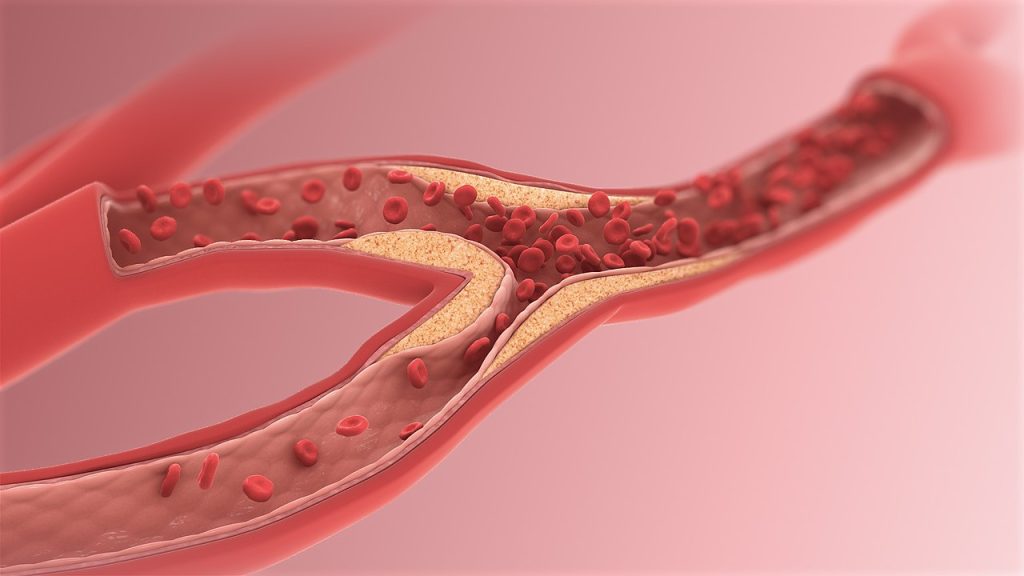
Lipoprotein(a), or Lp(a), is made in the liver and has similarities to low-density lipoprotein (LDL). Unlike other types of cholesterol particles, Lp(a) levels are 80–90% genetically determined. The structure of the Lp(a) particle causes atherosclerosis, which greatly increases the risk of heart attacks and strokes.
Although effective therapies exist to reduce the risk of heart disease by lowering LDL cholesterol and other lipids, currently there are no approved drug treatments to lower Lp(a). Since Lp(a) levels are genetically determined, lifestyle changes such as diet or exercise have no effect.
In the trial, participants who received an injection of lepodisiran had lipoprotein(a) levels reduced by the top dose as much as 96% within two weeks and maintained levels more than 94% below baseline for 48 weeks. The drug is a small interfering RNA (siRNA) therapeutic that blocks the messenger RNA needed to manufacture a key component of lipoprotein(a) in the liver.
The findings add lepodisiran to the growing list of therapies that could be promising treatments for atherosclerotic cardiovascular diseases in people with high levels of Lp(a), which is estimated to affect a fifth of the global population.
“These results showed that this therapy was well tolerated and produced very long-duration reductions in Lp(a), an important risk factor that leads to heart attack, stroke and aortic stenosis,” said lead author Steven Nissen, MD, Chief Academic Officer of the Heart, Vascular & Thoracic Institute at Cleveland Clinic.
In the trial, researchers enrolled 48 patients in the US and Singapore, average age 47. Investigators studied six different dosages and a placebo, which were all administered as injections. Participants were monitored for up to 48 weeks after administration.
Maximum Lp(a) plasma concentrations were reduced by 49% from baseline levels for the 4mg dose and up to 96% for the 608mg dose vs a 5% decrease for the placebo. No safety issues were observed, and the only tolerability issue was mild injection site reactions.
“Despite the strong evidence of the importance of elevated Lp(a) as a risk factor for heart disease, effective treatment has been elusive,” commented Dr Nissen. “This approach to treatment gives hope to the 20% of the world’s population who have elevated Lp(a) levels.”
A phase 2 trial studying lepodisiran is currently underway. The trial was sponsored by Eli Lilly and Company (Lilly), the company developing lepodisiran.
Replacing sitting with as little as a few minutes of daily moderate exercise measurably improves heart health, according to new research from the University of Sydney and UCL.
The study, published in the European Heart Journal, is the first to assess how different movement patterns throughout the 24-hour day are linked to cardiovascular health. Although it was an observational study and could not attribute causation, it added to the growing body of evidence surrounding inactivity, especially sitting.
It is the first evidence to emerge from the international Prospective Physical Activity, Sitting and Sleep (ProPASS) consortium.
In this British Heart Foundation (BHF)-supported study, researchers at UCL analysed data from six studies, including 15 246 people from five countries, to see how movement behaviour across the day is associated with heart health, as measured by six common indicators. Each participant used a wearable device on their thigh to measure their activity throughout the 24-hour day and had their heart health measured.
The researchers identified a hierarchy of behaviours that make up a typical 24-hour day, with time spent doing moderate-vigorous activity providing the most benefit to heart health, followed by light activity, standing and sleeping compared with the adverse impact of sedentary behaviour.
The team modelled what would happen if an individual changed various amounts of one behaviour for another each day for a week, in order to estimate the effect on heart health for each scenario. When replacing sedentary behaviour, as little as five minutes of moderate-vigorous activity had a noticeable effect on heart health.
For a 54-year-old woman with an average BMI of 26.5, for example, a 30-minute change translated into a decrease in BMI of 0.64 (2.4%) Replacing 30 minutes of daily sitting or lying time with moderate or vigorous exercise could also translate into a 2.5cm (2.7%) decrease in waist circumference or a 1.33 mmol/mol (3.6%) decrease in HBa1c.
Dr Jo Blodgett, first author of the study from UCL Surgery & Interventional Science and the Institute of Sport, Exercise & Health, said: “The big takeaway from our research is that while small changes to how you move can have a positive effect on heart health, intensity of movement matters. The most beneficial change we observed was replacing sitting with moderate to vigorous activity – which could be a run, a brisk walk, or stair climbing – basically any activity that raises your heart rate and makes you breathe faster, even for a minute or two.”
The researchers pointed out that although time spent doing vigorous activity was the quickest way to improve heart health, there are ways to benefit for people of all abilities – it’s just that the lower the intensity of the activity, the longer the time is required to start having a tangible benefit. Using a standing desk for a few hours a day instead of a sitting desk, for example, is a change over a relatively large amount of time but is also one that could be integrated into a working routine fairly easily as it does not require any time commitment.
Those who are least active were also found to gain the greatest benefit from changing from sedentary behaviours to more active ones.
Professor Emmanuel Stamatakis, joint senior author of the study from the Charles Perkins Centre and Faculty of Medicine and Health at the University of Sydney, said: “A key novelty of the ProPASS consortium is the use of wearable devices that better differentiate between types of physical activity and posture, allowing us to estimate the health effects of even subtle variations with greater precision.”
Though the findings cannot infer causality between movement behaviours and cardiovascular outcomes, they contribute to a growing body of evidence linking moderate to vigorous physical activity over 24 hours with improved body fat metrics. Further long-term studies will be crucial to better understanding the associations between movement and cardiovascular outcomes.
Professor Mark Hamer, joint senior author of the study from UCL Surgery & Interventional Science and the Institute of Sport, Exercise & Health, said: “Though it may come as no surprise that becoming more active is beneficial for heart health, what’s new in this study is considering a range of behaviours across the whole 24-hour day. This approach will allow us to ultimately provide personalised recommendations to get people more active in ways that are appropriate for them.”
James Leiper, Associate Medical Director at the British Heart Foundation, said: “We already know that exercise can have real benefits for your cardiovascular health and this encouraging research shows that small adjustments to your daily routine could lower your chances of having a heart attack or stroke. This study shows that replacing even a few minutes of sitting with a few minutes of moderate activity can improve your BMI, cholesterol, waist size, and have many more physical benefits.
“Getting active isn’t always easy, and it’s important to make changes that you can stick to in the long-term and that you enjoy – anything that gets your heart rate up can help. Incorporating ‘activity snacks’ such as walking while taking phone calls, or setting an alarm to get up and do some star jumps every hour is a great way to start building activity into your day, to get you in the habit of living a healthy, active lifestyle.”