Category: Cancer

Focused Ultrasound with Chemotherapy Improves Survival for Glioblastoma Patients
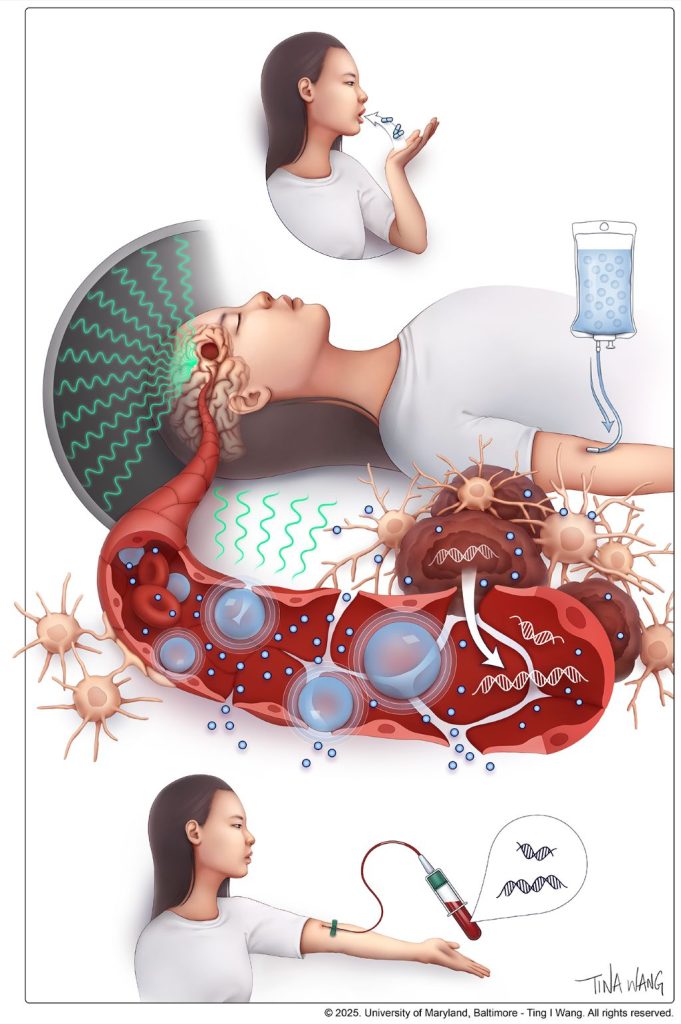
Image credit: University of Maryland School of Medicine

Patients with glioblastoma who received MRI-guided focused ultrasound with standard-of-care chemotherapy had a nearly 40% increase in overall survival in a landmark trial of 34 patients led by University of Maryland School of Medicine (UMSOM) researchers. This is the first time researchers have demonstrated a potential survival benefit from using focused ultrasound to open the blood-brain barrier to improve delivery of chemotherapy to the tumour site in brain cancer patients after surgery.

“Our results are very encouraging. Using focused ultrasound to open the blood-brain barrier and deliver chemotherapy could significantly increase patient survival, which other ongoing studies are seeking to confirm and expand,” said study principal investigator Graeme Woodworth, MD, Professor and Chair of Neurosurgery at UMSOM and Neurosurgeon-In-Chief at the University of Maryland Medical Center (UMMC).

The findings of this groundbreaking safety, feasibility, and comparative trial involved glioblastoma patients who were given focused ultrasound to open their blood-brain barrier before getting chemotherapy; they were matched to a rigorously selected control group of 185 glioblastoma patients with similar characteristics who received the standard dose of the chemotherapy drug, temozolomide, without receiving focused ultrasound. Trial participants were initially treated with surgery to remove their brain tumour, followed by six weeks of chemotherapy and radiation, and up to six monthly focused-ultrasound treatments plus temozolomide.

Results were published in the journal Lancet Oncology and show that trial participants had nearly 14 months of median progression-free survival, compared to eight months in the control group. In terms of overall survival, trial participants, on average, lived for more than 30 months compared to 19 months in the control group.

The study builds on more than a decade of intensive research to test the safety and feasibility of opening the blood-brain barrier using focused ultrasound first in animal studies and then in patients. It was led by Dr Woodworth and was conducted at UMMC and four other university-affiliated clinical sites. “We also demonstrated that this could be a useful technique that enables us to better monitor patients to determine if their brain cancer has progressed,” said Dr Woodworth, who also serves as Director of the Brain Tumor Program at the University of Maryland Marlene and Stewart Greenebaum Comprehensive Cancer Center (UMGCCC).

He and his team demonstrated that opening the blood-brain barrier facilitated the use of a “liquid biopsy,” which is a blood test that detects cancer biomarkers, which can include DNA fragments, proteins and other components from the liquid environment surrounding the tumor site.

Such biomarkers have been used in other cancers to determine whether the tumor has remained stable or has the potential to progress or even metastasize. Up until now, however, these tests have not been utilized in brain cancer patients since most components can never pass into the bloodstream from the brain due to the blood-brain barrier.

“These liquid biomarkers were found to be closely concordant with the patient outcomes over time, progression-free survival and overall survival,” said Dr Woodworth.

While temozolomide is the standard treatment for glioblastoma, the drug typically gets blocked by the blood-brain barrier with studies showing that less than 20 percent reaches the brain in patients. This study did not determine the exact amount of temozolomide to reach the brain in each patient, but earlier studies have shown that opening the blood-brain barrier before delivering chemotherapy can dramatically increase the amount that gets to the original tumor site.

Glioblastoma is the most common and deadliest type of malignant brain tumour. The five-year survival rate is only 5.5%, and patients live an average of 14 to 16 months after diagnosis when treated with surgery, radiation, and chemotherapy when appropriate. The malignancy nearly always recurs even after it is removed due to residual infiltrating cancer cells that remain after treatment.

The blood-brain barrier is a specialized network of vascular and brain cells that acts as the brain’s security system to protect against invasion by dangerous toxins and microbes. It can be opened temporarily using a specialised focused ultrasound device. This process starts with injecting microscopic inert gas-filled bubbles into the patient’s bloodstream. Guided by an MRI, precise brain regions are targeted while the injected microbubbles are circulating.

“Upon excitation under low-intensity ultrasound waves, the microbubbles oscillate within the energy field, causing temporary mechanical perturbations in the walls of the brain blood vessels,” said Pavlos Anastasiadis, PhD, an Assistant Professor of Neurosurgery at UMSOM who is an expert in ultrasound biophysics.

Prior studies led by Dr Woodworth and this trial’s co-investigators showed that opening the blood-brain barrier temporarily can be safely and feasibly performed in brain tumour patients. He and his team conducted this procedure in the first brain cancer patient in the US in 2018 at UMMC after the US Food and Drug Administration (FDA) approved the inaugural clinical trial.

Future trials could use focused ultrasound alongside other chemotherapy agents to test the effectiveness of drugs never used in brain cancer due to their ineffectiveness at crossing the blood-brain barrier.
Source: University of Maryland School of Medicine

Study Links Food Insecurity to Tumour Growth in Paediatric Neuroblastoma

How food insecurity may biologically intensify neuroblastoma growth, bridging social determinants of health and cancer biology 

Image Credit: Justine Ross, Michigan Medicine

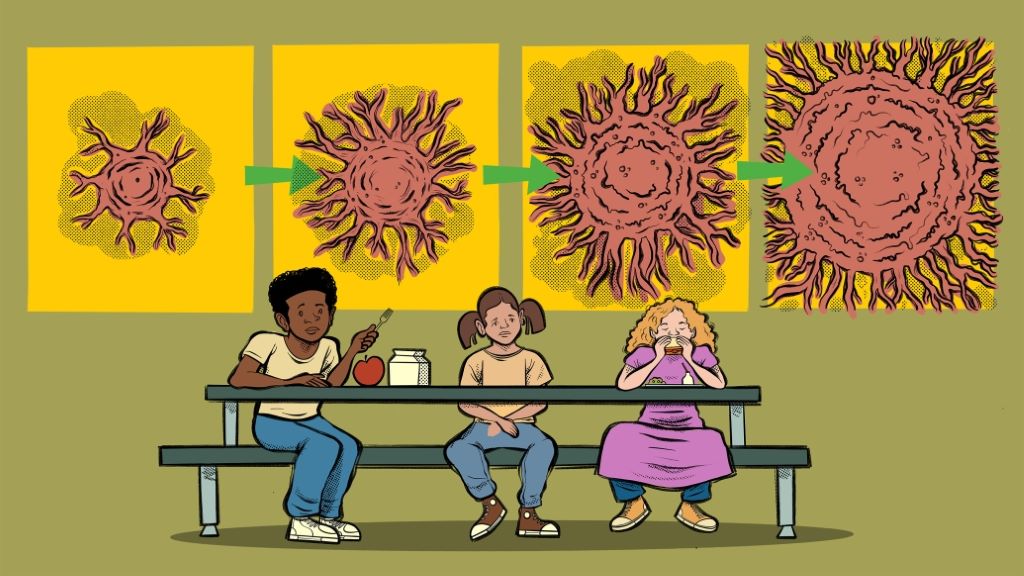
Neuroblastoma remains one of the deadliest childhood malignancies, accounting for a disproportionate number of paediatric cancer deaths worldwide.

Despite major therapeutic advances, survival rates remain lower for children from socioeconomically disadvantaged families, a pattern long observed and poorly understood at the biological level.

Extending earlier National Institute of Health’s Children’s Oncology Group findings that linked poverty to poorer survival in paediatric cancers, investigators at University of Michigan Health C.S. Mott Children’s Hospital set out to develop the first experimental model to test how social determinants might influence tumour biology itself.

The team led by Erika Newman, MD, Section Head of Pediatric Surgery and Associate Director for Health Equity at the Rogel Comprehensive Cancer Center developed an innovative murine cancer model that simulated food insecurity by intermittently varying chow access, mirroring the unpredictable nutrition many families experience.

The study, recently published in Communications Biology, used established neuroblastoma validated xenograft models to observe how this stressor affected tumour growth and biologic responses.

The results were striking: the experimental group exposed to food insecurity developed significantly larger and bulkier tumours, accompanied by persistent elevation of stress hormones (corticosterone) and activation of tumour survival pathways.

“Our work builds on decades of clinical evidence linking poverty and food insecurity to poorer cancer outcomes,” said Newman.

“We set out to define the biology behind those disparities, to show how social conditions can become embedded in the body and influence how tumours grow.”

The work provides a translational framework linking social determinants of health to molecular pathways of cancer progression, paving the future for studies that explore how interventions addressing nutrition and stress might improve treatment response.

“This model gives us a scientific bridge between social context and cancer biology,” stated Newman.

“It shows that the environments our patients live in, access to food, stability, and safety are not background conditions. They are part of the biology we must confront if we want equitable outcomes.”

The research arrives at a moment of renewed concern over federal nutrition programs, with potential SNAP benefit interruptions amid government budget negotiations.

Newman emphasises that these findings reinforce the urgency of policies ensuring consistent food access for vulnerable children and families.

Newman stresses that health care must account for the realities in which families live.

She calls for systematic screening of social determinants like food insecurity and economic strain within paediatric and oncology practices, ensuring that medical care addresses both biologic and social drivers of outcome disparities.

Source: University of Michigan Medicine

Could a Liquid Biopsy Test Speed up Cancer Diagnoses?

Study shows it would lead to increases in stages I–III diagnoses and a large decrease in stage IV diagnoses.

Photo by National Cancer Institute on Unsplash

Routine screening is limited to only a few cancer types. New research indicates that routine liquid biopsy testing (multi-cancer early detection testing) could substantially reduce late-stage cancer diagnoses, allowing patients to receive treatment at earlier cancer stages, which are more likely to respond to interventions. The findings are published by Wiley online in CANCER, a peer-reviewed journal of the American Cancer Society.

Currently, routine screening is only recommended for four types of cancer, leaving approximately 70% of new cancer cases to be detected only after symptoms appear, often at an advanced stage when survival rates are lower. Multi-cancer early detection tests offer a revolutionary approach by screening for multiple cancer types simultaneously from a single blood draw.

To evaluate the impact of one such test, Cancerguard, investigators used epidemiological data from the Surveillance, Epidemiology, and End Results database and developed a simulation model of 14 cancer types, which account for nearly 80% of cancer incidence and mortality. The researchers simulated 10-year disease progression for 5 million US adults aged 50–84 years and assessed the effects of incorporating an annual blood-based multi-cancer early detection test into standard care.

The model estimated that over 10 years, supplemental multi-cancer early detection testing would lead to a 10% increase in stage I diagnoses, a 20% increase in stage II diagnoses, a 30% increase in stage III diagnoses, and a 45% decrease in stage IV diagnoses, relative to standard care. The largest absolute reductions in stage IV diagnoses were in lung, colorectal, and pancreatic cancers. The largest relative reductions were in cervical, liver, and colorectal cancers.

“Our analysis shows that multi-cancer blood tests could be a game changer for cancer control,” said Jagpreet Chhatwal, PhD, the study’s lead author and Director of the Institute for Technology Assessment at Massachusetts General Hospital and Harvard Medical School. “By detecting cancers earlier – before they spread – these tests could potentially improve survival and reduce the personal and economic burden of cancer.”

Source: Wiley

Single-dose Radiation Before Surgery Can Eradicate Breast Cancer

These two magnetic resonance imaging (MRI) scans were taken 10 months apart. On the left, the blue arrow points to the edge of a breast tumour, and the red arrow locates a biopsy clip, which appears as a black dot. The MRI on the right, which includes the biopsy clip, shows the tumour is gone after a single, targeted dose of radiation and antihormone therapy.

A single, targeted high dose of radiation delivered before other treatments could completely eradicate tumours in most women with early-stage, operable hormone-positive breast cancer, according to a study led by UT Southwestern Medical Center researchers. The findings, published in JAMA Network Open, could shift the paradigm for patients with the most common form of breast cancer, who typically undergo surgery before a regimen of radiation therapy.

“This is a major advance in the field,” said study leader Asal Rahimi, MD, Professor of Radiation Oncology. “This treatment protocol provides patients a significant time savings, spares a lot of their tissue from irradiation, and allows them to still undergo any type of oncoplastic surgery they may choose, all while very effectively treating their disease.”

Like patients with other forms of cancer, those with breast cancer are typically treated with a combination of surgery to remove tumours, medications such as hormone blockers, chemotherapy, and radiation, often in that order. In addition, many patients choose to have breast reconstructive surgeries before radiation treatment.

Having targeted radiation prior to surgery has several benefits, including a more than 100-fold smaller volume of tissue being irradiated compared with whole breast radiation; one day of radiation compared with up to 6.5 weeks of radiation, creating a huge time savings for patients; and more options for patients seeking reconstructive surgery, explained Dr Rahimi.

Early-stage, hormone-positive breast cancer accounts for 60–75% of all breast cancers. Seeking a more time-efficient way to treat these patients, Dr Rahimi and her colleagues tested a strategy in which 44 patients started treatment with a single dose of targeted radiation. While typical radiation therapy protocols call for 1.8–2.67Gy per day for 16 to 33 days, the researchers divided the study participants into three groups and gave each patient a single dose of 30, 34, or 38Gy. The volunteers then went on hormone-blocking drugs and waited a median of 9.8 months until they underwent surgery to remove any residual tumour tissue.

In 72% of study participants, the surgeons found no residual tumor left, indicating that patients had a “pathological complete response.” An additional 21% of patients had a “near complete response,” meaning that their cancer was more than 90% eliminated.

Further analysis showed that time to surgery was the best predictor of response. The longer patients waited to undergo surgery, the more likely their tumours were to disappear, regardless of the radiation dose or tumour size. These results were probably due to the time it takes cells to die or be removed by the immune system after radiation therapy, Dr Rahimi explained.

This new treatment protocol could hold significant advantages over the current gold standard, said Marilyn Leitch, MD, Professor of Surgery. For example, being able to wait to schedule surgery will allow patients to plan for the disruption it brings to their lives. The radiation course lasts a single day rather than weeks. Plus, in the future, this new approach may eliminate the need for surgery in some patients.

“Much of the current research in breast cancer is looking at ways to reduce the extent of surgery, radiation, and/or medical therapy that is required to completely treat early-stage breast cancer. It is very exciting to be part of innovative research that can improve the quality of life of our cancer patients and minimize the extent of treatment they require,” Dr Leitch said.

The research team is currently enrolling patients in a phase two clinical trial. “If the results mirror the ones from this study, an initial targeted dose of radiation could become a new treatment option for patients with small, early-stage, hormone-positive breast cancer,” Dr Leitch said.

Source: UT Southwestern Medical Center

Controlling Inflammation from Sunburn May Prevent Skin Cancer

Photo by Rfstudio on Pexels

In a new study published in Nature Communications, researchers at the University of Chicago have discovered how prolonged exposure to ultraviolet (UV) radiation can trigger inflammation in skin cells through degradation of a key protein called YTHDF2. This protein acts as a gatekeeper in preventing normal skin cells from becoming cancerous. The finding reveals that YTHDF2 plays a crucial role in regulating RNA metabolism to keep cells in a healthy state and opens the door to developing potential new approaches to skin cancer prevention and treatment.

Uncontrolled inflammation triggers skin cancer

Each year, nearly 5.4 million people in the United States are diagnosed with skin cancer, with more than 90% of cases attributed to excessive UV exposure. UV rays can damage DNA and cause oxidative stress and inflammation in skin cells — leading to redness, pain and blistering, commonly known as sunburn.

“We’re interested in understanding how inflammation caused by UV exposure contributes to the development of skin cancer,” said Yu-Ying He, PhD, Professor of Medicine in the Section of Dermatology at the University of Chicago.

RNA or ribonucleic acid is an essential molecule that helps convert genetic information into proteins. A special class known as non-coding RNAs regulates gene expression without producing proteins. These molecules typically function in either the nucleus, where a cell’s DNA is stored or the cytoplasm, where most cellular activity occurs.

Low levels of YTHDF2 turn normal skin cells cancerous

He’s laboratory studies how environmental stressors, such as UV radiation or arsenic in drinking water, affect molecular pathways and damage cellular systems, leading to cancer. Through screening various enzymes, the researchers found that UV exposure causes a marked decrease in levels of YTHDF2, a “reader” protein that specifically binds to RNA sequences marked with a chemical tag known as N6-methyladenosine (m6A).

“When we removed YTHDF2 from skin cells, we saw that UV-triggered inflammation was much worse,” He said. “This suggests that the YTHDF2 protein plays a key role in suppressing inflammatory responses.”

Although inflammation is essential for fighting off infections, it also plays a major role in causing life-threatening diseases, including cancer. However, the molecular mechanisms that regulate this response, especially after UV damage, are not well understood.

YTHDF2 in regulation of non-coding RNA interactions

Using multi-omics analysis and additional cellular assays, the research team found that YTHDF2 binds to a specific non-coding RNA known as U6, which is modified by m6A and classified as a small nuclear RNA (snRNA). Under UV stress, cancer cells showed increased levels of U6 snRNA, and these modified RNAs were found to interact with toll-like receptor 3 (TLR3), an immune sensor known to activate inflammatory pathways linked to cancer.

Surprisingly, these interactions occurred within endosomes, where cellular compartments are typically involved in recycling materials, not where U6 snRNA is usually located.

“We spent a lot of time figuring out how these non-coding RNAs get to the endosome, since that’s not where they usually reside,” He explained. “For the first time, we showed that a protein called SDT2 transports U6 into the endosome, and YTHDF2 travels with it.”

Once both YTHDF2 and m6A-modified U6 RNA arrive at the endosome, YTHDF2 blocks the RNA from activating TLR3. However, when YTHDF2 is absent – such as after UV damage, the RNA freely binds to TLR3, triggering harmful inflammation.

“Our study uncovers a new layer of biological regulation, a surveillance system through YTHDF2 that helps protect the body from excessive inflammation and inflammatory damage,” He said.

The findings could open the door to new strategies for preventing or treating UV-induced skin cancer by targeting the RNA-protein interactions that regulate inflammation.

Source: University of Chicago Medicine

The study, “YTHDF2 regulates self non-coding RNA metabolism to control inflammation and tumorigenesis,” was supported by grants from the National Institutes of Health, the University of Chicago Medicine Comprehensive Cancer Center, the ChicAgo Center for Health and EnvironmenT (CACHET), and the University of Chicago Friends of Dermatology Endowment Fund.

Old Blood Pressure Drug, New Tumour-fighting Tricks

A Penn-led team has revealed a how hydralazine, one of the world’s oldest blood pressure drugs and a mainstay treatment for preeclampsia, works at the molecular level. In doing so, they made a surprising discovery – it can also halt the growth of aggressive brain tumours.

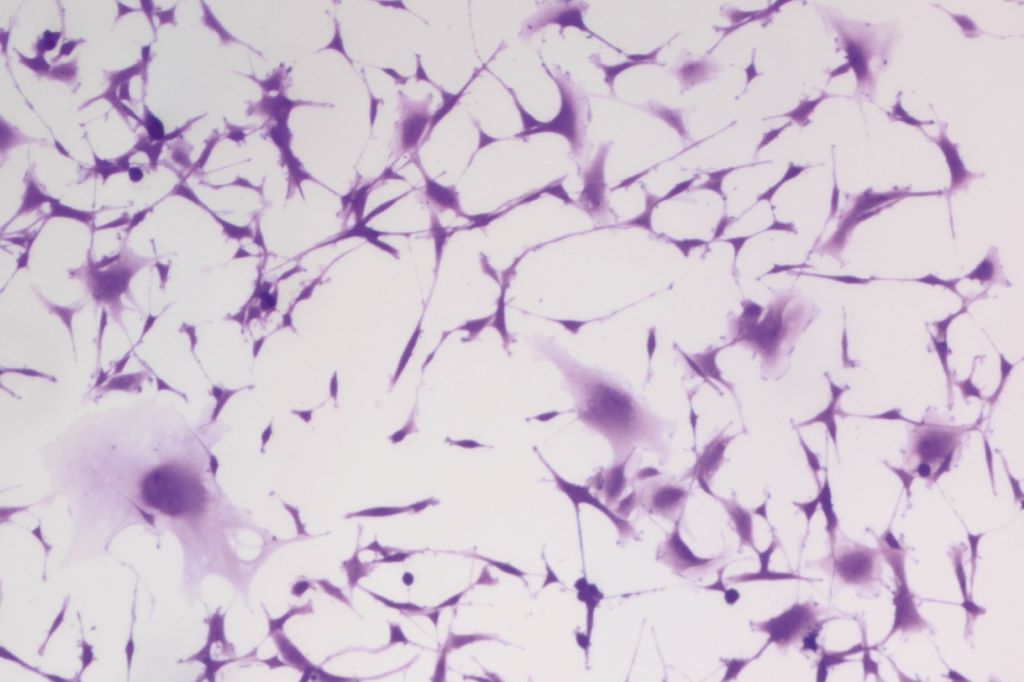
Reseachers from the Megan Matthews lab at Penn treated human glioblastoma brain tumour cells with hydralazine, one of the oldest-known blood pressure drugs and a first-line treatment for preeclampsia, for three days. At day three (imaged), more cells become enlarged and flattened – a hallmark of senescence. (Image: Courtesy of Kyosuke Shishikura)

Over the last 70 years, hydralazine has been an indispensable tool against life-threatening high blood pressure, especially during pregnancy. But despite its essential role, a fundamental mystery has persisted: No one knows its mechanism of action, which allows for improved efficacy, safety, and what it can treat.

“Hydralazine is one of the earliest vasodilators ever developed, and it’s still a first-line treatment for preeclampsia – a hypertensive disorder that accounts for 5-15% of maternal deaths worldwide,” says Kyosuke Shishikura, a physician-scientist at the University of Pennsylvania. “It came from a ‘pre-target’ era of drug discovery, when researchers relied on what they saw in patients first and only later tried to explain the biology behind it.”

Now Shishikura, his postdoctoral adviser at Penn Megan Matthews, and collaborators have solved this long-standing puzzle.

In a paper published in Science Advances, the team uncovered the method of action of hydralazine, and in doing so, revealed an unexpected biological link between hypertensive disorders and brain cancer. The findings highlight how long-established treatments can reveal new therapeutic potential and could help in the design of safer, more effective drugs for both maternal health and brain cancer.

“Preeclampsia has affected generations of women in my own family and continues to disproportionately impact Black mothers in the United States,” Matthews says. “Understanding how hydralazine works at the molecular level offers a path toward safer, more selective treatments for pregnancy-related hypertension—potentially improving outcomes for patients who are at greatest risk.”

Hydralazine blocks an oxygen-sensing enzyme

The team found that hydralazine blocks an oxygen-sensing enzyme called 2-aminoethanethiol dioxygenase (ADO) – a molecular switch for blood vessels contraction.

“ADO is like an alarm bell that rings the moment oxygen starts to fall,” Matthews says. “Most systems in the body take time; they have to copy DNA, make RNA, and build new proteins. ADO skips all that. It flips a biochemical switch in seconds.”

Hydralazine acts by binding to and blocking ADO – effectively “muting” that oxygen alarm. Once the enzyme was silenced, the signaling proteins it normally degrades – called regulators of G-protein signaling (RGS) – remained stable.

The buildup of RGS proteins, says Shishikura, tells the blood vessels to stop constricting, effectively overriding the “squeeze” signal. This reduces intracellular calcium levels, which he calls the “master regulator of vascular tension.” As calcium levels fall, the smooth muscles in blood vessel walls relax, causing vasodilation and a drop in blood pressure.

From preeclampsia to brain cancer: A common target

Prior to this study, cancer researchers and clinicians had begun to suspect that ADO was important in glioblastoma, where tumours often have to survive in pockets of very low oxygen, Shishikura explains. Elevated levels of ADO and its metabolic products had been linked with more aggressive disease, suggesting that shutting this enzyme down could be a powerful strategy, but no one had a good inhibitor to test that idea.

To see if hydralazine was a contender, Shishikura worked closely with structural biochemists at the University of Texas, who used X-ray crystallography to visualise hydralazine bound to ADO’s metal centre, and with neuroscientists at the University of Florida, who tested the drug’s effects in brain cancer cells.

They found that the ADO pathway that regulates vascular contraction also helps tumour cells survive in low-oxygen environments. Unlike chemotherapy, which aims to kill all cells outright, hydralazine disrupted that oxygen-sensing loop, triggering cellular senescence.

Unlocking the potential for other lifesaving treatments

Their findings highlight how long-established treatments can reveal new therapeutic potential and could help in the design of safer, more effective drugs for both maternal health and brain cancer.

They say the next step is to push the chemistry further building new ADO inhibitors that are more tissue specific and better at crossing, or exploiting weak points in, the blood-brain barrier so they hit tumour tissue hard while sparing the rest of the body.

Matthews is also working to continue engineering the next generation of medical solutions by revealing the mechanics of clinically tested, long-known treatments.

“It’s rare that an old cardiovascular drug ends up teaching us something new about the brain,” Matthews says, “but that’s exactly what we’re hoping to find more of – unusual links that could spell new solutions.”

Source: University of Pennsylvania

Right to Life Hangs in the Balance for Two SA Girls This World Children’s Day

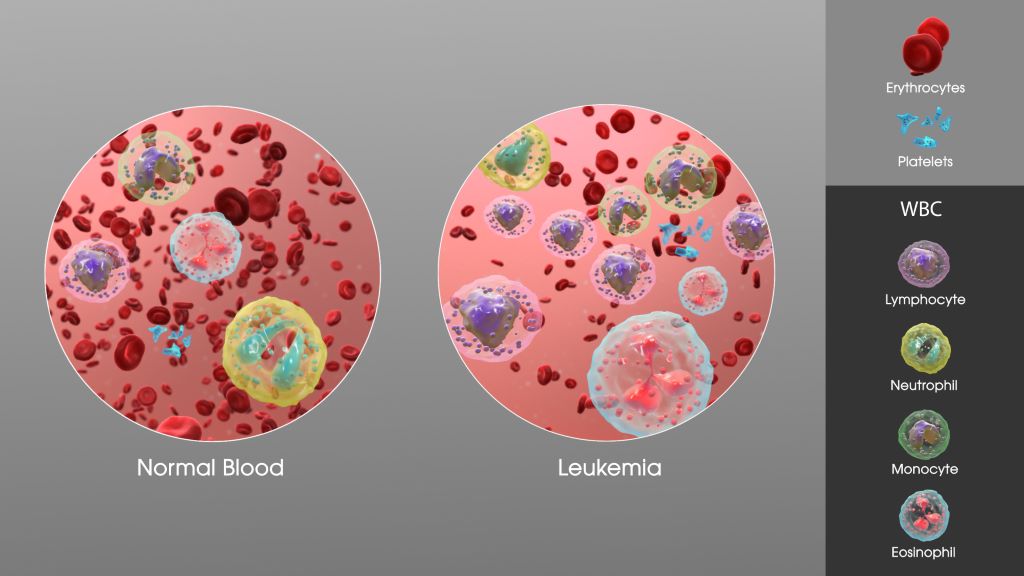
SAG Leukaemia. Credit: Scientific Animations CC0

At four years old, a child’s world should be full of crayons, playgrounds, and fairy tales. For Dianty and Nqobimpi, it has become a world of chemotherapy, blood transfusions, and sterile hospital rooms. As the world observes World Children’s Day on 20 November and its theme of “My day, my rights,” their fight for the basic right to life casts a light on the most critical need of all: a second chance, which can only come from a matching stem cell donor.

A Donor for Dianty

Hailing from Randfontein, Dianty is a bright and joyful four-year-old whose smile can light up any room. Yet, behind her cheerful spirit lies a harrowing health battle. It began last year with inexplicable fevers and stomach pains, initially dismissed as a sinus issue and later as growing pains. When Dianty suddenly lost the ability to walk, her mother, Claudine, knew something was terribly wrong.

After she was admitted to the hospital, blood tests revealed the devastating truth: Dianty had leukaemia. Chemotherapy began immediately. “The ups and downs were relentless,” Claudine explains. Despite initial progress, Dianty relapsed just after her fourth birthday this year, forcing her family back to square one.

The search for a stem cell donor has been fraught with disappointment. With no suitable match found within her family, Dianty’s hope now rests on the public registry. “You never think it will happen to you until it does,” says Claudine. “I encourage every single person to go and do the cheek swab… You can save the life of a little child. You can give them a second chance.”

Nqobimpi Needs a Match

Nqobimpi from Pretoria is facing a similarly terrifying reality. Her journey began with persistent nosebleeds and terrifying episodes of vomiting blood, which left her weak and pale. Her mother rushed her to a clinic, which led to a referral and eventually a diagnosis of T-Cell Acute Lymphoblastic Lymphoma (T-Cell ALL).

Expressing the shock that rocked their family, her mother shares, “I wasn’t aware children could get cancer.” Nqobimpi was pulled out of crèche, and her life became a cycle of month-long hospital stays for treatment. The strain has rippled through their family, affecting her siblings’ ability to focus at school as they worry constantly about their baby sister. All Nqobimpi wants is to return home and play with her dolls, a simple childhood pleasure now dependent on finding a selfless stranger willing to register as a donor.

The Power to Save a Life

“For children like Dianty and Nqobimpi, a stem cell transplant from a matching donor is their only hope for a cure,” highlights Palesa Mokomele, Head of Community Engagement and Communications at DKMS Africa. Every new person who registers brings fresh hope to them and the many other patients waiting for a lifeline.”

“On this World Children’s Day, as we reflect on the rights of every child, consider giving the ultimate gift: the right to life,” she concludes.

Register today at https://www.dkms-africa.org/save-lives.

Pancreatic Cancer Forms ‘Synapses’

Immunofluorescence image of pancreatic cancer cells that invade nerves: nerve cells appear in green, tumor cells in red.

Pancreatic cancer is one of the deadliest types of tumours. A team at the Technical University of Munich (TUM) has discovered that pancreatic tumours exploit the body’s nervous system by forming so-called pseudosynapses. Through a specific receptor, the cancer cells take up the neurotransmitter glutamate, which drives tumour growth. The researchers now hope to identify drugs that can block this process in patients.

It has been known for some time that the nervous system can affect cancer development. For example, nerve cells from healthy tissue can grow into tumors, a phenomenon known as “neural invasion,” which is typically linked to a poor prognosis.

About six years ago, a US research group discovered a new mechanism in the brain: tumours can form their own synapses, co-opting neuronal communication for their benefit. Professor Ekin Demir, a clinician scientist at the Department of Surgery at the TUM University Hospital, and his team built on this finding to investigate whether tumours outside the brain might form similar structures.

Searching for “tumour synapses”

Pancreatic tumours often show neural invasion. Thus, if such synapse-like structures existed outside the brain, this was the most likely place to find them. The researchers searched pancreatic tumour tissue for clusters of receptors specialised for specific neurotransmitters. In some samples, they did indeed find a strong concentration of NMDA receptors – the receptors that bind glutamate. Then came the successful search for the characteristic structures of synapses, carried out in the classic way under the electron microscope Owing to subtle physiological differences compared with typical neuronal synapses, the researchers refer to these structures as pseudosynapses.

Calcium waves promote tumour growth

What advantage do pancreatic tumours gain by forming pseudosynapses? Like other glands, the pancreas is regulated by the nervous systemDepending on the body’s needs healthy pancreatic cells receive the neurotransmitter glutamate through their synapses. This triggers a series of processes. Pseudosynapses exploit this natural mechanism. “When glutamate binds to the cancer cells’ NMDA receptors, a channel opens and calcium flows into the cell,” explains Professor Demir. “This influx triggers molecular signalling cascades that drive tumour growth and metastasis.” The team observed that the cancer cells generate characteristic slow, long-lasting calcium waves that drive tumour growth in a sustained way.

Yet this remarkable mechanism may open up a path to new cancer therapies. In mouse experiments, the researchers successfully blocked the NMDA receptors on tumour cells with a drug. The result: pancreatic tumours grew more slowly, developed fewer metastases, and the animals lived longer.

“We are currently using bioinformatic methods to identify approved drugs that, in addition to their primary effects, can also block these specific NMDA receptors in pancreatic cancer cells,” says Professor Ekin Demir. “Therapies targeting the interface between the nervous system and tumours could open up entirely new treatment options.” The team suspects that other tumour types may also form pseudosynapses to accelerate their growth.

The study is published in Cancer Cell.

Source: Technical University of Munich

GLP-1 Drugs May Also Reduce Risk of Death from Colon Cancer

Photo by Haberdoedas on Unsplash

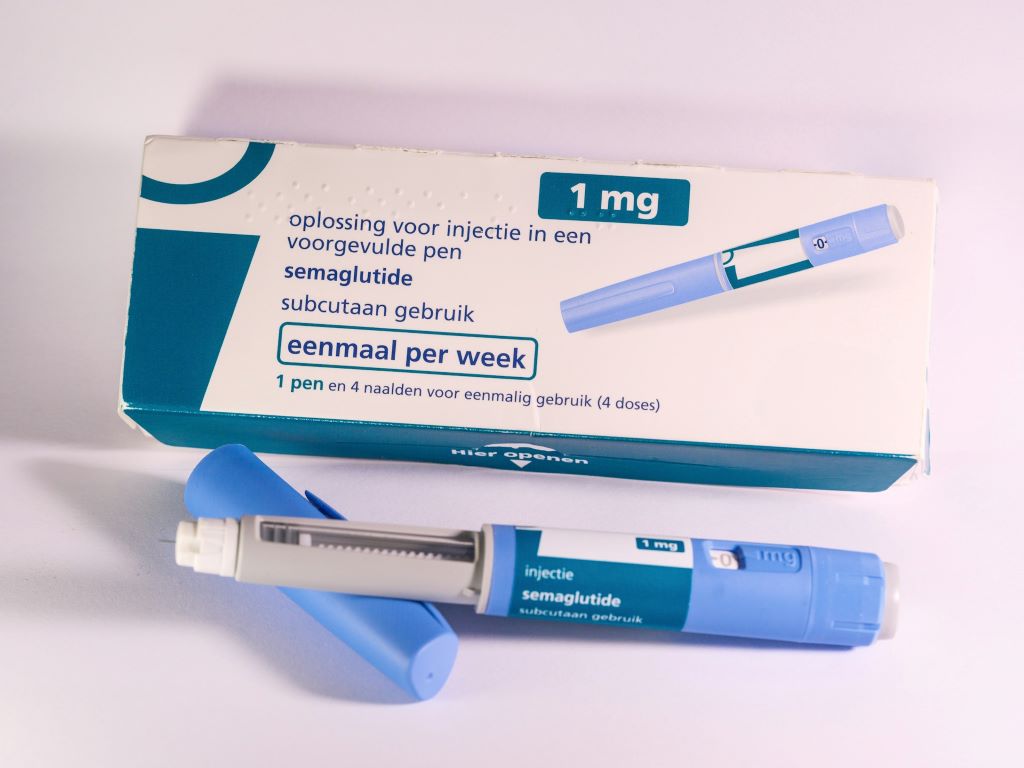
A new University of California San Diego study offers compelling evidence that GLP-1 receptor agonists may do more than regulate blood sugar and weight. In an analysis of more than 6800 colon cancer patients across all University of California Health sites, researchers found that those taking glucagon-like peptide-1 (GLP-1) medications were less than half as likely to die within five years compared to those who weren’t on the drugs (15.5% vs 37.1%).

The study, led by Raphael Cuomo, PhD, used real-world clinical data from the University of California Health Data Warehouse to assess outcomes across the state’s academic medical centres. After adjusting for age, body mass index (BMI), disease severity and other health factors, GLP-1 users still showed significantly lower odds of death, suggesting a strong and independent protective effect.

The survival benefit appeared most pronounced in patients with very high BMI (over 35), hinting that GLP-1 drugs may help counteract the inflammatory and metabolic conditions that worsen colon cancer prognosis. Researchers believe several biological mechanisms could explain the link. Beyond regulating blood sugar, GLP-1 receptor agonists reduce systemic inflammation, improve insulin sensitivity and promote weight loss – all factors that can dampen tumour-promoting pathways. Laboratory studies also suggest that GLP-1 drugs may directly prevent cancer cell growth, trigger cancer cell death and reshape the tumour microenvironment. However, the study authors emphasise that more research is needed to confirm these mechanisms and determine whether the survival benefit observed in this real-world analysis represents a direct anti-cancer effect or an indirect result of improved metabolic health.

Cuomo notes that while these results are observational, they underscore an urgent need for clinical trials to test whether GLP-1 drugs can improve cancer survival rates, especially for patients with obesity-related cancers.

The study appeared in Cancer Investigation on November 11, 2025.

Source: University of California – San Diego

Plant-based Nutrient Improves Immune Cells’ Cancer-Fighting Power

Researchers find that zeaxanthin, best known for protecting vision, can also strengthen the cancer-fighting activity of immune cells.

Zeaxanthin is a carotenoid, a type of yellow-orange pigment found in plants. It is found in food such as yellow peppers and maize. Photo by Daniel Dan on Unsplash

In a new study, researchers from the University of Chicago discovered that zeaxanthin, a plant-derived carotenoid best known for protecting vision, may also act as an immune-boosting compound by strengthening the cancer-fighting activity of immune cells. The findings, which were published in Cell Reports Medicine, highlight the potential of zeaxanthin as a widely available supplement to improve the effectiveness of cancer immunotherapies.

“We were surprised to find that zeaxanthin, already known for its role in eye health, has a completely new function in boosting anti-tumour immunity,” said Jing Chen, PhD, Professor of Medicine and senior author of the study. “Our study show that a simple dietary nutrient could complement and strengthen advanced cancer treatments like immunotherapy.”

How does this nutrient work?

The study builds on years of work by Chen’s lab to better understand how nutrients influence the immune system. By screening a large blood nutrient library, the team identified zeaxanthin as a compound that directly enhances the activity of CD8+ T cells, a crucial type of immune cell that kills tumour cells. These cells rely on a molecular structure called the T-cell receptor (TCR) to recognise and destroy abnormal cells.

The researchers found that zeaxanthin stabilizes and strengthens the formation of TCR complex on CD8+ T cells upon interacting with the cancer cells. This, in turn, triggers more robust intracellular signaling that boosts T-cell activation, cytokine production, and tumour-killing capacity.

Zeaxanthin improves immunotherapy effects

In mouse models, dietary supplementation with zeaxanthin slowed tumour growth. Importantly, when combined with immune checkpoint inhibitors – a type of immunotherapy that has transformed cancer treatment in recent years – zeaxanthin significantly enhanced anti-tumour effects compared to immunotherapy alone.

With more research, we may discover natural compounds that make today’s cancer therapies more effective and accessible.

Jing Chen, PhD

To extend the findings, the researchers tested human T cells engineered to recognise specific tumour antigens and found that zeaxanthin treatment improved these cells’ ability to kill melanoma, multiple myeloma, and glioblastoma cells in laboratory experiments.

“Our data show that zeaxanthin improves both natural and engineered T-cell responses, which suggests high translational potential for patients undergoing immunotherapies,” Chen said.

A safe and accessible candidate

Zeaxanthin is sold as an over-the-counter supplement for eye health, and is naturally found in vegetables like orange peppers, spinach, and kale. It’s inexpensive, widely available, well-tolerated and, most importantly, its safety profile is known – which means it can be safely tested as an adjunct to cancer therapies.

The study also reinforces the importance of a balanced diet. In their previous research, Chen’s group discovered that trans-vaccenic acid (TVA), a fatty acid derived from dairy and meat, also boosts T-cell activity – but through a different mechanism. Together, the findings suggest that nutrients from both plant and animal sources may provide complementary benefits to immune health.

Clinical applications of zeaxanthin

Although the results are promising, the researchers stress that the work is still at an early stage. Most of the findings come from laboratory experiments and animal studies. Thus, clinical trials will be needed to determine whether zeaxanthin supplements can improve outcomes for cancer patients.

“Our findings open a new field of nutritional immunology that looks at how specific dietary components interact with the immune system at the molecular level,” Chen said. “With more research, we may discover natural compounds that make today’s cancer therapies more effective and accessible.”

The study, “Zeaxanthin augments CD8+ effector T cell function and immunotherapy efficacy,” was supported by grants from the National Institutes of Health, the Ludwig Center at the University of Chicago, and the Harborview Foundation Gift Fund.

Source: The University of Chicago