Tag: preeclampsia

Planned Birth at Term Reduces Pre-eclampsia in Those at High Risk

Planned birth at term reduces the incidence of pre-eclampsia in women at high risk of the condition, without increasing emergency Caesarean or neonatal unit admission, according to new trial results.

Photo by SHVETS production

The PREVENT-PE trial, led by researchers from King’s College London and King’s College Hospital NHS Foundation Trust, is the first to find that a strategy of screening for pre-eclampsia risk at 36 weeks of pregnancy, and then offering planned early term delivery according to the mother’s risk, can reduce the incidence of subsequent pre-eclampsia by 30%, compared with usual care.

The trial, funded by the Fetal Medicine Foundation (FMF), also found that the intervention did not increase the rates of birth by emergency Caesarean or neonatal care needs, and there was no evidence of other harms to mother or baby.

The findings were published today in The Lancet.

Pre-eclampsia is high blood pressure that develops during pregnancy, most commonly at term gestational age. Pre-eclampsia affects 2-8% of pregnancies worldwide and can be life-threatening – there are around 46,000 maternal deaths due to pre-eclampsia each year and around 500,000 foetal or newborn deaths.1

Pre-eclampsia usually develops after 20 weeks of pregnancy, or soon after the baby is born. While aspirin can be taken to significantly reduce the risk of developing pre-eclampsia before 37 weeks of pregnancy, there are no treatments available to reduce risk at term (37-42 weeks).

Building on findings from an earlier data analysis, the PREVENT-PE trial recruited over 8,000 women from King’s College Hospital and Medway NHS Foundation Trusts. Women were randomly allocated into one of two groups: the intervention group (risk assessment for pre-eclampsia, followed by planned early term delivery according to risk) and the control group (usual care at term).

Pre-eclampsia risk was assessed using a model developed by the FMF, which combines maternal demographics and history, with blood pressure, and specific markers in the blood.

Those at high risk of developing pre-eclampsia at term were offered planned birth at 37, 38, 39 or 40 weeks of pregnancy. Women considered to be at low risk received usual care, according to their hospital protocols and UK standards of care.

A 30% reduction in term pre-eclampsia, from 5.6% to 3.9%, is very important. It represents an even greater reduction in the number of pre-eclampsia cases than we can achieve for preterm pre-eclampsia with aspirin.Professor Kypros Nicolaides, founder and chairman of the Fetal Medicine Foundation, and senior author of the paper

This trial took place in busy NHS maternity units serving a highly diverse population, and often socially deprived communities where the burden of pre-eclampsia is greatest. The high level of participation and adherence shows that a personalised, risk-based approach is acceptable, practical, and aligns with what women want from their care. Achieving a 30% reduction in term pre-eclampsia, without increasing emergency Caesarean birth or neonatal admissions, represents a meaningful and reassuring improvement for women, babies, and maternity services.Dr Argyro Syngelaki, Reader in Maternal-Fetal Medicine at King’s College London and co-lead author of the paper

We will soon report on the health economic implications of the trial, as well as the experiences of women and staff who participated, to provide policy-makers with the information that they need to implement the trial intervention within the NHS.Professor Laura A. Magee, Professor of Women’s Health at King’s College London and co-author of the paper

Read the full paper in The Lancet: https://www.thelancet.com/journals/lancet/article/PIIS0140-6736(25)01207-3/fulltext

References:

  1. World Health Organization (2025). Pre-eclampsia. Available at: https://www.who.int/news-room/fact-sheets/detail/pre-eclampsia (2 July 2025)

Source: King’s College London
Old Blood Pressure Drug, New Tumour-fighting Tricks

A Penn-led team has revealed a how hydralazine, one of the world’s oldest blood pressure drugs and a mainstay treatment for preeclampsia, works at the molecular level. In doing so, they made a surprising discovery – it can also halt the growth of aggressive brain tumours.

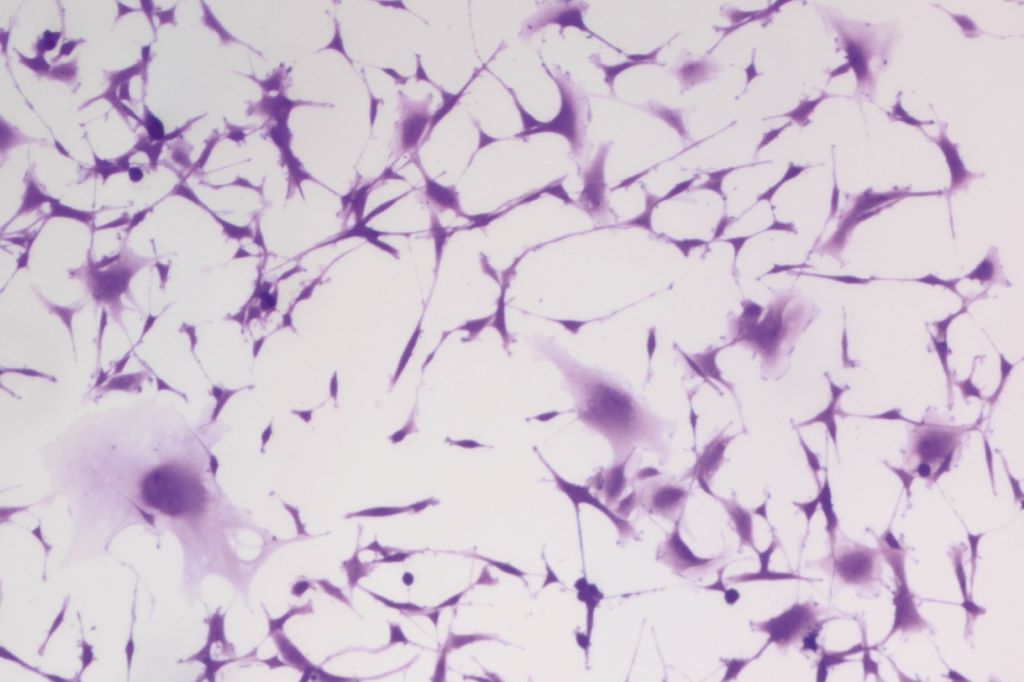
Reseachers from the Megan Matthews lab at Penn treated human glioblastoma brain tumour cells with hydralazine, one of the oldest-known blood pressure drugs and a first-line treatment for preeclampsia, for three days. At day three (imaged), more cells become enlarged and flattened – a hallmark of senescence. (Image: Courtesy of Kyosuke Shishikura)

Over the last 70 years, hydralazine has been an indispensable tool against life-threatening high blood pressure, especially during pregnancy. But despite its essential role, a fundamental mystery has persisted: No one knows its mechanism of action, which allows for improved efficacy, safety, and what it can treat.

“Hydralazine is one of the earliest vasodilators ever developed, and it’s still a first-line treatment for preeclampsia – a hypertensive disorder that accounts for 5-15% of maternal deaths worldwide,” says Kyosuke Shishikura, a physician-scientist at the University of Pennsylvania. “It came from a ‘pre-target’ era of drug discovery, when researchers relied on what they saw in patients first and only later tried to explain the biology behind it.”

Now Shishikura, his postdoctoral adviser at Penn Megan Matthews, and collaborators have solved this long-standing puzzle.

In a paper published in Science Advances, the team uncovered the method of action of hydralazine, and in doing so, revealed an unexpected biological link between hypertensive disorders and brain cancer. The findings highlight how long-established treatments can reveal new therapeutic potential and could help in the design of safer, more effective drugs for both maternal health and brain cancer.

“Preeclampsia has affected generations of women in my own family and continues to disproportionately impact Black mothers in the United States,” Matthews says. “Understanding how hydralazine works at the molecular level offers a path toward safer, more selective treatments for pregnancy-related hypertension—potentially improving outcomes for patients who are at greatest risk.”

Hydralazine blocks an oxygen-sensing enzyme

The team found that hydralazine blocks an oxygen-sensing enzyme called 2-aminoethanethiol dioxygenase (ADO) – a molecular switch for blood vessels contraction.

“ADO is like an alarm bell that rings the moment oxygen starts to fall,” Matthews says. “Most systems in the body take time; they have to copy DNA, make RNA, and build new proteins. ADO skips all that. It flips a biochemical switch in seconds.”

Hydralazine acts by binding to and blocking ADO – effectively “muting” that oxygen alarm. Once the enzyme was silenced, the signaling proteins it normally degrades – called regulators of G-protein signaling (RGS) – remained stable.

The buildup of RGS proteins, says Shishikura, tells the blood vessels to stop constricting, effectively overriding the “squeeze” signal. This reduces intracellular calcium levels, which he calls the “master regulator of vascular tension.” As calcium levels fall, the smooth muscles in blood vessel walls relax, causing vasodilation and a drop in blood pressure.

From preeclampsia to brain cancer: A common target

Prior to this study, cancer researchers and clinicians had begun to suspect that ADO was important in glioblastoma, where tumours often have to survive in pockets of very low oxygen, Shishikura explains. Elevated levels of ADO and its metabolic products had been linked with more aggressive disease, suggesting that shutting this enzyme down could be a powerful strategy, but no one had a good inhibitor to test that idea.

To see if hydralazine was a contender, Shishikura worked closely with structural biochemists at the University of Texas, who used X-ray crystallography to visualise hydralazine bound to ADO’s metal centre, and with neuroscientists at the University of Florida, who tested the drug’s effects in brain cancer cells.

They found that the ADO pathway that regulates vascular contraction also helps tumour cells survive in low-oxygen environments. Unlike chemotherapy, which aims to kill all cells outright, hydralazine disrupted that oxygen-sensing loop, triggering cellular senescence.

Unlocking the potential for other lifesaving treatments

Their findings highlight how long-established treatments can reveal new therapeutic potential and could help in the design of safer, more effective drugs for both maternal health and brain cancer.

They say the next step is to push the chemistry further building new ADO inhibitors that are more tissue specific and better at crossing, or exploiting weak points in, the blood-brain barrier so they hit tumour tissue hard while sparing the rest of the body.

Matthews is also working to continue engineering the next generation of medical solutions by revealing the mechanics of clinically tested, long-known treatments.

“It’s rare that an old cardiovascular drug ends up teaching us something new about the brain,” Matthews says, “but that’s exactly what we’re hoping to find more of – unusual links that could spell new solutions.”

Source: University of Pennsylvania

Age at Menarche Can Offer Clues About Long-term Health Risks

Photo by Marta Branco

The age of menarche can offer valuable clues about a woman’s long-term risk for conditions like obesity, diabetes, heart disease and reproductive health issues, according to a study being presented Sunday at ENDO 2025, the Endocrine Society’s annual meeting in San Francisco.

The Brazilian study found that both early and late menarche – the age when women first get their period– are linked to different health risks. Women who had their first period before age 10 were more likely to develop obesity, hypertension, diabetes, heart problems and reproductive issues like pre-eclampsia later in life. Women who started their period after age 15 were less likely to be obese but had a higher risk of menstrual irregularities and certain heart conditions.

“We now have evidence from a large Brazilian population that confirms how both early and late puberty can have different long-term health impacts,” said study author Flávia Rezende Tinano of the University of Sao Paulo in Sao Paulo, Brazil. “While early menarche increases the risk for multiple metabolic and heart problems, late menarche may protect against obesity but increase certain heart and menstrual issues. Most women can remember when they had their first period, but they might not realise that it could signal future health risks. Understanding these links can help women and their doctors be more proactive about preventing conditions like diabetes, high blood pressure and heart disease.” 

Tinano said the study is one of the largest of its kind in a developing country, providing valuable data on a topic that has mostly been studied in wealthier countries. “It highlights how early and late puberty can affect a woman’s long-term health, especially in underrepresented populations like those in Latin America,” she said.

The study was part of the Brazilian Longitudinal Study of Adult Health (ELSA-Brazil) and evaluated data from 7623 women ages 35 to 74. The age of their first period was categorised as early (less than 10 years old), typical (ages 10 to 15) or late (older than 15). They assessed the women’s health through interviews, physical measurements, lab tests and ultrasound imaging.

“Our findings suggest that knowing a woman’s age at her first period can help doctors identify those at higher risk for certain diseases,” Tinano said. “This information could guide more personalised screening and prevention efforts. It also emphasises the importance of early health education for young girls and women, especially in developing countries.”

Source: The Endocrine Society

Study Probes How to Predict Complications from Preeclampsia

Data from 8843 women diagnosed with preeclampsia during pregnancy showed that existing risk prediction models are most accurate only in the days after diagnosis

Photo by Shvets Production on Pexels

The existing prediction models for severe complications of preeclampsia are most accurate only in the two days after hospital admission, with deteriorating performance over time, according to a new study published February 4th in the open-access journal PLOS Medicine by Henk Groen of University of Groningen, the Netherlands, and colleagues.

Preeclampsia is a potentially life-threatening condition that can occur during pregnancy; of women diagnosed with preeclampsia, 5-20% will develop severe complications. Two existing PIERS (Pre-eclampsia Integrated Estimate of RiSk) models, PIERS Machine Learning (PIERS-ML) and the logistic-regression-based fullPIERS, are designed to identify individuals at greatest or least risk of adverse maternal outcomes in the 48 hours following hospital admission for preeclampsia. However, both models are regularly used for ongoing assessment beyond the first 48 hours.

In the new study, researchers used data from 8843 women diagnosed with preeclampsia at a median gestational age of 36 weeks between 2003 and 2016. Data included PIERS-ML and fullPIERS assessments as well as health outcomes.

The study found that neither the PIERS-ML nor fullPIERS model maintained good performance over time for repeated risk stratification in women with preeclampsia. The PIERS-ML remained generally good at identifying the very high-risk and very-low risk groups over time, but performance of the larger high-risk and low-risk groups deteriorated significantly after 48 hours. The fullPIERS model underperformed compared to the PIERS-ML model.

“Since there are no better options, clinicians may still use these two models for ongoing assessments after the first admission with pre-eclampsia, but the predictions should be treated with increasing caution as the pregnancy progresses,” the authors say. More prediction models are needed that perform well over time, they add.

The authors add, “Pregnancy hypertension outcome prediction models were designed and validated for initial assessment of risks for mothers; this study shows that such ‘static’ models if used repeatedly over days yield increasingly inaccurate predictions.”

Provided by PLOS

Defective Sperm in IVF Doubles the Risk of Preeclampsia

Intracytoplasmic Sperm Injection (ICSI) procedure. Credit: Scientific Animations CC4.0

For the first time, researchers have linked specific frequent defects in sperm to risk of pregnancy complications and negative impacts on the health of the baby. The study from Lund University in Sweden shows that a high proportion of father’s spermatozoa possessing DNA strand breaks is associated with a doubled risk of preeclampsia in women who have become pregnant by IVF. It also increases the risk of the baby being born prematurely.

Infertility is a growing problem and the number of in vitro fertilisation procedures is increasing rapidly. It is already known that women who become pregnant by assisted reproduction techniques have an increased risk of preeclampsia, repeated miscarriages and the baby being born prematurely and with a lower birth weight. Yet, the reasons behind this have not been fully understood. 

“Before a planned in vitro fertilisation, the man’s sperm sample is analysed for concentration, motility and morphology. But there are men who, according to this analysis, have normal sperm, but still have reduced fertility,” says Amelie Stenqvist, lecturer at Lund University and first author of the study published in Fertility and Sterility. She received her PhD from Lund and now works as a specialist in gynaecology and obstetrics at Skåne University Hospital in Malmö.

Around 20-30% of babies born through IVF have fathers with damaged DNA in their sperm, as shown by elevated levels of DNA fragmentation. The DNA fragmentation index (DFI) is a measure of the amount of strand breaks in the DNA and is used to provide important new information about male fertility. Sperm with DNA damage may still be fertile, but the chances of fertilisation are lower and if the percentage of DFI exceeds 30%, the chances of natural conception are close to zero.

Although current in vitro techniques mean that men with a high DFI can become fathers, until now very little has been known about the impact of DNA fragmentation on pregnancy and the health of the baby. It has been difficult to research the topic because the DFI value is not included in the standard measurements currently taken by Sweden’s fertility clinics. It also requires a large study population and access to national medical registries.

“Since half of the placenta’s DNA comes from the father and placental development and function play a central role in preeclampsia, we wanted to investigate whether a high percentage of DNA damage in the sperm affected the risk of preeclampsia,” says Aleksander Giwercman.

He is a professor of reproductive medicine at Lund University, a consultant at Skåne University Hospital in Malmö. Aleksander Giwercman also led a research study that included 1660 children conceived through IVF and ICSI at the Reproductive Medicine Centre in Malmö over the period 2007-2018. 

The results showed that in the 841 couples who underwent IVF, a DFI of over 20% doubled the risk of the woman developing preeclampsia (10.5%) and also increased the risk of premature birth. In the IVF group with a DFI below 20%, there was a 4.8% risk of preeclampsia, which is comparable to pregnancies that occur naturally. For couples undergoing ICSI, there was no association with preeclampsia.

“Today, DFI analysis is only performed at some fertility clinics in Sweden, but we think that it should be introduced as standard at all clinics. It can give couples answers as to why they are not getting pregnant and can influence the chosen method of assisted fertilisation. Not only that, our latest results show that a DFI analysis could be used to identify high-risk pregnancies,” says Aleksander Giwercman.

 What makes this finding even more interesting is that high DNA fragmentation in sperm is linked to the overall health of the father and is potentially treatable. Most DNA damage is caused by oxidative stress, which is an imbalance between harmful molecules and the antioxidants that protect cells. Other factors that increase DNA fragmentation include the man’s age, smoking, obesity and infections. 

“The next step is to identify which group of men respond best to methods to prevent and treat sperm DNA damage, and to test these methods to prevent pregnancy complications,” concludes Amelie Stenqvist.

Source: Lund University

Sharp Spike Seen in Emergency Visits for Life Threatening Pregnancy Complication

Findings suggest significant increase in emergency department utilisation for hypertensive disorders of pregnancy over 14 year span

Photo by Camilo Jimenez on Unsplash

Hypertensive disorders of pregnancy, the second leading cause of maternal deaths worldwide, may be sending a significantly higher number of pregnant people to the emergency department. Between 2006 and 2020, researchers found a surge in emergency visits and admissions for the condition that causes serious maternal and neonatal complications and accounts for 6.3% of all pregnancy-related deaths in the United States.

The study, which appears in JAMA Network Open, also suggests greater emergency utilisation for the disease among underrepresented racial and ethnic groups. 

“Hypertensive disorders of pregnancy often develop suddenly, even in healthy women, and symptoms may appear without warning and progress rapidly,” said senior author Erica Marsh, MD, professor of obstetrics and gynaecology at the University of Michigan Medical School and chief of the division of reproductive endocrinology and infertility at U-M Health Von Voigtlander Women’s Hospital, of Michigan Medicine.

“Ideally, this risk would be detected during prenatal care and lead to early intervention. Our study indicates more people turning to the emergency department, which may reflect a higher prevalence of the condition or an increased awareness for prompt assessment and treatment.”

Hypertensive disorders of pregnancy, which could include preeclampsia, gestational hypertension, and eclampsia, are serious complications that involve elevated blood pressure. 

The American College of Obstetricians and Gynecologists recommends management of severe blood pressure in pregnancy within 30 to 60 minutes of diagnosis to prevent complications such as stroke, myocardial ischaemia, seizure, placental abruption, and maternal and neonatal mortality.

Disparities in ED reliance, disease severity

Researchers analysed nationally representative data, finding a 76% increase in emergency encounters related to the condition over the 14-year span, up from 31  623 to 55  893, and nearly 1.5 times as many ED admissions – up from 17 338 to 43 563.

Concerns about costs, time constraints, misconceptions about the necessity of early care or barriers to accessing prenatal care may be possible factors for the increase, authors say.

“The disparities in reliance on emergency rooms for this disease may imply limited access to timely outpatient care or other health system barriers,” said lead author Courtney Townsel, MD, MSc, who was at Michigan Medicine at the time of the study and is now at the University of Maryland.

Black, Hispanic, and Asian or Pacific Islander groups were also more likely to both utilise emergency care and be admitted to the hospital for hypertensive disorders of pregnancy.

“The disproportionate rate of admissions among certain racial and ethnic groups suggests worse disease severity by the time people seek care,” Townsel said.

“Racial differences in emergency care utilisation for hypertensive disorders of pregnancy underscore the ongoing racial disparities in US maternal morbidity and mortality and highlight a critical need for accessible, culturally competent community-level interventions for all.”

Original written by Beata Mostafavi. Republished under a Creative Commons Licence.

Source: Michigan Medicine – University of Michigan


Vegan Diet in Pregnancy may Increase Preeclampsia and Low Birth Weight Risks

Photo by Anna Hecker on Unsplash

Women who follow vegan diets during pregnancy may face higher risks of developing preeclampsia and of giving birth to newborns with lower birth weight, suggests a recent study published in Acta Obstetricia et Gynecologica Scandinavica.

For the study, 65 872 women identified themselves as omnivorous, 666 as fish/poultry vegetarians, 183 as lacto/ovo vegetarians, and 18 as vegans. Based on a questionnaire completed mid-pregnancy, investigators found that protein intake was lower among lacto/ovo vegetarians (13.3%) and vegans (10.4%) compared with omnivorous participants (15.4%). Micronutrient intake was also much lower among vegans, but when dietary supplements were considered, no major differences were observed.

Compared with omnivorous mothers, vegan mothers had a higher prevalence of preeclampsia (a pregnancy complication characterised by high blood pressure), and their newborns weighed an average of 240 g less.

“Further research is needed regarding possible causality between plant-based diets and pregnancy and birth outcomes, to strengthen the basis for dietary recommendations,” the authors wrote.

Source: Wiley

Ground-breaking Progress in Identifying the Root Cause of Preeclampsia

Photo by Shvets Production on Pexels

Researchers report in Nature Communications that they have made ground-breaking progress towards identifying the root cause and potential therapy for preeclampsia. They identified a toxic protein, cis P-tau, in the blood and placenta of preeclampsia patients. This protein is also linked to the development of memory loss after brain injury or Alzheimer’s.

The pregnancy complication affects up to 8% of pregnancies globally and is the leading cause of maternal and foetal mortality due to premature delivery, complications with the placenta and lack of oxygen. It also disproportionately affects women of certain races.

According to the study, led by Drs Kun Ping Lu and Xiao Zhen Zhou at the University of Western Ontario, and Drs Surendra Sharma and Sukanta Jash at Brown University, cis P-tau is a central circulating driver of preeclampsia.

“The root cause of preeclampsia has (so far) remained unknown, and without a known cause there has been no cure. Preterm delivery is the only life-saving measure,” said Lu, professor of biochemistry and oncology at Schulich School of Medicine & Dentistry.

“Our study identifies cis P-tau as a crucial culprit and biomarker for preeclampsia. It can be used for early diagnosis of the complication and is a crucial therapeutic target,” said Sharma.

In 2016, Sharma, a leading preeclampsia researcher, and his team had identified that preeclampsia and diseases like Alzheimer’s had similar root causes related to protein issues. This research builds on that finding.

Until now, cis P-tau was mainly associated with neurological disorders like Alzheimer’s disease, traumatic brain injuries (TBI) and stroke. This association was discovered by Lu and Zhou in 2015 as a result of their decades of research on the role of tau protein in cancer and Alzheimer’s.

An antibody developed by Zhou in 2012 to target only the toxic protein while leaving its healthy counterpart unscathed is currently undergoing clinical trials in human patients suffering from TBI and Alzheimer’s Disease. The antibody has shown promising results in animal models and human cell cultures in treating the brain conditions.

The researchers were curious whether the same antibody could work as a potential treatment for preeclampsia. Upon testing the antibody in mouse models they found astonishing results.

“In this study, we found the cis P-tau antibody efficiently depleted the toxic protein in the blood and placenta, and corrected all features associated with preeclampsia in mice. Clinical features of preeclampsia, like elevated blood pressure, excessive protein in urine and foetal growth restriction, among others, were eliminated and pregnancy was normal,” said Sharma.

Sharma and his team at Brown have been working on developing an assay for early detection of preeclampsia and therapies to treat the condition. He believes the findings of this study have brought them closer to their goal.

Preeclampsia, genetics and the brain

Recent research has also thrown light on preeclampsia’s long-term impacts and possible links to brain health.

“Research has shown that women of certain races have genes that could possibly lead to higher than average blood pressure levels, eventually creating conditions for preeclampsia during pregnancy. However, it’s also true that in many low socio-economic countries there’s no registry to record PE cases. So, its link to other environmental factors is still unclear,” said Sharma.

“Preeclampsia presents immediate dangers to both the mother and foetus, but its long-term effects are less understood and still unfolding,” said Sharma. “Research has suggested a heightened risk of dementia later in life for both mothers who have experienced preeclampsia and their children.” However, the causal link between preeclampsia and dementia is not known.

The researchers say this new study has pinpointed a potential underlying cause of the complex relationship between preeclampsia and brain health.

“Our study adds another layer to this complexity. For the first time, we’ve identified significant levels of cis P-tau outside the brain in the placenta and blood of preeclampsia patients. This suggests a deeper connection between preeclampsia and brain-related issues,” said Jash, the lead author of the study.

As researchers delve deeper, how our bodies respond to stress is also emerging as a potential factor in the onset of preeclampsia.

“Although genetics play a role, factors like stress could be an important piece of the puzzle. Understanding how stress and other environmental factors intersect with biological markers like cis P-tau may offer a more complete picture,” said Jash, assistant professor of molecular biology, cell biology and biochemistry (research) and paediatrics (research) at Brown.

A stress-response enzyme called Pin1

In 1996 and 1997, Lu and Zhou made the ground-breaking discovery of Pin1, which turns out to be a stress-response enzyme. This is a specific protein in the cells that becomes active or changes its behaviour in response to stressors, such as environmental challenges, toxins or physiological changes.

“Pin1 plays a pivotal role in keeping proteins, including the tau protein, in the functional shape during stress. When Pin1 becomes inactivated, it leads to the formation of a toxic, misshapen, variant of tau — cis P-tau,” said Zhou, associate professor, pathology and laboratory medicine at Schulich Medicine & Dentistry.

Interestingly, Pin1 is a key player in cancer signalling networks, turning on numerous cancer-causing proteins and turning off many cancer-suppressing ones. Found in high levels in most human cancers, it’s particularly active in cancer stem cells, which are thought to be central to starting and spreading tumours and are hard to target with existing treatments.

“Essentially, when Pin1 is activated, it can lead to cancer. On the other hand, when there’s a decrease or deactivation in Pin1, it results in the formation of the toxic protein cis P-tau, which leads to memory loss in Alzheimer’s and after TBI or stroke. Now, we’ve uncovered its connection to preeclampsia as well,” said Zhou.

“The results have far-reaching implications. This could revolutionise how we understand and treat a range of conditions, from pregnancy-related issues to brain disorders,” said Lu.

Source: University of Western Ontario

Researchers Discover a Lipid Biomarker that can Identify Preeclampsia Risk

Photo by Shvets Production on Pexels

University of Virginia School of Medicine researchers have discovered a lipid biomarker to identify pregnant women at risk of preeclampsia, complications from which are the second-leading cause of maternal death around the world. Their findings are published in the Journal of Lipid Research.

The UVA scientists, led by Charles E. Chalfant, PhD, say that their finding opens the door to simple blood tests to screen patients. Further, the approach worked regardless of whether the women were on aspirin therapy, which is commonly prescribed to women thought to be at risk.

“Clinicians have been seeking simple tests to predict risk of preeclampsia before symptoms appear. Although alterations in some blood lipid levels have been known to occur in preeclampsia, they have not been endorsed as useful biomarkers. Our study presents the first comprehensive analysis of lipid species, yielding a distinctive profile associated with the development of preeclampsia,” said Chalfant. “The lipid ‘signature’ we described could significantly improve the ability to identify patients needing preventative treatment, like aspirin, or more careful monitoring for early signs of disease so that treatment could be initiated in a timely fashion.”

Preeclampsia affects up to 7% of all pregnancies. Symptoms typically appear after 20 weeks and include high blood pressure, kidney problems and abnormalties in blood clotting. The condition is associated with dangerous complications such as kidney and liver dysfunction and seizures, as well as a lifelong increased risk of heart disease for the mothers. An estimated 70 000 women around the world die from preeclampsia and its complications each year.

Doctors commonly recommend low-dose aspirin for at-risk women, but it works for only about half of patients, and it needs to be started within the first 16 weeks of pregnancy – well before symptoms appear. That makes it all the more important to identify women at risk early on, and to better understand preeclampsia in general.

Chalfant and his team wanted to find ‘biomarkers’ in the blood of pregnant women that could reveal their risk of developing preeclampsia. They examined blood plasma samples collected from 57 women in their first 24 weeks of pregnancy, then looked at whether the women went on to develop preeclampsia. The researchers found significant differences in ‘bioactive’ lipids in the blood of women who developed preeclampsia and those who did not.

This, the researchers say, should allow doctors to stratify women’s risk of developing preeclampsia by measuring lipid changes in their blood. The changes represent an important ‘lipid fingerprint’, the scientists say, that could be a useful tool for identifying, preventing and better treating preeclampsia.

“The application of our comprehensive lipid profiling method to routine obstetrical care could significantly reduce maternal and neonatal morbidity and mortality,” Chalfant said. “It represents an example of how personalised medicine could address a significant public health challenge.”

Source: University of Virginia Health System

Preeclampsia Leads to 4x Higher Risk of MI in Decade after Delivery

Pregnant with ultrasound image
Source: Pixabay

Women with preeclampsia have a higher likelihood of heart attack and stroke than their peers within just seven years of delivery, with risks remaining elevated more than 20 years later. The study in more than one million pregnant women is published today in the European Journal of Preventive Cardiology, a journal of the ESC.

“The high risk of cardiovascular disease after preeclampsia manifests at young ages and early after delivery,” said study author Dr Sara Hallum of the University of Copenhagen. “This indicates that interventions to prevent heart attacks and strokes in affected women cannot wait until middle age when they become eligible for conventional cardiovascular screening programmes.”

Preeclampsia affects up to 8% of pregnancies worldwide, and signs include hypertension and albuminuria, which develop after 20 weeks of pregnancy or soon after delivery. Symptoms include severe headache, stomach pain and nausea. “Women may mistake these for ‘normal’ pregnancy symptoms and thus not seek medical help until the condition becomes severe,” said Dr Hallum. “Most cases are mild, but preeclampsia may lead to serious complications for the mother and baby if not treated in time.”

It is well established that preeclampsia predisposes women to an elevated likelihood of cardiovascular disease later in life. This was the first study to examine how soon after pregnancy these heart attacks and strokes manifest, and the magnitude of risk in different age groups.

National registers were used to identify all pregnant women in Denmark between 1978 and 2017. Women were grouped into those with one or more pregnancies complicated by preeclampsia and those with no preeclampsia. Participants were free of cardiovascular disease before pregnancy and with follow-up for heart attack and stroke up to 39 years later. Dr Hallum said: “This allowed us to evaluate exactly when cardiovascular disease occurs in women with and without pre-eclampsia, and to estimate risk in different age groups and at various durations of follow-up.”

Up to 2% of those with pre-eclampsia in their first pregnancy had a heart attack or stroke within 20 years of delivery, compared with up to 1.2% of unaffected women. Differences in risk became apparent seven years after delivery. “A 2% incidence of acute myocardial infarction and ischaemic stroke should not be accepted as the cost of a pregnancy complicated by preeclampsia, particularly considering the young age of these women when they fall ill (below 50 years of age),” states the paper.

Overall, women with pre-eclampsia were four times more likely to have a heart attack and three times more likely to have a stroke within 10 years of delivery than those without pre-eclampsia. The risk of heart attack or stroke was still twice as high in the preeclampsia group more than 20 years after giving birth compared to unaffected women.

When the researchers examined the risk of cardiovascular disease according to age, they found that women aged 30 to 39 years with a history of preeclampsia had five- and three-fold higher rates of heart attack and stroke, respectively, than those of similar age with no history of pre-eclampsia. The raised likelihood of cardiovascular disease in those with a history of pre-eclampsia persisted throughout adulthood, with women over 50 years of age still at doubled risk compared to their peers with no history of the pregnancy complication.

Dr Hallum said: “Women are often in contact with the healthcare system during and immediately after pregnancy, providing a window of opportunity to identify those at increased risk of cardiovascular disease. The number of women with previous pre-eclampsia is large, and routine follow-up could last years or even decades. Our study suggests that the women most likely to benefit from screening are those who had pre-eclampsia after age 35 and those who had it more than once. Prevention should start within a decade of delivery, for example by treating high blood pressure and informing women about risk factors for heart disease such as smoking and inactivity.”

Source: European Society of Cardiology