Category: Cancer

Routine Bloods can Improve Cancer Screening in Patients with Abdominal Symptoms

Risk of cancer by specific site based on blood test abnormalities in symptomatic patients can help guide referral strategies
Photo by National Cancer Institute on Unsplash

Incorporating information from common blood tests can enhance cancer risk assessment in patients with abdominal symptoms, according to a study publishing July 30th in the open-access journal PLOS Medicine by Meena Rafiq from University College London, UK, and colleagues.

Early cancer detection is key to successful treatment. However, many undiagnosed cancer patients present to their primary care provider with non-specific symptoms that can be a result of several other benign causes, making it difficult to determine who warrants additional diagnostic testing or referral. Most guidelines focus on “alarm” symptoms specific to a given type of cancer to guide referrals. There is limited guidance on non-specific symptoms to guide cancer assessment and referral decisions across different cancer types.

In this study, researchers used data from the UK Clinical Practice Research Datalink to identify more than 470 000 patients aged 30 years or older who had visited a general practitioner due to abdominal pain or bloating. Within a year of that visit, approximately 9000 patients with abdominal pain and 1000 patients with bloating were diagnosed with cancer. The researchers looked at 19 abnormal blood test results collected during the initial primary care visit to see if they could predict who was more likely to be diagnosed with cancer.

Several blood abnormalities were predictive of cancer risk across sex and age groups. For example, in patients aged 30–59 years with abdominal symptoms, anaemia, low albumin, raised platelets, abnormal ferritin, and increased inflammatory markers strongly predicted a risk of undiagnosed cancer. Among older patients (aged 60 years and above), the presence of abdominal pain or bloating alone was enough to warrant a cancer referral.

The study also showed which types of cancer were most common based on age, sex, and blood test abnormality. For example, among women aged 50–59 years with anaemia and abdominal bloating, the most common types of cancer were bowel and ovarian cancer. This level of granularity can help guide providers on which diagnostic strategies to prioritise.

The study shows that common, routine blood test results can provide additional context in patients with non-specific abdominal symptoms to improve cancer risk assessment and identify patients who warrant additional testing and/or referral to a specialist.

The authors add, “Using existing blood tests can be an effective and affordable way to improve early diagnosis of cancer in people who see their GP with vague symptoms. Our study identified several commonly used GP blood tests where abnormal results increase a patient’s risk of having cancer and these can be used to diagnose cancer earlier.”

Provided by PLOS

Do Non-statin Cholesterol-lowering Drugs Affect Liver Cancer Risk?

Like statins, cholesterol absorption inhibitors are linked with a lower risk of developing liver cancer.

Photo by Towfiqu Barbhuiya on Unsplash

Past studies have suggested that taking cholesterol-lowering statin drugs may lower the risk of developing liver cancer. In a new study of non-statin cholesterol-lowering medications, one type was linked to lower risks of liver cancer. The findings are published by Wiley online in CANCER, a peer-reviewed journal of the American Cancer Society.

Cholesterol absorption inhibitors, bile acid sequestrants, fibrates, niacin, and omega-3 fatty acids are types of non-statin cholesterol-lowering medications prescribed to manage cholesterol and lipid levels. The different classes of drugs work in different ways. A team led by Katherine A. McGlynn, PhD, MPH, of the National Cancer Institute, looked for associations between these five types of non-statin cholesterol-lowering medications and risk of liver cancer, the sixth most commonly occurring cancer globally and the third leading cause of cancer mortality.

The investigators used information from the Clinical Practice Research Datalink (CPRD), a primary care database that covers approximately 7% of the United Kingdom population. Their analysis included 3719 liver cancer cases and 14 876 matched controls without cancer. Additional matches were also made based on individuals’ type 2 diabetes and chronic liver disease status.

Use of cholesterol absorption inhibitors was associated with 31% lower odds of liver cancer risk in the overall analysis. These medications were also linked with a lower risk of liver cancer in analyses based on diabetes and liver disease status. The study also confirmed that statins were associated with 35% lower odds of liver cancer.

No associations with liver cancer risk were observed for fibrates, omega-3 fatty acids, or niacin. While bile acid sequestrant use was associated with higher odds of liver cancer risk in the overall analysis, the results of analyses based on diabetes and liver disease status were inconsistent, suggesting that replication of these observations is important.

“As few studies have examined the effects of non-statin cholesterol-lowering drugs on liver cancer risk, the results of our study require replication in other populations. If our findings are confirmed in other studies, however, our results may inform liver cancer prevention research,” said Dr. McGlynn.

Source: Wiley

Physical Training Improves Quality of Life in Advanced Breast Cancer

Photo by Mikhail Nilov

An international randomised multicentre study has shown that targeted physical training can improve the quality of life of patients with metastatic breast cancer and alleviate fatigue. In the course of the training programme, which included two sessions per week over nine months, disease- and therapy-related symptoms were markedly reduced, which was associated with a improved quality of life compared to the control group.

The German Cancer Research Center (DKFZ) was significantly involved in the study, together with the National Center for Tumor Diseases (NCT) Heidelberg and Heidelberg University Hospital.

Maintaining or improving quality of life and alleviating fatigue are important goals in the care of cancer patients. Not only the disease itself, but also the necessary therapies can severely impair quality of life. Many patients suffer from fatigue syndrome, which is characterised by persistent physical, emotional and mental exhaustion.

“Especially women with advanced cancers such as metastatic breast cancer, who usually receive long-term therapy, can benefit greatly from good management of disease- and therapy-related symptoms,” says Karen Steindorf, head of a research division at the DKFZ and NCT Heidelberg. “We hope that the encouraging results of our PREFERABLE-EFFECT study will help to ensure that as many patients as possible are offered the opportunity to take part in a targeted training programme.”

Targeted activation, rather than rest, is the appropriate measure to counter fatigue and other stressful symptoms. This has already been proven in studies for patients in the early stages of breast cancer, but there is still no evidence of a corresponding benefit for advanced disease. The PREFERABLE-EFFECT study has now provided this proof.

A total of 355 women and 2 men with metastatic breast cancer were included in the randomized controlled trial. All study participants received basic exercise recommendations and were fitted with an activity tracker to record the amount of exercise they did in everyday life. “The training group of 178 participants also took part in an individually adapted and therapeutically supervised training programme twice a week, which included exercises to strengthen balance, muscle strength and endurance. In the last three months, one of the two training sessions was also carried out with the help of an app,” explains Joachim Wiskemann from Heidelberg University Hospital, whose working group examined and supervised the Heidelberg study participants in terms of sports therapy.

At the start of the study and after 3, 6 and 9 months, the participants were asked about their quality of life using a standardised questionnaire that took into account physical, mental and emotional aspects of quality of life. In addition, a standardised questionnaire was used to objectify fatigue symptoms. Physical fitness was tested at the beginning and at three-month intervals on the bicycle ergometer.

The structured training programme led to a statistically significant improvement in quality of life and a significant reduction in fatigue. Complaints such as pain and shortness of breath decreased significantly over the course of the study. The fitness test was also better in the training group than in the control group.

“These are very encouraging training effects that the patients can feel in their everyday lives,” comments Karen Steindorf. “Structured training improves quality of life in a relevant way and enables women with advanced breast cancer to lead a more active life. We were also able to demonstrate greater participation in social life. Based on the PREFERABLE-EFFECT data, there is now good evidence to recommend that people in advanced stages of the disease should also take part in a targeted training programme.”

The “OnkoAktiv” network founded at the NCT Heidelberg supports cancer patients with training programmes close to home.

Source: German Cancer Research Center (Deutsches Krebsforschungszentrum, DKFZ)

Cell Donor’s Socioeconomic Status Affects Cancer Treatment Outcomes

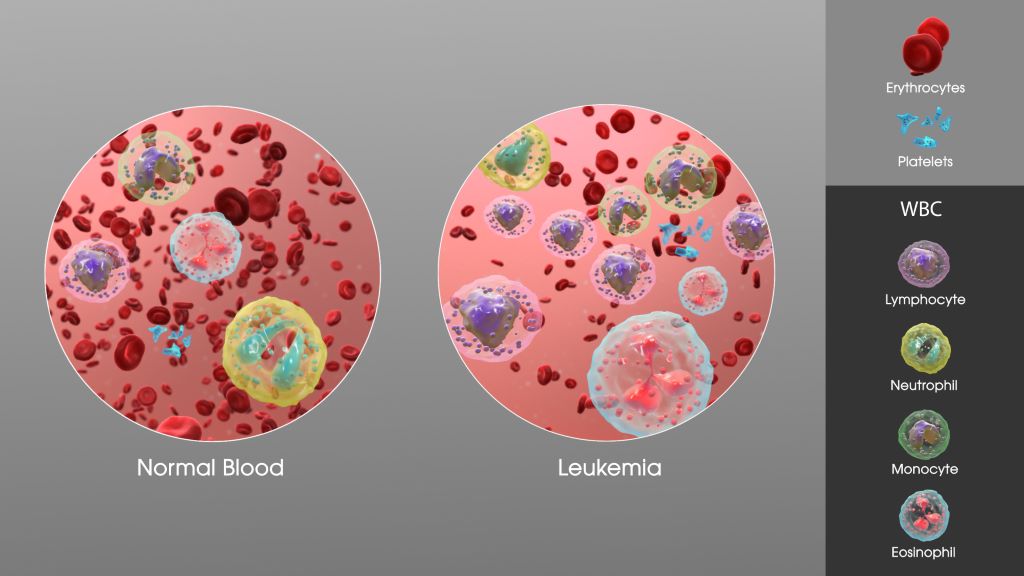
SAG Leukaemia. Credit: Scientific Animations CC0

In a study published in the journal PNAS, a research team led by the University of Minnesota Medical School have shown that the socioeconomic status (SES) of cell donors affects the health outcomes of blood cancer patients who underwent haematopoietic cell transplantation (HCT). 

The study examined the health outcomes of 2005 blood cancer patients treated with HCT in the United States. The research team found cancer patients who were transplanted with cells from donors of greatest socioeconomic disadvantage experienced a 9.7% reduction in overall survival and 6.6% increase in transplant-related mortality at three years compared to those transplanted from donors of high socioeconomic status – regardless of the cancer patient’s socioeconomic status.

“Our findings are quite remarkable. We have shown that social disadvantage penetrates so deeply that it is actually transplantable into a new host, and its effects persist over time,” said Lucie Turcotte, MD, MPH, MS, an associate professor at the University of Minnesota Medical School.

The results show the striking biological impact of social disadvantage and how it can alter health outcomes, specifically in the setting of cancer and hematopoietic cell transplantation. 

The research team plans to conduct further research to investigate the underlying biological and physiologic drivers of these findings in order to develop interventions to mitigate the adverse health outcomes introduced by socioeconomic disadvantage. 

“The importance of these findings reach far beyond cancer and bone marrow transplant care – they demonstrate the profound health effects of social inequality and highlight the critical need for public health interventions,” said Dr Turcotte. 

Source: University of Minnesota Medical School

Ancient Virus DNA Lurking in Human Genome Fuels Modern-day Cancers

Photo by Sangharsh Lohakare on Unsplash

Peek inside the human genome and, among the 20 000 or so genes that serve as building blocks of life, you’ll also find flecks of DNA left behind by viruses that infected primate ancestors tens of millions of years ago.

These ancient hitchhikers, known as endogenous retroviruses, were long considered inert or “junk” DNA, defanged of any ability to do damage. New CU Boulder research reported in Science Advances shows that, when reawakened, they can play a critical role in helping cancer survive and thrive. The study also suggests that silencing certain endogenous retroviruses can make cancer treatments work better.

“Our study shows that diseases today can be significantly influenced by these ancient viral infections that until recently very few researchers were paying attention to,” said senior author Edward Chuong, an assistant professor of molecular, cellular and developmental biology at CU Boulder’s BioFrontiers Institute.

Studies show about 8% of the human genome is made up of endogenous retroviruses that slipped into the cells of our evolutionary ancestors, coaxing their hosts to copy and carry their genetic material. Over time, they infiltrated sperm, eggs and embryos, baking their DNA like a fossil record into generations to come – and shaping evolution along the way.

Even though they can no longer produce functional viruses, Chuong’s own research has shown that endogenous retroviruses can act as “switches” that turn on nearby genes. Some have contributed to the development of the placenta, a critical milestone in human evolution, as well as our immune response to modern-day viruses like COVID.

“There’s been a lot of work showing these endogenous retroviruses can be domesticated for our benefit, but not a lot showing how they might hurt us,” he said.

Switching cancer genes on

To explore their role in cancer, Chuong and first author Atma Ivancevic, a research associate in his lab, analyzed genomic data from 21 human cancer types from publicly available datasets. 

They found that a specific lineage of endogenous retrovirus known as LTR10, which infected some primates about 30 million years ago, showed surprisingly high levels of activity in several types of cancer, including lung and colon cancer. Further analysis of tumors from dozens of colorectal cancer patients revealed that LTR10 was active in about a third of them.

When the team used the CRISPR gene editing tool to snip out or silence sequences where it was present, they discovered that critical genes known to promote cancer development and growth also went dark.

“We saw that when you silence this retrovirus in cancer cells, it turns off nearby gene expression,” said Ivancevic.

Experiments in mice yielded similar results: When an LTR10 “switch” was removed from tumor cells, key cancer-promoting genes, including one called XRCC4, switched off too, and treatments to shrink tumors worked better. 

“We know that cancer cells express a lot of genes that are not supposed to be on, but no one really knows what is turning them on,” said Chuong. “It turns out many of the switches turning them on are derived from these ancient viruses.”

Notably, the endogenous retrovirus they studied appears to switch on genes in what is known as the MAP-kinase pathway, a famed cellular pathway that is adversely rewired in many cancers. Existing blockbuster drugs on the market, known as MAP-kinase inhibitors, likely work, in part, by disabling the endogenous retrovirus switch, the study suggests.

Reawakening ancient viruses

The authors note that just this one family of retrovirus regulates as many as 70 cancer-associated genes in this pathway. Different lineages likely influence different pathways that promote different cancers.

The team plans to look into some of them next.

“Any time we can find out how genes or pathways that are inherently altered in tumours are regulated, that is really helpful,” said co-author Todd Pitts, associate professor of medical oncology with the CU Cancer Center on the Anschutz Medical Campus. “It allows us to potentially find new therapies or find patients that might respond better to current therapies.”

The study is not the first to implicate ancient viruses in cancer. Previous studies suggest they may emit toxic compounds or spark genetic mutations. And two other recent studies show that they switch on cellular pathways in leukaemia and prostate cancer.

Chuong said that while these shadow viruses are likely an underappreciated source of genetic influence across all cancer types, this study doesn’t show they cause cancer. Rather, cancer itself wakes them up, empowering them to activate other disease-promoting processes to help keep it alive.

He suspects that as people’s cells age, their genomic defenses break down, enabling other ancient viruses to reawaken and contribute to other health problems too. 

“The origins of how diseases manifest themselves in the cell have always been a mystery,” said Chuong. “Endogenous retroviruses are not the whole story, but they could be a big part of it.”

Source: University of Colorado Boulder

Prostate Cancer Blood Test Equally Effective Across Ethnic Groups

Photo by Nicholas Swatz

The Stockholm3 blood test, developed by researchers at Karolinska Institutet, is equally effective at detecting prostate cancer in different ethnic groups, according to a new paper published in The Journal of Clinical Oncology. The test produces significantly better results than the current PSA standard.

Stockholm3, a prostate cancer test developed in Sweden, runs a combination of protein and genetic markers from a blood sample through an algorithm to find the probability of a patient having clinically significant cancer. 

Studies in more than 90 000 men have shown that Stockholm3 produces significantly better results than the current PSA standard. The test improves prostate cancer diagnosis by reducing unnecessary MRI and biopsies and by identifying significant cancers in men with low or normal PSA values.   

Ethnically diverse group

However, previous studies have been conducted primarily in Scandinavia on a mainly White population with uncertain generalisability to the rest of the world. A Swedish-American research group has now examined how well it works in an ethnically mixed group of men in the USA and Canada. 

The study included over 2000 men at 17 different clinics, 16% of whom were Asian, 24% African-American, 14% Latin American and 46% White American.  All participants had a referral for a prostate biopsy on the basis of an elevated PSA score, abnormal rectal examination, MRI scan or other suspicious clinical finding.  

Before the biopsy was performed, a blood test was taken along with clinical data pertinent to the Stockholm3 test, which was conducted blinded to the biopsy results. 

Halving the number of unnecessary biopsies

The analysis shows that clinically relevant prostate cancer cases were found in a total of 29% of the men, somewhat more in African Americans and slightly fewer in Asians. 

It also shows that the Stockholm3 test could almost halve the number of unnecessary biopsies (45 per cent fewer: 673 as opposed to 1226) while being no less effective at detecting all clinically relevant cases. The results were similar across the different ethnic groups. 

“The study demonstrates that the Stockholm3 test is just as effective on an ethnically mixed group as it is on a White, Swedish population,” says the study’s lead author Hari T. Vigneswaran, doctor and PhD student at the Department of Medical Epidemiology and Biostatistics, Karolinska Institutet. 

According to him, the research answers several important questions and will lead to a more widespread use of the method: 

“Colleagues in other countries are very interested in these data, which show that Stockholm3 works for a non-Swedish population and among minorities.” 

Source: Karolinska Institutet

New Surgical Method for Cervical Cancer Shows Promising Results

Cervical cancer. Credit: Scientific Animations CC4.0

A recently published study has compared a new surgical method, called cancer field surgery (Total Mesometrial Resection, TMMR), with the current standard treatment for primary management of cervical cancer.

The new TMMR method was developed over 20 years ago by Karolinska Institutet’s partners at the Leipzig University Hospital. Previous publications have suggested favourable results without the need for radiation therapy. Omitting radiation therapy could potentially improve quality of life for treated women.

In the study, the researchers demonstrate that TMMR is associated with improved oncological outcomes for early stages of cervical cancer. The data suggest that TMMR may replace current treatment strategies and radiation therapy could be spared for salvage treatment. This breakthrough motivates continued work in this field.

Research of this kind heavily relies on well-functioning collaborations with other researchers. Beyond providing essential data for the project, it also strengthens international cooperation, facilitating the dissemination of our findings. The researchers plan to further explore the potential of cancer field surgery in gynaecological cancer to establish the method in future treatment strategies.

Source: Karolinska Institutet

Diabetic Neuropathy Drug Reduces Drug Resistance in Lung Cancer

In this image from a genetically engineered mouse model, lung cancer driven by the Kras oncogene shows up in purple. As a key driver in many types of cancer, the Kras gene makes a promising target for new cancer therapies. Credit: National Cancer Institute, National Institutes of Health

A medication used to treat diabetic neuropathy may enhance the effectiveness of chemotherapy for patients with lung cancer, according to new findings from the University of Missouri School of Medicine. Despite surgical and chemotherapy treatment, more than 50% of non-metastatic, non-small lung cancer patients see recurrences, in large part because of drug-resistant cancer cells. Researchers identified a way to make these cells more susceptible to chemotherapy, said Dr Jussuf Kaifi, author of the new study published in Clinical Cancer Research.

“Traditional treatments for lung cancer, including chemotherapy, often have little to no effect on the cancer because of drug resistance,” Kaifi said. “It is a major cause of mortality in patients, so finding ways to circumvent drug and chemotherapy resistance is vital to improving patient outcomes.”

The study examined 10 non-small cell lung cancer tumours, half of which were identified as drug resistant. The drug-resistant tumours showed overexpression of a certain enzyme, AKR1B10. When treated with the diabetic neuropathy medication, epalrestat, the tumours became less drug resistant, causing their sensitivity to chemotherapy to significantly increase.

Epalrestat is available in several countries (excluding South Africa) and well-tolerated by patients, but it is not yet approved for use by the Food and Drug Administration in the United States. The medication is currently in high-level clinical trials as part of the FDA’s approval process. If given FDA approval, epalrestat could be fast-tracked in the US as an anti-cancer drug for lung cancer patients.

“In general, developing new drugs for cancer treatment is an extremely lengthy, expensive and inefficient process,” Kaifi said. “In contrast, ‘repurposing’ these drugs to other diseases is much faster and cheaper. In view of overcoming drug resistance, epalrestat can rapidly be advanced to the clinic to improve cure rates in lung cancer patients.”

Source: University of Missouri

Physical Exercise Concomitant with Chemotherapy Reduces Nerve Damage

Photo by Mikhail Nilov

Many cancer medications, from chemotherapy to modern immunotherapies, attack the nerves as well as the tumour cells. Some therapies, such as oxaliplatin or vinca alkaloids, leave 70 to 90% of patients complaining of pain, balance issues, or feelings of numbness, burning or tingling. These symptoms can be very debilitating. They can disappear following cancer treatment, but in around 50% they become chronic. Specialists call it chemotherapy-induced peripheral neuropathy, or CIPN for short.

A research team led by sports scientist Dr Fiona Streckmann from the University of Basel and the German Sport University Cologne has now shown that specific exercise, concomitant to cancer therapy, can prevent nerve damage in many cases. The researchers have reported their findings in JAMA Internal Medicine.

Exercise alongside chemo

The study involved 158 cancer patients, both male and female, who were receiving treatment either with oxaliplatin or vinca-alkaloids. The researchers divided the patients at random into three groups. The first was a control group, whose members received standard care. The other two groups completed exercise sessions twice a week for the duration of their chemotherapy, with each session lasting between 15 and 30 minutes. One of these groups carried out exercises that focused primarily on balancing on an increasingly unstable surface. The other group trained on a vibration plate.

Regular examinations over the next five years showed that in the control group around twice as many participants developed CIPN as in either of the exercise groups. In other words, the exercises undertaken alongside chemotherapy were able to reduce the incidence of nerve damage by 50 to 70%. In addition, they increased the patients’ subjectively perceived quality of life, made it less necessary to reduce their dose of cancer medications, and reduced mortality in the five years following chemotherapy.

The participants receiving vinca-alkaloids and performing sensorimotor training, had the largest benefit. 

Ineffective medications

A lot of money has been invested over the years in reducing the incidence of CIPN, explains Streckmann. “This side effect has a direct influence on clinical treatment: for example, patients may not be able to receive the planned number of chemotherapy cycles that they actually need, the dosage of neurotoxic agents in the chemotherapy may have to be reduced, or their treatment may have to be terminated.”

Despite the investments made, there is no effective pharmacological treatment to date: various studies have shown that medications can neither prevent nor reverse this nerve damage. However, according to the latest estimates, USD 17 000 are spent per patient every year in the USA on treating nerve damage associated with chemotherapy. Streckmann’s assumption is that “doctors prescribe medications despite everything, because patients’ level of suffering is so high.”

Study ongoing in children’s hospitals

In contrast, the sports scientist emphasises, the positive effect of exercise has been substantiated, and this treatment is very cheap in comparison. At the moment she and her team are working on guidelines for hospitals, so that they can integrate the exercises into clinical practice as supportive therapy. In addition, since 2023 a study has been ongoing in six children’s hospitals in Germany and Switzerland (Project PrepAIR), which is intended prevent sensory and motor dysfunctions in children receiving neurotoxic chemotherapy.

“The potential of physical activity is hugely underestimated,” says Fiona Streckmann. She very much hopes that the results of the newly published study will lead to more sports therapists being employed in hospitals, in order to better exploit this potential.

Source: University of Basel

Why are Some Cancers Resistant Even Before the First Treatment?

Squamous cancer cell being attacked by cytotoxic T cells. Image by National Cancer Institute on Unsplash

In cancer, it is well known that small numbers of drug-resistant cells likely exist in tumours even before they’re treated. In something of a paradox, before treatment, these mutants have been repeatedly shown to have lower fitness than the surrounding ancestor cells from which they arose. It leads to a scenario that seems to break Darwin’s rules. Why is it that these least-fit cells survive?

In a new study published in PRX Life, researchers at Case Western Reserve University and Cleveland Clinic reveal a fascinating discovery: interactions between these mutants and their ancestors, like two species in an ecosystem, may hold the key to understanding this paradox.

Their findings suggest these ecological interactions play a pivotal role in reducing the costs of resistance, providing a path to survival for preexisting resistance. And not just in lung cancer, but across various biomedical contexts where drug resistance is a challenge, including other cancers, pathogens and even parasites.

The study

Combining computer simulations and analytical results, the study establishes a mathematical framework to examine the impact of these ecological interactions on the evolutionary dynamics of resistance.

“This is a really exciting finding because it settles some fundamental disagreements between classical population genetics and theoretical ecology,” said the study’s principal investigator Jacob Scott, staff physician-scientist at Cleveland Clinic and an associate professor of physics and medicine at Case Western Reserve.

The study also highlights the clinical relevance of these findings by genetically engineering common resistance mechanisms observed in non-small-cell lung cancer, a disease notorious for preexisting resistance to targeted therapies.

Each genetically engineered cancer cell line experienced a benefit from being with its ancestor, in the group’s evolutionary game assay when cultured with their treatment sensitive ancestor, just as the new theory predicted, bringing closure to the paradox.

“Our findings offer an attractive new hypothesis for why treatment resistance is so common: The resistant cells are saved from extinction by the other cells surrounding them through an ecological mechanism,” said Jeff Maltas, the study’s lead author and a post-doctoral fellow at Case Western Reserve. “These results provide a novel treatment strategy: designing treatments that disrupt the ecological interaction that allows resistance to gain a foothold in the first place, rather than developing new drugs for increasingly resistant populations.”

The hope is that this multidisciplinary research may lead to innovative approaches to fighting cancer and infectious diseases, the researchers said.

Source: Case Western Reserve University