NIH-funded clinical trial shows potential to simplify treatment for early syphilis.
Photo by Raghavendra V Konkathi on Unsplash
Researchers funded by the National Institutes of Health (NIH) have found that a single injection of the antibiotic benzathine penicillin G (BPG) successfully treated early syphilis just as well as the three-injection regimen used by many clinicians in the United States and elsewhere. These findings from a late-stage clinical trial suggest the second and third doses of conventional BPG therapy do not provide a health benefit. The results were published in The New England Journal of Medicine.
“Benzathine penicillin G is highly effective against syphilis, but the three-dose regimen can be burdensome and deter people from attending follow-up visits with their healthcare providers,” said Carolyn Deal, PhD, chief of the enteric and sexually transmitted infections branch of NIH’s National Institute of Allergy and Infectious Diseases (NIAID). “The new findings offer welcome evidence for potentially simplifying treatment with an equally effective one-dose regimen, particularly while syphilis rates remain alarmingly high.”
Syphilis is a common sexually transmitted infection (STI) caused by the bacterium Treponema pallidum. The United States reported 209 253 total syphilis cases and 3882 congenital syphilis cases in 2023, representing 61% and 108% increases over 2019 numbers, respectively. Without treatment, syphilis can result in neurological and organ damage as well as severe pregnancy complications and congenital abnormalities. Syphilis can also increase a person’s likelihood of acquiring or transmitting HIV.
BPG is one of the few antibiotics known to effectively treat syphilis, and stockouts are common worldwide. The antibiotic is currently being imported to the United States to resolve a nationwide shortage.
The study was conducted at ten U.S. sites and enrolled 249 participants with early syphilis, which encompasses the primary, secondary, and early latent stages of disease. Sixty-four percent of participants were living with HIV and 97% were men. The participants were randomly assigned to receive either a single intramuscular (IM) injection of BPG 2.4 million units (MU) or a series of three IM injections of BPG 2.4 MU at weekly intervals. All participants were monitored for safety. Biological markers of successful treatment in the blood – known as the serologic response to therapy – were examined at six months following treatment.
Seventy-six percent of participants in the single-dose group had a serologic response to treatment compared to 70% of participants in the three-dose group. The difference between groups was not statistically significant, even when participants were stratified by HIV status. One participant developed signs of neurosyphilis three days after starting BPG therapy and was excluded from the analysis. Three serious adverse events were reported but were not related to BPG.
“Syphilis has been studied and treated for more than a century, and BPG has been in use for more than 50 years, yet we are still acquiring knowledge to help us optimise treatment,” said Principal Investigator Edward W. Hook III, MD, emeritus professor of medicine and epidemiology at the University of Alabama at Birmingham. “We hope these promising results will be complemented by scientific advances in syphilis prevention and diagnosis.”
According to the study authors, the results from this trial provide substantial evidence that single-dose BPG 2.4 MU is as effective as three doses in treating early syphilis. More research is needed to understand the full potential of this abbreviated treatment strategy and to evaluate therapeutic approaches for all stages of syphilis, including late syphilis, latent syphilis of unknown duration, and clinical neurosyphilis.
The study was conducted through the NIAID-funded Sexually Transmitted Infections Clinical Trials Group.
For more information about this trial, please visit ClinicalTrials.gov using the study identifier NCT03637660.
New study supports anecdotal claims about the risks of using a smartphone during toilet time
Photo by Jan Antonin Kolar on Unsplash
Survey participants who reported using a smartphone while on the toilet had a higher risk of haemorrhoids than non-users. Chethan Ramprasad of Beth Israel Deaconess Medical Center, U.S., and colleagues present these findings in a new study in the open-access journal PLOS One on September 3, 2025.
Every year in the US, haemorrhoids lead to nearly 4 million visits to the doctor or emergency room and more than $800 million in healthcare spending. Haemorrhoids involve swollen veins in the anal or rectal area and can cause pain and bleeding. Anecdotal evidence has linked smartphone use on the toilet with increased risk of haemorrhoids.
However, few studies have explored whether smartphone use on the toilet is actually associated with haemorrhoid risk. To help clarify, Ramprasad and colleagues conducted a study of 125 adults undergoing screening colonoscopy. The participants answered online survey questions about their lifestyle and toilet habits, and endoscopists evaluated them for haemorrhoids.
Among all participants, 66% reported using smartphones on the toilet, and they tended to be younger than non-users. After statistically accounting for other factors thought to possibly be linked with haemorrhoid risk – such as exercise habits, age, and fibre intake – the researchers found that participants who used a smartphone on the toilet had a 46% higher risk of haemorrhoids than non-users.
Time spent on the toilet was significantly higher for smartphone users than non-users; 37% of smartphone users spent more than 5 minutes at a time on the toilet compared to just 7.1% of non-users. Reading news and using social media were the most commonly reported smartphone activities on the toilet. Interestingly, straining while using the toilet was not associated with increased haemorrhoid risk, in contrast to some prior studies.
On the basis of the findings, the researchers suggest that smartphone use may inadvertently prolong toilet time, potentially increasing pressure in anal tissues, which may then lead to haemorrhoids.
This study could help inform clinicians’ recommendations to patients. Future research could also expand on these findings, such as by tracking patients over time and exploring interventions to limit prolonged smartphone use on the toilet.
Trisha Pasricha, senior author of the study, adds: “Using a smartphone while on the toilet was linked to a 46 per cent increased chance of having haemorrhoids. We’re still uncovering the many ways smartphones and our modern way of life impact our health. It’s possible that how and where we use them – such as while in the bathroom –can have unintended consequences.
“This study bolsters advice to people in general to leave the smartphones outside the bathroom and to try to spend no more than a few minutes to have a bowel movement. If it’s taking longer, ask yourself why. Was it because having a bowel movement was really so difficult, or was it because my focus was elsewhere?
“It’s incredibly easy to lose track of time when we’re scrolling on our smartphones – popular apps are designed entirely for that purpose. But it’s possible that constantly sitting longer on the toilet than you intended because you’re distracted by your smartphone could increase your risk of haemorrhoids. We need to study this further, but it’s a safe suggestion to leave the smartphone outside the bathroom when you need to have a bowel movement.”
Researchers from the Broad Institute and Mass General Brigham have shown that a low-oxygen environment – similar to the thin air found at Mount Everest base camp – can protect the brain and restore movement in mice with Parkinson’s-like disease.
The new research, in Nature Neuroscience, suggests that cellular dysfunction in Parkinson’s leads to the accumulation of excess oxygen molecules in the brain, which then fuel neurodegeneration – and that reducing oxygen intake could help prevent or even reverse Parkinson’s symptoms.
“The fact that we actually saw some reversal of neurological damage is really exciting,” said co-senior author Vamsi Mootha, an institute member at the Broad, professor of systems biology and medicine at Harvard Medical School, a Howard Hughes Medical Institute investigator in the Department of Molecular Biology at Massachusetts General Hospital (MGH), a founding member of the Mass General Brigham healthcare system. “It tells us that there is a window during which some neurons are dysfunctional but not yet dead – and that we can restore their function if we intervene early enough.”
“The results raise the possibility of an entirely new paradigm for addressing Parkinson’s disease,” added co-senior author Fumito Ichinose, the William T. G. Morton professor of anesthesia at Harvard Medical School and MGH.
The researchers caution that it’s too soon to translate these results directly to new treatments for patients. They emphasize that unsupervised breathing of low-oxygen air, especially intermittently such as only at night, can be dangerous and may even worsen the disease. But they’re optimistic their findings could help spur the development of new drugs that mimic the effects of low oxygen.
The study builds on a decade of research from Mootha and others into hypoxia – the condition of having lower than normal oxygen levels in the body or tissues – and its unexpected ability to protect against mitochondrial disorders.
“We first saw that low oxygen could alleviate brain-related symptoms in some rare diseases where mitochondria are affected, such as Leigh syndrome and Friedreich’s ataxia,” said Mootha, who leads the Friedreich’s Ataxia Accelerator at Broad. “That raised the question: Could the same be true in more common neurodegenerative diseases like Parkinson’s?”
Eizo Marutani, an instructor of anesthesia at MGH and Harvard Medical School, is the first author of the new paper.
A long-standing link
Parkinson’s disease, which affects more than 10 million people worldwide, causes the progressive loss of neurons in the brain, leading to tremors and slowed movements. Neurons affected by Parkinson’s also gradually accumulate toxic protein clumps called Lewy bodies. Some biochemical evidence has suggested that these clumps interfere with the function of mitochondria, that Mootha knew were altered in other diseases that could be treated with hypoxia.
Moreover, anecdotally, people with Parkinson’s seem to fare better at high altitudes. And long-term smokers – who have elevated levels of carbon monoxide, leading to less oxygen in tissues – also appear to have a lower risk of developing Parkinson’s.
“Based on this evidence, we became very interested in the effect of hypoxia on Parkinson’s disease,” said Ichinose.
Mootha and Ichinose turned to a well-established mouse model of Parkinson’s in which animals are injected with clumps of the α-synuclein proteins that seed the formation of Lewy bodies. The mice were then split into two groups: one breathing normal air (21% oxygen) and the other continuously housed in chambers with 11% oxygen – comparable to living at an altitude of about 4800m.
A new paradigm for Parkinson’s
The results were striking. Three months after receiving α-synuclein protein injections, the mice breathing normal air had high levels of Lewy bodies, dead neurons, and severe movement problems. Mice that had breathed low-oxygen air from the start didn’t lose any neurons and showed no signs of movement problems, despite developing abundant Lewy bodies.
The findings show that hypoxia wasn’t stopping the formation of Lewy bodies but was protecting neurons from the damaging effects of these protein clumps – potentially suggesting a new mode of treating Parkinson’s without targeting α-synuclein or Lewy bodies, Ichinose said.
What’s more, when hypoxia was introduced six weeks after the injection, when symptoms were already appearing, it still worked. The mice’s motor skills rebounded, their anxiety-like behaviors faded, and the loss of neurons in the brain stopped.
To further explore the underlying mechanism, the team analyzed brain cells of the mice and discovered that mice with Parkinson’s symptoms had much higher levels of oxygen in some parts of the brain than control mice and those that had breathed low-oxygen air. This excess oxygen, the researchers said, likely results from mitochondrial dysfunction. Damaged mitochondria can’t use oxygen efficiently, so it builds up to damaging levels.
“Too much oxygen in the brain turns out to be toxic,” said Mootha. “By reducing the overall oxygen supply, we’re cutting off the fuel for that damage.”
Hypoxia in a pill
More work is needed before the findings can be directly used to treat Parkinson’s. In the meantime, Mootha and his team are developing “hypoxia in a pill” drugs that mimic the effects of low oxygen to potentially treat mitochondrial disorders, and they think a similar approach might work for some forms of neurodegeneration.
While not all neurodegenerative models respond to hypoxia, the approach has now shown success in mouse models of Parkinson’s, Leigh syndrome, Friedreich’s ataxia, and accelerated aging.
“It may not be a treatment for all types of neurodegeneration,” said Mootha, “but it’s a powerful concept – one that might shift how we think about treating some of these diseases.”
The popular large language model performs better than expected but still has some knowledge gaps – and hallucinations
When people worry that they’re getting sick, they are increasingly turning to generative artificial intelligence like ChatGPT for a diagnosis. But how accurate are the answers that AI gives out?
Research recently published in the journal iScience puts ChatGPT and its large language models to the test, with a few surprising conclusions.
“People talk to ChatGPT all the time these days, and they say: ‘I have these symptoms. Do I have cancer? Do I have cardiac arrest? Should I be getting treatment?’” Hamed said. “It can be a very dangerous business, so we wanted to see what would happen if we asked these questions, what sort of answers we got and how these answers could be verified from the biomedical literature.”
The researchers tested ChatGPT for disease terms and three types of associations: drug names, genetics and symptoms. The AI showed high accuracy in identifying disease terms (88–97%), drug names (90–91%) and genetic information (88–98%). Hamed admitted he thought it would be “at most 25% accuracy.”
“The exciting result was ChatGPT said cancer is a disease, hypertension is a disease, fever is a symptom, Remdesivir is a drug and BRCA is a gene related to breast cancer,” he said. “Incredible, absolutely incredible!”
Symptom identification, however, scored lower (49–61%), and the reason may be how the large language models are trained. Doctors and researchers use biomedical ontologies to define and organise terms and relationships for consistent data representation and knowledge-sharing, but users enter more informal descriptions.
“ChatGPT uses more of a friendly and social language, because it’s supposed to be communicating with average people. In medical literature, people use proper names,” Hamed said. “The LLM is apparently trying to simplify the definition of these symptoms, because there is a lot of traffic asking such questions, so it started to minimize the formalities of medical language to appeal to those users.”
One puzzling result stood out. The National Institutes of Health maintains a database called GenBank, which gives an accession number to every identified DNA sequence. It’s usually a combination of letters and numbers. For example, the designation for the Breast Cancer 1 gene (BRCA1) is NM_007294.4.
When asked for these numbers as part of the genetic information testing, ChatGPT just made them up – a phenomenon known as “hallucinating.” Hamed sees this as a major failing amid so many other positive results.
“Maybe there is an opportunity here that we can start introducing these biomedical ontologies to the LLMs to provide much higher accuracy, get rid of all the hallucinations and make these tools into something amazing,” he said.
Hamed’s interest in LLMs began in 2023, when he discovered ChatGPT and heard about the issues regarding fact-checking. His goal is to expose the flaws so data scientists can adjust the models as needed and make them better.
“If I am analysing knowledge, I want to make sure that I remove anything that may seem fishy before I build my theories and make something that is not accurate,” he said.
New research from the Institute of Psychiatry, Psychology & Neuroscience (IoPPN) at King’s College London, in partnership with the University of Bath, has found that the reasons why a person chooses to use cannabis can increase their risk of developing paranoia.
Photo by Thought Catalog on Unsplash
The use and potency of cannabis is increasing worldwide, and dependence and cannabis-induced psychosis are also greatly increasing as a result, especially in North America. Two new research papers, both using data from Cannabis & Me – the largest survey of its kind – have identified key risk factors associated with the more severe forms of paranoia in cannabis users.
The first study, published in BMJ Mental Health, explored the relationship between why people first started using cannabis, and how this affected their subsequent use.
3389 former and current cannabis users aged 18 and over responded to a survey examining their reasons for first and continued use, their weekly consumption of cannabis in THC units, and their mental health.
Researchers established several key findings. Respondents who first started using cannabis to self-medicate an illness, including physical pain, anxiety, depression, or because they were experiencing minor psychotic symptoms, all demonstrated higher paranoia scores.
This was in contrast to those respondents who tried cannabis for fun or curiosity, or with their friends, who reported the lowest average paranoia and anxiety scores.
Dr Edoardo Spinazzola, a Research Assistant at King’s IoPPN and the study’s first author said, “This research suggests that using cannabis as a mean to self-medicate physical or mental discomfort can have a negative impact on the levels of paranoia, anxiety, and depression. Most of these subgroups had average scores of depression and anxiety which were above the threshold for referral to counselling.”
Respondents were also asked to provide data on the frequency and strength of the cannabis they were using so that researchers could track their average weekly consumption of Tetrahydrocannabinol (THC) – the principle psychoactive component of cannabis.
The researchers found that the average respondent consumed 206 units of THC a week. This might equate to roughly 10-17 ‘joints’ per week, if the user was consuming an expected 20% THC content that is standard for the most common types of cannabis available in London.
However, respondents who started using cannabis to help with their anxiety, depression, or in cases where they started due to others in their household who were already using cannabis, reported on average 248, 254.7, and 286.9 average weekly THC units respectively.
Professor Tom Freeman, Director of the Addiction and Mental Health Group at the University of Bath and one of the study’s authors said, “A key finding of our study is that people who first used cannabis to manage anxiety or depression, or because a family member was using it, showed higher levels of cannabis use overall.
“In future, standard THC units could be used in a similar way to alcohol units – for example, to help people to track their cannabis consumption and better manage its effects on their health.”
In a separate study, published in Psychological Medicine, researchers explored the relationship between childhood trauma, paranoia and cannabis use.
Researchers used the same data set from the Cannabis & Me survey, with just over half of respondents (52 per cent) reporting experience of some form of trauma.
Analysis established that respondents who had been exposed to trauma as children reported higher average levels of paranoia compared to those who hadn’t, with physical and emotional abuse emerging as the strongest predictors.
Researchers also explored the relationship between childhood trauma and weekly THC consumption. Respondents who reported experience of sexual abuse had a markedly higher weekly intake of THC, closely followed by those who reported experiencing emotional and physical abuse.
Finally, the researchers confirmed that the strong association between childhood trauma and paranoia is further exacerbated by cannabis use, but is affected by the different types of trauma experienced. Respondents who said they had experienced emotional abuse or household discord were strongly associated with increased THC consumption and paranoia scores. Respondents reporting bullying, physical abuse, sexual abuse, physical neglect and emotional neglect on the other hand did not show the same effects.
Dr Giulia Trotta, a Consultant Psychiatrist and Researcher at King’s IoPPN and the study’s first author said,
“We have not only established a clear association between trauma and future paranoia, but also that cannabis use can further exacerbate the effects of this, depending on what form the trauma takes.
“Our findings will have clear implications for clinical practice as they highlight the importance of early screening for trauma exposure in individuals presenting with paranoia.”
Professor Marta Di Forti, Professor of Drug use, Genetics and Psychosis at King’s IoPPN, Clinical Lead at the South London and Maudsley NHS Foundation Trust’s Cannabis Clinic for Patients with Psychosis, and the senior author on both studies said, “There is extensive national and international debate about the legality and safety of cannabis use.
“My experience in clinic tells me that there are groups of people who start to use cannabis as a means of coping with physical and emotional pain. My research has confirmed that this is not without significant further risk to their health and wellbeing, and policy makers across the world should be mindful of the impact that legalisation , without adequate public education and health support, could have on both the individual, as well as on healthcare systems more broadly.”
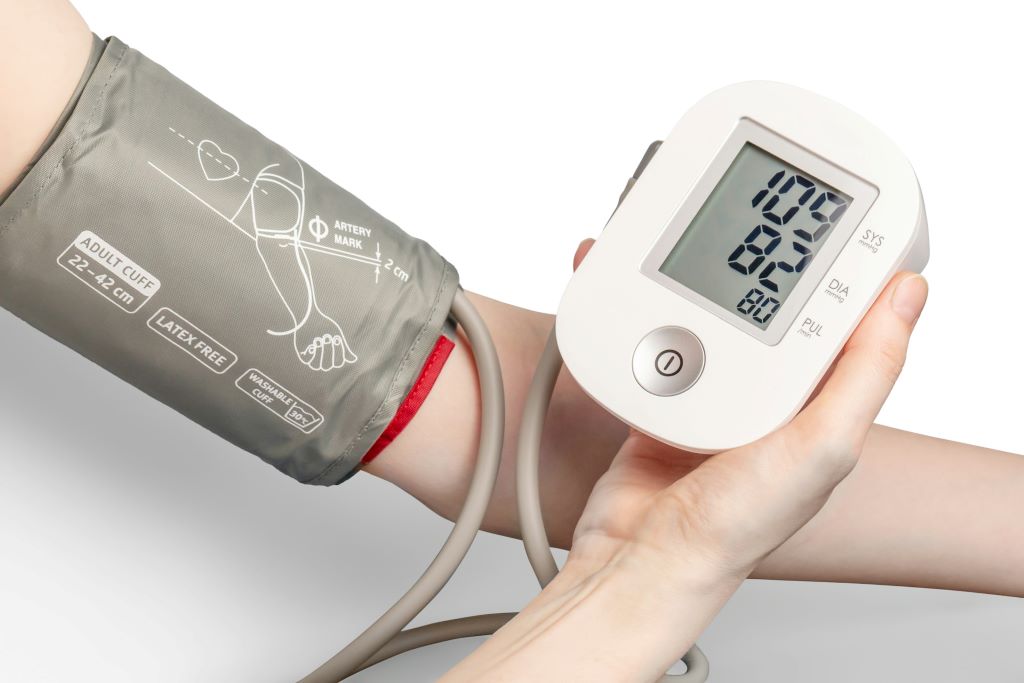
Home-based hypertension care led to reductions in systolic blood pressure and improvements in hypertension control in South Africa, according to late-breaking research presented in a Hot Line session at ESC Congress 20251 and simultaneously published in the New England Journal of Medicine.
“Hypertension is the primary risk factor for stroke and heart disease, which are leading causes of death in South Africa. Despite the wide availability of low-cost, effective therapies, hypertension control remains extremely poor in resource-limited settings. Obstacles include a lack of patient confidence to manage their own hypertension care, overcrowded clinics with long wait times and the cost of transport to clinics,” explained the IMPACT-BP trial’s Co-Principal Investigator Doctor Thomas Gaziano from Mass General Brigham (MGB) and Harvard Medical School, Boston, USA. “Our trial aimed to assess the effectiveness and implementation of reliable, home-based, technology-supported interventions to improve blood pressure control in low-resourced rural South Africa.”
IMPACT-BP was an open-label, randomised controlled trial conducted at the Africa Health Research Institute (AHRI) in KwaZulu-Natal, South Africa, in which patients were recruited from two public-sector primary healthcare clinics. The implementation study was designed with Co-Principal Investigator, Doctor Mark Siedner of AHRI and MGH, Professor Nombulelo Magula of the University of KwaZulu-Natal, and the KwaZulu-Natal Provincial Department of Health.
Adult patients were eligible if they had evidence of uncontrolled hypertension as defined by South African Department of Health Guidelines: two measurements of systolic blood pressure (SBP) >140 mmHg and/or diastolic BP (DBP) >90 mmHg, taken a minimum of 6 months apart.
Patients were randomised to one of three strategies: 1) standard-of-care, clinic-based blood pressure (BP) management; 2) home-based BP self-monitoring supported by the provision of BP machines, community health workers (CHWs) who conducted home visits for data collection and medication delivery, and remote nurse-led care assisted by a mobile application with decision support; or 3) an enhanced CHW group in which BP machines included cellular technology to transmit BP readings automatically to the mobile application. The primary outcome was change in SBP from enrolment to 6 months.
In total, 774 patients were randomised. The mean age was 62 years, 76% were women, 14% had diabetes and 47% were living with HIV.
Compared with standard-of-care, mean SBP at 6 months was lower in the CHW group (−7.9mmHg; 95% confidence interval [CI] −10.5 to −5.3; p < 0.001) and the enhanced CHW group (−9.1mmHg; 95% CI −11.7 to −6.4; p < 0.001). In the standard-of-care group, hypertension control at 6 months was 57.6% compared with 76.9% in the CHW group and 82.8% in the enhanced CHW group. Improved BP with home-based care appeared to persist at 12 months.
Severe adverse events (2.7%) and deaths (1.0%) were uncommon overall and similar across groups. Retention in care remained more than 95% in both intervention groups, with patients reported to have enjoyed managing their own hypertension.
Summarising, Doctor Siedner said, “This study is an important example of how making models of chronic disease care more convenient – taking it from the clinic to patients’ homes and letting them play a major role in their own care – can substantially improve hypertension outcomes.”
Of particular value was that the programme was successful in a community that has historically had low access to care. Professor Magula concluded: “Achieving hypertension control in over 80% of people in a predominantly Black African community in rural South Africa is a clear example that equitable health care access can be achieved in disadvantaged communities. Similar models of care that address structural barriers could be considered to improve hypertension control in other remote and resource-limited settings. Expansion of the model to include the care of people with multiple comorbidities may also be valuable.”
New research from Michigan State University finds that microbes play an important role in shaping early brain development, specifically in a key brain region that controls stress, social behaviour, and vital body functions.
The study, published in Hormones and Behavior, used a mouse model to highlight how natural microbial exposure not only impacts brain structure immediately after birth but may even begin influencing development while still in the womb. A mouse model was chosen because mice share significant biological and behavioural similarities with humans and there are no other alternatives to study the role of microbes on brain development.
This work is of significance because modern obstetric practices, like peripartum antibiotic use and Cesarean delivery, disrupt maternal microbes. In the United States alone, 40% of women receive antibiotics around childbirth and one-third of all births occur via Cesarean section.
“At birth, a newborn body is colonised by microbes as it travels through the birth canal. Birth also coincides with important developmental events that shape the brain. We wanted to further explore how the arrival of these microbes may affect brain development,” said Alexandra Castillo Ruiz, lead author of the study and assistant professor in the MSU Department of Psychology.
The research team focused on a brain region called the paraventricular nucleus of the hypothalamus (PVN), which plays a central role in regulating stress, blood pressure, water balance, and even social behaviour. Their previous work had shown that mice raised without microbes, or germ-free mice, had more dying neurons in the PVN during early development. The new study set out to determine whether this increased cell death translated to changes in neuron number in the long run, and if any effects could be caused by the arrival of microbes at birth or if they began in the womb via signals from maternal microbes.
To find out, the researchers used a cross-fostering approach. Germ-free newborn mice were placed with mothers that had microbes and compared them to control groups. When the brains of these mice were examined just three days after birth, results were striking: All mice gestated by germ-free mothers had fewer neurons in the PVN, regardless of whether they received microbes after birth. They also found that germ-free adult mice had fewer neurons in the PVN.
“Our study shows that microbes play an important role in sculpting a brain region that is paramount for body functions and social behaviour. In addition, our study indicates that microbial effects start in the womb via signaling from maternal microbes,” said Castillo-Ruiz.
Rather than shunning our microbes, we should recognise them as partners in early life development,” said Castillo-Ruiz. “They’re helping build our brains from the very beginning.”
Not all acute myocardial infarction patients should be offered routine screening for the stomach ulcer bacterium Helicobacter pylori. However, it is possible that some patient groups with an elevated risk of post-infarction gastrointestinal bleeding benefit from such a test, concludes a large-scale study from Karolinska Institutet and Södersjukhuset published in the journal JAMA.
Upper gastrointestinal bleeding is a serious complication that affects approximately two per cent of patients within a year of a myocardial infarction.
“It’s associated with increased mortality and the risk of recurring cardiovascular events,” says the study’s lead author Robin Hofmann, senior consultant at the Department of Cardiology, Södersjukhuset, and associate professor at the Department of Clinical Science and Education, Södersjukhuset, Karolinska Institutet. “We therefore wanted to examine if screening for the common Helicobacter pylori bacterium, which causes gastritis and gastric ulcers, can reduce the risk of bleeding. This is currently not routine practice.”
The randomised study included almost 18 500 myocardial infarction patients at 35 hospitals in Sweden. Half the group was tested for the bacterium and treated with antibiotics and protein pump inhibitors by their doctors if testing positive, while the other half received routine care without an extra test or treatment.
Effective in anaemic patients
After almost two years’ follow-up, the researchers found that there were slightly fewer individuals in the screening programme who had suffered gastrointestinal bleeding, but not enough to make the difference statistically significant. However, they found a positive effect of the screening when studying specific sub-groups of patients, such as those with anaemia or kidney failure. A particularly positive effect was observed in patients with moderate to severe anaemia, who suffered gastrointestinal bleeding at roughly half the rate if they underwent screening.
“Our results suggest that screening for Helicobacter pylori does not need to be done routinely for all individuals following a heart attack,” says Dr Hofmann. “On the other hand, testing and treatment could be a meaningful complement for selected patient groups with an elevated risk of bleeding.”
The researchers will now go on to study the long-term effects and try to identify which groups will benefit most from screening.
Inkosi Albert Luthuli Central Hospital is KwaZulu-Natal’s only public hospital with a functioning cardiac unit. Photo by Hush Naidoo Jade Photography on Unsplash
By Chris Bateman
Doctors have blown the whistle about a crisis at one of KwaZulu-Natal’s most important public hospitals, saying it is functioning far under capacity due to a series of crippling cuts.
The Inkosi Albert Luthuli Central Hospital in Durban’s Cato Manor is operating at around 40% below surgical capacity, according to senior doctors there. As one of a small number of central hospitals in South Africa, it provides specialist services unavailable elsewhere in KwaZulu-Natal and serves as a critical hub for training healthcare workers.
Several doctors who work at Albert Luthuli, who asked to remain anonymous for fear of reprisals, told Spotlight that frozen posts, severely understaffed ICUs, shortages of surgical consumables, and delays in diagnostic tests have combined to drive an austerity-fuelled collapse they say is costing lives.
One doctor said theatre slates – daily surgery schedules – have been cut by as much as 60% compared to pre-pandemic levels. Some described the situation as worse than during COVID-19, when all elective surgeries were cancelled.
“Patients have to wait or be sent home when they can’t get on a theatre list. Then they’re either lost to follow-up or they present ‘in extremis’ later,” said one senior doctor. “Paediatric cases are among the worst. They should be referred on day one, but because of ICU nursing shortages they only get admitted on day four or five – if at all. Often, they’re too ill for our care to be effective.”
Spotlight put these allegations to the KwaZulu-Natal Department of Health, but the department had not responded by deadline despite several follow-ups.
Collapsing specialist services
Albert Luthuli is KwaZulu-Natal’s only public hospital with a functioning cardiac unit, according to one of the doctors who spoke to Spotlight. The doctor said the province has just one adult cardiologist in the public sector who sees over 60 patients per day and that cardiac surgeries have dropped from 600 per year to under 300 projected for 2025. By contrast, there are over 30 adult cardiologists working in the private sector in the province.
Anaesthesiology is among the hardest hit areas. According to Spotlight’s sources, eight anaesthetic consultants resigned in the past year, citing burnout and workload. Where nine or ten theatre slates once ran daily, there are now only four or five. Eleven anaesthetists remain to cover 19 theatres.
“I never thought I’d see the day when I wouldn’t want to come in. We are four ICU consultants covering nine beds. ICU needs one nurse per bed, but we’re usually staffed with six or seven nurses in total. Across six ICUs, we’ve got 25 nurses. We pull in ward staff or rely on overtime. You can’t have one nurse running between beds – it spreads infection, mistakes happen. It’s impossible,” one ICU doctor told Spotlight.
Doctors estimate a 45% shortage of qualified ICU nurses. “It’s like airplanes circling, running out of fuel, and crashing before they can land,” one senior doctor said. “Patients deteriorate while waiting for beds or for a theatre list to open.”
Specialist theatre nursing posts have also been cut, compounding the strain.
Registrars squeezed, training undermined
The hospital is meant to offer advanced procedures, experimental treatments, innovative research, and specialist training. Instead, registrars – these are doctors in specialist training – say they are losing out on irreplaceable experience.
Junior registrars are allegedly blocked from logging procedures they need to qualify, because seniors are prioritised to assist with the shrinking pool of operations.
Spotlight has seen a grievance letter from the Anaesthetics Department’s Registrar Representative, addressed to the hospital CEO, medical manager, the SA Society of Anaesthesiologists, and training stakeholders. It warns that the consultant exodus has left registrars running high-risk cases with inadequate supervision, “directly compromising both patient safety and registrar training.”
One senior doctor said theatre usage had more than halved in recent months compared to historical averages. With no new registrar intake and no appointments of departed registrars to consultant posts, it is projected only 10 or 12 permanent consultants will remain for the hospital’s 846 beds – there should be at least 21 consultants. (A registrar becomes a consultant, or qualified specialist, once their training is complete.)
“This is no longer a looming concern, but an active crisis,” the letter warned, threatening patient safety, staff wellbeing, and the integrity of training in KwaZulu-Natal.
“What they broke in six months will take years to fix,” said one registrar.
But some are more positive. Professor Dean Gopalan, Head of Anaesthesiology, Pain Medicine & Critical Care at UKZN’s School of Medicine, said austerity cuts had dented efforts to achieve excellence, but “we remain above required training norms”. He said he was awaiting feedback from the Health Professions Council (HPCSA), which inspected the hospital in July and raised concerns about specialist and nurse shortages. Spotlight followed up with the HPCSA, but had not received a response by the time of publication.
Not all departments are as fortunate. One doctor said it would be “almost impossible” to meet training accreditation standards for cardiology given the patient workload.
Human cost
Doctors say the crisis is most visible in paediatric congenital heart disease cases.
“These children could live normal lives if operated on early. Instead, they wait until they are drastically sick before making the theatre slate – often six months later,” said one doctor. “People forget surgery is also a primary healthcare intervention. Breadwinners sit at home unable to work, while their families suffer.”
In orthopaedics, doctors say the waiting list exceeds 1 300 patients, with the first elective surgery dates only available in March 2028. Before COVID-19, they say the waiting period was seven months.
“Many patients are unable to work due to their conditions and would be able to get back to work if they had their operations,” said one source. “We try prioritising them, but then you put them ahead of others also in severe pain. Complications are already coming in from other hospitals due to unavailable implants and delayed treatments.”
Procurement freeze
Several doctors trace the crisis to a “G77 notice” issued by the KZN Department of Health on 14 November 2024, freezing new purchase orders until April 2025 to “manage accruals” and reduce overspending. Exceptions required approval from head office.
While a less prescriptive circular has since replaced it, procurement remains “extremely difficult”, sources said.
Doctors said the freeze caused months-long delays in acquiring consumables, drugs, and equipment. “We’re almost at the point where we’re only doing emergencies,” said one doctor. “We prioritise cancer patients for chemo or radiation instead of urgently needed surgery. But in cardiac surgery, there’s definite mortality. You can’t avoid it when you can’t do bypasses or valve replacements. Waiting lists are years long.”
One anaesthetist recalled a patient being “closed” mid-operation because a critical consumable was unavailable.
A national problem?
The situation at Albert Luthuli hospital partly reflects a wider national crisis in specialist care. A 2019 government strategy paper noted only 16.5 specialists per 100 000 people overall, with just seven per 100 000 in the public sector, compared to 69 per 100 000 in private.
Professor Eric Buch, CEO of the Colleges of Medicine of SA, said austerity has worsened matters by reducing registrar posts and constricting the pipeline. “Specialist posts are being frozen, impeding access to specialist care and reducing the number of specialists available to train registrars. Even before austerity we had far too few specialists. Some registrars waited up to two years for a post.”
The Albert Luthuli hospital crisis is “not unique”, said Dr Reno Morar, COO of Nelson Mandela University’s Faculty of Health Sciences.
“Equity of access to specialised services simply does not exist,” he said. “Despite the mess, there are pockets of excellence, but there’s no strategic national vision for highly specialised services.”
Health Ombud Professor Taole Mokoena told Spotlight his office had not specifically investigated Albert Luthuli, but said that, “sadly, there are reports not dissimilar from many hospitals in the country,” citing Helen Joseph Hospital in Johannesburg and Robert Mangaliso Sobukwe Hospital in Kimberley.
Doctors at Albert Luthuli hospital have indicated to Spotlight they will lodge a formal complaint with the health Ombud.
Posts advertised
While the KZN Department of Health did not respond to Spotlight’s questions, there are signs of movement. Two days after we requested comment, a circular went out advertising dozens of specialist posts across provincial referral hospitals, including 12 anaesthetics posts, five of them at Albert Luthuli, plus 100 staff nurse and 50 registered nurse posts.
We also understand that an internal briefing of department heads was called for 27 August, 36 hours after Spotlight’s first request for comment.
Doctors, however, remain sceptical.
“Nothing will change for six months as we go through the interview, verification, and induction processes. Why did they take so long to listen? The damage is done. Relief is 18 to 24 months too late,” said one doctor.
Another senior doctor said that with each resignation over the past year, he lined up replacements and pleaded in vain for permission to advertise. “Since posts reopened this week, I know of just one applicant. Do they expect specialists to suddenly appear out of the woodwork?”
The job advertisements are for “far less than what has been lost and needed. And it’s far more than just numbers – it’s skills and experience”, noted another doctor. “It will take years to get back to where we were.”
Despair among staff
Several doctors expressed despair at what they see as a lack of urgency from government.
“It makes me wonder how resources are managed. Local cuts feel disproportionate compared to national ones. It’s disheartening. Some of us are here to make a difference, but we’re starting to lose hope,” one said.
Another added: “If you know there’s light at the end of the tunnel, you can keep going. But when it feels endless, it’s damn hard. We try to hide our disenchantment, but it’s becoming impossible.”
A team of researchers at Washington University in St. Louis is in pursuit of translating induced, or synthetic, torpor into potential solutions for humans, such as when there is reduced blood flow to tissues or organs, to preserve organs for transplantation or to protect from radiation during space travel. (Credit: Chen lab)
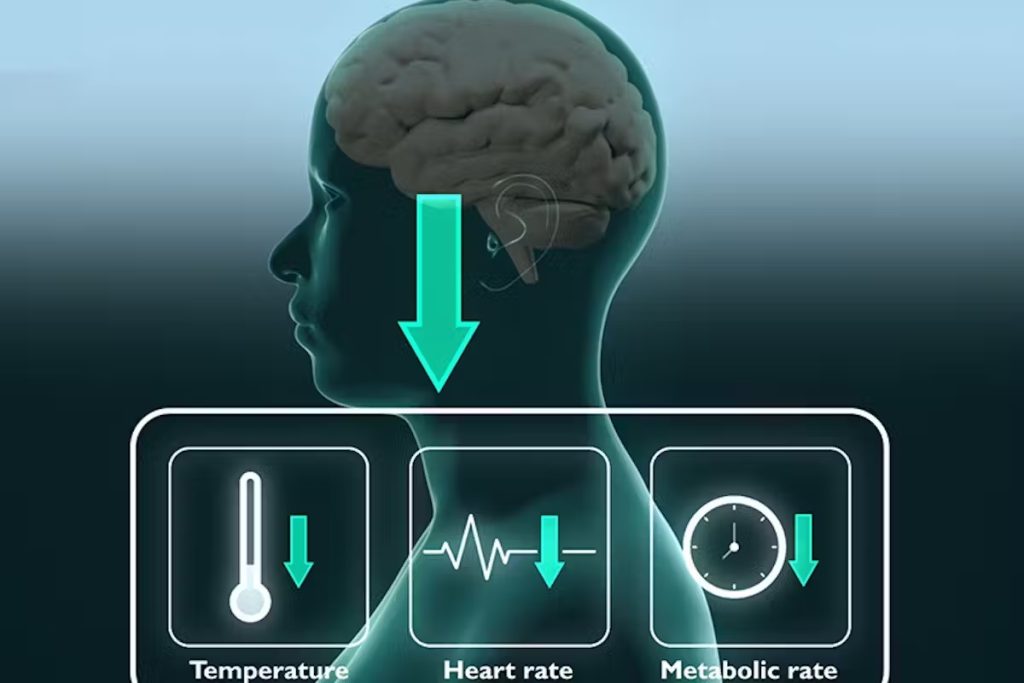
Nature is often the best model for science. For nearly a century, scientists have been trying to recreate the ability of some mammals and birds to survive extreme environmental conditions for brief or extended periods by going into torpor, when their body temperature and metabolic rate drop, allowing them to preserve energy and heat.
Taking inspiration from nature, Hong Chen, professor of biomedical engineering in the McKelvey School of Engineering and of neurosurgery at WashU Medicine, and an interdisciplinary team induced a reversible torpor-like state in mice by using focused ultrasound to stimulate the hypothalamus preoptic area in the brain, which helps to regulate body temperature and metabolism. In addition to the mouse, which naturally goes into torpor, Chen and her team induced torpor in a rat, which does not. Their findings, published in 2023 in Nature Metabolism, showed the first noninvasive and safe method to induce a torpor-like state by targeting the central nervous system.
Now, the team is in pursuit of translating induced, or synthetic, torpor into potential solutions for humans, such as when there is reduced blood flow to tissues or organs, to preserve organs for transplantation or to protect from radiation during space travel.
Conventional medical interventions focus on increasing energy supply, such as restoring blood flow to the brain after a stroke. Synthetic torpor seeks to do the opposite by reducing energy demand.
“The capability of synthetic torpor to regulate whole-body metabolism promises to transform medicine by offering novel strategies for medical interventions,” said Chen in a Perspectives paper published in Nature Metabolism July 31, 2025.
Synthetic torpor has been used successfully in preclinical models with medications and specialised targeting of the neural circuit, but there are challenges to adapting these methods for humans. Previous human trials with hydrogen sulfide were terminated early due to safety concerns.
“Our challenges include overcoming metabolic differences among animals and humans, choosing the correct dose of medication and creating ways to allow a reversible torpor-like state,” said Wenbo Wu, a biomedical engineering doctoral student in Chen’s lab and first author of the Perspectives paper, a collaboration between Chen’s team and Genshiro Sunagawa from the RIKEN Center for Biosystems Dynamics Research in Japan. “Collaboration among scientists, clinicians and ethicists will be critical to develop safe, effective and scalable solutions for synthetic torpor to become a practical solution in medicine.”
Chen’s team, including Yaoheng (Mack) Yang, who was a postdoctoral research associate in her lab and is now assistant professor of biomedical engineering at the University of Southern California, targeted the neural circuit with their induced torpor solution in mice. They created a wearable ultrasound transducer to stimulate the neurons in the hypothalamus preoptic area. When stimulated, the mice showed a drop in body temperature of about 3 degrees C for about one hour. In addition, the mice’s metabolism showed a change from using both carbohydrates and fat for energy to only fat, a key feature of torpor, and their heart rates fell by about 47%, all while at room temperature.
“Ultrasound is the only noninvasive energy modality capable of safely penetrating the skull and precisely targeting deep brain structures,” Chen said. “While ultrasound neuromodulation lacks cell-type specificity compared with genetic-based neuromodulation, it provides a noninvasive alternative for inducing synthetic torpor without the need for genetic modifications.”
Chen and her team indicate that synthetic torpor offers a promising therapeutic strategy with additional applications, including inhibiting tumour growth and potential development of new therapies for tau protein related diseases, such as Alzheimer’s disease. However, much remains unknown about how brain regions, peripheral organs and cellular pathways coordinate metabolic suppression and arousal. Researchers also need to study the long-term risks and potential side effects and call for more preclinical studies and technological innovations that will facilitate a dual approach, which would include modulating neural circuits associated with hypometabolism and influencing peripheral metabolic pathways through systemic interventions, such as with drugs or peripheral neuromodulation.
“Synthetic torpor is no longer just a theoretical concept – it is an emerging field with the potential to redefine medicine,” Chen said. “Bridging fundamental neuroscience, bioengineering and translational medicine will be key to overcoming current challenges and advancing synthetic torpor toward real-world applications. Synthetic torpor could transition from a scientific curiosity to a human reality through interdisciplinary collaborations.”