Author: ModernMedia

GP Researchers Call for Further Improvement of Hospital Discharge Summaries

Photo by National Cancer Institute on Unsplash

A new review of existing practice and policy, led by experts at the University of Nottingham, has highlighted the need to improve hospital doctors’ understanding of how GPs operate as ‘expert generalists’ as the key to tackling long-term issues around communication at hospital discharge.

When patients leave hospital, their GP receives a discharge summary to assist with their ongoing care. Missing information can affect the safety and quality of future care that the GP can provide and even lead to avoidable harm. Over 40 million summaries are produced every year in the English NHS, meaning that even small improvements could have significant effects.

Since the mid 2000’s, UK hospitals have been encouraged to use summary templates with standard headings to improve their quality. This has helped in many ways, but research shows that a ‘one-template-fits-all’ approach does not always work well for the GPs who receive and use the summaries.

The development paper, led by Dr Nicholas Boddy in the School of Medicine – and supported by the National Institute for Health and Care Research Greater Manchester Patient Safety Research Collaboration (NIHR GM PSRC) – acknowledges that although standard templates have improved discharge summaries, communication needs to become more orientated to the patient’s future care to achieve further progress.

The article, published in the journal Primary Health Care Research & Development this week, describes some of the key foundations for advancements, which need to be built upon with new research and later developed with patients, hospital and community staff.

Dr Boddy, who is a NIHR In-Practice Fellow in the Centre for Academic Primary Care at the University of Nottingham’s School of Medicine, and a practicing GP, said:

Standardised templates can lead to important details being left out, especially for patients with more complex health needs. For example, GPs often need to know not just what happened in hospital, but why certain decisions were made, what the patient’s views were, and how treatments are expected to work in future.”

Dr Nicholas Boddy, School of Medicine

The paper – written with co-authors Anthony Avery, Professor of Primary Health Care in the School of Medicine, and colleagues from the Universities of Hull and Warwick – argues for a more future-focussed, ‘purpose-driven’ approach to writing discharge summaries. This means considering what the summary will be used for and tailoring the content to the patient’s future care.

Dr Boddy adds: “Too little information can put patients at risk, while too much irrelevant detail can also be unhelpful: the GP may have very limited time to read the summary. To find the right balance of information, hospital doctors writing the summaries will need a strong understanding of what GPs (and other community-based clinicians) will want to know, and how generalist care differs from specialist hospital care.

“Improving this understanding can be difficult, and so more feedback, new training sessions, and placements that combine community and hospital work could help. New guidance that helps authors to look beyond the standard headings will also be very important.

“The overall picture shows that standardised templates have improved discharge summaries, but the next step is to encourage communication to become more tailored to the patient’s future care. Hospital teams will need to understand the GP’s perspective better to do this effectively.”

Source: University of Nottingham

Promising New Breakthrough for Preventing Kidney Damage in Type 1 Diabetes

Chronic kidney disease (CKD). Credit: Scientific Animations CC4.0

A new gene therapy approach aimed at protecting people with type 1 diabetes from developing diabetic kidney disease – a serious and common complication of the condition, has shown promising results in a University of Bristol study.

One in three people with type one diabetes will develop kidney damage during their lifetime, which can develop silently over many years, often going undetected until it becomes severe.

Current treatments can slow kidney damage but there are none that act on the root cause: a tiny filter called the glomerulus. A new study published in Molecular Therapy, demonstrated a 64% reduction in a damage indicator for kidney disease, paving the way for a potential new treatment.

The study, driven by first author, Dr Aldara Martin Alonso and led by Dr Rebecca Foster, Associate Professor of Microvascular Medicine at Bristol Medical School: Translational Health Sciences, explored the potential of delivering a protein called VEGF-C directly into kidney cells.

Previous studies have shown VEGFC could protect against kidney disease as it helps keeps blood vessels in the kidney filter healthy, repairing early signs of diabetes-related kidney damage.

To test whether this new approach could be used to treat or slow down kidney disease, the team used a harmless virus to deliver VEGF-C directly into the kidney cells of diabetic mice.

Their results showed that this approach not only helped the kidneys work better, but also protected a key part of the kidney filter that normally helps prevent damage. It led to a 64% reduction in albuminuria. Importantly, this reduction is more than twice the reduction recommended by the American Diabetes Association to slow the progression of chronic kidney disease.

Dr Foster, the study’s senior author, explained: “Currently, there are no drugs specifically available to protect people with type 1 diabetes from kidney disease, despite their higher risk of developing kidney disease. This gap in treatment highlights the urgent need for new therapeutic approaches. Our goal was to investigate whether gene therapy could offer a viable solution by delivering VEGFC in a more targeted way.”

Dr Foster added: “This gene therapy approach has not been explored before in pre-clinical models and offers a long-term solution for these patients who are at risk of developing kidney disease.”

Source: University of Bristol

New Expanding Pill for Weight Loss Reduces Hunger Cravings

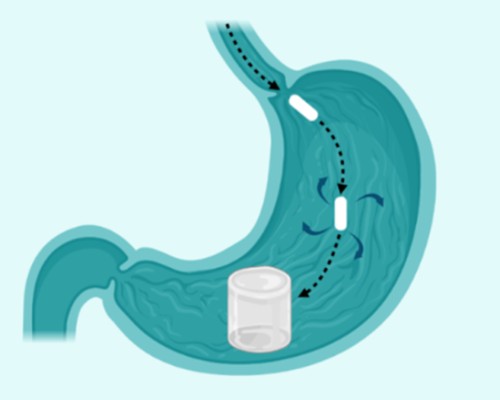
An illustration showing how Sirona works. Image credit: Oxford Medical Products

An innovative new pill could soon offer a new and affordable weight management treatment, following a successful clinical trial involving University of Bristol researchers and supported by the National Institute for Health and Care Research (NIHR). The results are published in the journal Obesity.

Sirona by Oxford Medical Products is a hydrogel-based pill that is designed to aid weight loss by reducing hunger.  After it is swallowed, the pill expands in the stomach, leading to faster satiety. This helps individuals to eat less without needing strong medications or injections.

Thirty-nine participants in Southampton took part at the NIHR Southampton Clinical Research Facility.

In the trial, funded by Innovate UK, participants lost up to 13.5% of their body weight in just six months. On average, people with class 1 obesity (BMI 30-35) lost 6.4% of their body weight.

Participants also ate on average 400 fewer calories per day compared to those taking a placebo. For context, recent Government-led research suggests that even a 216-calorie daily reduction could cut the UK’s obesity rate in half.

The trial was led by chief investigator Professor James Byrne in the NIHR Southampton Biomedical Research Centre.

Mr Byrne, a consultant surgeon at University Hospital Southampton, said: “Obesity is a chronic and often progressive disease. With obesity rates continuing to rise, these results are an important step towards providing a different treatment option.

“This trial demonstrated Sirona could be a safe, affordable, and non-pharmacological treatment to support long-term weight management.”

Sirona will be accessible to anyone with a BMI 25-40, which means Sirona is particularly well-suited to help two key patient types. Firstly, for patients with an overweight BMI (25–30), allowing them to proactively manage their weight and to avoid progressing into obesity and the serious health problems it can bring. Secondly, it is suitable for use as an ‘off-ramp’ for GLP-1 users looking to come off treatment but prevent weight regain, which often occurs once GLP-1 medication ceases.

GLP-1 medications have become very popular for weight loss, with around 1.5 million users in the UK. However, a significant proportion of users pay out of pocket and prices have recently doubled in the UK for some doses of Mounjaro.

Camilla Easter, CEO of Oxford Medical Products, added: “GLP-1 medications perform an important role in helping those with a BMI in the obese range to lose weight and reduce weight-related health risks. There is, however, a real opportunity for a new style of treatment to work in a complementary way to GLP-1s, in a format that is significantly less expensive, and with better tolerability and therefore more accessible for the majority.

“Sirona has demonstrated amazing results during testing with UK hospitals, which have now been externally peer-reviewed. Next, we are setting sights on commercial UK release plans, targeting 2027 to make Sirona available.”

Sirona is a dual-polymer hydrogel pill. That means it’s made from two types of safe materials that expand in the stomach. It doesn’t use drugs or chemicals to change how your body works.

The pill was well tolerated during the 24-week study. There were no serious adverse events. Participants lost up to 13.5% of their body weight in just 24 weeks, and individuals with class 1 obesity (BMI 30-35) lost 6.4% of their body weight on average.

Importantly, no serious adverse events were reported during the trial. Sirona was well tolerated (95 percent of patients adhered to the dosing regimen at 12 weeks) and demonstrated a fantastic safety and side effect profile. This makes Sirona appropriate for patients who have struggled with adverse side effects when using GLP-1 medications. 

OMP is planning a pivotal study in the UK and USA to further assess the effectiveness of Sirona and confirm these results. The novel weight loss treatment will aim for a 2027 UK commercial launch.

Source: University of Bristol

…er/weight-loss-pill.html↗

X-Chromosome Gene Behind Greater MS and Alzheimer’s Risk in Women

Mouse study reveals how females’ double X chromosomes drives brain inflammation and identifies diabetes drug as potential treatment

Photo by Karolina Grabowska on Pexels

New research by UCLA Health has identified a sex-chromosome linked gene that drives inflammation in the female brain, offering insight into why women are disproportionately affected by conditions such as Alzheimer’s disease and multiple sclerosis as well as offering a potential target for intervention. 

The study, published in the journal Science Translational Medicine, used a mouse model of multiple sclerosis to identify a gene on the X chromosome that drives inflammation in brain immune cells, known as microglia. Because females have two X chromosomes, as opposed to only one in males, they get a “double dose” of inflammation, which plays a major role in ageing, Alzheimer’s disease and multiple sclerosis.  

When the gene, known as Kdm6a, and its associated protein were deactivated, the multiple sclerosis-like disease and neuropathology were both ameliorated with high significance in female mice.  

“It has long been known that there are sex differences in the brain. These can impact both health and neurological diseases,” said study lead author Dr Rhonda Voskuhl, director of the Multiple Sclerosis Program at UCLA Health and lead neurologist for the UCLA Comprehensive Menopause Program. “Multiple sclerosis and Alzheimer’s disease each affect women more often than men, about two to three times as often. Also, two-thirds of healthy women have ‘brain fog’ during menopause. These new findings explain why and point to a new treatment to target this.”  

When first author Dr Yuichiro Itoh of the Voskuhl lab genetically “knocked out” the gene Kdm6a in brain immune cells, the inflammatory molecules shifted from being activated to a resting state. Additionally, the Voskuhl team performed a pharmacologic “knock down” of the protein made by this gene using metformin. Metformin is widely used as a treatment for diabetes, but is currently being researched for potential anti-ageing properties.  

While these interventions were highly significant in female mice, their effect was almost undetectable in males, Voskuhl said. 

“This is consistent with there being ‘more to block’ in females due to having two copies of the X-linked gene,” said Voskuhl, who is also a professor of neurology at UCLA Health. “It’s also why females are more likely to get MS and AD than males. This has implications for the clinic. Women may respond differently to metformin treatment than men.” 

Voskuhl said the findings may also have implications for explaining a connection to brain fog in healthy women during menopause.  

“Sex chromosomes and sex hormones achieve a balance through evolution,” Voskuhl said. “There is a selection bias to do so. Females have a balance between X chromosome-driven inflammation that can be good to fight infections at child-bearing ages. This is held in check by oestrogen, which is anti-inflammatory and neuroprotective. As women age, menopause causes loss of oestrogen, unleashing the proinflammatory and neurodegenerative effects of this X chromosome the brain immune cell.”  

Voskuhl says together, these findings may support use of oestrogens that target the brain to keep the balance, and thereby protect the brain, during menopause.

Source: UCLA Health

Caesarean Delivery Linked to Higher Risk of Pain and Sleep Problems After Childbirth

New mothers are more likely to experience severe pain that disrupts sleep and activities of daily living, as well as develop sleep disorders, if they give birth by caesarean delivery (C-section), suggests research presented at the ANESTHESIOLOGY® 2025 annual meeting.

“Sleep is often overlooked in postpartum recovery, but it is central to a mother’s physical and mental health,” said Moe Takenoshita, MBBCh, lead author of the study and a postdoctoral scholar in the department of anaesthesia at Stanford University Center for Academic Medicine. “Caesarean delivery in particular appears to increase the risk for severe pain and sleep disorders, which can lead to postpartum depression, thinking and memory problems, and fatigue, as well as disrupt bonding with their babies and relationships with family and friends.”

The study included both qualitative and quantitative analyses. For the qualitative analysis, the authors interviewed 41 mothers about their pain and sleep experiences after childbirth, 24 of whom had vaginal births, 11 who had scheduled C-sections and six whose C-sections were unplanned. More than two-thirds of the mothers who had C-sections (73% of the scheduled cesareans and 67% of the unplanned) reported severe pain that disrupted sleep and activities of daily living, compared to 8% of those who had vaginal births.

For the quantitative study, the authors analysed a nationwide insurance database of more than 1.5 million mothers who delivered babies between 2008 and 2021. They determined that individuals who have C-sections are 16% more likely to be diagnosed with a new sleep disorder (eg, insomnia, sleep deprivation or obstructive sleep apnoea) between a month and a year after giving birth, compared to those who delivered vaginally.

New mothers, especially those recovering from C-sections, should be sure to manage pain adequately, since untreated pain can worsen sleep, said Dr Takenoshita. Other measures that can help to improve sleep include regular exercise as appropriate, sleeping when the baby sleeps, avoiding caffeine or alcohol late in the day, and relaxing before bed by taking a bath or practising deep breathing.

“About one-third of U.S. births are C-sections,” said Dr Takenoshita. “Those who are planning a C-section should understand that the procedure is linked to more severe pain after delivery and a higher risk of sleep disorders. Anyone having sleep problems during pregnancy or after childbirth should discuss their concerns with their physician, who can evaluate the issue, make recommendations and refer them to a specialist if necessary.”

Source: American Society of Anesthesiologists

Prostate Cancer Therapy Improved with Focused Ultrasound

Credit: Darryl Leja National Human Genome Research Institute National Institutes Of Health

Combining an existing small-molecule protein therapy called tumour necrosis factor related apoptosis-inducing ligand (TRAIL) with focused ultrasound (FUS) can significantly reduce tumour size and burden in prostate cancer models, according to a new study published in Advanced Science by researchers at Rice University and Vanderbilt University.

Around the world, about 10 million people die of cancer each year. This collaborative study, led by Michael King, bioengineering professor at Rice, and Charles Caskey, associate professor in radiology and radiological sciences at Vanderbilt, is the first to demonstrate that low-intensity mechanical force in combination with TRAIL can treat cancers.

The study sheds new light on how low-intensity focused ultrasound and soluble TRAIL specifically destroy cancer cells within the compact environment of a primary prostate cancer lesion.

Urgency for safe, effective therapy for prostate cancer

“There is urgent need to improve how we treat advanced and recurrent prostate cancer, which is the second-leading cause of death among men in the United States and is the most frequently diagnosed cancer in more than 100 countries,” said King, who is a Cancer Prevention and Research Institute of Texas Scholar. “We have now found a safe, effective and noninvasive way to enhance the antitumor effects of a specific cancer drug (TRAIL), a promising finding which we are hopeful can soon be translated for clinical care.”

Current standard-of-care prostate cancer treatments are associated with severe adverse effects. In recent years, FUS-based therapies have been gaining attention since they can be localised specifically to tumour tissue, resulting in fewer off-target effects.

Mechanical stimuli amplify anticancer effects of TRAIL via Piezo1

TRAIL protein specifically induces the death of cancer cells without harming nearby healthy cells. However, despite promising results in lab studies, only a few cancer patients have shown improvements with intravenous administration of TRAIL in clinical trials. This is because TRAIL has a very short half-life (~30 minutes) and remains in blood circulation only briefly before it gets destroyed.

Thus, to effectively eliminate cancer cells, TRAIL therapy needs to be administered multiple times per day, which is not only inconvenient but also increases the risk of unwanted side effects.

“Previously, we had found certain mechanical forces like fluid shear stress (FSS) could amplify the anticancer effects of TRAIL with an influx of calcium and activation of a protein called Piezo1 that triggered cell death,” King said.

However, FSS is not clinically applicable for solid tumours because it is only present in the circulatory and lymphatic systems and thus only effective against circulating tumour cells, which are often observed at later stages of malignancy.

“The field is still lacking a straightforward and effective clinical approach that combines the application of mechanical force with soluble TRAIL as a localised therapeutic to treat primary prostate tumours effectively before they metastasise to different locations, which prompted us to undertake this preclinical study to examine if FUS might be a good candidate to be developed into a combination therapy for prostate cancer,” King said.

Low-intensity FUS acts synergistically with TRAIL to reduce prostate tumours in lab

Using prostate cancer cell lines, Abigail Fabiano and Malachy Newman – graduate students mentored by King and Caskey respectively – performed several experiments to refine and optimise several operational parameters of in vitro FUS.

Their initial goal was to ensure that the nearby healthy cells remained unharmed by the mechanical shear forces. Next, they found that combination therapy of FUS and TRAIL was much more effective in reducing the number of cancer cells and size of tumours than FUS or TRAIL alone, supporting the idea that the synergistic action of TRAIL and FUS-mediated Piezo1 activation is key to achieving maximum tumour reduction.

“This foundational study provides crucial preclinical insights that can be used to develop a novel combination therapy for prostate cancer,” King said. “Furthermore, it opens the doors to many new avenues for using mechanotherapy in medicine and has far-reaching implications in how FUS and other mechanical therapies can be combined with small-molecule protein therapy and other drugs to effectively treat various types of cancers with fewer adverse effects in the future.”

Source: Rice University

Hope Blooms in Durban – A Spring High Tea with Purpose

Photo by Joanna Kosinska on Unsplash

October is Breast Cancer Awareness Month, and what better way to celebrate than with floral elegance, an exquisite high tea, motivational speakers, and a live auction – all in the spirit of hope and healing.

On Saturday morning, 25th October 2025, at 11 am, PinkDrive will host their Hope Blooms High Tea at the Radisson Blu Hotel, Durban Umhlanga, a time of spring celebration and impactful fundraising.  And you’re invited!

PinkDrive is a non-profit organisation (NPO) committed to prolonging lives through early detection of gender-related cancers. They operate mobile health units – those iconic pink trucks – that travel to rural and township areas to provide essential screenings to those who lack or have limited access to adequate healthcare.

Recent Rio Tinto outreach statistics highlight the urgent need for such interventions. In just one week in KwaZulu-Natal, 2251 health services were rendered, including 146 mammograms and 141 clinical breast examinations.

PinkDrive receives no government funding, relying entirely on donations, corporate partnerships, and community support to sustain its essential work. Among these partners is Lee-Chem Laboratories through their Mandy’s brand.

“This cause is deeply important to us – we’ve proudly supported PinkDrive for many years as a long-term corporate partner because of the difference they make in communities that need it most,” says Bhavna Sanker, Marketing Manager at Lee-Chem Laboratories. “It is a privilege to stand alongside them in their efforts to promote early detection and prolong lives. The Hope Blooms fundraiser perfectly reflects our shared commitment to raising awareness, providing crucial screening, and ultimately bringing hope where it’s needed most,” she explains. “We therefore want to encourage the public to also get involved by purchasing a ticket and enjoying an uplifting morning in support of PinkDrive’s vital work.

According to Janice Benecke from PinkDrive, corporate sponsors and partnerships, like that of Mandy’s, enable them to deliver this essential community service. “Mandy’s has been a proud supporter of PinkDrive for many years, generously providing branding, hampers, and product samples, along with an annual donation,” she says. “Through sponsored events like Hope Blooms, we hope to inspire further partnerships and support for our mission.”

Dr Marion Algar, Clinical Oncologist at Hopelands Cancer Centre specialising in breast cancer treatment, and Advocate Pria Hassan, founder of Women of Africa and champion of accessible healthcare through initiatives like iBreast, will share their insights as guest speakers. The elegant affair will be hosted by the lovely Delia Kroll, Mrs SA 2024 finalist, and attendees can also look forward to a welcome drink, networking opportunities, raffle prizes, gift bags, and an exciting live auction. Proceeds will go towards supporting PinkDrive’s free services, including clinical breast examinations, education, pap smears, and funding toward a new mammogram truck. Last year’s event raised R25 000; this year’s goal is to double that amount through your support.

“Hope Blooms reflects the courage, resilience, and renewal that come with a breast cancer journey,” notes Benecke. “Just like flowers that bloom after winter, it’s a reminder that through awareness, support, and love, hope always finds a way to grow.”

She concludes: “We want everyone to leave with this key message, and it’sa motto that I live by: ‘Only Believe, All Things Are Possible.’ Just look at me, I am a walking miracle.”

Tickets are R695 per person with a floral dress code. 10% of proceeds go directly to PinkDrive, and bookings can be made at info.durban.umhlanga@radissonblu.com. So why not consider purchasing a corporate table, inviting members from your sports or social club, or coming along with friends to enjoy a morning of elegance and purpose?

We look forward to welcoming you.

Global Study Challenges Age-Based Treatment Decisions in Leukaemia

Study of 2,800 patients suggests moving beyond chronological cut-offs in cancer care

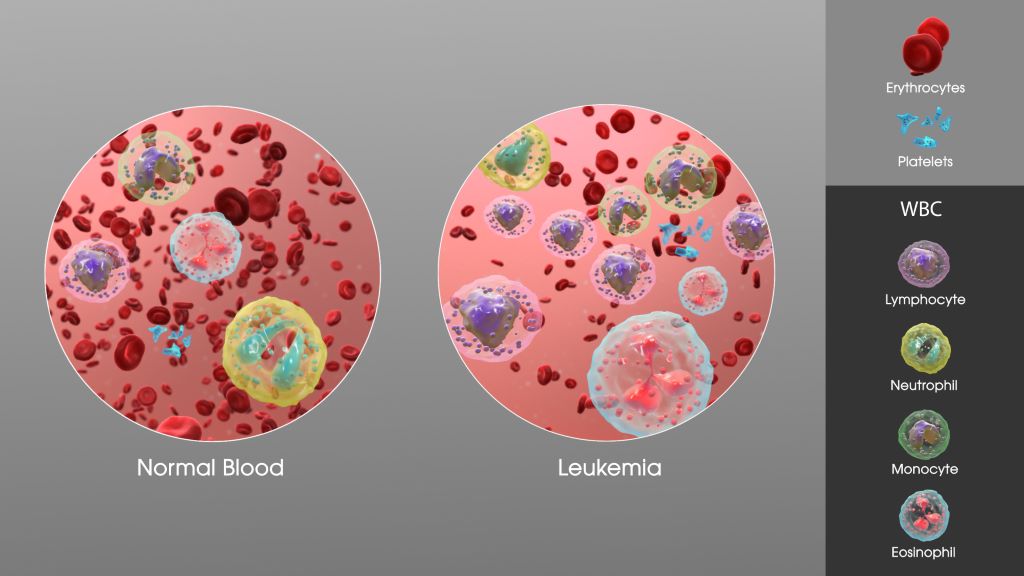
SAG Leukaemia. Credit: Scientific Animations CC0

An international study conducted by the Alliance for Clinical Trials in Oncology and the Acute Myeloid Leukemia Cooperative Group reveals that age-based classifications in the treatment of acute myeloid leukaemia (AML) may be outdated and overly simplistic.

AML is a fast-growing cancer of the blood and bone marrow that disproportionately affects older adults. Historically, age has been a key factor in determining treatment intensity, eligibility for clinical trials, and access to targeted therapies. However, this new research suggests that age alone is not a reliable indicator of disease biology or prognosis.

“Our findings support a more flexible, biology-driven approach to AML treatment and trial design. Age alone should not be a gatekeeper to potentially life-saving therapies,” said Alliance researcher and lead author Ann-Kathrin Eisfeld, MD, associate professor of Internal Medicine and director of the Clara D. Bloomfield Center for Leukemia Outcomes Research at The Ohio State University. “Our results suggest reconsidering age-based eligibility criteria for treatments. By focusing on molecular and genetic profiles rather than chronological age, clinicians may better tailor treatments to individual patients, improving outcomes and expanding access to novel therapies.”

Published in Leukemiathe study analysed data from 2823 adult AML patients treated in the setting of large cooperative group frontline trials across the United States (CALGB/Alliance) and Germany (AMLCG), uncovering nuanced age-related trends in genetic mutations and survival outcomes that challenge current clinical practices. This research is the first large-scale, cross continental study to analyse the mutational patterns and outcomes among patients of all age groups with AML.

The analysis included patients treated with frontline cytarabine-based chemotherapy between 1986 and 2017. Molecular profiling was conducted using targeted sequencing platforms, and survival outcomes were assessed using the 2022 European LeukemiaNet (ELN) genetic-risk classification.

The study found no clear age threshold that could biologically or prognostically separate patients into distinct groups. Instead, genetic mutations and survival outcomes varied continuously across the age spectrum. This challenges the long-standing practice of using arbitrary age cut-offs, such as 60 or 65 years, to guide treatment decisions.

Survival outcomes also declined steadily with age, even among patients classified as having favourable genetic risk. For example, patients aged 18 to 24 with favourable-risk AML had a five-year overall survival rate of 73%, while those aged 75 and older had a survival rate of just 21%. This trend was consistent across all risk categories, indicating that age negatively impacts prognosis regardless of genetic classification.

“This research arrives at a critical moment in oncology, as precision medicine continues to transform cancer care,” added Dr Eisfeld. “Most targeted treatment options are still only available for patients above a certain age threshold that is dictated by corresponding inclusion criteria of pivotal clinical trials, even though patients outside of that age range might equally benefit from these often less toxic treatments.”

Source: Alliance for Clinical Trials in Oncology

Pharmacists Can Treat People with HIV, Appeal Court Rules

“Legitimate and compelling public interests” to allow pharmacists to initiate antiretroviral treatment, says judge

By Tania Broughton

Pharmacists can initiate people with HIV on antiretroviral treatment, the Supreme Court of Appeal has ruled. Photo: GroundUp Staff

The Supreme Court of Appeal (SCA) has dismissed, with costs, an appeal by a doctor’s organisation, the IPA Foundation, aimed at stopping specially trained pharmacists from treating people with HIV and TB.

The IPA first took its dispute with the South African Pharmacy Council (SAPC) to the Gauteng High Court in Pretoria. In 2023, Judge Elmarie van der Schyff ruled in favour of the pharmacists, giving a judicial go-ahead for the council to introduce its Pharmacy-Initiated Management of Antiretroviral Treatment (PIMART) initiative.

However the IPA Foundation, intent on having the initiative set aside, took this ruling on appeal to the SCA. In that court, five judges this week ruled against it. The ruling came nearly 11 months after the case was heard, far more than the three months that judicial norms provide for when a judgment is reserved.

Read the judgment

Justice Tati Makgoka, writing for the court, said the initiative was created in response to a persistent rise in new HIV infection rates.

The SAPC, at the department’s request, deemed PIMART suitable for addressing this issue.

“As the high court correctly found, the SAPC evaluated the risks associated with pharmacists initiating first-line ART [antiretroviral treatment] and TPT [tuberculosis preventive therapy] as well as providing medicines for PrEP [Pre-Exposure Prophylaxis of HIV] and PEP [Post Exposure Prophylaxis of HIV], considering the risks when deciding to approve the PIMART training.

“The uncontested evidence presented by the SAPC demonstrates that the approved accreditation process for PIMART was rigorous and thorough,” Makgoka said.

In her previous judgment, Van Der Schyff had noted that a pilot project had emphasised the value of the initiative, which was in line with the World Health Organisation’s vision to promote widely accessible primary health care.

“The untapped value of pharmacists in fighting HIV was also emphasised by the efficient role pharmacies played in meeting health care needs and providing health care services during the Covid-19 pandemic,” she said.

“The need to widen access to first line ART and TPT therapy on a community level is not a figment of SAPC’s imagination but a dire need that is also evinced in other countries.”

The IPA Foundation had approached the Pretoria court, under the Promotion of Administrative Justice Act (PAJA), seeking to review and set aside the SAPC’s decision to implement PIMART.

IPA claimed that the SAPC had failed to give interested parties an adequate opportunity to comment before the initiative was implemented. It further contended that PIMART unjustifiably encroached on the domain of medical practitioners and was in conflict with legislation.

On appeal, the IPA persisted with these arguments.

Dealing with the background, Justice Makgoka said the SAPC had published a notice in the government gazette in March 2021 regarding the proposed adoption of PIMART, giving interested parties 60 days to comment. This resulted in government approval later that year.

It was only after this that the IPA submitted its comments and objections.

Following engagements, the IPA lodged the review application in the high court.

On the issue that the IPA and its members claimed they were not given sufficient notice of PIMART, because it was advertised in the government gazette during the Covid-19 pandemic – Makgoka said there was no suggestion that the pandemic had “paralysed the administrative functions” of the IPA.

Remarkably, the judge said, the IPA had not suggested that the notice did not come to its attention, finding that adequate notice had been given. Makgoka said that several other organisations had submitted comments during the prescribed period.

He said the IPA had also not challenged the validity of the Pharmacy Act, which specified publication in the gazette and in the absence of that, it was not open for it to say the publication was inadequate.

Makgoka said the IPA had introduced the issue of “rationality” only in its notice of appeal. However, the court had dealt with this because there was no prejudice to the SAPC.

In ruling on this issue, he said PIMART was a crucial intervention in the public interest, which had been devised by a group of medical experts.

“Through PIMART, the SAPC aimed to improve access to healthcare. Contrary to the IPA’s contentions, PIMART is an essential intervention in the fight against HIV/AIDS. Its introduction constitutes a rational legislative and practical measure with the competence of the SAPC as an organ of the state in enhancing access to healthcare for HIV treatment, in fulfilment of the state’s obligation under the Constitution,” Makgoka said.

“These are legitimate and compelling public interests.”

He said the IPA was wrong in believing that PIMART was a blanket licence for pharmacists to treat HIV patients.

“Its scope is limited and applies only to accredited pharmacists. It will not alter the scope of practice for medical practitioners. The fact is that medical practitioners do not have the exclusive rights to care for people living with HIV/AIDS. This is a collaborative effort involving various health professionals.”

The IPA had also submitted that pharmacists were not authorised to prescribe schedule 3, 4 and 5 medicines without a prescription.

However, the judge said, the Medicines Act carved out an exception to this with authorisation of the Director-General. It was through this that PIMART-accredited pharmacists could apply for permits to prescribe schedule 3 – 5 substances.

The appeal was dismissed with costs.

Certainly not all doctors oppose the idea of pharmacists initiating patients with HIV on treatment: the South African HIV Clinicians Society stated: “We look forward to supporting the rollout of PIMART which will further contribute to South Africa’s HIV response and progress towards the 2030 target of eliminating HIV as a public health concern.”

Republished from GroundUp under a Creative Commons Attribution-NoDerivatives 4.0 International License.

Read the original article.

Targeted Steroid Use Might Offer a Universal Complementary Treatment for TB

Tuberculosis bacteria. Credit: CDC

While steroids like dexamethasone are used in certain tuberculosis cases (eg, TB meningitis), their impact on immune cells is not well understood. Given the renewed interest in the steroid dexamethasone, as a host-directed treatment during the COVID-19 pandemic, a Trinity College Dublin team provides evidence that treating patients with steroids may enhance the function of their macrophages to kill the mycobacteria, while diminishing pathways of inflammatory damage. The study is published now in the journal Scientific Reports.

The team’s goal was to determine whether dexamethasone impacts the macrophage’s ability to fight TB. Although glucocorticoids can reactivate TB, they are paradoxically the only adjunctive host-directed therapies that are recommended by the World Health Organization for TB. Steroids are given to patients alongside antimicrobials in certain circumstances, however, scientists don’t fully understand the effect of these drugs on the immune system, especially innate immune cells such as macrophages.

The researchers studied immune cells called macrophages derived from the blood of healthy volunteers or isolated from lung fluid donated by patients undergoing routine bronchoscopies. By treating and infecting these macrophages in the lab with Mycobacterium tuberculosis (Mtb), the scientists could examine and understand how dexamethasone affects the immune response that protects the lungs during infection.

Key findings from the study

  • Dexamethasone a potent glucocorticoid reduces glycolysis in human lung and blood derived macrophages. This reduces the amount of energy available in the cell.
  • Dexamethasone reduced the production of both pro and anti-inflammatory cytokines measured in the study, IL-1β, TNF, IL-6, IL-8 and IL-10. Although helpful for immunity, limiting the production can also limit damage from excessive inflammation.
  • Mtb-infected macrophages have increased survival when they were treated with dexamethasone. This suggests that dexamethasone may protect macrophages from dying due to the harmful effects of infection or detrimental immune responses to infection.
  • Dexamethasone reduces bacterial burden in infected macrophages, and we have identified that this is at least partly mediated by autophagy and phagosomal acidification. Dexamethasone can enhance the macrophages’ ability to degrade and clear bacteria helping to overcome infection with Mtb.

This study identifies that macrophages from different sources have differential responses to glucocorticoids. This highlights that tissue origin can influence how macrophages react to drugs, which may be important for targeting treatment strategies. This is one of the first studies to show that dexamethasone can reduce inflammation while preserving or enhancing antimicrobial function in primary human lung macrophages infected with Mtb.

How could this research change a patient’s life?

The findings support the use of steroids as an extra therapy in conjunction with existing antimicrobial therapies in TB treatment, especially in cases with excessive inflammation. Steroids might also be useful with antimicrobials in TB preventative therapy, to reduce progression from latent TB infection to active TB disease. This study opens avenues for macrophage-targeted steroid therapies that balance inflammation control with antimicrobial defence.

For now, researchers hope this study will hasten the recovery of TB patients who experience debilitating symptoms, often for months into existing therapy.

Dr Donal Cox, Senior Research Fellow, Clinical Medicine, Trinity College Dublin said:

“Our study shows that dexamethasone, which is known to dampen inflammation, can also help macrophages fight tuberculosis more effectively. This challenges the assumption that steroids always suppress immunity and opens the door to smarter, targeted adjunctive therapies that balance inflammation control with antimicrobial defence.”

Prof Joseph Keane, Professor of Medicine, Trinity College Dublin and Consultant Respiratory Physician, St James Hospital said:

“In clinical practice, steroids are the most under-used adjunctive therapy for TB. We often rely on steroids to manage inflammation in tuberculosis, particularly in severe forms like TB meningitis. What’s reassuring from this study, is that dexamethasone not only tempers inflammation but also appears to support the macrophage’s ability to control infection. This study provides new evidence to help us redefine steroid use in TB care—targeting inflammation without compromising antimicrobial defence.”

Next steps for this research

Developing steroid therapies that can be specifically targeted to lung macrophages via mechanisms such as inhaled nanoparticles might be an option to translating this into better therapy. The team also wants to identify how steroids altered different metabolic pathways in human lung macrophages and not in blood derived macrophages so they can exploit this to make steroid therapies better in the future.

Source: Trinity College Dublin