Author: ModernMedia

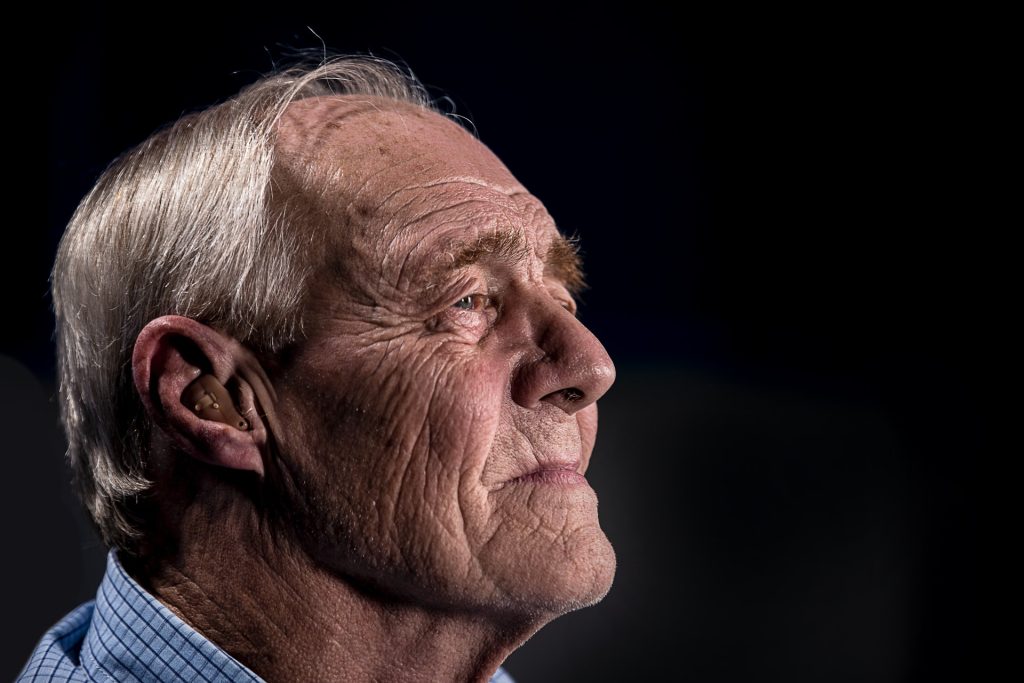
First-visit Communication with Doctor Affects Outcomes of Pain Patients

Photo by Alex Green on Pexels

Chronic pain, defined as daily or significant pain that lasts more than three month, can be complicated to diagnose and treat. Studies have shown that, since chronic pain conditions are clouded with uncertainties, patients often struggle with anxiety and depression – something challenging to for they and their doctors to discuss and manage.

A recent study of 200 chronic neck or back pain sufferers found that effective physician-patient communication during the initial consultation helps patients manage their uncertainties, including their fears, anxieties and confidence in their ability to cope with their condition.

Study leader Charee Thompson, communication professor at University of Illinois Urbana-Champaign, said: “We found that providers and patients who perceive themselves and each other as competent medical communicators during consultations can alleviate patients’ negative feelings of uncertainty such as distress and increase their positive feelings about uncertainties such as their sense of hope and beliefs in their pain-management self-efficacy. Providers and patients successfully manage patients’ uncertainty through two fundamental medical communication processes – informational and socioemotional, each of which can have important clinical implications.”

According to the study, informational competence reflects patients’ abilities to accurately describe their symptoms and verify their understanding of doctors’ explanations and instructions, as well as clinicians asking appropriate questions, providing clear explanations and confirming patients’ understanding. The extent to which doctors and patients establish a trusting relationship through open, honest communication and patients’ feelings of being emotionally supported by the physician reflects socioemotional communication competence.

Thompson and her co-authors — Manuel D. Pulido, a communication professor at California State University, Long Beach; and neurosurgery chair Dr. Paul M. Arnold and medical student Suma Ganjidi, both of the Carle Illinois College of Medicine — published their findings in the Journal of Health Communication.

The current study was based on uncertainty management theory, the hypothesis that people faced with uncertainty about a health condition appraise it and decide whether obtaining information is a benefit or a threat. For example, patients may seek information about the origins of a new symptom to mitigate their anxiety-related uncertainty — or, conversely, they might avoid information-seeking so they can maintain hopeful uncertainty about their prognosis, the team wrote.

The study was conducted at an institute in the Midwest composed of several clinics and programs that treat diseases and injuries of the brain, spinal cord and nervous system. Ranging in age from 18–75, those in the study sample had pain that included but was not limited to their neck, back, buttocks and lower extremities. About 59% of the patients were female. 

Before the consultation, the patients completed surveys rating how they experienced and managed their pain and their certainty or uncertainty about it. They and the providers also completed post-consultation surveys rating themselves and each other on their communication skills. 

The patients rated how well the provider ensured that they understood their explanations and asked questions related to their medical problem. 

To determine if patients’ levels of uncertainty changed, on the pre- and post-consultation surveys the patients ranked how certain or uncertain they felt about six aspects of their pain – including its cause, diagnosis, prognosis, the available treatment options and the risks and benefits of those. The patients also rated themselves on catastrophising – their tendency to worry that they would always be in pain and never find relief.

Patients’ feelings of distress were reduced when they and their physician mutually agreed that the other person was effective at seeking and providing medical information, and when the patients felt emotionally supported by their doctors, the team found.

“Patients’ ratings of their providers’ communication competency significantly predicted reductions in their pain-related uncertainty and in their appraisals of fear and anxiety, as well as increases in their positive uncertainty and pain self-efficacy,” Thompson said. “Providers’ reports of patients’ communication competency were likewise associated with decreases in patients’ pain-related uncertainty and marginally significant improvements in their positive appraisals of uncertainty.”

In a related study, the U. of I.-led team found that, for a subset of spinal pain patients, satisfaction, trust in and agreement with their doctor were strongly associated with the doctors exceeding patients’ expectations for shared decision-making and the quality of the provider’s history-taking and people skills. U. of I. graduate student Junhyung Han was a co-author of that paper, which was published in the journal Patient Education and Counseling

The team wrote that providers and patients need to discuss their mutual expectations for testing, medication and treatment, such as which options are worth pursuing and their potential to meet patients’ expectations for pain relief. 

Thompson said that while these studies’ findings highlight the effects that providers’ overall communication skills have on chronic pain patients’ emotions, expectations and attitudes about their condition, the patients’ communication skills matter, too. 

“I wanted to challenge the notion that pain patients are frustrated or ‘difficult’ because they have unrealistic standards,” Thompson said. “No matter how high their expectations are, what seems to matter most to conversation outcomes is the extent to which patients’ expectations are met or exceeded.

“Consultations mark what may be a long, challenging diagnostic and treatment journey for these patients, and they could benefit from learning about therapies and strategies to help them manage their pain and uncertainties,” Thompson said. “Giving them the tools and language to communicate their symptoms and concerns to providers could make their interactions more productive. Learning about the uncertain nature of pain may validate their fears and anxieties, while awareness and education about the various treatment options and therapies such as cognitive behavioural therapy could enhance their coping and dispel feelings of helplessness and fear.”


Source: University of Illinois at Urbana-Champaign

Polypharmacy Negatively Impacts Older Adults with Dementia

Photo by Kampus Production

Over 30% of older adults take five or more medications daily, which is termed polypharmacy. It is associated with poor health outcomes like falls, medication interactions, hospitalisations and even death. Multiple chronic conditions in older adults increases the risk of polypharmacy. While polypharmacy is more common in older adults with Alzheimer’s disease and related dementias, there is little research examining the impact on symptoms, health outcomes and physical function.

Researchers from Drexel University’s College of Nursing and Health Professions recently published a study in Biological Research For Nursing examining symptoms, health outcomes and physical function over time in older adults with and without Alzheimer’s disease and related dementias and polypharmacy.

Led by Martha Coates, PhD, the research team found that individuals who are experiencing polypharmacy and have Alzheimer’s disease and related dementias experience more symptoms, falls, hospitalisations, mortality and had lower physical function – indicating that polypharmacy can also negatively impact quality of life for older adults with Alzheimer’s disease and related dementias.

“The cut-off of point of five or more medications daily has been associated with adverse health outcomes in previous research, and as the number of medications increase the risk of adverse drug events and harm increases,” said Coates.

The research team used a publicly available dataset from the National Health and Aging Trends Study – a nationally representative sample of Medicare beneficiaries in the United States from Johns Hopkins University. Since 2011, data is collected yearly to examine social, physical, technological and functional domains that are important in aging.

For this study, the research team used data from 2016 through 2019 to compare changes in symptoms, health outcomes and physical function among four groups: 1) those with Alzheimer’s disease and related dementias and polypharmacy; 2) those with Alzheimer’s disease and related dementias only; 3) those with polypharmacy only; and 4) those without either Alzheimer’s disease and related dementias or polypharmacy.

Coates explained that the researchers used analytic weights to analyse the data, which generates national estimates, making the sample of 2052 individuals representative of 12 million Medicare beneficiaries in the US, increasing the generalisability of the findings.

“We found that older adults with Alzheimer’s disease and related dementias and polypharmacy experienced more unpleasant symptoms, increased odds of falling, being hospitalised and mortality compared to those without Alzheimer’s disease and related dementias and polypharmacy,” said Coates. “They also experienced more functional decline, required more assistance with activities of daily living like eating, bathing and dressing, and were more likely to need an assistive device like a cane or walker.”

Coates noted that there are tools available to help health care providers review and manage medication regimens for older adults experiencing polypharmacy and possibly taking medications that are potentially inappropriate or no longer provide benefit. However, currently there are no specific tools like that for older adults with Alzheimer’s disease and related dementias.

The findings from this research shed light on the negative impact polypharmacy can have on older adults with Alzheimer’s disease and related dementias. But Coates added that further research is needed to develop strategies to reduce the occurrence of polypharmacy in people with Alzheimer’s disease and related dementias.

The research team anticipates this study will help guide future analysis of the impact of specific medications on health outcomes in individuals with Alzheimer’s disease and related dementias and that it provides a foundation to support intervention development for medication optimisation in older adults with Alzheimer’s disease and related dementias and polypharmacy.

Source: Drexler University

Heart Attacks Trigger a Greater Need for Sleep to Promote Healing

Photo by Cottonbro on Pexels

A heart attack can trigger a desire to get more sleep, allowing the heart to heal and reduce inflammation as a result of the heart’s special signals to the brain, according to a new Mount Sinai study. This is the first study showing how the heart and brain communicate via the immune system to promote sleep and recovery after a major cardiovascular event.

The novel findings, published in Naturehighlight the importance of increased sleep after a heart attack, and suggest that sufficient sleep should be a focus of post-heart-attack clinical management and care, including in intensive care, where sleep is frequently disrupted, along with cardiac rehabilitation.

“This study is the first to demonstrate that the heart regulates sleep during cardiovascular injury by using the immune system to signal to the brain. Our data show that after a myocardial infarction (heart attack) the brain undergoes profound changes that augment sleep, and that in the weeks following a myocardial infarction, sleep abundance and drive is increased,” says senior author Cameron McAlpine, PhD, Assistant Professor of Medicine (Cardiology), and Neuroscience, at the Icahn School of Medicine at Mount Sinai. “We found that neuro-inflammation and the recruitment of immune cells called monocytes to the brain after a myocardial infarction is a beneficial and adaptive response that increases sleep to enable heart healing and the reduction of damaging cardiac inflammation.”

The researchers from the Cardiovascular Research Institute at Icahn Mount Sinai first used mouse models to discover this phenomenon. They induced heart attacks in half of the mice and performed high-resolution imaging and cell analysis, and used implantable wireless electroencephalogram devices to record electrical signals from their brains and analyse sleep patterns. After the heart attack, they found a three-fold increase in slow-wave sleep, a deep stage of sleep characterized by slow brain waves and reduced muscle activity. This increase in sleep occurred quickly after the heart attack and lasted one week.

When the researchers studied the brains of the mice with heart attacks, they found that immune cells called monocytes were recruited from the blood to the brain and used a protein called tumour necrosis factor (TNF) to activate neurons in an area of the brain called the thalamus, which caused the increase in sleep. This happened within hours after the cardiac event, and none of this occurred in the mice that did not have heart attacks.

The researchers then used sophisticated approaches to manipulate neuron TNF signaling in the thalamus and uncovered that the sleeping brain uses the nervous system to send signals back to the heart to reduce heart stress, promote healing, and decrease heart inflammation after a heart attack. To further identify the function of increased sleep after a heart attack, the researchers also interrupted the sleep of some of the mice. The mice with sleep disruption after a heart attack had an increase in heart sympathetic stress responses and inflammation, leading to slower recovery and healing when compared to mice with undisrupted sleep.

The research team also performed several human studies. The first studied the brains of patients 1–2 days after a heart attack and found an increase in monocytes compared to people without a heart attack or other CVD, mirroring the mice findings. The next analysed the sleep of more than 80 heart attack patients during the four weeks post-event and followed them for two years. The patients were divided into good sleepers and poor sleepers based on the quality of their sleep during the four weeks post-heart attack. The poor sleepers had a worse prognosis; their risk of having another cardiovascular event was twice as high as good sleepers. Additionally, the good sleepers had a significant improvement in heart function while poor sleepers had no or little improvement. 

In another human study, the researchers analysed the impact of five weeks of restricted sleep in 20 healthy adults. Sleep was monitored using electronic devices and the participants kept a sleep diary. During the five-week study period, half the participants slept for the recommended seven to eight hours a night uninterrupted, while the other half restricted their sleep by 1.5 hours each night – either delaying bedtime or waking up early. After the study period, researchers analysed blood monocytes and found similar sympathetic stress signaling and inflammatory responses in the sleep-restricted group as those that were identified in mice.

Source: The Mount Sinai Hospital / Mount Sinai School of Medicine

Maternal Antibodies in Infants Interfere with Malaria Vaccine Responses

Photo by Mufid Majnun on Unsplash

Maternal antibodies passed across the placenta can interfere with the response to the malaria vaccine, which would explain its lower efficacy in infants under five months of age, according to research led by the Barcelona Institute for Global Health (ISGlobal), in collaboration with seven African centers (CISM-Mozambique, IHI-Tanzania, CRUN-Burkina Faso, KHRC-Ghana, NNIMR-Ghana, CERMEL-Gabon, KEMRI-Kenya).

The findings, published in Lancet Infectious Diseases, suggest that children younger than currently recommended by the WHO may benefit from the RTS,S and R21 malaria vaccines if they live in areas with low malaria transmission, where mothers have less antibodies to the parasite.

The world has reached an incredible milestone: the deployment of the first two malaria vaccines –RTS,S/AS01E and the more recent R21/Matrix-M– to protect African children against malaria caused by Plasmodium falciparum. Both vaccines target a portion of the parasite protein called circumsporozoite (CSP) and are recommended for children aged 5 months or more at the moment of the first dose.

“We know that the RTS,S/AS01E malaria vaccine is less effective in infants under five months of age, but the reason for this difference is still debated,” says Carlota Dobaño, who leads the Malaria Immunology group at ISGlobal, a centre supported by “la Caixa” Foundation. 

To investigate this, Dobaño and her team analysed blood samples from more than 600 children (age 5-17 months) and infants (age 6-12 weeks) who participated in the phase 3 clinical trial of RTS,S/AS01E. Using protein microarrays, they measured antibodies against 1000 P. falciparum antigens before vaccination to determine if and how malaria exposure and age affected IgG antibody responses to the malaria vaccine.

“This microarray approach allowed us to accurately measure malaria exposure at the individual level, including maternal exposure for infants and past infections for older children,” says Didac Maciá, ISGlobal researcher and first author of the study. 

The role of maternal antibodies

The analysis of antibodies to P. falciparum in children who had received a control vaccine instead of RTS,S/AS01E revealed a typical “exposure” signature, with high levels in the first three months of life due to the passive transfer of maternal antibodies through the placenta, a decline during the first year of life, and then a gradual increase as a result of naturally acquired infections.

In children vaccinated with RTS,S/AS01E, antibodies induced by natural infections did not affect the vaccine response. However, in infants, high levels of antibodies to P. falciparum, presumably passed from their mothers during pregnancy, correlated with reduced vaccine responses. This effect was particularly strong for maternal anti-CSP antibodies targeting the central region of the protein. Conversely, infants with very low or undetectable maternal anti-CSP IgGs exhibited similar vaccine responses as those observed in children.

The molecular mechanisms underlying this interference by maternal antibodies are not fully understood, but the same phenomenon has been observed with other vaccines such as measles. 

Overall, these findings confirm something that was already suspected but not clearly demonstrated: despite their protective function, maternal anti-CSP antibodies, which decline within the first three to six months of life, may interfere with vaccine effectiveness. The higher the level of malaria transmission, the more maternal antibodies are transmitted to the baby, resulting in lower vaccine effectiveness. These findings further suggest that infants below five months of age may benefit from RTS,S or R21 vaccination in low malaria transmission settings, during outbreaks in malaria-free regions, or in populations migrating from low to high transmission settings.

“Our study highlights the need to consider timing and maternal malaria antibody levels to improve vaccine efficacy for the youngest and most vulnerable infants,” says Gemma Moncunill, ISGlobal researcher and co-senior author of the study, together with Dobaño.

Source: Barcelona Institute for Global Health (ISGlobal)

New Research Shows that Recombinant Shingles Vaccine Protects Against Dementia

Photo by JD Mason on Unsplash

New research published in Nature has shown that the recombinant shingles vaccine, as with the live version, might have a protective effect against dementia.

While evidence is emerging that the live herpes zoster (shingles) vaccine might protect against dementia, it has now been replaced by recombinant vaccines in many countries. But a lack of data meant that whether the recombinant vaccines conferred the same benefit was unknown. Fortunately, since there was a rapid switch from live to recombinant vaccines, there was an opportunity for a natural experiment to compare the risk of dementia between vaccine types.

The study demonstrated that the recombinant vaccine is associated with a significantly lower risk of dementia in the 6 years post-vaccination. Specifically, receiving the recombinant vaccine is associated with a 17% increase in diagnosis-free time, translating into 164 additional days lived without a diagnosis of dementia in those subsequently affected.

The recombinant shingles vaccine was also associated with lower risks of dementia than were two other vaccines commonly used in older people: influenza and tetanus–diphtheria–pertussis vaccines. The effect was robust across multiple secondary analyses, and was present in both men and women but was greater in women. These findings should stimulate studies investigating the mechanisms underpinning the protection and could facilitate the design of a large-scale randomised control trial to confirm the possible additional benefit of the recombinant shingles vaccine.

Major Discovery for the Understanding of Parkinson’s Disease: New Neurotransmitter

Neurotransmitters at a synapse. Credit: Scientific Animations CC4.0

The treatment of certain neurodegenerative diseases and the pages of neuroscience textbooks may soon be in need of a major update. A research team has discovered that a molecule in the brain – ophthalmic acid – unexpectedly acts like a neurotransmitter similar to dopamine in regulating motor function, offering a new therapeutic target for Parkinson’s and other movement diseases.

As reported in the journal Brain, researchers observed that ophthalmic acid binds to and activates calcium-sensing receptors in the brain, reversing the movement impairments of Parkinson’s mouse models for more than 20 hours.

Parkinson’s disease (PD) symptoms, which include tremors, shaking and lack of movement, are caused by decreasing levels of dopamine in the brain as those neurons die. L-dopa, the front-line drug for treatment, acts by replacing the lost dopamine and has a duration of two to three hours. While initially successful, the effect of L-dopa fades over time, and its long-term use leads to dyskinesia – involuntary, erratic muscle movements in the patient’s face, arms, legs and torso.

“Our findings present a groundbreaking discovery that possibly opens a new door in neuroscience by challenging the more-than-60-year-old view that dopamine is the exclusive neurotransmitter in motor function control,” said co-corresponding author Amal Alachkar, School of Pharmacy & Pharmaceutical Sciences professor. “Remarkably, ophthalmic acid not only enabled movement, but also far surpassed L-dopa in sustaining positive effects. The identification of the ophthalmic acid-calcium-sensing receptor pathway, a previously unrecognised system, opens up promising new avenues for movement disorder research and therapeutic interventions, especially for Parkinson’s disease patients.”

Alachkar began her investigation into the complexities of motor function beyond the confines of dopamine more than two decades ago, when she observed robust motor activity in Parkinson’s mouse models without dopamine. In this study, the team conducted comprehensive metabolic examinations of hundreds of brain molecules to identify which are associated with motor activity in the absence of dopamine. After thorough behavioural, biochemical and pharmacological analyses, ophthalmic acid was confirmed as an alternative neurotransmitter.

“One of the critical hurdles in Parkinson’s treatment is the inability of neurotransmitters to cross the blood-brain barrier, which is why L-DOPA is administered to patients to be converted to dopamine in the brain,” Alachkar said. “We are now developing products that either release ophthalmic acid in the brain or enhance the brain’s ability to synthesise it as we continue to explore the full neurological function of this molecule.”

Source: University of California – Irvine

British Sleep Society Urges Getting Rid of Daylight Savings Time

Photo by Cottonbro on Pexels

The British Sleep Society has released a position statement in the Journal of Sleep Research advocating for the abolition of the twice-yearly clock changes in the UK and the restoration of permanent Standard Time (Greenwich Mean Time). This recommendation is based on scientific evidence highlighting the adverse effects of the clock change and Daylight Saving Time (DST) on sleep and circadian health.

The British Sleep Society emphasises that sleep is central to health and well-being and the enforced changes of clock time to DST can interfere negatively with sleep regulation. “What we often don’t realise is that DST changes our schedules, moving them forward by one hour while daylight remains the same. DST forces us all to get up and go to work or school one hour earlier, often in the dark,” said co-author Eva Winnebeck, PhD, of the University of Surrey. The Society stresses that natural daylight in the morning is crucial for maintaining an alignment of our body clocks with day and night, which is essential for optimal sleep and overall health.

“Some people even advocate switching to DST all year around. We think this is misguided, because it would leave us with dark mornings during the winter, and morning light is critically important for keeping our body clocks synchronized,” says coauthor Malcolm von Schantz, PhD, of Northumbria University.

Other sleep societies have also argued against year-round DST and advocate for the return to year-round Standard Time, but this position statement is the first published UK perspective. “The unique location and orientation of our UK landmass needs to be considered because permanent DST would over-disadvantage people west and north of London,” said first author Megan Crawford, PhD, of the University of Strathclyde.

Source: Wiley

Outdoor Play Helps Protect Toddlers against Later Childhood Obesity

New research published in Acta Paediatrica suggests that children who engage in outdoor play during their preschool years have a lower risk of developing obesity later in childhood.

The study included children born in Japan during two weeks in January and July 2001. Of 53 575 children born, 42 812 had data on outdoor play habits at age 2.5 years. In a survey, parents were asked, “Where do your children usually play (excluding home residences and daycare centres attended)?” Available options for answers included “in my garden or on the grounds of my apartment complex,” “in parks,” “in natural areas such as fields, forests, and beaches,” “on the street,” “in shrines and temples,” “in playgrounds in department stores and supermarkets,” “other,” and “don’t play anywhere but inside my home.” If one or more of the first five items were chosen, a child was considered to have exposure to outdoor play—this was the case for 91% of the children.

In follow-up surveys when the children were seven years old, 31 743 of 42 812 (74%) children had height and weight data, with 10% classified as overweight or obese.

Compared with children without exposure to outdoor play, children with outdoor play habits had 15% lower odds of being overweight or obese, after adjusting for other influencing factors.

“We suggest that parents and caregivers encourage outdoor play habits in their children at an early age, as this may help prevent obesity later in life,” said corresponding author Takahiro Tsuge, MPH, of Kurashiki Medical Center.

Source: Wiley

Bedside Interdisciplinary Rounds Boost Satisfaction for Both Patients and Providers

Photo by RDNE Stock project

A study led by researchers at the University of Colorado Anschutz Medical Campus reveals that both patients and providers have more positive overall care experiences when the entire healthcare team is a part of bedside interdisciplinary rounds (BIDR).

The findings showed that BIDR, when the team meets at a patients’ bedside in the hospital to discuss care plans, helps build trust between patients and their healthcare providers and within healthcare teams by allowing everyone to observe and work together more closely. The study is out now in the Journal of General Internal Medicine.

“Traditional interdisciplinary rounds (IDR) consist of a clinical care team that coordinates a patient’s care together to help promote collaboration in hospitals. BIDR takes this process a step further by taking the team to the bedside and involving patients and their families,” said lead author Katarzyna Mastalerz, MD, associate professor of hospital medicine at University of Colorado School of Medicine. “BIDR transforms this traditional healthcare model by fostering trust through transparent communication, team collaboration and patient-centred care where every voice is heard, and every goal can be shared.”

 The study interviewed 14 patients and 18 members of a interdisciplinary teams that included nurses, pharmacists and care coordinators.

Patients who participated in BIDR expressed positive feelings about being involved in their healthcare plans, which enhanced their trust in providers. Healthcare professionals reported improved respect and trust among colleagues, which contributed to better patient care.

While results were mostly promising, patients and providers said there is room for improvement to make the process more streamlined.

For example, some patients reported being uncomfortable due to the use of technical jargon and unclear communication regarding their treatment plans. Meanwhile, the providers said they faced challenges related to lack of supportive structures for interprofessional collaboration and lengthy presentations by physicians.

“To build effective BIDR, we suggest healthcare teams use transparency by sharing goals with patients, employing accessible patient-centred language, clearly delineating team roles for each team member, and actively addressing team input in real time” said Mastalerz. “With the professional siloes and hectic workflow that often characterise hospitals, it’s especially important for hospital leadership to recognise, support, and create opportunities for collaborative work by interprofessional teams.”

Source: University of Colorado Anschutz Medical Campus

Highrises, Hellholes and Healthcare – Hillbrow’s Heritage Story

By Ufrieda Ho

Johannesburg’s first general hospital was built on the “brow of the hill” in 1890. The building is now abandoned and derelict. (Photo: Courtesy of WRHI)

Hillbrow started out as Johannesburg’s first health hub in the late 1880s. It’s also been a suburb associated with pimps and prostitution, a middle finger to the Nationalist Party, and a key site of the HIV crisis. Today, it’s the forgotten flatlands of inner city decay … but in small pockets it stays true to its heritage of bringing healthcare to the city’s most overlooked.

Putting some distance between people and disease can sometimes be a smart idea. It’s what early Johannesburg town planners had in mind when they decided that the city’s first hospital should rise on the “brow of the hill”, looking north away from the gold-flushed, but malady-stricken, mining centre.

Johannesburg’s first general hospital opened in 1890. It was four years after Johannesburg was proclaimed a city under the Transvaal government with Paul Kruger at its head. With the hospital as an anchor in the suburb, Hillbrow would grow to become the health node of the city as it rushed into the new century with heady intentions to become a modern metropolis.

The Johannesburg General Hospital would treat miners arriving with crushed limbs and broken bodies from mining accidents, which were frequent. Other patients were admitted with respiratory illnesses and ruined lungs from breathing in silica dust as the angled reef under the Witwatersrand was drilled and crudely blasted for its yellow treasure.

From the shanties and old mining camps came those burdened with diseases of absent hygiene and sanitation and overcrowding. Typhoid, tuberculosis (TB) and dysentery were common. There would be malaria and smallpox. In 1905, the Rand Plague Committee published a report detailing outbreaks of pneumonic plague and bubonic plague in those first years of the new century. There would be waves of influenza as the “Spanish Flu” of 1918 swept through the country.

Author of Johannesburg Then and Now Marc Latilla writes that the first Johannesburg hospital located in Hillbrow was described as “lofty with handsome fireplaces”. He writes that the hospital had 130 beds for black and white patients. More wards would come with expansion plans, but so would racially segregated healthcare. By 1895, a separate wing would be built for black patients.

Tumult and gold fever

The new city was being constructed against a backdrop of tumult and gold fever. Social tensions, divisions, and politics were also always in play. In 1896, there would be the abortive Jameson Raid, an insurgency meant to usurp Kruger’s government. The raid failed but it would ratchet up tensions between the Afrikaners and the British till the outbreak of the South African War in 1899. The war continued till 1902. By the end of the decade, in 1910, the country would become a union, uniting the four old colonies of South Africa. In another four years, World War I would break out.

Medical and health historian Professor Catherine Burns, of the University of Johannesburg’s Department of Historical Studies, says a more textured history reveals a story of whose health priorities ranked higher in the young city.

Joburg’s first medical officer of health, Dr Charles Porter, arrived from Scotland and he would have looked at Johannesburg framed against his Glaswegian childhood. “He would have encountered Johannesburg mining slums with Glasgow on his mind – seeing the conditions of crippled children and terrible miasmas; and an atmosphere of steam and filth as people staggered from the mines,” says Burn.

But importing a system of healthcare would have its limitations. Burns points out that even as the Johannesburg General Hospital would count as modern advancement for medicine, the melting pot of people drawn to early Joburg brought with them vastly different beliefs on healing, on warding off sickness, and the meaning of wellness.

 “Throughout the city – even today – we see the venerable men and women who seek out hilltops and high places to perform the rituals and prayers of healing and wellbeing. And of course many of these spots are in Hillbrow or Yeoville. It means we can’t flatten everything, ignoring the layers upon layers of health history in the city,” she says.

The melting pot was growing and “Hospital Hill” with it. The early part of the new century would see the establishment of facilities for nurses’ accommodation, a fever hospital, a children’s hospital, a mortuary, an operating theatre, nursing homes, maternity hospitals, medical research facility and a medical school. Most ominous was the establishment of the “non-European” hospital built to further entrench racially segregated healthcare.

Kathy Munro, emeritus professor and heritage expert with the Johannesburg Heritage Foundation, says of particular significance was that the first Johannesburg hospital was built on state owned land and with the intention of service. These were the nascent ideals of a public health service for the city. The hospital was run by the Catholic Church’s Holy Family Sisters until 1915.

The front and back view of Johannesburg's first general hospital, featuring the prominent laundry chutes that spiralled down the building.
The front and back view of Johannesburg’s first general hospital, featuring the prominent laundry chutes that spiralled down the building. (Photo: Ufrieda Ho/Spotlight)

Munro says: “You then had a clustering of private hospitals like the Florence Nightingale, the Colin Gordon and the Lady Dudley Gordon around the state hospital complex that ran from the top of the hill to the bottom. The South African Medical Research Institute, founded in 1912 and housed in a fine Herbert Baker building, also came up along Hospital Road.

“The health authorities would have had to deal with the fragmentation in society and the separated services for the Non-European hospital and a whites-only hospital,” she says.

By the time apartheid was written into the statute book with the Nationalist Party coming to power in 1948, Munro says segregation would further shape the distribution of medical services in the city in the way Wits University had to deploy its medical students across the city.

“One of the inadvertent consequences of the apartheid system was that the university’s medical faculty had to service many hospitals that were fragmented on the basis of race. But it also meant that more specialist professors in each discipline came to be stationed at these hospitals,” she says.

By the mid-1960s and the 1970s, Hillbrow as a health hub shifted. The new Johannesburg General Hospital – now Charlotte Maxeke Academic Hospital – would rise as a concrete hulk in Parktown in 1978 and the original Johannesburg Hospital was renamed the Hillbrow Hospital.

In these decades, Hillbrow also became the flatlands made up of residential highrises, distinct from the rest of suburbia. Its residents were mostly young European expat professionals, recruited to work in a South Africa that was in an era of economic boom. According to The Joburg Book, edited by Dr Nechama Brodie, the new arrivals from Europe boosted the white population in the country by 50% between 1963 and 1972.

Hillbrow was now a high density suburb with different pressures on health services. It was also a suburb, Brodie writes, that “acquired a cosmopolitan Bohemian character … and nurtured a subculture that incorporated elements of ‘swinging London’ and America’s hippie culture”.

Under the two iconic city landmarks of Ponte Towers and the Hillbrow Tower (Telkom Tower), Hillbrow was an unbounded playground, freer from the hang-ups of racial segregation and largely managing to evade the heavy hand of apartheid-era law enforcers and morality policing.

But by the mid-1980s, South Africa was in various States of Emergency and Hillbrow changed once again. White flight came on fast as more black people moved from the townships to Hillbrow, which was central, affordable and also anonymous. Hillbrow’s slide to urban decline came at the same time as the anxious steps towards democracy. Landlords absconded; the city council failed on upkeep, maintenance, and bylaw enforcement. Banks redlined the area, leaving Hillbrow to become an urban slum.

Professor Helen Rees, founder and executive director of the Wits Reproductive Health and HIV Institute (WRHI), picks up the story from the mid-1990s. She says: “I had set up the Institute in 1994 and it was at the same time when HIV was just exploding. We started out in Soweto but worked with a public clinic dedicated to treating sexually transmitted infections (STIs) on Esselen Street in Hillbrow.

“I remember one morning when I got to the clinic the queue stretched around the corner, with about 100 people waiting. Of course, what we hadn’t appreciated fully was that HIV was driving up the level of STIs hugely,” she says.

Hillbrow’s population included groups not easy to link to and retain on care. They were young people, migrants and sex workers. It was enlarging the HIV challenge, Rees says.

Rees didn’t baulk. She doubled down and decided that the WRHI should be located in Hillbrow, right next to the Esselen Street Clinic, one of the first clinics in the country to offer HIV testing.

Staying in Hillbrow means the WRHI has to invest in infrastructure, to have back-up for basics like water supply, generators, and security. These things are needed if the institute is to function as a global leader of science, innovation and research in fields like infectious and vaccine preventable diseases, sexual and reproductive health, antimicrobial resistance, and health in a time of climate change.

The Institute was involved in COVID-19 vaccine trials, studies of the CAB-LA HIV prevention injection, and now they are involved in research on Mpox vaccines and on trials of the experimental M72 tuberculosis vaccine.

WRHI sits at the heart of that which survives of the Hillbrow health precinct. The Shandukani Centre for Maternal and Child Health that opened to the public in 2012 is also here. Other WRHI facilities include a clinic for sex workers as well as a clinic for transgender people. Their neighbours are the Esselen Street Clinic, that endures in the distinctive Wilhelm B Pabst designed building from 1941, and the Hillbrow Clinic, that runs a 24-hour service. Along Hospital Street, the forensic pathology and national laboratory services still function.

Throbbing to a different pulse

But beyond the WRHI’s electric fencing and street corners monitored by private security, much of Hillbrow life throbs to a different pulse. Most noticeable is that one of the WRHI’s immediate neighbours is the condemned building of the one-time Florence Nightingale Maternity Hospital. The building is now a so-called dark building, simply not considered fit for life. The first Johannesburg Hospital stands derelict and abandoned, as does the chapel and the house the Catholic nursing sisters lived in when they tended to patients in the hospital.

And the Hillbrow streets live up to much of its bad reputation. It’s overcrowded with people and garbage. Drug users curl up slumped against urine-soaked concrete benches as hawkers are forced to retrieve water from the city’s smashed water pipes and it seems every bylaw is ignored.

Rees is clear though that WRHI, which marks its 30-year anniversary this year, is exactly where it needs to be. She says the coming needs for healthcare globally will focus on healthcare in slums and healthcare on society’s periphery because more people’s lives are precarious and more people will call slums home.

“The work we do is defined by the context and the needs of the population. But we have created a hugely professional context and run a state of the art institute,” she says. “You cannot do clinical research for the things that affect the majority of communities unless you’re actually working in those communities.”

It means some of WHRI’s budget does go into fixing things in their neighbours’ buildings – repairing pipes or cleaning up backyards turned to garbage dumps. It’s not technically their responsibility but it is a response that helps them remain a relevant and durable pillar. And in a place like Hillbrow, where so many people survive by transience and invisibility, something that holds firm a little longer can make a big difference.

Note: This article is part of a Spotlight special series on the history and ongoing relevance of several old hospitals in South Africa. Not only do we find the stories of these places fascinating, we think they provide valuable cultural and historical context for healthcare services today. Previously we wrote about Brooklyn Chest HospitalValkenberg Psychiatric HospitalMowbray Maternity Hospital, and Sizwe Tropical Diseases Hospital.

Republished from Spotlight under a Creative Commons licence.

Read the original article