Author: ModernMedia

Researchers Find Persistent Problems with AI-assisted Genomic Studies

Photo by Sangharsh Lohakare on Unsplash

In a paper published in Nature Genetics, researchers are warning that artificial intelligence tools gaining popularity in the fields of genetics and medicine can lead to flawed conclusions about the connection between genes and physical characteristics, including risk factors for diseases like diabetes.

The faulty predictions are linked to researchers’ use of AI to assist genome-wide association studies, according to the University of Wisconsin–Madison researchers. Such studies scan through hundreds of thousands of genetic variations across many people to hunt for links between genes and physical traits. Of particular interest are possible connections between genetic variations and certain diseases.

Genetics’ link to disease not always straightforward

Genetics play a role in the development of many health conditions. While changes in some individual genes are directly connected to an increased risk for diseases like cystic fibrosis, the relationship between genetics and physical traits is often more complicated.

Genome-wide association studies have helped to untangle some of these complexities, often using large databases of individuals’ genetic profiles and health characteristics, such as the National Institutes of Health’s All of Us project and the UK Biobank. However, these databases are often missing data about health conditions that researchers are trying to study.

“Some characteristics are either very expensive or labour-intensive to measure, so you simply don’t have enough samples to make meaningful statistical conclusions about their association with genetics,” says Qiongshi Lu, an associate professor in the UW–Madison Department of Biostatistics and Medical Informatics and an expert on genome-wide association studies.

The risks of bridging data gaps with AI

Researchers are increasingly attempting to work around this problem by bridging data gaps with ever more sophisticated AI tools.

“It has become very popular in recent years to leverage advances in machine learning, so we now have these advanced machine-learning AI models that researchers use to predict complex traits and disease risks with even limited data,” Lu says.

Now, Lu and his colleagues have demonstrated the peril of relying on these models without also guarding against biases they may introduce. In their paper, they show that a common type of machine learning algorithm employed in genome-wide association studies can mistakenly link several genetic variations with an individual’s risk for developing Type 2 diabetes.

“The problem is if you trust the machine learning-predicted diabetes risk as the actual risk, you would think all those genetic variations are correlated with actual diabetes even though they aren’t,” says Lu.

These “false positives” are not limited to these specific variations and diabetes risk, Lu adds, but are a pervasive bias in AI-assisted studies.

New statistical method can reduce false positives

In addition to identifying the problem with overreliance on AI tools, Lu and his colleagues propose a statistical method that researchers can use to guarantee the reliability of their AI-assisted genome-wide association studies. The method helps remove bias that machine learning algorithms can introduce when they’re making inferences based on incomplete information.

“This new strategy is statistically optimal,” Lu says, noting that the team used it to better pinpoint genetic associations with individuals’ bone mineral density.

AI not the only problem with some genome-wide association studies

While the group’s proposed statistical method could help improve the accuracy of AI-assisted studies, Lu and his colleagues also recently identified problems with similar studies that fill data gaps with proxy information rather than algorithms.

In another recently published paper appearing in Nature Genetics, the researchers sound the alarm about studies that over-rely on proxy information in an attempt to establish connections between genetics and certain diseases.

For instance, large health databases like the UK Biobank have a ton of genetic information about large populations, but they don’t have very much data regarding the incidence of diseases that tend to crop up later in life, like most neurodegenerative diseases.

For Alzheimer’s disease specifically, some researchers have attempted to bridge that gap with proxy data gathered through family health history surveys, where individuals can report a parent’s Alzheimer’s diagnosis.

The UW–Madison team found that such proxy-information studies can produce “highly misleading genetic correlation” between Alzheimer’s risk and higher cognitive abilities.

“These days, genomic scientists routinely work with biobank datasets that have hundreds of thousands of individuals; however, as statistical power goes up, biases and the probability of errors are also amplified in these massive datasets,” says Lu. “Our group’s recent studies provide humbling examples and highlight the importance of statistical rigor in biobank-scale research studies.”

Source: University of Wisconsin-Madison

Study Suggests that High-intensity Exercise Suppresses Appetite – Especially in Women

Photo by Ketut Subiyanto on Unsplash

A vigorous workout does more to suppress hunger levels in healthy adults than does moderate exercise, and females may be especially susceptible to this response, according to a small study published in the Journal of the Endocrine Society.

The study examines the effects of exercise intensity on ghrelin levels and appetite between men and women. Ghrelin is known as the “hunger hormone” and is associated with perceptions of hunger.

“We found that high intensity exercise suppressed ghrelin levels more than moderate intensity exercise,” said lead author Kara Anderson, PhD, of the University of Virginia. “In addition, we found that individuals felt ‘less hungry’ after high intensity exercise compared to moderate intensity exercise.”

Ghrelin circulates in acylated (AG) and deacylated (DAG) forms, which are known to affect appetite. Data on the impact of exercise intensity on AG and DAG levels, and their effects on appetite, is sparse and primarily limited to males, the study noted.

To address this shortfall, the study examined eight males and six females. Participants fasted overnight and then completed exercises of varying intensity levels, determined by measurements of blood lactate, followed by self-reported measurements of appetite.

Females had higher levels of total ghrelin at baseline compared with males, the study noted. But only females demonstrated “significantly reduced AG” following the intense exercise, according to the findings.

“We found that moderate intensity either did not change ghrelin levels or led to a net increase,” the study noted. These findings suggest that exercise above the lactate threshold “may be necessary to elicit a suppression in ghrelin.”

Researchers also acknowledged that more work is needed to determine the extent to which the effects of exercise differ by sex. Ghrelin has been shown to have wide-ranging biological effects in areas including energy balance, appetite, glucose homeostasis, immune function, sleep, and memory.

“Exercise should be thought of as a ‘drug,’ where the ‘dose’ should be customised based on an individual’s personal goals,” Anderson said. “Our research suggests that high-intensity exercise may be important for appetite suppression, which can be particularly useful as part of a weight loss program.”

Source: The Endocrine Society

Building a Patient-centric Healthcare Ecosystem in SA: A Bold New Vision

Bada Pharasi, CEO of The Innovative Pharmaceutical Association of South Africa (IPASA)

Imagine a healthcare system which ensures that every patient’s voice helps shape their treatment, where barriers to life-saving care are dismantled, and where innovation is driven by meaningful collaboration. In South Africa, this vision is no longer a distant aspiration; it’s an urgent mission to create a system that truly serves its people, writes Bada Pharasi, CEO of the Innovative Pharmaceutical Association of South Africa.

South Africa’s healthcare system stands at a critical crossroads. Despite remarkable medical advancements, countless patients remain on the sidelines, hindered by financial, regulatory, and logistical barriers. Today, there’s an opportunity to reshape this reality by building a patient-centred healthcare model that expands access, amplifies patient voices, and creates strategic partnerships.

Empowering patient voices

In a truly inclusive healthcare system, patients aren’t just recipients of care; they are active contributors. By integrating patient perspectives into decision-making, healthcare becomes more responsive to those it serves. 

Through collaborations with patient advocacy groups, educational campaigns, and year-round initiatives, there’s a growing movement to create an environment in which patients feel heard and empowered to influence the care they receive. While events such as World Patient Safety Day help highlight the importance of prioritising patient needs, the goal is to make this a constant focus, not just an annual observance.

Key prerequisites for achieving this are efficient regulatory frameworks, impactful public-private partnerships, rare disease management, and a true commitment to innovation. 

Streamlined regulatory partnerships

Timely access to groundbreaking treatments depends on efficient regulatory frameworks. Collaborating closely with regulatory authorities such as the South African Health Products Regulatory Authority (SAHPRA) is pivotal in expediting access to new therapies. 

Such partnerships ensure that treatments meet rigorous safety standards while streamlining approval processes so that life-changing therapies reach patients without unnecessary delays. Maintaining high standards for post-market safety also strengthens public trust and reinforces the resilience of the healthcare system.

Public-private partnerships: Catalysts for innovation

Expanding access to quality healthcare in South Africa demands strong public-private partnerships (PPPs) that leverage both public resources and private sector innovation. 

Collaborative efforts with the Department of Health and other key stakeholders maximise impact by ensuring that resources are effectively allocated and that patients benefit from the latest treatments. These alliances are vital for achieving universal health coverage (UHC) under the National Health Insurance (NHI) framework, helping to ensure that equitable, high-quality healthcare becomes a reality for all.

Closing gaps in rare disease management

For patients with rare diseases, access to treatment is often riddled with obstacles, from limited therapies and high costs to a lack of awareness. Multi-stakeholder collaborations, including advisory boards initiated by organisations such as Rare Diseases South Africa, bring together patients, healthcare professionals, and industry experts to advocate for better support and access to treatments. 

This prioritisation of open communication and patient-centred outcomes offers hope to rare disease patients who, through these partnerships, gain better access to essential treatments and the support they deserve.

Breaking down barriers to innovation

The drive for a more accessible healthcare system also requires addressing policy barriers. Streamlined processes, simpler registration pathways for new drugs, and patient-centred reimbursement policies ensure that patients receive the right treatment at the right time. 

Working alongside policymakers, healthcare providers, and civil society, a concerted effort is being made to create a system in which innovation and equity go hand-in-hand to provide better outcomes and quality of life for all South Africans.

Shaping the future of healthcare

The future of South Africa’s healthcare lies in a system that prioritises patients, breaks down barriers, and capitalises on partnerships to make innovation accessible. 

The call to action is clear: build a healthcare ecosystem that is dynamic, inclusive, and adaptable to ensure that every South African has access to the care they need. By promoting patient voices and ensuring collaboration across sectors, we can transform South Africa’s healthcare system to be more responsive, resilient, and equitable – a system that truly serves its people.

Research Shines a Light on Emerging Virulent Streptococcus Subspecies

This illustration depicts a 3D computer-generated image of a group of Gram-positive, Streptococcus pneumoniae bacteria. The artistic recreation was based upon scanning electron microscopic (SEM) imagery. Credit: CDC on Unsplash

A concerning increase in global rates of severe invasive infections becoming resistant to key antibiotics has a team of infectious disease researchers at the Houston Methodist Research Institute studying a recently emerged strain of bacteria, Streptococcus dysgalactiae subspecies equisimilis (SDSE). SDSE infects humans via the skin, throat, gastrointestinal tract and female genital tract to cause infections ranging in severity from pharyngitis to necrotising fasciitis. The findings of this study are described in a paper appearing in the journal mBio

Though closely related to group A streptococcus (also commonly known as Streptococcus pyogenes), which has been very well studied, little is known about SDSE.

“Given its great emerging importance to human health, our limited understanding of SDSE molecular pathogenesis is remarkable,” said Jesus M. Eraso, PhD, an assistant research professor of pathology & genomic medicine with Houston Methodist and lead author on the study.

To close this knowledge gap, the Houston Methodist team used a sophisticated integrative approach to study 120 human isolates of a particular SDSE subtype, called stG62647. They analysed the subtype’s genome, where the information of its DNA is stored, its transcriptome, which provides a snapshot of the complete gene expression profile at the time the SDSE cells were collected, and its virulence, which refers to the degree of damage it causes to its host. The stG62647 SDSE strains are important to study because they have been reported to cause unusually severe infections, and understanding the relationships and interplay between these three entities gave the researchers a richer understanding of how it causes disease.

The data from this integrative analysis provided much new data about this important emerging human bacterial pathogen and are useful in vaccine research. It also raised many new questions and generated new hypotheses to be studied in this ongoing line of investigation.

Source: Houston Methodist Research Institute

Having the Choice of Birth Position is Key in Satisfaction of Expectant Mothers

Photo by Duda Oliveira

Whether supine, all-fours position, sitting upright or squatting – women adopt different birthing positions during childbirth. But until now, how the final birthing position affects the satisfaction of the woman giving birth had not been known. Researchers in Germany investigated the relationship. In particular, they also took into account whether the choice of birthing position was voluntary. The results, which appear in Archives of Gynecology and Obstetrics, showed that having the choice counted the most for mothers’ satisfaction.

Around three quarters of those surveyed were lying during the birth and were particularly dissatisfied if they felt that they had not made this choice themselves. But if the expectant mothers had chosen the supine or lateral supine position themselves, the position actually tended to make them more satisfied.

For a long time, the supine position was the most common birth position in Western countries, giving obstetricians unhindered access to the woman and child.  In various cultures, however, upright birthing positions, such as sitting or squatting, are also widespread. Which position is best for expectant mothers and the unborn child is controversial in the literature.

“Until today, international guidelines usually only recommend that women should adopt their preferred birthing position,” explains Prof Dr Nadine Scholten, professor in psychosomatic and psycho-oncological health services research at the University of Bonn. With regard to birthing positions, the German guideline also states that women should adopt the position that seems most comfortable to them. However, they should also be encouraged to adopt an upright position in the final phase of birth.

“In reality, whether they ultimately lie, sit or squat depends on the wishes of the expectant mothers themselves, but also on the suggestions of the midwives, obstetricians and sometimes necessary medical measures,” explains Prof Dr Brigitte Strizek, Director of the Clinic for Obstetrics and Prenatal Medicine at the University Hospital Bonn (UKB).

Focus on women’s satisfaction

A team led by Prof Scholten, who carried out the study at the Institute for Medical Sociology, Health Services Research and Rehabilitation Research (IMVR) at the University of Cologne and the UKB, wanted to find out which birthing position women were most satisfied with afterwards. Almost 800 mothers were asked about their final birthing position and how satisfied they were with the birth overall using an anonymous questionnaire. All of the data analysed here was from women who had given birth vaginally in a hospital without the use of a vacuum extraction or forceps, and who had given birth eight to twelve months previously at the time of the survey. In their study, the researchers also asked about the satisfaction of the mothers – depending on whether the birth position was freely chosen or not. The reasons for not choosing a free position were also asked.

It was found that over three quarters of mothers gave birth to their child lying on their side or on their back. Of these women, up to 40% stated that they had not chosen the birth position voluntarily. “The most common reason given by respondents was instructions from medical staff,” explains Prof Scholten, first and corresponding author. The most common position assigned by obstetricians was the supine position. It was striking that women were more satisfied with their birth if they were allowed to choose the position voluntarily – especially if they chose the supine position themselves. Women who were not free to choose their birthing position were particularly dissatisfied if the medical staff specified this and not the CTG to record the heart rate of the unborn child and labour activity or the epidural, the anaesthetic to relieve pain, prevented the desired position.

Self-determination not always given in the delivery room

“The number of women who did not choose the birth position themselves is particularly striking, as is the associated lower level of satisfaction with the birth,” summarises co-author Prof Strizek. However, the team cannot confirm whether an increased voluntary choice of birth position in the future would result in fewer women giving birth in the supine position. “In order to increase women’s subjective satisfaction with their birth experience, they should be given the opportunity to adopt their preferred position,” appeals lead author Prof Scholten. “The first step is to increase the awareness of medical staff and empower women to understand and better communicate their preferences.”

Prof Strizek adds: “If a certain position would be advantageous for the woman giving birth from a medical point of view, we as obstetric teams need to explain this better to the women so that they rarely have the feeling that they have not determined the birth position themselves.”

Source: Universitatsklinikum Bonn

Study Reveals Links between Many Pesticides and Prostate Cancer

US county-level data point to specific pesticides that may increase prostate cancer incidence and death.

Photo by Arjun Mj on Unsplash

Researchers have identified 22 pesticides consistently associated with the incidence of prostate cancer in the United States, with four of the pesticides also linked with prostate cancer mortality. The findings are published by Wiley online in CANCER, a peer-reviewed journal of the American Cancer Society.

To assess county-level associations of 295 pesticides with prostate cancer across counties in the United States, investigators conducted an environment-wide association study, using a lag period between exposure and prostate cancer incidence of 10–18 years to account for the slow-growing nature of most prostate cancers. The years 1997–2001 were assessed for pesticide use and 2011–2015 for prostate cancer outcomes. Similarly, 2002–2006 were analysed for pesticide use and 2016–2020 for outcomes.

Among the 22 pesticides showing consistent direct associations with prostate cancer incidence across both time-based analyses were three that had previously been linked to prostate cancer, including 2,4-D, one of the most frequently used pesticides in the United States. The 19 candidate pesticides not previously linked to prostate cancer included 10 herbicides, several fungicides and insecticides, and a soil fumigant.

Four pesticides that were linked to prostate cancer incidence were also associated with prostate cancer mortality: three herbicides (trifluralin, cloransulam-methyl, and diflufenzopyr) and one insecticide (thiamethoxam). Only trifluralin is classed by the Environmental Protection Agency as a “possible human carcinogen,” whereas the other three are considered “not likely to be carcinogenic” or have evidence of “non-carcinogenicity.”

“This research demonstrates the importance of studying environmental exposures, such as pesticide use, to potentially explain some of the geographic variation we observe in prostate cancer incidence and deaths across the United States,” said lead author Simon John Christoph Soerensen, MD, of Stanford University School of Medicine. “By building on these findings, we can advance our efforts to pinpoint risk factors for prostate cancer and work towards reducing the number of men affected by this disease.”

Source: Wiley

Hope in Times of Despair for Finger Amputees

Naked Prosthetics enables ‘life after amputation’ for 28-year-old Nelisiwe Nare

On the 18th of June 2020, a seemingly ordinary day at the office took a different turn for 28-year-old Nelisiwe Nare. At the time, Nare was based in the Northern Cape where she worked in the mining industry as a Process Engineer. That night, Nare’s hand got caught between a rotating drum and a lip plate of a magnetic separator. As a result of severe tissue damage, the ring and middle fingers on Nare’s right hand were amputated.

“When I awoke from surgery, the first thing I did was check my hand – only to realise that my fingers were no longer there,” says Nare. What followed was a long journey of healing, physical therapy and planning for the future.

Resilient and self-motivated, with a firm belief that anything is possible, Nare was determined to find a prosthetic that would enable her to return to as normal a life as possible. “My goal was to find a functional prosthetic. I was less concerned with hiding my injury or that my fingers had been amputated. My focus was on function, more than anything else.” This is why the usual aesthetic prosthetic hands that were on offer were not an option as they would not provide the functionality she was looking for.

At that time, there was nothing available on the local market that met Nare’s needs. After extensive research, she came across Naked Prosthetics – a provider of functional devices for partial hand and finger amputees. “Their devices were cool, functional, and unlike anything else I had seen. They aligned perfectly with the functional experience I was looking for.”

Nare was put in touch with her prosthetist who worked closely with Naked Prosthetics to understand the exact nature of Nare’s injury, type of amputation, her goals for the device and exactly how she hoped to use it. This included exact measurements and casting as well as being able to select her colour of choice.

“I remember the day I was able to collect my device,” continues Nare. That she was able to write on paper and type on a laptop on her very first use of the device was amazing and an experience in itself. “It’s a testament to how these devices are designed with movement, purpose and hand function in mind,” enthuses Nare.

“It allows me to do many of the things I used to do and is exactly what I had hoped for. As someone who spends a lot of time working on a laptop, the device has made a huge difference. Without it, my hand would very quickly tire, to the point where I’d feel like something was missing.”

Össur South Africa recently announced the availability of Naked Prosthetics to the local market. “The loss of a finger can be severely debilitating, impacting one’s ability to carry out seemingly ordinary yet essential everyday tasks – let alone the potential impact on one’s career and professional life,” says Dewald Grey, a Prosthetic Clinical Specialist with Össur South Africa. The resulting lack of mobility is also not limited to the area of amputation only, with many amputees experiencing a loss of mobility beyond the area of amputation. No fewer than 5% experience a resultant impairment of the entire body and as many as 75% of heavy manual labourers are unable to return to work.

“We aim to provide finger and partial-hand amputees with functional, high-quality solutions that seamlessly integrate into their lives and empower them to live a life without limitations – resuming employment and engaging in the activities they love,” says Grey.

“I believe prosthetics is one of the most evolving areas in the medical field,” Grey continues. “The use of 3D printing and precision engineering has led to highly advanced, functional prosthetic fingers. We also have different types of finger prosthetics for different needs – each one tailored precisely to the individual user’s amputation and specific hand structure.”

“I love my device. I’m grateful to have had the opportunity to access something that has shown me that amputation isn’t the end but, rather, a new beginning. Plus, I look super cool wearing it and it opens up opportunities for me to share my story and challenge stereotypes,” continues Nare. Her advice to anyone facing a similar injury, “no matter the extent of your amputation, it’s important to realise that life doesn’t stop when you lose your fingers.”

“Embrace what was and what’s to come, your amputation, scars, failures, stares and figuring it out! Embrace the ignorance, awkwardness and kindness. Most importantly of all, embrace the superhuman strength that comes with limb loss. My life before the amputation doesn’t compare to what it is now. I am more confident, I know there’s nothing I can’t do, and I am functional.”

Nare is currently exploring the land of the emirates while pursuing her Master of Management degree in Digital Business at Wits Business School.

Two Types of Bloodstream Access in Heart Attacks are Equally Effective

Photo by Mat Napo on Unsplash

There is no difference in the effectiveness of the two most commonly used methods for administering medication during out-of-hospital cardiac arrest, according to a large new clinical study published in NEJM.

This is shown in a large new clinical study from Aarhus University and Prehospital Services, Region Midtjylland, which compared two ways of accessing the bloodstream: a standard needle in a vein (venous catheter) and a so-called intraosseous needle, which is inserted into the bone marrow.

“When a person suffers cardiac arrest outside the hospital, it is crucial to quickly access the bloodstream to administer life-saving medication. We investigated which method is best,” explains Lars Wiuff Andersen, professor and physician at the Department of Clinical Medicine, Aarhus University, Prehospital Services, Region Midtjylland, and Aarhus University Hospital.

Venous catheter or intraosseous needle?

Until now, healthcare professionals have preferred using a venous catheter, but it can be difficult to place as veins may collapse during cardiac arrest.

The intraosseous needle, inserted either into the shinbone or upper arm, can be faster and easier to use in an emergency.

Therefore, it’s interesting to investigate the effectiveness of both methods, explains Lars Wiuff Andersen.

The study, based on data from nearly 1500 cardiac arrest patients across Denmark, showed that about 30 percent of patients in both groups had their blood circulation restored.

“The two methods proved to be equally effective in restoring blood circulation and saving lives. There was no difference in the patients’ survival or quality of life,” explains Mikael Fink Vallentin, associate professor at the Department of Clinical Medicine and Prehospital Services, Region Midtjylland, and co-lead author of the study.

May change guidelines

According to the researchers behind the study, the results may impact future guidelines, which previously recommended venous catheters as the first choice.

However, Lars Wiuff Andersen notes that it is too early to say exactly how the guidelines will change.

“Our data must be considered alongside a large clinical trial from the UK, which is being published simultaneously with our study. Combined, these two trials will likely influence guidelines for cardiac arrest treatment, but a thorough review of the results will be needed,” he says.

More unanswered questions

There are still several unanswered questions, especially regarding whether specific groups of cardiac arrest patients benefit more from one method than the other.

The researchers are continuing to analyse and compare their own data with data from the UK trial.

The Danish research team has already planned a new, large clinical trial to investigate which method is best for delivering electric shocks during cardiac arrest.

“We hope to gain even more answers on how to best save lives in cardiac arrest in the future,” says Lars Wiuff Andersen.

Source: Aarhus University

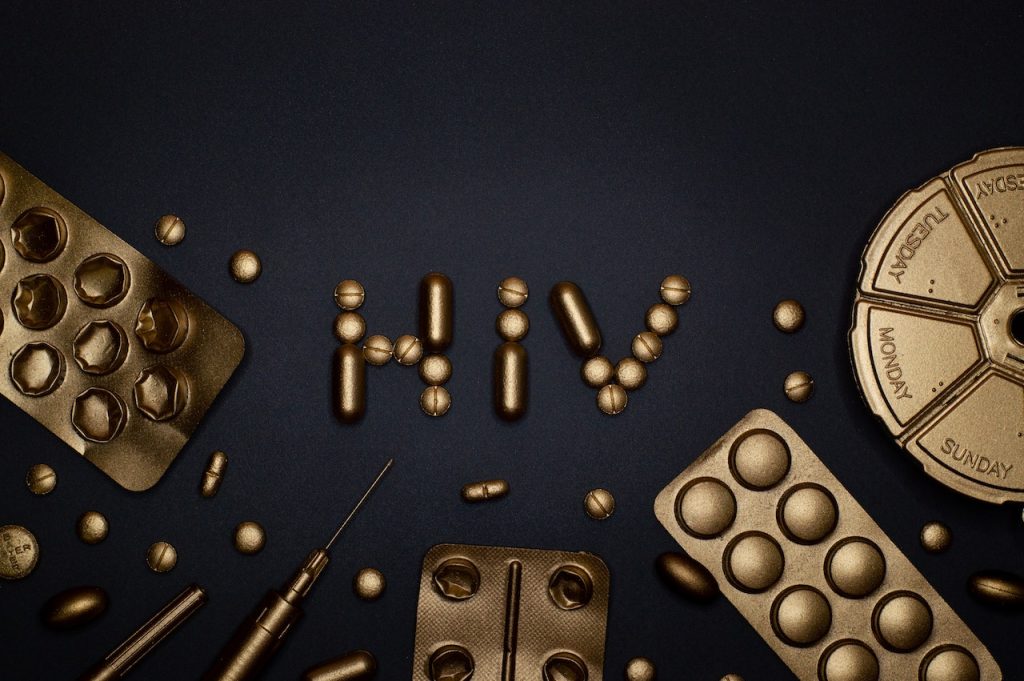
Iron Supplements for Children with HIV may Aid Brain Development

Photo by Miguel Á. Padriñán

A University of Minnesota Medical School research team has found that giving iron supplements to children living with human immunodeficiency virus (HIV) in sub-Saharan Africa could be an important first step in optimising brain development. 

The study, published in Lancet HIV, demonstrates that iron, while often withheld from children with HIV due to fear of increasing infection risk, is in fact beneficial. This finding paves the way for future research examining iron’s role in neurodevelopmental outcomes in children with HIV. 

“With the success and widespread availability of antiretroviral therapy (ART), children with HIV in sub-Saharan Africa are living longer, and optimising their brain development is a new public health imperative,” said Sarah Cusick, PhD, associate professor at the U of M Medical School and a member of the Masonic Institute for the Developing Brain.

Between May 2018 and November 2019, researchers enrolled 200 children with HIV and anaemia who had received ART for at least six months. The study participants were randomly chosen to receive either iron supplements or a placebo for three months. Children who received iron had higher haemoglobin concentrations and better markers of iron nutrition than those who received the placebo. There also was no evidence of increased risk of infection. 

According to Dr Cusick, further research is needed to assess brain development and infection risk over a longer period of time.

Source: University of Minnesota Medical School

Open Surgery for Lymph Node Removal is Still the Gold Standard in Testicular Cancer

Photo by cottonbro studio

A new study published in BJU International has found that the conventional, versatile open surgery approach to removal of the lymph nodes behind the intestines for patients whose testicular cancer has not advanced beyond the abdomen is the gold standard of care for men in this condition.

Open surgery involves making an incision on the abdomen for a direct view and access to the surgical area. In the appropriate patients, cancer cure rates are excellent with this surgery alone due to continued clinician experience and refinement of technique, particularly at high-volume centres.

The study, led by urologist and health services researcher Clint Cary, MD, MPH, MBA, of the Indiana University School of Medicine and the Regenstrief Institute, was conducted using information from the on 165 patients with clinical stage I or II testicular cancer and no prior chemotherapy. One of the highest-volume testicular cancer treatment groups in the US, IU School of Medicine’s Department of Urology is among those groups setting the bar for both better surgical results and fewer negative outcomes such as infertility. Study benchmarks included low blood loss, short hospital stay and rare major postoperative complications.

Dr Cary notes that the paper, which includes analysis of risk factors for complications, clearly indicates that prior to treatment, men and their families should have conversations with their local urologist about their experience level across risk factors, such as high body mass index (BMI), as well as have detailed discussions of complication rates. He adds that both patients and clinicians can use the findings of this paper as a bar for comparison as they make choices.

“In my clinical role at Indiana University in the operating room, I frequently perform lymph node dissections for men with a lower burden of metastatic cancer who have not had chemotherapy or may never receive it for this cancer. In my complementary role as a Regenstrief Institute health services researcher, I study the impact of clinical decisions,” said Dr Cary. “For this study, I wanted to know that this and other treatments I perform are making a difference and I want to know – whether we are continuing established treatments or introducing new approaches to surgery – how these decisions and the resulting care will impact patients’ quality of life and their cancer outcomes.

“This study is an example of how the benefit of providing clinical care and also being in a research environment enables us to learn from what we’re doing and to report it in a manner that is meaningful to both patients and physicians. We’re always looking for ways to improve upon surgical outcomes. Going beyond the scope of this paper, we are now expanding our work to begin a randomised trial comparing two surgical techniques for removing lymph nodes to understand if one is better than the other regarding postoperative recovery.”

The paper did not compare robot-assisted surgery with traditional open surgery, which may allow a more complete lymph node dissection. While robotic surgery in general offers potential benefits to both surgeons and patients, the authors note that the head to head comparison between these two approaches is limited due to small experiences with the robotic approach in testicular cancer.

The authors conclude that for patients undergoing removal of lymph nodes for testicular cancer and certainly more complex and challenging patients at higher risk of post-operative complications, the traditional open surgery remains the most effective approach and the gold standard.

Source: Regenstrief Institute