A court case over the trade names of two urinary tract infection (UTI) drugs has been settled. The court ordered that Cipla Medpro be restrained from using the trade name Furizome as it is too similar to Adcock Ingram’s UTI drug Urizone, leading to potential confusion by consumers. In his ruling, Justice James Lekhuleni of the High Court, Western Cape Division, who stated that despite safeguards against confusion in prescribing, ultimately “doctors are human”, so miscommunications could occur – and that the agency of patients cannot be ignored.
The trademark infringement case was brought by three applicants: Adcock Ingram Limited, Adcock Ingram Healthcare (Pty) LTD, and Italian company Zambon S.P.A. Zambon is the owner of the name Urizone, which is used under licence. Urizone had been launched in South Africa in 1993. The applicants stated that more than 3 million sachets had been sold between 2011 and 2023, with R5 million in advertising spent to promote the drug between 2018 and 2022 alone.
The applicants brought the case that Cipla Medpro’s Furizome, with the active ingredient fosfomycin, was too similar to their own product, Urizone, which contained the same ingredient in 3g sachets, and thus could confuse consumers. They alleged that Cipla Medpro sought to capitalise on the reputation earned by Urizone.
The applicants made the case that, despite Urizone being made available as a generic, none of the pharmaceutical companies producing it chose to use the name. When Furizome was launched, Adcock Ingram sent a letter of demand to Cipla to stop using the name due to its . Cipla, through its attorneys, rebutted the claim, saying that the two are sufficiently distinct to avoid confusion, with the “F” alluding to the fosfomycin ingredient. Cipla contended that it had already submitted the name through SAHPRA, and
Cipla also contended that the consumer – the patient – would not be misled during the prescribing and purchase of a schedule 4 medication as they would be informed by the pharmacist of the two different drugs.
In considering the judgment, the court noted that a test as to whether trademarks are be similar can be mode on a phonetic basis, or if they conceptually or visually similar. A trademark’s essential function is to indicate the origin of the goods in connection with which it is used. The “N” and “M” where seen as visually and phonetically similar, and “furi” was similar phonetically to “uri“. This could cause confusion and miscommunication even between doctors as to what drug they had prescribed a patient.
While Justice Lekhuleni acknowledged the safeguards of prescribing schedule 4 medications, he pointed out that the general public had become much more knowledgeable about prescription drugs in the past two decades. On this, he wrote “…the reality is that patients are involved in the process of deciding which medicines they will use, and that creates the risk of confusion. This situation in turn creates a responsibility upon pharmaceutical companies to make sure that they adopt trade marks that are not confusingly similar.”
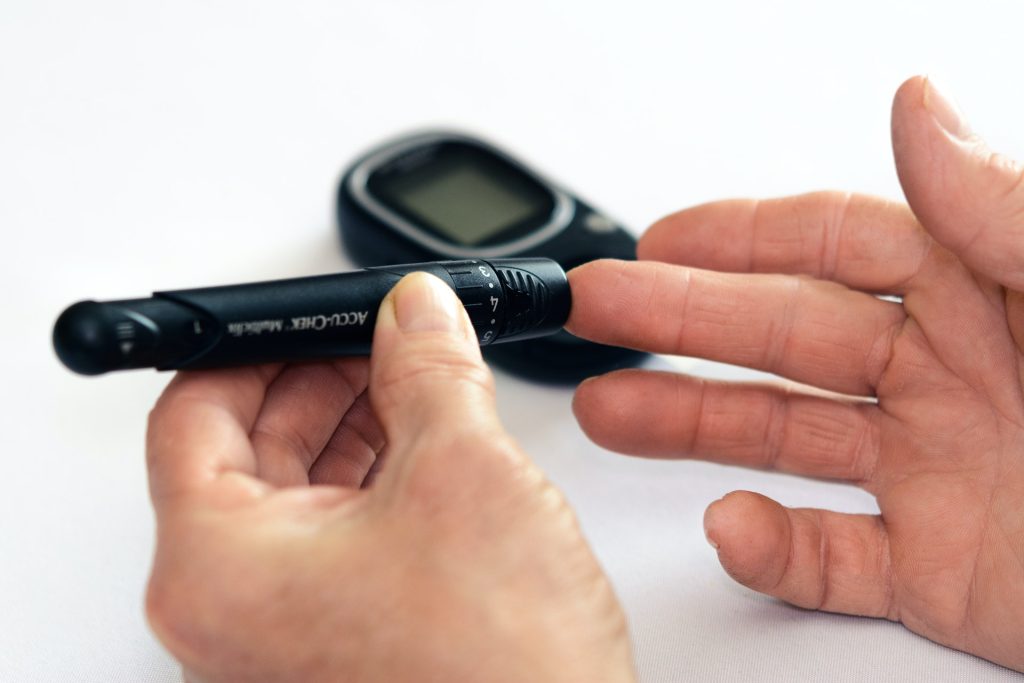
The highs and lows of blood glucose aren’t just an energy rollercoaster; they could be a key to detecting diabetes risk early and spare a needle prick or two.
Researchers at the University of Tokyo have identified a simple, noninvasive method for assessing blood glucose regulation – an essential factor in diabetes risk. Their approach, based on continuous glucose monitoring (CGM) data, could improve early detection and risk assessment for diabetes without relying on blood samples and expensive or complex procedures.
The study is published in Communications Medicine.
Often called a “silent epidemic,” diabetes is an increasingly prevalent global health concern, with significant health and economic consequences. Early detection of impaired glucose regulation – an intermediate stage between normal blood glucose levels and diabetes – is essential for preventing or delaying the onset of Type 2 diabetes. Conventional diagnostic tools, however, often miss early signs because they rely on periodic blood samples rather than continuous monitoring.
“Traditional diabetes tests, while useful, do not capture the dynamic nature of glucose regulation under physiological conditions,” said Shinya Kuroda, a professor at the University of Tokyo’s Graduate School of Science and co-author of the current study.
To find a more practical alternative, the team turned to CGM, a wearable technology that continuously tracks glucose levels in real time, providing a clearer picture of blood glucose fluctuations in everyday life. Their goal was to identify a CGM-based method for estimating glucose handling capacity, which maintains stable levels, without invasive procedures.
The team analyzed 64 individuals without a prior diabetes diagnosis, using a CGM device, oral glucose tolerance tests (OGTT), and clamp tests that are used to assess insulin sensitivity and glucose metabolism. They then validated their findings with an independent dataset and mathematical simulations.
Their analysis showed that AC_Var, a measure of glucose-level fluctuations, strongly correlates with the disposition index, a well-established predictor of future diabetes risk. Moreover, the researchers’ model, which combines AC_Var with glucose standard deviation, outperformed traditional diabetes markers – such as fasting blood glucose, HbA1c and OGTT results – in predicting the disposition index.
“By analysing CGM data with our new algorithm, we identified individuals with impaired glycaemic control – even when standard diagnostic tests classified them as ‘normal,’” said Kuroda. “This means we can potentially detect issues much earlier, creating an opportunity for preventive interventions before diabetes is diagnosed.”
The team also showed that the method was more accurate than conventional diagnostic indicators in predicting diabetes complications such as coronary artery disease. To facilitate broader access to this approach, the research team has developed a web application that allows individuals and health care providers to easily calculate these CGM-based indices.
“Our ultimate goal is to provide a practical, accessible tool for widespread diabetes screening,” Kuroda said. “By enabling early detection of glucose regulation abnormalities, we hope to prevent or delay disease onset and reduce long-term complications.”
A Scripps Research study has found that a drug already FDA-approved for treating inflammatory conditions may help reduce both alcohol intake and pain sensitivity in alcohol use disorder (AUD).
The results, published in JCI Insight, suggest that the drug apremilast, a phosphodiesterase-4 (PDE4) inhibitor, or a compound that blocks an enzyme involved in inflammation, could be repurposed as a dual-acting therapy for AUD, particularly in individuals who have pain during and after alcohol use.
AUD affects an estimated 400 million people aged 15 years or older, according to the World Health Organization. Chronic pain is one of the strongest predictors of alcohol relapse, yet it’s often overlooked in AUD treatment strategies. People with AUD frequently experience mechanical allodynia as well, a condition in which even light touch is perceived as painful. This sensitivity can persist during abstinence and contribute to ongoing alcohol use and relapse.
“Our findings highlight the therapeutic value of apremilast to reduce co-occurring drinking and mechanical allodynia in long-term abstinence – a critical component of harmful drinking and AUD psychopathology,” says senior author Marisa Roberto, a professor of neuroscience at Scripps Research.
Currently FDA-approved for treating psoriasis (a chronic autoimmune skin condition) and psoriatic arthritis (a related joint disease), apremilast has previously been shown to reduce alcohol drinking in both mice and humans. The new study builds on that work by examining whether apremilast could also ease pain linked to alcohol exposure.
To investigate, the research team tested apremilast in a type of rat genetically predisposed to higher alcohol consumption and in a standard genetic strain of rats. Both rat strains were given access to alcohol and treated with either apremilast or a placebo.
Apremilast significantly reduced alcohol intake across strains and biological sexes. It also decreased pain sensitivity in most groups, both immediately after drinking and during abstinence, ranging from 24 hours to four weeks after alcohol had been removed.
“But at specific time points, the patterns of reduction differed between males and females, as well as between strains,” notes first author Bryan Cruz, a postdoctoral fellow at Scripps Research. For example, the pain-relieving effects of apremilast weren’t observed in some of the male rats, underscoring the importance of considering biological sex in future studies.
In another set of experiments, apremilast increased GABAergic transmission. a type of inhibitory signaling that helps regulate pain and stress signalling, in the central amygdala, which is involved in both addiction and pain. This effect was only observed in the standard strain of rats, suggesting that apremilast’s impact on brain signalling may depend on genetic background or vulnerability to AUD.
In both strains of male rats, alcohol exposure increased expression of PDE4 genes in the brain, further supporting a link between inflammation, pain and compulsive alcohol use. While other PDE4 inhibitors have been studied for pain unrelated to alcohol consumption, apremilast may offer a path toward more personalized therapies for those with both AUD and pain. But clinical research is still needed to determine the drug’s efficacy for such conditions in humans.
Going forward, the researchers also plan to explore whether apremilast can mitigate anxiety and other negative emotional states that commonly emerge during alcohol withdrawal.
“For over a decade, it’s been well-established that withdrawal-induced anxiety is a major driver of relapse,” points out Roberto. “Therefore, addressing other key components of the addiction cycle is critical, as many individuals use alcohol to cope not only with physical pain but with emotional distress as well.”
Hip replacement surgery, or total hip arthroplasty (THA), can lessen pain and improve function in individuals with hip osteoarthritis. Some patients, however, continue to experience long-term physical deficits, including muscle weakness, decreased functional mobility, and increased fall risk, after the procedure. New research published in the Journal of Orthopaedic Research reveals that a patient’s muscle quality before THA may predict their risk of such suboptimal recovery after surgery.
In the study, 10 people undergoing THA underwent imaging tests before surgery. Patients whose imaging results indicated poor muscle quality were more likely to perform poorly on movement tasks after surgery, compared with those with good muscle quality. The severity of patients’ osteoarthritis before surgery (as indicated by the imaging tests performed) was not linked to their functional abilities after surgery.
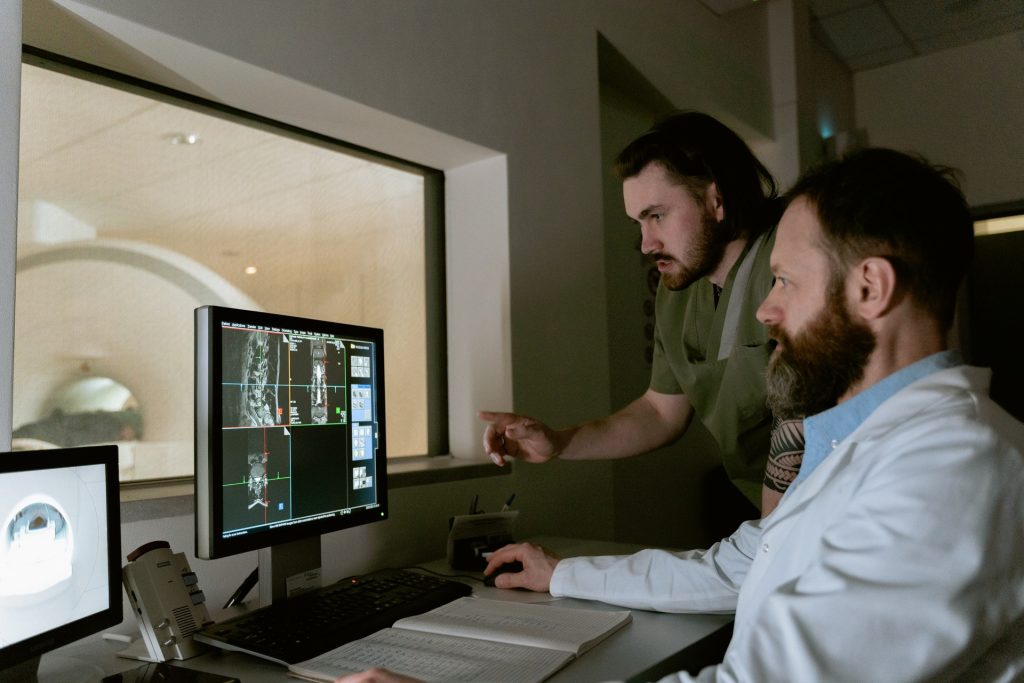
“The findings from this study indicate that hip muscle quality may be an important predictor of post-operative biomechanical recovery following hip replacement. Muscle quality is often overlooked, and magnetic resonance imaging is needed to visualise muscle composition, which is not routinely collected for hip replacement patients,” said corresponding author Jeannie F. Bailey, PhD, of the University of California, San Francisco. “Future studies will seek to understand possible implications for poor hip muscle quality on long-term functional outcomes.”
A prescription of gardening an allotment in the UK has shown promise as a means of improving health and well-being outside of conventional medical treatments.
Green social prescribing is a practice whereby a healthcare professional refers a patient to community-based nature activities to help improve health and well-being beyond medical treatments. Currently these programmes are in a testing phase, but evidence is now pointing to the need for investment in this area to make it an additional option for patients across the country.
More than 220 participants were included in the programme, and their mental health status was evaluated before and after exposure to an organised programme of nature-based activities, such as horticultural and care farming, sport and exercise, and outdoor mindfulness and craft-based activities.
The majority of participants took part in the programme weekly between one and four weeks, five to eight weeks, and others between nine and 12 weeks. The team used the Office of National Statistics measures of personal well-being, as well as the hospital anxiety and depression scale (HADS) to understand if participants had made improvements.
Horticulture
Across the board, participants reported improvements in well-being and mental health. But participants in longer programmes – typically nine to 12 weeks – or took part in activities related to horticulture and care farming, showed greater improvements in mood and anxiety levels compared with those involved in shorter programmes – one to four weeks – or in activities such as outdoor crafts, creative and mindfulness-based sessions, or sport and exercise.
The signs of improvement were similar to those seen in short-term cognitive behavioural therapy (CBT), where someone might meet one-to-one with a therapist over a period ranging from six weeks to a year or more.
Professor Peter Coventry, Director of the University’s Mental Health and Addiction Research Group, said: “We have known for some time that nature has a positive impact on health and wellbeing, but in more recent years, a stronger evidence-base has grown that proves this to be true for mental health in particular.
“The fact that activities such as gardening, tending allotments, and care farming had the most impact on the participants in our study, demonstrated that it is not just about being passive in nature, but connecting with it in a meaningful way.
“There is also something to be said for connecting with nature in the company of other people who live in the same place as you. Anxiety and depression can often be born out of loneliness and feelings of disconnectedness, so it makes sense that taking part in shared activities close to home – especially those that involve caring for and improving your local environment – can help lift mood and reduce anxiety.”
All ages
The study showed that these positive impacts were seen in all ages, which ranged from age 18 to age 85, and across genders. Researchers are now calling for more investment to be made to support these community activities and the employment of green social prescribers that GPs and other health and social care professionals can refer their patients to.
Trish Darcy, research associate from the University’s Mental Health and Addiction Research Group, said: “This intervention might not work for everyone, but through an initial exploratory conversation a social prescriber will discuss with a patient or user of the service if nature-based activities would be suited to them, and for that choice to happen we need more investment to support these community-based activities”.
“In our study 65% of participants were from low socioeconomic groups and we now know that not only can it help improve their mental health, but participation was high for horticultural based activities in particular, meaning that not only is it good for the individual, but for the local community environment too.”
Test and learn
The evaluation, published in the journal Health & Social Care in the Community, was conducted in partnership with The HEY Smile Foundation and NHS Humber and North Yorkshire Integrated Care Board (ICB).
Dr Hannah Armitt a Clinical Psychologist and Clinical Lead for the Humber and North Yorkshire ‘test and learn’ programme said: “The research conducted in our region has the potential to enhance service delivery by connecting statutory services with local providers of nature based and outdoors activities.
“It is important to evidence the potential of green space and nature to ensure clinicians and patients alike can harness the benefits of this wonderful free natural resource we have in abundance in Yorkshire and Humber.”
Positive outcomes
Anthony Hurd, Humber and North Yorkshire Green Social Prescribing Programme Manager, said “This work has not only shown the positive outcomes that nature-based activities have on mental health, it has also highlighted the role that community-based organisations play in supporting the health and wellbeing of communities.
“As healthcare begins to move more into the community, and with a focus on prevention, the community-based organisations delivering activities such as gardening, care farming and walking groups need to be recognised as key players in our national health service and be resourced appropriately.”
Pancreatic cancer. Credit: Scientific Animations CC BY-SA 4.0
Pancreatic cancer is one of the most aggressive cancers and has one of the lowest survival rates: only 10% after five years. One of the factors contributing to its aggressiveness is its tumour microenvironment, known as the stroma, which makes up the bulk of the tumour mass and consists of a network of proteins and different non-tumour cells. Among these, fibroblasts play a key role, helping tumour cells to grow and increasing their drug resistance.
Now, a study led by researchers from the Hospital del Mar Research Institute and other institutions has identified a new key factor contributing to this feature of pancreatic cancer: a previously unknown function of Galectin-1 protein inside the nuclei of fibroblasts. This discovery, published in the journal PNAS, offers new insights into the role of these cells in the progression of pancreatic cancer.
“The stroma is considered a key component in the aggressive nature of pancreatic cancer, as it interacts with tumour cells, protects them, and hinders the action of drugs. Moreover, stromal cells, particularly fibroblasts, produce substances that support tumour growth and dissemination,” explains Dr Pilar Navarro, coordinator of the Cancer Molecular Targets Research Group at the Hospital del Mar Research Institute and IIBB-CSIC-IDIBAPS. Until now, fibroblasts were known to secrete Galectin-1, a protein with pro-tumour properties. This study, however, shows that the molecule is also located inside fibroblasts-specifically in their nuclei-where it plays a key role in gene expression regulation.
The presence of this molecule activates fibroblasts, making them support tumour cell development. The researchers also discovered that “Galectin-1 can regulate gene expression in these cells at a highly specific level without altering the DNA sequence, through epigenetic control. One of the genes it regulates is KRAS, which plays a critical role in pancreatic tumours,” explains Dr Navarro. This gene is also present in tumour cells in 90% of patients, though in this case it is mutated. It is considered one of the main drivers of uncontrolled growth and tumour aggressiveness.
Designing new strategies
The team behind the study had previously identified the prominent role of Galectin-1 in pancreatic cancer. The newly discovered functions now pave the way for developing new strategies to tackle this type of tumour. “Until now, efforts have focused on inhibiting Galectin-1 secreted by the stroma surrounding the tumour. Now, we see that we also need to block the protein inside the fibroblast nuclei,” says Dr Neus Martínez-Bosch, researcher at the Hospital del Mar Research Institute. “We need to find new inhibitors that work inside fibroblasts, not just on the protein they secrete,” she adds.
To carry out the study, researchers worked with tissue samples from pancreatic cancer patients, allowing them to analyse the presence and function of Galectin-1 in fibroblast nuclei. They also performed in vitro experiments with human fibroblast cell lines, investigating the effects of inhibiting both the protein and the KRAS gene, and observed deactivation of these cells-effectively halting their cooperation with tumour cells.
Dr. Judith Vinaixa, also a researcher at the Hospital del Mar Research Institute and first author of the study, highlights the importance of these results: “We have confirmed the key role of Galectin-1 in the fibroblast cell nucleus, where it regulates the expression of multiple genes critical for cell behaviour.”. Dr. Gabriel Rabinovich, researcher at IBYME (CONICET) and the CaixaResearch Institute, adds: “The next steps will involve exploring therapeutic combinations that inhibit both extracellular and intracellular Galectin-1. This protein also participates in key processes such as blood vessel formation and resistance to immunotherapy. Therefore, this strategy becomes particularly relevant given the multiple antitumoral effects of Galectin-1 inhibition.”
Mycobacterium tuberculosis drug susceptibility test. Photo by CDC on Unsplash
By Catherine Tomlinson
Health research in South Africa has been plunged into crisis with the abrupt termination of several large research grants from the US, with more grant terminations expected in the coming days and weeks. Professor Ntobeko Ntusi, head of the South African Medical Research Council, tells Spotlight about efforts to find alternative funding and to preserve the country’s health research capacity.
Health research in South Africa is facing an unprecedented crisis due to the termination of funding from the United States government. Though exact figures are hard to pin down, indications are that more than half of the country’s research funding has in recent years been coming from the US.
Many health research units and researchers that receive funding from the US National Institutes of Health (NIH) have in recent weeks been notified that their grants have been terminated. This funding is being slashed as part of the efforts by US President Donald Trump’s administration to reduce overall federal spending and end spending that does not align with its political priorities.
Specifically, the administration has sought to end spending supporting LGBTQ+ populations and diversity, as well as equity and inclusion. As many grants for HIV research have indicators of race, gender, and sexual orientation in their target populations and descriptions, this area of research has been particularly hard hit by the cuts. There have also been indications that certain countries, including South Africa and China, would specifically be targeted with NIH cuts.
On 7 February, President Donald Trump issued an executive order stating that the US would stop providing assistance to South Africa in part because it passed a law that allowed for the expropriation of land without compensation, and separately because the South African government took Israel to the International Court of Justice on charges of genocide in Gaza.
Prior to the NIH cuts, some local research funded through other US entities such as the US Agency for International Development (USAID), and the Centers for Disease Control and Prevention (CDC) were also terminated.
How much money is at risk?
“In many ways the South African health research landscape has been a victim of its own success, because for decades we have been the largest recipients of both [official development assistance] funding from the US for research [and] also the largest recipients of NIH funding outside of the US,” says president and CEO of the SAMRC Professor Ntobeko Ntusi.
Determining the exact amount of research funds we get from the US is challenging. This is because funding has come from several different US government entities and distributed across various health research organisations. But the bulk of US research funding in South Africa clearly came from the NIH, which is also the largest funder of global health research.
According to Ntusi, in previous years, the NIH invested, on average, US$150 million – or almost R3 billion – into health research in South Africa every year.
By comparison, the SAMRC’s current annual allocation from government is just under R2 billion, according to Ntusi. “Our baseline funding, which is what the national treasury reflects [approximately R850 million], is what flows to us from the [Department of Health],” he says, adding that they also have “huge allocations” from the Department of Science, Technology and Innovation. (Previous Spotlight reporting quoted the R850 million figure from Treasury’s budget documents, and did not take the additional funds into account.)
How is the SAMRC tracking US funding terminations
Ntusi and his colleagues have been trying to get a clearer picture of the exact extent and potential impacts of the cuts.
While some US funding given to research units in South Africa flows through the SAMRC, the bulk goes directly to research units from international research networks, larger studies, and direct grants. Keeping track of all this is not straight-forward, but Ntusi says the SAMRC has quite up to date information on all the terminations of US research awards and grants.
“I’ve been communicating almost daily with the deputy vice-chancellors for research in all the universities, and they send me almost daily updates,” says Ntusi. He says heads of research units are also keeping him informed.
According to him, of the approximately US$150 million in annual NIH funding, “about 40%…goes to investigator-led studies with South Africans either as [principal investigators] or as sub-awardees and then the other 60% [comes from] network studies that have mostly sub-awards in South Africa”.
Figures that Ntusi shared with Spotlight show that large tertiary institutions like the University of the Witwatersrand, the University of Cape Town, and the University of Stellenbosch, could in a worst case scenario lose over R200 million each, while leading research units, like the Desmond Tutu Health Foundation and the Centre for the AIDS Programme of Research in South Africa, could each lose tens of millions. The SAMRC figures indicate that while many grants have already been terminated, there are also a substantial number that have not been terminated.
Where will new money come from?
Ntusi says the SAMRC is coordinating efforts to secure new funding to address the crisis.
“We have been leading a significant fundraising effort, which…is not for the SAMRC, but for the universities who are most affected [and] also other independent research groups,” he says. “As the custodian of health research in the country, we are looking for solutions not just for the SAMRC but for the entire health research ecosystem.”
Ntusi explains that strategically it made more sense to have a coordinated fundraising approach rather than repeating what happened during COVID-19 when various groups competed against each other and approached the same funders.
“Even though the SAMRC is leading much of this effort, there’s collective input from many stakeholders around the country,” he says, noting that his team is in regular communication with the scientific community, the Department of Health, and Department of Science, Technology and Innovation.
The SAMRC is also asking the Independent Philanthropic Association of South Africa, and large international philanthropies for new funding. He says that some individuals and philanthropies have already reached out to the SAMRC to find out how they can anonymously support research endeavours affected by the cuts.
Can government provide additional funds?
Ntusi says that the SAMRC is in discussions with National Treasury about providing additional funds to support health researchers through the funding crisis.
The editors of Spotlight and GroundUp recently called on National Treasury to commit an extra R1 billion a year to the SAMRC to prevent the devastation of health research capacity in the country. They argued that much larger allocations have previously been made to bail out struggling state-owned entities.
Government has over the last decade spent R520 billion bailing out state-owned entities and other state organs.
How will funds raised by the SAMRC be allocated?
One dilemma is that it is unlikely that all the lost funding could be replaced. This means tough decisions might have to be made about which projects are supported.
Ntusi says that the SAMRC has identified four key areas in need of support.
The first is support for post-graduate students. “There’s a large number of postgraduate students…who are on these grants” and “it’s going to be catastrophic if they all lose the opportunity to complete their PhDs,” he says.
Second is supporting young researchers who may have received their first NIH grant and rely entirely on that funding for their work and income, says Ntusi. This group is “really vulnerable [to funding terminations] and we are prioritising [their] support…to ensure that we continue to support the next generation of scientific leadership coming out of this country,” he says.
A third priority is supporting large research groups that are losing multiple sources of funding. These groups need short-term help to finish ongoing projects and to stay afloat while they apply for new grants – usually needing about 9 to 12 months of support, Ntusi explains.
The fourth priority, he says, is to raise funding to ethically end clinical and interventional studies that have lost their funding, and to make sure participants are connected to appropriate healthcare. Protecting participants is an important focus of the fundraising efforts, says Ntusi, especially since many people involved in large HIV and TB studies come from underprivileged communities.
Ultimately, he says they hope to protect health research capacity in the country to enable South African health researchers to continue to play a meaningful and leading role in their respective research fields.
“If you reflect on what I consider to be one of the greatest successes of this country, it’s been this generation of high calibre scientists who lead absolutely seminal work, and we do it across the entire value chain of research,” says Ntusi. “I would like to see…South Africa [continue to] make those meaningful and leading pioneering contributions.”
Titanium micro-particles in the oral mucosa around dental implants are common. This is shown in a new study from the University of Gothenburg, which also identified 14 genes that may be affected by these particles.
According to the researchers, there is no reason for concern, but more knowledge is needed.
“Titanium is a well-studied material that has been used for decades. It is biocompatible and safe, but our findings show that we need to better understand what happens to the micro-particles over time. Do they remain in the tissue or spread elsewhere in the body?” says Tord Berglundh, senior professor of periodontology at Sahlgrenska Academy, University of Gothenburg.
Found at all implants
Previous research has shown that titanium particles may occur in inflamed tissues around dental implants. The new study, published in Communications Medicine, showed that titanium micro-particles were consistently found at all examined implants—even those without signs of inflammation.
The researchers analysed tissue samples from 21 patients with multiple adjacent implants. Samples were taken both at healthy implants and at implants affected by peri-implantitis, an inflammatory disease in the tissue around the implant. Each patient thus served as their own control. The density of particles varied between patients, but not between sites with and without peri-implantitis within the same patient. The analyses were conducted in collaboration with Uppsala University, where researchers used an advanced method called µ-PIXE to map the distribution of titanium particles in the tissue samples.
Affected genes
Peri-implantitis is a microbial biofilm-associated inflammatory disease around dental implants, with features similar to those of periodontitis around teeth. The inflammatory process is complex and the resulting destruction of supporting bone in peri-implantitis may lead to loss of the implant.
“We observed that tissue samples with higher concentrations of titanium particles had an altered gene expression, especially genes related to inflammation and wound healing. We identified 14 such genes, but it is unclear whether the particles influence the local immune response or if the difference in gene expression reflects inter-individual variability in inflammatory conditions,” says Carlotta Dionigi, specialist in periodontology and researcher at the Department of Periodontology, Sahlgrenska Academy, University of Gothenburg.
The researchers suspect that titanium particles are released during the surgical installation procedure, when the screw-shaped implant is inserted into the prepared canal in the alveolar bone. In this context, the observation on differences in micro-particle densities between various implant systems deserves attention, since the surface structure of the implant may influence the deposition of micro-particles. This is now an important topic for continued research.
Computed tomography (CT) scans may account for 5% of all cancers annually, according to a new study out of UC San Francisco that cautions against overusing and overdosing CTs. For children, the greatest risk comes from scans of the head.
The danger is greatest for infants, followed by children and adolescents. But adults are also at risk, since they are the most likely to get scans. In the U.S., nearly 103 000 cancers are predicted to result from the 93 million CT scans that were performed in 2023 alone. This is 3 to 4 times more than previous assessments, the authors said.
“Given the large volume of CT use in the United States, many cancers could occur in the future if current practices don’t change,” said Smith-Bindman.
“Our estimates put CT on par with other significant risk factors, such as alcohol consumption and excess body weight,” she said. “Reducing the number of scans and reducing doses per scan would save lives.”
Benefits and potential dangers
CT is both indispensable and widely used to detect tumours and diagnose many illnesses. Since 2007, the number of annual CT exams has surged by 30% in the U.S. But the ionising radiation dose from CT is a known cancer risk.
To assess the public health impact of current CT use, the study estimates the total number of lifetime cancers associated with radiation exposure in relation to the number and type of CT scans performed in 2023.
“Our approach used more accurate and individualised CT dose and utilisation data than prior studies, allowing us to produce more precise estimates of the number of radiation-induced cancers,” said co-author Diana Miglioretti, PhD, a breast cancer researcher and division chief of biostatistics at UC Davis. “These updated estimates suggest the excess risks – particularly among the youngest children – are higher than previously recognised.”
Researchers analysed 93 million exams from 61.5 million patients in the U.S. The number of scans increased with age, peaking in adults between 60 to 69 years old. Children accounted for 4.2% of the scans. The researchers excluded testing in the last year of a patient’s life because it was unlikely to lead to cancer.
Future cancers from radiation exposure
Adults 50 to 59 had the highest number of projected cancers: 10 400 cases for women, 9300 for men. The most common adult cancers were lung, colon, leukaemia, bladder and breast. The most frequently projected cancers in children were thyroid, lung and breast.
The largest number of cancers in adults would come from CTs of the abdomen and pelvis, while in children they came from CTs of the head. Projected cancer risks were highest among those who underwent CT when they were under 1 year old. They were 10 times more likely to get cancer compared to others in the study.
The researchers said some CT scans are unlikely to help patients, and are overused, such as those for upper respiratory infections or for headaches without concerning signs or symptoms. They said patients could lower their risk by getting fewer of these scans or by getting lower dose scans.
“There is currently unacceptable variation in the doses used for CT, with some patients receiving excessive doses,” Smith-Bindman said.
Co-author Malini Mahendra, MD, a UCSF assistant professor of Pediatric Critical Care, said it was important that families understand the risk of developing cancer from paediatric scans.
“Few patients and their families are counselled about the risk associated with CT examinations,” she said. “We hope our study’s findings will help clinicians better quantify and communicate these cancer risks, allowing for more informed conversations when weighing the benefits and risks of CT exams.”
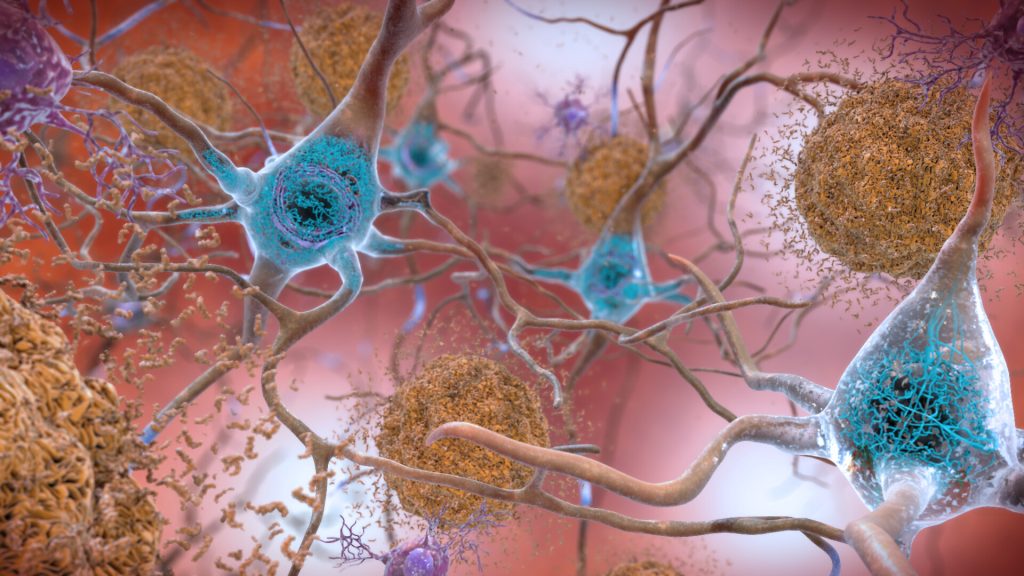
Neurons in the brain of an Alzheimer’s patient, with plaques caused by tau proteins. Credit: NIH
A study led by researchers in the University of Florida College of Pharmacy has found that a pair of popular glucose-lowering medications may have protective effects against the development of Alzheimer’s disease and related dementias in patients with Type 2 diabetes.
In research published in JAMA Neurology on April 7, UF researchers studied Medicare claims data of older adults with Type 2 diabetes to assess the association among glucagon-like peptide-1 receptor agonists, or GLP-1RAs, sodium-glucose cotransporter-2 inhibitors, or SGLT2is, and the risk of Alzheimer’s disease and related dementias.
The research is supported by funding from the National Institute on Aging and the National Institute of Diabetes and Digestive and Kidney Diseases, both part of the National Institutes of Health.
The data showed a statistically significant association between a lower risk of Alzheimer’s and the use of GLP-1RAs and SGLT2is compared with other glucose-lowering medications. According to the researchers, the findings indicated that the two drugs may have neuroprotective effects for people without diabetes and may help slow the rate of cognitive decline in Alzheimer’s patients.
Serena Jingchuan Guo, MD, PhD, an assistant professor of pharmaceutical outcomes and policy and the study’s senior author, said these findings may point to new therapeutic uses for drugs commonly used to treat Type 2 diabetes and obesity.
“It’s exciting that these diabetes medications may offer additional benefits, such as protecting brain health,” Guo said. “Based on our research, there is promising potential for GLP-1RAs and SGLT2is to be considered for Alzheimer’s disease prevention in the future. As use of these drugs continues to expand, it becomes increasingly important to understand their real-world benefits and risks across populations.”
As the study only included patients with Type 2 diabetes, Guo said next steps include evaluating the effects of the two drugs in broader populations by using recent, real-world data that captures their growing use in clinical settings.
“Future research should focus on identifying heterogeneous treatment effects – specifically, determining which patients are most likely to benefit and who may be at greater risk for safety concerns,” Guo said.