Month: June 2025

Aspergillus Flavus: From the ‘Curse of Tutankhamun’ to New Cancer Treatment

A sample of Aspergillus flavus cultured in the Gao Lab. (Credit: Bella Ciervo)

University of Pennsylvania-led researchers have turned a deadly fungus into a potent cancer-fighting compound. After isolating a new class of molecules from Aspergillus flavus, a toxic crop fungus linked to deaths in excavating ancient tombs, the researchers modified the chemicals and tested them against leukaemia cells. The result was a promising cancer-killing compound that rivals FDA-approved drugs and opens up new frontiers in the discovery of more fungal medicines.

“Fungi gave us penicillin,” says Sherry Gao, Presidential Penn Compact Associate Professor in Chemical and Biomolecular Engineering (CBE) and in Bioengineering (BE) and senior author of a new paper in Nature Chemical Biology on the findings. “These results show that many more medicines derived from natural products remain to be found.”

From Curse to Cure

A. flavus, named for its yellow spores, has long been a microbial villain. After archaeologists opened King Tutankhamun’s tomb in the 1920s, a series of untimely deaths among the excavation team fuelled rumours of a pharaoh’s curse. Decades later, doctors theorised that fungal spores, dormant for millennia, could have played a role.

In the 1970s, a dozen scientists entered the tomb of Casimir IV in Poland. Within weeks, 10 of them died. Later investigations revealed the tomb contained A. flavus, whose toxins can lead to lung infections, especially in people with compromised immune systems.

Now, that same fungus is the unlikely source of a promising new cancer therapy.

A Rare Fungal Find

The therapy in question is a class of ribosomally synthesised and post-translationally modified peptides, or RiPPs, pronounced like the “rip” in a piece of fabric. The name refers to how the compound is produced – by the ribosome, a tiny cellular structure that makes proteins – and the fact that it is modified later, in this case, to enhance its cancer-killing properties.

“Purifying these chemicals is difficult,” says Qiuyue Nie, a postdoctoral fellow in CBE and the paper’s first author. While thousands of RiPPs have been identified in bacteria, only a handful have been found in fungi. In part, this is because past researchers misidentified fungal RiPPs as non-ribosomal peptides and had little understanding of how fungi created the molecules. “The synthesis of these compounds is complicated,” adds Nie. “But that’s also what gives them this remarkable bioactivity.”

Hunting for Chemicals

To find more fungal RiPPs, the researchers first scanned a dozen strains of Aspergillus, which previous research suggested might contain more of the chemicals.

By comparing chemicals produced by these strains with known RiPP building blocks, the researchers identified A. flavus as a promising candidate for further study.

Genetic analysis pointed to a particular protein in A. flavus as a source of fungal RiPPs. When the researchers turned the genes that create that protein off, the chemical markers indicating the presence of RiPPs also disappeared.

This novel approach – combining metabolic and genetic information – not only pinpointed the source of fungal RiPPs in A. flavus, but could be used to find more fungal RiPPs in the future.

A Potent New Medicine

After purifying four different RiPPs, the researchers found the molecules shared a unique structure of interlocking rings. The researchers named these molecules, which have never been previously described, after the fungus in which they were found: asperigimycins.

Even with no modification, when mixed with human cancer cells, asperigimycins demonstrated medical potential: two of the four variants had potent effects against leukaemia cells.

Another variant, to which the researchers added a lipid found in bees’ royal jelly, performed as well as cytarabine and daunorubicin, two FDA-approved drugs that have been used for decades to treat leukaemia.

Cracking the Code of Cell Entry

To understand why lipids enhanced asperigimycins’ potency, the researchers selectively turned genes on and off in the leukaemia cells. One gene, SLC46A3, proved critical in allowing asperigimycins to enter leukaemia cells in sufficient numbers.

That gene helps materials exit lysosomes, the tiny sacs that collect foreign materials entering human cells. “This gene acts like a gateway,” says Nie. “It doesn’t just help asperigimycins get into cells, it may also enable other ‘cyclic peptides’ to do the same.”

Like asperigimycins, those chemicals have medicinal properties – nearly two dozen cyclic peptides have received clinical approval since 2000 to treat diseases as varied as cancer and lupus – but many of them need modification to enter cells in sufficient quantities.

“Knowing that lipids can affect how this gene transports chemicals into cells gives us another tool for drug development,” says Nie.

Disrupting Cell Division

Through further experimentation, the researchers found that asperigimycins likely disrupt the process of cell division. “Cancer cells divide uncontrollably,” says Gao. “These compounds block the formation of microtubules, which are essential for cell division.”

Notably, the compounds had little to no effect on breast, liver or lung cancer cells – or a range of bacteria and fungi – suggesting that asperigimycins’ disruptive effects are specific to certain types of cells, a critical feature for any future medication.

Future Directions

In addition to demonstrating the medical potential of asperigimycins, the researchers identified similar clusters of genes in other fungi, suggesting that more fungal RiPPS remain to be discovered. “Even though only a few have been found, almost all of them have strong bioactivity,” says Nie. “This is an unexplored region with tremendous potential.”

The next step is to test asperigimycins in animal models, with the hope of one day moving to human clinical trials. “Nature has given us this incredible pharmacy,” says Gao. “It’s up to us to uncover its secrets. As engineers, we’re excited to keep exploring, learning from nature and using that knowledge to design better solutions.”

Source: University of Pennsylvania School of Engineering and Applied Science
Novel Therapy Saves Patient with Acute Fulminant Myocarditis

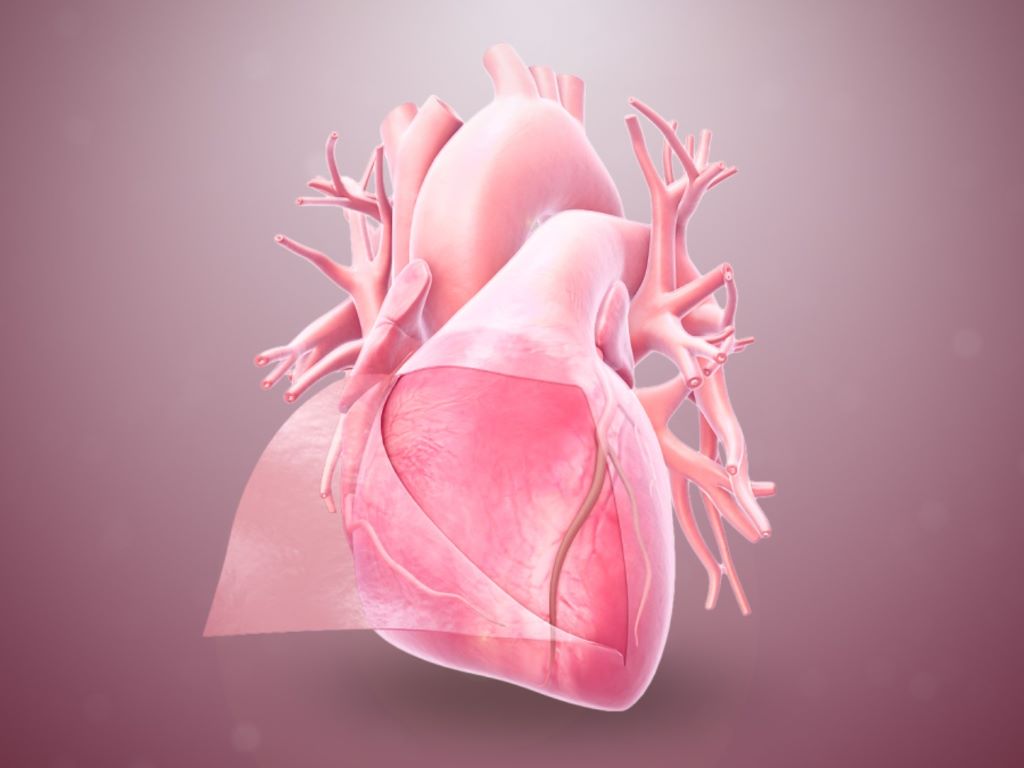
Pericardium. Credit: Scientific Animations CC4.0

Acute myocarditis, or sudden inflammation of the heart, causes mild symptoms in most cases, but about 10% of acute myocarditis cases can be sudden and severe, leading to cardiac arrhythmias, heart pump failure, or even death. Current therapies for the condition are built on limited data and may not effectively target the underlying disease mechanisms. Patients may even require mechanical circulatory support for life support when the heart is failing.

Now a team at UC San Francisco is using a new class of drugs that target inflammation to treat acute fulminant myocarditis patients.

In an article in Circulation, the UCSF group reports on the successful treatment of a patient with sudden and severe (acute fulminant) myocarditis using an immune modulating medication known to inhibit the activity of enzymes that can trigger inflammation in the body.

“Our group has developed several animal models of myocarditis and by studying these, we became interested in a group of enzymes called Janus kinases, or JAKs, that seem to serve as communication nodes between immune cells,” said Javid Moslehi, MD, William Grossman Distinguished Professor in Cardiology and UCSF Section Chief of Cardio-Oncology and Immunology. “JAKs become hyperactive during acute heart inflammation, exacerbating the already activated immune system.”

Moslehi and his team therefore reasoned that targeting these enzymes using a novel class of therapies called JAK inhibitors would be a possible treatment modality for acute fulminant myocarditis. In recent years, the team has examined the effects of JAK inhibitor treatment on the immune cell populations for both RNA and proteins, showing acute benefit in various laboratory models of myocarditis.

Heart function improved dramatically

In the current case, the group treated a 20-year-old woman who came to UCSF with acute fulminant myocarditis.

“This patient’s heart was effectively falling apart and there was no time to lose,” said Connor O’Brien, MD, cardiologist, critical care specialist and UCSF assistant professor of Medicine. “We had put the patient on extracorporeal membrane oxygenation (ECMO) to maintain blood flow through vital organs and started the process of listing her for heart transplantation.”

O’Brien was on clinical service at the time, caring for the patient. The medical team had tried using corticosteroids as a treatment but without success. O’Brien then coordinated with Moslehi, given his expertise in myocarditis as well as some of his laboratory results with JAK inhibitors.

O’Brien added ruxolitinib, a JAK inhibitor, to the treatment strategy. The patient’s cardiac arrhythmias slowed down and her cardiac enzyme (a measure of heart damage) decreased. Over the next few days, her heart function improved dramatically allowing her to wean off ECMO support. She was successfully discharged from the hospital one week later.

Since that time, the UCSF Health cardiology team has gone on to successfully treat other patients with JAK inhibitors for acute myocarditis, but Moslehi adds a note of caution.

“The gold standard of any new treatment is a clinical trial, and it is important to note that we have not yet done this,” said Moslehi. “But the team is hopeful that these early results can lead to an eventual trial for patients.”

Moslehi and his team established the UCSF Myocarditis Center in March 2023 as part of the newly formed section of cardio-oncology and immunology. This multi-disciplinary group is focused on diagnosis and treatment for myocarditis, bringing laboratory scientists together with clinicians for more comprehensive care of patients.

“The Myocarditis Center really takes advantage of the incredible scientific environment at UCSF and specifically our cardiology team working closely with the cardiovascular research institute (CVRI) to help our patients,” Moslehi adds.

Source: University of California – San Francisco

Urinary Metal Exposure Linked to Increased Risk of Heart Failure, Landmark Study Finds

In addition to cadmium, molybdenum and zinc found to have particularly high risk increases

Right side heart failure. Credit: Scientific Animations CC4.0

A new multi-cohort study at Columbia University Mailman School of Public Health, has found that exposure to certain metals, detected in urine, is associated with a higher risk of heart failure (HF). Published in the Journal of the American College of Cardiology, it is the largest investigation of its kind to date, reinforcing the importance of reducing environmental metal exposure to reduce heart failure risk. While environmental metals are recognised as cardiovascular disease risk factors, until now the role of metal exposure in heart failure risk had remained understudied.

“Most previous studies have assessed individual metals in isolation. By examining metals as a mixture, our analysis more closely reflects real-world exposure patterns,” said Irene Martinez-Morata, MD, PhD, postdoctoral research scientist in Environmental Health Sciences at Columbia Mailman School, and lead author. “In our analysis of over 10 000 adults across diverse geographic, racial, and ethnic backgrounds, we observed consistent associations between elevated urinary metal levels and increased HF risk over long-term follow-up after accounting for other established traditional risk factors for the disease such as diabetes and obesity.”

The study pooled data from three large cohorts with more than 20 years of follow-up:

  •  MESA (Multi-Ethnic Study of Atherosclerosis), U.S. adults aged 18–85 from six urban-suburban areas in Maryland, Illinois, North Carolina, California, Minnesota and New York.
  • SHS (Strong Heart Study), American Indian adults aged 18–65 in the U.S. from Oklahoma, Arizona, North Dakota and South Dakota.
  •  Hortega Study, a general population cohort in Spain

Among the 10 861 participants, a thousand people developed heart failure. In a subset, researchers assessed left ventricular function, which measures how effectively the heart pumps blood.

Metals were measured in urine samples, which can indicate how much metal is in the body and how much is being eliminated from it. Health and lifestyle data – including medication use, cholesterol levels, blood pressure, glucose, BMI, and more – were collected via questionnaires, lab tests, and physical exams. The team used advanced machine learning models to evaluate the combined effects of five urinary metals as a mixture.

Key findings included:

  •  Higher levels for the mixture of five metals in urine: arsenic, cadmium, molybdenum, selenium, and zinc, was associated with a 55% higher risk of heart failure in rural American Indian adults (SHS), a 38% higher risk in urban and suburban diverse populations (MESA) and a 8% increased risk in adults in Spain (Hortega).
  •  In the analysis of metals individually, a doubling in the levels of urine cadmium, a toxic metal found in tobacco products, foods and industrial waste, was associated with 15% higher risk of heart failure.
  • Similarly, a doubling in the levels of molybdenum and zinc was associated with 13% and 22% higher risk of heart failure across the three cohorts. These metals have an essential function in the body, but high levels can be toxic.

“The strongest association between the 5-metal mixture and HF risk was seen in the SHS cohort,” said Martinez-Morata. “This population faces a historically high burden of contaminant metal exposure and cardiovascular disease and public health action is urgently needed.”

The sources of exposure to these metals can vary from urban and rural environments. Toxic metals such as arsenic, cadmium, and tungsten can occur as a result of mining and industrial activity leading to contamination of drinking water, foods that grow in contaminated soils, and air pollution. Many of these metals are also present in smoking devices, consumer products, and certain foods, observes Martinez and her co-authors. “Essential metals such as zinc and selenium are needed for biological functions, but high levels can be toxic.”

“We consistently found higher urinary levels of cadmium, molybdenum and zinc linked to increased heart failure risk,” noted Ana Navas-Acien, MD, PhD, Columbia Mailman School professor and chair of the Department of Environmental Health Sciences. “Even after adjusting for diabetes – a known HF risk factor – the zinc association remained significant.”

These results support the relevance of metal exposures as contributors to heart failure risk. “In ongoing research, we aim to clarify biological mechanisms and to explore the role of environmental interventions in cardiovascular disease prevention,” said Navas-Acien, who also is senior author.

“This study’s strengths include its large, diverse sample size, high-quality data, and robust, long-term follow-up,” said Martinez-Morata. “Our findings underscore the importance of continuing efforts to monitor and reduce environmental metal exposures, particularly in communities with historically high exposure levels as an innovative approach to improve cardiovascular health.”

Source: Columbia University Mailman School of Public Health

Heart Valve Which ‘Grows’ with Young Children Undergoing Preclinical Testing

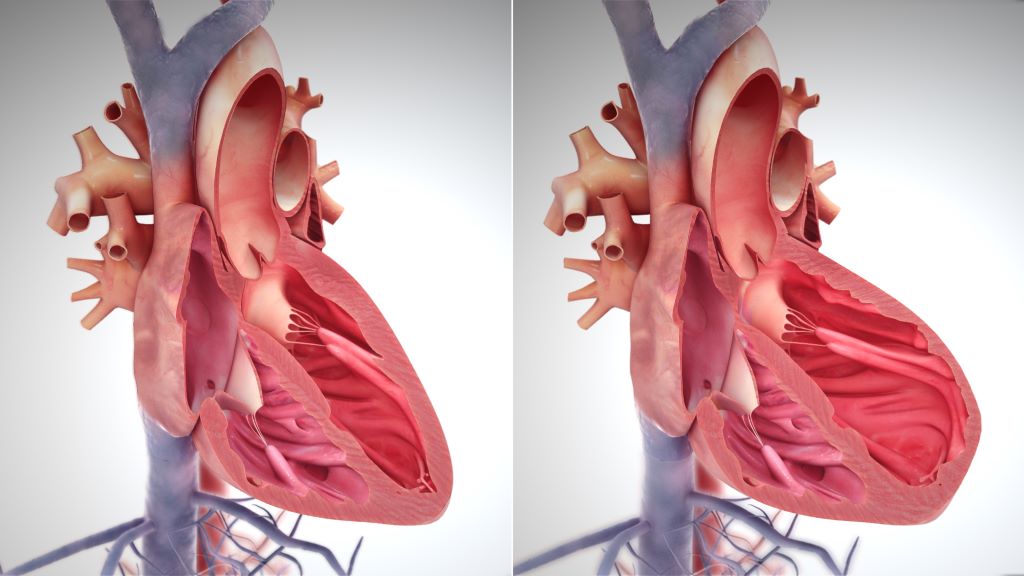
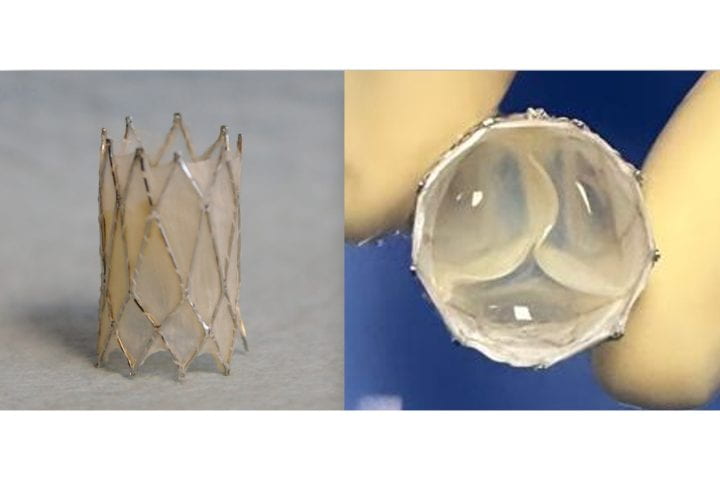
The Iris Valve, a transcatheter, growth-accommodating pulmonary valve designed for very young children, was developed at UC Irvine and is currently progressing toward FDA clinical approval. Arash Kheradvar

Researchers at the University of California, Irvine have successfully performed preclinical laboratory testing of a replacement heart valve intended for toddlers and young children with congenital cardiac defects, a key step toward obtaining approval for human use. The results of their study were published recently in the Journal of the American Heart Association.

The management of patients with congenital heart disease who require surgical pulmonary valve replacement typically occurs between the ages of 2 and 10. To be eligible for a minimally invasive transcatheter pulmonary valve procedure, patients currently must weigh at least 20.4kg. For children to receive minimally invasive treatment, they must be large enough so that their veins can accommodate the size of a crimped replacement valve. The Iris Valve designed and developed by the UC Irvine team can be implanted in children weighing as little as 7.7 to 10kg and gradually expanded to an adult diameter as they grow.

Research and development of the Iris Valve has been supported by the Eunice Kennedy Shriver National Institute of Child Health and Human Development; the National Heart, Lung, and Blood Institute; and the National Science Foundation.

This funding has enabled benchtop fracture testing, which demonstrated the valve’s ability to be crimped down to a 3mm diameter for transcatheter delivery and subsequently enlarged to 20mm without damage, as well as six-month animal studies that confirmed successful device integration within the pulmonary valve annulus, showing valve integrity and a favourable tissue response.

“We are pleased to see the Iris Valve performing as we expected in laboratory bench tests and as implants in Yucatan mini pigs, a crucial measure of the device’s feasibility,” said lead author Arash Kheradvar, UC Irvine professor of biomedical engineering. “This work represents the result of longstanding collaboration between our team at UC Irvine and Dr Michael Recto at Children’s Hospital of Orange County built over several years of joint research and development.”

Congenital heart defects affect about 1% of children born in the United States and Europe, with over 1 million cases in the US alone. These conditions often necessitate surgical interventions early in life, with additional procedures required to address a leaky pulmonary valve and prevent right ventricular failure as children grow.

The Iris Valve can be implanted via a minimally invasive catheter through the patient’s femoral vein. The Kheradvar group employed origami folding techniques to compress the device into a 12-French transcatheter system, reducing its diameter to no more than 3mm. Over time, the valve can be balloon-expanded up to its full 20mm diameter.

This implantation method, along with the ability to begin treatment earlier in very young patients, helps mitigate the risk of complications from delayed care and reduces the need for multiple surgeries in this vulnerable population.

“Once the Iris Valve comes to fruition, it will save hundreds of children at least one operation – if not two – throughout the course of their lives,” said Recto, an interventional paediatric cardiologist at CHOC who’s also a clinical professor of paediatrics at UC Irvine. “It will save them from having to undergo surgical pulmonary valve placement, as the Iris Valve is delivered via a small catheter in the vein and can be serially dilated to an adult diameter and also facilitate the future placement of larger transcatheter pulmonary valves – with sizes greater than 20 millimetres, like the Melody, Harmony and Sapien devices – if needed.”

Source: University of California, Irvine

Scientists Argue for More FDA Oversight of Healthcare AI Tools 

New paper critically examines the US Food and Drug Administration’s regulatory framework for artificial intelligence-powered healthcare products, highlighting gaps in safety evaluations, post-market surveillance, and ethical considerations.

An agile, transparent, and ethics-driven oversight system is needed for the U.S. Food and Drug Administration (FDA) to balance innovation with patient safety when it comes to artificial intelligence-driven medical technologies. That is the takeaway from a new report issued to the FDA, published this week in the open-access journal PLOS Medicine by Leo Celi of the Massachusetts Institute of Technology, and colleagues.

Artificial intelligence is becoming a powerful force in healthcare, helping doctors diagnose diseases, monitor patients, and even recommend treatments. Unlike traditional medical devices, many AI tools continue to learn and change after they’ve been approved, meaning their behaviour can shift in unpredictable ways once they’re in use.

In the new paper, Celi and his colleagues argue that the FDA’s current system is not set up to keep tabs on these post-approval changes. Their analysis calls for stronger rules around transparency and bias, especially to protect vulnerable populations. If an algorithm is trained mostly on data from one group of people, it may make mistakes when used with others. The authors recommend that developers be required to share information about how their AI models were trained and tested, and that the FDA involve patients and community advocates more directly in decision-making. They also suggest practical fixes, including creating public data repositories to track how AI performs in the real world, offering tax incentives for companies that follow ethical practices, and training medical students to critically evaluate AI tools.

“This work has the potential to drive real-world impact by prompting the FDA to rethink existing oversight mechanisms for AI-enabled medical technologies. We advocate for a patient-centred, risk-aware, and continuously adaptive regulatory approach – one that ensures AI remains an asset to clinical practice without compromising safety or exacerbating healthcare disparities,” the authors say.

Provided by PLOS

4:3 Intermittent Fasting Outperforms Daily Calorie Restriction in Weight-Loss Study

The finding bucks a research trend that has shown little difference in weight lost between the two diet strategies

Photo by Ayako S

Comparing intermittent fasting with traditional daily calorie restriction, researchers at the University of Colorado Anschutz Medical Campus found greater weight loss among the intermittent fasting group, a significant finding given that most previous studies reported no notable difference between the two diet strategies.

Singling out the 4:3 plan of the popular intermittent fasting (IMF) model – where dieters eat freely four days a week with three days a week of intense calorie restriction – the researchers found an average body weight loss of 7.6% among IMF participants at the one-year mark compared with 5% in the daily caloric restriction (DCR) group.

The study was published in the Annals of Internal Medicine and funded by the National Institutes of Health.

“It was surprising and exciting to me that it was better,” said Victoria Catenacci, MD, co-lead author and associate professor of endocrinology at the CU School of Medicine.

“The more important message to me is that this is a dietary strategy that is an evidence-based alternative, especially for people who have tried DCR and found it difficult,” Catenacci said, noting the weight-loss difference was modest.

An endocrinologist who specializes in obesity medicine, Catenacci’s work targets a decades-long health crisis in this country, with 40% of Americans 20 and older meeting the medical criteria for obesity. She works at the CU Anschutz Health and Wellness Center (AHWC), the study’s primary site.

She and co-lead author Danielle Ostendorf, PhD, who worked on the study as a post-doctoral fellow with Catenacci in 2018 and has since moved to the University of Tennessee Knoxville, share more about the research in the Q&A below.

Source: University of Colorado Anschutz Campus

Black Coffee Linked to Lower Risk of All-cause Mortality

Photo by Mike Kenneally on Unsplash

While you’re probably not pouring your morning cup for the long-term health benefits, coffee consumption has been linked to lower risk of mortality. In a new observational study, researchers from Tufts University found the association between coffee consumption and mortality risk changes with the amount of sweeteners and saturated fat added to the beverage. 

The study, published online in The Journal of Nutrition, found that consumption of 1-2 cups of caffeinated coffee per day was linked to a lower risk of death from all causes and death from cardiovascular disease. Black coffee and coffee with low levels of added sugar and saturated fat were associated with a 14% lower risk of all-cause mortality as compared to no coffee consumption. The same link was not observed for coffee with high amounts of added sugar and saturated fat. 

“Coffee is among the most-consumed beverages in the world, and with nearly half of American adults reporting drinking at least one cup per day, it’s important for us to know what it might mean for health,” said study senior author Professor Fang Fang Zhang at the Gerald J. and Dorothy R. Friedman School of Nutrition Science and Policy. “The health benefits of coffee might be attributable to its bioactive compounds, but our results suggest that the addition of sugar and saturated fat may reduce the mortality benefits.” 

The study analysed data from nine consecutive cycles of the National Health and Nutrition Examination Survey (NHANES) from 1999 to 2018, linked to National Death Index Mortality Data. The study included a nationally representative sample of 46 000 adults aged 20 years and older who completed valid first-day 24-hour dietary recalls. Coffee consumption was categorised by type (caffeinated or decaffeinated), sugar, and saturated fat content. Mortality outcomes included all-cause, cancer, and cardiovascular disease. Low added sugar (from granulated sugar, honey, and syrup) was defined as under 5% of the Daily Value, which is 2.5 grams per 8-ounce [250mL] cup or approximately half a teaspoon of sugar. Low saturated fat (from milk, cream, and half-and-half) was defined as 5% of the Daily Value, or 1 gram per 250mL cup or the equivalent of 5 tablespoons of 2% milk, 1 tablespoon of light cream, or 1 tablespoon of half-and-half. 

In the study, consumption of at least one cup per day was associated with a 16% lower risk of all-cause mortality. At 2-3 cups per day, the link rose to 17%. Consumption beyond three cups per day was not associated with additional reductions, and the link between coffee and a lower risk of death by cardiovascular disease weakened when coffee consumption was more than three cups per day. No significant associations were seen between coffee consumption and cancer mortality. 

“Few studies have examined how coffee additives could impact the link between coffee consumption and mortality risk, and our study is among the first to quantify how much sweetener and saturated fat are being added,” said first author Bingjie Zhou, a recent Ph.D. graduate from the nutrition epidemiology and data science program at the Friedman School. “Our results align with the Dietary Guidelines for Americans which recommend limiting added sugar and saturated fat.” 

Limitations of the study include the fact that self-reported recall data is subject to measurement error due to day-to-day variations in food intake. The lack of significant associations between decaffeinated coffee and all-cause mortality could be due to the low consumption among the population studied. 

Source: Tufts University

Iron Plays a Major Role in Down Syndrome-Associated Alzheimer’s Disease

New USC research indicates how iron-related oxidative damage and cell death may hasten the development of Alzheimer’s disease in people with Down syndrome

Photo by Nathan Anderson on Unsplash

Scientists at the University of Southern Carolina have discovered a key connection between high levels of iron in the brain and increased cell damage in people who have both Down syndrome and Alzheimer’s disease.

In the study, researchers found that the brains of people diagnosed with Down syndrome and Alzheimer’s disease (DSAD) had twice as much iron and more signs of oxidative damage in cell membranes compared to the brains of individuals with Alzheimer’s disease alone or those with neither diagnosis. The results, published in Alzheimer’s & Dementia: The Journal of the Alzheimer’s Association, point to a specific cellular death process that is mediated by iron, and the findings may help explain why Alzheimer’s symptoms often appear earlier and more severely in individuals with Down syndrome.

“This is a major clue that helps explain the unique and early changes we see in the brains of people with Down syndrome who develop Alzheimer’s,” said Max Thorwald, lead author of the study and a postdoctoral fellow in the laboratory of University Professor Emeritus Caleb Finch at the USC Leonard Davis School. “We’ve known for a long time that people with Down syndrome are more likely to develop Alzheimer’s disease, but now we’re beginning to understand how increased iron in the brain might be making things worse.”

Down syndrome and Alzheimer’s

Down syndrome is caused by having an extra third copy, or trisomy, of chromosome 21. This chromosome includes the gene for amyloid precursor protein, or APP, which is involved in the production of amyloid-beta (Aβ), the sticky protein that forms telltale plaques in the brains of people with Alzheimer’s disease.

Because people with Down syndrome have three copies of the APP gene instead of two, they tend to produce more of this protein. By the age of 60, about half of all people with Down syndrome show signs of Alzheimer’s disease, which is approximately 20 years earlier than in the general population.

“This makes understanding the biology of Down syndrome incredibly important for Alzheimer’s research,” said Finch, the study’s senior author.

Key findings point to ferroptosis

The research team studied donated brain tissue from individuals with Alzheimer’s, DSAD, and those without either diagnosis. They focused on the prefrontal cortex — an area of the brain involved in thinking, planning, and memory — and made several important discoveries:

  • Iron levels much higher in DSAD brains: Compared to the other groups, DSAD brains had twice the amount of iron in the prefrontal cortex. Scientists believe this buildup comes from tiny brain blood vessel leaks called microbleeds, which occur more frequently in DSAD than in Alzheimer’s and are correlated with higher amounts of APP.
  • More damage to lipid-rich cell membranes: Cell membranes are made of fatty compounds called lipids and can be easily damaged by chemical stress. In DSAD brains, the team found more byproducts of this type of damage, known as lipid peroxidation, compared to amounts in Alzheimer’s-only or control brains.
  • Weakened antioxidant defense systems: The team found that the activity of several key enzymes that protect the brain from oxidative damage and repair cell membranes was lower in DSAD brains, especially in areas of the cell membrane called lipid rafts.

Together, these findings indicate increased ferroptosis, a type of cell death characterised by iron-dependent lipid peroxidation, Thorwald explained: “Essentially, iron builds up, drives the oxidation that damages cell membranes, and overwhelms the cell’s ability to protect itself.”

Lipid rafts: a hotspot for brain changes

The researchers paid close attention to lipid rafts — tiny parts of the brain cell membrane that play crucial roles in cell signalling and regulate how proteins like APP are processed. They found that in DSAD brains, lipid rafts had much more oxidative damage and fewer protective enzymes compared to Alzheimer’s or healthy brains.

Notably, these lipid rafts also showed increased activity of the enzyme β-secretase, which interacts with APP to produce Aβ proteins. The combination of more damage and more Aβ production may promote the growth of amyloid plaques, thus speeding up Alzheimer’s progression in people with Down syndrome, Finch explained.

Rare Down syndrome variants offer insight

The researchers also studied rare cases of individuals with “mosaic” or “partial” Down syndrome, in which the third copy of chromosome 21 is only present in a smaller subset of the body’s cells. These individuals had lower levels of APP and iron in their brains and tended to live longer. In contrast, people with full trisomy 21 and DSAD had shorter lifespans and higher levels of brain damage.

“These cases really support the idea that the amount of APP — and the iron that comes with it — matters a lot in how the disease progresses,” Finch said.

Looking ahead

The team says their findings could help guide future treatments, especially for people with Down syndrome who are at high risk of Alzheimer’s. Early research in mice suggests that iron-chelating treatments, in which medicine binds to the metal ions and allows them to leave the body, may reduce indicators of Alzheimer’s pathology, Thorwald noted.

“Medications that remove iron from the brain or help strengthen antioxidant systems might offer new hope,” Thorwald said. “We’re now seeing how important it is to treat not just the amyloid plaques themselves but also the factors that may be hastening the development of those plaques.”

Source: University of Southern California

For Obesity, Fitness Trackers Miss the Mark – but There’s a Fix

Photo by Kamil Switalski on Unsplash

For many, fitness trackers have become indispensable tools for monitoring how many calories they’ve burned in a day. But for those living with obesity, who are known to exhibit differences in walking gait, speed, energy burned and more, these devices often inaccurately measure activity – until now.

Scientists at Northwestern University have developed a new algorithm that enables smartwatches to more accurately monitor the calories burned by people with obesity during various physical activities.

The technology bridges a critical gap in fitness technology, said Nabil Alshurafa, whose Northwestern lab, HABits Lab, created and tested the open-source, dominant-wrist algorithm specifically tuned for people with obesity. It is transparent, rigorously testable and ready for other researchers to build upon. Their next step is to deploy an activity-monitoring app later this year that will be available for both iOS and Android use.

“People with obesity could gain major health insights from activity trackers, but most current devices miss the mark,” said Alshurafa, associate professor of behavioral medicine at Northwestern University Feinberg School of Medicine.

Current activity-monitoring algorithms that fitness trackers use were built for people without obesity. Hip-worn trackers often misread energy burn because of gait changes and device tilt in people with higher body weight, Alshurafa said. And lastly, wrist-worn models promise better comfort, adherence and accuracy across body types, but no one has rigorously tested or calibrated them for this group, he said.

“Without a validated algorithm for wrist devices, we’re still in the dark about exactly how much activity and energy people with obesity really get each day — slowing our ability to tailor interventions and improve health outcomes,” said Alshurafa, whose team tested his lab’s algorithm against 11 state-of-the-art algorithms designed by researchers using research-grade devices and used wearable cameras to catch every moment when wrist sensors missed the mark on calorie burn.

The findings will be published June 19 in Nature Scientific Reports.

The exercise class that motivated the research

Alshurafa was motivated to create the algorithm after attending an exercise class with his mother-in-law who has obesity.

“She worked harder than anyone else, yet when we glanced at the leaderboard, her numbers barely registered,” Alshurafa said. “That moment hit me: fitness shouldn’t feel like a trap for the people who need it most.”

Algorithm rivals gold-standard methods

By using data from commercial fitness trackers, the new model rivals gold-standard methods of measuring energy burn and can estimate how much energy someone with obesity is using every minute, achieving over 95% accuracy in real-world situations. This advancement makes it easier for more people with obesity to track their daily activities and energy use, Alshurafa said.

How the study measured energy burn

In one group, 27 study participants wore a fitness tracker and metabolic cart – a mask that measures the volume of oxygen the wearer inhales and the volume of carbon dioxide the wearer exhales to calculate their energy burn (in kilocalories/kCals) and resting metabolic rate. The study participants went through a set of physical activities to measure their energy burn during each task. The scientists then looked at the fitness tracker results to see how they compared to the metabolic cart results.

In another group, 25 study participants wore a fitness tracker and body camera while just living their lives. The body camera allowed the scientists to visually confirm when the algorithm over- or under-estimated kCals.

At times, Alshurafa said he would challenge study participants to do as many pushups as they could in five minutes.

“Many couldn’t drop to the floor, but each one crushed wall-pushups, their arms shaking with effort,” he said, “We celebrate ‘standard’ workouts as the ultimate test, but those standards leave out so many people. These experiences showed me we must rethink how gyms, trackers and exercise programs measure success – so no one’s hard work goes unseen.”

Source: Northwestern University

South Africa Needs to do More to Tackle Antimicrobial Resistance, Warn Experts

This is a “pandemic which is wreaking havoc, is not being attended to properly and not being taken seriously enough”

Source: Unsplash CC0

By Liezl Human

A group of infectious disease and public health experts are calling on the Department of Health and Minister Aaron Motsoaledi to reintroduce a national action plan addressing antimicrobial resistance (AMR).

An open letter from over 70 doctors, scientists and public health advisors states that antibiotic resistance is becoming a “growing threat” in the country and poses a threat to universal health coverage through the National Health Insurance.

Read the open letter

Latest figures show that over one-million deaths a year worldwide are directly caused by AMR. This number is projected to increase. Nearly five-million people die with an antibiotic-resistant infection. Over the next 25 years, nearly 40-million people are projected to die from AMR. 

The second edition of the South African Antimicrobial Resistance National Strategy Framework, from 2018-2024, has expired. The plan acknowledged that antimicrobial resistance is “a serious and growing global health security risk”.

The open letter also called on the department to reinstate a ministerial advisory committee on AMR or to establish a similar scientific body.

“The lack of a robust scientific advisory body limits the government’s capacity to develop evidence-based policies,” the letter reads. The establishment of a scientific body would “empower the government to make strategic, data-driven decisions to combat this pressing health threat effectively”.

The former Ministerial Advisory Committee was disbanded in November 2023.

Marc Mendelson, an infectious disease specialist at Groote Schuur Hospital who has been outspoken about the threat of AMR for many years, said: “AMR is a current pandemic which is wreaking havoc, is not being attended to properly and not being taken seriously enough in South Africa.”

Mendelson said that there are “more and more people having to be treated for highly resistant bacterial infections in our healthcare system”. AMR leads to an increase in morbidity, mortality, hospital costs, and also has socio-economic consequences, he said. Common medical interventions such as surgery “becomes much riskier” with AMR.

Department of Health spokesperson Foster Mohale said that the department would only comment once the letter was formally presented, which is expected to happen at 5pm on Thursday.

Republished from Spotlight under a Creative Commons Attribution-NoDerivatives 4.0 International License.

Read the original article.