A number of radiation therapy graduates, who must by law complete the Department of Health’s Internship and Community Service Programme in order to practise medicine, say they have been waiting for nearly six months to be placed in hospitals.
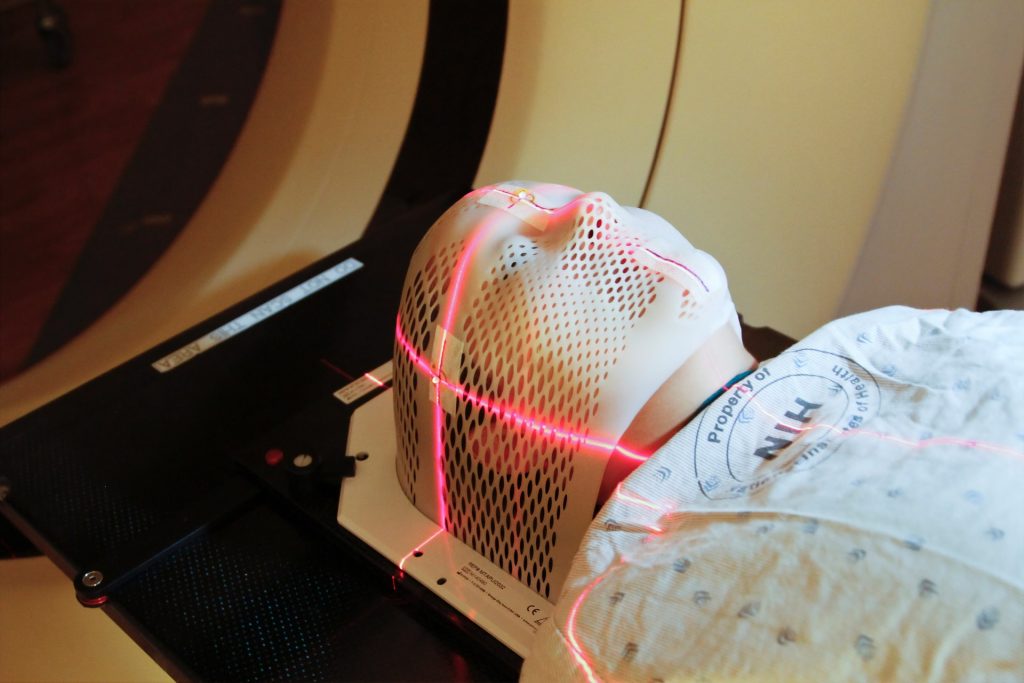
They have finished their four-year studies and now need to complete a year-long internship, referred to as Comserve, in order to register and practice as medical professionals. Their primary role is to administer radiation treatment to patients with cancer.
The community service programme is administered by the National Department of Health.
“We are left in limbo, not sure when we will receive a post,” a graduate from the Western Cape, who wished to be anonymous, told GroundUp. He said that they’ve been told since the beginning of the year by Comserve officials that they are engaging with provinces to secure them placements.
He shared correspondence that said he was not yet allocated a position “due to the unavailability of funded posts”.
He said that it was “frustrating” that they are required by law to do Comserve yet the department cannot find them posts.
“We are all stressed out … We still have bills to pay from university. We are squatting with our parents. We were promised we were going to have a job after studying and now we can’t apply for other jobs. Our hands are cut off. We can’t do anything,” he said.
He said he knew of about nine other radiation therapists also waiting for placements.
Another graduate, from KwaZulu-Natal, said the lack of placement risked creating a backlog when next year’s graduates need to do Comserve.
“At the end of the day, our cancer patients are going to suffer … They need us and we have trained specifically to help them,” she said.
The failure to place graduates is happening despite staff shortages in radiation oncology departments in Gauteng.
On 30 April activists from SECTION27, Cancer Alliance and the Treatment Action Campaign (TAC) as well as cancer patients marched to the offices of the Gauteng department of health demanding that millions of rands set aside for radiation treatment be used.
In an open letter addressed to health MEC Nomantu Nkomo-Ralehoko, the organisations provided a backlog list of about 3000 patients awaiting radiation oncology treatment.
Salomé Meyer of the Cancer Alliance says there are radiation oncology staff shortages in Charlotte Maxeke Johannesburg Academic Hospital and Steve Biko Academic Hospital.
Both graduates GroundUp spoke to had applied to Charlotte Maxeke for their Comserve year.
In December 2023, the national department stated that nearly 10 400 Comserve applications were received. Of these just shy of 9400 applicants “were successfully placed, and this includes medical doctors, nurses, pharmacists and other health professionals at health facilities throughout the country”.
National Department of Health spokesperson Foster Mohale sent GroundUp an incoherent and incomplete WhatsApp response. “We only know those who were placed. We can’t tell those who were not placed because we are not sure of their career plans,” he wrote.
Asked about staff shortages, Mohale wrote that the department “prioritises all critical posts using limited budget”.
The Gauteng Department of Health did not respond to our questions about radiology therapist Comserve placements and staff shortages in its hospitals, despite committing to do so and repeated follow-ups.
Post-COVID-19, there has been a notable increase in vaccine fatigue and apathy, influenced significantly by social media.1 Higher trust in social media correlates with increased vaccine hesitancy, driven by the widespread dissemination of vaccine misinformation and conspiracy theories on these platforms.1 This has significantly impacted public perceptions and trust regarding vaccinations.1
Recently, statistics have indicated a notable increase in pertussis cases in South Africa. In December 2022, the National Institute for Communicable Diseases (NICD) reported a total of 408 cases countrywide.2 Most of these cases occurred in children younger than five years old as parents might not return to their healthcare professional to have their children vaccinated after six weeks of age.2
Pertussis is a vaccine-preventable disease
Recent research concluded that immunisation with the pertussis vaccine during pregnancy prevented 65% of pertussis infections through 6 months of age.3 These results indicate that maternal pertussis vaccination protects infants from infection during a period of greatest vulnerability to severe morbidity and mortality.3 The findings support the infant health benefits of recommendations to administer a dose of pertussis vaccine near 28 weeks of gestational age.3
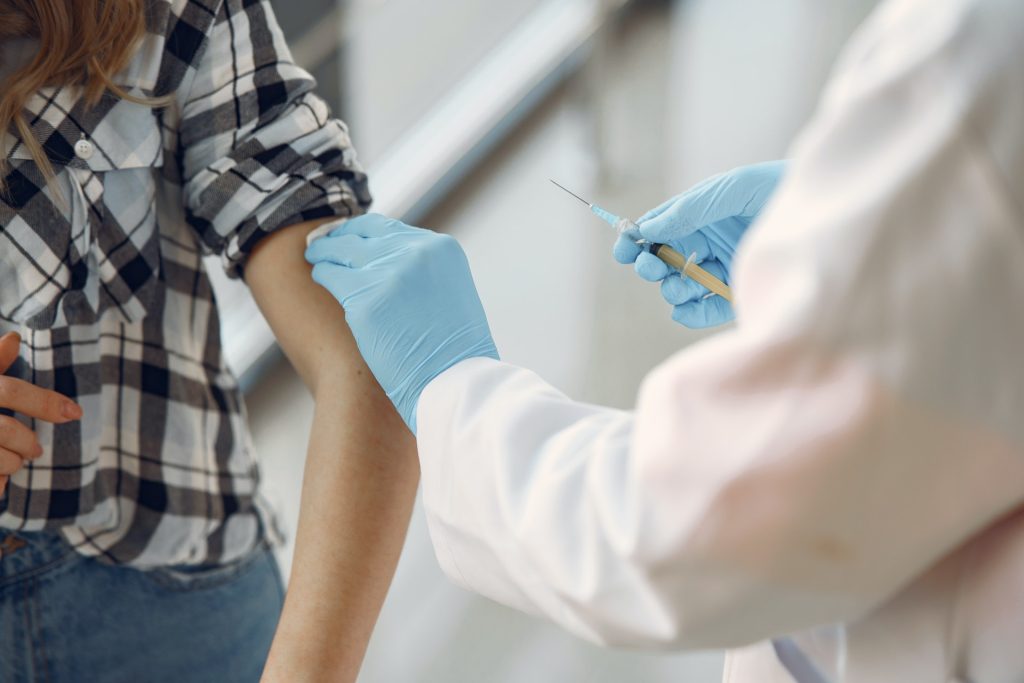
Health authorities in South Africa have emphasised the importance of vaccination to control pertussis outbreaks.4 Immunity following vaccination lasts for approximately 5-6 years, necessitating booster doses.4 Episodic increases in pertussis cases occur in vaccinated populations every 3-5 years, making the completion of childhood primary series Tdap (tetanus, diphtheria, and acellular pertussis) vaccine and boosters important for prevention.4 The NICD also recommends vaccination of healthcare workers and pregnant women to reduce transmission to neonates and other vulnerable populations.4
“2024 marks the 50th anniversary of the Expanded Programme on Immunisation (EPI),” says Dr Lourens Terblanche, Vaccines Medical Head at global pharmaceutical company, Sanofi South Africa. “Every country has a national immunisation programme, and vaccines are universally recognised as best practice in terms of efficacy, tolerability, cost impact and successful public health interventions to prevent fatalities and enhance the quality of life. As we celebrate the lifesaving impact of EPI, we also need to strengthen routine immunisation initiatives, especially for pregnant women.”
Effective protection for children with Tdap vaccination
South Africa’s national immunisation schedule provides vaccinations against various diseases free of charge at state clinics, starting from birth, followed by additional doses at set times during a child’s early years.
“It is crucial to prioritise the health and well-being of patients, especially during critical stages such as pregnancy and childhood,” says Terblanche. “We urge all healthcare professionals to encourage pregnant women to receive their vaccinations timeously, and to ensure that their children’s vaccinations are up to date. Proactive efforts can significantly reduce the risk of vaccine-preventable diseases for mothers and children, safeguarding their health and the health of our communities.”
Terblanche reiterates that pertussis has the potential to cause serious and sometimes deadly complications in the paediatric population. “The majority of cases of pertussis occur in infants less than 2-3 months old, and the highest number of deaths are also seen in this age group. The situation is complicated by the fact that vaccinating infants themselves against pertussis can only start from 6 weeks of age, which is why strategies to protect them in this window of vulnerability is so important.”
Sanofi, in partnership with the National Department of Health, is urging healthcare providers throughout South Africa to encourage pregnant women to have the Tdap vaccination. Tdap vaccine Adacel is an integral component of preventive healthcare and is approved for use in individuals aged 10 through 64. This vaccine provides protection against pertussis, tetanus and diphtheria.5
Immunological response and efficacy
Adacel stimulates the immune system to produce antibodies that are specific to the toxins produced by tetanus and diphtheria bacteria, as well as the cells of the Bordetella pertussis bacteria. “This action provides a critical defensive shield against these diseases, with immunity that is significantly more robust and longer-lasting than natural immunity,” says Terblanche.
Adacel is indicated for immunisation during the third trimester of pregnancy to prevent pertussis in infants younger than 2 months of age.5
The first dose of Adacel is administered at least 5 years after the last dose of DTaP or Td.5
Adacel is approved for a repeat vaccination as soon as 8 years after the initial Tdap dose.5
Adacel for tetanus-prone wound management may be administered as early as 5 years after a previous dose of a tetanus toxoid-containing vaccine.5
“Adacel can help a pregnant woman to create antibodies against the bacteria that cause pertussis, and these are passed to her baby before birth,” says Terblanche.
Impact of vaccination on global health
Today, vaccines have an excellent safety record and most “vaccine scares” have been shown to be false alarms.6 However, misguided safety concerns in some countries have led to a fall in vaccination coverage, causing the re-emergence of pertussis and measles.6
Vaccinations significantly reduce disease, disability, death, and health inequities globally:6
Public Health Impact: Vaccination has substantially lowered the incidence of diseases that were once prevalent and often fatal, contributing greatly to global health improvements comparable only to the provision of clean water.6
Economic Benefits: By reducing disease burden, vaccination cuts healthcare costs and promotes economic growth through lower morbidity and mortality rates.6
Global Disease Control: Successful vaccination programs have led to the eradication and control of numerous infectious diseases.6
Herd Immunity and Social Equity: Vaccination not only protects vaccinated individuals but also contributes to broader community health through herd immunity. This indirect protection is especially beneficial in low-income settings where direct vaccine coverage may not be comprehensive.6
Empowerment and Secondary Benefits: Beyond health, vaccination empowers women by enabling better family planning and increases educational and social opportunities through improved child survival rates.6
Reduction of Antibiotic Resistance: By preventing bacterial infections, vaccines reduce the need for antibiotics, thereby helping to slow the development of antibiotic-resistant strains.6
With Adacel, you can help make a difference in pertussis prevention. Let’s protect mothers, children and our communities and ensure everyone has the chance to lead a healthy life by getting vaccinated.
Tdap – tetanus, diphtheria, acellular pertussis
DTaP – diphtheria, tetanus, acellular pertussis
Td – tetanus, diphtheria
References
1. Carrieri V, Guthmuller S, Wübker A. Trust and COVID-19 vaccine hesitancy. Sci Rep. 2023 Jun 7;13(1):9245. doi: 10.1038/s41598-023-35974-z. PMID: 37286569; PMCID: PMC10245358. 2. Whooping Cough Cases Increase Rapidly, Officials Urge Vigilance. Health-e News. [Accessed 22 Apr 24]. Available from: https://health-e.org.za/2023/01/27/whooping-cough-cases-increase-rapidly-officials-urge-vigilance 3. Regan AK, Moore HC, Binks MJ, et al. Maternal Pertussis Vaccination, Infant Immunization, and Risk of Pertussis. Pediatrics. 2023;152(5):e2023062664. 4. Pertussis Preparedness: An update for Physicians, Accident & Emergency practitioners and Laboratorians. National Institute for Communicable Diseases. Centre for Respiratory Diseases And Meningitis. Revised December 2022. [Accessed 22 Apr 24]. Available from: https://www.nicd.ac.za/wp-content/uploads/2022/12/Pertussis-preparedness-and-alert-doc_12-Dec-2022_Final.pdf 5. Pertussis prevention starts here. Sanofi. [Accessed 22 Apr 24]. Available from: https://www.adacelvaccine.com/ 6. Andre FE, Booy R, Bock HL, et al. Vaccination greatly reduces disease, disability, death and inequity worldwide. Bull World Health Organ. 2008 Feb; 86(2): 140–146. Published online 2007 Nov 27. doi: 10.2471/BLT.07.040089.
A 3D map of the islet density routes throughout the healthy human pancreas. Source: Wikimedia CC0
Northwestern University researchers have developed a new antioxidant biomaterial that someday could provide much-needed relief to people living with chronic pancreatitis. The study was published in the journal Science Advances.
Before surgeons remove the pancreas from patients with severe, painful chronic pancreatitis, they first harvest insulin-producing tissue clusters, called islets, and transplant them into the vasculature of the liver. The goal of the transplant is to preserve a patient’s ability to control their own blood-glucose levels without insulin injections.
Unfortunately, the process inadvertently destroys 50–80% of islets, and one-third of patients become diabetic after surgery. Three years post-surgery, 70% of patients require insulin injections, which are accompanied by a list of side effects, including weight gain, hypoglycaemia and fatigue.
In the new study, researchers transplanted islets from the pancreas to the omentum – the large, flat, fatty tissue that covers the intestines – instead of the liver. And, to create a healthier microenvironment for the islets, the researchers adhered the islets to the omentum with an inherently antioxidant and anti-inflammatory biomaterial, which rapidly transforms from a liquid to a gel when exposed to body temperature.
In studies with mouse and non-human primates, the gel successfully prevented oxidative stress and inflammatory reactions, significantly improving survival and preserving function of transplanted islets. It marks the first time a synthetic antioxidant gel has been used to preserve function of transplanted islets.
“Although islet transplantation has improved over the years, long-term outcomes remain poor,” said Northwestern’s Guillermo A. Ameer, who led the study. “There is clearly a need for alternative solutions. We have engineered a cutting-edge synthetic material that provides a supportive microenvironment for islet function. When tested in animals, we were successful. It kept islet function maximised and restored normal blood sugar levels. We also report a reduction in units of insulin that animals required.”
“With this new approach, we hope that patients will no longer have to choose between living with the physical pain of chronic pancreatitis or the complications of diabetes,” added Jacqueline Burke, a research assistant professor of biomedical engineering at Northwestern and the paper’s first author.
‘Compromised quality of life’
For patients living without a pancreas, side effects such as managing blood-sugar levels can be a lifelong struggle. By secreting insulin in response to glucose, islets help the body maintain glycaemic control. Without functioning islets, people must closely monitor their blood-sugar levels and frequently inject insulin.
“Living without functional islets places a great burden on patients,” Burke said. “They must learn to count carbs, dose insulin at the appropriate time and continuously monitor blood glucose. This consumes much of their time and mental energy. Even with great care, exogeneous insulin therapy is not as effective as islets for maintaining glucose control.”
“It’s a compromised quality of life,” Ameer said. “Instead of multiple insulin injections, we would love to collect and preserve as many islets as possible.”
But, unfortunately, the current standard of care for preserving islets often leads to poor outcomes. After the surgery to remove the pancreas, surgeons isolate islets from the pancreas and transplant them to the liver through portal vein infusion. This intraportal perfusion procedure has several common complications. Islets in direct contact with blood flow undergo an inflammatory response, more than half of the islets die, and transplanted islets can cause dangerous clots in the liver. For those reasons, physicians and researchers have been searching for an alternate transplantation site.
In previous clinical studies, researchers transplanted islets to the omentum instead of the liver in order to bypass issues with clotting. To secure the islets on the omentum, physicians used plasma from the patients’ own blood to form a biologic gel. While the omentum appeared to work better than the liver as a transplantation site, several issues, including clots and inflammation, remained.
“There’s been significant interest in the research and medical communities to find an alternate islet transplantation site,” Ameer said. “The results from the omentum study were encouraging, but outcomes were varied. We believe that’s because the use of the patients’ blood and the added components required to create the biologic gel can affect reproducibility among patients.”
A citrate solution
To protect the islets and improve outcomes, Ameer turned to the citrate-based biomaterials platform with inherent antioxidant properties developed in his laboratory. Used in products approved by U.S. Food and Drug Administration for musculoskeletal surgeries, citrate-based biomaterials have demonstrated the ability to control the body’s inflammatory responses. Ameer set out to investigate whether a version of these biomaterials with biodegradable and temperature-responsive phase-changing properties would provide a superior alternative to a biologic gel obtained from blood.
In cell cultures, both mouse and human islets stored within the citrate-based gel maintained viability much longer than islets in other solutions. When exposed to glucose, the islets secreted insulin, demonstrating normal functionality. Moving beyond cell cultures, Ameer’s team tested the gel in small and large animal models. Liquid at room temperature, the material turns into a gel at body temperature, so it’s simple to apply and easily stays in place.
In the animal studies, the gel effectively secured the islets onto the omentum of the animals. Compared to the current methods, more islets survived, and, over time, the animals restored normal blood glucose levels. According to Ameer, the success is partially due to the new material’s biocompatibility and antioxidant nature.
“Islets are very sensitive to oxygen,” Ameer said. “They are affected by both too little oxygen and too much oxygen. The material’s innate antioxidant properties protect the cells. Plasma from your own blood doesn’t offer the same level of protection.”
Integrating into tissues
After about three months, the body resorbed 80-90% of the biocompatible gel. But, at that point, it was no longer needed.
“What was fascinating is that the islets regenerated blood vessels,” Ameer said. “The body generated a network of new blood vessels to reconnect the islets with the body. That is a major breakthrough because the blood vessels keep the islets alive and healthy. Meanwhile, our gel is simply resorbed into the surrounding tissue, leaving little evidence behind.”
Next, Ameer aims to test his hydrogel in animal models over a longer period of time. He said the new hydrogel also could be used for various cell replacement therapies, including stem cell-derived beta cells for treating diabetes.
Össur South Africa has announced the availability of Naked Prosthetics to the local market. This range of custom-made prostheses, precisely tailored to the user’s amputation and individual hand structure, positively impacts those with finger and partial-hand amputations by providing functional finger prostheses of high quality.
“Partial hand limb loss is the most prevalent of upper limb loss, with over 90% of upper limb amputations involving the fingers. Finger and partial-hand amputations also accounts for a significant number of amputations each year,” says Ernst van Dyk, Managing Director, Össur South Africa.
Whilst more common amongst working age men, finger and partial-hand amputations occurs regardless of gender or age. “The lack of mobility resulting from a finger and partial-hand amputation is not limited to the area of amputation only. Many amputees experience loss of mobility beyond the area of amputation,” stresses van Dyk. No fewer than 5% experience a resultant impairment of the entire body and as many as 75% of heavy manual labourers are unable to return to work.
“With Naked Prosthetics we are dedicated to positively impacting the lives of finger and partial-hand amputees. We aim to provide them with functional, high-quality solutions that seamlessly integrate into their lives and empower them to not only resume employment but, as importantly, to engage in the activities they love, thereby assisting them to live a life without limitations,” says van Dyk.
Naked Prosthetics’ innovative solutions, the result of strong research and development (R&D) efforts and manufacturing capabilities, has been recognised by Business Insider as one of the medical technologies that are changing people’s lives[1]. It currently offers four custom-designed devices that are fabricated to within millimetres of a patient’s unique anatomy to mimic the complex motion of a finger.
The PIPDriver is a body-controlled prosthesis designed for a finger amputation or limb difference on the proximal or distal phalanx. Its design is anatomically adapted to the proximal and distal interphalangeal joints for intuitive and natural movements. Benefits include improved functionality for everyday activities. It is easy to clean and care for, easy to put on and take off and has a cage-like structure that protects the residual finger. Its slim and smooth design allows the prosthesis to be worn on two or more adjacent fingers. It also includes a conductive tip option for touchscreen operation.
The MCPDriver is a body-driven prosthesis designed for a finger amputation or limb difference on the MCP joint (also known as the knuckle) of the index, middle, ring, and/or the little finger. It restores the original finger length, thereby helping to imitate natural gripping patterns and excels at restoring pinch, key, cylindrical and power grasps as well as grip stability. Its durable stainless-steel linkages and robust components allow the user to return to a highly demanding lifestyle. Benefits include a silicone pad that cushions the backplate for improved comfort, interchangeable silicone adjustment inserts that can be used to vary the volume and adjusting discs to obtain the best possible fit. Its natural abduction and adduction allow for intuitive use. As a result, the acclimatisation time after the initial fitting can be considerably reduced. It also includes the conductive tip option for touchscreen operation.
The ThumbDriver is a body-controlled prosthesis designed for an amputation or limb difference on the MCP joint of the thumb. It can restore two and three-point grips, enable secure gripping patterns with medium to large diameters and improve fine motor functions and skills. It features an adjustable preflex option that allows you to adapt the prosthesis according to the requirements of the task at hand. As a result, functional gripping patterns can be more easily attained.
The GripLock Finger is a passive and positionable prosthetic finger designed for a finger amputation or limb difference on the MCP joint of the index, middle, ring, and/or little finger. It is intended for use in conjunction with a custom-made socket adapted by a certified prosthetist. You can flex the finger to various degrees with your other hand or on a hard surface. Subsequently, you can release and fully extend the GripLock Finger by pressing the latch (lever arm) on the back or flexing the finger beyond the last locking position. It restores the original length, supports the use of both hands, prevents a misalignment of the metacarpal bone and provides a valuable tool to master everyday activities. GripLock Fingers can be combined with our MCPDriver, PIPDriver, and/or ThumbDriver.
Says Kai, a trained plant and machine operator who suffered the loss of his forefinger, middle and ring finger after a work-related accident. “Thanks to the precise adaptation to my individual anatomical conditions, the prosthesis is an irreplaceable everyday companion for me. When I come home at night, I take off the prosthesis in seconds – just like you kick off your shoes after a long day at work. I think it’s important to convey to other people in similar situations that a work accident like mine doesn’t have to mean the end of the world. You can come to terms with many situations and end up living a normal life.”
Similarly, Cara (an active member of the Finger and Partial Hand Amputee Peer & Support Group), lost two and a half fingers on her left hand due to an unforeseen accident. Prior to her accident, Cara was an avid yogi and enjoyed practicing inversions (yoga poses where the heart is higher from the ground than the head) and handstands. “I spent a year doing physical therapy to regain strength in my left hand, but I still felt as though I was struggling to hold and grip my mat as I practiced yoga,” she recalls. Every time she tried to balance her weight, she would fall backwards due to the lack of grip and support. Within one week of receiving her Naked Prosthetics PIPDrivers, Cara was able to hold a side plank during yoga. “You may feel hopeless in the moment, but it does get better. And you will be surprised at what you could learn. I am a different person now and I grew from the experience.”
“We are committed to helping digit amputees discover innovative and life-changing solutions. It’s all about function and getting people back to living full lives, without limitations,” continues van Dyk. “We believe our range of technologically advanced and custom-made prostheses helps to achieve exactly this and we are excited to be able to offer it to local amputees.”
Cleveland Clinic researchers found higher amounts of the sugar alcohol xylitol are associated with increased risk of cardiovascular events like heart attack and stroke. They confirmed the association in a large-scale patient analysis, preclinical research models and a clinical intervention study, published in the European Heart Journal.
Xylitol is a common sugar substitute used in sugar-free candy, gums, baked goods and oral products like toothpaste. Over the past decade, the use of sugar substitutes, including sugar alcohols and artificial sweeteners, has increased significantly in processed foods that are promoted as healthy alternatives.
The team, led by Stanley Hazen, MD, PhD, had also previously revealed a similar link between erythritol and cardiovascular risk last year. Xylitol is not as prevalent as erythritol in keto or sugar-free food products in the US but is common in other countries.
“This study again shows the immediate need for investigating sugar alcohols and artificial sweeteners, especially as they continue to be recommended in combatting conditions like obesity or diabetes,” said Dr Hazen. “It does not mean throw out your toothpaste if it has xylitol in it, but we should be aware that consumption of a product containing high levels could increase the risk of blood clot related events.”
In this new study, researchers identified that high levels of circulating xylitol were associated with an elevated three-year risk of cardiovascular events in an analysis of more than 3000 patients in the US and Europe. A third of patients with the highest amount of xylitol in their plasma were more likely to experience a cardiovascular event. To confirm the findings, the research team conducted pre-clinical testing and found that xylitol caused platelets to clot and heightened the risk of thrombosis. Researchers also tracked platelet activity from people who ingested a xylitol-sweetened drink versus a glucose-sweetened drink and found that every measure of clotting ability significantly increased immediately following ingestion of xylitol but not glucose.
The authors note that further studies assessing the long-term cardiovascular safety of xylitol are warranted. The research had several limitations, including that clinical observation studies demonstrate association and not causation.
Among US veterans, screening led to earlier lung cancer diagnoses and improved survival.
Small cell lung cancer cells (green and blue) that metastasised to the brain in a laboratory mouse recruit brain cells called astrocytes (red) for their protection. Credit: Fangfei Qu
Among US veterans diagnosed with lung cancer through the Veterans Health Administration healthcare system, those who underwent screening before diagnosis were more likely to be diagnosed with earlier stage disease and had a higher cure rate than those who had not been screened. The findings come from an observational study published by Wiley online in CANCER, a peer-reviewed journal of the American Cancer Society.
Lung cancer is the leading cause of cancer deaths worldwide, and most patients are diagnosed at an advanced stage. Early detection through screening could save lives, and current recommendations state that adults 50–80 years old with at least a 20-pack-year smoking history who currently smoke or have quit within the past 15 years should undergo annual imaging tests for lung cancer.
Such screening has been shown to be beneficial in clinical trials, but there are limited data on the real-world effectiveness of lung cancer screening. To investigate, researchers assessed the impact of screening among patients in the Veterans Health Administration healthcare system diagnosed with lung cancer from 2011–2018.
Among 57,919 individuals diagnosed with lung cancer, 2167 (3.9%) underwent screening before diagnosis. Patients who underwent screening had higher rates of early (stage I) diagnoses compared with those who had no screening (52% versus 27%), lower rates of death from any cause (49.8% versus 72.1%), and death from cancer (41.0% versus 70.3%) over 5 years.
“It is incredible to witness how dedicated national efforts to increase lung cancer screening from the Lung Precision Oncology Program can lead to substantial improvements in lung cancer outcomes,” said co–corresponding author Michael Green, MD, PhD, of the University of Michigan and the Veterans Affairs Ann Arbor Healthcare System.
By month end, South Africa will have a new Minister of Health. Ufrieda Ho asked some academics and activists what qualities that person should have to tackle the key health issues the country faces.
The precise health minister South Africa needs right now may not exist. But the portfolio still demands that the person appointed to this critical position be up to the job.
The appointment, when it happens, will come against a radically shifted political backdrop. Firstly, the elections results of the May 29 point to a coalition government for the first time in 30 years of democracy. The final configurations of a likely government of national unity is still anyone’s guess. And secondly, the National Health Insurance (NHI) bill is now an Act. President Cyril Ramaphosa signed off on the bill just a fortnight before the elections. It means by law, the work on the advancement of NHI must begin even as the contentions and contestations remain as thorny as ever.
Another reason why getting the right person matters is the money that comes with the portfolio. Annual government spending on health is in the region of R270 billion. Most of this spend is currently directed via provincial health departments, but flows under NHI will be nationalised and the NHI Act gives the minister extensive powers over NHI, and indirectly, the NHI fund.
At the same time, problems like entrenched health sector corruption and high levels of medico-legal claims against the state remain acute. Health budgets have been shrinking in real terms over the last decade. Financial shortfalls and shortages of healthcare workers in our health facilities are dire, while health needs enlarge.
Bridging ideological divides
Fatima Hassan, a human rights lawyer and founder of the Health Justice Initiative, says: “Policymaking in a coalition government is going to be so difficult – a Herculean task. And the place where you’re going to feel it most acutely is in health, because we have a dual health system and because NHI is sitting on the table.”
She says the role of minister will call for an astute politician. She says: “It must be someone who can work with different parties as well as constituencies in different sectors to try to bridge a number of these ideological divides.
“Health is a lightning rod for the differences between the different political parties; we saw this in how the parties campaigned for or against NHI,” she says.
Hassan says the worst case scenario will be someone in the position who is a “placeholder minister” who stalls on reforms, is a person more concerned with “calming the markets” and someone who will simply play the political long game waiting it out until the next elections.
“It must be someone who is able to work on creating a fairer system for access to proper healthcare services across the country, not just in specific provinces. They must invest in health infrastructure, invest in human resources for health, and invest in some of the more positive aspects of preparing for national health insurance,” she says. She adds that the person must prioritise fixing the “glaring issues in the NHI Act” to avert looming law suits.
In addition, Hassan says the minister must be someone who can stand up to the bullying of private sector power, including the likes of big pharma, and must be able to show leadership on domestic health issues while also being a strong Global South voice on international platforms to champion global health equity.
‘Health is more than a biomedical response’
Professor Scott Drimie is a researcher at the University of Stellenbosch and director of the Southern African Food Lab. Drimie works on food systems and food security and how these intersect with the social determinants of health.
For Drimie, South Africa’s health minister must be a person with an expansive leadership style; a person who is able to work across government departments and also be awake to the grassroots realities people face. Around 85% of people in South Africa rely on public healthcare.
“The minister must be able to grapple with the lived reality of most poor people and put in place a health system that supports the most vulnerable.
At the same time, that person should be someone who understands that health is more than a biomedical response – health is also issues like food security, sanitation, stable livelihoods and safety,” he says.
Another quality Drimie highlights is that the minister should be open to collaboration and experimentation. He says there has to be a “whole-of-government” approach and a “whole-of-society” approach. The Department of Health cannot achieve its key performance indicators on its own; it needs to collaborate with departments including social development, education and basic education.
“It must also be able to be bold with programmes and work with communities directly as well as with civil society, health advocates and health activists,” he says.
Reform of bureaucracies in the health department must also be something the minister tackles, Drimie says. He says it means appointing effective managers who are not micro-managed or politically influenced. Effective implementers of policies and programme, he says, can be a counterweight to politics.
“Politicians can come with very short-term, very narrow party politics,” says Drimie. But, he adds, enduring and relevant health programmes survive beyond political tenure and are more likely to achieve positive health outcomes.
Put people first and ‘show humility’
For activist Anele Yawa, who is secretary general of the Treatment Action Campaign, we need someone who puts people first. He says the minister must serve the interests of people and show humility for the office.
“The minister must not be someone who pushes his or her agenda. A minister is appointed; he or she did not submit a CV to us. So a minister must understand that there will be times when we as citizens and civil society will disagree with them. It’s because we will continue to speak truth to power, we will continue to hold them accountable; whatever the new coalitions will look like,” he says.
“Our ministers must not be arrogant and think it’s because we hate them. We will disagree and we will fight because it is an effort to make sure that things are done the right way and we can bring health services to the majority – it’s that person who is working class, black and is a woman,” says Yawa.
He says it means a strong minister must be one who maintains an open-door policy; who arrives at community meetings in person; take calls personally and engages.
Yawa says it’s also critical that the seventh administration is one that works cohesively. “We voted on the 29 May for a contractual agreement with government; not a fashion show. It means that we don’t just need a good health minister, we need a good administration that delivers on water and sanitation, on education and on social development, and so on.”
Motivate and inspire
Professor Lucy Gilson is head of health policy and systems division in the School of Public Health at the University of Cape Town. Her top qualities for a good minister also centre on people skills. She says the health minister in South Africa must be an inspiring leader.
“The person must be able to motivate health workers and managers to be the best public servants they can be.
“The person must also inspire the public to trust in the public health sector,” Gilson says.
The new health minister must have strategic management skills, she says. These will be necessary to navigate the complexity of power and interests in a coalition government and to figure out how the NHI will take shape.
In the end, she says the person in the post should have patience and persistence. She adds: “Bringing change to the health system is a collective and sustained effort over time. The minister must be able to strengthen capacity, assemble coalitions and networks of learning, experience and mutual accountability.”
A new study has discovered that even very mild, non-lethal head injuries early in life can lead to neurodegenerative conditions later in life upon ageing. Using fruit flies as a model, the researchers found that chronic immune suppression after mating might make female fruit flies susceptible to delayed brain deterioration following early-life head injuries, which may lead to insights for humans.
The study, published as a Reviewed Preprint in eLife, is described by the editors as fundamental work that advances our understanding of how sex-dependent responses to traumatic brain injury occurs. The work, by a team at Emory University provides what they call compelling results showing the immune and reproductive pathways that may contribute to these differences.
Environmental insults, including mild head trauma, significantly increase the risk of neurodegeneration later in life. However, identifying a causative connection between early-life exposure to mild head trauma and late-life emergence of neurodegeneration is challenging, and it remains unclear as to how sex and age compound the outcomes.
“With their short lives, fruit flies allow scientists to track brain-injury-related changes across their entire lifespan,” says lead author Changtian Ye, a graduate student in the Emory Neuroscience Program, and a member of senior author James Zheng’s lab, at the Emory University School of Medicine. “We recently developed a fruit fly model of mild traumatic brain injury that allows us to deliver mild headfirst impacts and then track what happens in male and female flies from the moment of injury to the occurrence of brain impairments later in life.”
Using their model, Ye and colleagues monitored the impact of mild traumatic brain injury on the flies’ behaviour. Whilst injury initially caused minimal acute deficits in the flies, it led to more profound brain-associated behavioural deficits and degeneration later in life, and these conditions worsened with age. Additionally, they were disproportionately elevated in females, affecting their climbing speed and ability, and leading them to have more damaged brain tissue than their male counterparts.
The researchers also found that female flies that had mated had worse outcomes than unmated (virgin) flies. They identified a protein called ‘sex peptide’ – which is transferred to the female reproductive tract through semen during mating – as a key player in making these flies more susceptible to the harmful effects of brain injury.
“Our analysis of the flies’ RNA data suggested that the chronic suppression of innate immune defence networks in mated females exposed to sex peptide makes them disproportionately vulnerable to neurodegeneration after mild head trauma,” Ye explains.
Together, the findings support the idea that a head injury can pose a major threat for brain health, even if it is mild, and that females can be disproportionately affected. The authors say that additional studies are now needed to determine if similar processes occur in other species.
“Our work establishes a causal relationship between early head trauma and late-life neurodegeneration, emphasising sex differences in injury response and the impact of age during and after injury,” concludes senior author James Zheng, Principle Investigator at the Zheng Lab, Emory University School of Medicine. “It will be interesting to understand if this relationship occurs in other organisms, and to dissect the genetic components and molecular players involved in the sex-different development of neurodegenerative conditions following mild head trauma.”
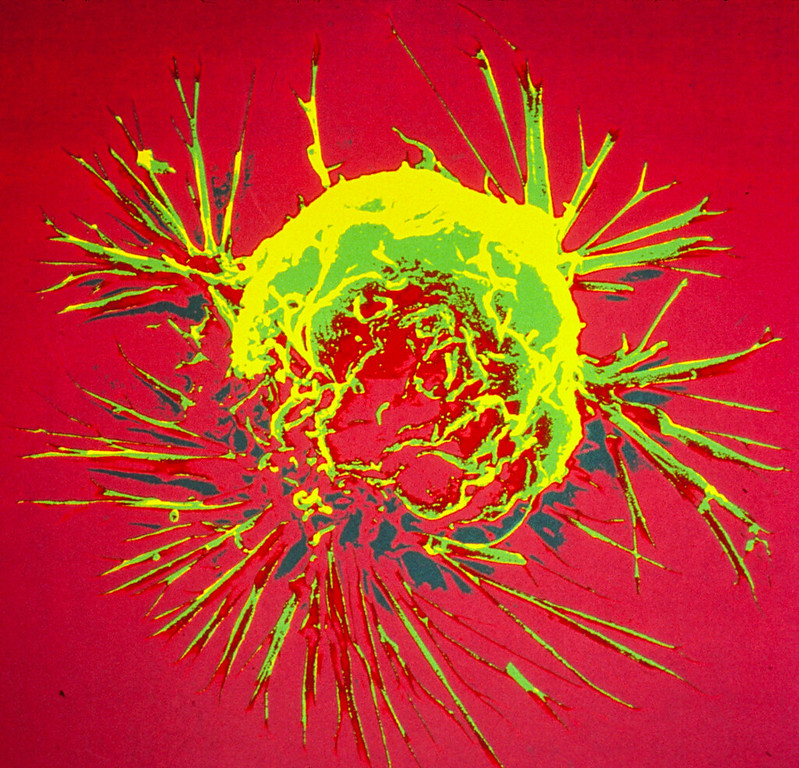
Colourised scanning electron micrograph of a breast cancer cell. Credit: NIH
A study led by researchers from the University of Arizona Cancer Center at UArizona Health Sciences identified a biological mechanism that could lead to more effective treatments for breast cancer that has metastasised to the brain.
By studying the metabolic differences between primary breast cancer cells and those that metastasise to the brain, they determined that autophagy was significantly upregulated in brain metastases. Autophagy is a cellular recycling process that cancer cells can use to stay alive when faced with stressful conditions such as those triggered by anticancer drugs.
“The prognosis for individuals with brain metastases from breast cancer is extremely unfavourable, and the management of breast cancer metastases in the brain remains a formidable challenge,” said senior author Jennifer Carew, PhD. “We were able to disrupt breast cancer cells’ ability to form brain metastases by impairing the autophagy pathway.”
In the study published in Clinical and Translational Medicine, the researchers first showed that targeting the key autophagy regulating gene ATG7 significantly reduced the ability of breast cancer cells to form brain metastases in mouse models.
With the goal of developing a strategy to bring this discovery to patients, the research team investigated whether hydroxychloroquine, a Food and Drug Administration-approved drug, could potentially be used to treat breast cancer brain metastases. Hydroxychloroquine inhibits autophagy at a later point in the pathway and, importantly, readily crosses the blood-brain barrier.
“Most drugs do not efficiently cross the blood-brain barrier, and that is one of the key reasons why brain metastases are so difficult to treat,” said Carew, who is a professor of medicine at UArizona.
The research team combined hydroxychloroquine with lapatinib, which is FDA-approved to treat breast cancer. They showed that this drug combination successfully reduced the number and size of breast cancer brain metastases in mouse models.
Hydroxychloroquine has been combined with a number of other anticancer agents in early phase clinical trials, but this is the first time researchers have studied its effectiveness when combined with lapatinib for breast cancer therapy.
Carew said the team was amazed by how significantly they were able to diminish the ability of breast cancer cells to form brain metastases by targeting a single pathway.
“Cancer cells, unfortunately, have evolved so many ways that make it difficult for us to stop their growth or kill them,” Carew said. “It is always somewhat surprising when you see how changing only one thing can have an impact.”
“Our group and others have shown that activation of autophagy makes it harder for many different types of cancer therapies to kill cancer cells and this promotes drug resistance,” said first author Steffan Nawrocki, PhD, UArizona professor. “Because hydroxychloroquine and lapatinib are already FDA approved, we can advance this drug combination quickly into a clinical trial for patients with breast cancer brain metastases.”
Brain metastases are the most prevalent adult central nervous system tumours, with 20% to 30% of cases resulting from breast cancer patients, particularly those with triple negative and HER2 amplified disease. Managing breast cancer metastases in the brain is challenging, with only 20% of patients with breast cancer brain metastases surviving beyond five years.
Maternal obesity impacts the eating behaviours of offspring via long-term overexpression of the microRNA miR-505-5p, according to a study publishing June 4 in the open-access journal PLOS Biology by Laura Dearden and Susan Ozanne from the MRC Metabolic Diseases Unit, Institute of Metabolic Science, University of Cambridge, UK, and colleagues.
Previous studies in both humans and animal models have shown that the offspring of obese mothers have a higher risk of obesity and type 2 diabetes.
While this relationship is likely the result of a complex relationship between genetics and environment, emerging evidence has implicated that maternal obesity can disrupt the hypothalamus – the region of the brain responsible for nutrition sensing and energy homeostasis.
In animal models, offspring exposed to overnutrition during key periods of development eat more, but little is known about the molecular mechanisms that lead to these changes in eating behaviour.
In this study, researchers found that mice born from obese mothers had higher levels of the microRNA miR-505-5p in their hypothalamus – from as early as the foetal stage into adulthood.
The researchers found that the mice ate more and showed a preference for high-fat foods.
Interestingly, the effect of maternal obesity on miR-505-5p and eating behaviours was mitigated if the mothers exercised during pregnancy.
Cell culture experiments showed that miR-505-5p expression could be induced by exposing hypothalamic neurons to long-chain fatty acids and insulin, which are both high in pregnancies complicated by obesity.
The researchers identified miR-505-5p as a novel regulator of pathways involved in fatty acid uptake and metabolism, therefore high levels of the miRNA make the offspring brain unable to sense when eating high fat foods.
Several of the genes that miR-505-5p regulates have been associated with high body mass index in human genetic studies.
The study is one of the first to demonstrate the molecular mechanism linking nutritional exposure in utero to eating behaviour.
The authors add, “Our results show that obesity during pregnancy causes changes to the baby’s brain that makes them eat more high fat food in adulthood and more likely to develop obesity. Importantly we showed that moderate exercise, without weight loss, during pregnancies complicated by obesity prevented the changes to the baby’s brain. This helps us understand why the children of mothers living with obesity are more likely to become obese themselves, with early life exposures, genetics and current environment all being contributing factors.”