Sacubitril/valsartan leads to greater reduction in plasma NT-proBNP levels compared to valsartan alone after stabilisation for worsening heart failure (HF) in patients with an ejection fraction (EF) above 40%, according to late breaking science presented today at Heart Failure 2023, a scientific congress of the European Society of Cardiology (ESC), and published in the Journal of the American College of Cardiology.
Principal investigator Dr Robert Mentz of Duke University Medical Center, Durham, US said: “These data add to the evidence supporting a potential treatment benefit of sacubitril/valsartan in patients with EF over 40% and particularly in those with EF below normal (< 60%). The findings may influence future guidance for the use of the drug in this population, both in and out of hospital and for those with acute, chronic or de novo heart failure.”
Guidelines recommend consideration of sacubitril/valsartan to reduce hospitalisations in patients with HF with preserved EF (HFpEF; EF >50%) and/or mildly reduced EF (HFmrEF; EF 41–49%). Recommendations differ around the world, with some noting benefits are more evident in those with EF on the lower end of this spectrum (ie below normal).
The PARAGON-HF trial excluded patients with decompensated heart failure, but a post-hoc analysis suggested a larger benefit with sacubitril/valsartan in those recently hospitalised. Whether initiation of sacubitril/valsartan is safe and effective in patients with EF over 40% stabilised after a worsening HF event was unknown. In addition, further data were needed in populations excluded by PARAGON-HF (estimated glomerular filtration rate [eGFR] < 30 mL/min/1.73 m2, systolic blood pressure < 110mmHg, and body mass index [BMI] > 40kg/m2).
PARAGLIDE-HF evaluated the effect of sacubitril/valsartan versus valsartan on changes in NT-proBNP, safety and tolerability in HF patients with EF above 40% who had been stabilised after a worsening HF event. The primary endpoint was the time-averaged proportional change in NT-proBNP from baseline through Weeks 4 and 8. It was chosen to mirror the PIONEER-HF trial, which found that among patients with heart failure with reduced EF (< 40%) who were hospitalised for acute decompensated HF, sacubitril/valsartan led to a greater reduction in NT-proBNP concentration than enalapril.
Patients were recruited from 100 sites in the US and Canada. A total of 466 patients with EF above 40% were enrolled within 30 days of a worsening heart failure event (69% were enrolled while in hospital). The average age was 70 years, 52% were women and 22% were Black. Participants were randomly allocated in a 1:1 ratio to sacubitril/valsartan or valsartan. The time-averaged reduction in NT-proBNP was greater with sacubitril/valsartan compared with valsartan (ratio of change 0.85; p=0.049).
The secondary composite hierarchical outcome consisted of a) time to cardiovascular death, b)number and timing of HF hospitalisations, c) number and timing of urgent HF visits and d) time averaged proportional change in NT-proBNP from baseline to Weeks 4 and 8. This outcome was evaluated using a win ratio analysis, which considers the clinical hierarchy and timing of each component of the endpoint. More serious events are given a higher priority and are analysed first. The hierarchical outcome favoured sacubitril/valsartan (as did each of the components) but was not significant (unmatched win ratio 1.19; 95% CI 0.93–1.52; p=0.16).
Regarding other secondary endpoints, compared with valsartan, sacubitril/valsartan reduced worsening renal function (odds ratio [OR] 0.61). There was more symptomatic hypotension in the sacubitril/valsartan group (OR 1.73). Importantly, subgroup analyses showed evidence of a larger treatment effect in those with EF ≤60% for the change in NT-proBNP (0.78) and the hierarchical outcome (win ratio 1.46).
Dr Mentz said: “PARAGLIDE-HF complements PARAGON-HF by focusing on patients stabilised after a worsening heart failure event with EF above 40% similar to the manner in which PIONEER-HF complemented PARADIGM-HF in patients with reduced EF. PARAGLIDE-HF had no run-in period, allowed both newly diagnosed heart failure and improved EF, included those with acute heart failure without specific echocardiographic requirements and overall had a diverse study population (52% women, 22% Black individuals). The trial also permitted patients with eGFR down to 20 mL/min/1.73m2, systolic blood pressure as low as 100mmHg, and any BMI. The broad and diverse population included in PARAGLIDE-HF supports the generalisability of these data to similar patients seen in routine practice.”
The Bacillus Calmette-Guérin (BCG) for tuberculosis vaccine has a number additional beneficial effects, and is currently a recommended therapy for non–muscle-invasive bladder cancer. In a new study published in JAMA Network Open, treatment with the BCG vaccine was associated with a reduced risk of Alzheimer’s disease and related dementias.
Although previous research has suggested a link between the BCG vaccine and a lower risk of dementia, studies were limited by size, study design, or analytical methods. To conduct a more robust study, researchers followed 6467 individuals for up to 15 years after they were diagnosed with non–muscle-invasive bladder cancer.
The group included 3388 patients who underwent BCG vaccine treatment and 3079 who served as controls, matched by factors such as age, sex, and medical co-morbidities.
During follow-up, 202 patients in the BCG vaccine group and 262 in the control group developed Alzheimer’s disease and related dementias. The incidence was 8.8 per 1000 person-years and 12.1 per 1000 person-years in the respective groups.
Analyses revealed that treatment with the BCG vaccine was associated with a 20% lower risk of Alzheimer’s disease and related dementias. The protective association was greater in patients aged 70 years or older. Additionally, during follow-up, 751 patients in the BCG vaccine group and 973 in the control group died. Thus, treatment with BCG vaccine was associated with a 25% lower risk of death.
Study leader Marc Weinberg, MD, Ph.D., an Instructor in Psychiatry at MGH, said: “A vaccine like BCG, if proven effective, is a perfect example of a cost-effective, population-health–based solution to a devastating illness like Alzheimer’s disease. We are shifting our focus towards studying the potential benefits of BCG vaccination of older adults in Alzheimer’s disease–related clinical trials.”
If a causal link is found, it will be important to understand the mechanisms involved. Weinberg and his colleagues note that the BCG vaccine’s effects on the immune system may play a role.
Researchers have developed a new method that combines palmitoleic acid, gentamicin, and non-invasive ultrasound to help improve drug delivery in chronic wounds that have been infected with Staphylococcus aureus and protected by thick biofilms. Their results were published in Cell Chemical Biology.
Chronic wounds are notoriously challenging to treat because of bacterial infections like S. aureus, which can also be resistant to antibiotics.
To defend itself from the immune system and other threats, S. aureus can band together, creating a slick, slimy biofilm around itself. The biofilm barrier is so thick that neither immune cells nor antibiotics can penetrate through and neutralise the harmful bacteria.
Using a new strategy, researchers at the UNC School of Medicine and the UNC-NC State Joint Department of Biomedical Engineering were able to reduce the challenging MRSA infection in the wounds of diabetic mice by 94%. They were able to completely sterilise the wounds in several of the mice, and the rest had significantly reduced bacterial burden.
“When bacteria are not completely cleared from chronic wounds, it puts the patient at high risk for the infection recurring or of developing a secondary infection,” said senior author Sarah Rowe-Conlon, PhD. “This therapeutic strategy has the potential to improve outcomes and reduce relapse of chronic wound infections in patients. We are excited about the potential of translating this to the clinic, and that’s what we’re exploring right now.”
Biofilms act as a physical barrier to many classes of antibiotics. Virginie Papadopoulou, PhD, was curious to know if non-invasive cavitation-enhanced ultrasound could create enough agitation to form open spaces in the biofilm to facilitate drug-delivery.
Liquid droplets which can be activated by ultrasound, called phase change contrast agent (PCCA), are applied topically to the wound. An ultrasound transducer is focused on the wound and turned on, causing the liquid inside the droplets to expand and turn into microscopic gas-filled microbubbles, when then move rapidly.
The oscillation of these microbubbles agitates the biofilm, both mechanically disrupting it as well as increasing fluid flow. Ultimately, the combination of the biofilm disruption and the increased permeation of the drugs through the biofilm allowed the drugs to come in and kill the bacterial biofilm with very high efficiency.
“Microbubbles and phase change contrast agents act as local amplifiers of ultrasound energy, allowing us to precisely target wounds and areas of the body to achieve therapeutic outcomes not possible with standard ultrasound,” said Dayton. “We hope to be able to use similar technologies to locally delivery chemotherapeutics to stubborn tumours or drive new genetic material into damaged cells as well.”
When the bacterial cells are trapped inside the biofilm, they are left with little access to nutrients and oxygen. To conserve their resources and energy, they transition into a dormant or sleepy state. The bacteria, which are known as persister cells in this state, are extremely resistant to antibiotics.
Researchers chose gentamicin, a topical antibiotic typically ineffective against S. aureus due to widespread antibiotic resistance and poor activity against persister cells. The researchers also introduced a novel antibiotic adjuvant, palmitoleic acid, to their models.
Palmitoleic acid, an unsaturated fatty acid, is a natural product of the human body that has strong antibacterial properties. The fatty acid embeds itself into the membrane of bacterial cells, and the authors discovered that it facilitates the antibiotic’s successful entry into S. aureus cells and is able to kill persistent cells and reverse antibiotic resistance.
Overall, the team is enthusiastic about the new topical, non-invasive approach because it may give scientists and doctors more tools to combat antibiotic resistance and to lessen the serious adverse effects of taking oral antibiotics.
“Systemic antibiotics, such as oral or IV, work very well, but there’s often a large risk associated with them such as toxicity, wiping out gut microflora and C. difficile infection,” said Rowe-Conlon. “Using this system, we are able to make topical drugs work and they can be applied to the site of infection at very high concentrations, without the risks associated with systemic delivery.”
Results of a new clinical trial involving the injection of an oncolytic virus – a virus that targets and kills cancer cells – directly into the tumour, with intravenous immunotherapy shows great promise for patients with glioblastoma according to results published in Nature Medicine.
Drs Farshad Nassiri and Gelareh Zadeh, neurosurgeons at the University Health Network (UHN) in Toronto, found that this novel combination therapy can eradicate the tumour in select patients, with evidence of prolonged survival.
Investigative work by the authors also revealed a new genetic signature within tumour samples that has the potential to predict which patients with glioblastoma are most likely to respond to treatment.
“The initial clinical trial results are promising,” says Dr Zadeh. “We are cautiously optimistic about the long-term clinical benefits for patients.”
Glioblastoma is a notoriously difficult-to-treat primary brain cancer. Despite aggressive treatment, which typically involves surgical removal of the tumour and multiple chemotherapy drugs, the cancer often returns, at which point treatment options are limited.
Immune checkpoint inhibitors are effective treatments for a variety of cancers, but they have had limited success in treating recurrent glioblastoma. This novel therapy involves the combination of an oncolytic virus and immune checkpoint inhibition, using an anti-PD-1 antibody as a targeted immunotherapy.
First, the team zeroed in on the tumour using stereotactic techniques and injected the virus through a small hole and a purpose-built catheter. Then, patients received an anti-PD-1 antibody intravenously, every three weeks, starting one week after surgery.
“These drugs work by preventing cancer’s ability to evade the body’s natural immune response, so they have little benefit when the tumour is immunologically inactive – as is the case in glioblastoma,” explains Dr Zadeh.
“Oncolytic viruses can overcome this limitation by creating a more favourable tumour microenvironment, which then helps to boost anti-tumour immune responses.”
The combination of the oncolytic virus and immune-checkpoint inhibition results in a ‘double hit’ to tumours; the virus directly causes cancer cell death, but also stimulates local immune activity causing inflammation, leaving the cancer cells more vulnerable to targeted immunotherapy.
Dr Zadeh and colleagues evaluated the innovative therapy in 49 patients with recurrent disease, from 15 hospital sites across North America.
UHN, which is the largest research and teaching hospital in Canada and the only Canadian institution involved in the study, treated the majority of the patients enrolled in the trial.
The results show that this combination therapy is safe, well tolerated and prolongs patient survival. The therapy had no major unexpected adverse effects and yielded a median survival of 12.5 months – considerably longer than the six to eight months typically seen with existing therapies.
“We’re very encouraged by these results,” says Dr Farshad Nassiri, first author of the study and a senior neurosurgery resident at the University of Toronto. “Over half of our patients achieved a clinical benefit – stable disease or better – and we saw some remarkable responses with tumours shrinking, and some even disappearing completely. Three patients remain alive at 45, 48 and 60 months after starting the clinical trial.”
“The findings of the study are particularly meaningful as the patients in the trial did not have tumour resection at recurrence – only injection of the virus – which is a novel treatment approach for glioblastoma. So, it’s really remarkable to see these responses,” says Dr Zadeh.
“We believe the key to our success was delivering the virus directly into the tumour prior to using systemic immunotherapy. Our results clearly signal that this can be a safe and effective approach,” adds Dr Nassiri.
The team also performed experiments to define mutations, gene expression, and immune features of each patient’s tumour. They discovered key immune features which could eventually help clinicians predict treatment responses and understand the mechanisms of glioblastoma resistance.
“In general, the drugs that are used in cancer treatment do not work for every patient, but we believe there is a sub-population of glioblastoma patients that will respond well to this treatment,” says Dr Zadeh. “I believe this translational work, combining basic bench science and clinical trials, is key to moving personalised treatments for glioblastoma forward.”
This is one of the few clinical trials with favourable results for glioblastoma over the last decade, and it was truly a team effort.
“The trial would not have been possible without our incredible OR teams, research safety teams and researchers – including Dr Warren Mason and his team at Princess Margaret Cancer Centre – and our brave patients and their families. We’re also grateful to the Wilkins Family for providing the funds to enable us to complete trials that advance care for our patients,” says Dr Zadeh.
The next steps for the group are to test the effectiveness of the combination therapy against other treatments in a randomised clinical trial.
“We are encouraged by these results, but there is still a lot of work ahead of us,” says Dr Nassiri. “Our goal, as always, is to help our patients. That’s what motivates us to continue this research.”
Despite our understanding of nutrition expanding remarkably in recent times, few aspects of our diet continue to confuse and divide the experts like nitrate. For a long time nitrate has been viewed warily, with previous research showing it could potentially be linked to causing cancer.
However, subsequent research has revealed dietary nitrate also has various cardiovascular health benefits, which could help reduce the risk of related conditions such as heart disease, dementia and diabetes.
So, how can one dietary compound have such contrasting potential risks and benefits? Researchers set out to find out how and why nitrate such contrasting potential risks and benefits, publishing their findings in Trends in Food Science & Technology.
All about the source
Dr Catherine Bondonno led a review of nitrate research and says the key may lie in where it comes from.
“We get nitrate from three major dietary sources: meat, water and vegetables,” she said.
“Nitrate’s reputation as a health threat stems from 1970, when two studies showed it can form N-nitrosamines, which are highly carcinogenic in laboratory animals.
“However, no human studies have confirmed its potential dangers, and our clinical and observational studies support nitrate preventing cardiovascular disease if it’s sourced from vegetables.
“So the review looked to unpack all of that, identify new ways forward and ways that we can solve this puzzle, because it’s really time to address it: it’s been 50 years.”
Urgency required
Despite recent research indicating the source of nitrate may affect its health benefits and risks, current dietary guidelines relating to nitrate have been in place since the 1970s and don’t differentiate between nitrate from meat, vegetables and water.
Dr Bondonno said while the 1970s animal studies reported a small incidence of malignant tumours, there was evidence not all nitrates deserve to be “tarred with the same brush.”
“For instance, unlike meat and water-derived nitrate, nitrate-rich vegetables contain high levels of vitamin C and/or polyphenols that may inhibit formation of those harmful N-nitrosamines associated with cancer,” she said.
Dr Bondonno said it was vital more research was conducted so guidelines could be updated.
“The public are unlikely to listen to messages to increase intake of nitrate-rich vegetables, if they are concerned about a link between nitrate intake and cancer.”
However, she stressed while official guidelines hadn’t changed, the apparent benefits of nitrate had seen many people potentially put themselves at risk.
“We need to be sure nitrate-rich vegetables don’t actually have an increased risk of cancer if we consume a higher amount,” she said.
“High dosage nitrate supplements are already used to improve physical performance in sport, while vegetable nitrate extracts are being added to cured meat products with a “clean label” claim, purporting to be better for you.
“So we really need to get this right.”
What do we eat, then?
Given its divided experts in the field, Dr Bondonno said it’s understandable people may be confused as to whether nitrate is good or bad for them.
“They’re probably thinking, ‘If I can’t have a salad, what CAN I have?’,” she said.
Despite the debate, she said current evidence suggests people should aim to get their nitrate from vegetables — but there was no need to go overboard.
“Dark green, leafy vegetables and beetroot are good sources, our research shows one cup of raw, or half a cup cooked per day is enough to have the benefits on cardiovascular health,” she said.
“We know processed meat isn’t good for us and we should limit our intake, but whether it’s the nitrate in them that is causing the problem or something else, we don’t know.
“It just further emphasises the need to investigate dietary nitrate to clarify the message for people.
“The potential cancer link was raised 50 years ago; now it’s time to conduct an in-depth analysis to distinguish fact from fiction.”
The risk of dying after a heart attack is more than twice as high for women than it is for men, according to research presented at Heart Failure 2023, held by the European Society of Cardiology (ESC).
“Women of all ages who experience a myocardial infarction are at particularly high risk of a poor prognosis,” said study author Dr Mariana Martinho of Hospital Garcia de Orta. “These women need regular monitoring after their heart event, with strict control of blood pressure, cholesterol levels and diabetes, and referral to cardiac rehabilitation. Smoking levels are rising in young women and this should be tackled, along with promoting physical activity and healthy living.”
Previous studies have found that women with ST-elevation myocardial infarction (STEMI) have a worse prognosis during their hospital stay compared to men, and that this may be due to their older age, increased numbers of other conditions, and less use of stents (percutaneous coronary intervention; PCI) to open blocked arteries. This study compared short- and long-term outcomes after STEMI in women and men, and examined whether any sex differences were apparent in both premenopausal (55 years and under) and postmenopausal (over 55) women.
This was a retrospective observational study which enrolled consecutive patients admitted with STEMI and treated with PCI within 48 hours of symptom onset between 2010 and 2015. Adverse outcomes were defined as 30-day all-cause mortality, five-year all-cause mortality and five-year major adverse cardiovascular events (MACE; a composite of all-cause death, reinfarction, hospitalisation for heart failure and ischaemic stroke).
The study included 884 patients. The average age was 62 years and 27% were women. Women were older than men (average age 67 vs 60 years) and had higher rates of high blood pressure, diabetes and prior stroke. Men were more likely to be smokers and have coronary artery disease. The interval between symptoms and treatment with PCI did not differ between women and men overall, but women aged 55 and below had a significantly longer treatment delay after arriving at the hospital than their male peers (95 vs 80 minutes).
The researchers compared the risk of adverse outcomes between women and men after adjusting for factors that could influence the relationship including diabetes, high cholesterol, hypertension, coronary artery disease, heart failure, chronic kidney disease, peripheral artery disease, stroke and family history of coronary artery disease. At 30 days, 11.8% of women had died compared to 4.6% of men, for a hazard ratio (HR) of 2.76. At five years, nearly one-third of women (32.1%) had died versus 16.9% of men (HR 2.33). More than one-third of women (34.2%) experienced MACE within five years compared with 19.8% of men (HR 2.10).
Dr Martinho said: “Women had a two to three times higher likelihood of adverse outcomes than men in the short- and long-term even after adjusting for other conditions and despite receiving PCI within the same timeframe as men.”
The researchers conducted a further analysis in which they matched men and women according to risk factors for cardiovascular disease including hypertension, diabetes, high cholesterol and smoking. Adverse outcomes were then compared between matched men and women aged 55 years and under, and between matched men and women over 55 years old.
There were 435 patients in the matched analysis. In matched patients over 55 years of age, all adverse outcomes measured were more common in women than men. Some 11.3% of women died within 30 days compared with 3.0% of men, for an HR of 3.85. At five years, one-third of women (32.9%) had died compared with 15.8% of men (HR 2.35) and more than one-third of women (34.1%) had experienced MACE compared with 17.6% of men (HR 2.15). In matched patients aged 55 years and below, one in five women (20.0%) experienced MACE within five years compared to 5.8% of men (HR 3.91), while there were no differences between women and men in all-cause mortality at 30 days or five years.
Dr Martinho said: “Postmenopausal women had worse short- and long-term outcomes after myocardial infarction than men of similar age. Premenopausal women had similar short-term mortality but a poorer prognosis in the long-term compared with their male counterparts. While our study did not examine the reasons for these differences, atypical symptoms of myocardial infarction in women and genetic predisposition may play a role. We did not find any differences in the use of medications to lower blood pressure or lipid levels between women and men.”
She concluded: “The findings are another reminder of the need for greater awareness of the risks of heart disease in women. More research is required to understand why there is gender disparity in prognosis after myocardial infarction so that steps can be taken to close the gap in outcomes.”
Combat-related injuries to bone are common in military personnel and can lead to pain and disability. Results from a new study in the Journal of Bone and Mineral Research suggest that amputations for such injuries may negatively affect bone mass.
Traumatic amputation from combat injuries has the potential to lead to osteoporosis through not only systemic inflammation and hormonal changes but also altered loading. Although a documented long-term complication of lower limb amputation is osteoporosis, this is often observed in older less active subjects with comorbidities, thus it is unknown whether this is secondary to systemic changes or changes to the loading environment.
In the study of 575 male adult UK military personnel with combat-related traumatic injuries and 562 without such injuries, veterans who sustained traumatic amputations often had low bone density in the hip region. Changes in bone health appeared to be mechanically driven rather than systemic and were only evident in those with lower limb amputations.
“We hope these results will drive further research into ways to reverse bone mineral density changes,” said co-author Group Captain Alex Bennett, Defence Professor of Rehabilitation, Defence Medical Rehabilitation Centre. “We need to investigate the role of prosthetics and exercise in reversing bone mineral density loss to reduce the longer-term risk of hip fracture. Because systemic treatments like bisphosphonates are not indicated in this young population with bone mineral density loss, it is important to understand other ways to reduce their hip fracture risk.”
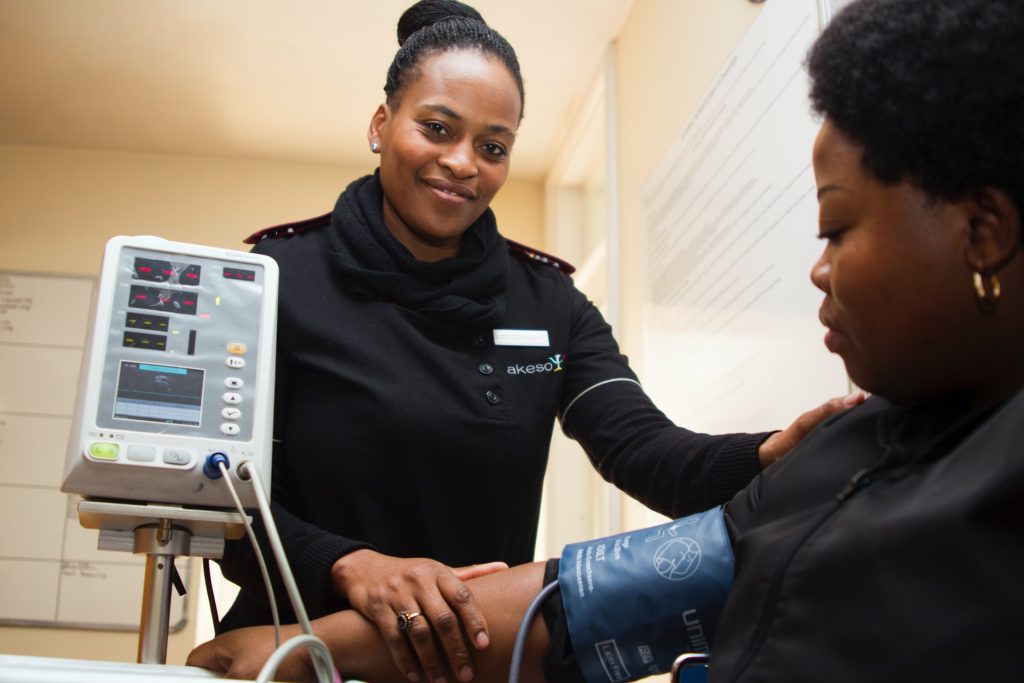
While HIV and tuberculosis (TB) rates in South Africa are slowly declining, indications are that rates of non-communicable diseases (NCDs) like hypertension and diabetes are on the rise. One response to this shift is to bring some of the strategies used in combatting HIV to NCDs.
Hypertension, more commonly known as high blood pressure, has been described as a “silent killer” because there are often no symptoms associated with having it. Hypertension is when someone’s blood pressure is consistently higher than normal, which can lead to a host of complications, including stroke, heart attack, and kidney disease. Someone’s risk of developing hypertension is influenced by a number of things, including lifestyle, genetics, age, and family history as well as conditions like diabetes. (Spotlight previously reported on the state of hypertension in South Africa.)
90-60-50
For much of the last decade, UNAIDS’s 90-90-90 targets have been central to how governments have kept track of their HIV responses. The first 90 measured the success of testing programmes, the second 90 measured the success of efforts to get people on to treatment, and the third 90 provided information on how well people are doing once on treatment.
South Africa’s National Strategic Plan (NSP) for the prevention and control of NCDs (2022-2027) sets out similar targets for hypertension and diabetes. As with HIV, the three hypertension indicators will paint a picture of how South Africa is doing on testing, getting people onto treatment, and finally how well people are doing once on treatment.
The hypertension targets are as follows:
90% of people over 18 will know whether they have raised blood pressure.
60% of people with raised blood pressure will receive interventions.
50% of people receiving interventions for hypertension will have controlled blood pressure levels.
Implementation will be key
Local experts interviewed by Spotlight agree that the NSP is a step in the right direction but are clear that much more will be needed.
Professor Brian Rayner, Emeritus Professor in the Division of Nephrology and Hypertension at the University of Cape Town, says he finds the NSP lacking in practical details of how the targets will be achieved. “I’d love for the government to have the plan for how they can achieve this and not another document actually… they need to actually say how are we going do this,” he says.
Professor Angela Woodiwiss of the School of Physiology at the University of the Witwatersrand, and member of the board of the Southern African Hypertension Society has similar concerns. She says the objectives and deliverables in the NSP are sound, but it is short on details when it comes to implementation.
Ways to address this, according to Woodiwiss, is to include “examples of cost-effective practical approaches such as the establishment of cardiovascular screening centres at all district clinics where measurements of blood pressure are done; monthly screening drives at community centres over weekends to increase accessibility to those that work during the week; [and] awareness campaigns at shopping centres”. Another suggestion is for awareness and education campaigns on hypertension to be conducted on media platforms like TV and radio.
“In order to reduce the burden of disease, this target needs to be raised. I would therefore suggest 90-80-70 as the proportions,” she adds.
Professor Andre Kengne, the director of NCD research at the South African Medical Research Council, who was also part of the planning committee for this version of the NSP, says the plan is only a starting point. “The plan says that these [NSP targets] are the entry point, so it’s going to be a catalyst,” he says. “That’s why we just need to start somewhere and then improve on that and again, I think that’s exactly the approach that the plan is taking, This is let’s start small but with the aim of actually progressing.”
Screening: 90% of people over 18 will know whether they have raised blood pressure
A major challenge with NCDs such as hypertension and diabetes is that we don’t have very good epidemiological data in South Africa. Experts referred Spotlight to data from two sources.
Kengne says that based on data collected by the NCD Risk Factor Collaboration, a global network of health scientists that provide data on NCDs, which he is part of, about 40% of adult men and about 42% of adult women in South Africa had hypertension in 2019. Only about 38.5% of men with hypertension were diagnosed at the time and 61.5% of women.
Woodiwiss cites data collected through ‘May Measure Month’ (MMM) South Africa, of where she is a principal investigator. MMM is a global campaign run by the International Society of Hypertension to raise awareness. She cites data collected from screenings conducted from 2017 to 2022.
“The proportion of hypertensive adults aware that they have hypertension ranged from 42.5 to 56.7%,” she says.
When looking at the South African population as a whole, Woodiwiss calculates that this means that only around 13.6 to 19.6% of all people over the age of 18 are aware of whether they have hypertension or not. “We, therefore, have a long way to go in order to achieve the target of 90% of all adults being aware of whether they have raised blood pressure or not,” she adds.
Whichever of the two data sources you look at, South Africa seems to fall well short of the 90% target.
To improve the country’s performance on this measure, experts interviewed by Spotlight agree that there needs to be greater awareness of hypertension (including the importance of checking your blood pressure regularly) and better opportunities for screening.
“There will be no other way of actually improving the numbers without screening people,” Kengne says.
“The current screening approach is essentially hospital-based, and it’s not even yet comprehensive. Meaning only those in contact with the health system are likely, for a proportion, to get their blood pressure measured and then eventually diagnosed with hypertension,” he explains. “The first focus is really to optimise that hospital-based screening, to make sure that everything is in place to measure the blood pressure of whoever gets in contact with the health system.”
Ultimately, Kengne suggests what is needed is to implement community-based approaches to blood pressure screening. One way to do this would be to couple HIV community screening efforts with hypertension screening. As well as to empower community healthcare workers to check blood pressure when doing household visits and then refer people with elevated blood pressure to clinics if needed.
“There need to be national awareness campaigns on TV and radio. These campaigns can be used to encourage individuals to have their blood pressure measured at free screening sites such as community centres, shopping malls, and university campuses as is done as part of the May Measure Month campaign,” Woodiwiss suggests. She adds that a celebrity ambassador would be a great asset for such campaigns.
Treatment: 60% of people with raised blood pressure will receive interventions
“About 85% of those [men] who are diagnosed [with hypertension] are on treatment. And in women it’s about 86%,” Kengne says.
He adds that this is where the NSP targets are maybe not as ambitious as they could be because when you look at the data in the context of everyone who has hypertension (not just those with diagnosed hypertension), only 33% of men and 53% of women are on treatment.
In Woodiwiss’s data, the proportion of hypertensive adults who were receiving medication for hypertension ranged from 36.1 to 49.2%.
Either way, both data sources suggest that one of the biggest challenges to getting people onto treatment is actually diagnosing them in the first place. There is a question, however, whether the health system will be able to cope with the increased treatment load should diagnosis improve.
Kengne suggests that facilities, specifically public health sector facilities, may not be able to cope with the increased demand. “We’re going to need to prepare the health system to cope with the high demand for hypertension care subsequent to increased screening,” he says.
He thinks task-shifting may be part of the solution. Task-shifting was critical to the scaling up of South Africa’s HIV treatment programme, for example, by allowing qualifying nurses to prescribe antiretroviral treatment. Similarly, more healthcare workers, including community healthcare workers, nurses, and field workers can be trained to screen for and treat hypertension.
Woodiwiss stresses the importance of education and awareness when it comes to treatment.
“To facilitate the participation of individuals in the management of their blood pressure, education, and awareness are paramount… An important aspect is to empower individuals to be part of the management of their blood pressure; to re-enforce that hypertension is a chronic problem that requires daily management; and to dispel any notions of stigmatisation due to having high blood pressure,” she says.
Another important practical step would be to reduce the pill burden on hypertension patients in the public sector, according to Rayner. While medication is relatively cheap in this sector, there has not been a move towards combining multiple blood pressure drugs into a single pill, which would make patient adherence easier.
He adds that the process of prescribing blood pressure medication in the private sector needs to be simplified. In line with the idea of task-shifting, Rayner suggests allowing nurses to prescribe medication for straightforward hypertension cases in the public sector as a cost-effective way of treating hypertension.
Control: 50% of people receiving interventions are controlled
About 43% of men in South Africa with hypertension and who are on treatment have controlled blood pressure compared to 54.6% of women, according to Kengne. “Now taken as a proportion of all those with hypertension, I mean our target of 50% controlled will narrow down to about 27% of all people with hypertension [being controlled],” he says. “Using that as the estimate among men currently only 14% of all those with hypertension are controlled and among women, 29% are controlled.”
Data from Woodiwiss suggested that “the proportion of treated individuals with controlled blood pressure ranges from 49.6 to 57.5%.”
For this target then, the country isn’t too far off the 50% target.
But Kengne stresses that blood pressure control is not straightforward. “Diagnosing, it’s not that difficult. Starting treatment it’s not difficult, but actually treating to target it’s a challenge and a number of factors can come into play. Some factors [are] linked to people with hypertension [and] some linked to healthcare providers and the health system,” he says.
For patients, issues like adherence to treatment can be difficult. He suggests using mobile technology, like text messages, to remind patients to take their medication. As well as reducing the pill burden by investing in combination medications.
From the healthcare provider side, Kengne says there needs to be monitoring of patients so that changes to the treatment plan can be made if needed so that the patient can achieve blood pressure control.
“Improving the proportion of treated individuals who have controlled blood pressure requires ongoing monitoring and regular blood pressure checks. As the vast majority of South Africans cannot afford home blood pressure monitors, easy access to blood pressure checks at community clinics, pharmacies, etc. should be provided country-wide,” Woodiwiss says. “It would be ideal if companies could all have corporate wellness days for employees.”
UCT Lab technician Fadheela Patel, pictured here preparing mastermix in the clean room
In a first for the African continent, researchers at the University of Cape Town are using a cutting-edge technique to fast-track the diagnosis of disease, ensuring patients receive the correct treatment sooner.
Clinical microbiologists Professor Adrian Brink and Dr Gert Marais at UCT’s Faculty of Health Sciences have operationalised clinical metagenomics in South Africa, transforming the procedure from a complex logistical procedure to a routine test.
Clinical metagenomics fast tracks the medical diagnostic process, cutting turnover time down – from sample to result – from weeks or even months to just a few days. It can also be used as a ‘sentinel surveillance tool’ to spot new infectious diseases and sound an early warning alarm for future pandemics.
“This kind of technology has never been used in South Africa and as far as we know, the African continent. “Certainly there’s no diagnostic lab in South Africa that does it,” says Brink. He and Marais believe they are the first to develop a clinical metagenomics service in Africa.
The genetic sequences appearing in a sample are compared to a database of all known organisms, allowing any and every pathogen present within the patient to be detected at the same time from just one sample. This metagenomic approach is sometimes referred to as “agnostic sequencing”.
Key steps in Brink and Marais’ clinical metagenomics study on the brain 1) A medical sample is obtained (from cerebral spinal fluid in their study) and treated to extract and purify all the nucleic acids (genetic material) it contains. These DNA fragments are then made into a ‘library’ by attaching short molecules called adaptors to the ends. This prepares the sample to be run through a sequencing machine. 2) The genetic code of the library is read in real-time by running it through a sequencing machine. This generates a series of ‘reads’ (DNA sequences). 3) The reads are compared to an online database of all known organisms’ genetic codes, allowing any and every pathogen present within the patient’s brain to be detected at the same time from just one sample. 4) The results are examined for matches with infections organisms and used to determine appropriate patient treatment.
By contrast, conventional diagnostic testing requires testing individually for a specific suspected disease. If the result comes back negative, a new sample will need to be taken and sent for a different test – a lengthy process when lives are at stake.
“In some cases we investigated, patients had a disease that could have been treated if it had been identified initially. But because the diagnosis could only be made months later, it was too late [to save them]. That’s where the idea for our study originated,” says Marais.
Brink recounts the case of a cancer patient who developed neurological symptoms. “Because he was highly immunocompromised, the list of potential causes for these symptoms was a page long,” says Brink.
The patient passed away, and clinical metagenomics testing of a sample taken at the autopsy revealed he was suffering from Aspergillus, an aggressive fungal infection that requires specific treatment.
Although he was already very sick due to cancer, Brink says the untreated central nervous system aspergillosis may have led to the patient’s death. “If clinical metagenomics methods had been available at the time, the right therapy could have been started weeks earlier, potentially changing the outcome for this patient,” he says.
Brink and Marias used clinical metagenomics to diagnose neurological disorders and study the effects of COVID-19 on the brain. It’s an area of health care where a timely diagnosis is particularly important. “Once the brain is damaged, there’s no going back,” says Marais. This research is currently under review for publication and expected to be released shortly.
While metagenomics has been applied in research settings in Africa before, this is the first time the method has been fully operationalised for clinical applications on the continent – meaning that all sample processing and analysis can now be done in the same laboratory in real time.
Previously, researchers in Africa have had to send samples overseas to Europe or the United States for processing. The reason: the chemical reagents required to run clinical metagenomic tests, despite in some instances being as easy to access in Europe as a DHL order, were not readily available in Africa.
Supported by funding from Oppenheimer Generations Research and Conservation, Brink and Marias remedied this by establishing a reagent supplier pipeline for South Africa, a tricky task when the pandemic had interrupted global supply chains. With a reliable source of reagents, samples can now be processed in labs in South Africa, opening the door for advances in medicine and research on the continent.
Building capacity instead of ‘helicopter research’
Marais emphasised their focus on upskilling and building capacity for Africa, in contrast to the ‘helicopter research’ that has defined clinical metagenomic work on the continent up to this point. “Our goal was to increase the capacity for infectious disease diagnostics going forward, rather than just coming in, testing a few samples, publishing a paper and leaving,” he says.
According to Marias, most prior metagenomics work in Africa has been in the form of discreet research projects with an international collaborator or as field work for an international lab, with little investment in local medical infrastructure and capabilities.
Their initial work so far has already created opportunities for skills transfer in genetic sequencing and bioinformatics at UCT medical school and medical research departments, and at institutes in Johannesburg.
Although the high cost of reagents and lack of standardised protocols remain challenges for a clinical metagenomics rollout in Africa, Brink and Marais are confident that the technology can become a cost-effective tool to improve patient individual care and to identify novel pathogens in low- and middle-income countries (LMICs).
A vast range of applications
Their new paper, co-authored with Associate Professor Diana Hardie and published in The Lancet Microbe in December 2022, calls for the expanded infrastructure developed in LMICs for COVID-19 monitoring to be leveraged to improve infectious disease diagnostics through clinical metagenomics.
“We applied clinical metagenomics to the COVID-19 brain, but the picture is bigger than that,” says Brink. Clinical metagenomics can be used for diagnosing an array of diseases across many health disciplines. In collaboration with colleagues at Cape Town’s Groote Schuur Hospital, Brink and Marias are now exploring the application of the technology in orthopaedics, neurosurgery, haematology-oncology and cardiothoracic surgery.
Specifically, they’re looking at patients with prosthetic joint infections, heart valve infections, brain tumours and leukaemia. The team welcomes collaborators and asks researchers and health care professionals across the continent interested in utilising clinical metagenomics to reach out to them.
Brink and Marias are also examining patients suffering from severe respiratory tract infections without a diagnosis, another area where clinical metagenomics is particularly revolutionary.
Because the genetic sequences found in patient samples are compared to a database of all known organisms, if a sequence yields no match to the database, there’s a chance it could be a novel pathogen.
This application is particularly relevant in LMICs where novel pathogens pose a higher risk due to socioeconomic factors and a lack of infrastructure to deal with local outbreaks. However, despite this, infectious disease surveillance infrastructure is more developed and readily available in high income nations.
While hurdles remain to be navigated before clinical metagenomics can be widely accessible across Africa, the team is confident that technology holds real promise for advancing the continent’s capabilities for medical research and diagnosis. “There aren’t a lot of people doing this kind of thing [in Africa], but this is the future,” says Brink.
According to a study published in the Journal of Infectious Diseases, the monkeypox virus remains infectious on steel surfaces for up to 30 days, especially in cold conditions, but can be effectively inactivated by alcohol-based disinfectants.
Smallpox viruses are notorious for their ability to remain infectious in the environment for a very long time. A study conducted by the Department of Molecular and Medical Virology at Ruhr University Bochum, Germany, has shown that temperature is a major factor in this process: at room temperature, a monkeypox virus that is capable of replicating can survive on a stainless steel surface for up to 11 days, and at 4°C for up to a month. Consequently, it’s very important to disinfect surfaces. According to the study, alcohol-based disinfectants are very effective against monkeypox viruses, whereas hydrogen peroxide-based disinfectants have proved inadequate.
Weeks of monitoring
Since 2022, the monkeypox virus has been transmitted more and more frequently from one human host to another. Although infections primarily result from direct physical contact, it’s also possible to contract the virus through contaminated surfaces, for example in the household or in hospital rooms. “Smallpox viruses are notorious for their ability to remain infectious in the environment for a very long time,” explains Dr Toni Meister from the Department for Molecular and Medical Virology at Ruhr University Bochum. “For monkeypox, however, we didn’t know the exact time frames until now.”
The researchers therefore studied them by applying the virus to sanitised stainless steel plates and storing them at different temperatures: at 4°C, at 22°C, which roughly corresponds to room temperature, and at 37°C. They determined the amount of infectious virus after different periods of time, ranging from 15 minutes to several days to weeks.
Viruses remain infectious for a long time
Regardless of the temperature, there was little change in the amount of infectious virus during the first few days. At 22 and 37°C, the virus concentration dropped significantly only after five days. At 37°C, no virus capable of reproducing was detected after six to seven days, at 22°C it took 10–11 days until infection was no longer possible. At 4°C, the amount of virus only dropped sharply after 20 days, and after 30 days there was no longer any danger of infection. “This is consistent with our experience that people can still contract monkeypox from surfaces in the household after almost two weeks,” points out Professor Eike Steinmann, Head of the Department for Molecular and Medical Virology.
In order to reduce the risk of infection in the event of an outbreak, it is therefore extremely important to disinfect surfaces. This is why the researchers tested the effectiveness of five common disinfectants. They found that alcohol-based or aldehyde-based disinfectants reliably reduced the risk of infection. A hydrogen peroxide-based disinfectant, however, didn’t inactivate the virus effectively enough in the study. “Our results support the WHO’s recommendation to use alcohol-based surface disinfectants,” concludes Toni Meister.