Year: 2023

Daily Vitamin D Could Reduce Cancer Mortality

Vitamin D intake could reduce cancer mortality in the population by 12% – provided the vitamin is taken daily. This was the result of an evaluation of 14 studies of the highest quality conducted at the German Cancer Research Center with a total of almost 105 000 participants.

Vitamin D deficiency is widespread worldwide and is particularly common among cancer patients. Averaged over the year, the vitamin D blood levels of about 15% of German adults are below the threshold for a pronounced vitamin D deficiency*. In contrast, in a study of colorectal cancer patients, researchers diagnosed vitamin D3 deficiency in 59% of participants, which was also associated with unfavourable prognosis.

Potential effects of vitamin D supplementation and the development or prognosis of cancer have already been investigated in numerous studies. “Based on current studies, vitamin D3 supplementation probably does not protect against developing cancer, but it could reduce the likelihood of dying from cancer. However, previous studies on cancer mortality have yielded very different results, and we were interested in the reasons for this,” said Ben Schöttker, an epidemiologist at the German Cancer Research Center. “By re-evaluating all previous studies on the topic, we wanted to help produce robust results on this issue, which is so relevant to population health.

To investigate the effectiveness of vitamin D3 on cancer mortality in the population and on the survival of cancer patients, Ben Schöttker and colleagues conducted a systematic literature search that identified 14 studies with a total of nearly 105 000 participants. The researchers considered only studies of the highest quality whose participants had been randomly assigned to the vitamin D3 arm or the placebo arm.

When all 14 studies were pooled, no statistically significant results emerged. However, when the studies were divided according to whether vitamin D3 was taken daily in a low dose** or in higher doses administered at longer intervals**, a large difference was seen. In the four studies with the infrequent higher doses, there was no effect on cancer mortality. In contrast, in the summary of the ten studies with daily dosing, the researchers determined a statistically significant twelve percent reduction in cancer mortality.

“We observed this twelve percent reduction in cancer mortality after untargeted vitamin D3 administration to individuals with and without vitamin D deficiency. We can therefore assume that the effect is significantly higher for those people who are actually vitamin D deficient,” says Ben Schöttker. He explains the better efficacy of daily doses of vitamin D3 by the more regular bioavailability of the active agent, the hormone 1,25-dihydroxyvitamin D, which is only produced by reactions of vitamin D in the body and can presumably inhibit tumor growth.

A more detailed analysis of the studies with daily intake further revealed that people aged 70 and older benefited most from vitamin D3 therapy. In addition, the effect was most evident when vitamin D intake was started before the cancer diagnosis.

Hermann Brenner, epidemiologist and prevention expert at DKFZ, adds: “This work underlines the great potential of vitamin D3 administration in the prevention of cancer deaths. Regular intake at low doses** is associated with almost negligible risk and very low cost.”

* The threshold blood 25-hydroxyvitamin D level used for vitamin D deficiency was 30 nmol/L (= 12 ng/ml). If individuals with less severe vitamin D deficiency (blood 25-hydroxyvitamin D level < 50 nmol/L (= 20 ng/mL)) are added, slightly more than half of Germans have at least one deficiency. However, there are also guidelines that use other thresholds. Since the vitamin D level in the blood depends primarily on the tanning of the skin, this percentage also varies greatly with the seasons.

** In the studies, daily low doses were 400 to 4000 IU per day, and higher-doses administered at longer intervals were 60 000 to 120 000 IU once per month or less.

Source: German Cancer Research Center

Brepocitinib Promising in Treatment of Psoriatic Arthritis

Photo by Towfiqu barbhuiya

Brepocitinib is an oral drug that inhibits certain enzymes involved in inflammation (called tyrosine kinase 2 and Janus kinase 1) and is being tested for the treatment of several immunological diseases. A phase IIb randomised clinical trial published in Arthritis & Rheumatology recently generated promising efficacy and safety data for the use of brepocitinib in adults with moderately-to-severely active psoriatic arthritis.

Psoriatic arthritis is a type of arthritis that affects some people with psoriasis. It typically causes affected joints to become swollen, stiff and painful. Like psoriasis, psoriatic arthritis is a long-term condition that can get progressively worse.

Overall, 218 participants were randomised to receive either a low or high dose of brepocitinib or placebo for 1 year. After 16 weeks of treatment, 30 and 60mg daily doses of brepocitinib were superior to placebo at reducing signs and symptoms of psoriatic arthritis. Response rates were maintained or improved through week 52. Side effects were mostly mild or moderate.

“These data demonstrate striking efficacy and confirm the relevance of multiple signaling pathways dependent on the kinases targeted by brepocitinib in psoriatic arthritis,” said corresponding author Philip Mease, MD, of Swedish Medical Center/Providence St. Joseph Health and the University of Washington, in Seattle. “The safety is also reassuring for brepocitinib in this study.”

Source: Wiley

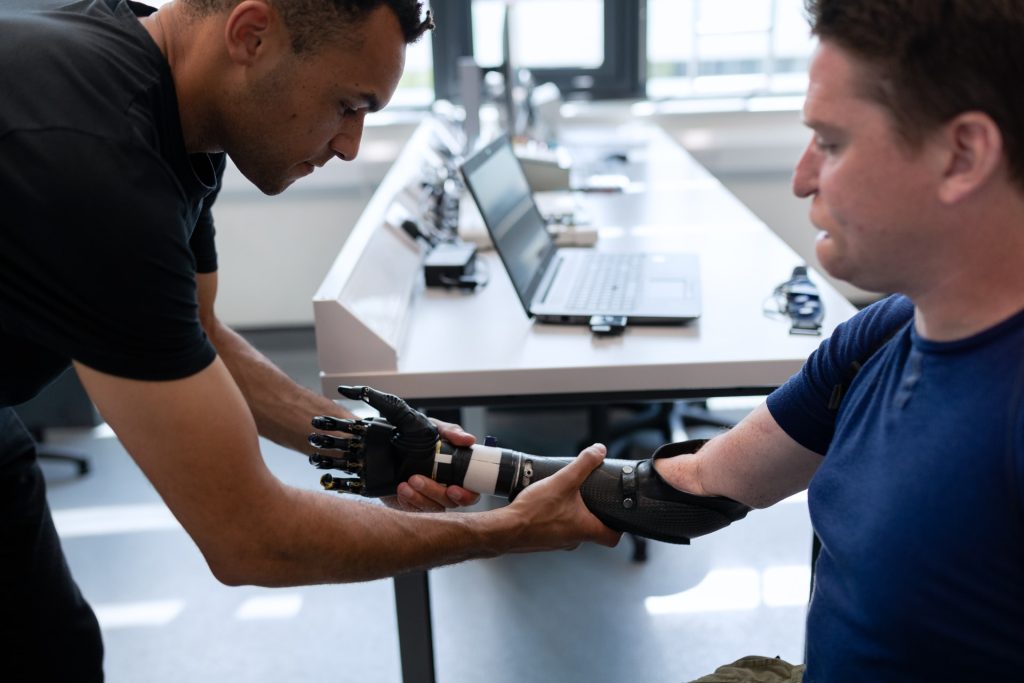
Researchers Recreate Temperature Sense in Prosthetic Arms

Photo by Thisisengineering on Unsplash

Researchers report recreating a sense of temperature for amputees, by heating or cooling a part of their residual limb. The results of their tests are published in Science.

Researchers Silvestro Micera and Solaiman Shokur have been keen on incorporating new sensory feedback into prosthetic limbs for providing more realistic touch to amputees, and their latest study focuses on temperature. They stumbled upon a discovery about temperature feedback that far exceeds their expectations.

“When I touch the stump with my hand, I feel tingling in my missing hand, my phantom hand. But feeling the temperature variation is a different thing, something important… something beautiful,” says Francesca Rossi.

Rossi is an amputee from Bologna, Italy. She recently participated in a study to test the effects of temperature feedback directly to the skin on her residual arm. She is one of 17 patients to have felt her phantom, missing hand, change in temperature thanks to new EPFL technology. More importantly, she reports feeling reconnected to her missing hand.

“Temperature feedback is a nice sensation because you feel the limb, the phantom limb, entirely. It does not feel phantom anymore because your limb is back,” Rossi continues.

Placing a hot or cold object on the forearm of an intact individual, will result in that person feeling the temperature where it was placed. But in amputees, that temperature sensation on the residual arm may be felt­ in the phantom, missing hand.

By providing temperature feedback non-invasively, via thermal electrodes (aka thermodes) placed against the skin on the residual arm, amputees like Rossi report feeling temperature in their phantom limb. They can feel if an object is hot or cold, and can tell if they are touching copper, plastic or glass. In a collaboration between EPFL, Sant’Anna School of Advanced Studies (SSSA) and Centro Protesi Inail, the technology was successfully tested in 17 out of 27 patients.

“Of particular importance is that phantom thermal sensations are perceived by the patient as similar to the thermal sensations experienced by their intact hand,” explains Shokur, EPFL senior scientist neuroengineer who co-led the study.

Towards realistic bionic touch

The projection of temperature sensations into the phantom limb has led to the development of new bionic technology, one that equips prosthetics with non-invasive temperature feedback that allows amputees to discern what they’re touching.

“Temperature feedback is essential for relaying information that goes beyond touch, it leads to feelings of affection. We are social beings and warmth is an important part of that,” says Micera, Bertarelli Foundation Chair in Translational Neuroengineering, professor at EPFL and SSSA who also co-led the study. “For the first time, after many years of research in my laboratory showing that touch and position information can be successfully delivered, we envisage the possibility of restoring all of the rich sensations that one’s natural hand can provide.”

Temperature feedback, from well-being to prosthetics

A few years ago, Micera and Shokur got wind of a system that could provide temperature feedback through the skin of healthy subjects, also developed at EPFL and spun-off by Metaphysiks.

Metaphysiks has been developing neuro-haptic technology, MetaTouch, which connects the body with digital worlds. MetaTouch combines touch and temperature feedback to augment physical products for well-being.

“This breakthrough highlights the power of haptics to improve medical conditions and enhance the quality of life for people with disabilities,” says Simon Gallo, Co-founder and Head of Technology at Metaphysiks.

The EPFL neuroengineers borrowed MetaTouch that provides thermal feedback directly to a user’s skin. With this device, they discovered the thermal phantom sensations and subsequently tested it in 27 amputees.

The Minitouch prototype and tests

For the study, Shokur and Micera developed the MiniTouch, a device that provides thermal feedback and specifically built for integration into wearable devices like prosthetics. The MiniTouch consists of a thin, wearable sensor that can be placed over an amputee’s prosthetic finger. The finger sensor detects thermal information about the object being touched, more specifically, the object’s heat conductivity. If the object is metallic, it will naturally conduct more heat or cold than, for instance, a plastic one. A thermode, one that is in contact with the skin on the amputee’s residual arm, heats up or cools down, relaying the temperature profile of the object being touched by the finger sensor.

“When we presented the possibility to get back temperature sensation on the phantom limb or the possibility to feel the contact with different materials, we obtained a lot of positive feedback. And eventually, we were able to recruit more than 25 volunteers in less than two years,” says Federico Morosato who was responsible for organizing the clinical aspect of the trials at Centro Protesi Inail.

The scientists found that small areas of skin on the residual arm project to specific parts of the phantom hand, like the thumb, or the tip of an index finger. As expected, they discovered that the mapping of temperature sensations between the residual arm and the entire projected phantom one is unique to each patient.

Bionic prosthetics for repairing the human body

Almost a decade ago, Micera and colleagues provided real-time sensory feedback about objects being grasped. They went on to improve touch resolution by providing feedback about an object’s texture and position information in a reliable way. Moreover, they discovered that amputees begin to embody their prosthetic hand if provided with sensory feedback directly into their intact nervous system. The added sensation of temperature feedback is yet another step towards building bionic prosthetics for repairing the human body. Fine-tuning temperature sensations and integrating these into a wearable device that can be mapped out to each patient are part of the next steps.

Source: Ecole Polytechnique Federale de Lausanne

One Year Later and Still no Judgment in Urgent Case About Access to Medicine

Photo by Tingey Injury Law Firm on Unsplash

By Marecia Damons for GroundUp

June Bellamy’s 83-year-old mother got COVID in March 2022 and was in intensive care for two weeks. She was diagnosed with heart disease. When she was discharged, she was put on oxygen and prescribed medication, including blood-thinning tablets containing rivaroxaban.

During a visit to the doctor earlier this month, Bellamy and her mother were shown a list of different medications containing rivaroxaban. But when they tried to obtain the generic version at the dispensary, which is about 40% cheaper, the supervisor said that because of an ongoing court case they were not allowed to supply it anymore.

“We’ve had to buy the expensive one,” says Johannesburg resident Bellamy, who has been unemployed since 2017. It costs her R1100 a month and she also has to buy other medications. She says her mother is on a basic medical aid plan and the medication is not covered.

“While I’m financially decimated, I’m trying to do what I can,” said Bellamy.

One year and counting

There are a number of court cases dealing with the issue. One of these is between Bayer and Clicks and was heard in the court of the commissioner of patents in Gauteng. The details are complicated and we explain them below. But what is clear is that in April 2022 Judge Colleen Collis reserved judgment in this urgent matter about the sale of blood-thinning tablets. More than a year later, she has failed to hand down her ruling.

In urgent matters judgment is expected almost immediately. It is astonishing for a judge to take a year over any judgment, let alone an urgent one. The judicial norms and standards state that judgments, in non-urgent matters, should be handed down within three months of being reserved.

GroundUp previously reported that the last available list of late judgments on the judiciary’s website is 31 December 2021. The judiciary has stonewalled our requests for an updated list.

We asked for comment from Chief Justice Raymond Zondo and Judge Collis but received no response.

What the case is about

The case deals with the extension of Bayer’s patent on rivaroxaban from December 2020 to January 2026.

In 2000, Bayer obtained a patent on rivaroxaban. Patents are granted for 20 years and so the patent was to expire in December 2020.

The patent-holder of a medicine, in this case Bayer, has exclusive control over it. No other pharmaceutical company may sell the medicine in South Africa during the patent period, at least not without Bayer’s permission. Effectively a patent holder has a monopoly. The point of patents is to create an incentive for pharmaceutical companies to develop new medicines.

In 2007 Bayer obtained a patent for rivaroxaban to be dosed once daily (the original patent was silent on dosing). This extended the patent to 19 January 2026. This kind of patent extension is widely criticised by health activists and is called evergreening.

After the initial patent expired in December 2020, two pharmaceutical companies, Austell and Dr Reddy’s, launched generic versions of rivaroxaban. To cut a long story short, there followed a series of court actions which resulted in Austell and Dr Reddy’s being interdicted from selling their versions of rivaroxaban in South Africa. But the interdicts did not yet stop the big three pharmacy groups, Dis-Chem, Alpha Pharm and Clicks, selling the stock they had of both generic products.

Dis-Chem and Alpha Pharm reached a settlement with Bayer in respect of Dr Reddy’s product, Rivaxored, but Clicks did not. Bayer applied to the court of the commissioner of patents to interdict Clicks from selling rivaroxaban and obtained an urgent interim interdict in March 2022. Shortly after that, in April 2022, the main (and still urgent) hearing for this application took place and Judge Collis reserved judgment. That is where matters stand, over a year later.

As of 13 May, OpenUp’s medicine price website gives the price of a pack of 42 Xarelto (Bayer’s rivaroxaban product) 15mg tablets as R1532. Austell’s equivalent product, Rezalto, is R931.26. Dr Reddy’s product, Rivaxored, is a little higher priced than Rezalto (at 15mg) but considerably lower than Bayer. There’s also iXarola, Bayer’s “authorised generic”, which they brought to market just before the expiry of the 2000 patent. It’s priced at R1285. (These prices exclude the dispensing fee.)

The timeline below contains more detail.

Timeline

2000: Bayer gets patent for rivaroxaban (expires December 2020).

2007: Bayer gets patent for dosing rivaroxaban once daily instead of twice daily (effectively means that the patent expires on 19 January 2026).

2020, December: Initial patent expires.

2021, January: Austell launches its generic version of rivaroxaban, called Rezalto.

2021, April 1: Dr Reddy’s launches its generic version of rivaroxaban, called Rivaxored.

2021, May: Bayer obtains urgent interdicts that stop Austell from selling Rezalto.

2021, December: Bayer obtains interim interdict against Dr Reddy’s, but the interdict does not extend to stopping pharmacies from selling the stock they already had of Dr Reddy’s generic pills.

2022, January: Bayer then launches another urgent application to interdict three pharmacy groups from selling Dr Reddy’s generic pills still in stock. Dis-Chem and Alpha Pharm reach a settlement with Bayer. But Clicks refuses to settle and opposes Bayer’s application.

2022, March 15: Bayer obtains an urgent interim interdict against Clicks at the court of the commissioner of patents in Gauteng, pending a main hearing which takes place at the same court in April.

2022, April: The urgent interdict application between Bayer and Clicks is heard by Judge Colleen Collis in the court of the commissioner of patents in Gauteng. Collis reserves judgment.

2023, May: Judgment has still not been handed down by Judge Collis.

Republished from GroundUp under a Creative Commons Attribution-NoDerivatives 4.0 International License.

Source: GroundUp

Smallpox Vaccine Offers Protection Against Mpox

Photo by Gustavo Fring on Pexels

Smallpox vaccines offer continuing cross-reactive immunity to mpox (previously known as monkeypox), researchers from Karolinska Institutet in Sweden report in a study published in the scientific journal Cell Host & Microbe. The smallpox vaccine had been administered in Sweden from the early 19th century until it was discontinued in 1976 with the eradication of the disease.

During last year’s mpox outbreak, the virus spread for the first time outside Africa, causing over 85 000 cases of the disease to date. Men who have sex with men account for the most infections, with a marked skew towards the young.

The virus that causes mpox is what is known as an orthopoxvirus and is very similar to the virus that caused smallpox until the mid-1970s when it was finally eradicated. South Africa stopped its smallpox vaccinations in 1982.

Since there were data indicating that the old smallpox vaccine could protect against mpox, the researchers at Karolinska Institutet wondered if the individuals who were vaccinated decades ago against the former would have some protection against the latter owing to a remaining memory response.

“Our study shows that this is the case, which implies that the memory cells are very long-lived and that they can recognise closely related viruses such as the mpox virus and provide overlapping, or cross-reactive immunity,” says the study’s corresponding author Marcus Buggert, docent and researcher at the Center for Infectious Medicine, Karolinska Institutet.

By analysing the T-cell immune response in 105 healthy blood donors, the researchers were able to show that individuals born before 1976 had a significantly stronger immune response against both viral types. The researchers also analysed the immune response in 22 men with a recent mpox infection and showed that they also exhibited a strong immune response to the virus, which may provide future immunity.

The current study was too small to judge how much protection previous smallpox vaccination provides, but Dr Buggert refers to a recently published British observational study examining the effect of a smallpox vaccine given to risk-group males in 2022.

“This study shows that smallpox vaccine can provide about 80% protection against mpox,” he says.

Source: Karolinska Institutet

Instead of Dying, Motor Neurons Just Lose Connectivity with Age

Source: CC0

A new study published in the Journal of Clinical Investigation Insight offers a blueprint to help scientists prevent and reverse motor deficits that occur in old age. Their findings showed that loss of connectivity of motor neurons in the spinal cord – not the death of those neurons, as was previously thought – is what impairs voluntary movements during aging.

As humans age, tasks that require coordinated motor skills, such as navigating stairs or writing a letter, become increasingly difficult to perform. Reduced mobility caused by aging is strongly associated with adverse health outcomes and a diminished quality of life.

Researchers at Brown University led by Gregorio Valdez, an associate professor of molecular biology, cell biology and biochemistry, discovered that motor neurons start to have fewer synapses.

“This is an important fundamental discovery because it tells us that treatments are possible to prevent and reverse motor deficits that occur as we age,” said Valdez, who is affiliated with both the Center for Translational Neuroscience and the Center for Alzheimer’s Disease Research at the Carney Institute and Brown’s Center on the Biology of Aging. “The primary hardware, motor neurons, are spared by aging. If we can figure out how to keep synapses from degenerating, or mimic their actions using pharmacological interventions, we may be able to treat motor issues in the elderly that often lead to injuries due to falls.”

For the study, researchers examined spinal motor neurons in three species, including humans, rhesus monkeys and mice.

“These findings revealed that, as individuals age, motor neurons lose many of the connections that direct their function,” said Ryan Castro, first author of the study, who earned a PhD in neuroscience from Brown in 2022.    

Because of their critical function, Valdez said, the loss of either motor neurons or their synapses would impair voluntary movements. 

The number and size of motor neurons do not significantly change during aging, the researchers discovered. However, they undergo other processes that contribute to aging.

“Aging causes motor neurons to engage in self-destructive behaviour,” Valdez said. “While motor neurons do not die in old age, they progressively increase expression of molecules that cause degeneration of their own synapses and cause glial cells to attack neurons, and that increases inflammation.” 

Some of these aging-related genes and pathways are also found altered in motor neurons affected with amyotrophic lateral sclerosis (ALS).

The researchers now plan to pursue studies to target molecular mechanisms they found altered in motor neurons that could be responsible for the loss of their own synapses with advancing age.  

Source: Brown University

Khayelitsha Trial Shows Single-dose Dolutegravir May Suffice in HIV-associated Tuberculosis

Tuberculosis bacteria. Credit: CDC

In the RADIANT-TB randomised controlled trial carried out in Khayelitsha, researchers found that tuberculosis (TB) patients with HIV taking a double dose of dolutegravir had similar viral suppression to those taking a single dose plus placebo. The findings, published in The Lancet HIV, suggest that a only once-daily dolutegravir is feasible in patients with HIV-associated tuberculosis.

WHO’s preferred first-line antiretroviral therapy (ART) regimen for adults and adolescents with HIV is dolutegravir, combined with tenofovir and lamivudine or emtricitabine. A disadvantage of dolutegravir is substantial drug–drug interaction with rifampicin, which is important as tuberculosis is the most common cause of hospitalisation and mortality among people living with HIV.

The drug–drug interaction between rifampicin and dolutegravir can be overcome by supplemental dolutegravir dosing, but is a challenge in resource-constrained settings. The researchers sought to investigate whether virological outcomes with standard-dose dolutegravir-based ART are acceptable in people with HIV on rifampicin-based antituberculosis therapy.

RADIANT-TB was a phase 2b, randomised, double-blind, non-comparative, placebo-controlled trial in Khayelitsha, Cape Town, South Africa. Participants were aged over 18 years, with plasma HIV-1 RNA >1000 copies/mL, CD4 count > 100 cells/μL, ART-naive or first-line ART interrupted, and on rifampicin-based antituberculosis therapy for less than three months. Participants were assigned (1:1) to receive either tenofovir disoproxil fumarate, lamivudine, and dolutegravir plus supplemental 50mg dolutegravir 12h later or the same drugs but with placebo in place of the supplemental dolutegravir. Participants received standard antituberculosis therapy (rifampicin, isoniazid, pyrazinamide, and ethambutol for the first two months followed by isoniazid and rifampicin for four months). The primary outcome was the proportion of participants with virological suppression (HIV-1 RNA <50 copies/mL) at week 24 analysed in the modified intention-to-treat population.

No treatment-related dolutegravir resistance emerged in the trial, and though not significant, an increase in insomnia was noted in the supplemental dolutegravir arm. In terms of future research, it is questionable whether a phase 3 trial would be needed given the significant time required for a policy change. Limitations included the study not being powered to compare efficacy.

The authors concluded, “Our findings suggest that twice-daily dolutegravir dosing might be unnecessary in people with HIV-associated tuberculosis. More evidence, from cohort studies or possibly a phase 3 trial, might be necessary to change policy on the need for a supplemental dolutegravir dose with rifampicin-based antituberculosis therapy.”

Study Points to Direct Link Between COVID and Type 1 Diabetes in Children

Photo by Kelly Sikkema on Unsplash

A study that used data for 1.1 million children in Bavaria found that SARS-CoV-2 infection was linked to an increased risk of a diagnosis of type 1 diabetes. The findings, which are published in JAMA, also point to a direct effect of COVID on the development of type 1 diabetes.

Different studies have documented an increased incidence of type 1 diabetes during the COVID pandemic. However, none of the studies distinguishes between children with and without SARS-CoV-2 infection.

Researchers at Helmholtz Munich and TU Dresden, in cooperation with the Kassenärztliche Vereinigung Bayern (KVB) used a database to make an analysis of the temporal relationship between a COVID diagnosis and the diagnosis of type 1 diabetes. Amongst the analysed children without type 1 diabetes diagnosis before the start of the pandemic, 16.6% had a diagnosis of COVID between January 2020 and December 2021.

SARS-CoV-2 infection associated with an increased risk of type 1 diabetes in children

The researchers’ initial findings were consistent with data from Germany and other countries: the incidence rate of type 1 diabetes in children between the ages of two and 12 years was around 50% higher in the years 2020 to 2021 as compared to the incidence rate in 2018 to 2019. Important and novel, they found that the development of type 1 diabetes in 2020 to 2021 was higher in the children with COVID. The likelihood to develop type 1 diabetes was increased by 57% in children who had a confirmed SARS-CoV-2 infection compared to non-infected children. The increase in type 1 diabetes incidence occurred in the same quarter as the COVID diagnosis and also in later quarters.

The new data point to a direct effect of SARS-CoV-2 infection on the development of type 1 diabetes

“We are cautious in our interpretation, but the findings suggest that the virus could either promote initiation of the underlying autoimmunity in type 1 diabetes or accelerate the progression of the disease in children with existing autoimmunity,” says Ezio Bonifacio, last author of the study. Further studies will be needed, to elucidate the exact mechanism driving the increased incidence of type 1 diabetes during the COVID pandemic in young children.

Further studies planned

The team of researchers also has access to cohorts of prospectively followed children from the Global Platform for the Prevention of Autoimmune Diabetes (GPPAD) and the Fr1da Study. “We want to look into these cohorts to see whether the development of islet autoantibodies and/or type 1 diabetes was increased in the children after SARS-CoV-2 infection,” says Anette-Gabriele Ziegler, Director of the Helmholtz Munich Institute of Diabetes Research and GPPAD researcher. The findings of these studies will help to determine whether vaccination against COVID should be considered in children at risk for type 1 diabetes.

Source: TU Dresden

FDA Approves First Drug Designed to Treat Indolent Systemic Mastocytosis

Photo by Rodion Kutsaiev on Unsplash

Systemic mastocytosis (SM) is a rare haematologic disorder that can lead to a range of debilitating symptoms across multiple organ systems and a significant impact on patients’ quality of life, and now the first medicine has been approved to specifically treat the most common form of the disease. On Monday 22 May, the US Food and Drug Administration (FDA) approved AYVAKIT® (avapritinib) to treat indolent systemic mastocytosis (ISM) in adults.

ISM represents the vast majority of SM cases, and AYVAKIT is now available for adults with ISM at the recommended dose of 25mg once daily. AYVAKIT was designed to potently and selectively inhibit KIT D816V, the primary underlying driver of the disease. AYVAKIT has been FDA approved for the treatment of advanced SM since June 2021.

“After decades of caring for people with indolent systemic mastocytosis, I have seen firsthand its profound impact on patients’ underlying mast cell burden, symptoms, physical and mental health, and ability to work and participate in daily activities,” said investigator Cem Akin, MD, PhD, Professor of Medicine at the University of Michigan. “Despite the use of multiple supportive care treatments, a considerable number of patients with indolent systemic mastocytosis continue to experience a substantial disease burden. AYVAKIT advances the treatment of indolent systemic mastocytosis by targeting KIT D816V, the primary underlying cause of the disease, and establishes a new standard of care for a broad population of patients with this disorder. AYVAKIT delivered statistically significant and consistent clinical improvements in the PIONEER trial, and based on these practice-changing data, I feel a tremendous sense of hope for the future for all those affected by the disease.”

The approval of AYVAKIT in ISM is based on data from the double-blind, placebo-controlled PIONEER trial – the largest study ever conducted for this disease – in which patients received AYVAKIT 25mg once daily plus best supportive care (AYVAKIT) or placebo plus best supportive care (placebo). AYVAKIT demonstrated significant improvements versus placebo in the primary and all key secondary endpoints, including overall symptoms and measures of mast cell burden.

AYVAKIT was well-tolerated with a favourable safety profile compared to placebo, and most adverse reactions were mild to moderate in severity. The most common adverse reactions for AYVAKIT (≥10%) were eye oedema, dizziness, peripheral oedema and flushing. Serious adverse reactions and discontinuations due to adverse reactions occurred in less than 1% of patients.

Detailed results from the PIONEER trial, including open-label extension study data showing the clinical benefits of AYVAKIT through 48 weeks of treatment, were presented in February 2023 at the American Academy of Allergy, Asthma & Immunology (AAAAI) Annual Meeting.

Source: Blueprint Medicines

COVID-19: What Next as Shots Expire and Become Harder to Get?

By Adele Baleta for Spotlight

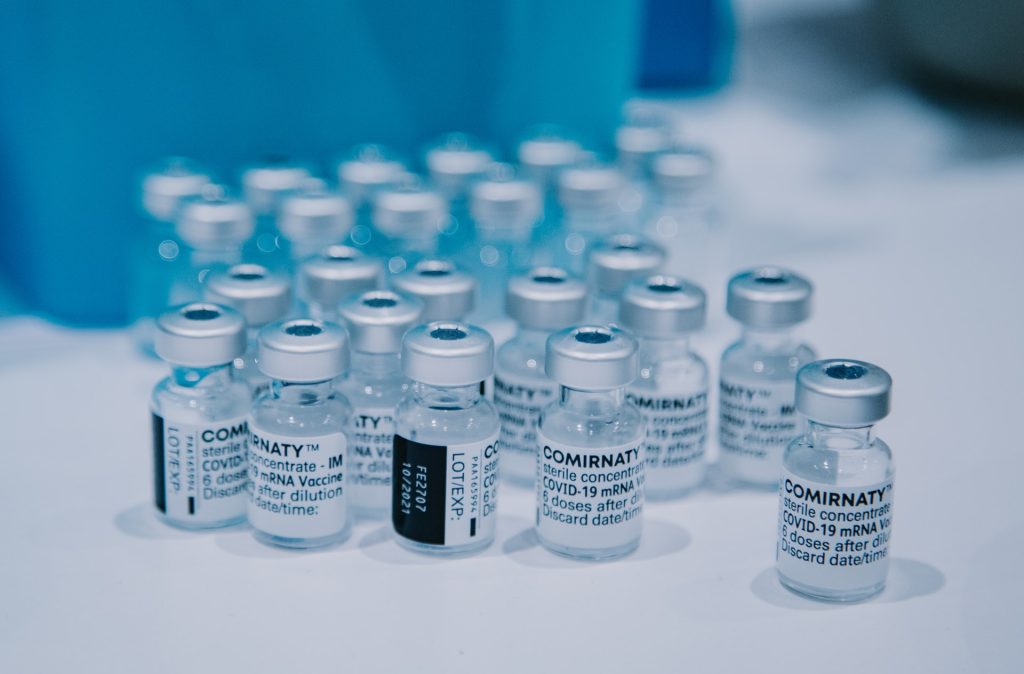
Millions of doses of the Pfizer-BioNtech COVID-19 vaccine procured by the South African government have expired and the shot is largely unavailable to people in the country.

Several people who have contacted Spotlight have expressed “frustration” and “dismay” that despite government having announced in February that it was sitting on a massive stockpile of almost 30 million vaccines, they are struggling to access the Pfizer shot.

Explaining the vast quantity of unused vaccines, the Health Department at the time said vaccine uptake has been low due to decreasing cases, people’s erroneous perception that the pandemic is over, and hesitancy affected by vaccine disinformation.

Expired but not expired?

National Department of Health spokesperson Foster Mohale confirmed that seven million Pfizer doses had expired but they would not be disposed of. Instead, the vaccine manufacturers would test the vaccines to ensure continued safety and efficacy. The South African Health Products Regulatory Authority (SAHPRA) will review the test results and, if satisfied that the vaccine will still work as well as data showed before, they will approve an extended shelf life.

The remaining estimated 23 million Johnson and Johnson (J&J) vaccine doses in South Africa are due to expire in 2024 and 2025.

“The expiry of a vaccine is not the same as the expiry date of food which cannot be extended,” Mohale says, adding that the Pfizer vaccine has a short shelf life and that the vaccine’s expiry date has been extended twice in the past. He says the testing should be done by June and the Pfizer shots would become available in July.

Photo by Mat Napo on Unsplash

A mother from East London, who is hoping to emigrate to the United States, told Spotlight that she was “frantically” trying to get shots for her 12-year-old son in time to leave. In South Africa, none of the currently available COVID-19 vaccines have been authorised for use in children under the age of 16. Elsewhere in the world, for example, in the United States, the Pfizer vaccine has been tested and authorised for use for children from the age of 12. “It is mandatory that he get the vaccine before entering the United States,” she says.

An intern responding to people’s questions on the Department of Health’s hotline says, “Many callers have phoned in stressing about travelling, emigrating, or getting vaccinated for the first time. We have been told that there are very few sites that still have some stock. If people have had two Pfizer doses, they can boost with a J&J dose. However, if they have only had one Pfizer, they will have to wait.”

The public exasperation expressed directly to Spotlight and on social media also relates to the health department’s vaccination website being outdated and it being hard to find places to get vaccinated. As GroundUp reported in January, getting a COVID-19 booster jab is not as easy as it should be.

‘The pandemic is not over’

Referring to the World Health Organization’s (WHO) lifting of the COVID-19 Public Health Emergency of International Concern (PHEIC) on May 5th, Mohale says, “The pandemic is not over and people, especially those who are at highest risk of severe disease and death should get vaccinated.” These included people with co-morbidities and the elderly. He says vaccination for COVID-19 has been integrated into routine primary healthcare facilities, which is where people should go for their jabs.

WHO director-general Tedros Ghebreyesus said it was the end of the emergency phase but not the end of the threat of COVID-19. In the week prior to the announcement, he said the disease claimed a life (globally) every three minutes, “and that’s just the deaths we know about”.

The decision to lift the emergency was based on the decreasing number of deaths and hospitalisations from COVID-19, the high levels of population immunity against SARS-CoV-2, and the widespread availability of COVID-19 vaccines and treatments.

Ghebreyesus warned that the COVID-19 pandemic is not over and that the virus could still pose a serious threat to public health. The WHO has urged countries to continue to monitor the situation closely and to maintain preparedness measures, such as surveillance, testing, and contact tracing.

Some experts have criticised the WHO’s decision to end the emergency phase, arguing that it is premature and could lead to a resurgence of the pandemic. Others have defended the decision, arguing that it is based on the best available evidence and that it is important to give countries the flexibility to manage the pandemic in a way that best suits their own circumstances.

‘Momentous’ announcement

Professor Salim Abdool Kariem, Director of CAPRISA, described the announcement as “momentous”. Writing in his regular COVID-19 updates blog, he says, “… we are still living in the midst of a pandemic with thousands of cases each day. Since SARS-CoV-2 is going to be with us for a long time, a pragmatic decision was needed as the COVID-19 pandemic emergency has been steadily receding and a new variant of concern has not emerged in the last 17 months. But the risk of a new variant of concern is ever-present, even if it is getting progressively smaller with time. The public is also tired of the pandemic and many have simply put it out of sight and out of mind.”

Kariem writes that globally there are currently far more COVID-19 cases, hospitalisations, and deaths each day than we had on the day (30 January 2020) that COVID-19 was initially declared a PHEIC. “So, it (the WHO decision) was not based on the situation getting to a point pre-PHEIC. Waiting to reach that point may take many years or may never happen and so ending the PHEIC is a judgement call, taking many factors into consideration.”

‘Still with us’

Speaking at a recent webinar, hosted by Internews, science writer David Quammen, who wrote a book on COVID-19 called ‘Breathless: The Scientific Race to Defeat a Deadly Virus’ and before that, ‘Spillover’, says, “The coronavirus is still with us, it’s circulating worldwide among humans, and circulating also among whitetail deer, feral mink, and probably other wild mammals.”

He says efforts currently need to be directed to approaching COVID-19 as a long-term cause of human illness, suffering, and death, not “a short-term catastrophe”.

He says laboratory techniques need to be improved as well as manufacturing capacity for updated COVID-19 vaccines. Inequitable access to vaccines will need to be solved. “We will need to dissolve vaccine reluctance and refusal – among the privileged but obdurate, and also among those historically ill-served by Western medicine – with better communication and education.” Diagnostic testing needs to be maintained and not reduced, as well as the sequencing of genomes from patient samples to detect and trace new and immune-evasive variants, he says.

“We will need to prepare, not just for the next coming of SARS-CoV-2 (when it emerges from some infected human, or some deer or mink) but also for the next coronavirus or influenza virus (more than likely H1N1) or other highly adaptive animal-borne virus (there’s a whole rogue’s list of possibilities) that appears in humans, seemingly out of nowhere,” he says. “But they don’t come out of nowhere. They come from nature.”

Republished from Spotlight under a Creative Commons4.0 licence.

Source: Spotlight