Photo by cottonbro studio: https://www.pexels.com/photo/person-holding-white-round-medication-pill-4661296/
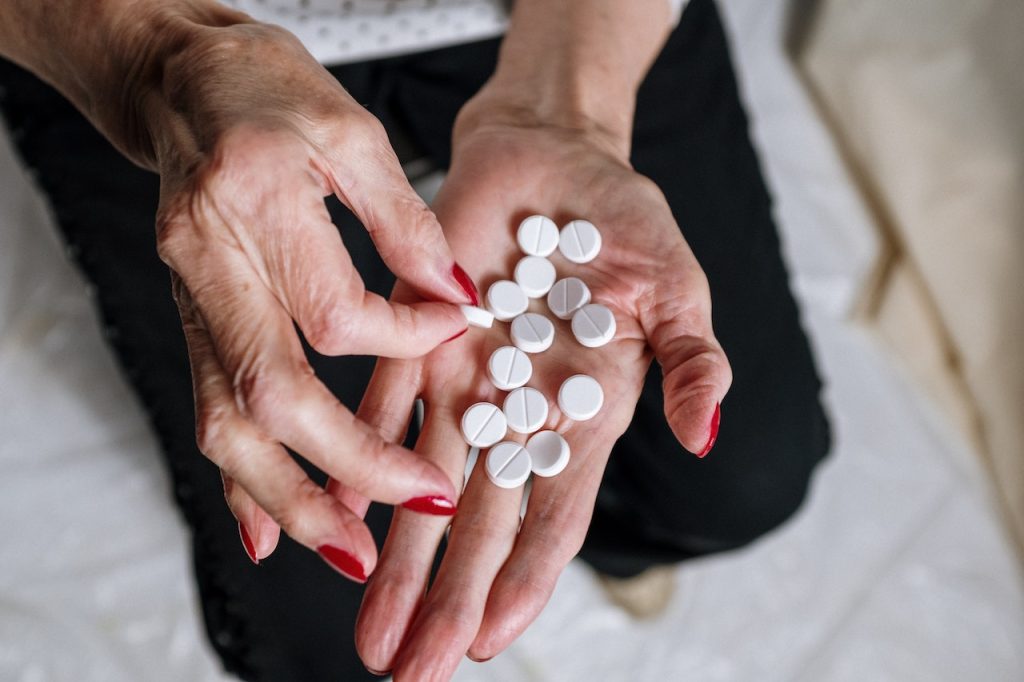
Low-dose aspirin is used as primary prevention for ischaemic stroke, but its protective effect weighed against the increased risk of bleeding events is controversial. A new secondary analysis of daily aspirin in older people found that, in this population, aspirin failed to reduce the risk for ischaemic stroke but increased it for intracranial bleeding. The findings were presented in JAMA Network Open.
The researchers analysed data from the ASPREE randomised clinical trial, the first large-scale trial to study the risks and benefits of 100mg daily aspirin in an older population, where increased bleeding risk may alter the balance of risks and benefits of aspirin. This is particularly relevant to intracerebral events because intracranial haemorrhage is harder to treat than ischaemic events and more frequently fatal or disabling. With previous aspirin trials in mostly younger participants, excess intracerebral haemorrhagic events was seen, though usually few in number and non-significant.
Cloud et al. performed a secondary analysis of the ASPREE trial, which included 19 114 older adults, and found a statistically significant 38% increase in intracranial bleeding resulting from a combination of haemorrhagic stroke and other causes of intracerebral haemorrhage among individuals randomised to aspirin. The difference in incidence of ischaemic stroke was not statistically significant.
While aspirin did not cause a statistically significant reduction in ischaemic stroke (hazard ratio [HR], 0.89), there was a a statistically significant 38% increase in intracranial bleeding. Rates of intracranial bleeding from those assigned to aspirin (1.1%) were higher than placebo (0.8%). This came from an increase in a combination of subdural, extradural, and subarachnoid bleeding with aspirin (0.6%) compared with placebo (0.4%). Haemorrhagic stroke was recorded in 0.5% of those assigned to aspirin compared with 0.4% for placebo.
Absolute numbers of haemorrhagic and non-haemorrhagic events were small. Among 1000 individuals taking 100mg/day of low-dose aspirin over five years, there were 2.5 fewer ischaemic strokes at the expense of 3.5 cases of intracranial haemorrhage, but not statistically significant. No difference would be expected for overall stroke incidence or stroke mortality, but haemorrhagic stroke was associated with a mortality rate of nearly a third, compared to 7.7% for ischaemic stroke. Major extracranial haemorrhage was driven by the increased risk of upper gastrointestinal bleeding with aspirin compared with placebo, as previously found (Hazard Ratio, 1.87).
The researchers concluded that “there was no statistically significant benefit from aspirin in preventing stroke or any conventional stroke etiological subtype. However, aspirin significantly increased the overall risk of intracranial bleeding.”
A safe treatment against Alzheimer’s progression may be hidden in a common bodybuilding supplement. Researchers recently discovered that a muscle-building supplement called beta-hydroxy beta-methylbutyrate (HMB), may help protect memory, reduce plaques and ultimately help prevent the progression of Alzheimer’s disease. The researchers published their results in the journal Cell Reports.
HMB is a safe over-the-counter supplement, which bodybuilders regularly use to enhance exercise-related muscle strength and growth.
“This may be one of the safest and the easiest approaches to halt disease progression and protect memory in Alzheimer’s disease patients,” said Kalipada Pahan, PhD, at RUSH Medical College.
Studies in mouse models of Alzheimer’s have shown that HMB successfully reduces plaques and increases factors for neuronal growth to protect learning and memory, according to neurological researchers at RUSH.
“Understanding how the disease works is important to developing effective drugs to protect the brain and stop the progression of Alzheimer’s disease,” Pahan said.
Previous studies indicate that a family of proteins known as neurotrophic factors are drastically decreased in the brains of people with Alzheimer’s disease and have been found to help in survival and function of neurons, which are cells that receive and send messages from the body to the brain and vice versa.
“Our study found that after oral consumption, HMB enters into the brain to increase these beneficial proteins, restore neuronal connections and improve memory and learning in mice with Alzheimer’s-like pathology, such as plaques and tangles,” Pahan said.
The study findings indicate that HMB stimulates the nuclear hormone receptor PPARα within the brain that regulates the transport of fatty acids, which is key to the success of HMB as a neuroprotective supplement.
“If mouse results with HMB are replicated in Alzheimer’s disease patients, it would open up a promising avenue of treatment of this devastating neurodegenerative disease,” Pahan said.
A virulent strain of Staphylococcus aureus produces proteins that trigger toxic shock syndrome (TSS), a disease characterised by the quick onset of fever, a telltale rash, and, without treatment, multi organ failure. In the vagina, TSS is associated with a life-threatening reaction from the immune system. Research published in the journal Microbiology Spectrum shows that probiotics may help prevent the disease before the cytokine cascade ever begins.
Probiotics may help prevent the disease before the cytokine cascade ever begins. This study reports that strains of two bacteria, Lactobacillus acidophilus and Lacticaseibacillus rhamnosus, successfully inhibited the production of the superantigens that cause TSS, in lab experiments. L. acidophilus, in addition, inhibited the growth of the S. aureus strains that produce the problematic proteins.
A combination of the two could both prevent growth and inhibit the immune response. “It’s kind of a double whammy against S. aureus,” said microbiologist Patrick Schlievert, Ph.D., at the University of Iowa Carver College of Medicine, in Iowa City. “If any toxin is made, the probiotics still prevent inflammation.”
He noted that adding these probiotics to tampons or other menstrual products could reduce the risk of TSS associated with menstruation. Such a preventive measure has the potential to benefit millions of vulnerable people, Schlievert said. “We know that 20% of people over age 12 cannot make antibodies and never will make antibodies against toxic shock syndrome,” he said.
Schlievert has been studying TSS and its prevention for decades. In the early 1980s, he was the first researcher to identify the toxin that triggers an overreaction of the immune system, and to show how high-absorbency tampons facilitated production of that toxin if S. aureus was present.
The new work, he said, was motivated by observations made during an earlier study. A few years ago, he and his colleagues recruited 205 women to test whether a novel molecular mixture, when added to tampons, would inhibit pathogenic bacteria. That molecule proved effective against E. coli and other pathogens, but the researchers noticed an unexpected consequence.
“Some of the women in the treatment group had this tremendous growth of Lactobacilli,” Schlievert said.
One common symptom of infection is wasting, the loss of fat and muscle. Salk scientists wanted to know whether wasting was beneficial in fighting infections. Researchers discovered the wasting response to T. brucei infection in mice occurs in two phases, each regulated by different immune cells. While fat loss did not benefit the fight against infection, muscle loss did – a surprising clue that some wasting may help manage illness.
The findings, published in Cell Reports, can inform the development of more effective therapeutics that spare people from wasting and increase our understanding of how wasting influences survival and morbidity across infections, cancers, chronic illnesses, and more.
“We often make assumptions that conditions like wasting are bad, since they often coincide with higher mortality rates,” says senior author Ayres. “But if instead we ask, what is the purpose of wasting? We can find surprising and insightful answers that can help us understand the human response to infection and how we can optimise that response.”
Defending the body from an invader requires a lot of energy. Prior studies suggested this immune-related energy consumption had the unfortunate consequence of wasting. But Ayres and team were curious to know whether wasting could be beneficial and not just a side effect.
T cells are slow to respond to infections, but when they do respond, they adapt to fight the particular infection. Ayres was interested to know whether it was these T cells causing wasting. If T cells are responsible for the condition, that would indicate wasting is not simply an unproductive side effect of energy-hungry immune cells.
The cells of interest are called CD4+ and CD8+ T cells. CD4+ T cells lead the fight against infection and can promote the activity of CD8+ T cells, which can kill invaders and cancerous cells. The two T cell types often work together, so the researchers hypothesised their role in wasting may be a cooperative effort, too.
To work out the relationship between CD4+ and CD8+ T cells and wasting, the researchers turned to the parasite T. brucei. Because T. brucei lives in fat and can block the adaptive immune response (which includes T cells) it was a perfect model infection for their questions about fat wasting and how T cells mediate that process.
The team investigated 1) the role of CD4+ and CD8+ T cells during T. brucei infection and 2) how removing CD4+ and CD8+ T cells changed the longevity, mortality rates, parasite symptoms, and amount of parasite present in infected mice.
The researchers found that CD4+ T cells acted first and initiated the process of fat wasting. Afterward, but completely independently of the fat wasting, CD8+ T cells initiated the process of muscle wasting. The CD4+ T cell-induced fat wasting had no impact on the ability for the mice to fight T. brucei or to survive infection. The CD8+ T cell-induced muscle wasting, however, contrary to the traditional assumptions about wasting, helped the mice fight T. brucei and survive the infection.
“Our discoveries were so surprising that there were times I wondered if we did something wrong,” says first author Samuel Redford. “We had striking results that mice with fully functioning immune systems and mice without CD4+ T cells lived the same amount of time – meaning, those CD4+ T cells and the fat wasting they caused were completely disposable in fighting the parasite. And beyond that, we found that normally cooperative T cell subtypes were working totally independently of one another.”
The findings illustrate the important role of immune cells in both fat and muscle wasting and the necessity to understand the function of such responses to inform therapeutic interventions.
“We can learn so much about our immune systems by looking at the environments and infections we have co-evolved with,” says Ayres. “While T. brucei is an interesting and important case, what is exciting is extrapolating our findings to understand, treat, and overcome any disease that involves immune-mediated wasting – parasites, tumours, chronic illnesses, and so much more.”
In the future, the team will examine the T cell mechanism in other mammals and eventually humans. They also want to explore in more detail why muscle wasting is occurring and why CD4+ and CD8+ T cells play these distinct roles.
Making the case for governments and donors to pump money into the HIV response has become more difficult over the last decade. This is partly a result of the notable successes we’ve had – for example, in 2022, HIV-related deaths in South Africa were down to less than a fifth of what it was in 2005. There is clearly some justification for the point of view that HIV simply isn’t the crisis it used to be.
That said, it is also true that about 8 million people in South Africa are living with HIV. This number will continue to rise in the coming years as the rate of new HIV infections is much higher than the rate of HIV-related deaths. Barring a major scientific breakthrough, all these millions of people will require antiretroviral medicines for the rest of their lives, both for their own health and to reduce onward transmission of the virus. In this context, a failure to maintain and improve HIV treatment and prevention programmes will have catastrophic consequences.
There is also increasing competition with other areas of urgent need. In recent years, climate change and COVID-19 have understandably made the headlines much more frequently than HIV. There is also a slow shift underway in South Africa’s disease burden, away from HIV and tuberculosis toward non-communicable diseases (NCDs) such as diabetes and hypertension.
Still a no-brainer
Despite these shifts, there is good reason to think that spending money on HIV continues to offer excellent value for money. For example, according to a recent report by Economist Impact (part of the Economist group that also publishes the Economist magazine), for every dollar spent on HIV in South Africa from 2022 to 2030, it is estimated the country will see GDP gains of over $7.
We also have a good idea of the impact and cost-effectiveness of specific HIV-related interventions. According to the most recent version of the South Africa HIV investment case, published in December 2021, condom provision continues to be the most cost-effective intervention in South Africa, followed by antiretroviral treatment, infant testing, pre-exposure prophylaxis for men who have sex with men, and general population testing. Voluntary medical male circumcision has become less cost-effective as coverage levels have risen in recent years, but remains worth it. In fact, the investment case leaves no doubt that most of the key interventions needed to combat HIV in South Africa are both worth it and affordable.
Despite all this, according to a recent UNAIDS report, global investment in HIV has taken a knock in recent years, and in 2022 we were essentially back down to the same level as in 2013. Such reductions constitute a crisis in HIV funding, especially in poor countries that are heavily reliant on donor funds. In South Africa, key interventions like antiretroviral treatment and condoms generally remain funded, but public sector health budgets have been shrinking in real terms, something that is no doubt impacting the HIV programme.
Time to leverage HIV investments
This brings us back to the knotty problem with which we started – while HIV remains a large and serious problem and most investments in combatting HIV remain excellent value for money, making the case for these investments has become more difficult due to competing priorities and the fact that, in South Africa at least, people are not dying of AIDS at nearly the rate they did 20 years ago. How to best make the case in a way that convinces governments and donors to put up the money in this context is a devilishly hard problem.
There are certainly no simple solutions.
What there is, though, is some indications that a too narrow focus on HIV is becoming a harder sell. There is also a risk that as funds for HIV get harder to come by, and the clamour for funding NCDs becomes more pronounced, we may end up pitting diseases against each other in a way that benefits no one.
Given the incredible acuteness of our HIV crisis ten and 20 years ago, a laser focus on HIV was right and necessary. Today, however, the reality is that many people living with HIV are also living with NCDs like diabetes or hypertension, something that will become only more so as the population of people living with HIV grow older. It is clear that we need to start doing a better job of integrating care and treatment for all the different diseases one person might have – the key is to do so in a way that doesn’t drop the ball when it comes to HIV.
In some areas progress is already clear – medicines distribution via pickup points closer to people’s homes were fuelled by the need to get ARVs to people, but is now also being used to distribute medicines for some NCDs. In other areas, such as data systems, integration however remains limited and the systems available for HIV and TB remain superior to those for NCDs.
There appears to be a broader policy shift along these lines. As recently reported on Devex, the Global Fund to Fight HIV, TB, and Malaria’s current five-year strategy explicitly endorses and promises funding for integrating non-communicable disease services with TB and HIV programmes. UNAIDS’s new ‘The path to end AIDS’ report also makes the right noises on the “deeper integration of HIV and other health services”, as does South Africa’s National Strategic Plan for HIV, TB, and STIs 2023 – 2028.
Of course, the road from policy-level ambitions such as these and change on the ground can be a long one – to some extent such integration has been on the cards for over a decade. But, rising NCD rates, an ageing population of people living with HIV and comorbidities, and funding pressures mean that getting integration right is now more urgent than ever.
One of the arguments for HIV-specific funding has always been that HIV investments have benefited healthcare systems more generally, even if that was not the primary intention. Maybe in this next act of the HIV response then, the key will be to stop thinking of health system improvement as a side effect of HIV investments and instead lean into the idea of explicitly leveraging what we’ve done and will continue to do in HIV to improve health systems more generally.
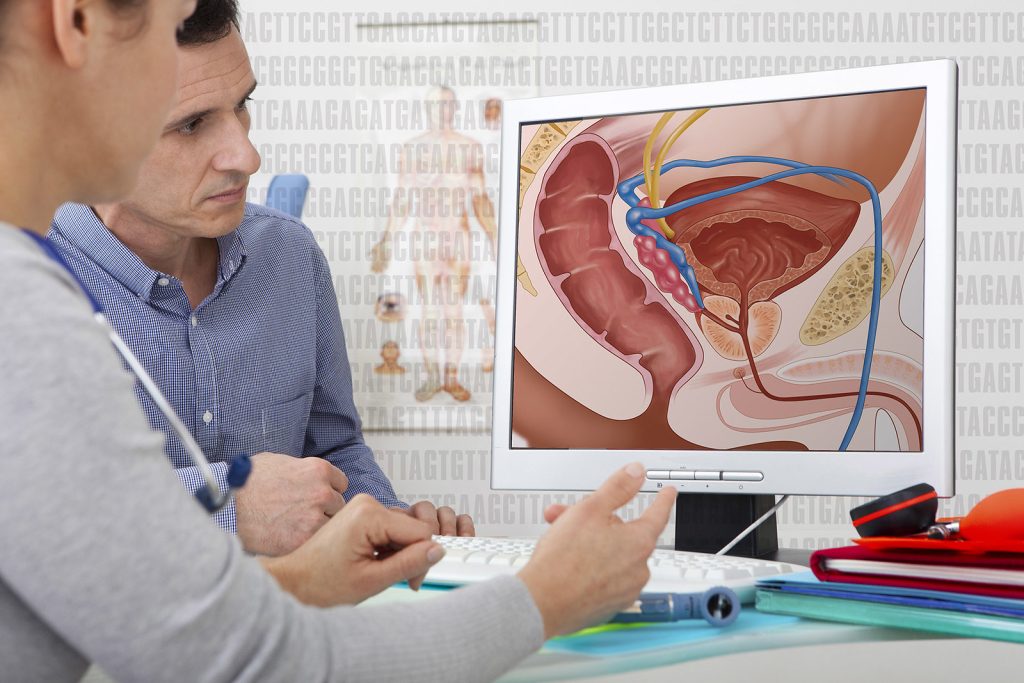
A technique that uses MRI as a guide can make radiotherapy safer for prostate cancer patients by better aiming beams at the prostate while sparing nearby tissue in the bladder, urethra, and rectum. That is the finding of a thorough analysis of all published clinical trials of the technique, called magnetic resonance–guided daily adaptive stereotactic body radiotherapy (MRg-A-SBRT). The analysis is published in CANCER.
By providing detailed images, MRg-A-SBRT can be used to adjust a patient’s radiation plan every day to account for anatomical changes and to monitor the position of the prostate in real time while the radiation beam is on to ensure that treatment is being directed accurately to the prostate. Although MRg-A-SBRT is becoming more popular and multiple clinical trials have tested it, it is unclear whether the technique, which requires more time and resources than standard procedures, has an impact on clinical outcomes and side effects compared with other ways of delivering radiation.
To investigate, Jonathan E. Leeman, MD, of the Dana-Farber Cancer Institute and Brigham and Women’s Hospital, and his colleagues combined data from 29 clinical trials testing MRg-A-SBRT versus conventional CT-guided treatment, with a total of 2457 patients.
MRg-A-SBRT was associated with significantly fewer urinary and bowel side effects in the short term following radiation. Specifically, there was a 44% reduction in urinary side effects and a 60% reduction in bowel side effects.
“The study is the first to directly evaluate the benefits of MR-guided adaptive prostate radiation in comparison to another more standard and conventional form of radiation, and it provides support for use of this treatment in the management of prostate cancer,” said Dr Leeman.
Dr Leeman noted that the study also raises further questions regarding this type of treatment. For example, will the short-term benefits lead to long-term benefits, which are more impactful for patients? Longer follow-up will help answer this question because MRg-A-SBRT is a relatively new treatment. Also, which aspect of the technology is responsible for the improved outcomes seen in clinical trials? “It could potentially be the capability for imaging-based monitoring during the treatment or it could be related to the adaptive planning component. Further studies will be needed to disentangle this,” said Dr Leeman.
An accompanying editorial discusses the analysis’ findings, weighs the potential benefits and shortcomings of adopting this treatment strategy for patients, and questions the value of broad adoption.
Researchers have discovered that the immune cells guarding the healthy human cornea from pathogens and inflammation are T cells, and dendritic cells, as previously thought. The discovery, published in PNAS, redefines current understanding of the immune cell landscape in the cornea of a healthy human eye. It builds on the team’s previous research in Cell Reports that showed that T cells protect the eye against virus infection in mice.
The collaborative research team jointly developed a new imaging technique as part of their investigation.
Research leader Professor Scott Mueller, from the Department of Microbiology and Immunology at the Doherty Institute explained that our knowledge of the various immune cell types in the human cornea is important for establishing the eye’s protective mechanisms against pathogens and disease.
“By combining our newly developed imaging technique with other advanced analytical approaches, we were able to discover that a significant number of cells at the surface of the healthy cornea are actually T cells,” said Professor Mueller.
“Until now, these cells were mistakenly classified as dendritic cells based on static imaging. This completely changes the current dogma in the field that only dendritic cells are present in the healthy cornea.”
The study’s first author, University of Melbourne’s Associate Professor Laura Downie said that being able to dynamically capture the cells’ normal behaviour, and in response to inflammation, provides unique understanding into the immune response in the eye.
“Using our non-invasive imaging approach, which we term Functional In Vivo Confocal Microscopy (Fun-IVCM), we have been able to see that these T cells move around quickly and interact with other cells and nerves in the outermost layer of the cornea. We also captured different cell dynamics in response to contact lens wear and in allergic eye disease, and quantified how these behaviours are modulated by drug treatments,” said Associate Professor Downie.
“These findings reshape our understanding of the distinct immune cell subsets in the human cornea, and how they respond to different stimuli. Using Fun-IVCM, we can achieve rapid, real-time insight into the cellular immune responses in living humans, in this accessible peripheral sensory tissue.”
Senior author Dr Holly Chinnery, also of the University of Melbourne, added that the new research will have major implications for the medical and immunology fields, including for patients and practitioners.
“Because this new technique involves non-invasive, time-lapse imaging of the human cornea, Fun-IVCM could be used in clinics directly to assess immune responses and ocular health. It could even be used for general immune system health,” said Dr Chinnery.
“Changes in T cells and behaviour could be used as a clinical biomarker of disease and assist with treatments.”
A new study published in the New England Journal of Medicine found that statins, a class of cholesterol-lowering medications, may offset the high risk of cardiovascular disease in people living with HIV by more than a third, potentially preventing one in five major cardiovascular events or premature deaths in this population. People living with HIV can have a 50–100% increased risk for cardiovascular disease.
“This research suggests that statins may provide an accessible, cost-effective measure to improve the cardiovascular health and quality of life for people living with HIV,” said Gary H. Gibbons, MD, director of the National Heart, Lung, and Blood Institute (NHLBI), a study funder. “Additional research can further expand on this effect, while providing a roadmap to rapidly translate research findings into clinical practice.”
For the double-blinded phase 3 trial, known as Randomised Trial to Prevent Vascular Events in HIV (REPRIEVE) study, researchers randomised participants into either a treatment group, where they received pitavastatin calcium daily or a control group receiving placebo. The researchers followed participants for about five years, but ended the trial early when they discovered the treatment benefits outweighed potential risks.
To understand the benefits, the researchers compared how often participants in each group experienced major cardiovascular events, including heart attacks, strokes, or surgery to open a blocked artery. They found participants who took daily pitavastatin had 35% fewer major cardiovascular events than those who took a placebo. The researchers also measured the number of deaths in combination with major cardiovascular events during the study period and found participants in the treatment group were 21% less likely than those in the placebo group to experience these events. Additionally, those taking pitavastatin had a 30% reduction in their low-density lipoprotein (LDL) cholesterol levels.
“Lowering LDL cholesterol levels reduces risks for cardiovascular events, like having a heart attack and stroke, but these findings suggest there may be additional effects of statin therapy that explain these reduced risks among people living with HIV,” said Steven K. Grinspoon, MD, the study chair. “Ongoing research about how statin therapy may affect inflammation and increased immune activation among people with HIV may help us better understand the additional benefits we’re seeing with this treatment approach.”
To support optimal health outcomes among the study participants, normal liver and kidney function were an enrolment criteria. They were also required to take antiretroviral therapy, which itself is critical to reducing the risk of HIV complications and related comorbidities, including cardiovascular disease.
Beginning in 2015, REPRIEVE enrolled 7769 adults, ages 40–75, from 145 sites in 12 countries. Adults in the study were an average age of 50 and had low-to-moderate risks for cardiovascular disease, which meant they normally would not have been prescribed statins. Women accounted for 31% of participants. Approximately 41% of study participants identified as Black, 35% as white, 15% as Asian, and 9% as another race.
Women with a history of endometriosis had higher concentrations of cadmium in their urine compared to those without that diagnosis, according to a study with a large representative study that suggests the toxic metal, which is also an endocrine disruptor, could be linked to the development of endometriosis. The researchers, from Michigan State University, published these findings in the journal Human Reproduction.
Affecting one in 10 reproductive-age women, endometriosis is when tissue that looks like the lining of the uterus, appears outside of it. Those with endometriosis can experience chronic, painful and debilitating symptoms, which can interfere with all aspects of life, including daily activity, work productivity, school performance and personal relationships.
“Despite the adverse impact of endometriosis on quality of life, it remains an understudied condition,” said Kristen Upson, assistant professor in the Department of Epidemiology and Biostatistics at the MSU College of Human Medicine and senior author of the study.
“By looking at environmental risk factors such as metal cadmium, we are moving the needle closer to understanding risk factors for this condition,” added the study’s first author, Mandy Hall, a data analyst in the MSU Department of Epidemiology and Biostatistics.
Cadmium is a toxic metal and a “metalloestrogen,” meaning it can act like oestrogen. In the US, people are commonly exposed to cadmium by breathing in cigarette smoke and eating contaminated food like spinach and lettuce.
While this is not the first study exploring a potential link between cadmium and endometriosis, the researchers said it’s the largest study to look at cadmium measured in urine, which reflects long-term exposure between 10 and 30 years.
For their study, researchers used data from NHANES, a national US population study between 1999 and 2006. Out of the survey’s more than 41 000 participants, the researchers limited their study population to those 20 to 54 years of age with information on endometriosis diagnosis.
The researchers then analysed the data, dividing the cadmium levels into four classes, or quartiles, with the first quartile being the lowest exposure and the fourth being the largest exposure.
They found that participants in the second and third quartiles were twice as likely to have been diagnosed with endometriosis than those in the first quartile. The data also suggests a 60% increased prevalence of endometriosis based on urinary cadmium concentrations in the fourth quartile.
“The findings are interesting given that cadmium can act like the hormone estrogen, and this hormone is central to the development of endometriosis,” Hall said.
The researchers say further studies are needed to confirm their findings. Upson said this work is part of her larger research looking at everyday factors that may increase toxic metal exposure in women as well as the impact of toxic metals on gynaecologic health. Hall plans to incorporate environmental factors in their ongoing research on endometriosis and other gynaecologic conditions.
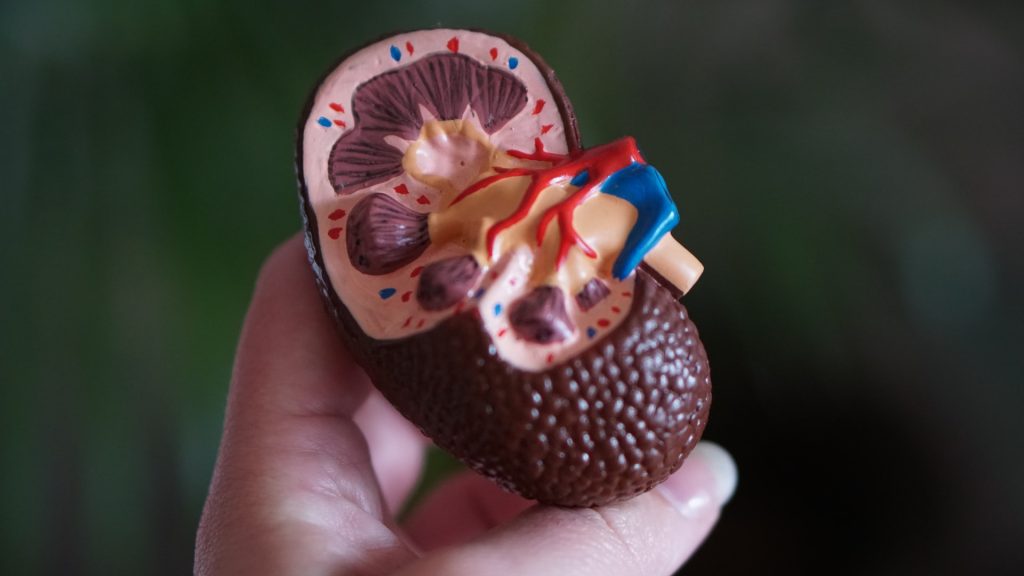
Researchers from Singapore have identified a potential dietary supplement of omega-3 that may improve recovery following acute kidney injury (AKI). The finding, published in the Journal of Lipid Research, may offer a new way to treat this serious condition, which currently has few therapies.
The study was part of a long-running research programme at Duke-NUS Medical School investigating how cells take up a specialised omega-3 lipid called LPC-DHA.
AKI affects some 13.3 million people globally each year, with a mortality rate of 20 to 50% depending on the economic status of the country and stage of the disease. One of the main causes of AKI is ischaemic reperfusion injury, which occurs when the kidney’s blood supply is restored after a period of restricted blood flow and poor oxygen delivery due to illness, injury or surgical intervention. In particular, it damages a crucial part of the kidney called the S3 proximal tubules that regulate the levels of absorption of water and soluble substances, including salts.
“AKI is a serious health problem with limited treatment options,” said Dr Randy Loke, first author of the study. “We sought to understand how these tubules repair themselves and found that the activity of the protein Mfsd2a, which transports LPC-DHA into cells, is a key factor influencing the rate of recovery of kidney function after ischaemic reperfusion injury.”
In their study, the researchers discovered that preclinical models with reduced levels of Mfsd2a showed delayed recovery, increased damage and inflammation after kidney injury. However, when these models were treated with LPC-DHA, their kidney function improved and the damage was reduced. LPC-DHA also restored the structure of the S3 proximal tubules, helping them function properly again.
“While more research is needed, the potential of LPC-DHA as a dietary supplement is exciting for future recipients who have suffered from AKI,” said senior study author Professor David Silver. “As our results suggest that LPC-DHA could become a safe and effective treatment that offers lifelong protection, its potential can help protect the kidneys and aid in recovery for these individuals.”
In the next phase, the research team plans to continue investigating the beneficial functions of LPC in the kidney and are aiming to initiate clinical testing of LPC supplements to determine their effectiveness in improving renal function and recovery following AKI in patients.
They also plan to continue their investigations of the protein Mfsd2a to learn more about its role in LPC transport and its involvement in diseases affecting other tissues and organs. Previous research by Prof Silver’s group, with collaborators from other institutions, have already highlighted the significance of the protein’s LPC-transporting activities in diseases of other organs, including the liver, lungs and brain.