Year: 2023

Keeping Cardiovascular Risk in Check Safeguards against Dementia

Credit: Centro Nacional de Investigaciones Cardiovasculares

A study published in The Lancet Healthy Longevity shows that brain metabolism, detected with advanced imaging techniques, declines more sharply in middle-aged people with a sustained high cardiovascular risk over 5 years

Cardiovascular disease and dementia frequently occur together in elderly people. Nevertheless, few longitudinal studies have examined how atherosclerosis and its associated risk factors affect brain health from middle age. Now, a new study by scientists at the Centro Nacional de Investigaciones Cardiovasculares (CNIC) in Madrid provides new data on this relationship; the results confirm the importance of controlling traditional cardiovascular risk factors, such as hypertension, cholesterol, diabetes, smoking, and a sedentary lifestyle, not only to preserve cardiovascular health, but also to prevent Alzheimer’s disease and other dementias. 

The CNIC study shows that atherosclerosis (accumulation of fatty deposits in the arteries) and its associated risk factors, in addition to being the main cause of cardiovascular disease, are also implicated in the cerebral alterations typically found in Alzheimer’s disease, the most frequent cause of dementia.

According to study author Dr Valentín Fuster, CNIC General Director, the new findings are important because they open up the possibility of treating a modifiable disorder, ie cardiovascular disease, to prevent the development a presently untreatable disease – dementia. “The sooner we act to control cardiovascular risk factors, the better it is for our brain health,” said Dr. Fuster.

“Everybody knows that a healthy lifestyle and controlling cardiovascular risk factors are important for preventing a heart attack,” continued Dr Fuster. “Nevertheless, the additional information linking the same risk factors to a decline in brain health could further increase awareness of the need to acquire healthy habits from the earliest life stages.”

In 2021, CNIC scientists discovered that the presence of cardiovascular risk factors and subclinical (presymptomatic) atherosclerosis in the carotid arteries (the arteries that supply the brain) was associated with lower glucose metabolism in the brains of apparently healthy 50-year-old participants in the PESA-CNIC-Santander study. Glucose metabolism in the brain is considered an indicator of brain health.

The PESA-CNIC-Santander study directed by Dr Fuster is a prospective study that includes more than 4000 asymptomatic middle-aged participants who have been exhaustively assessed for the presence and progression of subclinical atherosclerosis since 2010.

Dr Fuster’s team, led by Drs Marta Cortés Canteli and Juan Domingo Gispert, have continued to monitor the cerebral health of these participants over 5 years. Their research shows that individuals who maintained a high cardiovascular risk throughout this period had a more pronounced reduction in cerebral glucose metabolism, detected using imaging techniques such as positron emission tomography (PET).

“In participants with a sustained high cardiovascular risk, the decline in cerebral metabolism was three times greater than in participants who maintained a low cardiovascular risk,” commented Catarina Tristão-Pereira, first author on the study and INPhINIT fellow.

Glucose is the main energy source for neurons and other brain cells. “If there is a sustained decline in cerebral glucose consumption over several years, this may limit the brain ability to withstand neurodegenerative or cerebrovascular diseases in the future,” explained Dr Gispert, an expert in neuroimaging at the CNIC and Barcelonaβeta Research Center.

Through a collaboration with Drs Henrik Zetterberg and Kaj Blennow, world experts in the identification of new blood biomarkers at the University of Gothenburg in Sweden, the CNIC team discovered that the individuals showing this metabolic decline already show signs of neuronal injury. “This is a particularly important finding because neuronal death is irreversible”, said Dr. Cortés Canteli, a neuroscientist at the CNIC and a Miguel Servet fellow at the Fundación Jiménez Díaz Health Research Institute.

The CNIC team also discovered that the progression of subclinical atherosclerosis in the carotid arteries over five years is linked to a metabolic decline in brain regions vulnerable to Alzheimer’s disease, in addition to the effect of cardiovascular risk factors. “These results provide yet another demonstration that the detection of subclinical atherosclerosis with imaging techniques provides highly relevant information,” said Dr Fuster, who is the principal investigator on the PESA study. “The interaction between the brain and the heart is a fascinating topic, and with this study we have seen that this relationship begins much earlier than was thought.”

The scientists conclude that, “carotid screening has great potential to identify individuals at risk of cerebral alterations and cognitive decline in the future.” In the published article they write, “this work could have important implications for clinical practice since it supports the implementation of primary cardiovascular prevention strategies early in life as a valuable approach for a  healthy cerebral longevity.”

“Although we still don’t know what impact this decline in cerebral metabolism has on cognitive function, the detection of neuronal injury in these individuals shows that the earlier we start to control cardiovascular risk factors, the better it will be for our brain,” concluded Dr Cortés Canteli.

Source: CNIC

World’s Top Heart Specialists to Train Locals this October

South African non-profit company, the SA Heart Association’s renowned annual congress will be taking place this year at the Sandton Convention Centre in Johannesburg from 27 – 29 October and will feature unique, hands-on training sessions by some of the world’s leading cardiologists.

The congress, a key event on this year’s health calendar and eponymously dubbed the ‘Cardiac Collaboration’, will boast joint symposia in highly specialised fields such as cardiac anaesthesiology, endocrinology, critical and emergency care, sports medicine, and radiology, to name a few. The aim is to develop future collaboration with other academic societies and create a footprint for cardiologists to work in tandem with them and other special interest groups.

Speaking ahead of the annual congress, unlike any of the 22 preceding events, Cardiologist, Congress Convenor and Wits University lecturer, Dr Farouk Mamdoo, says several internationally renowned cardiologists and opinion leaders, local and global, will hold ‘Training Villages’ offering valuable, hands-on training to delegates. These will be held at times separate to the overarching congress presentations and spread across the three congress days, allowing delegates the chance to interact with international masters, some of whom will be using state-of-the art devices and equipment in these personalised training sessions.

The congress has sparked global interest and attendance is considered essential among cardiologists and related disciplines wanting to update their knowledge and take advantage of the unique collaborative gathering that will have far reaching future clinical and research implications.

The organizers have also taken the stellar expert input one step further. The trend-setting cardiologists will conduct roadshows at major hospitals around the country, both before and after the congress, giving local colleagues an unprecedented opportunity to work on patients with them, whether it be through consultations or surgical procedures. The roadshows will also provide continuity for delegates who attend the Training Villages at the Sandton congress.

Says Mamdoo: “Normally special devices, simulators and equipment are statically displayed on exhibition stands in the conference hall. However, at this year’s congress, delegates will be able to see them being used in real time – some of which this country hasn’t even seen before.”

Mamdoo says additional pre-congress workshops will consist of didactic and practical lectures about hands-on procedures, with ‘tips, tricks and advice,’ and case studies presented. Echocardiography, electrophysiology, paediatric cardiology, and cardiology for non-cardiologists will be among the fields embraced.

“The Training Villages will each have their own agenda with specific key learning topics and a timetable. Delegates can access these via the conference program on our website – and find out where the experts will be during the roadshow,” says Mamdoo.

Some of the top global names in cardiology, many of them local, that will be attending, presenting, and leading workshops at the congress, include: Professor Mark Petri,Cardiologist at the Institute of Cardiovascular and Medical Sciences at the University of Glasgow; Professor Javed Butler, Patrick H. Lehan Chair in Cardiovascular Research and Chairman of the Department of Medicine at the University of Mississippi; Professor Renato Lopes, Department of Medicine within the Division of Cardiology at Duke University Medical Centre, North Carolina; Dr Seth Worley, Electrophysiology and Interventional Implants, Medstar Heart Vascular Institute in Washinton DC; Dr George McDaniel,Paediatric and Adult Congenital Electrophysiologist, UVA Children’s, Virginia; and Professor Jeroen Bax, Leiden University, Netherlands; Non-invasive imaging.

Among the most cutting-edge developments to be presented will be breakthroughs in heart failure therapy, new ways of treating complex coronary disease plus advances in the latest techniques, technology, and diagnostic tools – and the evidence to support their use.

Local experts presenting at the congress – many of whom are globally recognized – include: Professor Karen Sliwa, clinician-scientist and Director of the Hatter Institute for Cardiovascular Research in Africa at the University of Cape Town (Managing cardio vascular risk factors during pregnancy); Dr Brian Allwood, Consultant Pulmonologist at Stellenbosch University and Tygerberg Hospital, where he has been responsible for expanding the pulmonary hypertension service and starting the first dedicated post-tuberculosis clinic in the country (Idiopathic pulmonary hypertension); Mpiko Ntsekhe, Cardiology Head of Department at Groote Schuur Hospital (HIV and cardiovascular disease – an update); and Fathima Paruk, Academic and Clinical Head of the Department of Critical Care at the University of Pretoria and Steve Biko Academic Hospital (Navigating social media as a clinician). Case-based plenaries will be a feature of the conference while cardiac Fellows will present their work in separate sessions with prestigious awards for the best abstract and oral presentations, plus a Henley Business School award sponsored by medical scheme, Discovery Health.

Cardiologists from the public sector, particularly registrars, are likely to find the conference particularly rewarding as few will have had the opportunity to work with much of the newer equipment that will be present – or interact with globally recognized expert’s face to face.

Says Mamdoo: “We look forward to hosting this exciting, world-class event with a jam-packed agenda and interacting with each other, celebrating our achievements and collaborating in an inclusive and diverse space with welcome encouragement from our learned peers – and fresh talent from across our beautiful country.”

To view the full congress agenda, access further information and book your place, visit: www.saheartcongress.org

Adding Complex Milk Component to Infant Formula Confers Long-term Cognitive Benefits

Photo by Burst on Pexels

Breastfeeding in infancy has been shown to confer cognitive and health benefits. For decades, researchers have sought to create a viable complement or alternative to breast milk to give children their best start for healthy development. New research out of the University of Kansas and published in the Journal of Pediatrics has shown how a complex component of milk that can be added to infant formula has been shown to confer long-term cognitive benefits, including measures of intelligence and executive function in children.

The research by John Colombo, KU Life Span Institute director and investigator, along with colleagues at Mead Johnson Nutrition and in Shanghai, China, adds to the growing scientific support for the importance of ingredients found in milk fat globule membrane (MFGM) in early human development.

The study showed that feeding infants formula supplemented with MFGM and lactoferrin for 12 months raised IQ by 5 points at 5 ½ years of age. The effects were most evident in tests of children’s speed of processing information and visual-spatial skills. Significant differences were also seen in children’s performance on tests of executive function, which are complex skills involving rule learning and inhibition.

All forms of mammalian milk contain large fat globules that are surrounded by a membrane composed of a variety of nutrients important to human nutrition and brain development, Colombo said. When milk-based infant formula is manufactured, the membrane has typically been removed during processing.

“No one thought much about this membrane,” Colombo said, “until chemical analyses showed that it’s remarkably complex and full of components that potentially contribute to health and brain development.”

The 2023 study was a follow-up to a 2019 one also published in the Journal of Pediatrics, which showed that babies who were fed formula with added bovine MFGM and lactoferrin had higher scores on neurodevelopmental tests during the first year and on some aspects of language at 18 months of age.

The global nutrition research community has been looking at MFGM for about a decade, Colombo said. Because the membrane is made up of several different components, it isn’t known whether one of the components is responsible for these benefits, or whether the entire package of nutrients act together to improve brain and behavioural development.

These benefits were seen in children long after the end of formula feeding at 12 months of age.

“This is consistent with the idea that early exposure to these nutritional components contribute to the long-term structure and function of the brain,” said Colombo, who has spent much of his career researching the importance of early experience in shaping later development.

Source: University of Kansas

Red Blood Cells Exposed to Oxygen Deficiency Protect against Myocardial Infarction

Source: Pixabay CC0

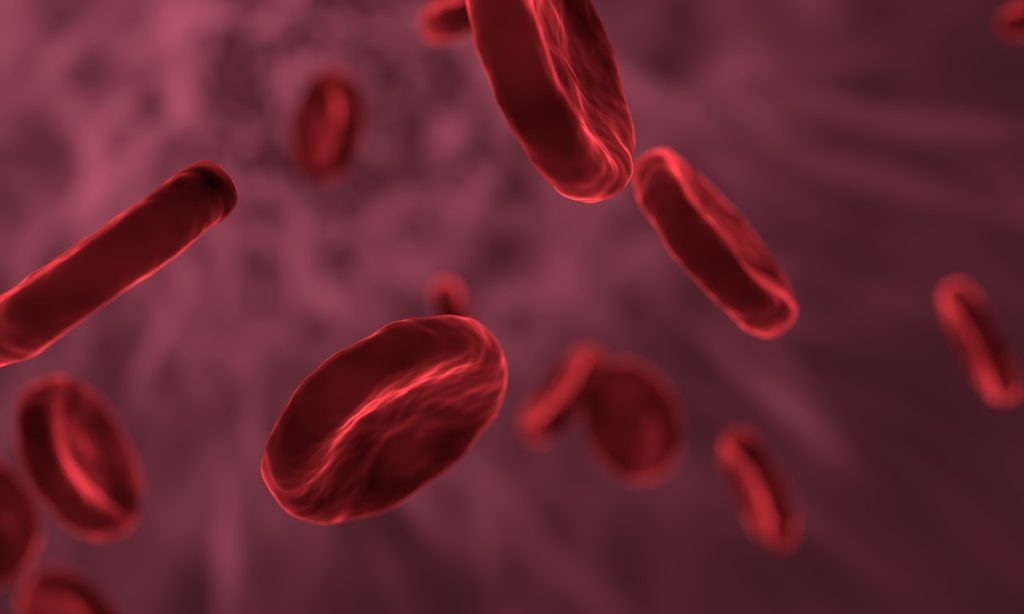
Red blood cells exposed to oxygen deficiency protect against myocardial infarction, according to a new study published in the Journal of Clinical Investigation. This study, conducted at Karolinska Institutet in collaboration with Karolinska University Hospital, also shows that that protection can be enhanced by a diet containing nitrate-rich vegetables, such as arugula and other green leafy vegetables.

“This effect was also shown in a clinical study in patients with high blood pressure who were randomly assigned to eat nitrate-rich vegetables or a diet low in nitrates,” says John Pernow, Professor of Cardiology at the Department of Medicine, Karolinska Institutet in Solna and senior physician at Karolinska University Hospital, and the study’s corresponding author together with Jon Lundberg, professor at the Department of Physiology and Pharmacology, Karolinska Institutet.

Part of the study was conducted through experiments with red blood cells from mice that were added to a myocardial infarction model with hearts from mice. Before the experiment, the red blood cells were exposed to low oxygen pressure, while nitrate was added to the drinking water.

In a clinical study, red blood cells were collected from patients with high blood pressure who were randomly assigned a nitrate-rich diet with green leafy vegetables or a diet with nitrate-poor vegetables. These red blood cells were given to the corresponding myocardial infarction model with hearts from rats.

“The results show both that the red blood cells convey protection against injury in the heart in the event of low oxygen levels, and how that protection can be enhanced through a simple dietary advice. This may be of great importance for patients at risk of myocardial infarction,” says the study’s first author Jiangning Yang, a researcher at the Department of Medicine, Solna, Karolinska Institutet.

The next step in the research is to develop additional drugs that can activate the protective signalling mechanism in red blood cells to provide protection to the body’s tissues and cells in the event of oxygen deficiency.

“In addition, we need to map how the blood cells transmit their protective signal to the heart muscle cells,” says John Pernow.

Source: Karolinska Institutet

Burning Candles and Cooking Fumes are Harmful for People with Mild Asthma

Photo by Jarl Schmidt on Unsplash

A new study from Aarhus University has shown that young people with mild asthma can experience inflammation and irritation from candles as well as cooking fumes. The results, published in Particle and Fibre Toxicology, suggest that asthma sufferers should try and reduce exposure, for example by opening kitchen windows while cooking.

For this randomised controlled double-blind exposure study, exposed 36 young asthmatics to three different exposures in the climate chambers at Aarhus University. They were exposed to emissions from cooking, emissions from burning candles and finally clean air. Each time, the participants were exposed for five hours under highly controlled conditions. Particles and gases were measured during exposures, and participants reported symptoms related to irritation and general well-being. Biomarkers in relation to airway and systemic inflammatory changes were assessed before exposure, immediately after exposure and again the next morning.

Karin Rosenkilde Laursen, a postdoc at the university’s Department of Public Health and co-author of the study, says:

“Our study shows that indoor air pollution caused by fumes from cooking and burning candles can lead to adverse health effects such as irritation and inflammation in young individuals with mild asthma. Among other things, we’ve found indications of DNA damage and signs of inflammation in the blood.”

When ovens are turned, pans put on the hob, or candles are lit, particulate matter and gases are produced, which can be inhaled. Previous studies have shown that these particles and gases can be detrimental to health. What sets this study apart is that the researchers have focused on the effects on young individuals with mild asthma, aged between 18 and 25, says Karin Rosenkilde Laursen:

“In the study, we observed that even very young individuals with mild asthma can experience discomfort and adverse effects if the room is not adequately ventilated during cooking or when burning candles. Young people are generally fitter and more resilient than older and middle-aged individuals. Therefore, it is concerning that we observed a significant impact from the particles on this particularly young age group.”

But not only people diagnosed with asthma need to keep an eye on the indoor climate, she says.

“Even though the study focused on young asthmatics, its findings are interesting and relevant for all of us. Winter is approaching, a time when we tend to light many candles and perhaps are less likely to open doors and windows while cooking. By prioritising a healthier indoor climate, even when we’re cosying up indoors, we may be able to help reduce the incidence of serious lung and cardiovascular diseases, as well as cancer.”

Karin Rosenkilde Laursen plans to follow up this study with another examining how emissions from cooking and candles affect healthy adults.

Source: Aarhus University

South Africa’s Traditional Medicines Should be Used in Modern Health Care

Both the Khoi and the San believed in a mythical animal, resembling a cow, whose horns were thought to have medicinal attributes. This centuries-old medicine horn contained herbal remedies used by the Khoi-san. Credit: Rodger Smith

By Zelna Booth

Traditional medicines are part of the cultural heritage of many Africans. About 80% of the African continent’s population use these medicines for healthcare.

Other reasons include affordability, accessibility, patient dissatisfaction with conventional medicine, and the common misconception that “natural” is “safe”.

The growing recognition of traditional medicine resulted in the first World Health Organization global summit on the topic, in August 2023, with the theme “Health and Wellbeing for All”.

Traditional medicines are widely used in South Africa, with up to 60% of South Africans estimated to be reliant on traditional medicine as a primary source of healthcare.

Conventional South African healthcare facilities struggle to cope with extremely high patient numbers. The failure to meet the basic standards of healthcare, with increasing morbidity and mortality rates, poses a threat to the South African economy.

In my opinion, as a qualified pharmacist and academic with a research focus on traditional medicinal plant use in South Africa, integrating traditional medicine practices into modern healthcare systems can harness centuries of indigenous knowledge, increasing treatment options and provide better healthcare.

Recognition of traditional medicine as an alternative or joint source of healthcare to that of standard, conventional medicine has proven challenging. This is due to the absence of scientific research establishing and documenting the safety and effectiveness of traditional medicines, along with the lack of regulatory controls.

What are traditional medicines?

Traditional medicine encompasses a number of healthcare practices aimed at either preventing or treating acute or chronic complaints through the application of indigenous knowledge, beliefs and approaches. It incorporates the use of plant, animal and mineral-based products. Plant-derived products form the majority of treatment regimens.

Traditional medicine practices also have a place in ritualistic activities and communicating with ancestors.

South Africa is rich in indigenous medicinal fauna and flora, with about 2000 species of plants traded for medicinal purposes. In South Africa the provinces of KwaZulu-Natal, Gauteng, Eastern Cape, Mpumalanga and Limpopo are trading “hotspots”. The harvested plants are most often sold at traditional medicine muthi markets.

Uses of medicinal plants

Medicinal plants most popularly traded in South Africa include buchu, bitter aloe, African wormwood, honeybush, devil’s claw, hoodia, African potato, fever tea, African geranium, African ginger, cancer bush, pepperbark tree, milk bush and the very commonly consumed South African beverage, rooibos tea.

The most commonly traded medicinal plants in South Africa are listed below along with their traditional uses:

Buchu – Urinary tract infections; skin infections; sexually transmitted infections; fever; respiratory tract infections; high blood pressure; gastrointestinal complaints.

Bitter aloe – Skin infections; skin inflammation; minor burns.

African wormwood – Respiratory tract infections; diabetes, urinary tract disorders.

Honeybush – Cough; gastrointestinal issues; menopausal symptoms.

Devil’s claw – Inflammation; arthritis; pain.

Hoodia – Appetite suppressant.

African potato – Arthritis; diabetes; urinary tract disorders; tuberculosis; prostate disorders.

Fever tea – Respiratory tract infections; fever; headaches.

African geranium – Respiratory tract infections.

African ginger – Respiratory tract infections; asthma.

Cancer bush – Respiratory tract infections; menstrual pain.

Pepperbark tree – Respiratory tract infections; sexually transmitted infections.

Milk bush – Pain; ulcers; skin conditions.

Rooibos – Inflammation; high cholesterol; high blood pressure.

There are many ways in which traditional medicine may be used. It can be a drop in the eye or the ear, a poultice applied to the skin, a boiled preparation for inhalation or a tea brewed for oral administration.

Roots, bulbs and bark are used most often, and leaves less frequently. Roots are available throughout the year. There’s also a belief that the roots have the strongest concentration of “medicine”. Harvesting of the roots, however, poses concerns about the conservation of these medicinal plants. The South African government, with the draft policy on African traditional medicine Notice 906 of 2008 outlines considerations aimed at ensuring the conservation of these plants through counteracting unsustainable harvesting practises.

Obstacles to traditional medicine use

The limited research investigating interactions posed should a patient be making use of both traditional and conventional medicine is a concern.

During the COVID-19 pandemic, many patients used traditional remedies for the prevention of infection or treatment.

Understanding which traditional medicines are being used and how, their therapeutic effects in the human body, and how they interact with conventional medicines, would help determine safety of their combined use.

Certain combinations may have advantageous interactions, increasing the efficacy or potency of the medicines and allowing for reduced dosages, thereby reducing potential toxicity. These combinations could assist in the development of new pharmaceutical formulations.

Sharing information

The WHO in its Traditional Medicine Strategy for 2014-2023 report emphasised the need for using traditional medicine to achieve increased healthcare.

Key role players from both systems of healthcare need to be able to share information freely.

The need for policy development is key. Both conventional and traditional medicine practitioners would need to be aware of and engage with patients on all the medicines they are taking.

Understanding the whole patient

Patients often seek treatment from both conventional and traditional sources, which can lead to side effects or duplication in medications.

A comprehensive understanding of a patient’s health profile makes care easier.

This could also prevent treatment failures, promote patient safety, prevent adverse interactions and minimise risks.

A harmonious healthcare landscape would combine the strengths of both systems to provide better healthcare for all.

Zelna Booth, Pharmacist and Academic Lecturer (Pharmacy Practice Division, Department of Pharmacy and Pharmacology, University of the Witwatersrand), University of the Witwatersrand

This article is republished from The Conversation under a Creative Commons license.

Source: The Conversation

Employment Insecurity can Increase the Risk of Premature Death by 20%

Photo by Tim Gouw on Unsplash

People without secure employment can reduce their risk of premature death by 20% if they gain permanent employment, according to a study published in The Journal of Epidemiology and Community.

‘Precarious employment’ is a term that is used to describe jobs with short contracts such as temping, low wages and a lack of influence and rights, all of which lead to a working life without predictability and security. In this study, Karolinska Institutet researchers examined how this affects the risk of death.

“This is the first study to show that changing from precarious employment to secure employment can reduce the risk of death,” says the paper’s last author Theo Bodin, assistant professor at the Institute of Environmental Medicine, Karolinska Institutet. “It’s the same as saying that the risk of early death is higher if one keeps working in jobs without a secure employment contract.”

The researchers used registry data from over 250 000 workers in Sweden between the ages of 20 and 55 gathered over a period from 2005 to 2017. The study included people who worked under insecure working conditions and who then shifted to secure working conditions.

Those who switched from precarious to secure employment had a 20 percent lower risk of death, regardless of what happened afterward, compared to those who remained in precarious employment. If they remained in secure employment for 12 years, the risk of death decreased by 30 percent.

“Using this large population database allowed us to take account of many factors that could influence mortality, such as age, other diseases that workers can suffer from or life changes like divorce,” explains Nuria Matilla-Santander, assistant professor at the same institute and the study’s first author. “Because of the methods we used, we can be relatively certain that the difference in mortality is due to the precariousness of employment rather than individual factors.”

She continues: “The results are important since they show that the elevated mortality rate observed in workers can be avoided. If we reduce precariousness in the labour market, we can avoid premature deaths in Sweden.”

Dr Matilla-Santander says that the next stage of the research is to examine the specific causes of mortality in this regard.

Source: Karolinska Institutet

New Genes, Natural Toxins Offer Hope for Patients with Head and Neck Cancer – and Maybe Others

Photo by National Cancer Institute on Unsplash

Research led by Queen Mary University of London and published in Molecular Cancer has revealed two new genes that cause head and neck cancer patients to be resistant to chemotherapy. The study also shows that silencing either gene can make cancer cells that were previously unresponsive chemotherapy subsequently respond to it.

The two genes discovered actively ‘work’ in most human cancer types, meaning the findings could potentially extend to other cancers with elevated levels of the genes.

The researchers also looked through a chemical library, commonly used for drug discovery, and found two substances that could target the two genes specifically and make resistant cancer cells almost 30 times more sensitive to a common chemotherapy drug called cisplatin. They do this by reducing the levels of the two genes and could be given alongside existing chemotherapy treatment such as cisplatin. One of these substances is a fungal toxin – Sirodesmin A – and the other – Carfilzomib – comes from a bacterium. This shows that there may be existing drugs that can be repurposed to target new causes of disease, which can be cheaper than having to develop and produce new ones.

The research is the first evidence for the genes NEK2 and INHBA causing chemoresistance in head and neck squamous cell carcinoma (HNSCC) and gene silencing of either gene overturning chemoresistance to multiple drugs.

The scientists first used a method known as data mining to identify genes that may be affecting tumour responsiveness to drug therapy. They tested 28 genes on 12 strains of chemoresistant cancer cell lines, finding 4 ‘significant’ genes that were particularly responsive that they then investigated further and tested multidrug-resistance.

Senior study author Dr Muy-Teck Teh, from Queen Mary University of London, said: “These results are a promising step towards cancer patients in the future receiving personalised treatment based on their genes and tumour type that give them a better survival rate and treatment outcome.

“Unfortunately, there are lots of people out there who do not respond to chemotherapy or radiation. But our study has shown that in head and neck cancers at least it is these two particular genes that could be behind this, which can then be targeted to fight against chemoresistance.

“Treatment that doesn’t work is damaging both for the NHS and patients themselves. There can be costs associated with prolonged treatment and hospital stays, and it’s naturally extremely difficult for people with cancer when their treatment doesn’t have the results they are hoping for.”

90% of all head and neck cancers are caused by HNSCCs, with tobacco and alcohol use being key associations. In the UK, there are 12 422 new cases of head and neck cancer each year, and the overall 5-year survival rate of patients with advanced HNSCC is less than 25%. A major cause of poor survival rates of HNSCC is because of treatment failure that stems from resistance to chemotherapy and/or radiotherapy.

Unlike lung and breast cancer patients, all HNSCC patients are treated with almost the same combinations of treatment irrespective of the genetic makeup of their cancer.

Source: Queen Mary University of London

Statins Might Reduce the Risk of Colorectal Cancer in Those with Ulcerative Colitis

Photo by Towfiqu Barbhuiya on Unsplash

New research published in eClinicalMedicine suggests that statins might protect patients with ulcerative colitis from developing and dying from colorectal cancer. The study, by Karolinska Insitut researchers, also found that statin treatment was associated with a lower risk of death regardless of cause in patients with ulcerative colitis or Crohn’s disease.

First author Jiangwei Sun notes that previous studies have shown that the risk of colorectal cancer in patients with IBD, such as ulcerative colitis and Crohn’s disease, is 50% higher than in the general population. This is likely to be because of the chronic gut inflammation that these patients have. Researchers have long sought drugs that can reduce the inflammation-related cancer risk.

“Even though more studies are needed to confirm our results, our study suggests that statins can prevent colorectal cancer in patients with inflammatory bowel disease (IBD), which is a high-risk group for this kind of cancer,” says Dr Sun.

The observational study conducted by Dr Sun and his colleagues compared over 10 500 IBD patients from around the country, of whom half were statin users; the other half of the group, who were matched with the first, were not. After a follow-up period of, on average, 5.6 years, 70 of the statin group and 90 of the non-statin group had been diagnosed with colorectal cancer.

The effect increased over time

The protective effect was directly proportional to the length of time the patient had been on statins and could be demonstrated after two years’ treatment.

There were also fewer deaths from colorectal cancer in the statin group (20) than in the non-statin group (37) during the study period, and deaths regardless of cause (529 versus 719).

The study shows that some 200 IBD patients need to be treated with statins to avoid one case of colorectal cancer or death from the cancer within ten years of treatment onset. The protective effect was only statistically valid for patients with ulcerative colitis.

“We think this is because the study contained fewer patients with Crohn’s disease,” explains Dr Sun. “More and larger studies compiling data from patient populations in many countries will probably be needed to achieve statistical significance for Crohn’s disease.”

Significantly fewer deaths

To avoid death regardless of cause during the same ten-year period, the number of treated patients dropped to 20, on account of how statins also protect against more common conditions, such as cardiovascular disease. Statins were linked to fewer deaths in both ulcerative colitis and Crohn’s disease patients.

The study was based on the ESPRESSO-cohort, which is run by its initiative-taker Jonas F Ludvigsson, paediatrician at Örebro University Hospital and professor at Karolinska Institutet, and the study’s last author.

“In that we can combine tissue data from patients with colorectal cancer with data from Swedish health registries, we’re uniquely placed to study the long-term effects of drugs for IBD,” he says. “Our hope is that these studies will improve the care of IBD patients.”

The most solid evidence so far

According to the researchers, the new results provide the most solid evidence so far that statins could be an effective prophylactic for colorectal cancer among people with IBD. However, more knowledge must be gathered before the treatment can be recommended in general guidelines.

“More studies are needed to ascertain if there is a causal relationship, at what point of the pathological process statins should be administered, what a reasonable dose would be and how long treatment needs to last if it’s to be of benefit,” says Dr Sun.

Source: Karolinska Institut


Clinical Researchers Discover Four New Factors that Predict Atrial Fibrillation

UK researchers have developed a new way of identifying patients at risk of atrial fibrillation (AF). While not life threatening, the condition increases people’s risk of having a transient ischaemic attack (TIA) or stroke by up to five times. A new study, published in the European Journal of Preventive Cardiology, reveals four specific factors that can predict which patients will have atrial fibrillation.

The researchers investigated clinical and echocardiographic parameters for AF and found that the combination of advanced age, increased DBP, increasing lateral PA (time interval from the beginning of the P wave on the surface electrocardiogram to the beginning of the A′ wave on pulsed wave tissue Doppler of the lateral mitral annulus), and impaired LA reservoir strain is associated with AF. Other studies have linked most of these factors have been linked with an increased risk of AF in stroke survivors.

The team went on to create an easy tool for doctors to use in practice to identify those at high risk, which they hope will help diagnose and treat more patients, reducing their risk of future strokes.

Lead researcher Prof Vassilios Vassiliou, from UEA’s Norwich Medical School and Honorary Consultant Cardiologist at the Norfolk and Norwich University Hospital, said: “Identifying who is at high risk and more likely to develop atrial fibrillation is very important.

“This is because it requires specific treatment with anticoagulants, commonly known as blood thinners, to reduce the risk of future strokes.

“Patients who have had a stroke usually undergo multiple investigations to determine the cause of the stroke, as this can influence the treatment they receive long-term.

“These investigations include prolonged monitoring of the heart rhythm with a small implantable device called a loop recorder, and an ultrasound of the heart, called an echocardiogram.”

The research team collected data from 323 patients across the East of England, treated at Cambridge University Hospitals NHS Foundation Trust, who had had a stroke with no cause identified- known as Embolic Stroke of Undetermined Source.

They analysed medical records as well as data from prolonged heart rhythm monitoring. They also studied their echocardiograms.

Prof Vassiliou said: “We determined how many of these patients were found to have atrial fibrillation up to three years following their stroke, and went on to perform a thorough assessment to identify if there are specific parameters that are connected with atrial fibrillation identification.

“We identified four parameters that were linked with the development of atrial fibrillation, which were consistently present in patients that had this arrhythmia. We then developed a model that can be used to predict who will show atrial fibrillation in the next three years, and is therefore at increased risk of another stroke in the future.”

“This is a very easy tool that any doctor can use in clinical practice,” he added.

“And it can potentially help doctors provide more targeted and effective treatment to these patients, ultimately aiming to highlight the people at higher risk of this arrhythmia that can benefit from prolonged heart rhythm monitoring and earlier anticoagulation to prevent a future stroke.”

Source: University of East Anglia