Researchers at the Institute of Basic Science (IBS) in South Korea have developed a novel approach to healing muscle injury by employing an ‘injectable tissue prosthesis’ in the form of conductive hydrogels and combining it with a robot-assisted rehabilitation system. They describe their research in a recent publication in the journal Nature.
A large wound such as a shark bite, with the loss of muscle and nerve in the wound cavity, results in a complete loss of motor/sensor function in the leg. If left untreated, such severe muscle damage would result in permanent loss of function and disability.
Traditional rehabilitation methods for these kinds of muscle injuries have long sought an efficient closed-loop gait rehabilitation system that merges lightweight exoskeletons and wearable/implantable devices. Such assistive prosthetic system is required to aid the patients through the process of recovering sensory and motor functions linked to nerve and muscle damage.
Unfortunately, the mechanical properties and rigid nature of existing electronic materials render them incompatible with soft tissues. This leads to friction and potential inflammation, stalling patient rehabilitation.
To overcome these limitations, the IBS researchers turned to a material commonly used as a wrinkle-smoothing filler, called hyaluronic acid. Using this substance, an injectable hydrogel was developed for ’tissue prostheses’, which can temporarily fill the gap of the missing muscle/nerve tissues while it regenerates. The injectable nature of this material gives it a significant advantage over traditional bioelectronic devices, which are unsuitable for narrow, deep, or small areas, and necessitate invasive surgeries.
Thanks to its highly ’tissue-like’ properties, this hydrogel seamlessly interfaces with biological tissues and can be easily administered to hard-to-reach body areas without surgery. The reversible and irreversible crosslinks within the hydrogel adapt to high shear stress during injection, ensuring excellent mechanical stability. This hydrogel also incorporates gold nanoparticles, which gives it decent electrical properties. Its conductive nature allows for the effective transmission of electrophysiological signals between the two ends of injured tissues. In addition, the hydrogel is biodegradable, removing the need for additional surgery.
With mechanical properties akin to natural tissues, exceptional tissue adhesion, and injectable characteristics, researchers believe this material offers a novel approach to rehabilitation.
Next, the researchers put this novel idea to the test in rodent models. To simulate volumetric muscle loss injury, a large chunk of muscle has been removed from the hind legs of these animals. By injecting the hydrogel and implanting the two kinds of stretchable tissue-interfacing devices for electrical sensing and stimulation, the researchers were able to improve the gait in the ‘injured’ rodents. The hydrogel prosthetics were combined with robot assistance, guided by muscle electromyography signals. Together, the two helped enhance the animal’s gait without nerve stimulation. Furthermore, muscle tissue regeneration was effectively improved over the long term after the conductive hydrogel was used to fill muscle damage.
The injectable conductive hydrogel developed in this study excels in electrophysiological signal recording and stimulation performance, offering the potential to expand its applications. It presents a fresh approach to the field of bioelectronic devices and holds promise as a soft tissue prosthesis for rehabilitation support.
Emphasizing the significance of the research, Professor SHIN Mikyung notes, “We’ve created an injectable, mechanically tough, and electrically conductive soft tissue prosthesis ideal for addressing severe muscle damage requiring neuromusculoskeletal rehabilitation. The development of this injectable hydrogel, utilizing a novel cross-linking method, is a notable achievement. We believe it will be applicable not only in muscles and peripheral nerves but also in various organs like the brain and heart.”
Professor SON Donghee added, “In this study, the closed-loop gait rehabilitation system entailing tough injectable hydrogel and stretchable and self-healing sensors could significantly enhance the rehabilitation prospects for patients with neurological and musculoskeletal challenges. It could also play a vital role in precise diagnosis and treatment across various organs in the human body.”
The research team is currently pursuing further studies to develop new materials for nerve and muscle tissue regeneration that can be implanted in a minimally invasive manner. They are also exploring the potential for recovery in various tissue damages through the injection of the conductive hydrogel, eliminating the need for open surgery.
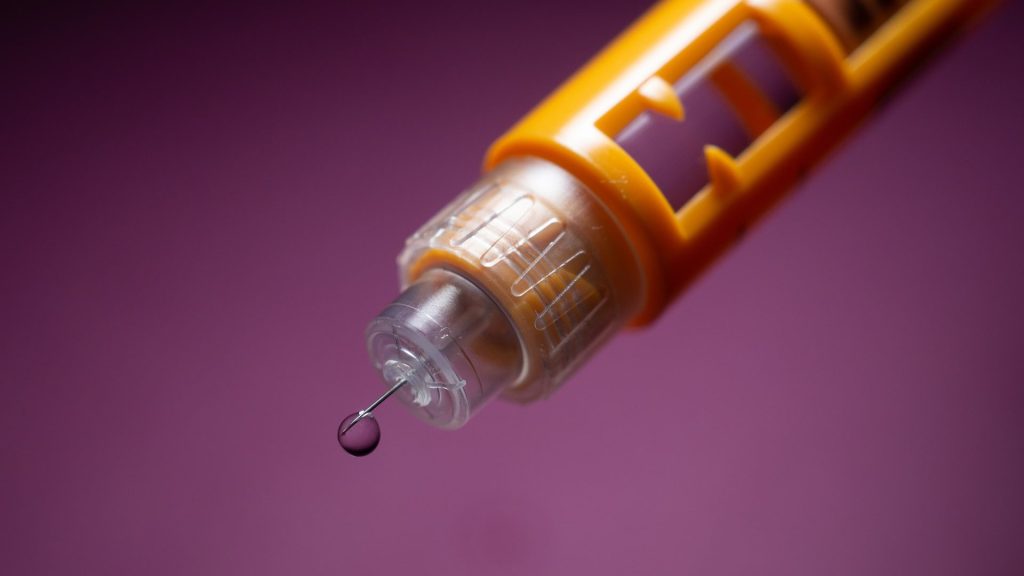
Insulin icodec, a once-weekly basal injection to treat type 1 diabetes, has the potential to be as effective in managing the condition as daily basal insulin treatments, according to research from the University of Surrey. The results of the year-long phase 3 clinical trial were published in The Lancet, and could one day revolutionise diabetes care.
During this pioneering study, scientists across 12 countries at 99 sites, led by Professor David Russell-Jones from Surrey, tested the efficacy and safety of a weekly basal injection of icodec (a long-lasting type of insulin) and compared it to a daily basal injection of insulin degludec in adults with type 1 diabetes. Short acting insulin to cover meals was used in both groups.
Professor David Russell-Jones, Professor of Diabetes and Endocrinology at the University of Surrey and a Consultant at the Royal Surrey Foundation Trust, said:
“Many people find managing a long-term condition such as diabetes very difficult and report missing vital insulin injections. Missed injections can affect glycaemic control, and a lack of consistency in the treatment has been linked to increased rates of diabetic ketoacidosis, a serious complication of the condition that can be life-threatening. Reducing insulin injection frequency could lessen the burden of treatment for some people with the condition and improve their glycaemic control.”
To learn more about the efficacy of icodec, scientists recruited 582 participants with type 1 diabetes. Participants were split into two groups; the first received once-weekly injections of icodec (700U/mL), and the second received daily injections of degludec (100U/mL), both in combination with aspart, a short-acting insulin at mealtimes.
After 26 weeks, scientists identified HbA1C levels in those who had taken icodec had decreased from a mean of 7.59% at baseline to an estimated mean of 7.15% , and for degludec, the mean had fallen from 7.63% to 7.10%. The estimated treatment difference between them being 0.05 percent, confirming the non-inferiority of icodec to degludec, but with a significantly reduced injection frequency for patients to manage.
Scientists did also identify higher rates of hypoglycaemic episodes (abnormally low levels of glucose in the blood) in the icodec group compared to degludec. However, despite the higher levels in the icodec group, scientists noted that incidences were low in both groups, with most episodes only requiring oral carbohydrate administration. For icodec, time below 3.0mmol/L was at the threshold of the internationally recommended targets during weeks 22-26 and below recommended targets during weeks 48-52.
Professor Russell-Jones added:
“What we have found is that once-weekly icodec injections showed non inferiority to once-daily injections of degludec in reducing HbA1C after 26 weeks. Although there is a slightly higher rate of hypoglycaemia under this regime, we found this could be easily managed. We’ve concluded this new insulin may have a role in reducing the burden of daily basal injections for patients managing type 1 diabetes.
“Our findings are very promising, but further analysis of continuous glucose monitoring data and real-world studies are needed.”
High rates of antibiotic resistance now meant that drugs to treat common infections in children and babies are no longer effective in large parts of the world, according to findings published in Lancet South East Asia.
The University of Sydney led study found many antibiotics recommended by the World Health Organization (WHO) had less than 50% effectiveness in treating childhood infections such as pneumonia, sepsis (bloodstream infections) and meningitis. The findings show global guidelines on antibiotic use are outdated and need updates.
The most seriously affected regions are in South-East Asia and the Pacific, including neighbouring Indonesia and the Philippines, where thousands of unnecessary deaths in children resulting from antibiotic resistance occur each year.
The WHO has declared antimicrobial resistance (AMR) is one of the top 10 global public health threats facing humanity. In newborns, an estimated three million cases of sepsis occur globally each year, with up to 570 000 deaths: many of these are due to lack of effective antibiotics to treat resistant bacteria.
The findings add to mounting evidence that common bacteria responsible for sepsis and meningitis in children are often resistant to prescribed antibiotics.
The research reveals the urgent need for global antibiotic guidelines to be updated, to reflect the rapidly evolving rates of AMR. The most recent guideline from The World Health Organization was published in 2013.
The study found one antibiotic in particular, ceftriaxone, was likely to be effective in treating only one in three cases of sepsis or meningitis in newborn babies. Ceftriaxone is also widely used in Australia to treat many infections in children, such as pneumonia and urinary tract infections.
Another antibiotic, gentamicin, was found likely to be effective in treating fewer than half of all sepsis and meningitis cases in children.
Gentamicin is commonly prescribed alongside aminopenicillins, which the study showed also has low effectiveness in combating bloodstream infections in babies and children.
Lead author Dr Phoebe Williams from the University’s School of Public Health and Sydney Infectious Diseases Institute is an infectious disease specialist whose research focuses on reducing AMR in high-burden healthcare settings in Southeast Asia.
She also works as a clinician in Australia. Dr Williams says there are increasing cases of multidrug-resistant bacterial infections in children around the world.
AMR is more problematic for children than adults, as new antibiotics are less likely to be trialled on, and made available to, children.
Dr Williams says the study should be a wake-up call for the whole world, including Australia.
“We are not immune to this problem – the burden of anti-microbial resistance is on our doorstep,” she said.
“Antibiotic resistance is rising more rapidly than we realise. We urgently need new solutions to stop invasive multidrug-resistant infections and the needless deaths of thousands of children each year.”
The study analysed 6,648 bacterial isolates from 11 countries across 86 publications to review antibiotic susceptibility for common bacteria causing childhood infections.
Dr Wiliams said the best way to tackle antibiotic resistance in childhood infections is to make funding to investigate new antibiotic treatments for children and newborns a priority.
“Antibiotic clinical focus on adults and too often children and newborns are left out. That means we have very limited options and data for new treatments.”
Dr Williams is currently looking into an old antibiotic, fosfomycin, as a temporary lifeline to treat multidrug-resistant urinary tract infections in children in Australia.
She is also working with the WHO’s Paediatric Drug Optimisation Committee to ensure children have access to antibiotics to treat multidrug-resistant infections as soon as possible, to reduce deaths due to AMR among children.
“This study reveals important problems regarding the availability of effective antibiotics to treat serious infections in children,” says senior author Paul Turner, director of the Cambodia Oxford Medical Research Unit at Angkor Hospital for Children, Siem Reap and professor of paediatric microbiology at the University of Oxford, UK.
“It also highlights the ongoing need for high quality laboratory data to monitor the AMR situation, which will facilitate timely changes to be made to treatment guidelines.”
Over the last decade, the National Health Department has rolled out a range of electronic surveillance systems to monitor medicine stocks throughout the country’s healthcare facilities. Many healthcare workers feel the new systems are making a positive impact, but stockouts persist due to a host of ongoing supply challenges.
“My problem with the clinic is that I get there as early as 7am and leave around 3pm. I [went] to the clinic to collect my hypertension tablets. We get into a long queue only to be told that they don’t have hypertension tablets. Not having my tablets poses a danger to my life. I get dizzy and I am unable to work. I [asked] for the day off from work to come [that day], then [had] to ask for another day off to do the same thing,” says a Klerksdorp resident interviewed by the community healthcare monitoring group Ritshidze.
According to a recent report from Ritshidze, between May and June this year, there were over 400 unique medicine stockouts reported in just 72 healthcare facilities across the North West province. In roughly the same period, doctors in the Eastern Cape reportedly struggled to treat patients with bone marrow cancer due to province-wide shortages of crucial chemotherapy drugs. And in August, Africa’s largest hospital, Chris Hani Baragwanath, allegedly faced a stockout of adrenaline for two days.
Though the problem is not exclusive to South Africa, recent news about medicine stockouts paints a gloomy picture of the country’s capacity to manage essential medicines. But the National Health Department’s Khadija Jamaloodien says these reports shouldn’t overshadow a broader trend. Instead, she argues that the health department has made significant strides to improve medicines availability through a series of national drug stock surveillance programs. (You can see Jamaloodien’s full and very informative response here.)
But what are these systems, and are they as effective as the health department claims?
Health department ramps up surveillance
In November 2013 a nation-wide survey of hospitals and clinics conducted by the Stop Stockouts Project found that more than 1 in 5 had experienced stockouts of ARVs or TB drugs in the previous three months alone. The National Health Department appeared to have little understanding of the severity of the problem – in April, 2014 they claimed that in the last 12 months there had been only a few stockouts of ARVs, restricted to two provinces.
As media attention on shortages grew, the department began to prioritise the issue and developed an extensive surveillance system to better monitor medicine levels throughout the country’s public healthcare facilities. One key program is RxSolution, a computer-based stock management system that pharmacists and nurses use to record the quantities of drugs that have been ordered, received and dispensed at their facilities.
The software was rolled out incrementally at hospitals from 2014 and is now used in healthcare facilities across the country. The data feeds back to a series of national, provincial and district-level dashboards which show medicine levels across facilities.
The central software platform that hosts these dashboards is called the National Surveillance Centre. According to Jamaloodien the platform “allows stakeholders at national and provincial levels to quantify or predict challenges in medicine supply…”.
Additionally, RxSolution generates reports which advise hospital staff on how much of a particular drug they need to order to prevent shortages or overstocking, and which medicines are due to expire.
A similar online tool is the Stock Visibility System, which is used to measure medicine levels at primary healthcare facilities across the country. Unlike RxSolution, it’s accessed on a cell phone app and the data is stored in the cloud (RxSolution requires an in-house server). Healthcare workers scan medicines using the app to capture stocks.
By October, 2021 3826 healthcare facilities had used the Stock Visibility System, RxSolution or other online systems to track drug stocks (roughly 90% of all public hospitals and clinics according to our calculations).
SA better at managing ARVs – trends unclear for other drugs
Evidently, shortages remain, but according to Jamaloodien, these systems have made a positive impact: “Good surveillance systems are one factor in a multifactor situation but do play an important role in reducing stockouts. This can be seen in the downward trend of major stockouts since introducing the surveillance systems…”
Verifying this is difficult however as the health department wasn’t able to provide data over a long period, and independent research has historically focused only on TB drugs or ARVs. Shortages of the latter do appear to have become less common. In 2013, a national survey found that 19% of healthcare facilities had a stockout of ARVs in the past three months. By contrast, interviews that were done with healthcare workers this year suggest that, depending on the quarter, only 5% to 9% could recall shortages of HIV medicines in the past three months.
Whether the surveillance systems played any role in this decline, and whether the same trend holds for stockouts of other drugs, is unclear.
Healthcare workers say software reduces stockouts
A paper published in June assessed the attitudes of 114 users of the National Surveillance Centre. These individuals, mostly managers and pharmacists at different levels in provincial health systems, are responsible for monitoring drug stocks and reporting shortages. Two-thirds of them said the introduction of the National Surveillance Centre in 2016 had improved medicines availability, as having so much data on drug stocks allowed them to be more proactive – for instance by redistributing stocks from facilities that contained an excess of a particular medicine to those with shortages.
Prior to the rollout of this system, many of these individuals had monitored medicine stocks by physically going to facilities or waiting for healthcare workers to notify them of a stockout.
Another paper published in May found positive attitudes toward the Stock Visibility System among healthcare workers who used the system at clinics in Kwazulu-Natal (mostly nurses and pharmacists). Almost three-quarters of the 206 surveyed staff felt that the phone app had improved stock management at their facility, though it had reportedly increased their workload.
This lines up with a national survey in 2017 which found that 87% of healthcare staff reported that the Stock Visibility System had reduced the frequency of stockouts.
Mncengeli Sibanda, a pharmacy expert at Sefako Makgatho Health Sciences University, says the application has clear benefits: “In the past we’d have to count stocks physically and write it by hand, now it’s captured electronically, limiting capture errors and allowing stock counts to be done more regularly…And at a national level, they can intervene [to prevent shortages] because they have data on stock levels at [most] clinics”.
Loadshedding hinders rollout
RxSolution – which is PC-based – appears to have been similarly well-received among some healthcare workers. Phelelani Dludla, the acting clinical manager of Benedictine hospital in Nongoma in KwaZulu-Natal, says that when the system was introduced at Benedictine in 2019 “it would assist us in making orders before we ran out of stock”. He explains that: “it would tell us [which] stocks would run out and so we’d…reorder them a week earlier than our usual routine”.
Dludla adds that it also assisted in reducing waste: “it helped with finding out which drugs we should cut down on in terms of spending, because they were frequently expiring and being sent back”.
But particularly for rural hospitals like Benedictine, infrastructural problems can pose obstacles. Dludla says that since 2021, network problems caused by loadshedding have prevented the use of RxSolution throughout the hospital. Today, the software is only used in the pharmacy. Sibanda explains that “ideally RxSolutions should be [in each section of the hospital], but there have been challenges”. Aside from loadshedding “some hospitals can’t get a computer into each and every ward,” he says.
Monitoring suppliers
The National Health Department has also been monitoring drug suppliers. Jamaloodien says that companies that are awarded national tenders to provide medicines are “contractually bound to [provide] up-to-date production pipeline data for products that they supply. The mandatory six-month pipeline window allows for proactive prediction and management of looming supply challenges.”
Policies like this have good international precedent. Preliminary evidence found that Canada managed to reduce drug stockouts by forcing pharmaceutical companies to notify them of any supply interruptions. To work, they need to be implemented effectively however, and the National Health Department has previously complained that companies weren’t routinely notifying them of supply interruptions.
Yet if the health department has generally been making such positive strides toward reducing shortages, why are there still so many stockouts?
Global shortages
Part of the problem is international, says Andy Gray, a pharmacy expert at the University of KwaZulu-Natal: “globally, there is a problem with the security of supply in the pharmaceutical industry. For example there are a number of older cancer drugs that are out of stock in the US at the moment, and the UK has had persistent problems with antibiotics.”
Indeed, last week the European Union announced details of a “solidarity mechanism” in which member states who face drug shortages can now request donations from other European countries if they have exhausted all other options. This was after Europe faced repeated shortages of key medicines over its winter.
If a single factory runs into a problem, this can disrupt global supply, including in South Africa, where locally made drugs usually require active ingredients from abroad. Indeed, a 2020 paper found that pharmacists in Gauteng’s hospitals were often left waiting for medicine orders for months after the delivery deadline and many believed that this was due to contracted suppliers facing shortages of active pharmaceutical ingredients.
Local dynamics also play a role however. Problems have historically included the failure of provinces to pay contracted suppliers on time, staff shortages at clinics (which force overworked nurses to be in charge of stock management) and delays in the awarding of pharmaceutical tenders.
Split tenders to reduce vulnerability of supply
According to Gray, another issue is the overreliance on individual companies: “all too often the contract [to supply a particular drug] is awarded to a single supplier”. The conditions of pharmaceutical tenders often stipulate that if the company can’t meet its contractual obligations, the government can turn to alternative suppliers. But that’s easier said than done, says Gray: “If that single supplier is unable to meet demand…the alternative suppliers in the country simply don’t have the volumes to substitute…especially if there’s no prior warning that there is going to be a problem in supply”.
Jamaloodien argues that: “many contracts are currently awarded with…quantities split among suppliers”. However, doing so more frequently would present its own problems, as requiring several companies to produce small amounts of drugs “can invite higher prices because the price is largely related to economies of scale”. In other words, it’s cheaper for one company to supply all the drugs.
Gray acknowledges this but argues that the trade-off needs to be made more often in certain cases: “Vital medicines for which there are no alternatives are being given to maybe one or two suppliers”. The vulnerability this creates can come at enormous cost to patients.
He urges: “for vital medicines we need more split tenders”.
Disclosure: Spotlight editor Marcus Low was a member of the Stop Stockouts Project steering committee for several years in the mid-2010s. Also, Ritshidze is mentioned in this article. Spotlight is published by SECTION27 and the Treatment Action Campaign (TAC) and TAC is a Ritshidze member organisation. Spotlight is however editorially independent – an independence that the editors guard jealously. Spotlight is a member of the South African Press Council and subject to the Press Code.
At 18 Spanish hospitals, when a patient with brain metastasis undergoes surgery, they can donate a tiny part of their brain to the first repository of brain metastasis living samples in the world, based at the Spanish National Cancer Research Centre (CNIO). A world-first collection, it was created to accelerate the search for therapies against brain metastasis, a disease that affects up to 30% of patients with systemic cancer.
The creators of this repository, called RENACER (Spanish acronym for the National Brain Metastasis Network), are two CNIO researchers, Manuel Valiente, head of the Brain Metastasis Group, and Eva Ortega-Paíno, director of the Biobank. They explained the advantages of the collection in the journal Trends in Cancer. In just three years RENACER has compiled samples from more than 150 patients.
The truly unique feature of RENACER, which makes it a valuable tool for the international scientific community, is that it contains living samples, conserved in cultures that enable the cells to continue behaving in a similar way as they were in the body.
A living biobank that enables organotypic cultures
“We have built a ‘living’ biobank” write Valiente and Ortega-Paíno. And this characteristic can be “transformative, not only for research but also for clinical trial design, especially when focused on unmet clinical needs, such as brain metastasis”.
The fact that the cells are living allows them, for example, to study their response to specific drugs. RENACER paves the way to create avatars for each patient in order to identify the best therapeutic options in an individualised way.
“Research contracts have been already signed to exploit patient-derived organotypic cultures (PDOCs) as avatars, thus providing the possibility to generate biomarkers of sensitivity or resistance to specific drugs” the authors explain.
The hospitals involved with RENACER work as a network to pass on research findings to patients as quickly as possible. In fact, thanks to this network, there are already two clinical trials underway, which will determine the capacity of two biomarkers to discriminate cases in which radiotherapy – a technique with side effects – will be effective.
From the operating theatre to the biobank in hours
The requirement for cells to be “alive” is not easy to achieve, since it involves a sophisticated logistics chain. The samples are taken from the operating theatre in a special container, in their culture medium, at a temperature of between 4 and 8 degrees centigrade.
They must reach the CNIO Biobank, in Madrid, in less than 24 hours. There, they are processed, organotypic cultures are created, and they are divided into proportional parts that are stored as samples for future investigations. They are also analysed using various techniques and sequenced, to extract as much information as possible from them. All the data are put into a database that is open to the international scientific community.
“It is pivotal to empower patients”
“This is happening just a few years after the project was launched,” said Valiente. “It’s a strategy that helps to improve knowledge as well as diagnosis and treatment options, but also brings all the people involved closer together: patients, core researchers, chemical re searchers, healthcare professionals, and the biobank.”
Patients, “[because they act] as donors during a difficult brain metastasis neurosurgery, play a crucial role and we strongly believe that it is pivotal to empower them,” the researchers explain. GEPAC (Spanish Group of Patients with Cancer) is also involved with RENACER.
A newly compiled dataset quantitatively captures witchcraft beliefs in countries around the world, enabling investigation of key factors associated with such beliefs. The findings, from Boris Gershman of American University, are published in the open-access journal PLOS ONE.
Many prior studies conducted around the world have documented people’s beliefs in witchcraft, defined as the idea that certain individuals have supernatural abilities to inflict harm. Understanding people’s witchcraft beliefs can be important for policymaking and other community engagement efforts. However, due to a lack of data, global-scale statistical analyses of witchcraft beliefs have been lacking.
To deepen understanding of witchcraft beliefs, Gershman compiled a new dataset that captures such beliefs among more than 140 000 people from 95 countries and territories. The data come from face-to-face and telephone surveys conducted by the Pew Research Center and professional survey organisations between 2008 and 2017, which included questions about religious beliefs and belief in witchcraft.
According to the dataset, over 40% of survey participants said they believe that “certain people can cast curses or spells that cause bad things to happen to someone.” Witchcraft beliefs appear to exist around the world but vary substantially between countries and within world regions. For instance, 9% of participants in Sweden reported belief in witchcraft, compared to 90% in Tunisia.
Using this dataset, Gershman then conducted an investigation of various individual-level factors associated with witchcraft beliefs. This analysis suggests that, while beliefs cut across socio-demographic groups, people with higher levels of education and economic security are less likely to believe in witchcraft.
Gershman also combined this dataset with other country-level data, finding that witchcraft beliefs differ between countries according to various cultural, institutional, psychological, and socioeconomic factors. For instance, witchcraft beliefs are linked to weak institutions, low levels of social trust, and low innovation, as well as conformist culture and higher levels of in-group bias, ie the tendency for people to favour others who are similar to them.
These findings, as well as future research using the new dataset, could be applied to help optimise policies and development projects by accounting for local witchcraft beliefs.
The author adds: “The study documents that witchcraft beliefs are still widespread around the world. Moreover, their prevalence is systematically related to a number of cultural, institutional, psychological, and socioeconomic characteristics.”
Looking away from something frightening may be due to a specific cluster of neurons in a visual region of the brain, according to new research at the University of Tokyo. Researchers found that, in fruit fly brains, these neurons release a chemical called tachykinin which appears to control the fly’s movement to avoid facing a potential threat. Fruit fly brains can offer a useful analogy for larger mammals, so this study, published in Nature Communications, may help studies of human reactions to fearful situations and phobias.
“We discovered a neuronal mechanism by which fear regulates visual aversion in the brains of Drosophila (fruit flies). It appears that a single cluster of 20-30 neurons regulates vision when in a state of fear. Since fear affects vision across animal species, including humans, the mechanism we found may be active in humans as well,” explained Assistant Professor Masato Tsuji from the Department of Biological Sciences at the University of Tokyo.
The team used puffs of air to simulate a physical threat and found that the flies’ walking speed increased after being puffed at. The flies also would choose a puff-free route if offered, showing that they perceived the puffs as a threat (or at least preferred to avoid them). Next the researchers placed a small black object, roughly the size of a spider, 60 degrees to the right or left of the fly. On its own the object didn’t cause a change in behavior, but when placed following puffs of air, the flies avoided looking at the object and moved so that it was positioned behind them.
To understand the molecular mechanism underlying this aversion behavior, the team then used mutated flies in which they altered the activity of certain neurons. While the mutated flies kept their visual and motor functions, and would still avoid the air puffs, they did not respond in the same fearful manner to visually avoid the object.
“This suggested that the cluster of neurons which releases the chemical tachykinin was necessary for activating visual aversion,” said Tsuji. “When monitoring the flies’ neuronal activity, we were surprised to find that it occurred through an oscillatory pattern, ie, the activity went up and down similar to a wave. Neurons typically function by just increasing their activity levels, and reports of oscillating activity are particularly rare in fruit flies because up until recently the technology to detect this at such a small and fast scale didn’t exist.”
By giving the flies genetically encoded calcium indicators, the researchers could make the flies’ neurons shine brightly when activated. Thanks to the latest imaging techniques, they then saw the changing, wavelike pattern of light being emitted, which was previously averaged out and missed.
Next, the team wants to figure out how these neurons fit into the broader circuitry of the brain. Although the neurons exist in a known visual region of the brain, the researchers do not yet know from where the neurons are receiving inputs and to where they are transmitting them, to regulate visual escape from objects perceived as dangerous.
“Our next goal is to uncover how visual information is transmitted within the brain, so that we can ultimately draw a complete circuit diagram of how fear regulates vision,” said Tsuji. “One day, our discovery might perhaps provide a clue to help with the treatment of psychiatric disorders stemming from exaggerated fear, such as anxiety disorders and phobias.”
A study in mice conducted by the University of Cordoba proves that exposure to mixtures of metals and drug residue exacerbates health impacts, and evaluates the positive effects of a diet enriched in selenium to reduce this harm.
People are exposed daily, through the environment and their diets, to external substances that can be harmful to their health. Metals and the residue of pharmaceuticals, for example, in high doses, contaminate water and food, creating mixtures where they can interact, with this increasing their individual toxicity.
Analysing the effects of environmental pollution on organisms is essential to develop regulations establishing maximum doses of these pollutants for people. But mixtures of pollutants pose unknown challenges as they may interact with each other.
To understand the health effects of exposure to these ‘cocktails of contaminants’, a team at the University of Cordoba, evaluated, in mice, the toxicity of a mixture of contaminants that is very common in the environment and that accumulates along the food chain: a combination of metals (arsenic, cadmium, mercury) and drugs (diclofenac, flumequine).
In order to determine how these compounds interacted with each other, “we studied the controlled exposure of mice to this mixture and analysed how it affects the proteins in the liver; that is, how their liver proteostasis changes when ingesting these mixtures of contaminants for two weeks,” explained Professor Nieves Abril, senior author of the paper published in Science of the Total Environment.
Their conclusion is negative: the cocktail effect synergises these compounds, doing increased damage to health when the compounds act together.
“We used a massive protein detection technique (shotgun proteomic), which allowed us to compare how the proteins of the group exposed to the mixture of contaminants were altered compared to the control group,” April explained.
Of the proteins affected, they selected 275 as sentinels to verify what was changing and, after computer analysis, they were able to determine the metabolic pathways that were altered and their consequences for health. These analyses revealed a disproportionate defence response having a contrary and harmful effect on the system.
The researcher stressed that “although these pollutants generated oxidation in the cells separately too, when they acted together we found that the oxidation was so intense that all the antioxidant defence responses were activated continuously, without deactivating them, which ends up doing damage and causing many proteins to stop working.” The analyses showed a sustained expression of the response mediated by NRF2, which is the regulator that sets in motion a good part of the antioxidant defences, which caused a reducing stress.
Selenium as hope
It’s not all bad news in the study, as selenium could be a way to reduce the damage caused by exposure to these pollutants. A third group of mice were given doses of selenium, a mineral often found in vitamin supplements found in pharmacies, and proteomic analyses showed relief from the molecular damage done by the pollutants.
Selenium itself is an oxidant, but in low doses it activates responses in a controlled manner, predisposing the body to better defence.
The Government Employees Medical Scheme (GEMS) will, on November 2nd, 2023, host its 14th annual GEMS Symposium under the theme: “Advancing Health Equity by Addressing the Social Determinants of Health”. Experts, thought leaders and specialists in healthcare will engage in discussions towards a better understanding of the societal determinants of health in South Africa.
For this hybrid event, delegates will attend both in person at Sandton and virtually.
Dr Moloabi states that the “Symposium is an important event on the GEMS calendar, providing a platform for academic, clinical, government and business minds to discuss what social issues are at play in determining the nation’s health status and how to improvements in health equity can be realized”. Moreover, he also highlights the need to remove practical obstacles that make us an unequal society if we are to achieve collaborative and cohesive solutions to our healthcare challenges.”
Speakers will include:
Dr Ingrid Pooe – Chief Operations Officer, Government Employees Medical Scheme (GEMS),
Dr Sebayitseng Millicent Hlatshwayo – Chairperson, Government Employees Medical Scheme (GEMS),
Dr Chana Pilane-Majake – Deputy Minister of Public Service and Administration (DPSA),
Professor Mcebisi Ndletyana – Professor of Political Science, Department of Politics and International Relations, University of Johannesburg,
Dr Selaelo Mametja – Chief Research Officer, Government Employees Medical Scheme (GEMS),
Dr Vuyo Gqola – Chief Healthcare Officer, Government Employees Medical Scheme (GEMS),
Mr Louis Botha – Chief Executive Officer, Health Quality Assessment (HQA),
Ms Yoliswa Makhasi – Director General, Department of Public Service and Administration (DPSA),
Mr Frikkie de Bruin- General Secretary, Public Service Coordinating Bargaining Council (PSCBC),
Dr Pali Lehohla – Director of Economic Modelling Academy (EMA),
and
GEMS Principal Officer Dr Stanley Moloabi.
Dr Pilane-Majake, the Deputy Minister for the Department of Public Service and Administration (DPSA) will deliver the keynote address, elucidating, amongst other insights, the crucial relationship between the DPSA as employer and GEMS as an implementor of a mandate to ensure access to health and wellness by government employees and thus contributing towards the attainment of the ideals of Universal Healthcare Coverage.
Media personality Ms. Faith Mangope will facilitate conversations as the panel covers key discussion points, including:
Achieving the Sustainable Development Agenda 2030.
Beyond Healthcare: Addressing health equity and social determinants of health.
Policy Interventions for Addressing Social Determinants of Health: Lessons and best practices.
Value-Based Care and Social Determinants of Health: Integrating social context into healthcare delivery.
Advancing health equity by addressing social determinants of health; and
Exploring the interplay between healthcare quality and social determinants.
At GEMS, we are dedicated to fulfilling our responsibilities towards our members and the people of South Africa. The Symposium is a testament to our commitment to Universal Healthcare Coverage, and we are eagerly anticipating a productive outcome that will be memorable and provide an insightful experience for all involved, Dr. Moloabi” concludes.
Professor Shabir Madhi has been appointed as an honorary Commander of the Most Excellent Order of the British Empire (CBE) by King Charles III.
Wits Professor of Vaccinology Shabir Madhi led the Oxford University sponsored Oxford/AstraZeneca Covid-19 vaccine clinical trials in South Africa
Wits University and the University of Oxford contributed scientifically to informing the public health response to the Covid-19 pandemic in South Africa and globally.
Madhi receives the Order in recognition of his services to science and public health in a global pandemic.
Madhi led South Africa and the continent’s first Covid-19 vaccine trials in 2020/2021 as founder and Director of the South African Medical Research Council (SAMRC) Wits Vaccines and Infectious Diseases Analytics (Wits VIDA) Research Unit.
An internationally recognised leader in his field, the National Research Foundation A-rated scientist was involved in multiple clinical and serology epidemiology studies on Covid-19, in addition to his research on vaccines against other life-threatening diseases.
The first of (subsequently two) Wits University-led South African Covid-19 vaccine trials, Madhi led the Oxford/AstraZeneca Covid-19 vaccine clinical trials in South Africa, in association with the University of Oxford.
Professor Sir Andrew Pollard, Director of the Oxford Vaccine Group, University of Oxford, and Madhi’s UK counterpart in these Covid-19 vaccine trials, says of Madhi’s CBE appointment: “I am delighted that Professor Shabir Madhi CBE has been honoured by King Charles for his remarkable contributions to global public health and particularly for his extraordinary leadership in the midst of a global pandemic. It has been a huge privilege for me to work alongside him and his team on the development of the globally impactful Oxford-AstraZeneca vaccine.”
Over the course of the pandemic (2020-2022), Madhi had been an outspoken, articulate, and ardent advocate of Covid-19 vaccination as well as for increased access to these and other vaccines in Africa.
On his appointment as CBE, Madhi says: “The privilege of being conferred this honour is credit to the tremendous effort of the incredible Wits VIDA research team that I have the privilege of leading at Wits University – before, during and beyond the Covid-19 pandemic. As a collective, and together with colleagues at the University of Oxford and in South Africa, we are proud to have contributed scientifically to informing the public health response to the Covid-19 pandemic in South Africa and globally.”