Year: 2022

Implant Helps Patient with Neurodegenerative Disease to Walk Again

Patient takes steps with the help of an assistant. Credit: Jmmy Ravier & NeuroRestore

A woman bedridden for over a year due to a debilitating neurodegenerative disease was able to get up and walk again, thanks to an innovative electrical stimulation system which was able to raise her blood pressure on standing and prevent her fainting. The system was developed by a team headed by Professors Jocelyne Bloch and Grégoire Courtine, and was detailed in The New England Journal of Medicine.

Their system includes electronics implanted directly on the spinal cord to reactivate the neurons that regulate blood pressure, thereby preventing the patient from losing consciousness every time she’s in an upright position. This type of implant was already in use for the treatment of low blood pressure in tetraplegic patients.

The female patient in the study suffers from multiple system atrophy-parkinsonian type (MSA-P), a neurodegenerative disease that afflicts several parts of the nervous system, including the sympathetic nervous system. 

MSA-P leads to the loss of sympathetic neurons regulating blood pressure, which results in orthostatic hypotension, a dramatic blood pressure drop when patients are in an upright position, which in some cases results in fainting. This increases fall risks, limits mobility, and can eventually shorten life expectancy. Having to remain in a reclined position to avoid passing out severely impacts patients’ quality of life.

The implant consists of a set of electrodes connected to an electrical-impulse generator typically used to treat chronic pain. After implanting their device directly on the patient’s spinal cord, the researchers found an improvement in the body’s capacity to regulate blood pressure, enabling the patient to remain conscious for longer periods in an upright position and to begin physical therapy to walk again. After being bedridden for 18 months, the patient is now able to walk as far as 250 metres.

For Jocelyne Bloch, this marks an important step toward the treatment of degenerative diseases: “We’ve already seen how this type of therapy can be applied to patients with a spinal-cord injury. But now, we can explore applications in treating deficiencies resulting from neurodegeneration. This is the first time we’ve been able to improve blood-pressure regulation in people suffering from MSA.”

Grégoire Courtine added that “this technology was initially intended for pain relief, not for this kind of application. Going forward, we and our company Onward Medical plan to develop a system targeted specifically to orthostatic hypotension that can help people around the world struggling with this disorder.”

Source: Ecole Polytechnique Federale de Lausanne

People with Epilepsy Live Significantly Shorter Lives

Depiction of a human brain
Image by Fakurian Design on Unsplash

A Danish cohort study published in Brain shows that people with epilepsy live 10-12 years fewer than those without the condition, with a slightly greater reduction for men than women. The study researchers also found that excess mortality is particularly pronounced among people with epilepsy and mental disorders.

One of the most frequently occurring neurological diseases, epilepsy affects 50 million people worldwide, and is known to increase the risk of early death by three times.

“The significantly reduced life expectancy is found both in people who develop epilepsy as a result of an underlying condition, such as brain cancer or stroke, and in those who develop epilepsy without an obvious underlying cause,” explained Julie Werenberg Dreier, one of the researchers behind the study.

The average reduction in life expectancy was 12 years for men with epilepsy and 11 years for women. Among people with epilepsy and mental disorders life expectancy was on average reduced by up to 16 years.

“We discovered that the reduced life expectancy for people with epilepsy was related to a wide range of causes of death which don’t just include the neurological, but also cardiovascular diseases, psychiatric disorders, alcohol related conditions, accidents and suicide,” said Jakob Christensen, one of the researchers behind the study.

Researchers used Danish healthcare register to follow almost six million Danes, including more than 130 000 people with epilepsy.

“The large study has enabled detailed analyses of a range of different causes of death and, for the first time, we’ve been able to estimate the number of years lost due to individual causes of death in people with epilepsy. This is important information as it can be used to target preventive efforts in order to reduce the mortality gap that we currently see in people with epilepsy,” said Julie Werenberg Dreier.

The mortality rate among people with epilepsy is due to a wide range of different conditions that cut across virtually all medical specialities, the researchers said. There is therefore a need for a collective effort to reduce mortality.

“The alarming results provide important knowledge for all healthcare professionals who, in one way or another, come into contact with people with epilepsy — also when prioritising and allocating resources in the healthcare system. The results clearly show how serious a disease epilepsy can be, and the findings of the study should be used in the prioritisation and planning of preventive measures,” said Jakob Christensen, emphasising that the results confirm the tendencies that have been shown in a few smaller studies which have estimated reduction in life expectancy in people with epilepsy.

“The study should be followed up by additional research, for example into the questions of how medical treatment and recurring seizures affect life expectancy.”

Source: Aarhus University

Weekly Prednisone Could Reduce Obesity and Help in Muscular Dystrophy

Source: Pixabay CCO

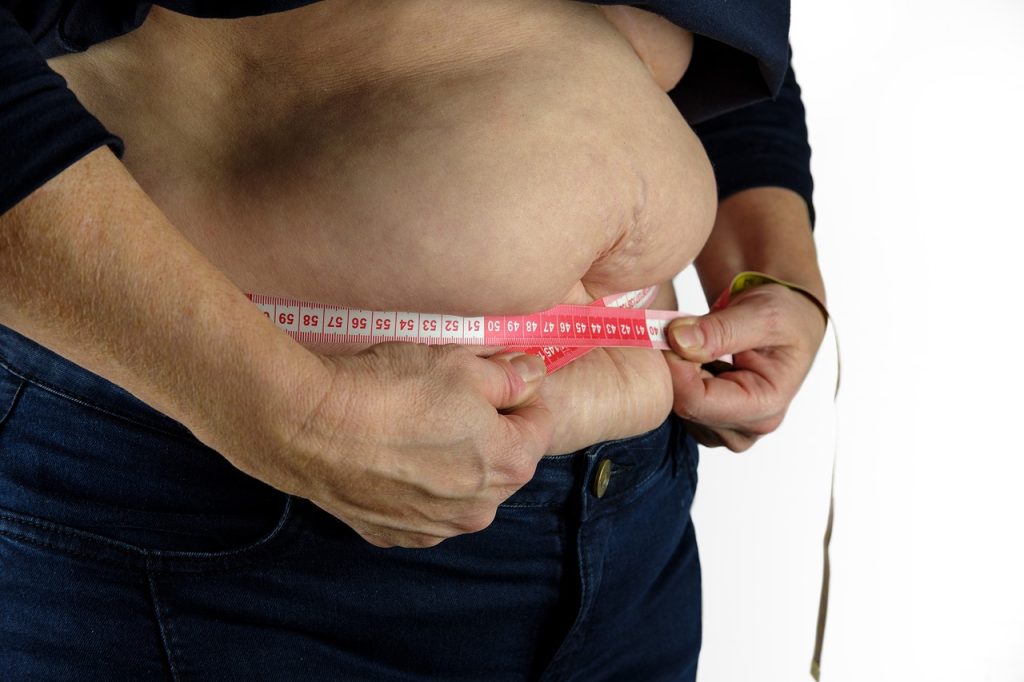
In a study on obese mice fed a high-fat diet, receiving prednisone once weekly improved their exercise endurance and strength, and their reduced weight. The study was published in the Journal of Experimental Medicine. A previous study had found that weekly prednisone was helpful in muscular dystrophy.

“These studies were done in mice. However, if these same pathways hold true in humans, then once-weekly prednisone could benefit obesity,” explained senior author Dr Elizabeth McNally.

“Daily prednisone is known to promote obesity and even metabolic syndrome – a disorder with elevated blood lipids and blood sugar and weight gain,” Dr McNally said. “So, these results, in which we intermittently ‘pulse’ the animals with once-weekly prednisone, are strikingly different. Obesity is a major problem, and the idea that once-weekly prednisone could promote nutrient uptake into muscle might be an approach to treating obesity.”

The once-weekly prednisone, a glucocorticoid steroid, promoted nutrient uptake into the muscles. The researchers also found these mice had increased adiponectin levels, an adipocyte-secreted hormone involved in protecting against diabetes and insulin resistance. Mice that were already obese from eating a high-fat diet were also found to benefit after once-weekly prednisone, experiencing increased strength, running capacity and lower blood glucose.

Most knowledge on steroids like prednisone is derived from studies of daily doses of prednisone

“We see a very different outcome when it is taken once a week,” Dr McNally said. “We need to fine tune dosing to figure out the right amount to make this work in humans, but knowing adiponectin might be one marker could provide a hint at determining what the right human dose is.”

Dr McNally described the weekly dose as “a bolus, or spike, of nutrients going into your muscle.”

“We think there is something special about promoting this spike of nutrients into muscle intermittently, and that it may be an efficient way to improve lean body mass,” she added.

“What is exciting to me about this work is the finding that a simple change in the dosing frequency can transform glucocorticoid drugs from inducers to preventers of obesity,” said corresponding author Mattia Quattrocelli. “Chronic once-daily intake of these drugs is known to promote obesity. Here we show that dosing the same type of drug intermittently – in this case, once weekly – reverses this effect, promotes muscle metabolism and energy expenditure, and curtails the metabolic stress induced by a fat-rich diet.”

Many patients take prednisone daily for different immune conditions, which has side effects including weight gain and even muscle atrophy with weakness. Investigators want to determine whether patients can get the same immune benefit with intermittent prednisone dosing, which could be much more beneficial to the muscle.

Dr McNally’s team previously found that intermittent prednisone administration was helpful for muscular dystrophy, showing once weekly prednisone improved strength, recently reporting that a pilot trial in humans with muscular dystrophy in which one weekly dose of prednisone improved lean mass.

McNally wants to identify biomarkers most critical to measure a beneficial response to prednisone.

“If we can determine how to choose the right dose of prednisone that minimises atrophy factors and maximises positive markers like adiponectin, then we can really personalise the dosing of prednisone,” she said.

The group also recently showed that weekly prednisone uses strikingly different molecular pathways to strengthening the muscle in male versus female mice, based on a new study just published in the Journal of Clinical Investigation by Isabella Salamone, a graduate student in Dr McNally’s lab.

The benefits of weekly prednisone are linked to circadian rhythms, according to another new study published in Science Advances. Human cortisol and steroid levels spike early in the morning before awakening.

“If you don’t give the drug at the right time of day, you don’t get the response,” Quattrocelli said. “In mice, we obtained good effects with intermittent prednisone in muscle mass and function when we dose them at the beginning of their daytime. Mice have a circadian rhythm inverted to us, as they generally sleep during the daytime and are active at night. This could mean that the optimal dosing time for humans during the day could be in the late afternoon/early evening, but this needs to be appropriately tested.”

Conducting these studies in mice is a major limitation, Dr McNally said.

“While we are encouraged by the pilot study in humans with muscular dystrophy, mouse muscles have more fast-twitch fibres than humans, and slow-twitch muscle could be different,” Dr McNally said. “More studies are needed to try to better understand whether these same mechanisms work in human muscles.”

Source: Northwestern University

In Flu Season, Vaccine Reduces Cardiovascular Events in Heart Failure

Woman sneezing
Photo by Andrea Piacquadio on Unsplash

A randomised controlled trial showed that people with heart failure receiving an annual flu shot had lower rates of pneumonia and hospitalisation on a year-round basis and a reduction in major cardiovascular events during peak flu season – but not year-round.

The study, presented at the American College of Cardiology’s 71st Annual Scientific Session, is the first randomised controlled trial to assess the benefits of the flu vaccine in people with heart failure, who face a high risk of cardiovascular events. It was conducted in countries across Asia, Africa and the Middle East where getting a flu shot is not commonplace.

Lead author Mark Loeb, MD, said: “Although our prespecified endpoints were not significant, our data suggest that there’s a clinical benefit [to getting a flu shot] given the clear reduction in pneumonia, moderate reduction in hospitalisation and reduction in vascular events and deaths during periods of peak influenza. When taken together with previous trials and observational studies, the collective data demonstrate there is a substantial benefit to receiving a flu vaccine for people with heart failure.”

Heart failure is a condition in which the heart becomes too weak or stiff to pump blood effectively. Previous studies have shown that people with heart disease or cardiovascular risk factors face an elevated risk of complications when they contract influenza, but there has been a lack of evidence on whether flu vaccines can help to mitigate this risk specifically in people with heart failure.

The trial enrolled 5129 patients with heart failure in 10 countries where flu vaccines are not common. Participants did not routinely get flu shots and had previously received a flu shot no more than once during the three years preceding the trial. Participants were randomised to receive a flu shot or a placebo annually for up to three years, though they could still get a flu shot outside of the trial. Researchers tracked health outcomes for a median of 2.9 years. The trial’s primary endpoint was a composite of death from cardiovascular causes, non-fatal heart attack or non-fatal stroke. Its co-primary endpoint included a composite of any of these events plus hospitalisation for heart failure.

Overall, the composite primary endpoint occurred in 691 participants and 1470 experienced the composite co-primary endpoint. When analysed on a year-round basis there was no significant difference in the rates of these events between those who had received a flu vaccine and those who had not.

Separate analyses of hospitalisation, pneumonia and other respiratory outcomes however found that rates of pneumonia were 42% lower and hospitalisations were down 15% among those who received a flu shot.

The flu vaccine arm showed a significant reduction in the first primary endpoint, as well as reductions in all-cause death and cardiovascular death, when the analysis was limited to periods of peak influenza circulation. When influenza circulation was low, no significant difference was seen.

The researchers accounted for the differences in influenza circulation seasons. Based on these results, researchers said the flu vaccine did help to protect patients from influenza complications, including cardiovascular events.

“Many of the effects we found during peak flu circulation disappeared outside of it,” Dr Loeb said. “There’s no biological explanation for that other than influenza infections.”

While the study was conducted in countries where the flu vaccine is either not widely available or not common to receive, Dr Loeb said the results could likely be generalisable even in countries where flu vaccine uptake is higher. Study participants were allowed to get a flu vaccine outside of the study, but Dr Loeb said that there was no impact on the findings as very few did so. He added that the study was stopped early in four countries due to the COVID pandemic.

Loeb said that additional trials and large-scale observational studies could further clarify the health benefits of influenza vaccination in people with cardiovascular disease.

“I think this study offers an important message about vaccines generally – that it is important to do randomised controlled trials in populations that historically haven’t had a very high uptake of vaccines,” Dr Loeb said. “These types of [research] gaps have to be filled.”

Source: American College of Cardiology

Community-acquired Antimicrobial Resistant UTIs can be More Deadly

Pseudomonas
Scanning Electron Micrograph of Pseudomonas aeruginosa. Credit: CDC/Janice Carr.

A study from Australia’s scientific organisation CSIRO has revealed that antimicrobial resistant (AMR) bacteria in urinary tract infections are more lethal, especially Enterobacteriaceae. The findings are published online in Open Forum Infectious Diseases.

Antimicrobial resistance (AMR) bacteria can be passed between humans: through hospital transmission and community transmission. While hospital acquired resistance is well researched, there are few studies focusing on the burden of community transmission.

To address this, the study analysed data from 21 268 patients across 134 Queensland hospitals who acquired their infections in the community. The researchers found that patients were almost two and a half (2.43) times more likely to die from community acquired drug-resistant UTIs caused by Pseudomonas aeruginosa and more than three (3.28) times more likely to die from community acquired drug-resistant blood stream infections caused by Enterobacteriaceae than those with drug-sensitive infections. The high prevalence of UTIs make them a major contributor to antibiotic use, said CSIRO research scientist, Dr Teresa Wozniak.

“Our study found patients who contracted drug-resistant UTIs in the community were more than twice as likely to die from the infection in hospital than those without resistant bacteria,” Dr Wozniak said. “Without effective antibiotics, many standard medical procedures and life-saving surgeries will becoming increasingly life-threatening. “Tracking the burden of drug-resistant infections in the community is critical to understanding how far antimicrobial resistance is spreading and how best to mitigate it.”

The study’s findings will provide further guidance for managing AMR in the community, such as developing AMR stewardship programs that draw on data from the population being treated.

CEO of CSIRO’s Australian e-Health Research Centre, Dr David Hansen, said the magnitude of the AMR problem needs to be understood to mitigate it. “Tracking community resistance is difficult because it involves not just one pathogen or disease but multiple strains of bacteria,” Dr Hansen said. “Until now we haven’t been using the best data to support decision making in our fight against AMR. Data on community acquired resistance is an important contribution to solving the puzzle. “Digital health has an important role in using big data sets to describe patterns of disease and drive important population health outcomes.”

Source: CSIRO

Long-term Symptoms of Concussion Tied to Vestibular Nerve Damage

Rugby players
Photo by Olga Guryanova

A clinical study from Lund University in Sweden has shown that long-term problems such as dizziness and difficulty focusing after a concussion originate in an injury to the vestibular nerve. The researchers published their findings in the Journal of Neurotrauma.

Concussion resulting from a blow to the head is a hazard in many sports. In American football, where players who have suffered from repeated concussions have developed dementia, severe depression and cognitive impairment.

Concussion usually has only temporary symptoms, but an increasing number of athletes experience long-term problems that make it difficult to work, go to school or play sports. The symptoms are aggravated by activity or impressions and include headaches, depression, anxiety, nausea, difficulty focusing and problems with balance.

“It has been unclear what causes the symptoms, and it is difficult for healthcare professionals to help these athletes. We wanted to investigate this further to find out what really causes the symptoms,” said Professor Niklas Marklund, one of the study’s researchers.

The study included 21 healthy athletes without previous trauma to the head, and 21 athletes who all suffered from sports-related concussions and who had experienced persisting symptoms for more than six months. The researchers used a 7-Tesla MRI, to study the athletes’ brains to understand more about what caused the symptoms. They discovered impaired function of the balance organs in the inner ear of 13 athletes in the group with long-term problems. In the group of healthy athletes three people had similar findings.

“The test results show that the injury is located to the vestibular nerve, which is connected to the semicircular canals in a cavity inside the skull, and which is directly adjacent to the cochlea in the ear. These injuries lead to the inward nerve impulses not working properly, and the brain therefore does not receive important information about body movements and sensory impressions required to maintain a good balance,” said Anna Gard, doctoral student at Lund University and first author of the study.

Concussion often results from the head rotating too fast.

“We have not examined athletes with short-term problems after blows to the head, so we cannot say anything about them. This study applies to athletes with prolonged symptoms after concussion. The rotation of the head that occurs in connection with a concussion could lead to a stretch of the vestibular nerve, which then leads to impaired function. Now that we have more knowledge about where the problems are located, it is easier to find possible therapies that could help these athletes,” concluded Prof Marklund.

Source: Lund University

Scientists Discover the Neurological Basis of Food Cravings in Pregnancy

Photo by Andriyko Podilnyk on Unsplash

By examining mice, which get pregnancy cravings similar to humans, scientists have identified the neurological basis of food craving during pregnancy.

During pregnancy, the mother’s body undergoes a series of physiological and behavioural changes to create an environment facilitating the embryo’s development. Frequent consumption of tasty, high calorie foods driven by the cravings contributes to weight gain and obesity in pregnancy, with possible negative consequences for the baby’s health.

“There are many myths and popular beliefs regarding these cravings, although the neuronal mechanisms that cause them are not widely known,” noted study leader March Claret, at the University of Barcelona and leader of the study published in the journal Nature Metabolism.

The researchers found that the brains of pregnant female mice undergoes changes in the functional connections of the brain reward circuits, as well as the taste and sensorimotor centres. Mice, like pregnant women, are also more sensitive to sweet food, and develop binge-eating behaviours towards high calorie foods. “The alteration of these structures made us explore the mesolimbic pathway, one of the signal transmission pathways of dopaminergic neurons. Dopamine is a key neurotransmitter in motivational behaviours,” notes Claret, member of the Department of Medicine of the UB and the Diabetes and Associated Metabolic Diseases Networking Biomedical Research Centre (CIBERDEM).

The team saw that dopamine levels and dopamine receptor (D2R) activity increased in the nucleus accumbens, a brain region involved in the reward circuit. “This finding suggests that the pregnancy induces a full reorganisation of the mesolimbic neural circuits through the D2R neurons,” noted study leader Roberta Haddad-Tóvolli. “These neuronal cells – and their alteration – would be responsible for the cravings, since food anxiety, typical during pregnancy, disappeared after blocking their activity.”

The team demonstrated that persistent cravings have consequences for the offspring, affecting the metabolism and development of neural circuits that regulate food intake, leading to weight gain, anxiety and eating disorders. “These results are shocking, since many of the studies are focused on the analysis of how the mother’s permanent habits – such as obesity, malnutrition, or chronic stress – affect the health of the baby. However, this study indicates that short but recurrent behaviours, such as cravings, are enough to increase the psychological and metabolic vulnerability of the offspring,” concluded Claret.

The conclusions of the study could contribute to the improvement of nutritional guidelines for pregnant women in order to ensure a proper prenatal nutrition and prevent the development of diseases.

Source: University of Barcelona

Aggressive Warming during Surgery Does not Reduce Complications

Photo by Anna Shvets on Pexels

When patients kept at a body temperature of 37C with aggressive warming during surgery, there was no reduction cardiac complications compared to patients kept at 35.5C, finds a large new study reported in The Lancet. No differences was seen in number of infections or required blood transfusions in patients kept at cooler body temperatures.

An unintentional drop in body temperature is a normal side effect during surgery, due mostly to anaesthetic medications’ interference with the body’s temperature regulation processes. In Western countries, nursing staff typically use forced-air heaters to keep patients warm during surgery, with a target temperature of 36C. This trial, one of the largest to date, sought to determine whether even greater warming, to 37C, would reduce the risk of cardiac complications, a major cause of mortality in the first 30 days after surgery.

Results showed no significant differences between groups for the trial’s primary endpoint, a composite of troponin elevation due to ischemia (an indicator of heart injury), non-fatal cardiac arrest or death from any cause within 30 days after surgery. Researchers also reported no differences for any of the trial’s secondary endpoints.

“This trial tells us that there is no benefit to aggressively warming patients to 37 C during surgery. It is simply unnecessary, and it doesn’t improve any substantive outcomes,” said Daniel I. Sessler, MD, Michael Cudahy professor and chair of the Department of Outcomes Research at Cleveland Clinic and the trial’s lead author. “Also, the results show that 36C should not be considered the threshold for defining mild hypothermia since there was no harm at 35.5C.”

The researchers enrolled 5050 patients, mostly in Chinese centres. Participants had various major noncardiac surgical procedures, with a minimum duration of two hours and an average duration of four hours. Half of the patients were randomised to routine care, with a target body temperature of 35.5C, and the other half randomised to aggressive warming, with a target body temperature of 37C.

For patients assigned to routine care, nursing staff put a warming cover in position but did not activate it until the patient’s body temperature decreased to less than 35.5C, resulting in an average group body temperature of 35.6C. With the more aggressive warming protocol, nurses covered patients with a heated blanket for 30 minutes before surgery and then used two forced-air heaters to keep patients warmed to a mean of 37.1 C during surgery.

In addition to seeing no benefit in terms of the composite primary endpoint, the trial reported no significant differences between groups in terms of serious wound infections, length of hospitalization, hospital re-admissions or the need for blood transfusions. The investigators were surprised that rates of wound infections and transfusions were similar to previous studies, which suggested that both were more common in patients maintained at lower body temperatures.

While most patients were enrolled in China, Dr Sessler said, the results should still be generalisable to patients and health care settings in other countries.

“This study shows that it is reasonable to keep patients warm, but we saw no evidence whatsoever that it makes a difference if they’re just above or just below 36C,” Dr Sessler said. “Surgical patients should still be warmed, but there’s no need to be super-aggressive about the warming.”

Less serious or non-medical outcomes, such as patient comfort or shivering was not assessed. Dr Sessler said that patients maintained at a lower body temperature may shiver or feel cold after surgery, but both are temporary and unlikely to have a meaningful health impact.

Source: American College of Cardiology

Key Factors in Hospitalisation after Breast Reconstruction Surgery

Photo by Jafar Ahmed on Unsplash

Factors such as anaemia and anticoagulants have more impact on hospitalisation time after breast reconstruction than “common” risk factors according to a new study published in the Journal of Clinical Medicine.

The study investigated the impact of different factors on postoperative blood loss and drainage fluid volume, two factors which can lengthen hospitalisation time of patients after breast reconstruction after breast cancer surgery. The findings of the study allow for an improved risk assessment and planning of reconstructive breast surgery to offer patients personalised and improved treatment.

Partial or total mastectomy is often necessary in breast cancer surgery, and reconstructive breast surgery lessens the psychological stress on the patient. Fast wound healing after surgical breast reconstruction is crucial to not delay subsequent cancer treatments. Factors influencing the length of hospital stay (LOS) or wound healing are therefore particularly significant in cancer treatment. This study identified previously unrecognised risk factors.

Blood loss and drainage fluid volumes after breast reconstruction due to breast cancer were recorded, parameters which are closely linked to the healing process and LOS .Lower loss equals earlier patient discharge and early start of subsequent treatment. “We analysed factors that might affect blood loss and drainage fluid volumes after surgery – but can be identified before the surgery,” explained lead author Dr Tonatiuh Flores, plastic surgeon. “These factors included age, body mass index and smoking status – factors that are known to have a strong impact on the course of disease.” Additionally, haemoglobin levels and possible antithrombotic prophylaxis were reviewed – two parameters that are particularly significant in oncological treatment.

Surprising results emerged from the evaluation of a total of 257 breast reconstructions in 195 patients. Professor Konstantin Bergmeister, senior author of the study explained that “the classic risk factors did not significantly influence postoperative blood loss and drainage fluid output. Haemoglobin levels and anticoagulant concentration, however, did.” The analysis revealed a close relation between low haemoglobin values or anaemia and fluid loss after reconstructive breast surgery. Co-author Prof. Klaus Schroegendorfer, elaborated on this: “Especially breast cancer patients often show perioperative anaemia, caused by the frequently required neoadjuvant chemotherapy which can affect blood values, in particular haemoglobin.”

There were similar findings regarding low molecular heparin used in cancer patients as antithrombotic prophylaxis. Patients receiving heparin tended to have increased drainage fluid output after surgery, though the effect was not as strong as with perioperative anaemia.

The study authors recommend that, to cut LOS and continue the necessary cancer treatment after reconstructive breast surgery in cancer patients as early as possible, patients should preoperatively be screened for anaemia and administration of low molecular heparin should be adapted to the patients’ risk. In correlation to the results, follow-up treatment can be improved, patients can be discharged earlier and cancer treatment can be continued.

Source: Karl Landsteiner University of Health Sciences

After More than Two Years, SA’s State of Disaster Finally Ends

Image by Quicknews

More than two years since the start of the COVID pandemic. President Cyril Ramaphosa on Monday evening (4 April) announced the repeal of South Africa’s national state of disaster. A transition to new regulations to manage the pandemic will take place in coming weeks.

However, the end of the state of emergency had already been extended, a decision met with much criticism. Its end had long been called for, including experts such as Professor Shabir Madhi of Wits University.

Speaking about the extension in January, Prof Madhi told the Daily Maverick that the state of disaster regulations “have done very little when it comes to protecting people from being infected, because, had it had any impact, we wouldn’t have had 70% of the population infected with the virus at least once since the start of the pandemic.”

In the announcement, President Ramaphosa said the state of disaster and associated lockdown restrictions had been needed to properly deal with the COVID pandemic.

The state of disaster also allowed the establishment of the COVID TERs scheme, the R350 social relief of distress grant, the extension of driving licences and other necessary changes.

President Ramaphosa stated that the state of disaster and its powers were always ‘temporary and limited’, with the country now entering a new phase in the pandemic. While SARS-CoV-2 continues to circulate in the country, experience had already shown early in the fourth wave that the Omicron variant has decoupled COVID infection from rates of hospitalisation or deaths.

“Going forward, the pandemic will be managed in terms of the National Health Act. The draft Health Regulations have been published for public comment. Once the period for public comment closes on the 16th of April 2022 and the comments have been considered, the new regulations will be finalised and promulgated.

“Since the requirements for the National State of Disaster to be declared in terms of the Disaster Management Act are no longer met, Cabinet has decided to terminate the National State of Disaster with effect from midnight tonight.”

President Ramaphosa said certain provisional regulations will remain in place for a further 30 days to ensure a smooth handover to the new regulations under the National Health Act.

The transitional measure which will automatically lapse after 30 days include:

  • Wearing face masks must continue to be worn in an indoor public space.
  • Gatherings will continue to be restricted in size. Indoor and outdoor venues can accept 50% of capacity subject to vaccination or a COVID test. Gatherings of 1000 people indoors and 2000 people outdoors are permitted for the unvaccinated.
  • Travellers entering South Africa will need to show proof of vaccination or proof of a negative test.
  • The R350 SRD grant will remain in place, with the Department of Social Development finalising separate regulations allowing it to continue.
  • The grace period for driving licence extensions remain in place.

All other regulations fall away from midnight and the COVID alert levels will no longer apply, President Ramaphosa said. The no-fault vaccination compensation scheme will also continue operating.

Source: BusinessTech