Year: 2022

Exercise Slows Tumour Growth and Reduces Complications

Photo by Ketut Subiyanto on Pexels

In mouse studies, researchers found that exercising prior to developing cancer was associated with slower tumour growth and helped reduce the effects of a cachexia, a cancer complication also known as wasting syndrome.

Cachexia is a metabolic wasting disorder that affects up to 80% of patients with advanced cancer and is associated with about a third of all deaths from cancer. Cachexia is characterised by severe progressive muscle wasting, a decline in heart structure and function and an overall poorer quality of life.

“Most exercise, especially aerobic exercise, is easily accessible and affordable,” said Louisa Tichy, a graduate student in Traci Parry’s lab at the University of North Carolina at Greensboro. “Therefore, engaging in consistent aerobic exercise such as running is a cost-effective way to reduce the risk of cancer and cancer complications.”

Tichy presented the research at the American Society for Investigative Pathology annual meeting.

Previous research has shown that exercise could have anti-inflammatory effects and might positively impact cancer cachexia by slowing its development and preserving cardiac structure and function. However, very few studies have focused on preconditioning.

“Our preclinical study indicated that preconditioning – or exercise prior to tumour bearing – appears to play an important cardioprotective role during cancer cachexia by preserving cardiac structure and function,” said Tichy. “It also helped stunt tumour growth, even when animals did not exercise during the tumour-bearing period.”

For the new study, the researchers studied mice that exercised on a treadmill for eight weeks and non-exercising mice. After the eight weeks, the researchers induced cancer in some of the exercised mice and some sedentary mice while keeping some mice from both groups cancer-free to act as controls.

Mice with cancer and a sedentary lifestyle were found to have poorer heart function – as measured with echocardiography – than the mice that exercised prior to cancer induction. Also, exercising mice had a smaller tumour volume and a 60% smaller tumour mass than the sedentary mice.

“This data is crucial in identifying the significance of exercise and the best timing of exercise as a protective and preventative measure against the detrimental effects of cancer cachexia,” said Tichy.

Understanding how the underlying proteins and pathways are affected by cancer and exercise can be used to inform exercise interventions. The researchers say that devising safe and effective exercise interventions for cancer patients would require evaluating the best intensity, duration and timing of exercise in preclinical models before human tests.

Source: EurekAlert!

Cardamonin may Have Anticancer Properties

Breast cancer cells. Image source: National Cancer Institute on Unsplash

The natural compound cardamonin present in the spice cardamom and other plants could have therapeutic potential for triple-negative breast cancer, according to a new study using human cancer cells. The findings also show that the compound targets a gene that helps cancer cells elude the immune system.

Around 10–15% of breast cancers are triple-negative, which means they lack receptors for oestrogen or progesterone and don’t make excess amounts of a protein called HER2. These tumours are difficult to treat because they don’t respond to the hormone-based therapies used for other types of breast cancer. They also tend to be more aggressive and have a higher mortality rate than other breast cancers.

“It has been challenging to develop a targeted therapy for triple-negative breast cancer that is safe and effective at the same time,” said Assistant Professor Patricia Mendonca, PhD, of Florida A&M University. “Because of this, there is a critical need to investigate medicinal plants as a new way to combat this cancer.”

The research was presented at the American Society for Investigative Pathology annual meeting.

“The fact that cardamonin has been used for centuries as a spice and, more recently, as a supplement shows that its intake is safe and may bring health benefits,” said A/Prof Mendonca. “Our research shows that cardamonin holds potential for improving cancer therapy without as many side effects as other chemotherapeutic agents.”

For the new study, the researchers investigated how cardamonin affected the expression of the programmed cell death ligand 1 (PD-L1) gene, which is found in tumour cells. PD-L1 is overexpressed during breast cancer progression and plays a critical role in helping breast cancer cells evade the body’s immune system.

The researchers used two genetically different triple-negative breast cancer cell lines – one derived from women with African American ancestry and the other from women of European origin (Caucasian). They found that cardamonin treatment caused a dose-dependent decrease in cell viability in both cell lines. It also reduced PD-L1 expression in the Caucasian cell line but not the African American cell line, indicating that cells from different races may respond differently to cardamonin because of genetic variations among races. 

“This is the first study to describe cardamonin’s inhibitory effect on the expression of PD-L1, which is relevant for the treatment of triple-negative breast cancer,” said Mendonca. “These findings add support to other research that has shown differences in the tumour microenvironment between African and non-African Americans.”

Source: EurekAlert!

Mavacamten is Promising in Reducing Shortness of Breath in Cardiomyopathy

Woman holding her chest
Photo by Joice Kelly on Unsplash

A new drug, mavacamten, shows promise in providing relief to cardiomyopathy patients experiencing shortness of breath, according to new research presented at the American College of Cardiology (ACC) Scientific Session.

Dr Florian Rader presented results of an international clinical trial showing that mavacamten alleviated the shortness of breath in patients with obstructive hypertrophic cardiomyopathy.

The genetic condition causes thickening of the heart muscle, and as a result, heart muscle cells enlarge and scarring often develops between cells. Patients with the condition typically experience shortness of breath, chest pressure, irregular heartbeat, and, although rare, sudden cardiac arrest.

“Until now, existing treatments for hypertrophic cardiomyopathy have been suboptimal, leaving most patients symptomatic and often, in need of invasive or even open-heart surgery,” said Dr Rader, who served as site principal investigator of the clinical trial at Cedars-Sinai Hospital. “Follow-up data from this extended clinical trial shows success in lessening the obstruction to blood flow out of the heart in hypertrophic cardiomyopathy. Along with this relief of obstruction came substantial improvements in symptoms and an important heart failure blood biomarker.”

As Dr Rader explained, mavacamten showed preliminary success in relieving symptoms associated with the condition – chiefly, shortness of breath, which can be debilitating.

Key data from the clinical trial includes:

  • The average age of the 231 clinical trial participants was 60 years old, and 39% of those on the trial were female. The median follow-up was 62 weeks.
  • 69% of trial participants had improved shortness of breath after 48 weeks of treatment.
  • Treatment with mavacamten was generally well tolerated, and no new safety concerns were raised during longer-term follow-up.

Dr Rader said that no disease-specific targeted treatment options have been developed for the condition since it was first described some 60 years ago.

Though the prevalence of hypertrophic cardiomyopathy is roughly 1 in every 200 patients, Dr Rader said that the condition is thought to be widely underdiagnosed.

“A lot of patients have the condition and often feel short of breath or palpitations but their doctor doesn’t recognise these symptoms as stemming from hypertrophic cardiomyopathy,” Dr Rader said. “Instead, patients may be told by their physician they are out of shape, need to lose weight or are suffering from an anxiety condition.”

The correct approach, said Dr Rader, is to first pay close attention to the patient’s symptoms. If shortness of breath is a main concern, then a doctor should listen to the patient’s heart for a murmur, then follow up with an electrocardiogram, and, ultimately, an echocardiogram, which most often will lead to the correct diagnosis.

Source: Cedars-Sinai Medical Center

Man Takes Nearly 90 COVID Jabs for Fake Vaxx Passports

Covid vaccines
Photo by Mat Napo on Unsplash

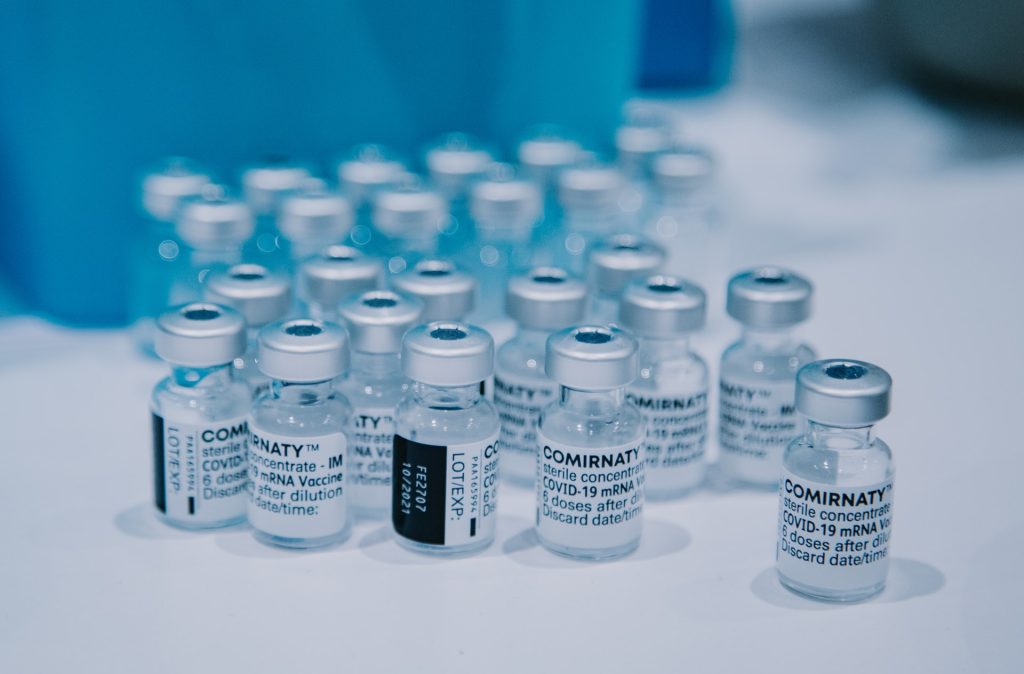
In Germany, a 60-year-old man allegedly received nearly 90 doses of various COVID vaccines in order to fraudulently sell vaccination cards to people unwilling to be vaccinated themselves, the Guardian reported.

The man, whose name was not released due to German privacy rules, apparently received up to three jabs a day at different vaccination sites in the area of Saxony alone, according to DW.

While the man was not detained, he is being investigated for issuing vaccination cards without authorisation and document forgery.

A vaccination centre staff member in the city of Dresden became suspicious when he recognised the man. When the suspect showed up at a vaccination centre for a COVID shot for the second day in a row, staff members alerted the police, who arrive and arrested him. Several blank vaccination cards were confiscated from him by the police, who initiated criminal proceedings. The man was able to take use the real vaccine batch numbers from the shots he received to fill in the blank cards.

It was not immediately clear what impact receiving at least 87 shots of COVID vaccines, which were from different brands, had on the man’s health.

The case also laid bare the gaps in Germany’s health care system, which does not centrally store medical information or keep digital records.

“A national vaccine register or a coronavirus vaccine register would have shed light on the case immediately,” said Knut Köhler, a spokesperson for the Saxony state medical association.

In recent months, German police have conducted a number of raids in connection with forgery of vaccination passports. Many COVID sceptics refuse to get vaccinated in Germany, but still want to have the coveted vaccine passports that allow much easier access to public life and venues such as restaurants, theatres, swimming pools or workplaces.

Source: The Guardian

Fall in Paediatric Post-surgical Opioid Prescriptions

Children
Photo by Ben Wicks on Unsplash

A large study has shown that opioid prescriptions for children who underwent one of eight common outpatient surgeries declined over a period of five years. These findings, reported in the journal Pediatrics, suggest that clinicians are using more discretion when considering which paediatric patients require an opioid prescription after their procedures.

Opioids are routinely prescribed after a surgery to help paediatric patients manage mild or moderate pain. However, recent studies have suggested that recovery is similar with limited or no opioid use. Additionally, opioids prescribed to children can result in respiratory depression, which causes carbon dioxide to not be expelled from the lungs properly, and the continued use of those opioids, after acute pain has resolved. Despite these findings, no prior studies had looked at recent data on national opioid trends for surgery in children in the context of whether there has been any shift away from prescribing opioids more broadly.

“Children grow throughout their childhood, and because opioids are often prescribed based on weight, we cannot assume that what is appropriate for a 5-year-old could also apply to an adolescent,” said the study’s lead author Tori N. Sutherland, MD, MPH. “In our study, we wanted to be responsible with our data and consider surgical distribution by age group.”

In this study, the researchers used data from a private insurance database to study opioid-naïve patients under the age of 18 who underwent one of eight surgical procedures between 2014 and 2019. The procedures ranged from tonsillectomies to knee surgery. The primary outcome of the study was whether a prescription for opioids was filled within 7 days of surgery, and the secondary outcome was the total amount of opioid dispensed. A total of 124 249 patients were included in the study. Patients were separated by age into adolescents, school-aged children and preschool-aged children.

The researchers found that the percentage of children who had an opioid prescription filled after their surgery fell across all three age categories. For adolescents, prescriptions dropped from 78.2% to 48%; for school-aged children, from 53.9% to 25.5%; and for preschool-aged children, from 30.4% to 11.5%. Additionally, the average morphine milligram equivalent dispensed declined by approximately 50% across all three age groups.

The researchers also found that there was a steeper decline in opioid prescriptions beginning in late 2017, first in the adolescent group and then followed by school- and preschool-aged children. This trend appeared to represent a ‘trickle down’ effect, but more research is needed to explore the difference in trends by age group.

“Our findings demonstrate that pain treatment for children and adolescents undergoing surgery has changed dramatically over the past 5 years,” said Mark Neuman, MD, senior author. “Understanding what these trends mean for patient experiences and health outcomes is a key next step.”

Source: EurekAlert!

Possible Cause of COVID Arrhythmias Discovered

Anatomical model of a human heart
Photo by Robina Weermeijer on Unsplash

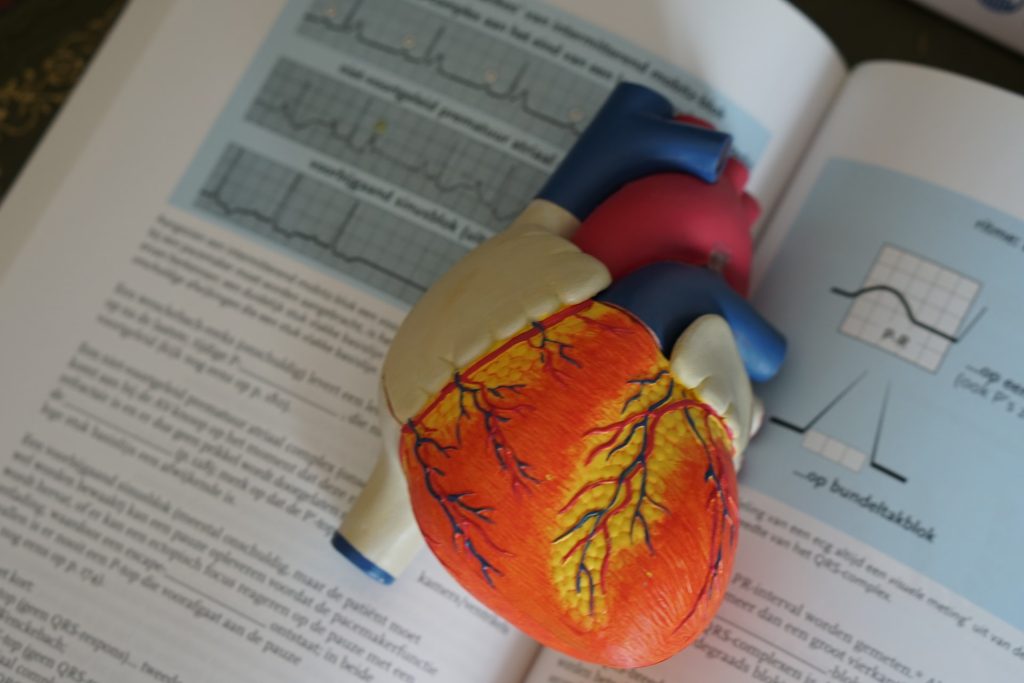
The SARS-CoV-2 virus can infect cardiac pacemaker cells, causing the cells to undergo self-destruct by ferroptosis according to a preclinical study reported in Circulation Research. This may explain the heart arrhythmias that are commonly observed in COVID patients.

In the study, the researchers used an animal model as well as human stem cell-derived pacemaker cells to show that SARS-CoV-2 can readily infect pacemaker cells and trigger a process called ferroptosis, where cells self-destruct, releasing damaging reactive oxygen molecules.

“This is a surprising and apparently unique vulnerability of these cells — we looked at a variety of other human cell types that can be infected by SARS-CoV-2, including even heart muscle cells, but found signs of ferroptosis only in the pacemaker cells,” said study co-senior author Professor Shuibing Chen.

Arrhythmias, including tachycardia and bradycardia, has been observed in some COVID patients, and multiple studies link these arrhythmias to worse COVID outcomes. But how the coronavirus caused these remained unclear.

In the new study, the researchers examined golden hamsters (one of the only lab animals that reliably develops COVID-like signs from SARS-CoV-2 infection) and found evidence that following nasal exposure, the virus can infect the sinoatrial node, which is the natural cardiac pacemaker.

The researchers then induced human embryonic stem cells to mature into cells closely resembling sinoatrial node cells. They showed that these induced human pacemaker cells can be infected by SARS-CoV-2 as they express ACE2 receptors. Large increases in inflammatory immune gene activity were also seen in the infected cells.

The team’s most surprising finding, however, was that the pacemaker cells, in response to the stress of infection, showed clear signs of a cellular self-destruct process called ferroptosis, which involves accumulation of iron and the runaway production of reactive oxygen molecules. The scientists were able to reverse these signs in the cells using compounds that are known to bind iron and inhibit ferroptosis.

“This finding suggests that some of the cardiac arrhythmias detected in COVID patients could be caused by ferroptosis damage to the sinoatrial node,” said co-senior author Dr Robert Schwartz

While COVID patients could in principle be treated with ferroptosis inhibitors specifically to protect sinoatrial node cells, antiviral drugs that block the effects of SARS-CoV-2 infection in all cell types would be preferable, the researchers said.

The researchers plan to continue to use their cell and animal models to investigate sinoatrial node damage in COVID and other settings.

“There are other human sinoatrial arrhythmia syndromes we could model with our platform,” said co-senior author Dr. Todd Evans. “And, although physicians currently can use an artificial electronic pacemaker to replace the function of a damaged sinoatrial node, there’s the potential here to use sinoatrial cells such as we’ve developed as an alternative, cell-based pacemaker therapy.”

Source: Weill Cornell Medicine

Mental Processing of Autistic and Non-autistic People is Similar

Source: Pixabay

Findings published in Journal of Psychopathology and Clinical Science reveal there are fundamental similarities between autistic and non-autistic people in mental processing. The study findings were made available online ahead of ahead of World Autism Day on the 2nd of April.

The brain uses two systems to process information: System 1 for quicker intuitive judgements, and System 2 for slower rational thinking. In autistic people, these systems are thought to work differently ad underlie difficulties they may have in daily life and the workplace.

Yet, this landmark study reports that these fundamental psychological systems are not impaired in autistic people as once thought. The study, involving more than 1000 people, tested the link between autism and ‘quick’ intuitive and ‘slow’ rational thinking.

In three experiments, they analysed the link between autistic personality traits and thinking style. In the fourth, they compared 200 autistic and over 200 non-autistic people. Overall, their results showed that autistic people think as quickly and as rationally as non-autistic people.

Based on these findings, the researchers conclude that certain, fundamental mental processes are more similar between autistic and non-autistic people than prior belief. In light of these findings, they call for a shift in the way that society thinks about autism as a mental processing disorder.

They also recommend that it might be important to redesign educational, clinical, and workplace support for autistic people and their families. Support should be much more targeted, instead of assuming that autistic people all have mental processing difficulties, they say.

The research team argue that the requirement to make ‘reasonable adjustments’ such as allowing extra time in exams and extending deadlines, is not an evidence-based way to support neurodivergent people.

Instead, more fundamental changes could be necessary – for example, changing social and sensory environments, making them more equitable autistic people.

Source: University of Bath

‘Gene Silencing’ Therapy Cuts Lipoprotein(a) by Up to 98%

DNA repair
Source: Pixabay/CC0

Findings from a new show that an experimental ‘gene silencing’ therapy reduced blood levels of lipoprotein(a) by up 98%. This is significant as lipoprotein(a) is a key cardiovascular risk driver which is determined largely by genetics and not modifiable lifestyle factors, and which cannot be lowered by current medical means.

Findings from the Cleveland Clinic-led phase 1 trial were published in the Journal of the American Medical Association.

Trial participants receiving higher doses of SLN360 – a small interfering RNA (siRNA) therapeutic that ‘silences’ the gene responsible for lipoprotein(a) production – saw their lipoprotein(a) levels  drop by as much as 96%-98%. Five months later, these participants’ lipoprotein(a) – also known as Lp(a) – levels remained 71%-81% lower than baseline.

The findings suggest this siRNA therapy could be a promising treatment to help prevent premature heart disease in people with high levels of Lp(a), which is estimated to affect 64 million people in the United States and 1.4 billion people worldwide.

“These results showed the safety and strong efficacy of this experimental treatment at reducing levels of Lp(a), a common, but previously untreatable, genetically-determined risk factor that leads to premature heart attack, stroke and aortic stenosis,” said the study’s lead author Steven E. Nissen, MD “We hope that further development of this therapy also will be shown to reduce the consequences of Lp(a) in the clinical setting through future studies.”

Lp(a) has similarities to LDL. Lp(a) is made in the liver, where an extra protein called apolipoprotein(a) is attached to an LDL-like particle. Unlike other types of cholesterol particles, Lp(a) levels are 80 to 90% genetically determined. The structure of the Lp(a) particle causes the accumulation of plaques in arteries, which play a significant role in heart disease. Elevated Lp(a) greatly increases the risk of heart attacks and strokes.

Although cardiovascular risk-reduction therapies that lower LDL cholesterol and other lipids exist, there are treatments to lower Lp(a). Since Lp(a) levels are genetically determined, lifestyle changes such as diet or exercise have no effect. In the current study, the siRNA therapy reduces Lp(a) levels by “silencing” the gene responsible for Lp(a) production and blocking creation of apolipoprotein(a) in the liver.

In the APOLLO trial, researchers enrolled 32 participants with Lp(a) levels above 15 nmol/L, with a median level of 224nmol/L (75nmol/L or less is considered normal). Eight participants received a placebo and the remaining received one of four doses of SLN360 via a single subcutaneous injection. The doses were 30mg, 100mg, 300mg and 600mg. Participants were closely observed for the first 24 hours after their injection and then followed up for five months.

Compared to baseline, participants receiving 300mg and 600mg of SLN360 experienced a maximum of 96% and 98% reduction in Lp(a) levels, and a reduction of 71% and 81% at five months. Those receiving a placebo saw no change in Lp(a) levels. The highest doses also reduced LDL cholesterol by about 20%-25%. There were no major safety consequences reported and the most common side effect was temporary soreness at the injection site. The study was extended and researchers will continue to follow participants for a total of one year.

Source: Cleveland Clinic

High Lipid Levels Even More Damaging than Previously Believed

Blood sample being drawn
Photo by Hush Naidoo Jade Photography on Unsplash

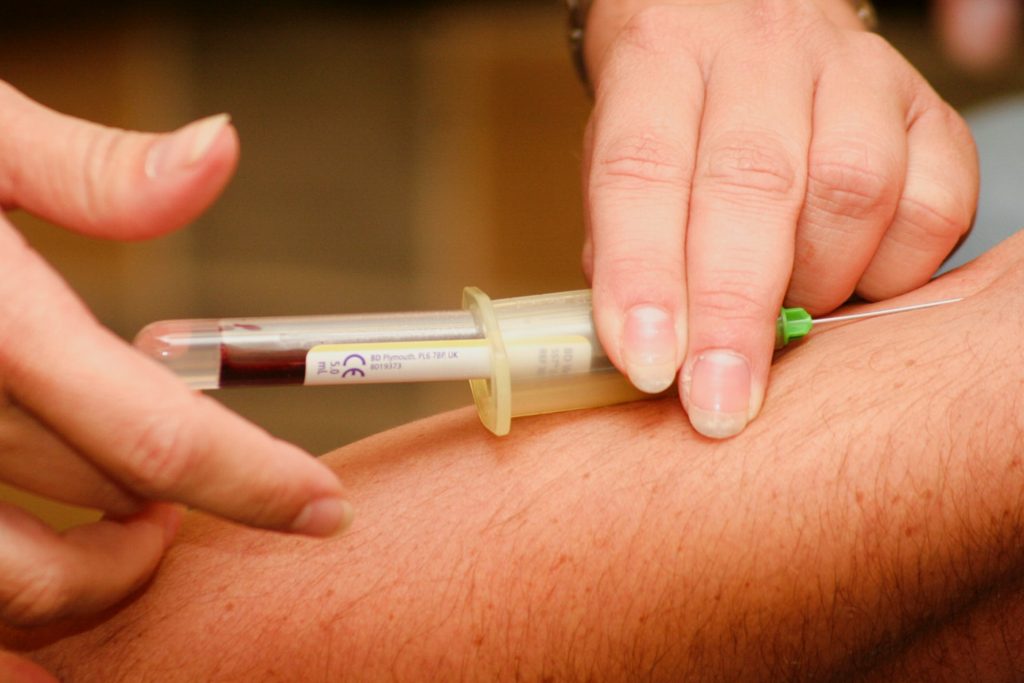
High lipid levels in people with type 2 diabetes and obesity are more harmful than previously thought, according to findings from a new study which found that stressed cells can damage nearby cells.

In patients with metabolic diseases, elevated lipid levels in the blood create stress in muscle cells – a reaction to changes outside the cell which damage their structure and function.

The study, published in Nature Communications, shows that these stressed-out cells give off a signal which can be passed on to other cells.

The signals, known as ceramides, may confer a short-term protective benefit, because they are part of a mechanism designed to reduce stress in the cell. But in long term conditions such as metabolic diseases, the signals can actually kill the cells and worsen symptoms and the illness.

High lipid levels have long been known to damage tissues and organs, contributing to the development of cardiovascular and metabolic diseases including type 2 diabetes, a condition which can be caused by obesity.

Professor Lee Roberts, who supervised the research, said: “Although this research is at an early stage, our discovery may form the basis of new therapies or therapeutic approaches to prevent the development of cardiovascular and metabolic diseases such as diabetes in people with elevated blood fats in obesity.”

In the lab, the team replicated the blood lipid levels observed in humans with metabolic disease by exposing skeletal muscle cells to palmitate, a fatty acid. The cells began to transmit the ceramide signal.

When these cells were mixed with others which had not been previously exposed to lipids, the researchers found that they communicated with each other, transporting the signal in packages called extracellular vesicles.

The experiment was reproduced in human volunteers with metabolic diseases and gave comparable results. The findings provide a completely new angle on how cells respond to stress, with important consequences for our understanding of certain metabolic diseases including obesity.

Professor Roberts said: “This research gives us a novel perspective on how stress develops in the cells of individuals with obesity, and provides new pathways to consider when looking to develop new treatments for metabolic diseases.

“With obesity an ever-increasing epidemic, the burden of associated chronic disease such as type 2 diabetes necessitates new treatments. We hope the results of our research here open a new avenue for research to help address this growing concern.”

Source: University of Leeds

Responsive Footwear Technology for Diabetic Ulcers

Image source: Pixabay CC0

To prevent diabetic foot ulcers, scientists at the University of Texas at Arlington have developed responsive footwear technology that relieves pressure on areas of the feet that experience high stress during walking and other activities.

Principal research scientist Muthu Wijesundara and his team have received a patent for a dual-layer insole apparatus for diabetic foot lesion prevention.

Due to numbness in their legs and feet, people with diabetes often are unable to detect and respond to stress-related pain by adjusting their foot loading. This can result in repeated stress to high-pressure foot regions such as the heel or toes and can worsen blisters, sores and ulcers to the point of severe tissue loss or life-threatening infection. For many, foot ulcers can lead to amputation of a toe, foot or leg.

“Diabetes is a leading cause of amputation worldwide, and there is a major role that technology can play to prevent its devastating effects,” Wijesundara said. “We are now one step closer to finding a solution to reduce risk of complications related to diabetic foot ulcers.”

The removable shoe insole relieves stress by periodically regulating and redistributing pressure across all areas of the foot. Using fluid-filled cells, the dual-layer apparatus provides variability in a person’s foot-loading patterns to reduce prolonged pressure to any given area. The insole can automatically adjust and is designed to accommodate people of various weights.

Additionally, the insole can be substituted for a total contact cast during the healing of a foot ulcer, and it can provide gait and ground force analysis.

Source: University of Texas Arlington