Year: 2022

Females ‘Significantly’ More Likely to Experience Long COVID

Photo by Stephen Andrews on Unsplash

A new study published in Current Medical Research and Opinion has revealed that females are “significantly” more likely to suffer from Long COVID than males and will experience substantially different symptoms.

Long COVID is a syndrome in which complications persist more than four weeks after the initial infection of COVID, sometimes for many months.

In a review of studies, researchers observed females with Long COVID are presenting with a variety of symptoms including ear, nose, and throat issues; mood, neurological, skin, gastrointestinal and rheumatological disorders; as well as fatigue.

Male patients, however, were more likely to experience endocrine disorders such as diabetes and kidney disorders.

“Knowledge about fundamental sex differences underpinning the clinical manifestations, disease progression, and health outcomes of COVID is crucial for the identification and rational design of effective therapies and public health interventions that are inclusive of and sensitive to the potential differential treatment needs of both sexes,” the authors explained.

“Differences in immune system function between females and males could be an important driver of sex differences in Long COVID syndrome. Females mount more rapid and robust innate and adaptive immune responses, which can protect them from initial infection and severity. However, this same difference can render females more vulnerable to prolonged autoimmune-related diseases.”

In their review, researchers gathered a total sample size amounting to 1 393 355 unique individuals.

While the number of participants sounds large, only 35 of the 640 634 total articles in the literature provided sex disaggregated data in sufficient details about symptoms and sequalae of COVID disease to understand how females and males experience the disease differently.

The findings showed that, with the initial onset of COVID, female patients were far more likely to experience mood disorders such as depression, ear, nose, and throat symptoms, musculoskeletal pain, and respiratory symptoms. Male patients, on the other hand, were more likely to suffer from renal disorders.

The authors note that this synthesis of the available literature is among the few to break down the specific health conditions that occur as a result of COVID-related illness by sex. Plenty of studies have examined sex differences in hospitalisation, ICU admission, ventilation support, and mortality. But the research on the specific conditions that are caused by the virus, and its long-term damage to the body, have been understudied when it comes to sex.

“Sex differences in outcomes have been reported during previous coronavirus outbreaks,” the authors added. “Therefore, differences in outcomes between females and males infected with SARS-CoV-2 could have been anticipated. Unfortunately, most studies did not evaluate or report granular data by sex, which limited sex-specific clinical insights that may be impacting treatment.” Ideally, sex disaggregated data should be made available even if it was not the researcher’s primary objective, so other interested researchers can use the data to explore important differences between the sexes.

Greater occupational exposure through traditionally female-dominated jobs may may complicate interpretation the COVID sequelae.

Source: EurekAlert!

Why The Malaria Vaccine Quickly Loses its Effectiveness

Image source: Ekamalev at Unsplash

More than 600 000 people worldwide still die from malaria every year, according to the WHO. The vast majority of fatal cases of malaria are caused by the single-celled pathogen Plasmodium falciparum, which so far has only one approved vaccine against it, and its efficacy, which is already rather low, is also short-lived. A new study in Science Immunology may have the explanation: a lack of cross-reactivity in T helper cells.

The vaccine targets CSP, the quantitatively dominant protein on the surface of the “sporozoites”. Sporozoites are the stage of the malaria pathogen which is transmitted with the bite of the mosquito and enters human blood. “To improve the vaccine, we need to understand which protective antibodies are induced by the immunisation. But the production of such antibodies depends to a large extent on help from the so-called follicular T helper cells,” explained Dr Hedda Wardemann, immunologist and senior author of the study. “They ensure that B cells transform into antibody-producing plasma cells and memory B cells.”

To study the T helper cell response against CSP in detail, Dr Wardemann’s team examined the blood of volunteers infected with killed P. falciparum sporozoites from the vaccine strain. The volunteers were of European descent and had no prior contact with malaria pathogens. The researchers analysed the induced Plasmodium-specific follicular T helper cells at the single cell level. They focused on which sequences of CSP are recognised by the T helper cells’ receptors.

The analyses revealed that the T-cell receptors mainly targeted amino acids 311 to 333 of the CSP. But the researchers were stunned by another finding: there was virtually no cross-reactivity between the individual T-cell clones. “The receptors highly specifically bind only the CSP epitopes of the vaccine strain used. Even deviations of only a single amino acid component were not tolerated in some cases,” Dr Wardemann explained.

The immunologist points out that in the natural population of P. falciparum, sequence polymorphisms occur to a high degree in this region of the CSP. “The specificity of the T-cell clones prevents the constantly recurring natural infections with the pathogen from acting as a natural ‘booster.’ This could possibly explain why the protective effect of the malaria vaccine wears off so quickly,” Dr Wardemann said. The researcher recommends that further development of the vaccine should test whether inducing a broader spectrum of T helper cells could generate longer-lasting immune protection.

Source: German Cancer Research Centre

Parabens in Hair Products May Increase Breast Cancer Risk for Black Women

Parabens, chemicals which are found in widely used hair and personal care products, cause harmful effects in breast cancer cells from Black women, according to a new study presented at ENDO 2022, the Endocrine Society’s annual meeting.

In the US, the lifetime risk of breast cancer is one in eight, and Black women are at a higher risk of getting breast cancer under the age of 40 than any other racial or ethnic group in that country. Breast cancer rates among Black South African women are also on the increase, but the cause remains unexplained and research in this area has been lacking.

“One reason for the higher risk of breast cancer may be exposure to harmful chemicals called endocrine-disrupting chemicals in hair and personal care products,” said lead researcher Lindsey S. Treviño, PhD. “These chemicals mimic the effects of hormones on the body.”

Parabens are endocrine-disrupting chemicals that are commonly used as preservatives in hair and other personal care products. Parabens cause breast cancer cells to grow, invade, spread, and express genes linked to cancer and to hormone action. Research showed that fewer paraben-free options are marketed to Black women.

“Black women are more likely to buy and use hair products with these types of chemicals, but we do not have a lot of data about how parabens may increase breast cancer risk in Black women,” Dr Treviño said. “This is because Black women have not been picked to take part in most research studies looking at this link. Also, studies to test this link have only used breast cancer cell lines from White women.”

The new study tested the effects of parabens on breast cancer cells from Black women. Parabens were found to increase the growth of a Black breast cancer cell line but not in the White breast cancer cell line. Parabens increased expression of genes linked to hormone action in breast cancer cell lines from both Black and White women. Parabens also promoted the spread of breast cancer cells, with a bigger effect seen in the Black breast cancer cell line.

“These results provide new data that parabens also cause harmful effects in breast cancer cells from Black women,” Dr Treviño said. 

The study is a part of a community-led project called the Bench to Community Initiative (BCI), which brings together scientists and community members (including breast cancer survivors) to create ways to reduce exposures to harmful chemicals in hair and personal care products in Black women with breast cancer. 

“While this project focuses on Black women, the knowledge we gain about the link between exposure to harmful chemicals in personal care products and breast cancer risk can be used to help all women at high risk of getting breast cancer,” Dr Treviño said.

Source: Endocrine Society

Multivitamins and Dietary Supplements are a ‘Waste of Time’ for Most

Vitamin C pills and orange
Photo by Diana Polekhina on Unsplash

For those who aren’t pregnant, vitamins are a waste of money because the evidence for cardiovascular disease or cancer prevention is lacking, according to researchers at Northwestern University Feinberg School of Medicine.

“Patients ask all the time, ‘What supplements should I be taking?’”

Dr Jeffrey Linder, Northwestern University

The researchers penned an editorial in JAMA that supports new recommendations from the United States Preventive Services Task Force (USPSTF), a national panel which makes evidence-based recommendations on clinical prevention. 

Based on a systematic review of 84 studies, the USPSTF’s new guidelines state there was “insufficient evidence” that taking multivitamins, paired supplements or single supplements can help prevent cardiovascular disease and cancer in otherwise healthy, non-pregnant adults. 

“Patients ask all the time, ‘What supplements should I be taking?’ They’re wasting money and focus thinking there has to be a magic set of pills that will keep them healthy when we should all be following the evidence-based practices of eating healthy and exercising,” said Dr Jeffrey Linder, one of the editorial’s authors.

“The task force is not saying ‘don’t take multivitamins,’ but there’s this idea that if these were really good for you, we’d know by now,” Dr Linder added. 

The task force is specifically recommending against taking beta-carotene supplements because of a possible increased risk of lung cancer, and is recommending against taking vitamin E supplements because it has no net benefit in reducing mortality, cardiovascular disease or cancer.

“The harm is that talking with patients about supplements during the very limited time we get to see them, we’re missing out on counselling about how to really reduce cardiovascular risks, like through exercise or smoking cessation,” Dr Linder said.

No substitute for actual fruits and vegetables

Eating fruits and vegetables is associated with decreased cardiovascular disease and cancer risk, they said, so it is reasonable to think those key vitamins and minerals in pills could prevent disease. But, they explain, whole fruits and vegetables contain a mixture of vitamins, phytochemicals, fibre and other nutrients that probably act synergistically to deliver health benefits. Micronutrients on their own may also have a different effect than when consumed with others in foods.

Dr Linder noted that individuals with vitamin deficiency can still benefit from taking dietary supplements, such as calcium and vitamin D, which have been shown to prevent fractures and perhaps falls in older adults. 

New guidelines do not apply to those who are pregnant

The new USPSTF guidelines do not apply to people who are pregnant or trying to get pregnant, said JAMA editorial co-author Dr Natalie Cameron, a physician at Northwestern. 

“Pregnant individuals should keep in mind that these guidelines don’t apply to them,” said Dr Cameron. “More data is needed to understand how specific vitamin supplementation may modify risk of adverse pregnancy outcomes and cardiovascular complications during pregnancy.” 

Source: Northwestern University

High Court Wrong about Law on Foetuses under 26 Weeks, Concourt Rules

Gavel
Photo by Bill Oxford on Unsplash

The Constitutional Court has declined to confirm the constitutional invalidity of sections of the Births and Deaths Registration Act. This comes after the Pretoria High Court found that the Act denied parents the right to bury the remains of a foetus less than 26-weeks.

The application was brought by The Voice of the Unborn Baby NPC and the Catholic Archdiocese of Durban against the ministers of Home Affairs and Health.

The applicants argued that the Act was “insensitive, hurtful and disrespectful” as it only allows for a death certificate to be issued in “stillborn” cases when the foetus is more than 26-weeks.

High Court Judge Nomonde Mngqibisa-Thusi agreed and ruled that sections of the Act are unconstitutional on the basis it “deemed a foetus less than 26-weeks to be medical waste that must be incinerated”.

However, the Constitutional Court, in a unanimous judgment, said the judge was wrong. Acting Judge Pula Tlaletsi said the applicants had submitted that the provisions of the Act had the effect that no burial order could be issued for foetuses lost through miscarriage before the 26-week mark, and that the regulations only made provision for the burial of corpses and human remains, but not foetal remains.

“While it may be true, as the applicants argued, that throughout the years the practice has been to deny parents this right in the apparent belief that this is what the law provides, matters not. The Act contains no such prohibition,” Judge Tlaletsi said.

“The relevant sections cannot be declared inconsistent with the Constitution because of such omission … the Act does not stand in the way of that burial,” he said, noting that the Act only regulated the burial of “dead human bodies or still-born children”.

The Judge said that the court was not in a position to grant the relief.

Read the judgment here

The question as to what medical staff at public hospitals must do if parents expressed the wish to bury or cremate pre-viable foetal remains was not clear, he said.

“Such a burial or cremation would no doubt require the cooperation of healthcare professionals and public hospitals would be expected to allocate the necessary resources.

“Because of the way the case was pleaded, we do not have the necessary evidence to evaluate considerations relating to how hospitals would manage this … There may be other restrictions, for example, limitations imposed by municipal regulations (regarding cemeteries and crematoriums).”

The Catholic Church, arguing that its members held “sincere religious beliefs” that they become parents from the moment of conception, said the burial right should also extend to lost pregnancies “due to human intervention”, including termination of pregnancies.

But two amici in the case — the Women’s Legal Centre Trust and the Sexual and Reproductive Justice Coalition — said this would have a profound impact on the termination of pregnancy services offered to women, and the attached confidentiality.

This burden, they said, would lead to a decrease in facilities offering termination and a diminution of sexual and reproductive rights.

However, the apex court did not comment on this.

By Tania Broughton

Republished from GroundUp under a Creative Commons Attribution-NoDerivatives 4.0 International License.

Source: GroundUp

Will NHI Mean the End of Medical Aid in South Africa?

Once again, concerns are being raised over the implementation of the proposed National Health Insurance (NHI) scheme. This time, it is over the future of private healthcare and medical aid under the contentious Section 33 of the Bill.

Many previous discussions have focused on the NHI’s affordability, accountability, the potential mass flight of healthcare professionals from the country, and even whether NHI is even possible to achieve given South Africa’s challenges.

In a new healthcare stakeholder opinion report [PDF] published by Section 27 and the Concentric Alliance on Monday, 20 June, it is noted that private healthcare is a major contributor to the economy. May public and private sector respondents believe it could play a significant role in achieving health reform thanks to its resources and capacity.

However, Section 33 of the NHI Bill states that medical schemes may only provide “cover that constitutes complementary or top-up cover and that does not overlap with the personal health care service benefits purchased by the National Health Insurance Fund on behalf of users”.

This basically means medical schemes which are not gap cover will no longer operate – something which does not sit well with the private sector respondents in the report, who argue that even in countries with the best developed public health systems, private healthcare funders still exist.

A carrot vs stick approach

An academic respondent suggested incentivising people into switching to a public healthcare funder, rather than removing private healthcare funding. A private sector respondent also suggested the idea of competition with private funders as a means to improve the NHI’s efficiency. Indeed, it may even be necessary the NHI to function well.

The report makes note of Section 33 of the NHI Bill becoming “something of a hill to die on”. The report says that “During the six-a-side engagements between Business Unity and the National Department of Health, urgent discussions on NHI were nearly derailed by demands that Section 33 be re-opened for discussion and one respondent in the NDOH stating that the Bill was now before parliament. This respondent stated that they would rather see this point litigated, than back down. The current approach to this draft provision has the potential to undermine the implementation of the NHI and delay urgent reform to the health system.”

Retinal Scans May be Able to Detect ASD and ADHD

Eye
Source: Daniil Kuzelev on Unsplash

By measuring the electrical activity of the retina in responses to a light stimulus, researchers found that they may be able to neurodevelopmental disorders such as ASD and ADHD, as reported in new research published in Frontiers in Neuroscience.

In this groundbreaking study, researchers found that recordings from the retina could identify distinct signals for both Attention Deficit Hyperactivity Disorder (ADHD) and Autism Spectrum Disorder (ASD) providing a potential biomarker for each condition.

Using the ‘electroretinogram’ (ERG) – a diagnostic test that measures the electrical activity of the retina in response to a light stimulus – researchers found that children with ADHD showed higher overall ERG energy, whereas children with ASD showed less ERG energy.

Research optometrist at Flinders University, Dr Paul Constable, said the preliminary findings indicate promising results for improved diagnoses and treatments in the future.

“ASD and ADHD are the most common neurodevelopmental disorders diagnosed in childhood. But as they often share similar traits, making diagnoses for both conditions can be lengthy and complicated,” Dr Constable says.

“Our research aims to improve this. By exploring how signals in the retina react to light stimuli, we hope to develop more accurate and earlier diagnoses for different neurodevelopmental conditions.

“Retinal signals have specific nerves that generate them, so if we can identify these differences and localise them to specific pathways that use different chemical signals that are also used in the brain, then we can show distinct differences for children with ADHD and ASD and potentially other neurodevelopmental conditions.”

“This study delivers preliminary evidence for neurophysiological changes that not only differentiate both ADHD and ASD from typically developing children, but also evidence that they can be distinguished from each other based on ERG characteristics.”

According to the World Health Organization, one in 100 children has ASD, with 5–8% of children diagnosed with ADHD.

Attention Deficit Hyperactivity Disorder (ADHD) is a neurodevelopmental condition characterised by being overly active, struggling to pay attention, and difficulty controlling impulsive behaviours. Autism spectrum disorder (ASD) is also a neurodevelopmental condition where children behave, communicate, interact, and learn in ways that are different from most other people.

Co-researcher and expert in human and artificial cognition at the University of South Australia, Dr Fernando Marmolejo-Ramos, says the research has potential to extend across other neurological conditions.

“Ultimately, we’re looking at how the eyes can help us understand the brain,” Dr Marmolejo-Ramos says.

“While further research is needed to establish abnormalities in retinal signals that are specific to these and other neurodevelopmental disorders, what we’ve observed so far shows that we are on the precipice of something amazing.

“It is truly a case of watching this space; as it happens, the eyes could reveal all.”

Source: Flinders University

Ancient Y. Pestis DNA Suggests Earlier Start to Black Death

Plague doctor costume
Photo by Peter Kvetny on Unsplash

The origin of the mediaeval Black Death pandemic (AD 1346–1353) has long been studied because of its massive impact on population and society. However, most studies have focused on surviving European records, but they provide little insight into the actual origin of this world-changing pandemic. A new study published in Nature reconstructs the DNA of Yersinia pestis from ancient burial sites, suggesting that 1338 was the date of the first outbreak which would later go on to ravage Eurasia.

Conventional thinking puts the onset of the Black Death at 1346 in the Black Sea region. Recent analysis of historical, genetic and ecological data led to the suggestion that the emergence of Y. pestis branches occurred more than a century before the beginning of the Black Death. According to the proposed model, this initial diversification was linked with territorial expansions of the Mongol Empire across Eurasia during the early thirteenth century. But in this study, the researched present ancient Y. pestis data from central Eurasia supporting a fourteenth-century emergence – putting the emergence a full century later, closer to the conventionally accepted 1346 date.

Until now, the most debated archaeological evidence on the pandemic’s initiation came from cemeteries located near Lake Issyk-Kul in modern-day Kyrgyzstan.

These sites are thought to have housed victims of a fourteenth-century epidemic as tombstone inscriptions directly dated to 1338–1339 state ‘pestilence’ as the cause of death for the buried individuals.

Researchers analysed ancient DNA data from seven individuals exhumed from two of these cemeteries, Kara-Djigach and Burana. The combination of archaeological, historical and ancient genomic data implicates Y. pestis in this epidemic event.

Two reconstructed ancient Y. pestis genomes represent a single strain and are identified as the most recent common ancestor of a major diversification commonly associated with the pandemic’s emergence, here dated to the first half of the fourteenth century. Comparing these ancient genomes present-day diversity from Y. pestis reservoirs in the Tian Shan area where China, Kazakhstan and Kyrgyzstan meet supports a local emergence of the recovered ancient strain.

Exactly how Y. pestis made it to western Eurasia is unknown, but previous research suggested that both warfare and/or trade networks were some of the main contributors in the spread of Y. pestis. However, the lack of any military campaigns in this period and the proximity of trans-Asian networks plus trade items at the site suggest trade playing a role in Y. pestis dissemination.

The authors conclude that “Although the ancient Y. pestis genomes reported in this Article offer biological evidence to settle an old debate, it is the unique historical and archaeological contexts that define our study’s scope and importance. As such, we envision that future synergies will continue to reveal important insights for a detailed reconstruction of the processes that triggered the second plague pandemic.”

Moderate Beer Consumption May Improve Gut Health

Photo by Pavel Danilyuk on Pexels

The negative effects of beer on health have long been studied, but a new research suggests that beer – both alcoholic and nonalcoholic – has a positive impact on gut health. A lucky group of adult male volunteers drank moderate amounts of beer daily for a month, and the findings on their gut health biomarkers were published in the Journal of Agricultural and Food Chemistry.

Gut microbiota modulation might constitute a mechanism mediating the effects of beer on health. However, intestinal microorganisms can use compounds present in beer. Previous work has found beneficial effects on intestinal from moderate beer drinking, mostly from butyric acid and gut bacteria changes.

In this randomised, double-blinded, two-arm parallel trial, 22 healthy men were recruited to drink 330 mL of nonalcoholic beer (0.0% v/v) or alcoholic beer (5.2% v/v) daily during a 4-week follow-up period. Blood and faecal samples were collected before and after the intervention period. To measure diversity, gut microbiota were gene sequenced to identify strains.

Drinking nonalcoholic or alcoholic beer daily for 4 weeks did not increase body weight and body fat mass, an encouraging sign. The nonalcoholic beer had 26kcal of energy and 5.9g of carbohydrates per 100mL, but the alcoholic beer had more energy (38.5kcal/100mL) despite having fewer carbohydrates (2.8g/100mL). The researchers also found no significant effect on serum cardiometabolic biomarkers.

Both types of beer increased gut microbiota diversity, something which has been associated with positive health outcomes and tended to increase faecal alkaline phosphatase (ALP) activity, a marker of intestinal barrier function.

The increase in gut microbiota may be down to phenolic compounds in the beer, chiefly from the yeast, and other types of beer besides the Lager used may have higher levels of these beneficial compounds. This benefit appears to outperform the negative effect alcohol

These results suggest the effects of beer on gut microbiota modulation are independent of alcohol and may be mediated by beer polyphenols.

Paediatric Kidney Transplants without Immunosuppressive Drugs

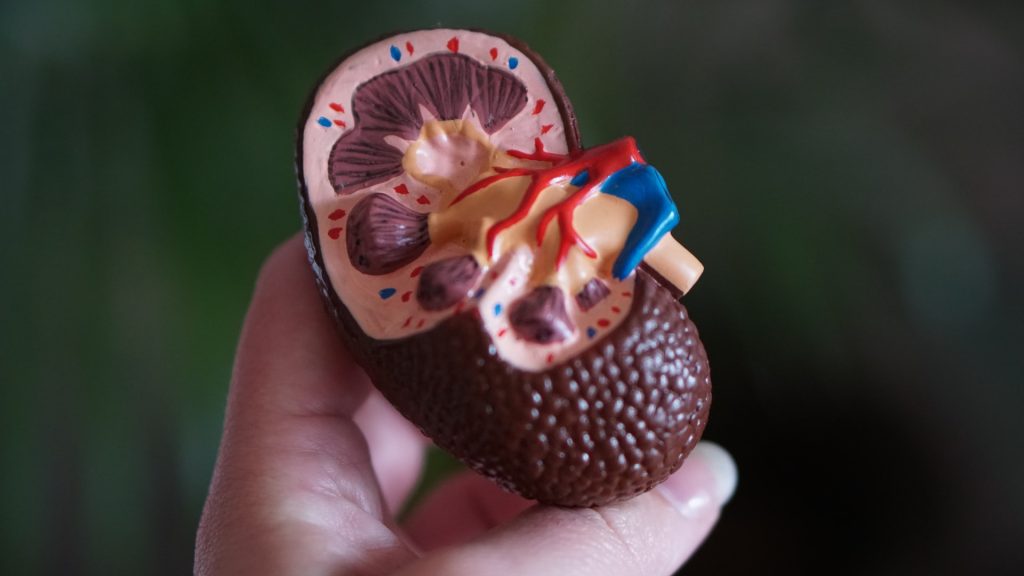
Anatomic model of a kidney
Photo by Robina Weermeijer on Unsplash

Stanford Medicine physicians have developed a way to provide paediatric kidney transplants without immunosuppressive drugs. Their key innovation is a safe method to transplant the donor’s immune system to the patient before surgeons implant the kidney.

The medical team has dubbed the two-transplant combination a “dual immune/solid organ transplant,” or DISOT. The first three DISOT cases, all performed at Lucile Packard Children’s Hospital Stanford were described in the New England Journal of Medicine, accompanied by an an editorial about the research.

The Stanford innovation removes the possibility that the recipient will experience immune rejection of their transplanted organ, the most common reason for a second organ transplant The new procedure also rids recipients of the substantial side effects of a lifetime of immune-suppressing medications, including increased risks for cancer, diabetes, infections and hypertension.

“Safely freeing patients from lifelong immunosuppression after a kidney transplant is possible.”

Alice Bertaina, MD, PhD, report’s lead author, associate professor of paediatrics, Stanford University

The first three DISOT patients were children with a rare immune disease, but the team is expanding the types of patients who could benefit. The protocol received FDA approval on May 27, 2022, for treating patients with a variety of conditions that affect the kidneys. Dr Bertaina anticipates that the protocol will eventually be available to many people needing kidney transplants, starting with children and young adults, and later expanding to older adults. The researchers also plan to investigate DISOT’s utility for other types of solid-organ transplants.

The scientific innovation from Dr Bertaina’s team has another important benefit: It enables safe transplantation between a donor and recipient whose immune systems are genetically half-matched, meaning children can receive stem cell and kidney donations from a parent.

The advance is especially meaningful for Jessica and Kyle Davenport of Muscle Shoals, Alabama. Their two children, both born with a rare and potentially deadly immune disease, are among the first recipients of DISOT: 8-year-old Kruz received transplants from Jessica, while his 7-year-old sister, Paizlee, received transplants from Kyle.

“They’ve healed and recovered, and are doing things we never thought would be possible,” said Jessica Davenport. After years of helping Kruz and Paizlee cope with severe immune deficiency and its attendant infection riskk as well as kidney dialysis, she and her husband are thrilled that their children have more normal lives.

The idea of transplanting a patient with their organ donor’s immune system has been around for decades, but it has been difficult to implement. Transplants of stem cells from bone marrow provide the patient with a genetically new immune system, as some of the bone marrow stem cells mature into immune cells in the blood. First developed for people with blood cancers, stem cell transplants carry the risk of the new immune cells attacking the recipient’s body, a potentially lethal complication called graft-versus-host disease.

Source: Stanford Medicine