Year: 2022

Biological Changes in Mothers Experiencing Postpartum Depression

Woman with depression
Photo by Sydney Sims on Unsplash

Newly discovered biological changes in mothers who suffer postpartum depression may help explain the condition, yield long-sought treatments and let doctors identify those at risk even before their babies are born. The findings were published in Molecular Psychiatry.

Postpartum depression strikes up to 20% of new mothers, and roughly 20% of maternal deaths after childbirth are from suicide. Postpartum depression can cause anxiety and irritability, feelings of self-doubt and difficulty bonding with the baby, cognitive impairment, and interfering with sleeping and eating. For the child, maternal postpartum depression can lead to cognitive, emotional and social development problems.

Risk factors for postpartum depression are thought to include the mother’s age at childbirth, diabetes and prior history of mental health issues. But the new discovery suggests a previously unknown biological contributor: an impairment of the body’s ability to clean up old genetic material and other cellular debris.

“The finding that cells aren’t cleaning out old proteins and cellular debris, called autophagy, occurs before women develop depression symptoms, indicating that it could be part of the disease process,” explained Jennifer L. Payne, MD, director of the Reproductive Psychiatry Research Program at the University of Virginia School of Medicine. “There are several medications that promote autophagy in cells, so this finding might open the door to new treatments and to identification of women at risk of postpartum depression before they become ill.”

Understanding Postpartum Depression

Dr Payne and colleagues wanted to determine if ‘extracellular RNA communication’, a newly discovered form of communication among cells, might contribute to postpartum depression. Extracellular RNA communication is heightened during pregnancy and is critical in embryo implantation and in the body’s inflammatory response afterward.

The researchers analysed blood plasma samples from 14 research participants with and without postpartum depression, collected during and after their pregnancies. The researchers found that extracellular RNA communication in immune cells was altered extensively in women who suffered postpartum depression. Further, they determined that this “large and consistent” change significantly limited the women’s bodies’ ability to perform important cellular cleanup – suggesting a potential biological cause for their depression.

“Deficits in autophagy are thought to cause toxicity that may lead to the changes in the brain and body associated with depression,” Dr Payne said. “We have never fully understood the biological basis for postpartum depression, and this finding gets us closer to an understanding.”


Source: University of Virginia Health System

Study Reveals How Psychostimulants Affect Attention and Learning

Photo by Myriam Zilles on Unsplash

Psychostimulants are commonly used as treatments of psychiatric disorders or to improve cognition, but the benefits of these drugs are not the same for everyone, as their effects vary greatly both across individuals and within the same patient. This variability hinders treatment strategies in psychiatry, and the reasons behind it are still not clear. Now, a study published in PNAS, researchers reported advances in understanding why this is.

One such psychostimulant is methylphenidate (Ritalin), which is used to treat attention deficit hyperactivity disorder (ADHD), and has significant variability in efficacy. In addition to treating ADHD, methylphenidate is widely used by healthy people for its cognition-improving effects. Methylphenidate acts in part by increasing levels of dopamine, a neurotransmitter involved in the brain’s reward system. 

The researchers tested the hypothesis that the effects of methylphenidate on learning based on reward or punishment depend on the baseline levels of dopamine in a person’s brain. To test this, one hundred young healthy adults received (in different sessions) methylphenidate, sulpiride (a medication used to treat symptoms of schizophrenia that acts more selectively on dopamine receptors), or a placebo, and were later scanned with functional magnetic resonance imaging (fMRI) during a reward/punishment reversal learning task. In this task, participants learned to predict whether a picture (of a face or a landscape) that is selected by the computer is followed by reward or punishment. A reward outcome consisted of a green smiley and a + €100 sign. A punishment consisted of a red sad smiley and a – €100 sign. Whether the face or the landscape was associated with reward or punishment changed frequently in the task, so to perform well people had to continue to pay attention and flexibly update their behaviour based on prediction errors. 
 
The researchers observed that the degree to which both methylphenidate and sulpiride improved reward compared with punishment learning depends on baseline dopamine synthesis capacity. These learning effects were also were accompanied by increased activity in the striatum, a dopamine-rich region deep inside the brain, and also by increased specificity of the activity in regions of the cortex near the back of the brain that are specialised for processing faces and landscapes.
 
Their findings provide strong support for two hypotheses related to methylphenidate: First, that dopamine enhances task-relevant cortical signals by acting on the striatum. Second, that differences between individuals in dopamine synthesis capacity in the striatum explain the variability in the drug’s cognitive effects.

Source: Human Brain Project

Sleeping with Weighted Blankets Increases Melatonin

Sleeping woman
Photo by Cottonbro on Pexels

A small study has shown that young adults sleeping using weighted blankets had increased levels of the hormone melatonin, which increases in response to darkness, and which some research suggests promotes sleep. The findings are published in the Journal of Sleep Research.

Weighted blankets have been suggested to ease insomnia in humans in previous research but underlying mechanisms are not fully understood. To address this, Uppsala University researchers recruited 26 young men and women to examine if the bedtime use of a weighted blanket increases the production of sleep-promoting and anti-stress hormones like melatonin and oxytocin. They also investigated whether the bedtime use of a weighted blanket (12% of participants’ body weight) reduced the activity of stress systems in the body. Saliva samples were collected from participants while they were covered with either a weighted or a light blanket to measure melatonin, oxytocin, cortisol, and sympathetic nervous system activity.

“Using a weighted blanket increased melatonin concentrations in saliva by about 30%. However, no differences in oxytocin, cortisol, and the activity of the sympathetic nervous system were observed between the weighted and light blanket conditions,” reported Elisa Meth, first author and PhD student.

“Our study may offer a mechanism explaining why weighted blankets may exert some therapeutic benefits, such as improved sleep. However, our findings rely on a small sample and investigated only the acute effects of a weighted blanket. Thus, larger trials are needed, including an investigation of whether the observed effects of a weighted blanket on melatonin are sustained over longer periods,” said senior author Christian Benedict, Associate Professor at Uppsala University.

Source: Uppsala University

Treatment for Resolving C. Diff Infection ‘So Effective’ that Trial Discontinued

Clostridioides difficile. Source: CDC

In a clinical trial, researchers found that, after a course of vancomycin, faecal microbiota transplantation (FMT) resolved Clostridioides difficile infections significantly more effectively than standard care alone. The treatment was so effective that further participant recruitment was halted. The findings were published in The Lancet Gastroenterology and Hepatology.

The results of the randomised, double-blind, placebo-controlled trial are extremely encouraging, said Simon Mark Dahl Baunwall, a PhD student at the Department of Clinical Medicine and a doctor at Aarhus University Hospital.

“Our new study shows that we can effectively cure the infection through the early use of faecal microbiota transplantation (FMT) after completing the standard treatment, to prevent relapses,” he said.

Few treatment options are available for the urgent threat of C. diff infections. Microbiota restoration with faecal microbiota transplantation is an effective treatment option for patients with multiple recurring episodes of C. diff. The researchers compared the efficacy and safety of faecal microbiota transplantation compared with placebo after vancomycin for first or second C. diff infection.

At a Danish hospital, 42 eligible patients with first or second C. difficile infection were randomly assigned to either faecal microbiota transplantation or placebo administered on day 1 and between day 3 and 7, after they had received 125mg oral vancomycin four times daily for 10 days. The primary endpoint was resolution of C difficile-associated diarrhoea (CDAD) eight weeks after treatment, with patients followed for eight weeks or until recurrence.

Due to the efficacy The primary outcome and safety outcomes were analysed in the intention-to-treat population, which included all randomly assigned patients.

Findings

The trial was stopped after the interim analysis done on April 7, 2022 for ethical reasons because the placebo group had a much lower rate of resolution at week 8 (33%) than the treatment group (90%). The absolute risk reduction was 57%.

“In rare cases, it can happen that you discover that the treatment you are investigating is so effective that it is ethically indefensible to continue,” said Baunwall.

“Our study is one example, in that the new FMT treatment is so much better than the standard treatment with antibiotics that it would be unethical to continue, because the patients in the control group would risk not receiving the FMT treatment.”

Overall, 204 adverse events occurred, with one or more adverse events being reported in 20 of 21 patients in the FMT group and all 21 patients in the placebo group, with the most common being diarrhoea and abdominal pain.

Interpretation

The study authors concluded that FMT in patients with first or second C. diff infection, is highly effective and superior to the standard of care vancomycin alone in achieving sustained resolution from C. diff.

Source: Aarhus University

Healthy Cells Can Migrate Just like Metastatic Cancer Cells

Source: National Cancer Institute on Unsplash

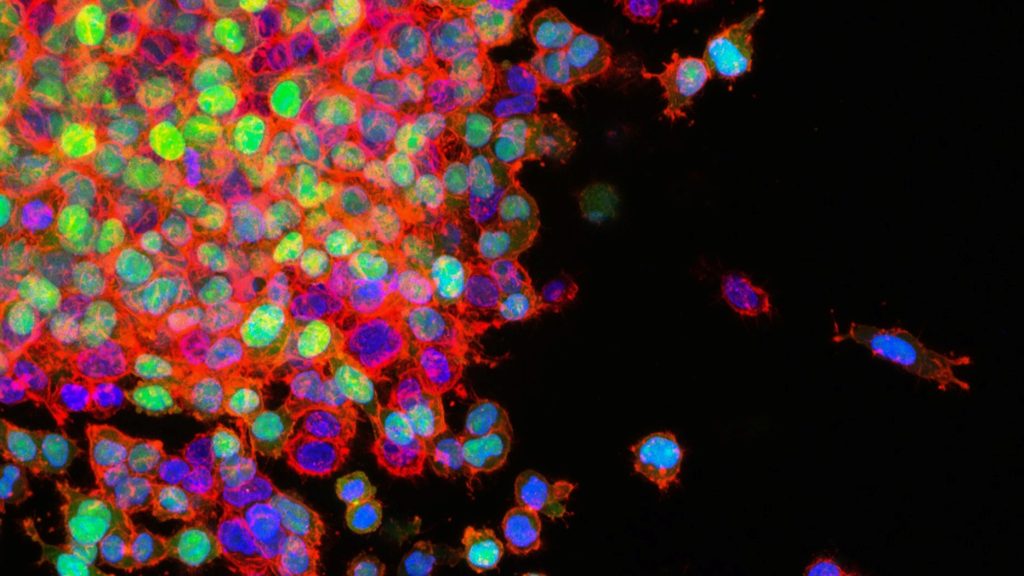
Cambridge University scientists have discovered that cancer cells ‘hijack’ a process used by healthy cells to spread around the body, challenging how cancer metastasis is currently understood. Publishing in Nature Genetics, the team found that blocking the activity of a sodium channel protein in cells in mice with cancer triggers metastasis.

To their surprise, the investigators also discovered that this process extends beyond just cancer: when they removed NALCN from cancer-free mice, this caused their healthy cells to leave their original tissue and travel around the body where they joined other organs.

They found, for example, that healthy pancreas cells migrated to the kidney where they became healthy kidney cells. This suggests that metastasis isn’t an abnormal process limited to cancer as previously thought, but is in fact a normal process used by healthy cells that has been exploited by cancers to generate metastases.

Group Leader of the study, Professor Richard Gilbertson, said: “These findings are among the most important to have come out of my lab for three decades. Not only have we identified one of the elusive drivers of metastasis, but we have also turned a commonly held understanding of this on its head, showing how cancer hijacks processes in healthy cells for its own gains. If validated through further research, this could have far-reaching implications for how we prevent cancer from spreading and allow us to manipulate this process to repair damaged organs.”

Metastasis has been challenging to treat because of the difficulty in identifying key drivers of this process that could be targeted by drugs. Now that they have identified NALCN’s role in metastasis, the team are looking into various ways to restore its function, including using existing drugs on the market.

Lead researcher on the study Dr Eric Rahrmann, said: “We are incredibly excited to have identified a single protein that regulates not only how cancer spreads through the body, independent of tumour growth, but also normal tissue cell shedding and repair. We are developing a clearer picture on the processes that govern how cancer cells spread. We can now consider whether there are likely existing drugs which could be repurposed to prevent this mechanism from triggering cancer spreading in patients.”

NALCN stands for sodium (Na+) leak channel, non-selective. Sodium leak channels are expressed predominately in the central nervous system but are also found throughout the rest of the body, controlling the amount of sodium that goes in and out of the cell. Controlling this process also alters the balance of electricity across the cell membrane. It is still unclear why these channels seem to be implicated so directly in cancer metastasis.

Source: University of Cambridge

Depression Risk Increases with Greater Social Media Use

Photo by Freestocks on Unsplash

A recent study published in the Journal of Affective Disorders Reports has found that young adults who use more social media are significantly more likely to develop depression within six months, regardless of personality type. 

“Previous research has linked the development of depression with numerous factors,” the authors noted. “However, the literature has been lacking in studies that focus on how various personality characteristics may interact with social media use and depression. This new study addressed these important research questions, finding strong and linear associations of depression across all personality traits.”

People with high agreeableness were found to be 49% less likely to become depressed than people with low agreeableness. Additionally, those with high neuroticism were twice as likely to develop depression than those with low neuroticism when using more than 300 minutes of social media per day. More importantly, for each personality trait, social media use was strongly associated with the development of depression.

A 2018 sample of 18–30 year old US adults was analysed with the Patient Health Questionnaire to measure depression. Social media was measured by asking participants how much daily time was spent using popular social media platforms, and personality was measured using the Big Five Inventory, which assessed openness, conscientiousness, extraversion, agreeableness and neuroticism. 

The authors suggest that problematic social comparison can enhance negative feelings of oneself and others, which could explain how risk of depression increases with increased social media use. Engaging primarily in negative content can also enhance these feelings. And lastly, engaging in more social media reduces opportunities for in-person interactions and activities outside of the home.

Depression has been noted as the leading cause of disability and mortality worldwide. This makes these findings even more pronounced for creating health interventions and prevention efforts.

“Findings from this study are important during a time of technology expansion and integration,” said author Renae Merrill said, a doctoral student when writing the paper. “Connecting to people virtually may increase the risk of miscommunication or misperception that leads to relationship difficulties and potential risk for developing mental health problems.” 

“People have innate emotional needs for social connection and understanding,” Merrill added. “For example, social media experiences can be improved by becoming more aware of our emotions and our connection with others in various life circumstances. This awareness helps improve relationship quality by simply reaching shared meaning and understanding through more effective communication and concern for others and ourselves. Despite our differences, we have the ability to create a culture of empathy and kindness.” 

Source: University of Arkansas

Medicine Nobel Prize Awarded to Neanderthal DNA Scientist

Genetics
Image source: Pixabay

This year’s Nobel Prize in Physiology or Medicine has been awarded to evolutionary scientist Professor Svante Pääbo, “for his discoveries concerning the genome of extinct hominins and human evolution”.

As explained by the Nobel Assembly at Karolinska Institutet: “Through his pioneering research, Svante Pääbo achieved something seemingly impossible: sequencing the genome of the Neanderthal, an extinct relative of present-day humans. He also made the sensational discovery of a previously unknown hominin, Denisova.” Prof Pääbo further made the important discovery that cross-breeding occurred between Homo sapiens and our extinct relatives after the migration out of Africa some 70 000 years ago. The gene transfers from extinct hominins that have left traces among present-day humans outside Africa have proven physiologically significant, for example, for human resistance to infections.

Prof Pääbo received a doctorate in medicine in 1986 from Uppsala University. He has returned several times to the University as visiting professor and has also been a member of the University Board.

Uppsala University Vice-Chancellor Anders Hagfeldt thinks Prof Pääbo is an excellent and pleasing choice.

“His research identifying and mapping human origins is tremendously fascinating and of course it’s very pleasing that he is connected with Uppsala. I’m sure many people at the University are as happy as I am today, we have many fine researchers following in his footsteps,” he said.

Mattias Jakobsson, professor at the Department of Organismal Biology, who is also engaged in research on human evolution, had thought that ProfPääbo was bound to win the prize sooner or later, though his name had not been mentioned much this year.

“It’s fantastic, both for him and for the entire field of research. And it’s very appropriate that it’s the prize in medicine, his latest work has focused on patterns of genetic variation due to our Neanderthal heritage. Some of these patterns relate to COVID, for example,” he said.

Source: Uppsala University

Study Demonstrates Safer Preeclampsia Treatment with Nifedipine

Image by Hush Naidoo from Unsplash

Women with severe preeclampsia may be treated with extended-release nifedipine, a blood pressure-lowering medicine, daily during the labour and delivery process, according to new research published today in Hypertension. Women receiving the drug had a lower risk of dangerously high blood pressure that would require treatment with fast-acting medicines including intravenous (IV) medications.

The study examined whether treatment with nifedipine, an extended-release blood pressure-lowering medication, leading up to labour and delivery may prevent severe blood pressure levels from developing, and, as a result, avoid the need to administer fast-acting IV medications.

According to the American Heart Association, preeclampsia is typically diagnosed after 20 weeks of pregnancy and indicates high blood pressure measures with symptoms such as headaches, vision changes and swelling of the hands, feet, face or eyes. It affects up to 8% of pregnancies. A diagnosis of preeclampsia with severe features typically includes systolic BP of ≥ 160mmHg and/or diastolic BP ≥ 110mmHg, and proteinuria. It increases the risk of stroke, liver or kidney damage and pre-term delivery. Delivery of the baby is the only way to start to cure preeclampsia, and symptoms usually go away within days of delivery. However, some women require BP medication for six weeks after delivery or longer.

“We know that bringing down very high blood pressure to a safer range will help prevent maternal and foetal complications. However, besides rapid-acting, IV medicines for severe hypertension during pregnancy, optimal management for hypertension during the labour and delivery process, has not been studied,” said lead study author Erin M. Cleary, MD.

Sever hypertension also raises the risk for complications such as placental abruption, leading to serious complications for mother and/or the baby.

“Some of these complications may include emergency delivery, blood loss for the mother and may be life threatening for both the mother and baby,” Dr Cleary said. “About 10% of patients treated with a rapid-IV treatment for very high blood pressure may quickly have very low blood pressures. When blood pressure gets too low, too fast, that can lead to other serious complications.”

The study was conducted from June 2020 to April 2022 at The Ohio State University Wexner Medical Center and included 110 women who were at least 22 weeks pregnant, diagnosed with severe preeclampsia and who underwent induction of labour. Half were randomised to take a 30mg oral pill nifedipine extended-release once a day until delivery, the other half took a placebo pill daily until delivery. Participants were followed through hospital discharge, and chart review was performed through six weeks postpartum to monitor for any postpartum readmissions along with reasons for readmission.

The researchers also examined the impact of nifedipine treatment on delivery, if and how long the baby may have needed care in the neonatal intensive care unit (NICU) and other adverse outcomes for the mother and/or baby.

The study found:

  • 34% of women in the nifedipine group needed acute hypertension therapy compared to 55.1% of those in the placebo group.
  • There were fewer Caesarean deliveries among the women treated with nifedipine: 20.8% of women in the nifedipine treatment group had a Caesarean section, compared to 34.7% of women in the placebo group.
  • The rate of NICU admission for the newborns was lower if the mother was treated with nifedipine (29.1%) compared to the placebo group (47.1%).
  • Poor outcomes for the infant – such as lower Apgar score, low blood sugar levels, high bilirubin or needing extra oxygen – did not differ significantly between the two treatment groups.

It’s important to note, however, that the number of participants in this study was too small to determine whether the differences in the NICU and Caesarean rates may hold true or if they may be due to chance or other factors. The researchers plan to conduct larger studies with more participants to better understand if these differences are valid.

Source: American Heart Association

Troponin Levels Help Inform When to Perform Surgery after Heart Attack

Photo by Natanael Melchor on Unsplash

New research from a large study published in the International Journal of Cardiology shows that timing of surgery for some heart attack patients can be improved by analysing troponin levels.

Troponin is a protein involved in muscle contraction that is released into the bloodstream after heart attack, with higher levels indicating more heart damage. Troponin levels help clinicians to determine whether a patient is having a heart attack, or myocardial infarction (MI), and to decide on treatment options such as coronary artery bypass graft (CABG) surgery.

The optimal time to perform surgery following an MI remains unclear. Previous reports have suggested that carrying out surgery in the first few days following an MI is associated with a higher risk of surgical complications and death by not leaving time for the heart to recover. As a result, following an MI, many patients who need bypass surgery wait for more than 10 days before surgery is performed.

Researchers in this study found that some patients who have lower levels of troponin would benefit from having earlier surgery. However, the researchers show that patients with very high troponin levels should have surgery postponed, as their risk of dying was higher if surgery was performed within 10 days of their MI.

There was no benefit in delaying surgery for those with low levels of troponin, according to the study.

Early surgery for MI patients

The researchers suggest that early surgery for MI patients with lower troponin levels would reduce overall length of stay and ease pressure on resources such as staff.

This is the first multicentre study to investigate the interaction between the extent of heart damage, as indicated by troponin levels, and the optimal time to wait for surgery in a large series of MI patients. 

Dr Amit Kaura, lead author of the research, said: “The approach on the safest time to operate on patients following a heart attack varies in hospitals across the UK. Our study could help clinicians make more informed decisions on the best treatment plans for heart attack patients requiring surgery, based on their levels of troponin. It could also lead to a more standardised approach in the NHS on how we treat this patient group, leading to resources being used effectively, shorter stays and improved outcomes for patients.”

The study reviewed patients who had a non-ST segment elevation myocardial infarction (NSTEMI) due to a blockage to their coronary arteries who required a CABG.

About 20% of NSTEMI patients have a CABG. The optimal timing for CABG surgery in patients with uncomplicated NSTEMI has been unclear. Prior to the new research, some studies had suggested that early surgery was associated with higher mortality post operation. This has led to a tendency for CABG to be delayed if a patient’s condition remains stable. However, other studies had reported similar mortality rates after early versus late surgery, concluding that delaying surgery in all patients after uncomplicated NSTEMI is not warranted and does not improve outcomes. No previous study had investigated in a large group of patients whether there was an association between the extent of heart damage (as measured by troponin levels) and the wait for surgery on survival.

Heart data insights

The team analysed data from the NIHR HIC of 1746 patients with NSTEMI and unstable angina (UA) where insufficient cardiac blood supply leads to an MI. The cohort consisted of 1684 patients with NSTEMI and 62 with UA. The average age of the group was 69 and 21% were female. They underwent CABG within 90 days at one of five cardiac centres before their surgery between 2010 and 2017. 

The researchers compared patients’ troponin levels, wait between surgery and outcomes after surgery within the first 30 days and over a period of five years. Pre-operative troponin level strongly predicted early mortality, and this was significantly influenced by the interval to surgery. The average wait for patients with high troponin levels to surgery was nine days. Sixty patients died within 30 days after surgery and another 211 patients died over a period of five years following surgery. They found that for those who had troponin levels of less than 100 times the normal upper limit, delaying surgery to after 10 days was not associated with lower survival. For patients with higher troponin levels, early survival increased progressively with a longer time to surgery – survival was highest in those who had surgery after day 10. 

Dr Amit Kaura said: “For patients with troponin levels of under 100 times the normal upper limit, extending the waiting time or surgery did not improve early survival. This finding is particularly significant as two-thirds of patients presenting with troponin levels of under 100 are waiting on average 12 days for surgery after being admitted to hospital. There are potential cost saving implications with our research by performing earlier surgery in this group of patients with lower troponin levels”.

The effect of troponin levels pre-operation on survival was limited to the first 30 days after surgery. Late survival was determined by other risk factors, such as age and other co-morbidities such as hypertension.

Further studies are needed in the form of prospective trials to assess the impact of troponin and timing of surgery on survival following a heart attack, the researchers say.

Source: Imperial College London

A Clue to Breast Cancer Survivors’ Cognitive Problems

Woman receiving mammogram
Source: National Cancer Institute

Why breast cancer survivors experience troubling cognitive problems is a long-standing mystery, and for which inflammation is one possible culprit. A new long-term study of older breast cancer survivors published in the Journal of Clinical Oncology adds evidence to this link.

Higher levels of the inflammatory marker C-reactive protein (CRP) were related to older breast cancer survivors reporting cognitive problems in the new study.

“Blood tests for CRP are used routinely in the clinic to determine risk of heart disease. Our study suggests this common test for inflammation might also be an indicator of risk for cognitive problems reported by breast cancer survivors,” said study lead author Judith Carroll, an associate professor at UCLA. 

The Thinking and Living with Cancer (TLC) Study is one of the first long-term efforts to examine the potential link between chronic inflammation and cognition in breast cancer survivors 60 and older, who make up a majority of the nearly 4 million breast cancer survivors in the United States. Previous research has focused largely on younger women and women immediately after therapy, making it difficult to draw conclusions about CRP’s role in long-term cognitive problems among older breast cancer survivors.   

In TLC, teams of researchers from around the country talked to, and obtained blood samples from, hundreds of breast cancer survivors and women without cancer up to six times over the course of five years. The study was motivated by hearing from survivors and advocates that cognitive problems are one of their major worries. 

“Cognitive issues affect women’s daily lives years after completing treatment, and their reports of their own ability to complete tasks and remember things was the strongest indicator of problems in this study,” said co-senior study author Dr Jeanne Mandelblatt, a professor of oncology at Georgetown University who is the lead of the TLC study.   

“Being able to test for levels of inflammation at the same time that cognition was being rigorously evaluated gave the TLC team a potential window into the biology underlying cognitive concerns,” said Elizabeth C. Breen, a professor emerita of psychiatry and biobehavioral sciences at the Cousins Center for Psychoneuroimmunology at UCLA, who also served as co-senior study author. 

The women’s cognition was evaluated through a commonly used questionnaire. The study found higher CRP levels among survivors were predictive of lower reported cognitive function among breast cancer survivors. There was no similar relationship between CRP levels and reported cognition in the women without cancer. 

Cognitive performance, as measured by standardised neuropsychological tests, failed to show a link between CRP and cognition. The authors say this may indicate women are more sensitive to differences in their everyday cognitive function, self-reporting changes that other tests miss.

The authors said their study supports the need for research on whether interventions that can lower inflammation – including increased physical activity, better sleep, and anti-inflammatory medications – may prevent or reduce cognitive concerns in older breast cancer survivors. 

Source: EurekAlert!