Tag: insomnia

Natural Killer Cells are Suppressed by Anxiety and Insomnia
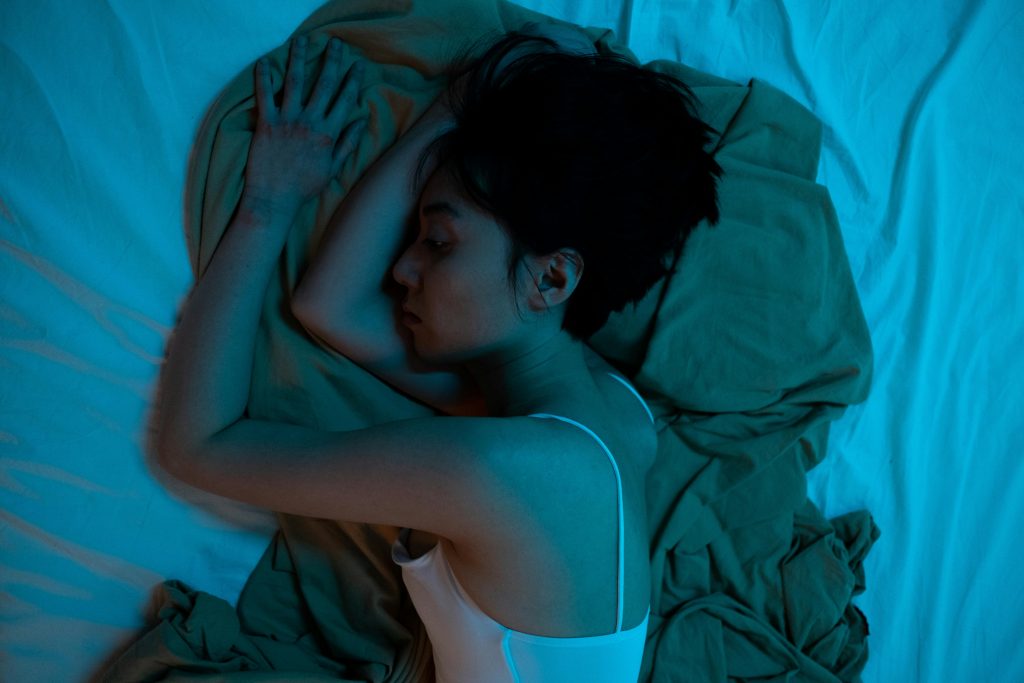
Photo by Cottonbro on Pexels

Anxiety and insomnia have been shown to weaken the immune system and make us more prone to disease. Now, researchers found that this may be because experiencing symptoms of either can reduce the number of natural killer cells, our bodies’ machinery for defence. Their findings showed that in young women who experience insomnia symptoms, the number of total NK cells was lower. If they experienced anxiety symptoms, the number of NK cells that circulate through the body was lower. These findings could inform the development of novel strategies to raise awareness about the physiological consequences of anxiety and insomnia and help in the prevention of immune-related disorders and cancers, the team said.

Natural killer (NK) cells are the bodyguards of our immune system. As a first line of defense, they destroy invading pathogens, foreign bodies, and infected cells in early stages, thereby preventing them from spreading. NK cells can circulate within the blood stream (circulatory) or reside in tissue and organs. Having too few NK cells can lead to immune system dysfunction and increase susceptibility to disease.

Anxiety disorder and insomnia are two conditions that can disrupt the normal functioning of the immune system. Given these disorders are on the rise, researchers in Saudi Arabia have now examined the association between anxiety, insomnia, and NK cells in young, female students. They published their results in Frontiers in Immunology.

“We found that in students with insomnia symptoms, count and percentage of total NK cells and their sub-populations were declined,” said first author Dr Renad Alhamawi, an assistant professor of immunology and immunotherapy at Taibah University. “Students with general anxiety symptoms, on the other hand, had a lower percentage and number of circulatory NK cells and their sub-populations, compared to symptom-free students.”

Decimated defence

60 female students, aged between 17 and 23 years old, participated in the study. They filled out three questionnaires about sociodemographics as well as anxiety and insomnia symptoms. The symptoms of the latter two were self-reported. The surveys showed that around 53% of the participants reported sleeping disturbance suggestive of insomnia, and 75% reported anxiety symptoms, with around 17% and 13% reporting moderate and severe symptoms, respectively.

Participants also provided blood samples through which percentages of NK cells and their subtypes were determined. NK cells have two subtypes: CD16+CD56dim cells make up the majority of NK cells in the nervous system that connects the central nervous system to the rest of the body (peripheral NK cells). Cells belonging to this subtype also exhibit cytotoxicity, which means they can damage or kills cells that invade the body. The other subtype, CD16+CD56high cells, are less frequent and involved in the production of proteins that function as chemical messengers and in immunoregulation. Both subtypes are circulatory NK cells.

The results showed that students with anxiety symptoms had a lower percentage and number of circulatory NK cells and their sub-populations, compared to students who did not report symptoms. Severity of symptoms also played a role as students with moderate and severe anxiety symptoms had a significant lower percentage of circulatory NK cells compared to students without them. Among students with minimal or mild anxiety symptoms, only a statistically insignificant decline in NK cell percentage was observed. In students with insomnia symptoms, higher anxiety scores were negatively associated with the proportion of total peripheral NK cells.


Read and download original article


Stressed immune systems

A reduction of these cells can lead to the impairment of the immune system, which may result in diseases, cancers, and mental disease, including depression. “Understanding how these psychological stressors influence the distribution and activity of immune cells, especially peripheral NK cells, may provide valuable insights into the mechanisms underlying inflammation and tumorigenesis,” Alhamawi explained.

The study is limited in some respects, the team pointed out. It only included young females – the group amongst whom anxiety and sleeping disorders have been rising disproportionally, limiting the generalizability of the results. The researchers said that future studies that include different age groups, sexes, and people from different regions, are necessary to gain a better overall view of the hidden effects of anxiety and insomnia on the proportion and function of these immune cells.

Previous studies have suggested healthy lifestyles with regular physical activity, stress reduction, and a healthy and balanced diet can boost the number and function of NK cells. However, the impact of anxiety and insomnia can disrupt the normal functioning of various body systems, including the immune system, thereby contributing to the development of chronic and inflammatory diseases. “Such impacts ultimately compromise overall health and quality of life,” concluded Alhamawi.

Source: Frontiers

Insomnia Patients Report Better Sleep when Taking Cannabis-based Medical Products

Photo by Kindel Media on Unsplash

Patients reported better sleep as well as decreased anxiety and pain over 18 months of treatment 

Insomnia patients taking cannabis-based medical products reported better quality sleep after up to 18 months of treatment, according to a study published August 27 in the open-access journal PLOS Mental Health by Arushika Aggarwal from Imperial College London, U.K., and colleagues.

About one out of every three people has some trouble getting a good night’s rest, and 10% of adults meet the criteria for an insomnia disorder. But current treatments can be difficult to obtain, and the drugs approved for insomnia run the risk of dependence. To understand how cannabis-based medical products might affect insomnia symptoms, the authors of this study analysed a set of 124 insomnia patients taking medical cannabis products. They examined the patient’s reports of their sleep quality, anxiety/depression, and quality of life changes between one and 18 months of treatment.

The patients reported improved sleep quality that lasted over the 18 months of treatment. They also showed significant improvements in anxiety/depression as well as reporting less pain. About 9% of the patients reported adverse effects such as fatigue, insomnia, or dry mouth, but none of the side effects were life-threatening. While randomised controlled trials will be needed to prove that the products are safe and effective, the authors suggest that cannabis-based medical products could improve sleep quality in insomnia patients.

Co-author Dr Simon Erridge, Research Director at Curaleaf Clinic, summarises: “Over an 18-month period, our study showed that treatment for insomnia with cannabis-based medicinal products was associated with sustained improvements in subjective sleep quality and anxiety symptoms. These findings support the potential role of medical cannabis as a medical option where conventional treatments have proven ineffective, though further randomised trials are needed to confirm long-term efficacy.”

He adds: “Conducting this long-term study provided valuable real-world evidence on patient outcomes that go beyond what we typically see in short-term trials. It was particularly interesting to observe signs of potential tolerance over time, which highlights the importance of continued monitoring and individualised treatment plans.”

Provided by PLOS

Yoga, Tai Chi, Walking and Jogging Are Best Exercises for Insomnia

Findings back use of exercise as primary treatment strategy for poor sleep, say researchers

Photo by Mikhail Nilov

Yoga, Tai Chi, walking and jogging may be the best forms of exercise to improve sleep quality and ease insomnia, suggest the findings of a comparative pooled data analysis published in the online journal BMJ Evidence Based Medicine.

The findings back the use of exercise as a primary treatment strategy for poor sleep patterns, say the researchers.

Characterised by difficulties falling and staying asleep, and early morning awakening, the prevalence of insomnia ranges from 4-22%, note the researchers. It is associated with heightened risks of various mental and physical health conditions, including dementia and cardiovascular disease.

Drug treatments for insomnia are not without their side effects, and cognitive behavioural therapy (CBT), while effective, isn’t always available due to the shortage of trained therapists, explain the researchers.

An emerging body of research suggests that exercise is helpful, but current guidelines don’t specify which types of exercise might be most beneficial. The researchers therefore set out to plug this knowledge gap, with a view to informing clinical practice and helping patients choose the most appropriate exercise for managing their insomnia.

They scoured research databases looking for relevant randomised clinical trials published up to April 2025 and included 22 in a network meta analysis—a statistical technique used to simultaneously compare multiple interventions.

The trials involved 1348 participants and 13 different treatment approaches to ease insomnia, seven of which were exercise based: yoga; Tai Chi; walking or jogging; aerobic plus strength exercise; strength training alone; aerobic exercise combined with therapy; and mixed aerobic exercises. These programmes ranged from 4 up to 26 weeks in length.

The other approaches included CBT; sleep hygiene; Ayurveda; acupuncture/massage; nothing; and existing treatment, such as usual care and/or lifestyle changes, the durations of which ranged from 6 to 26 weeks.

Validated scoring systems for sleep quality and insomnia severity—PSQI and the ISI45—as well as subjective and objective measures of total sleep time, sleep efficiency (percentage of time spent asleep while in bed), number of awakenings after going to sleep, and time taken to fall asleep (sleep latency) were used to assess sleep patterns.

Compared with existing treatment, CBT is likely to result in a large increase in total sleep time based on subjective sleep diary data. It may also improve sleep efficiency, and shorten the amount of time spent awake after falling asleep as well as sleep latency, with sustained improvements, the findings suggest.

But some of the exercise-based interventions also seemed to be effective, when compared with existing treatment.

Yoga likely results in a large increase in total sleep time of nearly 2 hours and may improve sleep efficiency by nearly 15%. It may also reduce the amount of time spent awake after falling asleep by nearly an hour, and shorten sleep latency by around half an hour.

Walking or jogging may result in a large reduction in insomnia severity of nearly 10 points, while Tai Chi may reduce poor sleep quality scores by more than 4 points, increase total sleep time by more than 50 minutes, and reduce time spent awake after falling asleep by over half an hour. It may also shorten sleep latency by around 25 minutes.

Further in-depth analyses revealed that Tai Chi performed significantly better on all subjectively and objectively assessed outcomes than existing treatments for up to 2 years.

There are potentially plausible biological explanations for the findings, say the researchers.

With its focus on body awareness, controlled breathing, and attentional training, yoga may alter brain activity, thereby alleviating anxiety and depressive symptoms which often interfere with a good night’s sleep, they suggest.

Tai Chi emphasises breath control and physical relaxation and has been shown to decrease  sympathetic nervous system activity, dampening down hyperarousal, they add. And its combination of meditative movement and mindfulness may promote emotional regulation, deactivate ‘mental chatter’, and reduce anxiety. It may also help to curb the production of inflammatory chemicals over longer periods, they suggest.

Walking or jogging may improve sleep by increasing energy expenditure, curbing cortisol production, improving emotional regulation, boosting secretion of the sleep hormone melatonin, and enhancing the amount of deep sleep, they continue.

The researchers acknowledge that 15 (68%) of the included trials contained design and methodological flaws. And there were no standardised, quantifiable metrics for the frequency or intensity of exercise interventions, while the sample sizes of some of the studies were small.

Nevertheless, they conclude: “The findings of this study further underscore the therapeutic potential of exercise interventions in the treatment of insomnia, suggesting that their role may extend beyond adjunctive support to serve as viable primary treatment options.

“Although current clinical guidelines make only limited mention of exercise, this study provides relatively comprehensive comparative evidence that may inform the development of more specific and actionable clinical recommendations.

“Given the advantages of exercise modalities such as yoga, Tai Chi, and walking or jogging—including low cost, minimal side effects, and high accessibility—these interventions are well-suited for integration into primary care and community health programmes.”

And there may well be one type of exercise that is best suited to easing a particular symptom of insomnia, they suggest, which further research may clarify.

Source: BMJ Group

Difficulty Falling Asleep Linked to Developing Dementia

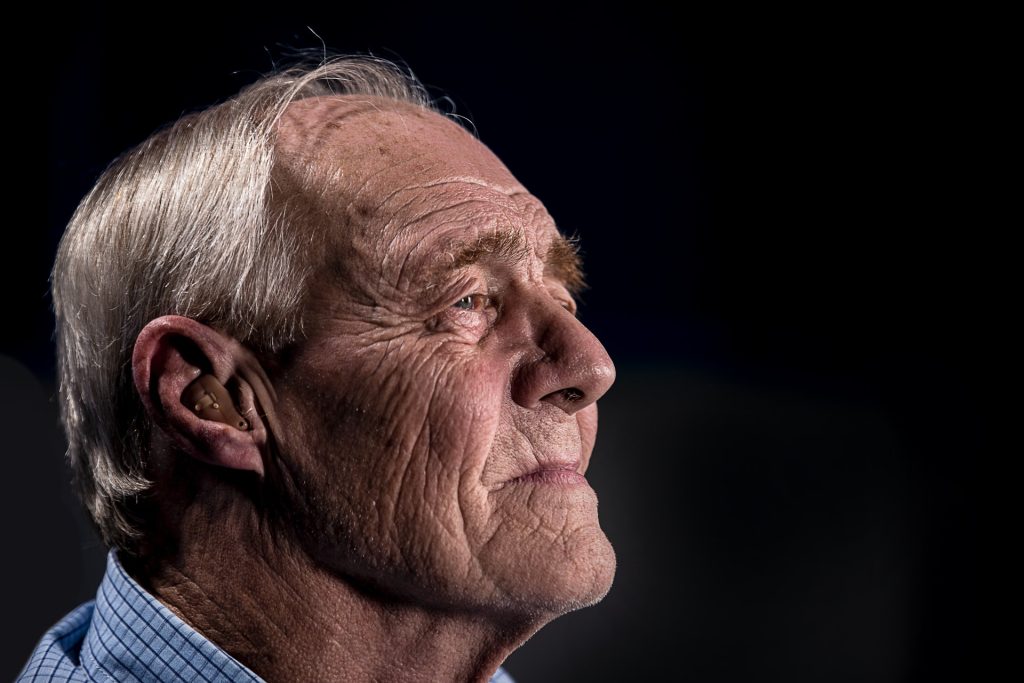
Old man
Source: JD Mason on Unsplash

Adding to the growing body of evidence on sleep disturbances and cognitive impairment, new research published in the American Journal of Preventive Medicine, finds significant links between three measures of sleep disturbance and the risk for developing dementia over a 10-year period. Difficulties falling asleep were linked to higher risk, but not falling asleep again after waking.

The results associate sleep-initiation insomnia (trouble falling asleep within 30 min) and sleep medication use with higher dementia risk. An additional, surprising finding was that people who reported having sleep-maintenance insomnia (trouble falling back to sleep after waking) were less likely to develop dementia over the course of the study.

“We expected sleep-initiation insomnia and sleep medication usage to increase dementia risk, but we were surprised to find sleep-maintenance insomnia decreased dementia risk,” explained lead investigator Roger Wong, PhD, MPH, MSW, an Assistant Professor in the Department of Public Health and Preventive Medicine, SUNY Upstate Medical University. “The motivation behind this research was prompted on a personal level. My father has been experiencing chronic sleep disturbances since the COVID pandemic began, and I was concerned how this would affect his cognition in the future. After reading the existing literature, I was surprised to see mixed findings on the sleep-dementia relationship, so I decided to investigate this topic.”

This research is novel because it is the first to examine how long-term sleep disturbance measures are associated with dementia risk using a nationally representative US older adult sample. Previous research has associated REM sleep behavior, sleep deprivation (less than five hours of sleep), and the use of short-acting benzodiazepines with cognitive decline. Their results for sleep-maintenance insomnia support other recent studies using smaller, separate data samples.

This study used 10 annual waves (2011–2020) of prospective data from the National Health and Aging Trends Study (NHATS), a longitudinal panel study that surveys a nationally representative sample of Medicare beneficiaries aged 65 years and older within the USA. This study included only people who were dementia-free at baseline in 2011.

While the mechanism for decreased dementia risk among those with sleep-maintenance insomnia is still unknown, the investigators theorise that greater engagement in activities that preserve or increase cognitive reserve may thereby decrease dementia risk.

Recent evidence indicates there is a higher prevalence of sleep disturbances among older adults than among other age groups. This could be attributed to a variety of factors including anxiety about the COVID pandemic or warmer nights as a consequence of climate change.

“Older adults are losing sleep over a wide variety of concerns. More research is needed to better understand its causes and manifestations and limit the long-term consequences,” added Dr Wong. “Our findings highlight the importance of considering sleep disturbance history when assessing the dementia risk profile for older adults. Future research is needed to examine other sleep disturbance measures using a national longitudinal sample, whether these sleep-dementia findings hold true for specific dementia subtypes, and how certain sociodemographic characteristics may interact with sleep disturbances to influence dementia risk.”

Source: Elsevier

Sleeping with Weighted Blankets Increases Melatonin

Sleeping woman
Photo by Cottonbro on Pexels

A small study has shown that young adults sleeping using weighted blankets had increased levels of the hormone melatonin, which increases in response to darkness, and which some research suggests promotes sleep. The findings are published in the Journal of Sleep Research.

Weighted blankets have been suggested to ease insomnia in humans in previous research but underlying mechanisms are not fully understood. To address this, Uppsala University researchers recruited 26 young men and women to examine if the bedtime use of a weighted blanket increases the production of sleep-promoting and anti-stress hormones like melatonin and oxytocin. They also investigated whether the bedtime use of a weighted blanket (12% of participants’ body weight) reduced the activity of stress systems in the body. Saliva samples were collected from participants while they were covered with either a weighted or a light blanket to measure melatonin, oxytocin, cortisol, and sympathetic nervous system activity.

“Using a weighted blanket increased melatonin concentrations in saliva by about 30%. However, no differences in oxytocin, cortisol, and the activity of the sympathetic nervous system were observed between the weighted and light blanket conditions,” reported Elisa Meth, first author and PhD student.

“Our study may offer a mechanism explaining why weighted blankets may exert some therapeutic benefits, such as improved sleep. However, our findings rely on a small sample and investigated only the acute effects of a weighted blanket. Thus, larger trials are needed, including an investigation of whether the observed effects of a weighted blanket on melatonin are sustained over longer periods,” said senior author Christian Benedict, Associate Professor at Uppsala University.

Source: Uppsala University