Year: 2022

How Many Intervention Sessions to Prevent Cognitive Decline?

Image by Mar Lezhava on Unsplash

Physical activity, diet and cognitive stimulation are all known to be good interventions for the prevention of Alzheimer’s disease and dementia. Now an international team of researchers has determined that only about a dozen intervention sessions are all that were needed to observe an improvement in cognition.

Until now, the number of sessions or “doses” needed for optimal effect has been unknown. Published in Alzheimer’s & Dementia: The Journal of the Alzheimer’s Association, the study led by Université de Montréal psychology professor Sylvie Belleville showed that between 12 and 14 sessions were all that were needed to boost cognitive ability, though the gain observed levelled off with more sessions.

“In pharmacological studies, every effort is made to define an optimal treatment dose needed to observe the expected effects, “ said Prof Belleville,  a neuropsychologist and researcher at the research centre of the UdeM-affiliated Institut universitaire de gériatrie de Montréal. “This is rarely done in non-pharmacological studies, especially those on the prevention of cognitive decline, where little information is available to identify this dose.

“Defining an optimal number of treatment sessions is therefore crucial.,” she continued. “Indeed, proposing too few sessions will produce no noticeable improvement effects, but too many sessions is also undesirable as these interventions are costly. They are costly both for the individual who follows the treatments, in terms of time and involvement, and for the organisation offering these treatments.”

The study is based on a secondary analysis of data from the three-year Multidomain Alzheimer Preventive Trial (MAPT) and examined 749 participants who received a range of interventions aimed at preventing cognitive decline. These interventions included dietary advice, physical activity and cognitive stimulation.

In their research, Prof Belleville’s team noted that people’s individuality should be considered when determining the optimal treatment dose.

In their study, the researchers gauged the effects of the sessions in terms of each participant’s age, gender, education level, and cognitive and physical condition. The relationship between the “dose” each received and their cognitive improvement was then analysed.

The findings revealed an increase with dose followed by a plateau effect after 12 to 14 sessions. However, participants with lower levels of education or more risk factors for frailty did benefit from more sessions.

The researchers concluded that it’s important to pinpoint an optimal dose and to customise the treatment for each individual. Not only is “dosage” an important component of behavioural interventions, it can also provide valuable information in resource-constrained settings, helping public-health agencies develop effective prevention programs and offer guidance to older adults and clinicians.

Source: University of Montreal

SA Healthcare Bolstered With Vaccine Lab Investment and Loans

Photo by Louise Reed on Unsplash

Last week, South African healthcare received a double shot in the arm with the opening of a local vaccine manufacturing facility and the approval of a World Bank loan to bolster social safety nets and health systems.

On Wednesday, President Cyril Ramaphosa and health technology billionaire Dr Patrick Soon-Shiong officially opened a new vaccine manufacturing facility in Brackenfell, Western Cape.

The South African-born entrepreneur has been strongly supporting local healthcare, with R3 billion invested to help SA share vaccine technology with the rest of Africa. His company, ImmunityBio, is developing a T-cell based universal COVID vaccine, currently in Phase III trials in SA. The same adenovirus vector technology it uses is also being tested in cancer vaccines.

“It has been a dream of mine, since I left the country as a young physician, to bring state-of-the-art, 21st century medical care to SA and to enable the country to serve as a scientific hub for the continent,” Dr Shoon-Siong had previously said. The technology transfer will help “establish much-needed capacity and self-sufficiency.”

The hub will transfer technology, know-how and materials for DNA, RNA, adjuvant vaccine platforms and cell therapies to SA.

“There is no reason we couldn’t make 500 million doses a year,” said Dr Soon-Shiong, who is also a Wits alumnus. “Subject to the raw material being available.”

He said he wants to tap the country’s expertise on prevalent diseases such as HIV and cervical cancer. “There are fantastic scientists with deep knowledge about these diseases,” he said. “More so than in America because they see these patients every day.”

President Ramaphosa and Dr Soon-Shiong also launched the Coalition to Accelerate Africa’s Access to Advanced Healthcare, which aims to drive the development of innovative therapeutics and ensure the continent is prepared for future pandemics.

The coalition aims to manufacture a billion doses of the COVID vaccine by 2025 and to develop treatments for conditions including cancer, COVID, tuberculosis and HIV.

South Africa also received approval from the World Bank for a US$750 million COVID relief loan aimed at reducing the worst of the pandemic’s impact on the poor.

“The World Bank budget support is coming at a critical time for us and will contribute towards addressing the financing gap stemming from additional spending in response to the COVID crisis,” said Dondo Mogajane, Director General of the National Treasury. “It will assist in addressing the immediate challenge of financing critical health and social safety net programs whilst also continuing to develop our economic reform agenda to build back better.”

Meanwhile, Health Minister Dr Joe Phaahla warned that South Africa will likely enter a fifth wave when cold temperatures in May, though what COVID variants may drive it remain to be seen.

K-Wires for Wrist Fractures on Par with Cast

Photo by Cottonbro on Pexels


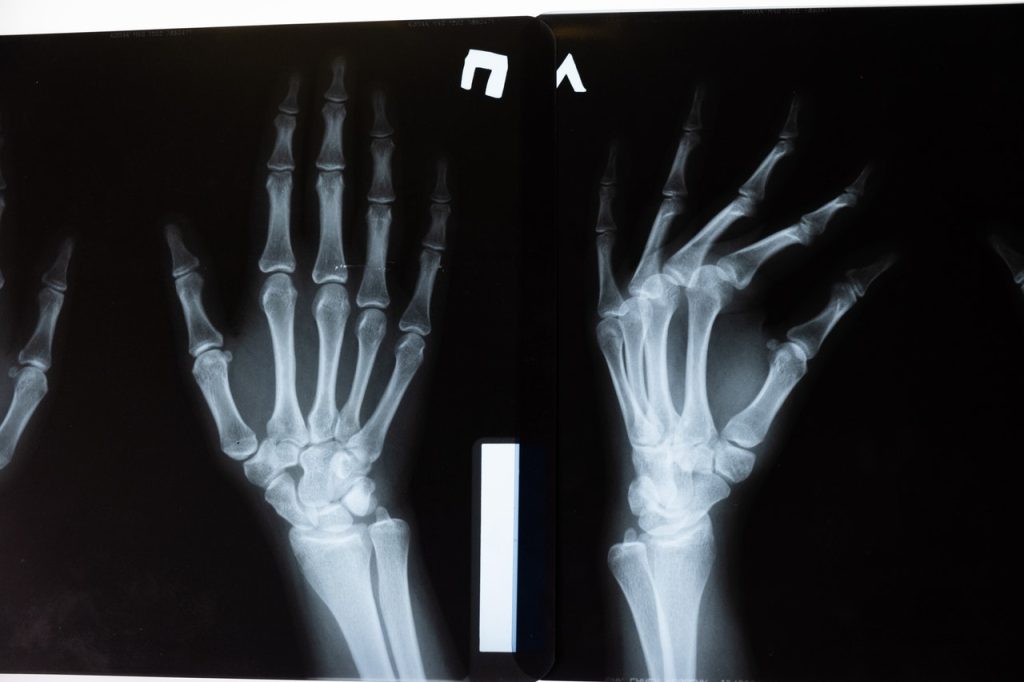
Using metal K-wires (aka ‘pins’) to hold broken wrist bones in place while they heal are no better than a traditional moulded plaster cast, finds a study published by The BMJ.

If the bone fragments in wrist fractures have displaced, they often require manipulation followed either by surgery to insert metal wires or plates, or a moulded cast as a non-surgical alternative, to hold the bones in place while they heal.

Surgery is expensive and carries risk for the patient, whereas a moulded plaster cast is cheaper but may not provide the same functional outcome.

To see which option is superior, researchers tracked the progress of 500 adults, average age of 60 and 83% female. with a displaced wrist fracture. Patients were randomly allocated to receive a cast (255) or surgical fixation with K-wires (245) after manipulation of their fracture. The primary outcome measure was the Patient Rated Wrist Evaluation (PRWE) score at 12 months, which included questions about pain, function and disability, and gave an overall score from 0 (best) to 100 (worst).

Secondary outcomes were PRWE score at three and six months, quality of life, and complications, including the need for later surgery.

Of the 79% of patients who completed the follow-up, no statistically significant difference was seen in the PRWE score at three, six or 12 months (average score 21.2 in the cast group compared with 20.7 in the K-wire group). Quality of life was similar.

However, one in eight patients with cast needed later surgery for loss of fracture position in the first six weeks after their injury compared with only one patient in the K-wire group.

Other complications were rare, with no evidence of a difference between the two groups (28 in the cast group compared with 22 in the K-wire group).

Limitations included the fact that neither the treating clinicians nor the participants could be blind to the interventions. Still, the researchers noted this was a large trial involving adults of all ages and the results are based on validated patient reported outcomes, reflecting the care provided across a healthcare system.

As such, they conclude: “Surgical fixation with K-wires did not provide better wrist function at 12 months compared with a moulded cast, indicating that a cast is an acceptable first line treatment following manipulation of a dorsally displaced fracture of the distal radius.”

They added: “Cast treatment avoids the expense and risks of surgical fixation for seven out of eight patients. However, careful follow-up is needed as one in eight patients treated with a cast required subsequent surgical intervention as the fracture reduction could not be maintained.”

Source: The BMJ

New Diabetes Management Device Combines Testing and Injection

Photo by Lisa Fotios from Pexels

By combining blood glucose measurement with insulin administration in a single device, the complicated process of blood sugar management could be made easier for people with diabetes.

Patients with diabetes often use two types of insulin to control their blood sugar levels: long-acting insulin, which helps control glucose levels over a 24-hour period, and short-acting insulin, which is injected at mealtimes. Patients first measure their blood glucose levels with a glucose meter with a finger prick. They must also estimate how many carbohydrates are in their meal and combine this information with their blood glucose levels to calculate and inject the proper insulin dose.

Existing technologies such as continuous blood glucose monitors and insulin pumps can help with some parts of this process. However, these devices are not widely available, so most patients must rely on finger pricks and syringes. To this end, MIT researchers have developed devices to simplify the process, which they describe in the Journal of Controlled Release.

“Every day, many patients need to do this complicated procedure at least three times,” explained MIT postdoc Hen-Wi Huang. “The main goal of this project is to try to facilitate all of these complex procedures and also to eliminate the requirement for multiple devices. We also used a smartphone camera and deep learning to create an app that identifies and quantifies food content, which can aid in carbohydrate counting.”

The researchers came up with two all-in-one devices, both of which incorporate the new smartphone app. Using a photo, the app estimates the volume of food and carbohydrate content.

The first device that consolidates many of the existing tools that patients use now, including a lancet for drawing blood and glucose test strips. The device conveys blood glucose information to the smartphone app via Bluetooth, and the app works out the correct insulin dose, delivered via a needle in the same device.

“What our device is doing is automating the procedures to prick the skin, collect the blood, calculate the glucose level, and do the computation and insulin injection,” Dr Huang says. “The patient no longer needs a separate lancing device, glucose meter, and insulin pen.”

Many of the components included in this device are already FDA-approved, but the device has not been tested in human patients yet. Tests in pigs showed that the system could accurately measure glucose levels and dispense insulin.

For their second device, the researchers wanted to come up with a system that would require just one needle prick. To achieve that, they designed a novel glucose sensor that could be incorporated into the same needle that is used for insulin injection.

The researchers designed a flexible electronic sensor that can be attached to the needle and measure glucose levels in the interstitial fluid, just below the surface of the skin. Once the needle penetrates the skin, it takes between five and 10 seconds to measure the glucose levels. This information is transmitted to the smartphone app, which calculates the insulin dose and delivers it through the inserted needle.

In tests in the pigs, the researchers showed that they could accurately measure glucose levels with this system, and that glucose levels dropped after insulin injection.

Because this device uses a novel type of glucose sensor, the researchers expect that it will require further development to get to a point where it could be tested in patients.

Source: MIT

Omicron Not ‘Mild’ for US, Experts Say

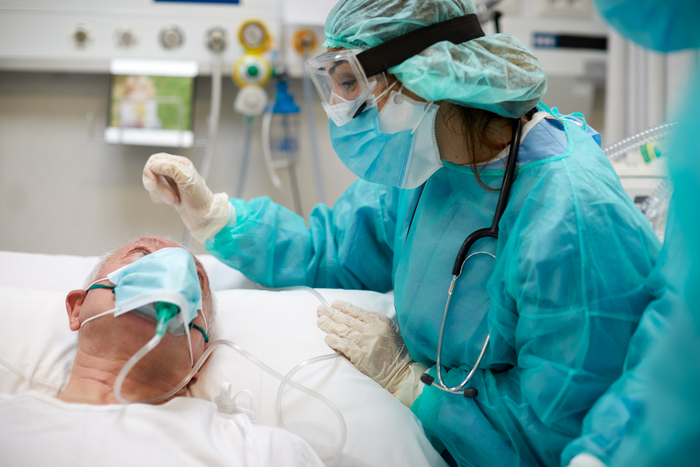
In stark contrast to South Africa’s approach to COVID and the country’s experts characterising Omicron as “mild”, US experts have said that calling it “mild” ignores the harsh situation their country faces: record hospitalisations, sick children, other conditions being worsened by COVID, and staff shortages.

While Omicron’s odds of causing a person’s hospitalisation or death are lower, US numbers suggest that Omicron is, in fact, serious on a population level.

“What’s mild about hospitals at or near the breaking point? What’s mild about hundreds of healthcare workers per hospital out ill with COVID? What’s mild about 1.3 million cases in the U.S. just yesterday? What’s mild about the rising titer of burnout? What’s mild about an unprecedented number of children now ill and hospitalised with COVID?” Clyde Yancy, MD, chief of cardiology at Northwestern University’s Feinberg School of Medicine in Chicago, wrote in an email to MedPage Today.

“I think prudence would suggest that we reframe ‘mild’ and think more about ‘self-limited,'” he added. “We are likely at or near a plateau but how long will it last and how much more agony awaits?”

Americans were hospitalised in record numbers last week. “When there are many more people sick in large numbers – in millions – even if it’s a smaller percentage that’s going to be severely sick, that is going to result in large numbers in the hospitals,” said Biykem Bozkurt, MD, PhD, a cardiologist at Baylor College of Medicine in Houston.

While Omicron is still a threat for those unvaccinated or without previous infection, its high breakthrough rate is a cause for concern, especially in vulnerable people.

“Individuals who have breakthroughs after being vaccinated, including the elderly who have comorbid heart disease, are now flooding our emergency departments with decompensated cardiovascular diagnoses and a positive coronavirus test,” said cardiologist Jim Januzzi, MD, of Massachusetts General Hospital and Harvard Medical School in Boston.

As well as buckling healthcare systems, vulnerable and overlooked populations are being affected by Omicron even more.

Paediatric hospitalisations in the US reached a new peak in mid-January, with 20% of the entire pandemic’s hospitalisations of children happening in just two weeks in January. Over 1000 children have died from COVID by the CDC’s numbers, including 359 under five.

Moreover, patients on immunosuppressive medications may be less protected by the vaccines. “The labelling of the Omicron infection as ‘mild’ overlooks the important features and the messaging to the public,” rheumatologist Vaidehi Chowdhary, MBBS, MD, DM, of Yale School of Medicine in New Haven, Connecticut, wrote in an email to MedPage Today.

“Some patients who are on strong immunosuppressive medications do not have adequate vaccine titers and remain vulnerable,” she said, pointing out that there’s a shortage of monoclonal antibodies and antivirals, which means that this group must take extra precautions to ensure they aren’t infected in the first place.

Omicron’s impact on those who are immunosuppressed or have long COVID is not yet known, Dr Chowdhary noted. “For immunosuppressed patients, to minimise infections, many in-person appointments have been converted to telehealth or elective procedures deferred. The impact of these practices and their impact on overall patient health are not known.”

People living with disabilities and chronic illnesses continue to be faced with worsened infections, delaying consultations and difficulty accessing healthcare.

Then there are those whose infection has exacerbated their condition, whatever it may be. Omicron could be the thing that tips them over the edge, or that keeps them in the hospital for longer, experts have said. Examples seen include patients with blood clots having those clots exacerbated by COVID, and COVID-positive trauma patients having complications and longer recovery times.

Healthcare workers falling ill due to Omicron has seriously stressed US healthcare, with staff shortages have been reported in almost 20% of the country’s hospitals, leaving their already overworked colleagues to work extra.

Dr Januzzi’s hospital has been “completely full, with a huge number of individuals with COVID. So, we’re really at a breaking point where staff are getting sick. Patients and physicians alike are exhausted … the hope would be that we can get through this time and get to the other side of this.”

Source: MedPage Today

New AIRD Therapies Could Cut Side-effects

Source: Pixabay

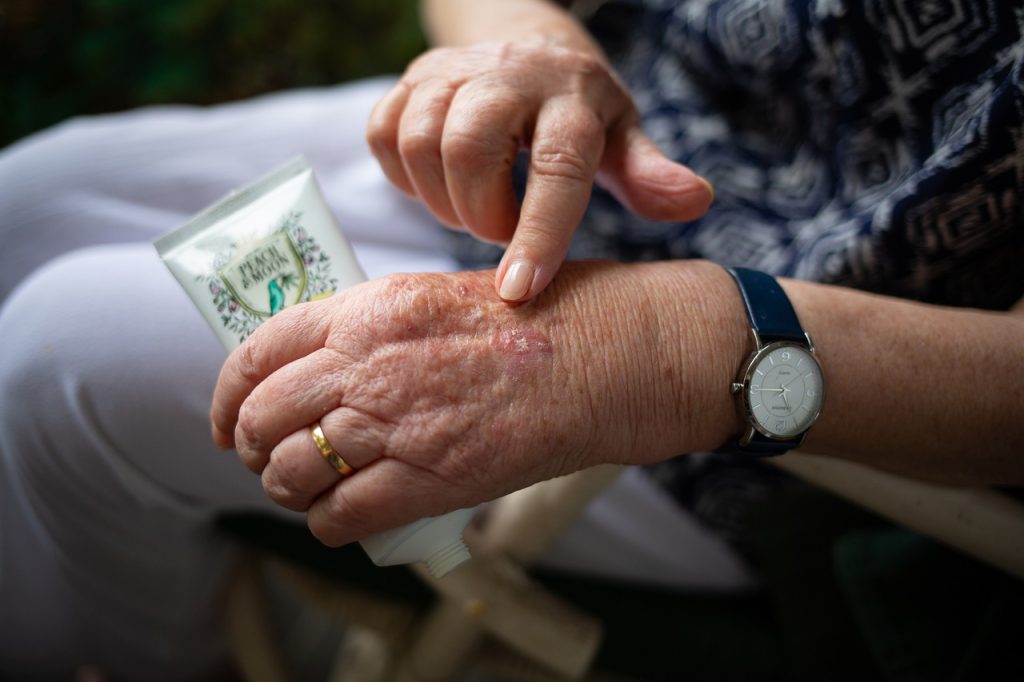
New therapies for autoimmune rheumatic diseases (AIRDs) that are designed to better regulate lipid metabolism could significantly reduce the harmful side-effects caused by conventional treatments, researchers found in a new large-scale review.

AIRDs include rheumatoid arthritis, lupus and Sjögren’s syndrome – conditions which affect millions and all with high rates of morbidity. The pathogenesis of autoimmune conditions is still ill-defined and delivering targeted therapeutic strategies is challenging.

As a result, current treatments for AIRDs are primarily designed to suppress the symptoms (inflammation), but are ‘low target’, ie may also have unintended side-effects. In this regard, AIRDs drugs often cause changes to cell metabolism (such as lipid metabolism) and function, putting patients at greater risk of co-morbidities such as cardiovascular disease (CVD).

Lead author Dr George Robinson (Centre for Rheumatology Research, UCL Division of Medicine) said: “While the mechanisms that cause rheumatic diseases are ill-defined, some recent research indicates cell metabolism may play an important role in triggering or worsening their onset or affect.

“In this review we therefore sought to understand the effect of both conventional and emerging therapies on lipid metabolism in patients with AIRDs.”

For the study, published in the Journal of Clinical Investigation, researchers reviewed more than 200 studies to assess and interpret what is known regarding the on-target/off-target adverse effects and mechanisms of action of current AIRD therapies on lipid metabolism, immune cell function and CVD risk.

Explaining the findings, Dr Robinson said: “Our review found that current AIRD therapies can both improve or worsen lipid metabolism, and either of these changes could cause inflammation and increased CVD risk.

“Many conventional drugs also require cell metabolism for their conversion into therapeutically beneficial products; however drug metabolism often involves the additional formation of toxic by-products, and rates of drug metabolism can be different between patients.”

The review noted that optimal combinations of immunosuppressive treatments to better control inflammation could lead to an improved metabolic/lipid profile in AIRDs.

However, many studies also showed that lipid lowering drugs such as statins do not sufficiently lower CVD risk in some AIRDs, possibly because they cannot completely restore the anti-inflammatory properties

Dr Robinson added: “The unfavourable off-target adverse effects of current therapies used to treat AIRDs provides an opportunity for optimal combination co-therapies targeting lipid metabolism that could reduce immune complications and potential increased CVD risk in patients.

“New therapeutic technologies and research have also highlighted alternative metabolic pathways that can be more specifically targeted to reduce inflammation but also to prevent undesirable off-target metabolic consequences of conventional anti-inflammatory therapies.”

Source: University College London

Study Uncovers Mechanism Behind Visual Impairment in Traumatic Brain Injury

A healthy neuron.
A healthy neuron. Credit: NIH

Traumatic brain injury can lead to long-term visual impairment, which researchers have found is caused by a dramatic drop in the number of neurons in the visual cortex. Their findings were published in Communications Biology.

Traumatic brain injury (TBI) is associated with mechanical brain damage and a wide range of neuronal abnormalities.  Injuries to the posterior occipital cortex are common in humans, and can result in visual impairment. Up to 75% of current or former soldiers live with permanent visual dysfunction or cortical blindness. 

The human brain possesses surprising neuroplasticity, which allows other areas of the brain to take over the functions of a damaged area.

Such neuroplasticity is also characteristic of the sensory areas of the visual cortex, which is final component of the visual pathway, responsible for receiving and processing visual impressions. The primary visual cortex (V1) is reached by the nerve fibres of the optic radiation, which carry nerve impulses from the retinas of both eyes.

Until now, scientists knew little about the effects of TBI on long-term visual circuit function. Using mice, a team of researchers examined how neurons respond to visual stimuli two weeks and three months after mild injury to the primary visual cortex (V1). V1 neurons normally show sensitivity to different features of a visual stimulus, such as colour or direction of movement. The preprocessed data is transmitted to subsequent areas of the visual cortex. This study showed that although the primary visual cortex remained largely intact after the brain injury, there was a 35% reduction in the number of neurons. This loss largely affected inhibitory neurons rather than excitatory neurons, which inhibit or stimulate action in the target cells, respectively.

After TBI, fewer than half of the isolated neurons were sensitive to visual stimuli (32% at two weeks after injury; 49% at three months after the event), compared with 90% of V1 cells in the control group. Up to a threefold decrease in neuronal activity was seen after the brain injury, and the cells themselves had worse spatial orientation. The overall results mean that even minor, superficial brain injuries cause long-term impairment in the way visual stimuli are perceived, persisting several months after the event.

Such a deeper understanding of the functional impairments in damaged visual cortex could provide a basis for developing circuit-level therapies for visual cortex damage.

Source: Institute of Physical Chemistry of the Polish Academy of Sciences

Simple COPD Screening Could Benefit Millions

Photo by Mockup Graphics on Unsplash

The global burden of Chronic Obstructive Pulmonary Disease (COPD) could be significantly reduced with a simple health assessment available in low- and middle-income countries (LMICs), according to a large-scale international study.

The greatest burden on COPD is in LMICs, which account for around 90% of COPD related deaths. 

In high-income countries, COPD is typically caused by tobacco smoking and is diagnosed using a spirometer, the straightforward ‘gold standard’ diagnosis, and symptoms can be effectively treated.

However, in LMICs the primary cause of COPD is more varied and includes household air pollution in the form of biomass smoke for cooking and heating; other causes include impaired lung growth, chronic asthma and post-tuberculosis lung damage. Spirometry is often unavailable in LMICs. These reasons, combined with a shortage of clinicians, means COPD is commonly undiagnosed in LMICs.

In the new study, published in JAMA, researchers found that people with a high risk of COPD could be identified in 7 to 8 minutes using either a questionnaire on its own or a questionnaire combined with a Peak Expiratory Flow (PEF) assessment.

Explaining the study, lead researcher Professor John Hurst said: “Chronic Obstructive Pulmonary Disease is one of the world’s major public health issues, causing both individual and economic harm: there is a clear and pressing need to find better ways to identify people early, in all manner of settings.

“Screening tools for COPD have been shown to have reasonable diagnostic accuracy in high-income countries, but due to better population health and treatment in these settings, this has tended to identify milder disease, not requiring much intervention.

“Up until now the performance of these screening tools has not been adequately studied in LMICs; we aimed to test both the diagnostic accuracy and feasibility of simple screening tools.”

Researchers assessed three COPD screening tools (a combination of PEF and/or questionnaires) on populations in three distinct settings: semiurban Bhaktapur, Nepal, urban Lima, Peru and rural Nakaseke, Uganda.

To establish diagnostic accuracy of the tools, all participants were also given a spirometry test.    

In total 10709 adults aged 40 years or older from the three communities took part.

Study findings:

  • Prevalence of COPD varied by site, from 3% in Lima (Peru) to 7% in Nakaseke (Uganda) and 18% in Bhaktapur (Nepal).
  • 49% of COPD cases were clinically significant as defined by symptoms and or exacerbation burden, and 16% had severe or very-severe disease measured on spirometry. 95% of cases were previously undiagnosed.
  • The screening instruments performed similarly within each population setting and were feasible to deliver using trained research staff, taking an average of 7 to 8 minutes.

Commenting Professor Hurst said: “Our findings support the accuracy and feasibility of using simple screening tools to identify people affected by COPD living in diverse low- and middle-income settings.

“It is alarming that a high percentage of screen-identified COPD cases were clinically important, had severe or very severe changes in lung function, and that most were unaware of their diagnosis despite the high prevalence of symptoms and lower quality of life.

“In addition, only a minority of people had a history of smoking, further highlighting the poor conditions, exacerbated by biomass smoke, that people in low- and middle-income countries are living.”

Professor Hurst added: “Action is needed: the global health community has neglected the burden of chronic respiratory diseases for too long.  It is now time for people with chronic respiratory diseases such as COPD to be promptly identified, informed about their condition and treated – wherever they live in the world.”

Researchers say more work is needed to assess whether COPD screening can be implemented in routine LMIC healthcare settings; if screening for COPD is of benefit to those testing positive, and it is cost-effective, for a given population, to implement COPD screening in LMIC settings.  

Source: University College London

AMR Caused Over 1.2 Million Deaths Globally in 2019

Methicillin-resistant Staphylococcus aureus (MRSA) bacteria. Credit: CDC

Globally, infections by antimicrobial-resistant (AMR) bacteria caused more than 1.2 million deaths worldwide in 2019, according to a study published in The Lancet. It is the largest and most comprehensive one to date of this critical issue.

Lower-income countries are worst affected but antimicrobial resistance remains a global threat, the researchers wrote.

The researchers emphasised that investment in new drugs is urgently needed, as well as vaccination and better antimicrobial stewardship.

The estimate of global deaths from AMR, is based on the researchers’ analysis of 204 countries, assuming the counterfactual that the bacteria responsible would be antibiotic-susceptible.

Of the 4.95 million deaths in which AMR played a role, 1.27 million were directly attributable to it. In 2019, 860 000 deaths were estimated from HIV and 640 000 from malaria.

Most of the AMR-related deaths resulted from lower respiratory infections, such as pneumonia, and bloodstream infections, which can lead to sepsis.

Deaths from AMR were estimated to be highest in sub-Saharan Africa at 23.7 deaths per 100 000, and lowest in North Africa and the Middle East at 11.2 per 100 000. Young children are at most risk, with about one in five deaths linked to AMR being among the under-fives.

The researchers also noted that “resistance is high for multiple classes of essential agents, including beta-lactams and fluoroquinolones.”

MRSA (methicillin-resistant Staphylococcus aureus) was particularly deadly, while E. coli, K. pneumoniae, S. pneumoniae, A. baumannii, and P. aeruginosa were associated with high levels of resistance. The researchers wrote that “each of these leading pathogens is a major global health threat that warrants more attention, funding, capacity building, research and development, and pathogen-specific priority setting from the broader global health community.”

They also recommend that immunity to these pathogens be built up by vaccination, and since currently only S. pneumoniae has a vaccine readily available, these will need to be developed and deployed as a matter of urgency. They noted several limitations to their study, the first being the sparsity of data drawn from low- and middle-income countries, which may in fact lead to an underestimate of the prevalence of AMR. Secondly, there is the possibility of multiple sources of bias inherent in combining datasets from different providers. Finally, there may be bias in surveillance, eg if cultures are drawn only if a patient is unresponsive to antibiotics, leading to an overestimate.

Source: The Lancet

Little COVID Viral Contamination Risk in Hospital Rooms

Source: Martha Dominguez de Gouveia on Unsplash

A study found that hospital rooms where COVID patients were treated had little to no active virus contaminations on surfaces. The finding, published in Clinical Infectious Diseases, concluded that contaminated surfaces in the hospital environment are unlikely to be a source of indirect transmission of the virus, contrary to earlier views.

“Early on in the pandemic, there were studies that found that SARS-CoV-2 could be detected on surfaces for many days,” said the study’s senior author, Professor Deverick Anderson. “But this doesn’t mean the virus is viable. We found there is almost no live, infectious virus on the surfaces we tested.”

The researchers tested a variety of surfaces in the hospital rooms of 20 COVID patients at Duke University Hospital over several days of hospitalisation, including on days 1, 3, 6, 10 and 14.

Samples were collected from the patients’ bedrail, sink, medical prep area, room computer and exit door handle. A final sample was collected at the nursing station computer outside the patient room.

PCR testing found that 19 of 347 samples gathered were positive for the virus, including nine from bedrails, four from sinks, four from room computers, one from the medical prep area and one from the exit door handle. All nursing station computer samples were negative.

Of the 19 positive samples, most (16) were from the first or third day of hospitalisation.

All 19 positive samples were screened for infectious virus via cell culture with only one sample, obtained on day three from the bedrails of a symptomatic patient with diarrhoea and a fever, demonstrating the potential to be infectious.

“While hospital rooms are routinely cleaned, we know that there is no such thing as a sterile environment,” Prof Anderson said. “The question is whether small amounts of viral particles detected on surfaces are capable of causing infections. Our study shows that this is not a high-risk mode of transmission.”

Prof Anderson said the findings reinforce the understanding that SARS-CoV-2 primarily spreads through person-to-person encounters via respiratory droplets in the air. He noted that people should concentrate on known anti-infection strategies such as masking and socially distancing to mitigate exposures to airborne particles.

Source: Duke University