Year: 2022

Nanoparticle and Antibiotic Polytherapy Defeats AMR Bacteria
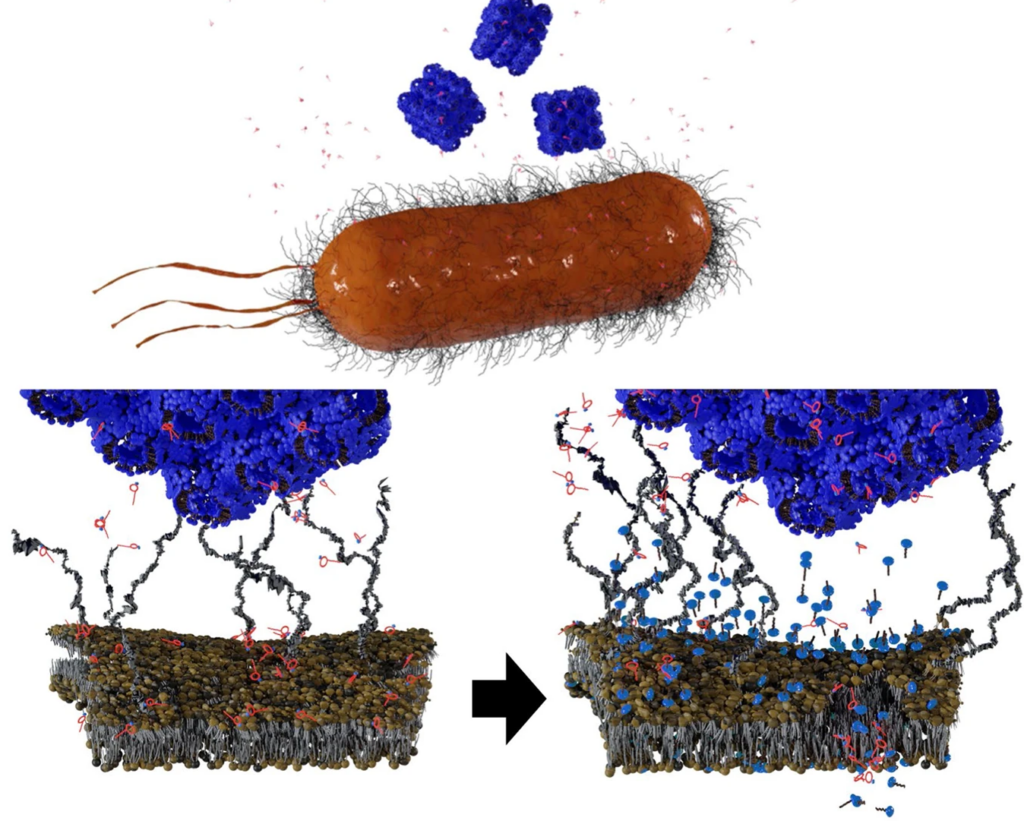
Polytherapy with PMB and cubosomes result in interactions with the bacterial OM in two consecutive ways: PMB initially interacts with the outer leaflet of OM via electrostatic interactions, leading to destabilised areas. Cubosomes then contact with the bilayer, causing further membrane perturbations via a lipid-exchange process. Credit: Monash University/Lai et al.

Researchers from Monash University have discovered a potential new method to circumvent antibiotic resistance, by means of a nanoparticle and antibiotic polytherapy. This approach could also reduce antibiotic intake.

The World Health Organisation (WHO) has declared antimicrobial resistance (AMR) to be among the top 10 global public health threats. A recent report found that in 2019, 1.27 million deaths were directly attributable to AMR infections – more than deaths from either HIV or TB.

AMR occurs when pathogens evolve to no longer respond to medicines, consequently infections become increasingly difficult or impossible to treat.

The study, which appears in Nature Communications, has found that the use of nanoparticles in combination with other antibiotics, is an effective strategy to improve bacterial killing.

For Gram-negative bacteria, polymyxins have been used as drugs of last resort as they disrupt the bacterial outer membrane (OM), causing it to become more permeable, causing cell contents to leak out and kill the bacteria.

The strategy involves administering polymyxin B (PMB) alongside cube-shaped nanoparticles called cubosomes. The PMB disrupted the OM first, but not enough to kill the cell. When the accompanying cubosome bound to the OM, disrupting it further, successfully killing the cell. Interestingly, loading PMB into the cubosomes as a carrier had little effect; in fact, the cubosome strengthened the OM.

“This is a stunning finding in how we deliver medicine and how the medicine we take impacts us in the future,” said lead researcher Dr Hsin-Hui Shen. 

This approach also means that lower dosages of antibiotics could be used. “Instead of looking for new antibiotics to counteract superbugs, we can use the nanotechnology approach to reduce the dose of antibiotic intake, effectively killing multidrug-resistant organisms.”

It has been 30 years since the discovery of the last new antibiotic, and in coming years, the growing crisis of antibiotics resistance will result in increased mortality from basic infections because they have developed antimicrobial resistance.

Without effective antimicrobials, the WHO warns that the success of modern medicine in treating infections, including during major surgery and cancer chemotherapy, would be at increased risk.

While nanoparticles had been used for a long time before as antimicrobial carriers,  “but the use of nanoparticles in polytherapy treatments with antibiotics in order to overcome antimicrobial resistance has been overlooked,” explained Dr Shen. “The use of nanoparticles-antibiotics combination therapy could reduce the dose intake in the human body and overcome the multidrug resistance.”

Research will now progress to the testing phase.

Source: Monash University

Many Youths with Substance Use Disorder Also Have Autism Traits

Source: Andrew Neel on Unsplash

One in five teens and young adults seeking treatment for substance use may have traits characteristic of a previously unrecognised autism spectrum disorder (ASD), according to a study by researchers at Massachusetts General Hospital (MGH).

The study, published in The American Journal on Addictions, found that among patients with an average age of 18.7 years being treated in an outpatient substance use disorder (SUD) clinic, 20% had elevated scores on the Social Responsiveness Scale-2 (SRS-2), a parent- or teacher-reported measure that has been shown to reliably identify the presence and severity of social impairment among individuals along the autism spectrum, and to distinguish autism from other disorders.

Lead author James McKowen, PhD, said this is the first study examining the prevalence of autistic traits among young people with SUD.

“Usually studies of substance use disorder in autism are done in those with an autism diagnosis already,” he said. “We have looked at this question from the other side, asking how many people with substance use disorder have autism.”

The researchers asked parents of 69 youths reporting for the first time to a specialty outpatient psychiatric SUD clinic to fill out the SRS-2 form. The form is designed to measure an individual’s social awareness, cognition, communication and motivation, and restricted interests and repetitive behaviours.

Though few differences were found between those with elevated autistic trait scores and those with lower, non-autistic scores in terms of demographic or psychiatric factors, adolescents with higher SRS-2 scores had a nearly eightfold higher likelihood of stimulant use disorder, and a fivefold higher risk for opioid use disorder.

According to the researchers, the findings highlight the importance of assessing patients in a SUD treatment setting for autistic traits.

“For clinicians, the big takeaway point from this study is that we need to get better at screening and certainly training in the presence of autism spectrum disorder,” said Dr McKown. Clinicians treat the SUD “but don’t have specialty developmental training, particularly for issues around autism.”

The researchers are developing a free clinical therapy protocol that can help clinicians better address the issues of autistic traits in patients with SUD.

Source: Massachusetts General Hospital

Coffee Consumption Lowers Endometrial Cancer Risk

Photo by Mike Kenneally on Unsplash

Higher coffee consumption is linked with a lower risk of endometrial cancer, according to a new analysis which appears in the Journal of Obstetrics and Gynaecology Research. In addition, there was evidence that caffeinated coffee may provide better protection than decaffeinated coffee.

Risk factors for endometrial cancer include long-term exposure to excess oestrogen, obesity, nulliparity, diabetes mellitus, and hypertension, whereas protective factors include physical activity, aspirin intake, and certain dietary habits.

The analysis, which included 24 studies on coffee intake (12 case–control and 12 cohort studies), had 9833 new cases of endometrial cancer occurring in 699 234 individuals.

People in the highest category of coffee intake had a 29% lower relative risk of developing endometrial cancer than those in the lowest category. Additionally, women with a higher BMI or who smoked saw a greater benefit in risk reduction, though they still had a higher risk overall.

The authors of the analysis highlight several mechanisms that have been associated with the potential anti-cancer effects of coffee:

“Coffee contains many bioactive components, such as phenolic compounds. These polyphenols can increase the homocysteine concentrations in the plasma and inhibit DNA methylation in a dose-dependent manner, which prevents the downregulation of tumour suppressor proteins and DNA repair enzymes involved in carcinogenesis.”

They conclude that more studies with larger sample sizes are needed to better understand the effects of subgroups such as smoking status, as well as the benefits of coffee consumption in relation to endometrial cancer.

Source: Wiley

Existing COVID Vaccines Trigger Lasting T Cell Response

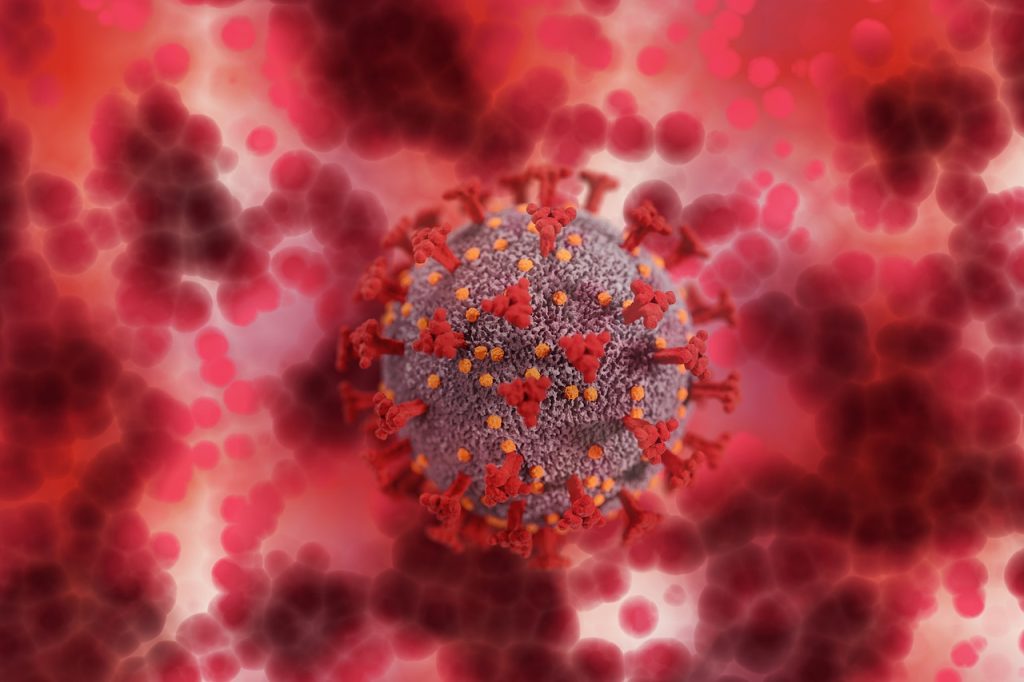
Image from Pixabay

Scientists have found that four COVID vaccines (Pfizer-BioNTech, Moderna, J&J/Janssen, and Novavax) prompt the body to make effective, long-lasting T cells against SARS-CoV-2. These T cells can recognise SARS-CoV-2 Variants of Concern, including Delta and Omicron.

The new study, published in Cell, showed that the vast majority of T cell responses are also still effective against Omicron, reducing the odds of illness for up to six months, regardless of vaccine.

These data come from adults who were fully vaccinated, but not yet boosted. The researchers are now investigating T cell responses in boosted individuals and people who have experienced “breakthrough” COVID cases.

The study also shows that fully vaccinated people have fewer memory B cells and neutralising antibodies against the Omicron variant. This finding is in line with initial reports of waning immunity from laboratories around the world.

Without enough neutralising antibodies, Omicron is more likely to cause a breakthrough infection, and fewer memory B cells means a slower production of more neutralising antibodies.

Co-first author Camila Coelho, PhD, said: “Our study revealed that the 15 mutations present in Omicron RBD can considerably reduce the binding capacity of memory B cells.”

Neutralising antibodies and memory B cells are only two arms of the body’s adaptive immune response. , T cells do not prevent infection, rather they patrol the body and destroy cells that are already infected, which prevents a virus from multiplying and causing severe disease.

The team believes the “second line of defence” from T cells helps explain Omicron’s reduced severity in vaccinated people. The variant also appears to infect different tissues.

To know whether the vaccine-induced T cells they detected in their study were actually effective against variants such as Delta and Omicron, the scientists took a close look at how the T cells responded to different viral “epitopes.”

Every virus is made up of proteins that form a certain shape or architecture. A viral epitope is a specific landmark on this architecture that T cells have been trained to recognise. Current COVID vaccines were designed to teach the immune system to recognise specific epitopes on the initial variant of SARS-CoV-2, specifically targeting the Spike protein which the virus uses to access human cells. As the virus has mutated, its architecture has changed, and the concern is that immune cells will no longer recognise their targets.

The new study shows that while the architecture of Omicron is different enough to evade some neutralising antibodies and memory B cells, memory T cells still do a good job of recognising their targets, even on the highly mutated Omicron variant. Overall, at least 83 percent of the CD4+ (helper) T cell responses and 85 percent of the CD8+ T cell responses stayed the same, no matter the vaccine or the variant.

The memory B cells that do bind Omicron are likely to also contribute to protection against severe disease, forming multiple lines of defence. 

Researchers are now focusing on measuring T cells, B cells and antibody responses after COVID booster shots, and also characterising immune responses after a breakthrough infection.

Source: La Jolla Institute

Two Key Proteins with a Major Role in Ageing

Image by Mar Lezhava on Unsplash

In the largest genetic study of ageing to date, two key proteins have been identified that play a significant role in the ageing process. Developing drugs that target these proteins could be one way of slowing down ageing.

Genetics, lifestyle, environment and chance influence ageing. The study sheds light on the part proteins play in this process. Some people have higher or lower levels of certain proteins according to their individual DNA, which in turn affect a person’s health.

In a study published in Nature Aging, researchers from the University of Edinburgh combined the results of six large genetic studies into human ageing – each containing genetic information on hundreds of thousands of people.

Among 857 proteins studied, researchers identified two that had significant negative effects across various ageing measures.

People who inherited DNA that causes raised levels of these proteins were frailer, had poorer self-rated health and were less likely to live an exceptionally long life than those who did not.

The first protein, apolipoprotein(a) (LPA), is made in the liver and thought to play a role in clotting. High levels of LPA can increase the risk of atherosclerosis – a condition in which arteries become clogged with fatty substances. Heart disease and stroke is a possible outcome.

The second protein, vascular cell adhesion molecule 1 (VCAM1), is primarily found on the surfaces of endothelial cells lining blood vessels. The protein controls the vessels’ expansion and retraction – and have a function in blood clotting and the immune response.

Levels of VCAM1 increase in response to signals indicating an infection, and the protein then allows immune cells to cross the endothelial layer.

The researchers say that drugs used to treat diseases by reducing levels of LPA and VCAM1 could have the added benefit of improving quality and length of life.  

One such example is a clinical trial that is testing a drug to lower LPA as a way of reducing the risk of heart disease. No clinical trials with VCAM1 are underway, but studies in mice have shown how antibodies lowering this protein’s level improved cognition during old age.

The identification of these two key proteins could help extend the healthy years of life. Drugs that reduce these protein levels in the blood could allow the average person to live as healthy and as long as individuals who have won the genetic lottery and are born with genetically low LPA and VCAM1 levels.

Source: University of Edinburgh

Muscles may Stay Younger at an Epigenetic Level through Exercise

Photo by Kanasi on Unsplash

While the benefits of exercise in ageing have been well established, such as lowering risk of cardiovascular disease, a new study that used mice demonstrated that exercise in aged individuals could help muscles stay younger at an epigenetic level.

Despite generating a wealth of data, the study, which was published in Aging Cell, made use of a relatively straightforward experiment. Lab mice nearing the end of their natural lifespan, at 22 months, were allowed access to a weighted exercise wheel. Mice generally run voluntarily, without any coercion. Older mice will run anywhere from six to eight kilometres a day, mostly in spurts, while younger mice may run up to 10 to 12 kilometres. The weighted wheel ensured they built muscle. While there isn’t a direct analogue to most human exercise routines, first author Kevin Murach, assistant professor at the University of Arkansas, likened it to “a soldier carrying a heavy backpack many miles.”

When the mice were examined after two months of progressive weighted wheel running, it was determined that they were the epigenetic age of mice eight weeks younger than sedentary mice of the same age – 24 months. Murach noted that while the specific strain of mice and their housing conditions can impact lifespans, “historically, they start dropping off after 24 months at a significant rate.” Needless to say, when your lifespan is measured in months, an extra eight weeks – roughly 10 percent of that lifespan – is a noteworthy gain.

The science behind this hinges largely on DNA methylation, where methyl groups attach to DNA, altering their function. As the body ages, there tends to be increased DNA methylation, or even hypermethylation, at promoter sites on genes in muscle. “DNA methylation changes in a lifespan tend to happen in a somewhat systematic fashion,” Murach explained, “to the point you can look at someone’s DNA from a given tissue sample and with a fair degree of accuracy predict their chronological age.” Due to this, researchers can use one of a number of “methylation clocks” to determine the age of a DNA sample.

While the paper strengthens the case for exercise, much work remains to be done. Though there is a clear connection between methylation and ageing, the relationship between methylation and muscle function is less clear. Murach is not yet prepared to say that the reversal of methylation with exercise causes improved muscle health. “That’s not what the study was set up to do,” he explained. However, he intends to pursue future studies to determine if “changes in methylation result in altered muscle function.”

Source: University of Arkansas

A New Method to Block Listeria Infections

Photo by Drew Hays on Unsplash

University of Queensland researchers have unlocked a way of fighting Listeria infections, which can cause severe and potentially illness in pregnant women and immunocompromised individuals.

Listeria infection does not cause disease in most people, but can be deadly for the immunocompromised and is also a major health concern during pregnancy and can lead to miscarriage, stillbirth and premature birth.

From 2017 to 2018, South Africa suffered the world’s largest listeriosis outbreak, in which there were 216 deaths out of 1060 recorded cases.

During the study, published in the journal PLOS Pathogensresearchers discovered a way to block Listeria from making the proteins that allow bacteria to survive and multiply in immune cells. University of Queensland’s Professor Antje Blumenthal said using a small, drug-like inhibitor has improved their understanding of Listeria’s weak spot.

Listeria is found in the soil and sometimes in raw foods. Once ingested it can hide from the immune system and multiply inside immune cells,” Prof Blumenthal said.

“Instead of killing the bacteria, the immune cells are used by the bacteria to multiply and are often killed by Listeria growing inside them.

“Our study showed the bacteria could be cleared with a small drug-like inhibitor that targets the ‘master regulator’ of the proteins that help Listeria grow in immune cells. The inhibitor helped the immune cells survive infection and kill the bacteria.”

Previously, studies into Listeria’s ‘master regulator’, which controls critical proteins that make the bacteria virulent, have mostly been based on engineered bacteria, or mutated versions of these proteins.

“By using a drug-like inhibitor, we were able to use molecular imaging and infections studies to better understand what happens to Listeria when the bacteria cannot effectively grow inside immune cells and hide from immune defence mechanisms,” Prof Blumenthal said.

“We hope that our discovery, together with recent research into the master proteins’ molecular structure and functions, could guide the development of inhibitors and new drugs to treat Listeria infection.”

“Our findings could also inform design of inhibitors against related proteins that are found in different bacteria,” Prof Blumenthal said.

Source: University of Queensland

Simple Dietary Supplement in Type 1 Diabetes Calms Immune System

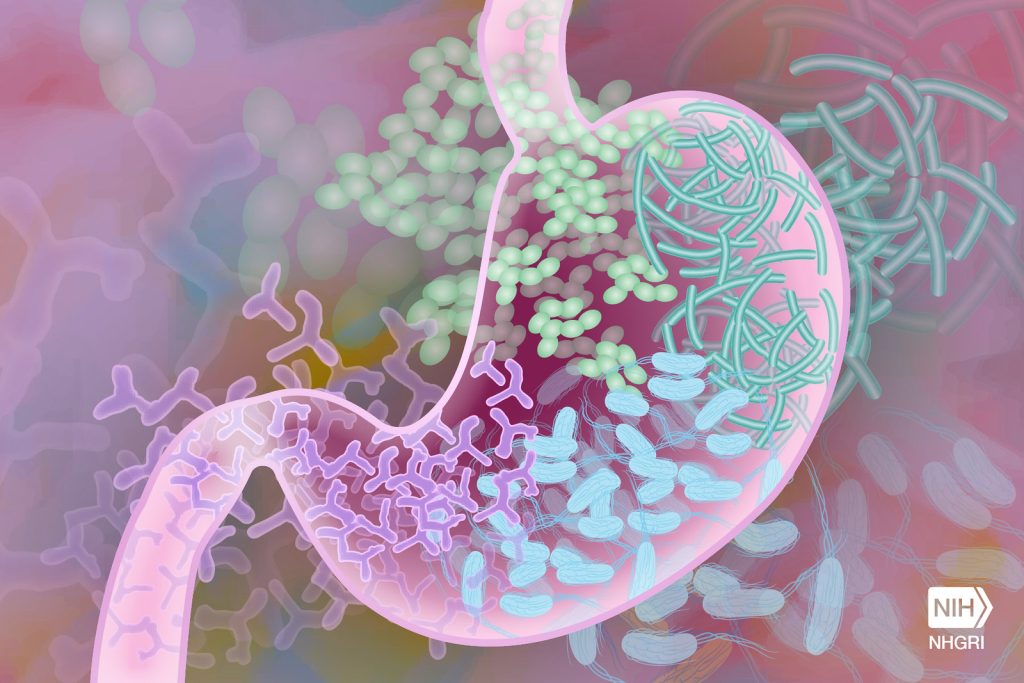
Gut microbiome. Credit: Darryl Leja, NIH

A clinical trial performed by Australian scientists showed that a simple dietary supplement that targeted gut microbiota could improve gut health and strengthen the immune system in individuals with type 1 diabetes.

The supplement is a type 2–resistant starch consisting of a high-amylose (70%) maize starch that has been modified by bonding the acetate and butyrate. The supplement is resistant to digestion in the upper gastrointestinal tract and delivers a very high yield of short-chain fatty acids (SCFAs) in the colon. This makes it a useful tool to measure the effect of SCFAs on intestinal biology.

According to senior author and lead investigator Dr Eliana Marino, the study tested 21 adults with type 1 diabetes who incorporated the supplement into their daily diet for six weeks. Increased production of metabolites by the gut microbiota was observed, specifically SCFAs. This has an important role in preventing type 1 diabetes.

“People with 1 diabetes have shown altered gut microbiota and reduced production of short-chain fatty acids in stools and blood. We previously have demonstrated that the supplement used in this human study protected mice from diabetes,” said Dr Marino.

Published in Microbiome, the clinical trial showed that participants’ blood immune cells developed a more regulatory phenotype post-intervention.

“We were very excited to find that blood immune cells had become more regulated. Because type 1 diabetes is caused when the immune system becomes too activated and attacks the insulin-producing cells in the pancreas,” said co-lead researcher Associate Professor Hamilton-Williams.

“Type 1 diabetes is a lifelong autoimmune disease that is on the rise with no cure. Individuals living with type 1 diabetes depend on insulin treatment. As a consequence, they can develop late life-threatening inflammatory complications, such as kidney failure, neurological and cardiovascular diseases,” said co-lead researcher Associate Professor Sonia Saad

“While glucose control and insulin requirements didn’t change overall, the participants with the highest short-chain fatty acid concentrations showed the best glucose control after the supplementation,” said co-lead researcher Dr Kirstine Bell.

“Using this supplement for longer and starting it earlier in the disease could potentially stop the immune attack, preserving insulin-producing cells and improving glucose regulation,” said Dr Marino.

“This dietary supplementation represents a safe and accessible alternative therapy for many children with type 1 diabetes or other autoimmune diseases. Also, it could decrease the risk of subsequent inflammatory complications such as cardiovascular disease as clinical trials are underway,” said Dr Marino.

Source: Monash University

A New Test to Diagnose Dizziness without Deafening

Source: Miika Luotio on Unsplash

Swedish researchers have developed a new way to diagnose dizziness problems in a simpler and less painful way than the old method. A bone conduction speaker, easily attached behind the ear, can make the diagnosis more efficient and safer – especially for patients with pre-existing hearing problems.

For patients with dizziness, the relationship of dizziness and hearing is used for diagnosis. Typically, a ‘VEMP’ test (Vestibular Evoked Myogenic Potentials) is performed. With loud sounds, the test evokes a muscle reflex contraction in the neck and eye muscles, triggered by the vestibular system. In their new approach, reported in Communications Medicine, researchers at Chalmers University instead made use of bone-conducted sounds to achieve better results.

“We have developed a new type of vibrating device called B250 that is placed behind the ear of the patient during the test,” said Bo Håkansson, a professor at Chalmers University. “The vibrating device is small and compact in size and optimised to provide an adequate sound level for triggering the reflex at frequencies as low as 250 Hz, which we have found to be optimal for VEMP stimulation. Previously, no vibrating device has been available that was directly adapted for this type of test of the balance system.”

In bone conduction transmission, sound waves are transformed into vibrations through the skull, stimulating the cochlea within the ear, in the same way as when sound waves normally go through the ear canal, the eardrum and the middle ear. This can be used in various technologies such as in hearing aids.

Half of over-65s suffer from dizziness, but the causes can be difficult to diagnose for several reasons. Dizziness in 50% of those cases results from vestibular system problems. But current VEMP methods have major shortcomings and can cause hearing loss and discomfort for patients. The VEMP test uses very high sound levels which can cause permanent hearing damage. Additionally, if certain types of hearing loss are already present, the test can be inconclusive.

“The previous test was like a machine gun going off next to the ear – with this bone-conduction method it will be much more comfortable. The sound levels to which patients are exposed can be minimised. The test can be performed at 40 decibels lower than today’s method, which uses air-conducted sounds through headphones. This eliminates the risk that the test itself could cause hearing damage,” said researcher Karl-Johan Fredén Jansson, who made all the measurements in the project.

“The benefits also include safer testing for children, and that patients with impaired hearing function due to chronic ear infections or congenital malformations in the ear canal and middle ear can still be diagnosed for the origin of their dizziness,” said Prof Håkansson.

The device has now been tested and developed in several patient studies that have been published internationally, both with healthy individuals to obtain normal data, and in patients suffering from various types of dizziness. The device is compatible with standardised equipment for balance diagnostics in healthcare, which makes it easy to use. In addition to the benefits for patients, the cost of the new technology is also judged to be lower than the corresponding equipment used today.

Source: News-Medical.Net

Medical Bodies Push Back against Commission for Gender Equality’s Statement

Image source: NCI on Unsplash

The South African Medical Research Council (SAMRC), along with other professional medical and scientific institutions released a statement  distancing themselves from the Commission for Gender Equality’s (CGE) press release of 16 January, 2022, titled “Warning Against Imposing Mandatory Covid-19 Vaccination on Employees and Students”. [PDF]

The CGE cited an article published in Obstetrics and Gynaecology which found that women receiving Pfizer-BioNTech, Moderna or J&J COVID vaccines, vaccine administration was associated with less than a one-day change in cycle length for both vaccine-dose cycles compared with pre-vaccine cycles. The article concluded that clinically meaningful change in menstrual cycle duration associated with COVID vaccination was found. 

The CGE used this study as justification, cautioning businesses and institutions against mandatory vaccination and recommended against sanctions for employees who chose to remain vaccinated.

The signatories expressed their concern at the contents of the statement which is at odds with the scientific understanding of COVID vaccinations, a concern which is compounded by the “enormous influence” of the GCE.

They accept that the vaccine mandates are subject to legal scrutiny, but take issue with the commission “trying to bolster its argument by wrongly insinuating that COVID vaccination has the potential to harm women’s health.”

They also point out that the commission seems to disregard the much greater risks to women and their unborn babies of COVID infection, while misinterpreting evidence on minor menstrual cycle lengthening. This creates fear and confusion in vaccinated women, and may increase vaccine hesitancy.

“It fails to appreciate that one in six unvaccinated pregnant women admitted to hospital in South Africa with COVID infection requires mechanical ventilation, and one in 16 has a fatal outcome,” the signatories stated.

They noted that COVID vaccination provides upwards of 80% protection against severe disease, hospitalisation and death.

They endorse the view of the College of Obstetricians and Gynaecologists of South Africa, which draws on research of the highest quality, that the menstrual effects are minor.

The evidence is “indisputable” that COVID vaccination is safe, does not negatively affect women’s bodies and saves the lives of women, they stress. Statements to the contrary are strongly repudiated.

“We are of the view that the CGE, like all state institutions, medical and scientific bodies, social partners and civil society formations working in the fields of women’s rights, empowerment and equality, should urge women to get vaccinated and advance and defend their rights to all relevant information about and access to vaccination.”

The signatories call on the CGE to withdraw its 16 January statement and to share with it scientific facts on COVID vaccination and women’s health.

Source: South African Medical Research Council