In a new study in the Canadian Medical Association Journal, researchers drawing on a provincial database report a small increased risk of congenital abnormalities in infants exposed to opioid medications in the first trimester of pregnancy.
Prescribed opioid pain medications are capable of crossing the placenta and have the potential to cause harm. In a study comparing placental crossing rates for various opioids, oxycodone, a commonly prescribed opioid for pain relief, was the fastest. About 2%–4% of foetuses are exposed to these drugs. To determine the association between opioid pain medications in early pregnancy and congenital abnormalities in infants, investigators analysed administrative health data from Ontario on almost 600 000 birth parent–infant pairs.
Among the infants included in the study, 2% (11 903) were exposed in utero to opioid analgesics, such as codeine, oxycodone, hydromorphone, tramadol, and morphine. Analysis showed a small increased risk of major anomalies with exposure to tramadol and morphine, and of minor anomalies with exposure to codeine, hydromorphone and oxycodone. Specific congenital anomalies observed included gastrointestinal and genital anomalies, neoplasms and tumours, and ankyloglossia.
This study adds to the evidence from previous studies in Sweden and Norway and also from a recent study of pregnant US Medicaid beneficiaries that suggested a small increased risk of congenital anomalies, an important finding for a pregnant person who may be prescribed opioids for pain relief.
“Both the potential for harm or distress to the pregnant person as a consequence of foregoing treatment and the subsequent risk to the infant must be considered for effective treatment,” the authors concluded. “These findings further quantify harms associated with prenatal exposure to opioid analgesics to inform treatment choices for pain in pregnancy.”
In women with generalised anxiety disorder (GAD), researchers using functional magnetic resonance imaging (fMRI) have identified an abnormal link between the heart and the prefrontal cortex.
The researchers were seeking to determine whether individuals suffering from GAD show dysfunction in the neural circuitry underlying cardiovascular arousal, and if it is associated with certain disorder-related symptoms such as anxiety and body sensation. To conduct the study, they completed a randomised clinical trial of 58 adult female participants (29 with GAD and 29 healthy controls).
During the study, they stimulated the cardiovascular system using isoproterenol, which mimics the effects of adrenaline but, unlike adrenaline, cannot cross the blood-brain-barrier to directly impact brain activity. Intravenous infusions of isoproterenol or saline were administered during fMRI, allowing them to assess whether the brains of patients with GAD differ in the processing of information received from the body, a function known as ‘interoception’. The main findings were that patients with GAD perceived their heartbeats to be more intense and had relatively higher heart rates and lower neural activity in the ventromedial prefrontal cortex. However, these were only observed during the lower of two dosages of isoproterenol: a key finding. Self-reported anxiety was higher only for those with GAD compared to healthy participants in response to either dose.
Lead author Adam Teed, a postdoctoral associate at Laureat Institute of Brain Research, said “administering isoproterenol allowed us to provide causal evidence that an abnormally sensitive cardiovascular system and an abnormally insensitive frontal cortex in GAD patients lowers their ability to regulate bodily arousal. This could help to explain why they experience anxiety so frequently and in a wide variety of contexts.” The authors hope that their study prompts further research into the ventromedial prefrontal cortex as a therapeutic target for novel treatments helping individuals with GAD to regulate physiological and emotional responses to stress.
In addition to this link, the observation of cardiovascular hypersensitivity in GAD patients was also noteworthy. This is because the DSM-5 describes autonomic symptoms such as sweating, rapid heart rate, or shortness of breath, as being less prominent in GAD than other anxiety disorders, such as panic disorder. As senior author Sahib Khalsa, MD, PhD, a psychiatrist and principal investigator at LIBR explains, “this study shows us that anxiety is not only something that happens within our brains but within our bodies as well.”
Thus abnormal autonomic nervous system functioning is not only a factor in GAD, but it occurs in combination with abnormal functioning of certain areas of the brain. Dr Khalsa believes that this finding is the most important research outcome: “it is the interaction between our brain and body that may be essential for determining whether an innocuous situation creates a state of fear in individuals with GAD. We need to better understand how this abnormal physiological response relates to the functional impairments that commonly interfere with the daily lives of such individuals.”
In a new publication in the journal Science, researchers propose that NFTs, or nonfungible tokens, could help patients assert better control over their personal health information.
NFTs, or nonfungible tokens, created using blockchain technology, have been a big sensation in the art world as they serve as a platform to buy and sell digital art backed by a digital contract. Now, an international multidisciplinary team of scholars in ethics, law and informatics led by bioethicists have written one of the first commentaries on how this new emerging technology could be repurposed for the healthcare industry. NFT digital contracts could provide an opportunity for patients to specify who can access their personal health information and to track how it is shared.
“Our personal health information is completely outside of our control in terms of what happens to it once it is digitised into an electronic health record and how it gets commercialised and exchanged from there,” said Dr Kristin Kostick-Quenet, first author of the paper. “NFTs could be used to democratise health data and help individuals regain control and participate more in decisions about who can see and use their health information.”
“In the era of big data, health information is its own currency; it has become commodified and profitable,” said Dr Amy McGuire, senior author of the paper and Leon Jaworski Professor of Biomedical Ethics and director of the Center for Medical Ethics and Health Policy at Baylor. “Using NFTs for health data is the perfect storm between a huge market place that’s evolving and the popularity of cryptocurrency, but there are also many ethical, legal and social implications to consider.”
Presently, NFTs are still vulnerable to data security flaws, privacy issues, and disputes over intellectual property rights, the researchers noted. The complexity of NFTs may also prevent the average person from properly making use of them. The researchers believe it is important to consider potential benefits and challenges as NFTs emerge as a potential avenue to transform the world of health data.
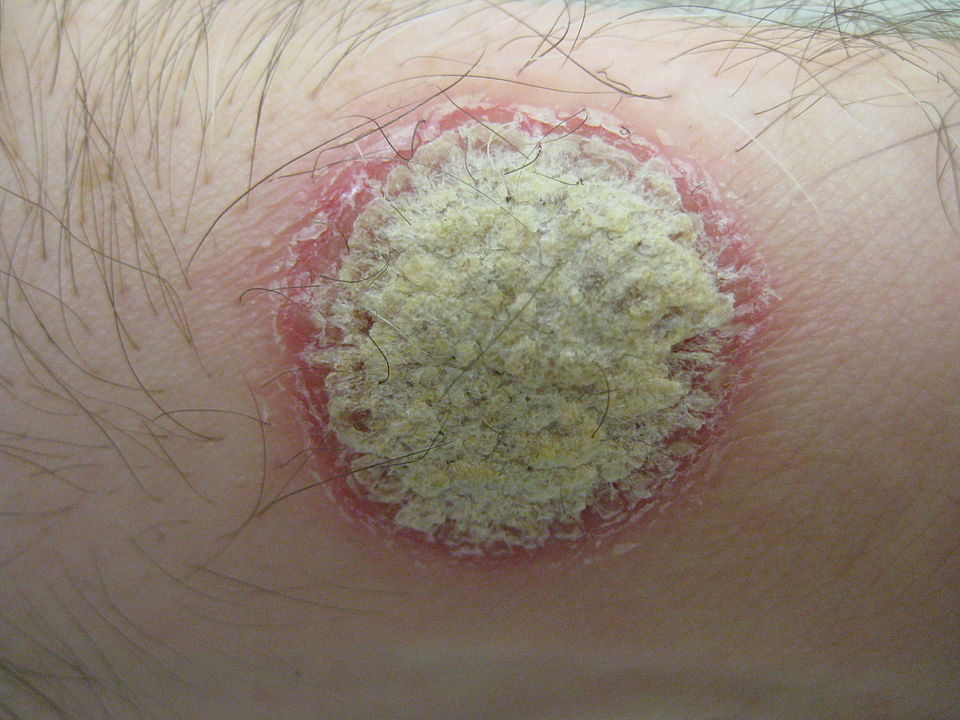
A comprehensive review has uncovered “clear evidence” of associations between atopic dermatitis (AD) and a range of comorbid conditions, which has informed updated clinical guidelines for AD.
An expert panel reported on the results of a wide-ranging review in the Journal of the American Academy of Dermatology. They found evidence linking AD to certain allergic, atopic, and immune-mediated conditions, as well as mental health problems, bone diseases, and skin infections. There is some evidence which supports associations between AD and substance use, attention deficit-hyperactivity disorder (ADHD), and some elements of metabolic syndrome. Less compelling evidence suggests AD has links to some cardiovascular conditions. There is inconclusive evidence for associations between adult AD and autism spectrum disorders, myocardial infarction, stroke, and metabolic syndrome.
“Atopic dermatitis is one of several atopic diseases, meaning that there are internal sensitivities that can help drive the disease in the organ of choice, including asthma, allergic rhinoconjunctivitis, and food allergies, among others,” Dawn M.R. Davis, MD, co-chair of the guideline panel, told MedPage Today. “We always knew there was an association between atopic dermatitis and the other atopic diseases, but we lacked the evidence. Fortunately, because we’re getting more attention and more research is being performed in these areas, we now have data to back up our suspicions regarding the associations between atopic dermatitis and other atopic diseases.”
“Thanks to research by our colleagues, we discovered several other comorbidities that we did not expect, including skin diseases like alopecia areata and urticaria, as well as mental health conditions, including depression, anxiety, and substance use,” she continued. “We also have some evidence of associations with metabolic conditions, such as disorders of bone metabolism, and cardiovascular diseases.”
This review was conducted in concert with updating the American Academy of Dermatology clinical guideline on AD. The quantity and depth of data also warranted a separate guideline component for recognition of comorbidities associated with AD. The main goal was to increase awareness of the associations.
“The goal of this guideline is to plant a seed in the mind of providers and to empower and validate patients, so they can have a customised, individualised, robust discussion about how their particular circumstances relate to any of the risk factors,” said Dr Davis.
Key findings and statements in the guideline include:
The association between AD and asthma is well established, but the “atopic march” explanation remains unproven
“Clear evidence” of an association between AD and food allergy, but estimated prevalence of food allergy in adults with AD remains low
Epidemiologic studies “consistently show” an association between AD and alopecia areata, but there are limited data on severity of alopecia or treatment response
Analysis of four studies showed that AD doubles the odds ratio of depression though reasons for this are unclear
A “potential association” between AD and substance use/abuse (limited evidence)
Accumulating evidence suggests small associations between AD and hypertension, peripheral and coronary artery disease, congestive heart failure, and acute clinical events
A “small association” suggested between adult AD with obesity and dyslipidemia; however, limited data have pointed to a possible inverse association with diabetes
Several studies have shown associations with increased risk of osteoporosis and fracture in adults with AD, possibly linked by systemic inflammation.
“To date, research on AD-associated comorbidities has focused on identifying potential associations in epidemiologic studies,” the guideline authors wrote. “There is currently no conclusive evidence demonstrating that screening for comorbid conditions associated with AD improves patient outcomes. For the evidence of AD associations to be put into action, research is required on whether screening or management of these comorbidities among adults with AD beyond what is recommended for the general population is beneficial.”
Besides the comorbidities document, other documents will be published over two years which will address topical therapy, systemic treatment and phototherapy, and paediatric AD.
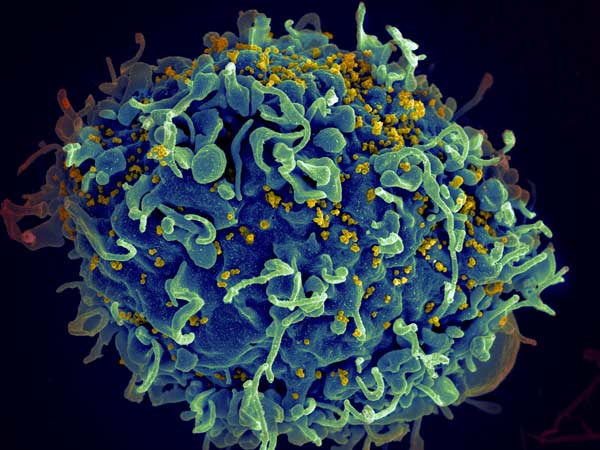
A new, more virulent and more damaging HIV variant has been discovered in the Netherlands.
Viral mutations are a source of concern because they can affect transmissibility and other factors. There have been fears of this happening in HIV-1, and now a new, highly virulent HIV strain in the Netherlands has been identified in a study. The results are published today in Science.
Prior to antiretroviral treatment, individuals infected with the new “VB variant” (for virulent subtype B) showed significant differences compared with individuals infected with other HIV variants:
A viral load between 3.5 and 5.5 times higher.
A doubled rate of CD4 cell decline (the hallmark of immune system damage by HIV), placing them at risk of developing AIDS much more rapidly.
Increased risk of transmitting the virus to others.
Fortunately, individuals with the VB variant had similar immune system recovery and survival to individuals with other HIV variants. However, because the VB variant causes a faster drop in immune system strength, early diagnosis and treatment is critical.
Researching the mechanism that causes the VB variant to be more transmissible and damaging to the immune system could lead to new targets for next-generation antiretroviral drugs. The VB variant is characterised by many mutations spread throughout the genome, meaning that a single genetic cause cannot currently be identified
Lead author Dr Chris Wymant said: ‘Before this study, the genetics of the HIV virus were known to be relevant for virulence, implying that the evolution of a new variant could change its impact on health. Discovery of the VB variant demonstrated this, providing a rare example of the risk posed by viral virulence evolution.’
Senior author Professor Christophe Fraser added: ‘Our findings emphasise the importance of World Health Organization guidance that individuals at risk of acquiring HIV have access to regular testing to allow early diagnosis, followed by immediate treatment. This limits the amount of time HIV can damage an individual’s immune system and jeopardise their health. It also ensures that HIV is suppressed as quickly as possible, which prevents transmission to other individuals.’
The VB variant was first identified in 17 HIV positive individuals from the BEEHIVE project, an ongoing study which collects samples from across Europe and Uganda. Since 15 of these people came from the Netherlands, the researchers then analysed data from a cohort of over 6700 HIV positive individuals in the Netherlands. This identified an additional 92 individuals with the variant, from all regions of the Netherlands, bringing the total to 109.
The researchers estimate that the VB variant first arose during the late 1980s and 1990s in the Netherlands, spreading more quickly than other HIV variants during the 2000s. However its spread has been declining since around 2010. The research team believe that the VB variant arose in spite of widespread treatment in the Netherlands, not because of it, since effective treatment can suppress transmission.
Since individuals with the VB variant are demographically similar, the spread is likely due to the properties of the virus itself.
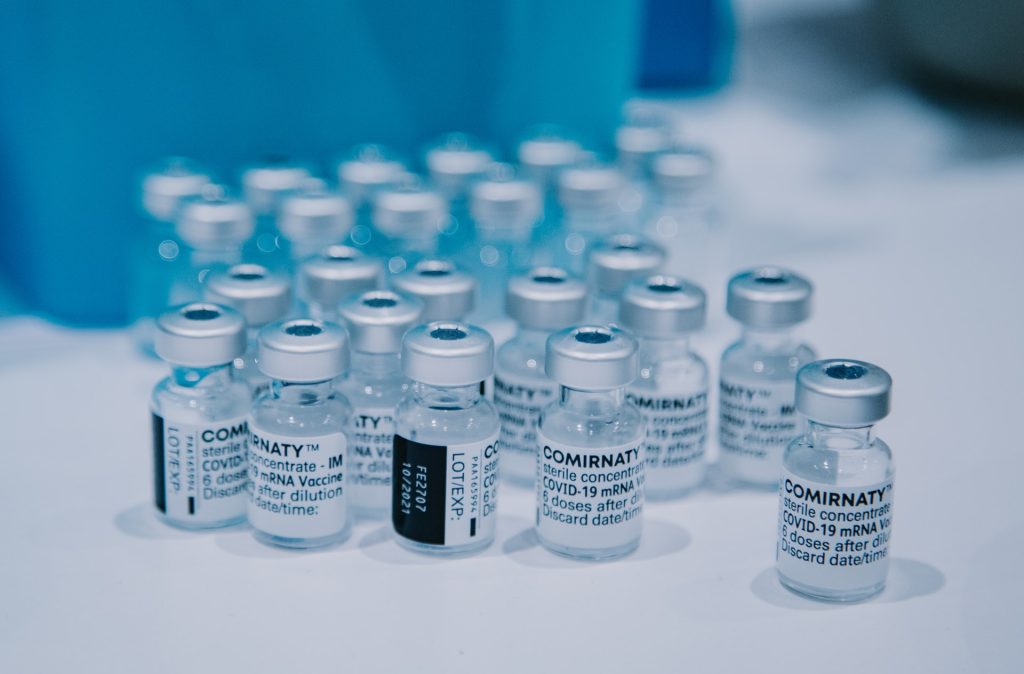
Afrigen Biologics and Vaccines, a South African biotechnology company, has nearly created a copy of Moderna’s COVID mRNA vaccine, without Moderna’s involvement, Nature reports.
The Cape Town-based company has so far made only microlitres of the vaccine, based on Moderna’s publicly available development data. This nevertheless is a success for a major initiative launched by the World Health Organization (WHO): a technology transfer hub meant to build vaccine manufacturing capacity in low- and middle-income countries.
During the COVID pandemic, the developers of mRNA vaccines, Moderna and Pfizer/BioNTech have sent more than 70% of their doses to wealthy nations. Meanwhile, millions of vaccine orders for southern hemisphere countries have been delayed. “Moderna and Pfizer-BioNTech’s vaccines are mainly still going to just the richest countries,” says Martin Friede, the WHO official coordinating the hub. “Our objective is to empower other countries to make their own.”
Much work needs to be done before Afrigen’s mRNA vaccine mimic can be distributed. But the WHO hopes that the process of creating it will lay the foundation for a more globally distributed mRNA vaccine industry in the future.
Gerhardt Boukes, chief scientist at Afrigen is proud to have helped complete this first step of the plan. Afrigen and its collaborators completed the process, beginning with mRNA encoding a modified portion of the SARS-CoV-2 coronavirus, and finishing by encapsulating it in a lipid nanoparticle that delivers the vaccine to cells. “We didn’t have help from the major COVID vaccine producers,” he says, “so we did it ourselves to show the world that it can be done, and be done here, on the African continent.”
When the mRNA hub was launched by the WHO in June 2021, Moderna, Pfizer and BioNTech did not respond to requests to help make their vaccines, so the WHO proceeded without their help. The Moderna vaccine was chosen to copy because there is more freely available data on it, and it has not vowed to enforce its patents.
The project started in late September, with a Wits University team spearheading the first step: making a DNA molecule that would serve as a template to synthesise the mRNA needed in the vaccine. While Moderna controversially patented this sequence, Stanford University researchers had deposited it into the online database Virological.org in March last year.
Patrick Arbuthnot, director of gene therapy research at Wits says, “We were not intimidated, because mRNA synthesis is a fairly generic procedure.” Despite delays in the shipment of raw materials, the team completed this process in ten weeks and sent vials of mRNA to Afrigen in early December.
Around this time, scientists worldwide emailed offers of assistance. Some were researchers at the US National Institutes of Health who had conducted foundational work on mRNA vaccines. Petro Terblanche, Afrigen’s managing director, said that it was “extraordinary”. “I think a lot of scientists were disillusioned with what had happened with vaccine distribution, and they wanted to help get the world out of this dilemma.”
On 5 January, Afrigen’s researchers accomplished another tricky part of the process: They encapsulated the mRNA in a fatty nanoparticle made of a mixture of lipids. Boukes says they haven’t yet used Moderna’s specific lipid mixture, but rather another one that was immediately available from the manufacturer of the machine that the laboratory uses to create lipid nanoparticles. They plan to use Moderna’s lipid mixture in the coming days, as soon as one last analytical instrument arrives. After that, the team will analyse the formulation to ensure that it is truly a near copy of Moderna’s vaccine.
Once a reliable copy is made, the next step is increasing production. Jason McLellan, a structural biologist at the University of Texas at Austin whose work was foundational to the development of several COVID vaccines, says he is not surprised that SA scientists seem to have copied Moderna’s vaccine, but he adds that scaling up production of that original shot required a lot of additional innovation by manufacturers.
For the next phase of the project, several southern hemisphere companies will learn from Afrigen and attempt to create batches of vaccines themselves, in preparation for animal testing. By end November, the WHO expects a Moderna clone to be ready for phase I trials in humans.
What happens beyond that is unclear. Moderna might choose to license its patent (lab research is usually not subject to patent rules), or alternatives may become available, such as next-generation mRNA vaccines that do not require ultracold storage.
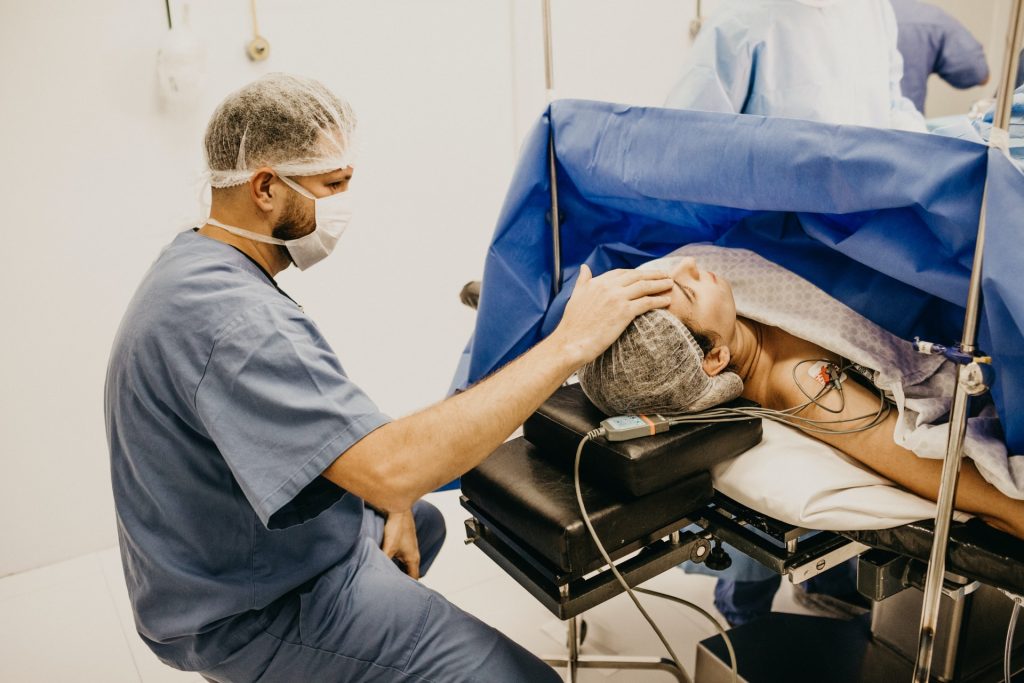
A study published in Anesthesiologyfinds gastric emptying is substantially slower during labour – but somewhat faster in women who receive an epidural for anaesthesia.
There is an ongoing debate as to whether it’s safe for women to eat solid food during labour. Physician anaesthesiologists prefer that labouring women have an empty stomach because of the lower risk for aspiration of food in case general anaesthesia for a caesarean section becomes necessary.
“These results suggest anaesthesiologists should remain cautious about permitting solid food during labour, especially when epidural analgesia is not used,” according to the report by Lionel Bouvet, MD, PhD, and colleagues of Hospices Civils de Lyon, France.
Researchers assessed gastric emptying rates in four groups of women: 10 who were non-pregnant, 10 who were pregnant at full term (around 39 weeks) but not in labour, 10 in labour without an epidural, and 10 in labour who received an epidural for labour pain. On an empty stomach, each woman ate a light meal of yoghurt. Ultrasound scans were then used to compare the rate of stomach emptying among the four groups.
Stomach emptying was delayed for women in labour without epidural, in line with previous studies. The rate of stomach emptying from 15 to 90 minutes after eating was 52% in non-pregnant women and 45% in pregnant women at full term, compared to 31% for labouring women who received an epidural and 7% for women in labour without an epidural.
With epidural analgesia, gastric emptying occurred much faster during labour than during labour without epidural analgesia. After 90 minutes, the stomach was empty in 3 out of 10 labouring women who received an epidural, compared to 0 of 10 women in labour who had not received an epidural. By 2 hours, the stomach was empty in 6 of the women who received an epidural, compared to just 1 woman without an epidural.
Although clinical practice varies, current guidelines of the ASA and Society for Obstetric Anesthesia and Perinatology (SOAP) state that “Solid foods should be avoided in laboring patients,” reflecting a concern over the risk of aspiration in case anesthesia and surgery are needed. This new study is one of the first to systematically compare the extent of gastric emptying delay during late pregnancy and childbirth and with versus without epidural labor analgesia.
The results confirm a “statistically and clinically significant” longer time to an empty stomach among women in labour. However for those receiving epidural analgesia, stomach emptying appears to occur faster. Based on their findings, Dr Bouvet and co-authors suggest that a light solid meal “could probably be allowed” for women in labour who are receiving epidural analgesia and considered at a low risk of caesarean section within at least the next two hours.
“The report by Dr Bouvet and colleagues enables us to rethink our current practice of fasting during childbirth,” commented Anesthesiology editor Yandong Jiang, MD., PhD. “It is desirable that women giving birth with an epidural do not have the additional stress of hunger, but instead be allowed to eat a light meal.”
This contrasts with the ASA/SOAP recommendation that women in labour should consume only clear liquids to prevent aspiration, noted Mark Zakowski, MD, FASA, chair of ASA’s Committee on Obstetric Anesthesia. “This study clearly shows that stomach emptying is quite a bit slower for women in labor, and that if they eat even a light meal of about 4 ounces [about 120g] of yogurt, many will still have food in their stomach a few hours later,” Dr Zakowski said. “Since the need for emergency caesarean may arise at any time, the current ASA/SOAP guideline of clear liquids only during labour seems justified.”
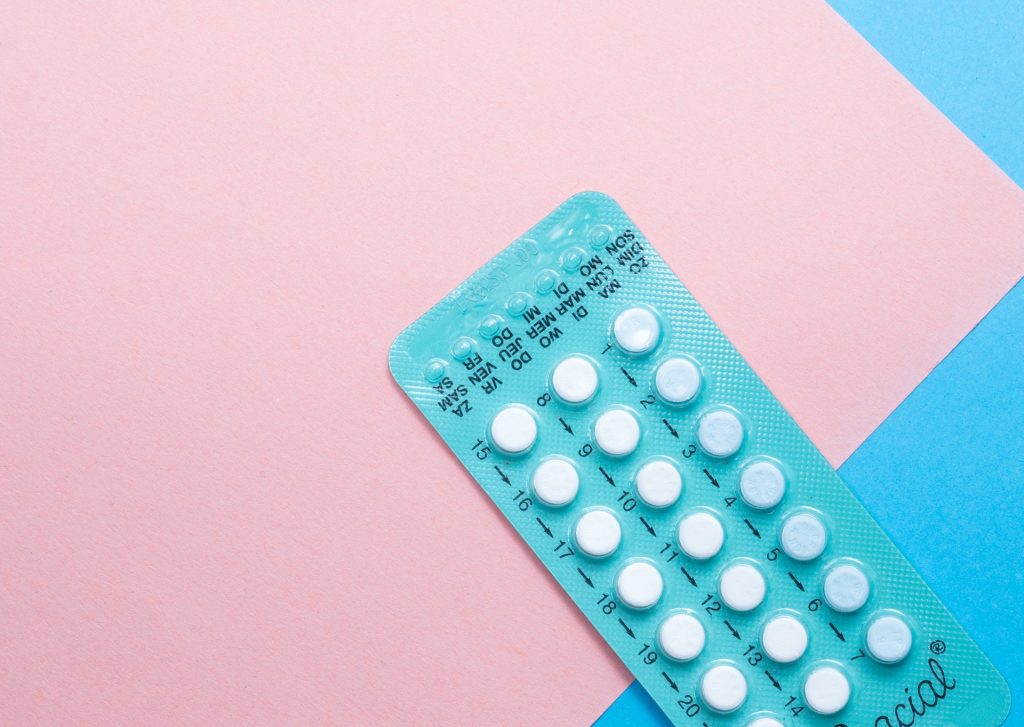
Long-term use of oral contraceptives, as well as certain methods of tubal ligation (TL), were linked to lower levels of antimüllerian hormone, a biomarker for ovarian aging, suggesting an increased risk for early menopause, according to preliminary research.
Using data from the Nurses’ Health Study II, researchers at the UMass Amherst School of Public Health and Health Sciences examined the association of oral contraceptive use and tubal ligation with antimüllerian hormone (AMH).
Published in the journal Menopause, the results were “intriguing,” according to lead author Christine Langton, PhD candidate.
“We’re one of the larger studies to have looked at both of these contraceptive methods at the same time,” says Langton, now a post-doctoral researcher at the National Institute of Environmental Health Sciences. “We feel we’re contributing to the story, and to the literature, though nothing we did was definitive. This is a piece of the puzzle.”
Early menopause, which occurs before 45, puts women at greater risk for a range of health conditions including cardiovascular disease, osteoporosis and dementia. The researchers noted that oral contraceptives change hormone levels and prevent ovulation; tubal ligation may affect blood supply to the ovaries, and certain methods of the procedure may damage the ovary and surrounding neural tissue.
“Recently, AMH has become an established marker for the timing of menopause and was found to be strongly associated with the risk of early menopause,” the authors wrote. “Yet, the association of reproductive and lifestyle factors with AMH levels remains unclear.”
The team focused on a subset of 1420 premenopausal women in the Nurses’ Health Study prospective cohort who had provided a blood sample between 1996 and 1999. A history of their oral contraceptive use and tubal ligation began in 1989 and was updated every two years until their blood was collected.
“Women who reported that their [tubal ligation] procedure included the use of a clip, ring or band had significantly lower AMH levels compared to women who never had a TL procedure,” the researchers wrote.
One limitation is the small number of women reporting the type of tubal ligation, Langton added.
When it came to oral contraceptives, “we saw a significant inverse association – the longer the use of oral contraceptives, the lower the AMH levels were,” Langton said. “That particular finding was a little surprising to us because it didn’t completely align with what we saw when we looked at oral contraceptives and early menopause in the larger cohort” of more than 115,000 women.
Even after adjusting for factors including BMI, smoking, alcohol, number of pregnancies and breastfeeding, the inverse association between oral contraceptive use and AMH levels remained significant.
“We think further research is warranted,” Langton said.
Men with hypersexual disorder may have higher levels of oxytocin in their blood compared to men without the disorder, as reported in a small study published in the Journal of Clinical Endocrinology & Metabolism. In some study participants, cognitive behavioural therapy was effective in lowering oxytocin levels.
Hypersexual disorder involves excessive, persistent sexual behaviours related to various mood states, with an impulsivity component and experienced loss of control.
Oxytocin is produced by the hypothalamus and secreted by the pituitary gland. It is a hormone with a key role in sexual behaviour, and abnormal levels of it may contribute to hypersexual disorder.
“We discovered that men with compulsive sexual behavior disorder (CSBD) had higher oxytocin levels compared with healthy men,” said Andreas Chatzittofis, MD, PhD. “Cognitive behavioural therapy led to a reduction in both hypersexual behaviour and oxytocin levels.”
The researchers analysed the blood samples of 64 men with hypersexual disorder and 38 healthy men. The hypersexual men had significantly higher levels of oxytocin in their blood (mean ± SD: 31.0 ± 9.9 pM) compared with healthy volunteers (16.9 ± 3.9 pM; P < 0.001). Thirty men with hypersexual disorder underwent a cognitive behavioural therapy programme and saw a significant reduction in their oxytocin levels after treatment.
“Oxytocin plays an important role in sex addiction and may be a potential drug target for future pharmacological treatment,” Dr Chatzittofis said.
“She brings humanity, humility, understanding and – dare I say it – love into her practice.”
Stories of appreciation, like this one, are just the medicine South Africa’s doctors need, over 670 days into the COVID pandemic. Since March 2020, the country’s healthcare workers have been manning the frontline of this global healthcare crisis, regularly putting themselves at risk of exposure in order to help their patients. And now, many patients are giving back.
“This is why we say thank you” is the theme on the Doctors’ Day website. This dedicated website is part of an initiative called Doctors’ Day, created by EthiQal, a division of Constantia Insurance Company Limited. The initiative was launched in 2018 and is celebrated annually on 16 November. This national day is intended to raise awareness about the value that so many of the country’s doctors bring to the lives of their patients and families – and the website is the platform where stories of gratitude can be read.
“This is the fifth year that we’ve run Doctors’ Day and every year the number of stories we receive grows substantially. We’ve far surpassed the responses from last year, as more and more patients take the time to share their healthcare hero stories,” says Alex Brownlee, EthiQal Executive.
Stories of appreciation Every year, EthiQal calls on the nation to celebrate and recognise South Africa’s doctors. Heading into the third year of the COVID pandemic, the healthcare industry deserves to be recognised more than ever for the critical role they continue to play in meeting the needs of our nation, explains Brownlee.
Of the hundreds of entries from the 2021 Doctors’ Day competition, five of the most moving stories have been selected and are featured on the website, with each winning entrant receiving R1000. EthiQal also donated R10 000 to the Healthcare Workers Care Network – a nationwide healthcare worker support network. The winning entries can be read at www.doctorsday.co.za
“Our firm belief is that doctors are national assets, and so the core of the Doctors’ Day message truly resonates with everyone who works at EthiQal. We love Doctors’ Day because it gives people an opportunity to share their sincere messages of thanks. It’s just one small way that patients can give back to their doctors. We look forward to all the new entries and heart-warming stories that we’ll receive in November,” says Brownlee.