Research published in the Journal of the National Cancer Institute found that menopausal hormone therapy for breast cancer survivors is not associated with breast cancer reoccurrence, despite worries among some researchers and physicians.
Hot flashes and night sweats, as well as vaginal dryness and urinary tract infections, are common in breast cancer survivors, worsening quality of life and can lead patients to discontinue therapy. These symptoms may be alleviated by vaginal oestrogen therapy or menopausal hormone therapy (MHT). However, the safety of systemic and vaginal oestrogen use among breast cancer survivors, particularly those with oestrogen receptor-positive disease, has been unclear.
Many doctors caution breast cancer survivors against using MHT following the demonstration of an increased risk of breast cancer recurrence in two trials in the 1990s. Though later studies have not shown increased recurrence, they were seriously limited, with small sample sizes and short follow-up periods.
This study compared hormonal treatment with the risk of breast cancer recurrence and mortality in a large cohort of Danish postmenopausal women treated for early-stage oestrogen receptor-positive breast cancer.
Participants were diagnosed between 1997 and 2004 with early-stage breast cancer who received no treatment or five years of hormone therapy.
Among 8461 women, 1957 and 133 used vaginal oestrogen therapy or MHT, respectively, after diagnosis. No increase was seen in the risk of recurrence or mortality for those who received either vaginal oestrogen therapy or MHT.
“This large cohort study helps to inform the nuanced discussions between clinicians and breast cancer survivors about the safety of vaginal oestrogen therapy,” said Elizabeth Cathcart-Rake, writing in an accompanying editorial. “These results suggest that breast cancer survivors on tamoxifen with severe genitourinary symptoms can take vaginal estrogen therapy without experiencing an increase in their risk for breast cancer recurrence. However, caution is still advised when considering vaginal oestrogen for breast cancer survivors on aromatase inhibitors, or when considering menopausal hormonal therapy.”
Decades of research has provided no clear evidence that serotonin levels or serotonin activity are responsible for depression, according to a major review of existing literature.
Published in Molecular Psychiatry, this new umbrella review is an overview of existing meta-analyses and systematic reviews. It suggests that depression is not likely to be caused by a chemical imbalance. It also calls into question what antidepressants do: most antidepressants are selective serotonin reuptake inhibitors (SSRIs), whose mechanism of action was supposedly to correct abnormally low serotonin levels. But there is no other accepted pharmacological mechanism by which antidepressants affect the symptoms of depression.
Lead author Professor Joanna Moncrieff, at University College London said: “It is always difficult to prove a negative, but I think we can safely say that after a vast amount of research conducted over several decades, there is no convincing evidence that depression is caused by serotonin abnormalities, particularly by lower levels or reduced activity of serotonin.
“The popularity of the ‘chemical imbalance’ theory of depression has coincided with a huge increase in the use of antidepressants. Prescriptions for antidepressants have risen dramatically since the 1990s, with one in six adults in England and 2% of teenagers now being prescribed an antidepressant in a given year.
“Many people take antidepressants because they have been led to believe their depression has a biochemical cause, but this new research suggests this belief is not grounded in evidence.”
The umbrella review aimed to capture all relevant studies, encompassing tens of thousands of participants, that have been published in the most important fields of research on serotonin and depression.
Research that compared levels of serotonin and its breakdown products in the blood or brain fluids found no difference between participants diagnosed with depression and healthy controls.
Research on serotonin receptors and the serotonin transporter, the protein targeted by most antidepressants, found weak and inconsistent evidence suggestive of higher levels of serotonin activity in people with depression. However, the researchers say the findings are likely explained by the use of antidepressants among people diagnosed with depression, since such effects were not reliably ruled out.
Some studies artificially lowered serotonin levels were by depriving participant’s diets of the necessary amino acid. These studies have been cited as demonstrating that a serotonin deficiency is linked to depression. A meta-analysis conducted in 2007 and a sample of recent studies found that lowering serotonin in this way did not produce depression in hundreds of healthy volunteers, however. There was very weak evidence in a small subgroup of people with a family history of depression, but this only involved 75 participants, and more recent evidence was inconclusive.
Very large studies involving tens of thousands of patients looked at gene variation, including the gene for the serotonin transporter, and found no difference between people with depression and healthy controls. These studies also examined stressful life events, and found these to strongly increase people’s risk of becoming depressed. A famous early study found a relationship between stressful events, the type of serotonin transporter gene a person had and the chance of depression. But larger, more comprehensive studies suggest this was a false finding.
These findings together led the authors to conclude that there is “no support for the hypothesis that depression is caused by lowered serotonin activity or concentrations.”
The researchers say their findings are important as studies show that as many as 85–90% of the public believes that depression is caused by low serotonin or a chemical imbalance. A growing number of scientists and professional bodies are recognising the chemical imbalance framing as an over-simplification. Evidence also suggests that believing that low mood is caused by a chemical imbalance leads to pessimism about recovery, and the possibility of managing moods without medical help. This is important because most people will at some point in their lives meet criteria for anxiety or depression.
A large meta-analysis provided evidence that people who used antidepressants actually had lower levels of serotonin in their blood. The researchers concluded that some evidence was consistent with the possibility that long-term antidepressant use reduces serotonin concentrations. The researchers say this may imply that the increase in serotonin that some antidepressants produce in the short term could lead to compensatory changes in the brain that produce the opposite effect in the long term.
Though antidepressants’ efficacies was not examined, the authors encourage looking into treatments such psychotherapy, alongside other practices such as exercise or mindfulness, or addressing underlying contributors such as poverty, stress and loneliness.
Professor Moncrieff said: “Our view is that patients should not be told that depression is caused by low serotonin or by a chemical imbalance, and they should not be led to believe that antidepressants work by targeting these unproven abnormalities. We do not understand what antidepressants are doing to the brain exactly, and giving people this sort of misinformation prevents them from making an informed decision about whether to take antidepressants or not.”
Co-author Dr Mark Horowitz said: “I had been taught that depression was caused by low serotonin in my psychiatry training and had even taught this to students in my own lectures. Being involved in this research was eye-opening and feels like everything I thought I knew has been flipped upside down.
“One interesting aspect in the studies we examined was how strong an effect adverse life events played in depression, suggesting low mood is a response to people’s lives and cannot be boiled down to a simple chemical equation.”
Professor Moncrieff added: “Thousands of people suffer from side effects of antidepressants, including the severe withdrawal effects that can occur when people try to stop them, yet prescription rates continue to rise. We believe this situation has been driven partly by the false belief that depression is due to a chemical imbalance. It is high time to inform the public that this belief is not grounded in science.”
Antisense oligonucleotides (ASOs), are molecules that can be used to control protein levels in cells. Researchers detail in Nature how they leveraged ASO technology to develop the first FDA-approved treatment for spinal muscular atrophy called Spinraza®. The drug has helped over 11 000 patients make more of a protein that certain neurons in the spine need.
Cold Spring Harbor Laboratory Professor Adrian Krainer, who developed the drug, has been searching for more ways ASOs can help treat other disorders. He has identified cystic fibrosis (CF), where patients produce insufficient amount of the protein CFTR. His team discovered how to use ASOs to make more of an imperfect but still functional version of CFTR. This could lead to a new treatment approach that may help alleviate CF symptoms.
The imperfect CFTR protein results from a gene mutation. The faulty instructions to produce the protein are eliminated and the protein isn’t made, since in general, imperfect proteins may be disruptive. Prof Krainer’s ASOs trick cells into following the faulty instructions and making the imperfect CFTR protein. His team found that, in this case of CF, having an imperfect version of the protein is better than having none at all. Their method improved the function of lung cells, suggesting the ASO strategy could improve symptoms in CF patients with this mutation.
The team’s discovery spotlights a new way ASOs can be used to treat disease. The study was led by Young Jin Kim, a former MD-PhD student in the Krainer laboratory. Prof Krainer hopes to continue expanding the potential of ASO technology in therapeutics. He thinks in the future ASOs may increasingly become a way to tailor therapies specific to an individual’s unique genetic mutations. “If more of this type of drug, ASOs, are approved,” Prof Krainer said, “I wouldn’t be surprised if in the not-so-distant future ASOs become a routine way to make personalised medicines.”
University of Reading scientists have shown that taking high doses of Vitamin B6 reduces feelings of anxiety and depression to a small degree. Study participants reported feeling less anxious and depressed after taking the supplements every day for a month.
The study, published in Human Psychopharmacology: Clinical and Experimental, demonstrates that certain supplements thought to modify levels of activity in the brain could be useful for preventing or treating mood disorders.
The study’s lead author, Dr David Field, explained: “The functioning of the brain relies on a delicate balance between the excitatory neurons that carry information around and inhibitory ones, which prevent runaway activity. Recent theories have connected mood disorders and some other neuropsychiatric conditions with a disturbance of this balance, often in the direction of raised levels of brain activity. Vitamin B6 helps the body produce a specific chemical messenger that inhibits impulses in the brain, and our study links this calming effect with reduced anxiety among the participants.”
While previous studies have produced evidence that multivitamins or Marmite can reduce stress levels, few studies have been carried out into which particular vitamins contained within them drive this effect. The new study focused on the potential role of Vitamins B6, which is known to increase the body’s production of GABA (Gamma-Aminobutyric Acid), the primary inhibitory neurotransmitter.
In the current trial, more than 300 participants were randomised to either Vitamin B6 or B12 supplements far above the recommended daily intake (about 50 times higher) or placebo, and took one a day with food for a month. Vitamin B12 had little effect compared to placebo, but Vitamin B6 was found to have a significant effect. Raised levels of GABA among participants who had taken Vitamin B6 supplements were confirmed by visual tests carried out at the end of the trial, supporting the hypothesis that B6 was responsible for the reduction in anxiety. Subtle but harmless changes in visual performance were detected, consistent with controlled levels of brain activity.
Dr Field notes that, while many foods contain Vitamin B6, “the high doses used in this trial suggest that supplements would be necessary to have a positive effect on mood. It is important to acknowledge that this research is at an early stage and the effect of Vitamin B6 on anxiety in our study was quite small compared to what you would expect from medication. However, nutrition-based interventions produce far fewer unpleasant side effects than drugs, and so in the future people might prefer them as an intervention.
“To make this a realistic choice, further research is needed to identify other nutrition-based interventions that benefit mental wellbeing, allowing different dietary interventions to be combined in future to provide greater results. One potential option would be to combine Vitamin B6 supplements with talking therapies such as Cognitive Behavioural Therapy to boost their effect.”
In a clinical trial, two new antibody treatments for Crohn’s disease were approximately similar in effectiveness, according to findings published in The Lancet.
This allows clinicians and patients to make treatment choices based on tolerance, according to Stephen Hanauer, MD, the Clifford Joseph Barborka Professor and a co-author of the study.
“The safety and efficacy of two agents with different mechanisms of action appears to be quite comparable over one year,” said Prof Hanauer.
Crohn’s disease (CD) is a chronic, progressive inflammatory bowel disease, causing abdominal pain, weight loss and fatigue. Treatment has usually focused on alleviating symptoms to achieve clinical remission using corticosteroids or immunomodulators, but more effective treatment is still needed, according to Prof Hanauer.
‘While there are numerous therapies and mechanisms of action for drugs approved for moderate-severe Crohn’s disease there has been a therapeutic ceiling as far as outcomes are concerned, with usually less than 50% of patients in long-term remission,” Prof Hanauer explained.
Recently, several biologic agents have been approved for use. Adalimumab is a monoclonal antibody that reduces inflammatory cytokines by inhibiting tumor necrosis factor alpha. Ustekinumab is another monoclonal antibody, though the drug targets a different set of proteins: interleukin (IL) 12 and IL-23.
Researchers recruited with Crohn’s disease, randomising 191 to receive ustekinumab and 195 to adalimumab. Patients reaching clinical remission were similar between both groups: 65% of 191 patients in the ustekinumab group versus 61% of 195 in the adalimumab group. There were no deaths through one year of study, though slightly more patients in the ustekinumab group discontinued study treatment. Disease severity measures decreased similarly over the study.
Both treatment regimens resulted in clinical remission with similar toxicity profiles.
“There are numerous options for patients with moderate-severe disease. However, the key is to treat patients with an effective regimen and treat to targets as early in the course as possible since we do not have any drugs that impact on fibrosis once it occurs,” Prof Hanauer said.
US States that legalised recreational marijuana saw a subsequent increase in traffic crashes and fatalities, researchers reported in the Journal of Studies on Alcohol and Drugs.
“The legalisation of marijuana doesn’t come without cost,” stated lead researcher Charles M. Farmer, PhD, of the Insurance Institute for Highway Safety.
Dr Farmer and colleagues’ analysis of five states that allow the recreational use of marijuana for adults age 21 and older revealed a 5.8% increase in the rate of traffic crash injuries and a 4.1% increase in fatal crash rates after legalisation and the onset of retail sales. At the same time, there was no increase in a comparison group of states which did not legalise marijuana.
The injury crash rate jumped after legalisation but before retail sales began. Traffic crash injuries rose 6.5% after legalisation but decreased slightly (-0.7%) after retail sales commenced. However, fatal crash rates increased both after legalisation (+2.3%) and after retail sales were authorised (+1.8%).
“Legalisation removes the stigma of marijuana use, while the onset of retail sales merely increases access,” explained Dr Farmer. “But access to marijuana isn’t difficult, even in places without retail sales. Users who previously avoided driving high may feel that it’s okay after legalisation.”
Marijuana legalisation’s stronger relationship with traffic crash injuries, rather than fatalities, may be due to how some drivers compensate when impaired by marijuana. Often, drivers under the influence of marijuana slow down and maintain a larger distance between themselves and other vehicles. A crash may be harder to avoid while impaired, but the lower-speed crashes that occur may be less likely to be fatal.
The authors note that earlier studies involving driving simulators have shown marijuana use to affect reaction time, road tracking, lane keeping and attention. However, Farmer notes that the current study is correlational, and increased marijuana use itself is likely not the sole cause of the increases seen.
“Studies looking for a direct causal link between marijuana use and crash risk have been inconclusive,” he says. “Unlike alcohol, there is no good objective measure of just how impaired a marijuana user has become. Until we can accurately measure marijuana impairment, we won’t be able to link it to crash risk.”
The researchers collected data on traffic crashes and traffic volume for 2009–2019 from 11 states and from the Federal Highway Administration. During the study period, five states had legalised recreational marijuana while a comparison group of six states did not. The authors statistically adjusted for factors known to contribute to crashes and fatalities, including seat belt use and unemployment rate.
In the states that legalised cannabis, changes in injury crash rates varied: Colorado had the biggest jump (+17.8%) and California the smallest (+5.7%) after both legalisation and the onset of retail sales. Nevada’s rate decreased (-6.7%). For fatal crashes, increases occurred in Colorado (+1.4%) and Oregon (3.8%), but decreases were found in Washington (-1.9%), California (-7.6%) and Nevada (-9.8%).
Farmer points out that states considering marijuana legalisation should consider a few steps to help forestall a potential increase in crashes. “First, convince everyone that driving under the influence of marijuana is not okay,” he says. “Then, enact laws and sanctions penalising those who ignore the message. Finally, make sure you have the resources (ie, staffing and training) to enforce these laws and sanctions.”
Salt restriction has long been held to be a key component of heart failure treatment, but cutting back too much may actually worsen the outcomes for people with preserved ejection fraction, suggests research published in Heart.
The findings indicate that younger people and those of black and other ethnicities seem to be most at risk.
Salt restriction is frequently recommended in heart failure guidelines, but the optimal restriction range (from less than 1.5g to less than 3g daily) and its effect on patients with heart failure with preserved ejection fraction (HFpEF) is less clear as they have often been excluded from relevant studies.
HFpEF, which accounts for half of all heart failure cases, occurs when the lower left chamber of the heart (left ventricle) isn’t able to fill properly with blood (diastolic phase), so reducing the amount of blood pumped out into the body.
In a bid to explore the association with salt intake further, the researchers drew on secondary analysis of data from 1713 people aged 50 and above with heart failure with preserved ejection fraction who were part of the TOPCAT trial.
A phase III, randomised, double-blind, placebo-controlled study, this trial was designed to find out if the drug spironolactone could effectively treat symptomatic heart failure with preserved ejection fraction.
Participants were asked how much salt they routinely added to the cooking of staples, such as rice, pasta, and potatoes; soup; meat; and vegetables, and this was scored as: 0 points (none); 1 (⅛tsp); 2 (¼tsp); and 3 (½+tsp).
They were followed up for an average of three years for the primary endpoint, a composite of death from cardiovascular disease or admission to hospital for heart failure plus aborted cardiac arrest. Secondary outcomes were all cause mortality and cardiovascular disease mortality plus hospitalisation for heart failure.
Around half the participants (816) had a cooking salt score of zero: more than half of them were men (56%) and most were of white ethnicity (81%). They weighed significantly more and had a lower diastolic blood pressure (70 mm Hg) than those with a cooking salt score above zero (897).
They had also been admitted to hospital more often for heart failure, were more likely to have type 2 diabetes, poorer kidney function, to be taking meds to control their heart failure, and to have a reduced left ventricular ejection fraction (lower cardiac output).
Participants with a cooking salt score above zero were at significantly lower risk of the primary endpoint than those whose score was zero, mainly driven by the fact that they were less likely to be hospitalised for heart failure. But all-cause mortality or CVD mortality was no higher than those whose cooking salt score was zero.
Those aged 70 or younger were significantly more likely to benefit from adding salt to their cooking than were those older than 70 in terms of the primary endpoint and admission to hospital for heart failure.
Similarly, those of black and other ethnicities seemed to benefit more from adding salt compared with white participants, although the numbers were small.
Gender, previous hospitalisation for heart failure, and the use of heart failure meds weren’t associated with heightened risks of the measured outcomes and cooking salt score.
This is an observational study, and as such, can’t establish cause. Not all relevant data from the TOPCAT trial were available, while the cooking salt score was self-reported, acknowledge the researchers. And reverse causation, whereby people with poorer health might have been advised to further restrict their salt intake, can’t be ruled out.
Lower sodium intake is usually associated with lower blood pressure and a reduced risk of cardiovascular disease in the general public and in those with high blood pressure. It is thought that it reduces fluid retention and the triggering of the hormones involved in blood pressure regulation.
But restricting salt intake to control heart failure is less straightforward, say the researchers. It may prompt intravascular volume contraction, which could, in turn, reduce congestion and the requirement for water tablets to ease fluid retention.
But the researchers pointed out that the that the volume of plasma in the blood, an indicator of congestion, wasn’t significantly associated with cooking salt score – suggesting that low sodium intake didn’t ease fluid retention in people with heart failure with preserved ejection fraction.
“Overstrict dietary salt intake restriction could harm patients with [heart failure with preserved ejection fraction] and is associated with worse prognosis. Physicians should reconsider giving this advice to patients,” they conclude.
New research published in Clinical and Experimental Allergy reveals that prescriptions of specialised infant formula have increased in recent years in England, Norway, and Australia, with rates over 10 times what would normally be expected for the number of children with milk allergies.
Increasing specialised formula use has been interpreted as evidence for milk allergy overdiagnosis, leading to the use of specialised formula for managing common infant symptoms. This is because there is little evidence in high-income countries for a change in milk allergy incidence to explain rises in specialised formula prescription. While specialised formula is reasonably well tolerated by most infants, and supports infant nutrition and growth, there are significant differences from standard cow’s milk-based infant formula or human breastmilk. In specialised formula products, the lactose found in breastmilk or cow’s milk is partially or completely replaced by alternative carbohydrate sources, often free sugars such as glucose or sucrose.
Soya milk alternatives were prevalent in the 1990s, but in the 2000s were displaced by amino-acid formulations after health concerns emerged over soya milk use in infants. Prescribed amounts of specialised formula for infants rose 2.8-fold in England from 2007–2018, with similar trends in other regions of the United Kingdom. Amounts rose 2.2-fold in Norway from 2009–2020 and 3.2-fold in Australia from 2001–2012.
In addition to added expense (specialised formula costs an average of US117 extra per birth in England), these findings are of particular concern due to their higher levels of sugar, which may promote tooth decay and obesity in young children.
“These data suggest high levels of milk allergy over-diagnosis and mark an important shift in early child nutrition,” the authors wrote.
As many men age, they lose their Y chromosome, which causes heart muscle to scar and can lead to deadly heart failure, new research from the shows. The finding, which appears in Science, may help explain why men die, on average, several years younger than women.
University of Virginia School of Medicine researcher Kenneth Walsh, PhD, says the new discovery suggests that men who suffer Y chromosome loss – estimated to include 40% of 70-year-olds – may particularly benefit from an existing drug that targets dangerous tissue scarring. The drug, he suspects, may help counteract the harmful effects of the chromosome loss – effects that may manifest not just in the heart but in other parts of the body as well.
On average, women live five years longer than men in the United States. The new finding, Prof Walsh estimates, may explain nearly four of the five-year difference.
“Particularly past age 60, men die more rapidly than women. It’s as if they biologically age more quickly,” said Prof Walsh. “There are more than 160 million males in the United States alone. The years of life lost due to the survival disadvantage of maleness is staggering. This new research provides clues as to why men have shorter lifespans than women.”
Many men begin to lose their Y chromosome in a fraction of their cells as they age, especially in smokers. The loss occurs predominantly in cells that undergo rapid turnover, such as blood cells. However, Y chromosome loss does not occur in male reproductive cells, so it is not inherited by the children of men who exhibit Y chromosome loss. It has been observed that men who suffer Y chromosome loss are more likely to die at a younger age and suffer age-associated maladies such as Alzheimer’s disease. This new research however is believed to be the first hard evidence that the chromosome loss harms men’s health.
Walsh and his team used CRISPR gene-editing technology to develop a special mouse model to better understand the effects of Y chromosome loss in the blood. The loss accelerated age-related diseases, made the mice more prone to heart scarring, leading to earlier death. But more than just the results of inflammation, there was complex series of responses in the immune system, leading to fibrosis throughout the body. This tug-of-war within the immune system, the researchers believe, may accelerate disease development.
The scientists also looked at the effects of Y chromosome loss in human men. They conducted three analyses of data compiled from the UK Biobank, a massive biomedical database, and found that Y chromosome loss was associated with cardiovascular disease and heart failure. As chromosome loss increased, the scientists found, so did the risk of death.
The findings suggest that targeting the effects of Y chromosome loss could help men live longer, healthier lives. One treatment option might be a drug, pirfenidone, approved in the US for the treatment of idiopathic pulmonary fibrosis. The drug is also being tested for the treatment of heart failure and chronic kidney disease, two conditions for which tissue scarring is a hallmark. Based on his research, Walsh believes that men with Y chromosome loss could respond particularly well to this drug, and other classes of antifibrotic drugs that are being developed, though more research will be needed to determine that.
At the moment, doctors have no easy way to determine which men suffer Y chromosome loss. Prof Walsh’s collaborator Lars A. Forsberg, of Uppsala University in Sweden, has developed an inexpensive polymerase chain reaction (PCR) test that can detect Y chromosome loss, but the test is largely confined to his and Prof Walsh’s labs. Prof Walsh, however, can foresee that changing: “If interest in this continues and it’s shown to have utility in terms of being prognostic for men’s disease and can lead to personalised therapy, maybe this becomes a routine diagnostic test,” he said.
“The DNA of all our cells inevitably accumulate mutations as we age. This includes the loss of the entire Y chromosome within a subset of cells within men. Understanding that the body is a mosaic of acquired mutations provides clues about age-related diseases and the aging process itself,” said Walsh, a member of UVA’s Department of Biochemistry and Molecular Genetics. “Studies that examine Y chromosome loss and other acquired mutations have great promise for the development of personalised medicines that are tailored to these specific mutations.”
It is not clear why women experience higher rates of depression than men, complicating treatments that are already prone to failure. Research exploring the reasons behind this found a difference in a part of the brain associated with motivation, social interactions and reward. The researchers’ findings were published in the journal Biological Psychiatry.
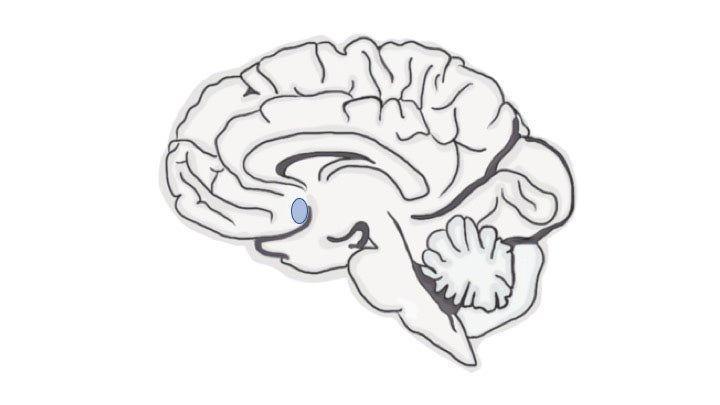
The study set out to understand how a specific part of the brain, the nucleus accumbens, is affected during depression. The nucleus accumbens is important for motivation, response to rewarding experiences and social interactions – all of which are affected by depression.
The nucleus accumbens (represented in blue) is a part of the brain that controls motivation. Researchers from UC Davis compared samples of the nucleus accumbens in mice and humans to find clues to how this part of the brain is affected by stress and depression in males and females.
Previous analyses within the nucleus accumbens showed that different genes were turned on or off in women, but not in men diagnosed with depression. These changes could have caused symptoms of depression, or alternatively, the experience of being depressed could have changed the brain. To differentiate between these possibilities, the researchers studied mice that had experienced negative social interactions, which induce stronger depression-related behavior in females than males.
“These high-throughput analyses are very informative for understanding long-lasting effects of stress on the brain. In our rodent model, negative social interactions changed gene expression patterns in female mice that mirrored patterns observed in women with depression,” said study leader Alexia Williams, a doctoral researcher. “This is exciting because women are understudied in this field, and this finding allowed me to focus my attention on the relevance of these data for women’s health.”
After identifying similar molecular changes in the brains of mice and humans, researchers chose one gene, regulator of g protein signaling-2, or Rgs2, to manipulate. This gene controls the expression of a protein that regulates neurotransmitter receptors that are targeted by antidepressant medications such as Prozac and Zoloft. “In humans, less stable versions of the Rgs2 protein are associated with increased risk of depression, so we were curious to see whether increasing Rgs2 in the nucleus accumbens could reduce depression-related behaviorus,” said Professor Brian Trainor, senior author on the study.
When the researchers experimentally increased Rgs2 protein in the nucleus accumbens of the mice, they effectively reversed the effects of stress on these female mice, noting that social approach and preferences for preferred foods increased to levels observed in females that did not experience any stress.
“These results highlight a molecular mechanism contributing to the lack of motivation often observed in depressed patients. Reduced function of proteins like Rgs2 may contribute to symptoms that are difficult to treat in those struggling with mental illnesses,” Williams said.
Findings from basic science studies such as this one may guide the development of pharmacotherapies to effectively treat individuals suffering from depression, the researchers said.
“Our hope is that by doing studies such as these, which focus on elucidating mechanisms of specific symptoms of complex mental illnesses, we will bring science one step closer to developing new treatments for those in need,” said Williams.