Year: 2021

Having No Audience Slows Male Athletes but Boosts Females

Source: Andrea Piacquadio on Pexels


Researchers have found that having no audience present made men run slower, but helped women run faster.

The new study by Martin Luther University Halle-Wittenberg (MLU) examined the effect of an audience on performance of athletes at the 2020 Biathlon World Cup. According to the new analysis, women also performed better in complex tasks, such as shooting, when an audience was present while men did not.

According to social facilitation theory, a person’s performance is impacted if other people watch them. Merely having an audience improves the performance of simple tasks, especially those requiring stamina: and it is surprisingly hard to circumvent. One study showed that ‘virtual’ bystanders did not have the same effect as having real bystanders in firefighter’s performance in training tasks.

“The studies have been relatively clear so far, but the results are more heterogeneous when it comes to more complex coordinative tasks,” explains Amelie Heinrich from the Institute of Sports Science at MLU. Generally the assumption is that performance tends to drop when an audience is present.

Heinrich is a sports psychology expert who coaches Germany’s junior biathlon squad, and took advantage of the unique conditions created by COVID. “The pandemic offers a unique opportunity to study an audience’s influence outside of experimental conditions in the real world,” said Heinrich, who compared the running times and shooting successes of male and female biathletes from the 2018/2019 season with their performances in the 2020 season in the sprint and mass start events.

“The men’s results were as expected: they ran faster with an audience present, but performed more poorly in shooting,” noted Heinrich. Cross-country skiing mainly requires stamina while shooting is a coordinative task. 

“Interestingly, it was the other way around for women.” With spectators present they ran slower, but on average, it took them an entire second less to make their shot and, at least in the sprint, their scoring performance was five per cent higher. The researchers argue that it is not just due to fluctuation in the athletes’ performance; with 83 (sprint) and 34 (mass start) World Cup biathletes, the study has a good basis for evidence, and the same tendency was seen in both disciplines.

“To our knowledge, this is the first time that a study was able to show a different effect of the audience on men and women,” noted Professor Oliver Stoll, head of the sports psychology section at MLU. Most previous research focused on men. “Our study raises questions about the generalisability of the social facilitation theory and indicates there might be a previously unknown difference between men and women,” said Heinrich, adding that more research in sports with coordination and stamina is needed.

Thus far, the researchers can only speculate about the reasons for the possible gender-specific performance differences in response to audiences or the lack of. “It is possible that gender-specific stereotypes play a role,” said Heinrich. Men have a stereotype that they should be strong, while studies have shown that women are more sensitive to feedback. In any case, Heinrich concluded, this underscores the need to account for gender in studying psychological effects.

Source: Martin-Luther-Universität Halle-Wittenberg

Journal information: Heinrich A. et al. Selection bias in social facilitation theory? Audience effects on elite biathletes’ performance are gender-specific. Psychology of Sports and Exercise (2021). Doi: 10.1016/j.psychsport.2021.101943

Study Confirms that Stress Turns Hair Grey – But It’s Reversible

A new study for the first time provides quantitative evidence linking psychological stress to greying hair in people. 

Greying of hair, a phenomenon still poorly understood in humans, first starts in white individuals at 34, while black individuals only start greying around 44. While it may seem intuitive that stress can accelerate greying, the researchers were surprised to discover that hair colour can actually be restored when stress is eliminated, a finding that contrasts with a recent study in mice that suggested that stressed-induced grey hairs are permanent.

The study holds clues to understanding ageing beyond just confirming the old tale about stress and ageing, said the study’s senior author Martin Picard, PhD, associate professor of behavioral medicine (in psychiatry and neurology) at Columbia University Vagelos College of Physicians and Surgeons.  

“Understanding the mechanisms that allow ‘old’ grey hairs to return to their ‘young’ pigmented states could yield new clues about the malleability of human ageing in general and how it is influenced by stress,” Prof Picard said.

“Our data add to a growing body of evidence demonstrating that human ageing is not a linear, fixed biological process but may, at least in part, be halted or even temporarily reversed.”

Hair can help understand ageing

“Just as the rings in a tree trunk hold information about past decades in the life of a tree, our hair contains information about our biological history,” Picard said. “When hairs are still under the skin as follicles, they are subject to the influence of stress hormones and other things happening in our mind and body. Once hairs grow out of the scalp, they harden and permanently crystallise these exposures into a stable form.”

Though it has long been believed by people that psychological stress can increase grey hairs, it has remained a matter of scientific debate due to a lack of sensitive methods that can precisely correlate times of stress with hair pigmentation at a single-follicle level.

Splitting hairs to document hair pigmentation

Ayelet Rosenberg, first author on the study and a student in Picard’s laboratory, developed a new method for making high resolution images of tiny slices of human hairs to measure the extent of pigment loss — greying — in each of those slices. Each slice, about 1/20th of a millimetre wide, represents about an hour of hair growth.

“If you use your eyes to look at a hair, it will seem like it’s the same color throughout unless there is a major transition,” Picard says. “Under a high-resolution scanner, you see small, subtle variations in color, and that’s what we’re measuring.”

For the study 14 volunteers were asked to review their calendars and rate each week’s level of stress in a stress diary. Analysing individual hair samples, the researchers compared the results with each volunteer’s stress diary.

Right away, it was noticed that some grey hairs naturally regain their original color, which had never been quantitatively documented, Picard said.

When hairs were aligned with stress diaries, it revealed striking associations between stress and hair greying and, in some cases, a reversal of greying with the lifting of stress.

“There was one individual who went on vacation, and five hairs on that person’s head reverted back to dark during the vacation, synchronized in time,” Picard said.

Blame the mind-mitochondria connection

Measuring levels of different proteins in the hairs and how protein levels changed over the length of each hair, the researchers came up with a model showing that mitochondria were responsible for greying.

“We often hear that the mitochondria are the powerhouses of the cell, but that’s not the only role they play,” Picard said. “Mitochondria are actually like little antennas inside the cell that respond to a number of different signals, including psychological stress.”

The mitochondria connection between stress and hair colour is a different mechanism than found in a recent study of mice, where stress-induced greying was caused by an irreversible loss of stem cells in the hair follicle.

“Our data show that greying is reversible in people, which implicates a different mechanism,”  said co-author Ralf Paus, PhD, professor of dermatology at the University of Miami Miller School of Medicine. “Mice have very different hair follicle biology, and this may be an instance where findings in mice don’t translate well to people.”

Hair re-pigmentation possible only for some

Stress reduction is a good idea, but it won’t necessarily get rid of your grey hairs.

“Based on our mathematical modeling, we think hair needs to reach a threshold before it turns grey,” Picard said. “In middle age, when the hair is near that threshold because of biological age and other factors, stress will push it over the threshold and it transitions to grey.

“But we don’t think that reducing stress in a 70-year-old who’s been grey for years will darken their hair or increasing stress in a 10-year-old will be enough to tip their hair over the grey threshold.”

Source: Columbia University Irving Medical Center 

Journal information: Ayelet M. Rosenberg et al, Quantitative mapping of human hair greying and reversal in relation to life stress, eLife (2021). DOI: 10.7554/eLife.67437

Macrophage Role in Liver Regeneration Identified

A macrophage engulfing a yeast cell. Source: CDC

Researchers have found out what role macrophages play in liver regeneration after resection. The results are published in the journal Biomedicine & Pharmacotherapy.

In mammals, the liver is the most regenerative internal organ. It can restore its original size with as little as 25% of the original tissue remaining. Macrophages play an important role in this process. It is known, for example, that if the liver is affected by foreign substances, including drugs, macrophages migrate to the liver, absorb harmful microorganisms and dead cells, cause inflammation and thus contribute to the restoration of the organ. However, it is still unknown unambiguously how macrophages affect the growth of the liver after its resection, ie when a large part of the organ is removed. RUDN University doctors investigated this issue in an experiment with laboratory mice.

“The role of macrophages in the liver growth after massive resections is uncertain. Some studies reveal the lack of immigration of macrophages to the liver during its recovery from partial resection, whereas other studies demonstrate such possibility. So, we focused our study on the macrophage population dynamics after 70% liver resection in mouse mode”, Andrey Elchaninov, MD, PhD, researcher at the Department of Histology, Cytology and Embryology of RUDN University.

The researchers removed 70% of the liver of a number of lab mice. Immediately after that, then a day later, three days later, and a week later, the scientists took liver samples for analysis. The resulting cells were studied using an immunohistochemical method. The sections were labelled with specific antibodies to the glycoproteins CD68, CD206 and other compounds that are found on the surface of macrophages. To count them, the antibodies are labelled with fluorescent dyes and glow when attached to macrophages. The researchers also measured the rate of reproduction and cell death of macrophages.

The researchers found that after resection, macrophages migrate to the liver in large numbers. A day after surgery, the number of macrophages with CD68 in the liver doubles, which persists after a week. It also turned out that the resection led to significant changes in the ratio of different types of macrophages. For example, the proportion of Ly6C cells in the week after surgery increased 4-fold — from 5% to 22%, and the proportion of CD86 droppedfrom 50% to 15%. The role of macrophages is ambiguous. On the one hand, they release chemicals (chemoattractors) that attract white blood cells responsible for the body’s inflammatory response, but on the other hand, they regulate the reproduction of liver cells and the metabolism in the organ.

“Corresponding profiles of macrophages in the regeneration of the liver cannot be unambiguously defined as pro- or anti-inflammatory,” the researchers said. “Their typical features include elevated expression of leukocyte chemoattractant factors, and many of the differentially expressed sequences are related to the control of cell growth and metabolic processes in the liver. Our findings revealed essential roles of macrophages and macrophages proliferation in the mouse liver during its recovery from a massive resection.”

Source: EurekAlert!

Journal reference: Elchaninov, A., et al. (2021) Macro- and microtranscriptomic evidence of the monocyte recruitment to regenerating liver after partial hepatectomy in mouse model. Biomedicine & Pharmacotherapy. doi.org/10.1016/j.biopha.2021.111516.

Statins not Associated With Cognitive Decline

Photo by Matteo Vistocco on Unsplash

A new study has found that statin use in adults 65 years old or older is not associated with incident dementia, mild cognitive impairment (MCI) or decline in individual cognition domains.

Major health concerns in the elderly, cognitive decline and dementia affect about 10% of people over 60 years old. Statins are used to reduce low-density lipoprotein cholesterol, and are a fundamental treatment for prevention of primary and secondary cardiovascular disease (CVD) events. 
In 2012 the Food and Drug Administration issued a warning about cases of apparent short-term cognitive impairment with statin use, while acknowledging that the cardiovascular benefits outweigh their risks. Systematic reviews have since shown insufficient evidence on the impact of statins, and research has shown mixed results, with some showing a neurocognitive benefit of statins and others reporting a null effect.

“With statins being increasingly prescribed to older adults, their potential long-term effects on cognitive decline and dementia risk have attracted growing interest,” said lead author Zhen Zhou, PhD, Menzies Institute for Medical Research at the University of Tasmania. “The present study adds to previous research by suggesting that statin use at baseline was not associated with subsequent dementia incidence and long-term cognitive decline in older adults.”

Researchers of this study analysed data from the ASPirin in Reducing Events in the Elderly (ASPREE) trial. ASPREE was a large prospective, randomized placebo-controlled trial of daily low-dose aspirin with adults 65 or older. One of the key selection criteria of ASPREE was that participants had to have a score of 78 for the Modified Mini-Mental State Examination test, a screening test for cognitive abilities, at enrollment.

The study had 18 846 participants, grouped by their baseline statin use (31.3% of participants) versus non-statin use. The study aimed to measure outcomes including incident dementia and its subclassifications (probable Alzheimer’s disease [AD], mixed presentations); MCI and its subclassifications (MCI consistent with AD, MCI-other); changes in domain-specific cognition including global cognition, memory, language and executive function, and psychomotor speed; and in the composite of these domains.

After a median of 4.7 years of follow-up, researchers found 566 incident cases of dementia (including probable AD and mixed presentations). Compared with no statin use, statin use was not associated with risk of all-cause dementia, probable AD or mixed presentations of dementia. There were 380 incident cases of MCI found (including MCI consistent with AD and MCI-other). Compared to no statin use, statin use was not associated with risk of MCI, MCI consistent with AD or other MCI. No statistically significant difference in the change of composite cognition and any individual cognitive domains between statin users versus non-statin users was seen. However, researchers did find interaction effects between baseline cognitive ability and statin therapy for all dementia outcomes.

The researchers acknowledged several limitations, including observational study bias and lack of data on the length of prior use of statins; and the dose of statins was not recorded in the ASPREE trial, so their effects could not be fully explored. Researchers conclude the study must be interpreted with caution and will require confirmation by randomized clinical trials designed to explore the neurocognitive effects of statins in older populations.

In an accompanying editorial comment, Christie M. Ballantyne, MD, professor at Baylor College of Medicine in Houston, noted study limitations that the authors address, but agreed the findings suggest statins do not contribute to cognitive decline.

“Overall, the analysis was well done, and its main strengths are a large cohort with a battery of standardised tests that allowed the investigators to track both cognition and incidence of dementia and its subtypes over time,” Ballantyne said. “Lingering questions such as the one raised by this analysis regarding potential adverse effects of statins in individuals with mildly impaired cognition can only be answered in randomised controlled trials in the appropriate age group and population and with appropriate testing and adequate follow-up. In the meantime, practising clinicians can have confidence and share with their patients that short-term lipid lowering therapy in older individuals, including with statins, is unlikely to have a major impact on cognition.”

Source: American College of Cardiology

Walking Faster Helps Stroke Survivors to Dual-task

Photo by bennett tobias on Unsplash

Training stroke survivors to walk faster during recovery can help improve their ability to perform a task at the same time, known as dual-task walking.

Stroke survivors often struggle to walk and perform cognitive tasks at the same time, for example, walking and holding a conversation, or planning what to do next. To effectively walk in the community, cognitive effort is needed to navigate safely and deal with distractions. Many people are unable to regain this ability after a stroke.

Dual-task training ineffective

To improve the ability to walk and think at the same time, rehabilitation approaches have focused on practising walking and at the same performing a task needing cognition, known as dual-task training. Previous research led by Oxford Brookes University and the University of Oxford found that this training did not improve people’s ability to dual-task walk any more than just walking training.

Researchers reasoned that why people struggle with dual-task walking after a stroke may instead be linked to their walking automaticity – the pattern our brains run which means not having to think about walking. This pattern is linked to the cyclic pattern of walking whereby one step ‘signals’ the next step to follow. When walking very slowly, this pattern could be disrupted so that walking is more like independent steps, rather than a cycle.

Faster walkers improved dual-task walking

The new research re-examined the data to compare how slower walkers and faster walkers responded to dual-task training.

“When we compared slower walkers and people who walked at a faster pace – still slower, but closer to walking speeds we expect to see in people who have not had a stroke – both increased their walking speeds after the training,” said Dr Johnny Collett, Senior Clinical Research Fellow in the Centre for Movement, Occupational and Rehabilitation Sciences at Oxford Brookes University.

“However, those who could walk faster at the beginning of the training also improved their ability to walk and think at the same time.”

Advanced brain imaging tracked responses to training

As part of the study, researchers tracked how people’s brains responded to the training using advanced brain imaging. Changes found in the brain supported the findings that stroke survivors who walked slower, had a less automatic control of  walking. Those who walked at a faster pace had changes in the brain consistent with adaptations needed for controlling gait in more complex environments.

“These findings show that, for those who walk slowly, initially focusing on improving walking speed may increase their capacity to improve dual-task walking,” added Dr Collett. “Greater consideration of walking automaticity may help to better tailor intervention and direct a staged approach of increasing complexity to make people better able to walk in the community.”

Importance for rehabilitation

Dr Rubina Ahmed, Director for Research and Policy at the Stroke Association said: “Stroke strikes every 5 minutes and has devastating physical and mental impacts. Whilst four out of five stroke survivors recover the ability to walk, most find it hard outside of hospital which has a big impact on their well-being and independence. By funding this research our charity has helped to highlight that training focused on walking speeds could be an important part of rehabilitation for some stroke survivors’ recoveries. Research like this is key to finding new treatments and improving stroke care, so that stroke survivors can regain the mobility and independence they need to rebuild their lives.”

Source: Oxford Brookes University

Journal reference: Collett, J., et al. (2021) Dual-task walking and automaticity after Stroke: Insights from a secondary analysis and imaging sub-study of a randomised controlled trial. Clinical Rehabilitation. doi.org/10.1177/02692155211017360.

India Tests Out Drones for Medical Deliveries

Photo by Thomas Bjornstad on Unsplash

An aviation firm has carried out the first tests in India of drone deliveries at long ranges, in a step towards one day delivering medicines as well as COVID vaccines to remote areas.

India, with a population of 1.3 billion people spread across some 3.2 million square kilometres is the world’s seventh-largest country by land mass. Experts say that widespread use of drones could be a game-changer for medical services in the South Asian nation’s hard-to-reach rural areas with often poor roads and lack of healthcare infrastructure.

Drones are a cost-effective alternative to road transport in difficult terrains. They can be used in the transport of blood from the blood bank to the place of surgery and that of specimens from hard-to-reach areas to the labs in nearby towns. They can deliver essential medicines like anti-venom for snake bite and dog bite and prevent deaths.

Throttle Aerospace Systems is among 20 organisations granted permits by the government since May to conduct experimental flights beyond the current limit of 450 metres.

Two drones were tested in the southern state of Karnataka: one that can carry up to one kilogramme for 20 kilometres for nearly an hour, and another that can lift two kilogrammes for 15 kilometres.

“Medicines was the payload here and… 2.5 kilometres were covered in seven minutes and it delivered the medicines at the designated point and the drone returned,” Throttle’s co-founder, Sebastian Anto, told AFP at the test site.

This month the Indian government also invited bids from drone operators to help set up a pilot project for the delivering of medical supplies as it seeks to bolster its flagging COVID vaccination drive.

Samiran Panda,  epidemiology chief of the Indian Council of Medical Research, told The Hindu daily newspaper that the technology could help innoculate priority groups in hard-to-reach places.

“We need smart vaccination instead of mass vaccination to stem an epidemic,” Panda told the newspaper last week.

However, India lags behind many other nations when it comes to drones both in terms of their uses and the regulatory framework.Under current regulations, they have to be flown in full view, or within 450 metres, of their operators on the ground.

In Germany, it is reported that researchers are testing drone prototypes that can track down disaster victims by their screams. In Australia, drones using artificial intelligence algorithms are being used to spot crocodiles and count koalas in rugged terrain.

“Drone technology would have a huge impact in those areas where emergency medicines and vaccines could be supplied,” co-founder of lobby group the Drone Federation of India, Vipul Singh, told AFP.

“Where it takes a few hours to travel 20-30 kilometres by road, whereas a drone can actually travel that distance in 10 to 15 minutes,” said Singh, also the co-founder of Bangalore-based Aarav Unmanned Systems.

Source: Medical Xpress

FLASH Radiation Treatment for Tumours a Step Closer

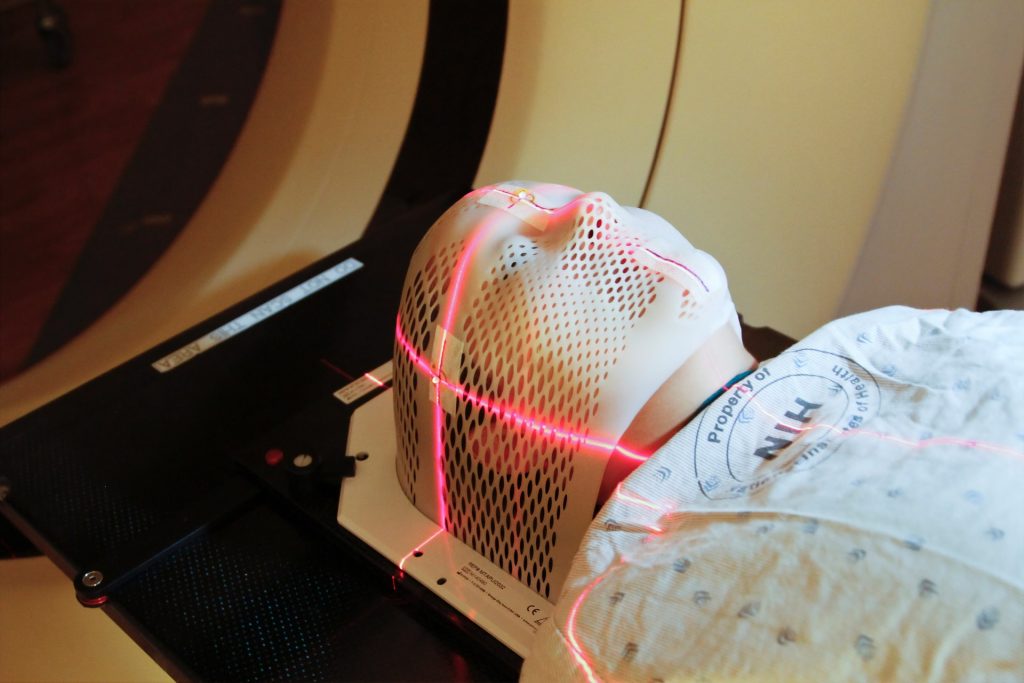
Heavy ion bombardment in FLASH radiation treatment could be the future of radiotherapy, with encouraging findings from a German lab.

The GSI Helmholtzzentrum für Schwerionenforschung and the future accelerator centre FAIR succeeded in performing a carbon ion FLASH experiment for the first time in their Phase 0 experiment. 

The scientists involved were able to achieve the very high dose rates required to irradiate tumours. The success was a collective effort of the GSI Biophysics Department and the accelerator crew on the GSI/FAIR campus in close collaboration with the German Cancer Research Center DKFZ and the Heidelberg Ion Therapy (HIT) center.

FLASH irradiation involves utra-short and ultra-high radiation, delivering the treatment dose in fractions of a second. Traditional radiation therapy, as well as proton or ion therapy, deliver smaller doses of radiation to a patient over an extended time period, whereas FLASH radiotherapy is thought to require only a few short irradiations, all lasting less than 100 milliseconds.

In the field of electron radiation, recent in vivo investigations have shown that the FLASH method’s ultra-high dose rate is less harmful to healthy tissue, but just as efficient as conventional dose-rate radiation to inhibit tumour growth. Such an effect has not yet been demonstrated for proton and for ion beam irradiation, which is the basis of the tumour therapy with carbon ions developed at GSI. There is still a lot of research to be done here. The results of the current experiment at GSI are now being evaluated and will contribute to new knowledge.

There have also been technical barriers to FLASH radiation. Until now, FLASH technique has only been applicable using electron and proton accelerators. While the required dose rates for electrons and protons can be achieved with a cyclotron (circular accelerator), this is more difficult with the synchrotrons required in heavy ion therapy, such as the SIS18 at GSI.

That is why the current FAIR Phase 0 experiment is a very crucial step: Thanks to the improvements at the existing GSI accelerator facility as part of the preparations for FAIR, the necessary dose rate in millisecond range can now also be achieved for carbon ions. However,  much development work remains to be done before this procedure is mature enough to be routinely used on patients in the field of electron radiation.

Professor Marco Durante, Head of the GSI Biophysics Research Department, was very pleased with this important milestone in  the development of FLASH irradiation:

“It is a forward-looking method that could significantly increase the therapeutic window in radiotherapy. I am very happy that the researchers and the accelerator team were able to demonstrate the possibility to create conditions with carbon beams that are necessary for FLASH therapy of tumors. If we can combine the great effect and precision of heavy ion therapy with FLASH irradiation while maintaining efficacy and causing little damage to healthy tissue, this could pave the way of a future radiation therapy several years from now.”

Professor Paolo Giubellino, The Scientific Managing Director of GSI and FAIR, expressed his delight at the results: “The combination of expertise in biophysics and medicine as well as engineering excellence allows the first world-class experiments FLASH irradiation with ion beams to be performed. This could result in important complements to existing radiation therapies. Applications in tumour therapy are one of the research areas that can benefit from the recent increased intensities of GSI accelerators. However, modern radiobiology will substantially benefit from beams with even higher intensities, such as we will have at the FAIR facility currently under construction. FLASH is a first example of these future directions of work”.

Source: GSI Helmholtzzentrum für Schwerionenforschung GmbH

Tech Transfer for Local mRNA Vaccine Production

South Africa is planning to make vaccines locally using messenger RNA, the breakthrough technology of the global COVID vaccination effort – and once nearly consigned to the dustbin of medical research history.

The World Health Organization (WHO) and its COVAX partners are working with a South African consortium comprising Biovac, Afrigen Biologics and Vaccines, a network of universities and the Africa Centres for Disease Control and Prevention (CDC) to establish its first COVID mRNA vaccine technology transfer hub.

This follows WHO’s global call for Expression of Interest to establish COVID mRNA vaccine technology transfer hubs to scale up production and access to COVID vaccines. The partners will negotiate details with the South African government and public and private partners both local and international.

South African President Cyril Ramaphosa said: “The COVID pandemic has revealed the full extent of the vaccine gap between developed and developing economies, and how that gap can severely undermine global health security. This landmark initiative is a major advance in the international effort to build vaccine development and manufacturing capacity that will put Africa on a path to self determination. South Africa welcomes the opportunity to host a vaccine technology transfer hub and to build on the capacity and expertise that already exists on the continent to contribute to this effort.”

“This is great news, particularly for Africa, which has the least access to vaccines,” said Dr Tedros Adhanom Ghebreyesus, WHO Director-General. “COVID has highlighted the importance of local production to address health emergencies, strengthen regional health security and expand sustainable access to health products.”

The announcement follows the recent visit to South Africa by French President Emmanuel Macron, who gave his country’s commitment to aiding local vaccine production.

“Today is a great day for Africa. It is also a great day for all those who work towards a more equitable access to health products. I am proud for Biovac and our South African partners to have been selected by WHO, as France has been supporting them for years,” said President Macron. “This initiative is the first of a long list to come, that we will keep supporting, with our partners, united in the belief that acting for global public goods is the fight of the century and that it cannot wait.”

Technology transfer hubs are training facilities where the technology is established at industrial scale and clinical development performed. Interested manufacturers from low- and middle-income countries can receive training and any necessary licences to the technology, assisted by the WHO and partners.

Biovac is a bio-pharmaceutical company resulting from a partnership formed with the South African government in 2003 to establish local vaccine manufacturing capability for the provision of vaccines for national health management and security.

Afrigen Biologics and Vaccines is a biotechnology company focuses on product development, bulk adjuvant manufacturing and supply and distribution of key biologicals to address unmet healthcare needs.

The organisations complement one another, and can each take on different roles within the proposed collaboration: Biovac will be the developer while Afrigen is the manufacturer, with a consortium of universities as academic supporters providing mRNA know-how. Africa CDC will provide technical and regional support.

The South African consortium has existing operating facilities with available capacity and experience in technology transfers. It is also a global hub that can start training technology recipients immediately.

The WHO is speaking to a number of pharmaceutical manufacturers about establishing the hub, though the talks are so far mainly with “smaller companies,” said Soumya Swaminathan, WHO’s chief scientist. “We are having discussions with the larger companies with proven mRNA technology,” she added.

The mRNA vaccines may be produced in South Africa within 9 to 12 months, she said. WHO’s call for expressions of interest has so far generated 28 offers to either provide technology for mRNA vaccines or to host a technology hub or both. 

It is the first time that messenger RNA technology has been used to make vaccines, which has been used by Moderna and Pfizer/BioNTech. They have proven very effective against the original SARS-CoV-2 strains and even against its more recent variants.

Source: World Health Organization

‘Windscreen Wiper’ Tool for Laparoscopes Allows Uninterrupted View

Photo by Charlie Deets on Unsplash

A Brigham Young University student has developed a ‘windscreen wiper’ tool for laparoscopes that continuously keeps the camera end clean.

The laparoscope, a slender rod with a camera tip, allows doctors to see inside a body during surgery. Laparoscopes have made surgery less invasive and easier for surgeons and patients, but the device does have a problematic drawback: it must be removed, cleaned, and reinserted multiple times during surgery.

Engineering graduate student Jacob Sheffield has developed a tiny origami-based device that serves as a miniature windshield wiper for laparoscope camera lenses. When installed, the device eliminates the need to remove and reinsert laparoscopes every five or so minutes during surgery, which would allow surgeons to focus on the patient without disruptions.

“It’s like driving the car in the rain,” Sheffield explained. “If you can focus on driving and not on reaching out the window to wipe off the windshield with your hand, you can keep your focus on what’s important.”

His technology, developed with mentoring from BYU professor Larry Howell in the Compliant Mechanisms Research Lab and help from ME undergrad Amanda Lytle, is called LaparoVision. The disposable mechanism snaps on to existing laparoscopes and features a one-piece curved wiper that conforms to the cylindrical walls of the medical tool. The wiper, which is so small it can rest on the end of a finger, is actuated by a trigger outside of the body.

The innovative concept was impressive enough to earn Sheffield the title of 2021 Student Innovator of the Year at BYU, an award which also provides kickstarter money to develop a project.

“It’s extremely helpful to get that funding through BYU awards programs and the feedback you get from judges is invaluable,” Sheffield said. “My advice for future applicants is even if you don’t win or get money out of it, use the deadline of the competitions to drive progress for your idea.”

For Sheffield, the idea came about when he was meeting with surgeons across the country on other medical technologies being tested in the CMR lab. The issue of laparoscope removal and cleaning kept coming up in their conversations. The tool is used in 5 million surgeries every year in the US alone, and in roughly 90% of those procedures, the device must be removed.

Sheffield said that, according to many surgeons and studies, every five to eight minutes the device has to be pulled out and the lens wiped clean. With operating rooms costing $62 a minute, those fairly regular removals prove costly and frustrating. However, even more importantly, withdrawal of the scope at a critical time can cause serious risks for the patient.

“There is a high correlation in keeping the scope clean, maintaining surgical focus and ensuring timely and safe patient outcomes,” Sheffield said. “But it’s not just about improving efficiency during surgery; every time you lose vision it could be a critical part in the surgery where you make an incision and get blood on the lens and you can’t see what’s going on.”

Sheffield is currently in talks to license the technology and has now formed a startup (Bloom Surgical) to bring the device to market. Currently he is focusing on showing that the device is reliable and sage, and working towards getting FDA clearance for the tool.

Source: Brigham Young University

Bias Against Both Sexes Found in Clinical Trials

Photo by Tim Mossholder on Unsplash

Though evenly split overall, research shows that women and men in disease trials are not represented according to the population affected.

Clinical trial sample populations should be proportionate to the population affected by the disease, as some diseases are more prevalent or manifest differently in one sex versus the other. Neglecting one sex in clinical trials can skew medical evidence toward therapies for the neglected population.
The study cross-analysed over 20 000 US clinical trials between 2000-2020, and found that women are underrepresented in clinical trials in cardiology, oncology, neurology, immunology and haematology. Meanwhile, men are underrepresented in clinical trials in musculoskeletal disease and trauma, psychiatry and preventive medicine. 

This study, published JAMA Network Open, is the first to examine sex bias in all US human clinical trials relative to disease burden (which is the prevalence of disease based on factors such as sex and ethnicity).

“Sex bias in clinical trials can negatively impact both men and women by creating gendered data gaps that then drive clinical practice,” said first study author Dr Jecca Steinberg, a medical resident in the department of obstetrics and gynecology at Northwestern University Feinberg School of Medicine. “Neglecting one sex in clinical trials — the gold standard scientific exploration and discovery — excludes them from health innovation and skews medical evidence toward therapies with worse efficacy in that sex.”

Underrepresentating either sex in clinical trials can lead to less optimal health outcomes; differences exist for women and men in medical test results, disease progression, treatment response, drug metabolism and surgical outcomes, Dr Steinberg said.

These differences stem from variations in body size, composition, and hormones. Women’s smaller body sizes and higher fat contents typically result in varied drug responses. One study showed that aspirin has differential effects on the sexes with regard to primary protection against strokes and heart attacks. Aspirin only lowered women’s risk of stroke but had no effect on the risk of myocardial infarction or death.

“Identifying areas of research in which sex bias disadvantages males is important to improving population health,” Dr Steinberg said. “Our novel finding that men are underrepresented in trials related to mental health and trauma assumes greater urgency in American society where suicide, violence and substance use increasingly contribute to growing morbidity and premature male mortality in the US.”

Clinical trials for preventative medicine are more likely to have greater enrollment of women, the study found, adding credence to the notion that women, more than men, seek out preventive services and access to health care.  

Women-specific underrepresentation remains
“One of the top reasons for Food and Drug Administration drug recall is adverse effects in women,” Dr Steinberg said. “Millions and millions of dollars go into these trials, so to relatively neglect women in the trial population is a waste.

“A greater allocation of resources for female-focused trials could be critical to improving care for women and discerning the heterogenous manifestations of diseases within the female population.”

For example, women with heart disease often have different reactions to medications and experience different symptoms from men, such as feeling abdominal pain rather than their left arm. If a clinical trial implements its intervention based on symptoms predominantly exhibited by the male population, it could miss testing interventions in women with cardiac arrest. 

The reduced representation of women relative to disease burden specifically in oncology and cardiology clinical trials is especially troubling, said Steinberf, because cardiologic and oncologic diseases are among the leading causes of death among women in the US.

Participating in clinical trials is also one of the only ways to access cutting edge therapies, especially oncology, so the relative deficiency of one sex contributes to disparities in health outcomes, Steinberg said.  

“One of our hopes from this study is that scientists and physicians will read about our findings and be inspired to say, ‘Why is that happening in my field?’ and then address it,” Dr Steinberg said.

Source: Northwestern University