Year: 2021

New Machine Learning Tools Could Save Teeth

Photo by Kevin Bation on Unsplash

Machine learning tools could help identify those at greatest risk for tooth loss and refer them for further dental assessment for early interventions to avert or delay the conditions.

The study by researchers at the Harvard School of Dental Medicine compared five different algorithms using various combinations of variables to screen for risk. The results showed those that factored medical characteristics and socioeconomic variables, including race, education, arthritis, and diabetes, outperformed algorithms that relied on dental clinical indicators alone.

“Our analysis showed that while all machine-learning models can be useful predictors of risk, those that incorporate socioeconomic variables can be especially powerful screening tools to identify those at heightened risk for tooth loss,” said study lead investigator Hawazin Elani, assistant professor of oral health policy and epidemiology at HSDM.

The approach could be used to screen people globally and in a variety of health care settings even by non-dental professionals, she added. This approach could be applied around the world, even allowing non-dental professionals to screen patients.

Tooth loss can affect quality of life, well-being, nutrition, and social interactions. It is also associated with dementia. If the earliest signs of dental disease are identified, then the process can be delayed or averted with prompt treatment. However, many people with dental disease may not see a dentist until the process is too far gone. This is where screening tools could help identify those at highest risk and refer them for further assessment, the team said.

For the study, the researchers used data on nearly 12 000 adults from the National Health and Nutrition Examination Survey to design and test five machine-learning algorithms and assess their predictions for both complete and incremental tooth loss among adults based on socioeconomic, health, and medical characteristics.

A key point is that algorithms were designed to assess risk without a dental exam, though anyone at risk for tooth loss would still need one. The study’s findings point to the importance of socioeconomic factors.

“Our findings suggest that the machine-learning algorithm models incorporating socioeconomic characteristics were better at predicting tooth loss than those relying on routine clinical dental indicators alone,” Elani said. “This work highlights the importance of social determinants of health. Knowing the patient’s education level, employment status, and income is just as relevant for predicting tooth loss as assessing their clinical dental status.”

Low socioeconomic status populations have long been known to have greater rates of tooth loss, likely due to lack of regular access to dental care, among other reasons, the team said.

“As oral health professionals, we know how critical early identification and prompt care are in preventing tooth loss, and these new findings point to an important new tool in achieving that,” said Jane Barrow, associate dean for global and community health and executive director of the Initiative to Integrate Oral Health and Medicine at HSDM. “Dr. Elani and her research team shed new light on how we can most effectively target our prevention efforts and improve quality of life for our patients.”

Source: Harvard Medical School

Journal information: Hawazin W. Elani et al, Predictors of tooth loss: A machine learning approach, PLOS ONE (2021). DOI: 10.1371/journal.pone.0252873

Double Threat of Flu and S. Pneumoniae Unravelled

Streptococcus pneumoniae bacteria. Image by CDC on Unsplash

Researchers have found a further reason for why flu and Streptococcus pneumonia are such a deadly combination, by a surface protein causing it to stick to dead or dying lung cells. The finding by University of Alabama at Birmingham (UAB) follows thirty years after the discovery of the surface protein, called pneumococcal surface protein A, or PspA.

This new mechanism had been overlooked because it facilitates bacterial adherence only to dead or dying lung epithelial cells, not to living cells. Previously, researchers typically used healthy lung cell monolayers to search for bacterial adhesins that aid infection. In flu, the virus killing off lung cells was found to set the stage for S. pneumonia attachment to the airway, thereby worsening disease and pneumonia.

Study leaders Carlos Orihuela, PhD, and David Briles, PhD, professor at UAB, said their findings provide further explanation for how an infection by influenza A flu virus — followed by S. pneumoniae superinfection — causes severe pneumonia and a high death rate. Understanding of this mechanism could also lead to improvements for disease treatment and vaccination.

A historical example of the deadly synergy of flu infection followed by S. pneumoniae superinfection is found in banked lung samples from the 1918 Spanish influenza pandemic that killed 40 million to 50 million people — the vast majority of these samples showed co-infection or secondary infection with S. pneumonia.

The UAB research on PspA began with puzzling results from experimental lung infections of mice with influenza A, followed by either wild-type S. pneumonia that has the intact PspA gene, or a mutant S. pneumoniae that lacks PspA. Lung homogenates from mice infected with the wild-type had much higher numbers of S. pneumonia bacteria than lungs infected with the mutant. However, when researchers washed the interiors of the lungs and collected that bronchoalveolar lavage fluid, they counted similar numbers of the wild-type S. pneumonia and the mutant.

“This unexpected result was interpreted to mean that wild-type S. pneumoniae were more resistant to dislodgement than S. pneumonia with a pspA gene deletion, and it served as rationale for further experimentation,” Dr Orihuela said.

From this, the researchers were then able to show that PspA functions as an adhesin to dying host cells, as well as its previously established virulence mechanisms. The researchers also detailed the molecular mechanism of this bacterial adherence.

Both influenza A infection and release of the S. pneumoniae toxin pneumolysin cause death of lung epithelial cells. As they are dying, cells’ phosphatidylserine residues wind up on the outer cell membrane, where they bind the host enzyme glyceraldehyde-3-phosphate dehydrogenase, or GAPDH. In turn, the S. pneumoniae PspA on the bacteria surface binds to the GAPDH. PspA-GAPDH-mediated binding to lung cells increased S. pneumoniae localisation in the lower airway, and this was enhanced by pneumolysin exposure or co-infection with influenza A virus.

One of the fragments of protein responsible for the binding was introduced into the lungs of influenza-infected mice and reduced the disease severity of S. pneumoniae superinfection, presumably through binding competition.

“Our findings support the targeting of regions of PspA for therapeutic and vaccine development against influenza A/Streptococcus pneumoniae superinfections,” Dr Orihuela said. “Importantly, and despite more than 30 years since its discovery, PspA was not previously shown to function as an adhesin. Thus, our finding of PspA’s role in adherence substantially advances our knowledge on the interactions of S. pneumoniae with its host.”

Source: University of Alabama at Birmingham

Journal information: Sang-Sang Park et al, Streptococcus pneumoniae binds to host GAPDH on dying lung epithelial cells worsening secondary infection following influenza, Cell Reports (2021). DOI: 10.1016/j.celrep.2021.109267

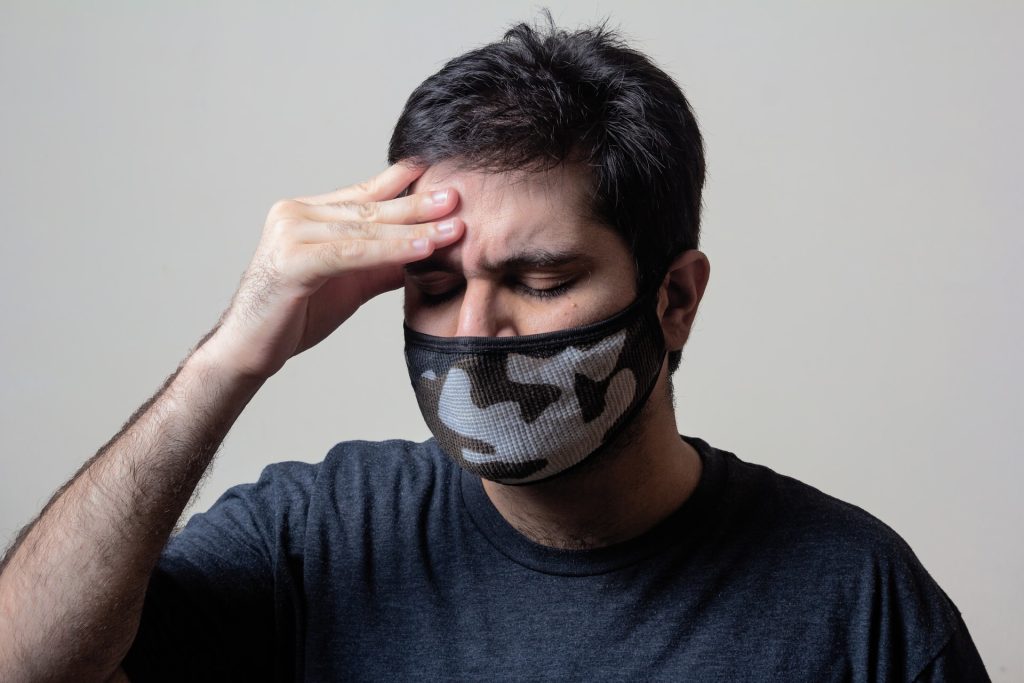
Encouraging News for Migraine Sufferers

Photo by Usman Yousaf on Unsplash

According to a new study from the University of Toronto, 63% of Canadians who suffer from migraine headaches are able to flourish, despite the painful condition.

“This research provides a very hopeful message for individuals struggling with migraines, their families and health professionals. The findings of our study have contributed to a major paradigm shift for me. There are important lessons to be learned from those who are flourishing,” said lead author Esme Fuller-Thomson, Professor at both the Factor-Inwentash Faculty of Social Work and the Department of Family & Community Medicine, University of Toronto.

Over the past decade, Prof Fuller-Thomson has published on negative mental health outcomes associated with migraines, including suicide attempts, anxiety disorders and depression.

Migraine is a complex,   genetically influenced disorder characterised by episodes of moderate-to-severe headache, usually unilateral and associated with nausea and increased sensitivity to light and sound. A migraine headache is the seventh most disabling disorder in the world. However, there is little research investigating factors associated with mental health and well-being among sufferers.

The University of Toronto study investigated optimal mental health in a nationally representative sample of 2186 Canadian adults diagnosed with migraines. The data were drawn from Statistics Canada’s Canadian Community Health Survey-Mental Health. To be defined in excellent mental health, respondents had to achieve three things: 1) almost daily happiness or life satisfaction in the past month, 2) high levels of social and psychological well-being in the past month, and 3) freedom from generalised anxiety disorder and depressive disorders, suicidal thoughts and substance dependence for at least the preceding full year.

“We were so encouraged to learn that more than three in every five migraineurs were in excellent mental health and had very high levels of well-being,” said Prof Fuller-Thomson.

Those experiencing migraines who had at least one person they could confide in were four times more likely to be in excellent mental health than those without. Additionally, those using religious or spiritual beliefs to cope with everyday difficulties had 86% higher odds of excellent mental health than those who did not use spiritual coping. Poor physical health, functional limitations, and a history of depression were also found to inhibit excellent mental health among those with migraines.

“Health professionals who are treating individuals with migraines need to consider their patients’ physical health needs and possible social isolation in their treatment plans” said co-author Marta Sadkowski, a recent nursing graduate from the University of Toronto.

Source: EurekaAlert!

Journal reference: Fuller-Thomson, E & Sadkowski, M., (2021) Flourishing Despite Migraines: A Nationally Representative Portrait of Resilience and Mental Health among Canadians. Annals of Headache Medicine. doi.org/10.30756/ahmj.2021.05.02.

Intense Training Results in Temporary Mitochondrial Impairment

Photo by Quino Al on Unsplash

Elite athletes have temporary mitochondrial impairment following intense workouts, according to new research, which suggests they may need to be mindful about overtraining. 

Mitochondria are organelles that are responsible for most of the useful energy derived from the breakdown of carbohydrates and fatty acids, which is converted to ATP by the process of oxidative phosphorylation. Mitochondrial capacity is a term used to describe the body’s ability to generate energy, and is one factor associated with increased athletic performance during endurance exercise. Previous research found that untrained recreational athletes had a decrease in mitochondrial capacity after sprinting exercises.

In this study, the researchers worked with a small group of male elite athletes, many of whom were national title holders or had international recognition for their performance in cycling and triathlon. The athletes participated in a four-week training programme in their primary sport, which consisted of two to four days of low-to-moderate–intensity endurance workouts, followed by three days of more intense training. These intense workouts included high-intensity interval training in the morning, followed by a seven-hour break and then a moderate-intensity cycling session in the afternoon. Each volunteer did between 12 and 20 hours of activity per week. The athletes, though used to heavy training, were not accustomed to this specific workout schedule.

The researchers were surprised to observe that the highly trained participants’ mitochondrial capacity was impaired after the month-long training period. “We thought that elite athletes should be more resistant against [these] kind of alterations,” said Filip Larsen, PhD, of the Swedish School of Sport and Health Sciences and corresponding author of the study.

However, elite athletes may be able to prevent temporary mitochondrial impairment by listening to their bodies, the researchers suggested. By paying attention to changes such as “mood disturbances, reductions in maximal heart rate [during exercise] and muscles that feel heavy and unresponsive” top athletes may be able to pull back and avoid overtraining situations that could contribute to reduced mitochondrial content and function, Larsen explained. “Exercise is good for you, but too much unaccustomed training might have mitochondrial consequences.”

The study also found that reduced mitochondrial capacity did not affect exercise performance, suggesting that oxygen delivery from the heart to the muscles plays a more important role than mitochondrial function in performance. Expression of three proteins with strong antioxidant properties were also found to be increased in the muscles after intense training.

Source: American Physiological Society

Journal information: Daniele A. Cardinale et al, Short term intensified training temporarily impairs mitochondrial respiratory capacity in elite endurance athletes, Journal of Applied Physiology (2021). DOI: 10.1152/japplphysiol.00829.2020

Positivity Rate at 25% as Lockdown Upgrades Expected

President Cyril Ramaphosa is expected to meet with the National Coronavirus Command Council (NCCC) to discuss the government’s response to the third COVID wave, which includes the possibility of new restrictions. 

Several bodies have strongly urged upgrading to a harder lockdown, including the South African Medical Association, the Gauteng Provincial Government, medical professionals, and now the Ministerial Advisory Committee on Covid-19.

Earlier this week Ramaphosa indicated that the government will have to increase its COVID containmant measure – especially in Gauteng province. He noted that the country’s first hard lockdown in March 2020, one of the strictest in the world, did help cut infection rates at the start of the pandemic.

South Africa recorded 17 493 new cases, a new daily high for the third wave, of which 10 806 were in Gauteng. Case positivity rate increased to 24.92%. A report released on Wednesday by the South African Medical Research Council showed that 1349 excess deaths in Gauteng for the week ending 13 June, of which 431 were due to COVID/

Warnings and failure to act

In an interview with The Money Show with Bruce Whitfield this Monday, Netcare CEO Richard Friedland had warned that the numbers of Covid-19 patients “are overwhelming facilities at the moment”.

Since Wednesday last week, Gauteng’s hospitals had been battling with a “mass casualty situation” , not unlike the aftermath of a train accident, or the collapse of a sports stadium, with “injuries on a massive scale”. But, with COVID, he said, the crisis is not over in a couple of hours, but remains ongoing.

With no evidence of a peak in case numbers, Friedland said that, “I’m afraid that these numbers are demonstrating that [without] a Level 5 lockdown in Gauteng, we may not see the end of this surge for some time.”

Professor Koleka Mlisana, co-chairperson of the Ministerial Advisory Committee on Covid-19, says that tighter restrictions are likely needed to help curb infections.

Prof Mlisana said that the other major crisis is making sure that there are sufficient hospital beds in Gauteng. This includes additional facilities, staffing members and beds to ensure the system is not overwhelmed, she said.

Prof Mlisana said that this was down to a lack of preparation by the government, despite warnings from the advisory committees. 

Source: BusinessTech

WHO Urges Equitable Travel Requirements

Photo by Tim Gouw on Unsplash

The WHO has urged that as air travel is restored, vaccinations should not be a prerequisite for travellers, potentially locking out those in poorer regions, especially Africa.

In a virtual press briefing on Thursday, Dr Matshidiso Moeti, World Health Organization Regional Director for Africa said that the WHO believes that schemes to remove quarantine and entry restrictions for travellers that have been vaccinated, are discriminatory and could deepen already existing inequalities even further.

Meanwhile, she warned that Africa’s third wave, already underway in 12 countries, with cases rising in another 14, threatens to be the worst yet with 5.3 million cases across the continent. It is projected that in three weeks the third wave will surpass the previous wave’s peak.

Public fatigue and new variants are driving this surge across Africa, with Delta the variant  detected in 14 countries. She stated that Africa can “blunt this third wave” but “the window of opportunity is closing”.

The WHO aims to strengthen variant surveillance in Africa by reinforcing the regional laboratory hub have a 8 to 10 fold increase in next 6 months for genome sequencing

Though vaccination rates remain low in Africa, there is nevertheless a great demand for vaccines, with 18 countries having used over 80% of the vaccines received through COVAX. Fortunately only mild side effects from the vaccines have been seen in African communities, she said.

Mr Kamil Alawadi, Regional Vice President for Africa and Middle East, International Air Transport Association (IATA) said that inconsistent requirements added additional complications in travel, increasing cost for the passenger and the airline. For travellers, PCR testing can range from $100 up to $400 for a single, one direction trip.

The key requirement for the recovery of the airline industry is the lifting of restrictions, said Alwadi, citing a survey that showed that 84% of passengers will not fly if there were quarantines in place. However, demand still existed for air travel, as evidenced by travel bookings spiking as soon as governments relaxed their border restrictions.

Alawadi said that the IATA agreed with the WHO that only lifting quarantine requirements for vaccine individuals was inequitable, and that “a robust and flexible testing system” was needed in place of quarantine, using systematic testing at the point of departure such as rapid antigen tests which are cheaper, faster and more accessible.

Graphic from Skyscanner.net showing countries with major travel restrictions from South Africa (red, 83 countries), moderate (orange, 29) and low restrictions (green, 42)

The situation was urgent for the African aviation industry as it had lost USD7.8 billion in 2020, with eight airlines filing for bankruptcy, he noted. This was against a background of USD430 billion global loss for the industry, though he noted that some countries are seeing a rebound to 2019 numbers for domestic travel. However, it is projected that losses will only stop by 2023 and return to profit by 2024.

The IATA has developed protocols in concert with the  International Civil Aviation Organization (ICAO) and WHO that will be non-discriminatory not require vaccinations, said Alwadi. However the aviation industry is sinking very rapidly without governmental support.

Cheaper Way of Monitoring Coronavirus Variants

Researchers at Karolinska Institutet in Sweden have developed a technology for cost-effective surveillance of the global spread of new SARS-CoV-2 variants.  This could help low- and middle-income countries monitor variants in their own borders.

From the beginning of the pandemic, thousands of viral genomes have been sequenced in order to reconstruct the evolution and global spread of the coronavirus. Dependent on these is the identification of particularly concerning variants.

To achieve global surveillance of the SARS-CoV-2 genome, the sequencing and analysis of numerous samples cost-effectively is key. Therefore, researchers in the Bienko-Crosetto laboratory at Karolinska Institutet and Science for Life Laboratory (SciLifeLab) in Sweden have developed a new method, COVseq, that can be used for surveillance of the viral genome on a massive scale at a low cost.

Multiplex PCR (polymerase chain reaction) is used to make more copies of the virus. The samples are then labeled and pooled together in the same sequencing library, using a previous method developed in their laboratory and now adapted for SARS-CoV-2 analysis.

“By performing reactions in very small volumes and pooling together hundreds of samples into the same sequencing library, we can sequence potentially thousands of viral genomes per week at a cost of less than 15 dollars per sample,” said co-first author Ning Zhang, postdoctoral researcher at the Department of Medical Biochemistry and Biophysics, Karolinska Institutet.

Comparative analyses of 29 SARS-CoV-2 positive samples revealed that COVseq could detect small changes in the genome as well as standard methods. Analysing 245 additional samples, they showed that COVseq could also detect emerging variants of concern well. COVseq’s key advantage over existing methods is cost-effectiveness.

“Our inexpensive method could immediately be used for SARS-CoV-2 genomic surveillance by public health agencies and could also be easily adapted to other RNA viruses, such as influenza and dengue viruses,” said last author Nicola Crosetto, senior researcher at the Department of Medical Biochemistry and Biophysics, Karolinska Institutet.

Source: Karolinska Institutet

Journal information: COVseq is a cost-effective workflow for mass-scale SARS-CoV-2 genomic surveillance. Nature Communications, 23 June 2021, DOI: 10.1038/s41467-021-24078-9

Inability to Dispose of Old Cells Leads to Macular Degeneration

Photo by v2osk on Unsplash

Researchers have discovered that failing to dispose of old photoreceptor cells leads to age-related macular degeneration.

The estimated number of people worldwide with age-related macular degeneration in 2020 was 196 million, increasing to 288 million in 2040. Though more than 50 genes are associated with the condition, the precise mechanism is unknown. Most people have a form of the condition, for which there are no known effective treatments.

In order to develop new therapies to treat the disease, University of Maryland School of Medicine (UMSOM) researchers are starting to understand what goes wrong in the disease. Using human and mice tissue, researchers showed that the process which removes the eye’s old, damaged light sensors is disrupted in macular degeneration.

Previously, the lead researcher had found out that many families with hearing disorders had genetic mutations in the gene for the CIB2 protein, and later work also showed that CIB2 was needed for vision in a large human family, as well as in zebrafish. Now, in this latest study, his team built on that previous work to dissect the intricate cell mechanisms behind retinal degeneration.

The team compared healthy mouse eyes to those from a mouse with the CIB2 protein genetically deleted. These CIB2 mutant mice were not disposing of their old light sensor proteins, called photoreceptors, like healthy mouse eyes did.  

“Photoreceptors continue growing in tiny columns in the eye, but over time, light damages the photoreceptors. To combat this, support cells in the eye slowly munch on the old, damaged photoreceptors, keeping the columns the correct length,” explained first author Saumil Sethna, PhD, at the University of Maryland School of Medicine. “If the photoreceptors are not removed, or if the process is backed up due to slow digestion by the support cells, like in the CIB2 mutant mice, the undigested material builds up over time, which may contribute to blindness.”

The researchers then identified several components in this photoreceptor recycling process, including a group of proteins collectively called mTORC1, which is involved in many human diseases, including cancer, obesity, and epilepsy.

Since mTORC1 (part of a family called mTOR) is a decision-maker for many cellular functions including cleaning up cellular debris, the researchers examined mTORC1’s activity in the CIB2 mutant mice and saw that it was overactive. mTORC1 was also found to be overactive in eye tissue of people with a form of age-related macular degeneration. The findings therefore indicate that drugs against mTORC1 may be effective treatments for the most common type of age-related macular degeneration, according to the researcher.
“Researchers have tested many small molecules directed at mTORC1 to treat various diseases, but the problem is that mTOR is needed for so many other cell functions that there are major side-effects when you tinker with it,” said senior author Zubair M Ahmed, PhD, Professor of Otorhinolaryngology-Head & Neck Surgery and Ophthalmology at the University of Maryland School of Medicine. “In our study, we found a backdoor way to regulate mTORC1, which may bypass many of the unpleasant side-effects that normally occur with suppressing mTORC1. We think we may be able to use our new knowledge of this mechanism to develop treatments for age-related macular degeneration and other diseases as well.”

Source: University of Maryland School of Medicine

Possible Cannabis Link to Suicidality in Young Adults

Photo by Wesley Gibbs on Unsplash

Cannabis use among young adults was associated with increased risks of thoughts of suicide (suicidal ideation), suicide plan, and suicide attempt, according to a population analysis.

These associations remained regardless of whether someone was also experiencing depression, and the risks were greater for women than for men. The study was conducted by researchers at the National Institute on Drug Abuse (NIDA), part of the National Institutes of Health.

“While we cannot establish that cannabis use caused the increased suicidality we observed in this study, these associations warrant further research, especially given the great burden of suicide on young adults,” said senior author NIDA Director Nora Volkow, MD. “As we better understand the relationship between cannabis use, depression, and suicidality, clinicians will be able to provide better guidance and care to patients.”

The number of cannabis-using adults in the US more than doubled from 22.6 million in 2008 to 45.0 million in 2019. Over the same period the number of adults with depression also increased, as did those reported suicidal ideation or who committed suicide. However the link between cannabis and suicidality is not well understood. 

Setting out to address, NIDA researchers examined data from the 2008-2019 National Surveys on Drug Use and Health (NSDUH). NSDUH collects nationally representative data among the US civilian population age 12 or older on cannabis use and use disorder, depression, suicidality, and other behavioural health indicators. In addition to determining the associations between these factors, the researchers examined whether the associations varied by gender. They examined data from 281 650 young adults ages 18 to 35 years, the age range where most mood and substance use disorders emerge.

Four levels of past-year cannabis use were compared: no cannabis use; nondaily cannabis use; daily cannabis use (use on at least 300 days per year); and presence of cannabis use disorder, assessed on specific criteria for a pattern of continued cannabis misuse. The prevalence of major depressive episodes based on specific diagnostic criteria measured through the survey was used to measure depression. To identify suicidality trends, the tean separately assessed the trends in the prevalence of past-year suicidal ideation, plan, and attempt as reported in the 2008-2019 NSDUH surveys.

The study found that even nondaily cannabis users were more likely to have suicidal ideation and to plan or attempt suicide than complete non-users. These associations remained regardless of comorbid depression. In people without a major depressive episode, about 3% of those who did not use cannabis had suicidal ideation, compared with about 7% of those with nondaily cannabis use, about 9% of those with daily cannabis use, and 14% of those with a cannabis use disorder. In people with depression, 35% of non-users had suicidal ideation, compared to 44% of nondaily cannabis users, 53% of daily cannabis users, and 50% of those with cannabis use disorder. Similar trends existed for the associations between different levels of cannabis use and suicide plan or attempt.

Additionally, the researchers found that women with any cannabis use were more likely to have suicidal ideation or report a suicide plan or attempt than men with the same levels of cannabis use. For example, among individuals without major depressive episode, the prevalence of suicidal ideation for those with vs without a cannabis use disorder was 13.9% vs. 3.5% among women and 9.9% vs. 3.0% among men. In individuals with both cannabis use disorder and major depressive episode, the prevalence of past-year suicide plan was 52% higher for women (23.7%) than men (15.6%).

“Suicide is a leading cause of death among young adults in the United States, and the findings of this study offer important information that may help us reduce this risk,” explained lead author Beth Han, MD. PhD, MPH, from NIDA. “Depression and cannabis use disorder are treatable conditions, and cannabis use can be modified. Through better understanding the associations of different risk factors for suicidality, we hope to offer new targets for prevention and intervention in individuals that we know may be at high-risk. These findings also underscore the importance of tailoring interventions in a way that take sex and gender into account.”

Source: National Institutes of Health

Uncovering Albumin’s Role in Fertility and Inflammation

Source: CC0

Researchers have discovered that albumin (Alb), one of the most abundant proteins in the body, activates a proton channel (hHv1), also widespread in the body, giving sperm the ability to penetrate and fertilise an egg, and also allowing white blood cells to produce inflammatory mediators to fight infection.

The study explored the physiological connection between Alb and human voltage-gated proton channels (hHv1), which are both essential to cell biology in health and diseases. Researchers also demonstrated the mechanism by which Alb binds directly to hHv1 to activate the channel. This research explains how sperm are triggered to fertilise, and neutrophils are stimulated to release mediators in the innate immune response, describing a new role for Alb in physiology that will operate in the many tissues expressing hHv1.

“We found that the interaction of Alb and hHv1 activates sperm when they leave semen and enter the female reproductive tract because Alb is low in semen and high in the reproductive tract. We now understand why albumin supplementation improves IVF,” explained first author Ruiming Zhao, PhD, from the Department of Physiology & Biophysics at UCI School of Medicine. “We also found the same Alb/hHv1 interaction allows the white blood cells called neutrophils to produce and secrete the inflammatory mediators that kill bacteria and fight infection. However, it’s important to note that the inflammatory response itself can lead to disease.”

Alb’s stimulating role in the physiology of sperm and neutrophils via hHv1 pointed to its having other enhancing or deleterious roles in the other tissues, including the central nervous system, heart and lungs, and influencing cancers of the breast and gastrointestinal tract.

“It is exciting to discover that a common protein has the power to activate the proton channel.  This finding suggests new strategies to block or enhance fertility, and to augment or suppress the innate immune response and inflammation,” said senior author Steve A. N. Goldstein, MD, PhD, vice chancellor of Health Affairs at UCI.

hHv1 is involved in many biological processes in addition to the capacitation of sperm and the innate immune responses included in the study.  The channels have notable roles in proliferation of cancer cells, tissue damage during ischaemic stroke, and hypertensive kidney injury. Because Alb’s presence and involvement varies, the potentiation of hHv1 by Alb can be either beneficial or detrimental in different diseases or conditions.

“We have modeled the structural basis for binding of Alb to the channel that leads to activation and changes in cellular function, and we are now conducting in vivo studies of viral and bacterial infections.  Our next steps include studies of the effects of inhibitors of the Alb-hHv1 interaction on infection, inflammation and fertility,” said Goldstein.  

Source: University of California, Irvine

Journal information: Ruiming Zhao et al, Direct activation of the proton channel by albumin leads to human sperm capacitation and sustained release of inflammatory mediators by neutrophils, Nature Communications (2021). DOI: 10.1038/s41467-021-24145-1