Year: 2021

Infant with COVID Airlifted Out as Texas Hospitals Fill Up

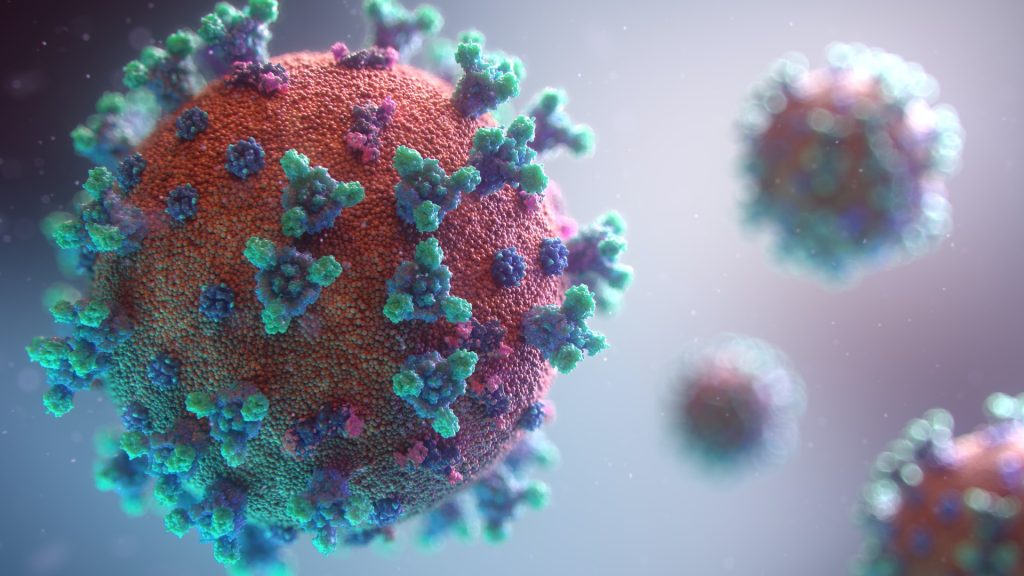
Photo by Fas Khan on Unsplash

An 11-month-old girl in Houston, Texas, had to be airlifted to a hospital in a different city because no paediatric hospitals in Houston would accept her as a transfer patient.

“She needed to be intubated immediately because she was having seizures,” said Patricia Darnauer, the administrator for LBJ Hospital. “We looked at all five major paediatric hospital groups and none [had beds] available.”

The little girl will be receiving treatment at Baylor Scott & White McLane Children’s Medical Center some 220 kilometres away.

The situation is sad but not surprising for Dr Christina Propst, who is one of the most outspoken pediatricians in Houston. Ever since the pandemic began in the US, Dr Propst has encouraged masking, social distancing, and being cautious to anyone who would listen.

“The emergency rooms at the major children’s hospitals here in Houston, the largest medical center in the world, are extremely crowded,” said Dr Propst. “They are filling, if not full, as are the hospitals and intensive care units.”

Delta variant infecting more children
Dr Propst and other clinicians ascribed the scarcity of paediatric beds, to the delta variant of COVID noticeably affecting more children, as well as being more transmissible. Texas Children’s Hospital has 30 children and adolescents hospitalised with COVID, compared to their January peak of 40.

However, the problem is worsened by widespread cases of Respiratory Syncytial Virus (RSV) in children. This is all taking place during the summer break for US schools, where doctors are used to injuries from playing outdoors.

Darnauer spoke of high numbers of patients at her hospital. “We are back beyond our pre-pandemic volumes at LBJ.”

Dr Propst advises mask wearing for those children not old enough for the vaccine, and she would also like to see Texas once again allow public schools to mandate masks. Unlike many other countries, COVID health regulations are largely up to individual states.

“If children are not masking in schools, it will be a major problem,” said Dr Propst.

She added that, even in normal times, the start of the school year generally causes a lot of germs to spread.

“It is typical that two weeks after school we see a great surge of strep and other sources of infection. We are bracing ourselves, not a question of when, it will be bad,” she said.

Source: ABC13

Severe Atopic Dermatitis Threatens Mental Health

Photo by Romina Farías on Unsplash

US study showed that adults with atopic dermatitis (AD) had a higher burden of disease than those with other chronic diseases. Even mild dermatitis can negatively affect quality of life (QoL), increasing risk of anxiety, depression, and suicide.

Persistent itching and skin pain can disrupt sleep, leading to poor work or study performance. In moderate to severe disease, oozing, crusting lesions can lead to stigmatisation social isolation. More adults are affected than previously thought, with some 16.5 million adults in the US estimated to have AD.

In a study of 1278 patients using the US web-based Growth from Knowledge (GfK) panel, 60.1% had mild disease, 28.9% had moderate AD, and 11% had severe AD. Patients with more severe disease had higher scores on the dermatology life quality index and on the hospital anxiety and depression scale (HADS) when compared with controls.

This indicates “a worse impact on quality of life and an increased likelihood of anxiety or depression,” the researchers wrote in the Journal of Investigative Dermatology. “Our study confirms the high prevalence and disease burden of atopic dermatitis in this population.”

Quality of life threatened
A pair of studies in patients from the GfK panel reinforce these findings. The first, with 602 patients, showed that AD carried a “profound” disease burden, based on a comparison of patient-oriented AD measures between patients with and without AD. Those with moderate and severe AD had lower mean mental health scores compared with those who had mild disease, and lower QoL compared with patients with other chronic disorders.

“We recommend that clinicians incorporate QoL assessments in clinical practice to determine disease burden, identify patients requiring step-up treatment of their skin disease, and potentially screen for patients with mental health disturbance,” wrote Jonathan I Silverberg, MD, PhD, MPH, of George Washington University, and colleagues in the Annals of Allergy, Asthma and Immunology.

A subsequent study in 2137 patients from the GfK Knowledge Panel found that 40% of patients with AD had a higher prevalence of anxiety or depression in the previous 12 months compared with 17.5% of adults without AD. The researchers concluded that anxiety and depression were driven primarily by disease severity, and were heavily underdiagnosed.

Breaking the ‘vicious cycle’
AD can be life-threatening in some patients, warned the authors of a systematic review and meta-analysis of AD studies. The combination of pruritus, visible skin lesions, social isolation, depression, and anxiety likely sets up a “vicious cycle,” according to the authors.

This “may result in suicidal ideation, suicide attempts, and even completed suicide,” they reported in the Journal of the American Academy of Dermatology.

The investigators found a positive and significant association between AD in adulthood and depression, anxiety, and suicidal ideation, regardless of where the patients lived. And while only a few studies examined the risk of completed suicide, the majority showed a positive association, the authors said. A positive association between AD and depression in children was also identified.

They advised that “depression, anxiety, and suicidal ideation should be considered by doctors when treating patients with AD,” adding: “Because AD disease improvement appears to reduce these risks, this should be a priority.”

Better systemic and topical AD therapies are improving the QoL of patients. “It is important to recognise that improvement of AD often results in improvements in symptoms of depression and anxiety, as these mental health symptoms are caused or worsened by the AD,” Dr Silverberg told MedPage Today. “We already have data for dupilumab and the JAK inhibitors that show improvements of HADS scores and other patient-reported outcome measures of mental health.”

Robert Sidbury, MD, MPH, of the University of Washington School of Medicine in Seattle said, “relatively recent literature suggests screening for depression is particularly important for kids with AD, especially those with severe disease.”

AD affects children of all ages, including the very young, and more than 50% of children with AD are diagnosed by age 1 year, he noted.”Dupilumab has been the most effective new available therapy to date by far,” Dr Sidbury told MedPage Today. “Pipeline drugs, particularly the JAK inhibitors like upadacitinib  show tremendous promise.”

Source: MedPage Today

How Cancer Cells Develop Resistance to Chemotherapy

Source: National Cancer Institute on Unsplash

Researchers have found some answers as to why cancer cells can develop resistance to the cytotoxic drugs used in chemotherapy.

“We haven’t understood very much about how this resistance to chemotherapy develops and even less about how the microenvironment in cancer can affect the process,” said Kaisa Lehti, a professor at the Norwegian University of Science and Technology’s (NTNU) Department of Biomedical Laboratory Science.

Lehti has led this study into how cancerous tissues develop resistance to a particular form of chemotherapy, the results of which appear in Nature Communications.

If ovarian cancer is picked up early, almost all patients survive the first five years, while chances of survival are much worse if detected later. Finding effective treatment is therefore very important.

Platinum chemotherapy is one of the standard treatments for ovarian cancer, but cancer cells often develop resistance to this particular treatment. The reason lies in how the platinum-based cytotoxin itself can change the cancer cells and their environment.

Cytotoxin influences cancer cells and their environment
Lehti summed up the process: “The cytotoxin can change the way the cancer cells send and perceive signals and can modify the microenvironment around the cells.”

This change allows the cancer cells to withstand the damage caused by the cytotoxin—and can thus survive the chemotherapeutic attack. The researchers have found this key to the puzzle in a layer of tissue that often surrounds cancer cells.

“A fibrotic network of proteins, known as the extracellular matrix or ECM, surrounds the cancer cells, particularly the most aggressive ones,” said Lehti.

The fibrotic tissue, with the ECM network around the cancer cells, is mainly produced by normal connective tissue cells. But the cancer cells and connective tissue cells in the network can alter this tissue themselves.

“Previously, we haven’t known how the communication between the cancer cells and the extracellular matrix is affected by, or even itself influences, the development of cancer and its response to chemotherapy,” said Prof Lehti.

But it is now known that chemical and mechanical signals in the surrounding ECM tissue help cancer develop its ability to spread and to resist treatment.

“Certain signals from the ECM can critically change the cancer cells’ resistance to platinum-based cytotoxic drugs,” Prof Lehti explained.

In this way, the cytotoxin itself helps change both the microenvironment around the cancer cells and the ability of the cancer cells to sense their environment, and so resist the cytotoxin. By understanding this process, better therapies can be developed.

Source: MedicalXpress

Western Cape Third Wave Peak Expected Anytime Now

Image by Quicknews

Western Cape premier Alan Winde said that the province is at the peak of its third wave of COVID infections.

“We are beginning to see the flattening of the curve at our peak as new case infections start to plateau again,” he said in a briefing on Thursday. “This happened after an initial plateau two weeks ago, and then a subsequent increase the week thereafter.

“This is largely explained by a disruption in testing caused by the taxi violence in the Cape Metro during that time.”

Winde supplied the following information:

The ‘R’ number is currently 1.1 and the test positivity rate is 41.5%. New hospital admissions are at 339 per day, with a slight downturn. Deaths have increased, with about 108 deaths per day and will be the last indicator to fall.

Winde said that provincial authorities are simultaneously monitoring the number of trauma admissions to hospitals to ensure that there is sufficient capacity in the province’s hospitals and that it can proactively identify any risks so that they can be addressed.
Senior CSIR researcher Ridhwaan Suliman, PhD, who was been analysing COVID data tweeted an update on Friday night, indicating that there was still no sign of the peak passing just yet:

https://twitter.com/rid1tweets/status/1423718531208785921

Source: BusinessTech

A Look Back at Mkhize’s Tenure as Health Minister

Image by Hush Naidoo from Unsplash

With Dr Joseph Phaahla being promoted from his position as Deputy Health Minister to replace the embattle, Dr Zweli Mkhize, Spotlight reviews Dr Mkhize’s tenure, writing that the very reason he was brought in to that post — to roll out National Health Insurance — would likely suffer a considerable setback as a result of his exit.

His appointment as South Africa’s Minister of Health in May 2019 came as a surprise for some. As one of the ANC’s top officials, the health portfolio seemed a meagre choice in the pre-COVID days.

However, Mkhize’s seniority signalled that health was being given high priority in the new administration. Theoretically, his greater political clout meant he would have a better chance of bringing much-needed reforms to provincial healthcare systems. Spotlight were also “cautiously hopeful that Mkhize’s firmer hand would help better organise and direct the National Health Department and the various national health entities.”

A string of procurement scandals during his time as KwaZulu-Natal’s Premier was cause for concern but was not direct evidence that he was corrupt.

The Digital Vibes scandal had the side effect of making Mkhize anathema to the very project he was originally brought in for, implementing National Health Insurance.

Even with Mkhize gone, the ANC will have a hard time convincing the public that we will not see more such looting once NHI is implemented. There has, after all, been little willingness from ANC members in Parliament to engage seriously with people’s concerns about the proposed NHI structure and governance arrangements set out in the NHI Bill.

Mkhize tackled COVID from a scientific standpoint, which is fortunate for the nation considering the anti-scientific stance of the former Minister of Health Dr Manto Tshabalala-Msimang. However, the decision not to use AstraZeneca vaccines remains contentious. Meanwhile, a purge of scientists, starting with Professor Glenda Gray, let Mkhize surround himself with allies, according to Spotlight.

However, entering the third wave with vaccinations lagging so far behind was a governance disaster possibly even worse than the Digital Vibes scandal.

From an outside perspective, the past two years have not seen great progress in the department, despite some competent individuals, with infighting, under-capacity and most seriously, poor management. The procurement department

Source: Spotlight

Powering Up NK Cells With Magnetism

NK cells attack a cancer cell (centre). Source: NIH

Powering up natural killer cells with magnetic nanoparticles could enhance cancer immunotherapy, according to a Northwestern Medicine study published in ACS Nano.

This method could allow for the unleashing of natural killer (NK) cells on a variety of solid tumours, according to senior author Dong-Hyun Kim, PhD, associate professor at Northwestern.

“People have had trouble applying NK cells to solid tumours,” said Prof Kim. “If we can provide an easy path to modulate NK cells, perhaps this can become a useful therapy.”

Most cell-based immunotherapies involve T-cells, but these chimeric antigen receptor (CAR) T-cell therapies are costly and have a long incubation period and strong side effects.

On the other hand, NK cells belong to the innate immune system and are quicker to respond to pathogens. NK cell immunotherapy has been explored, according to Prof Kim, but that too has barriers.

“It’s pretty hard for these cells to penetrate inside the tumours which have thick barrier tissues,” Prof Kim said.

Magnetically activated NK cells
Boosting NK cell function with cytokines have proven unsuccessful and, like CAR T-cell therapy, have a high cost and lengthy manufacturing time. However, Prof Kim’s previous work with nanoparticles inspired a different approach.

Prof Kim and colleagues developed a magnetic nanocomplex that binds with NK cells and, when activated with an alternating magnetic field, exerts force on the exterior of the cell, promoting secretion of cytotoxic compounds. Testing this nanocomplex in animal models of hepatocellular carcinoma, the investigators found that magnetic activation increased the cancer-killing ability of NK cells when injected into solid tumours.

As a bonus, these nanoparticles show up with MRI, allowing for precise monitoring of NK cell distribution during and after injection.

“This creates a stronger NK cell, and can hopefully enhance the efficacy of the treatment,” Prof Kim said.

Source: Northwestern University

New Molecules Provide Deeper UV Protection

Photo by rfstudio on Pexels

Two new molecules that release tiny quantities of hydrogen sulfide have been found to prevent skin from ageing after being exposed to ultraviolet light found in sunlight. The study was published in Antioxidant and Redox Signalling.

For the study, the researchers exposed adult human skin cells and the skin of mice to ultraviolet radiation (UVA). UVA causes skin ageing by turning on collagenases, enzymes which eat away at the natural collagen, causing the skin to lose elasticity, sag and wrinkle. UVA also penetrates deeper into skin than the UV radiation that causes sunburns (UVB), and it also damages cellular DNA, leading to mutations that can contribute to some skin cancers. Typical sun creams sit on top of the skin and absorb UV radiation, but they do not penetrate the skin where the long-lasting damage occurs.

For deeper protection, the researchers came up with a new way to protect the deeper layers of skin using two compounds invented at the University of Exeter: AP39 and AP123. The compounds do not protect the skin in the same way traditional sun creams prevent sunburn, but instead penetrate the skin to correct how skin cells’ energy production and usage was turned off by UVA exposure. This then prevented the activation of skin-degrading collagenase enzymes. 

The compounds used in this study were previously shown to have impressive effects in reducing skin inflammation and skin damage after burn injury and atopic dermatitis (eczema). In an anti-ageing context, they prevented human skin cells in test tube experiments from ageing, but this is the first time the effects of photo-ageing have been seen in animals.

The important observation noted was that the compounds only regulated energy production, PGC-1α and Nrf2 in skin that was exposed to UVA. This suggests a novel approach to treating skin that has already been damaged by UV radiation, and could potentially reverse, as well as limit, that damage.

While further research is needed, there could be medical as well as cosmetic implications from this work, where protecting skin from UV light is important. For example, not only premature skin ageing and skin cancers, but UV light allergies, solar urticaria and rare hereditary skin diseases such as xeroderma pigmentosum. The researchers are currently partway through testing newer and more potent molecules able to do the same task using newer approaches.

Source: University of Exeter

Host Genes Can Hinder H. Pylori Eradication

Helicobacter pylori is a strong risk factor for gastric cancer and other gastrointestinal disorders, and efforts to eradicate it using a combination of antibiotics and proton pump inhibitors (PPIs) often fail.

A new study has linked this eradication failure with genetic variations that increase the activity of the CYP2C19 enzyme, which metabolises first-generation PPIs.

These so-called ‘fast metabolisers’ may prevent PPIs from suppressing gastric acid production, which is necessary for successful H. pylori eradication.

Analysing 57 studies from 11 countries, the researchers found that the failure rate of H. pylori eradication more than doubled in people with a version of the CYP2C19 gene that increased its metabolic activity. Their results were published in Gastroenterology.

However, CYP2C19 variants were not linked to eradication failure if the fast metabolisers were treated with newer PPIs such as esomeprazole and rabeprazole, which are less metabolised by the enzyme or which bypass CYP2C19 metabolism.

Further well-designed studies are needed to determine whether eradication rates could be improved with higher or more frequent dosages of first-generation PPIs to people with the fast metaboliser gene variant, noted the paper’s corresponding author, Shailja Shah, MD, MPH.
“Even small improvements in H. pylori eradication rates would likely translate to substantial collateral health, economic and societal benefits,” the researchers concluded.

Source: Vanderbilt University

Low GI Diet Has Noticeable Benefit against Diabetes

Source: Unsplash

Following a low glycaemic diet confers small but important benefits in blood glucose levels, cholesterol, weight and other risk factors, according to a study published by The BMJ.

The improvements were over and above existing drug and insulin therapy, suggesting this diet may help complement treatment, said the researchers.

Research has shown that foods with a low glycaemic index (GI), which is a measure of how quickly a food affects blood glucose levels relative to white bread, can help keep blood sugar levels steady and reduce the risk of heart disease in people with diabetes. These include foods such as vegetables, most fruits, pulses and wholegrains.

Due to this, clinical guidelines across the world recommend a low GI or GL (glycaemic load) diet for people with diabetes. However, the last European Association for the Study of Diabetes (EASD) guidelines were released over 15 years ago and since that time a number of trials have been published.
So researchers set out to summarise the effect of low GI/GL dietary patterns on blood sugar control and other known risk factors in diabetes to help inform the update of the EASD guidelines for nutrition treatment.

Their results are based on 27 randomised controlled trials published up to May 2021 investigating the effect of diets with low GI/GL in diabetes for three or more weeks.

The trial recruited a total of 1617 participants with type 1 or 2 diabetes, who were predominantly middle aged, overweight or obese with moderately controlled type 2 diabetes treated with drugs or insulin.

Though the trials varied quality, the researchers could assess the certainty of evidence using the recognised GRADE system.

The results show that low-GI/GL dietary patterns were linked to small but clinically meaningful reductions in blood sugar levels (HbA1c) compared with higher-GI/GL control diets.

Some other risk factors saw changes, such as fasting glucose (blood sugar levels after a period of fasting), LDL cholesterol, body weight, and C-reactive protein (a chemical associated with inflammation), but not blood insulin levels, HDL cholesterol, waist circumference, or blood pressure. The certainty of evidence was high for reduction in blood sugar levels and moderate for most other outcomes.

Limitations that included imprecision in the evidence for the effect of low GI/GL dietary patterns on LDL cholesterol and waist circumference, and the small number of available trial comparisons for blood pressure and inflammatory markers.

However, they say their findings show that low GI/GL dietary patterns “are considered an acceptable and safe dietary strategy that can produce small meaningful reductions in the primary target for glycaemic control in diabetes, HbA1c, fasting glucose, and other established cardiometabolic risk factors.”

“Our synthesis supports existing recommendations for the use of low GI/GL dietary patterns in the management of diabetes,” they concluded.

Source: MedicalXpress

High-dose Heparin Reduces Worsening in Moderate COVID

Source: Fusion Medical Animation on Unsplash

Giving moderately ill hospitalised COVID patients a full-dose of heparin reduced the risk for organ support, and shortened hospital stays, a large clinical trial has found.

However, the use of this treatment strategy for critically ill COVID patients did not result in the same outcomes. 

“These results make for a compelling example of how important it is to stratify patients with different disease severity in clinical trials. What might help one subgroup of patients might be of no benefit, or even harmful, in another,” said NHLBI Director Gary H. Gibbons, M.D.

Researchers have observed that in some people who died from COVID, blood clots had formed throughout their bodies, even in their smallest blood vessels. Antithrombotics, which include blood thinners or anticoagulants, help prevent clot formation in certain diseases. It was not known which antithrombotic drug, what dose, and at what point during the course of COVID, antithrombotics might be effective. To answer these urgent questions, three international partners came together and harmonised their trial protocols to study the effects of using a full, or therapeutic dose, of heparin versus a low, or prophylactic dose, of heparin in moderately and critically ill patients hospitalised with COVID.

Moderately ill patients were defined as being hospitalised for COVID without needing organ support, and critically ill patients as hospitalised for COVID and needing intensive care level of support, including respiratory and/or cardiovascular organ support.

In April 2020, hospitalised COVID patients received either a low or full dose of heparin for up to 14 days after enrollment. By December 2020, interim results suggested that in critically ill patients, full-dose anticoagulation did not reduce the need for organ support and may even be harmful. However, one month later, results suggested full heparin doses likely benefited moderately ill patients.
“The formal conclusions from these studies suggest that initiating therapeutic anticoagulation is beneficial for moderately ill patients and once patients develop severe COVID-19, it may be too late for anticoagulation with heparin to alter the consequences of this disease,” said Judith Hochman, M.D., senior associate dean for Clinical Sciences at New York University, a corresponding author. “The medication evaluated in these trials is familiar to doctors around the world and is widely accessible, making the findings highly applicable to moderately ill COVID-19 patients.”

Fnal trial data analysis included 1098 critically ill and 2219 moderately ill patients. Among moderately ill patients, researchers found that the likelihood of full-dose heparin to reduce the need for organ support compared to those who received low-dose heparin was 99%. Major bleeding was rare. For critically ill patients, full-dose heparin also decreased the number of major thrombotic events, but it did not reduce the need for organ support or shorten hospital stay.

“More work needs to be done to continue to improve outcomes in patients with COVID-19,” said Matthew D. Neal, M.D., the Roberta G. Simmons Associate Professor of Surgery at the University of Pittsburgh, co-senior author. “Given what we know about the type of blood clots in patients with COVID-19, testing anti-platelet agents is a particularly exciting approach.”

Source: NIH