The South African healthcare system is currently facing a period of intense pressure. Between staffing shortages and a rise in medical legal claims, the gap between basic nursing education and the actual demands of patient care is a major concern. To improve patient safety and support our healthcare workers, we must focus on practical, hands-on experience and constant skill building.
Why nursing challenges matter in South Africa
Nursing errors are rarely the fault of one person. In South Africa, they are usually the result of a system under strain. Nurses are dealing with overcrowded wards, long shifts, and a very high number of patients with complex conditions like HIV and TB. When staff are exhausted and overworked, the risk of making a mistake increases.
These errors have a massive impact. For patients and their families, it leads to a loss of trust. For hospitals, it leads to expensive legal battles. South Africa is currently dealing with billions of Rands in medical claims, but this is money that should be spent on better equipment and hiring more people. If we want a stronger healthcare system, we must reduce the risks that lead to these errors in the first place.
Hands-on training makes the difference
Nursing education has traditionally leaned heavily on theoretical learning, but knowing the theory of a procedure is very different from doing it in a busy hospital. Practical, skills-based training is what helps a nurse transition safely from the classroom to the ward.
Donald McMillan, MD at Allmed
One of the most effective tools for this is simulation-based training. This involves using specialised training rooms that look like real hospital wards, complete with advanced mannequins that can mimic medical emergencies. Here, nurses can practice critical skills like inserting drips, reading ECGs, or managing emergency care in a safe environment. This allows them to build confidence and “muscle memory” before they ever treat a real patient. This type of training is essential for preparing nurses for the high-pressure reality of South African clinics.
Continuous professional development builds confidence
Medicine is always changing. New treatment guidelines, technologies, and medicines are introduced all the time, changing the way care is delivered. Continuous Professional Development (CPD) helps nurses keep pace with these changes, ensuring their skills remain relevant, their knowledge up to date, and their patients receive the best possible care throughout every stage of their careers.
However, CPD is about more than just following rules; it is about building professional confidence. When nurses have the chance to learn new things and specialise in areas like intensive care or pharmacology, they feel more capable and valued. In a country where many nurses choose to work overseas, providing these opportunities for growth at home is a great way to keep our best talent in South Africa.
A systemic approach for better care
Enhancing the quality of nursing care in South Africa requires a coordinated, multi-stakeholder approach. Training institutions, hospital administrators, and regulatory bodies must collaborate to create an ecosystem that supports the nurse at every career stage. This systemic approach should focus on three specific areas:
Integrated mentorship: Establishing formal programmes where expert clinicians provide real-time bedside teaching to new graduates.
Accredited upskilling: Providing accessible pathways for nurses to specialise in critical areas such as ICU, neonatal care, and oncology.
Technological alignment: Utilising digital tools to track competency levels and identify specific areas where additional training is required.
By making practical training and ongoing learning a priority, we do more than just prevent mistakes. We empower our nurses to be the skilled professionals they want to be. When nurses are competent and confident, they provide better care, which helps rebuild public trust and makes the South African healthcare system stronger for everyone.
Nurse-led hospital care matches doctor-led care for safety and effectiveness
Photo by Hush Naidoo on Unsplash
Nurses can safely deliver many services traditionally performed by doctors, with little to no difference in deaths, safety events, or how patients felt about their health, according to a new Cochrane review. In some cases, nurse-led care even outperformed doctor-led care.
Healthcare services are facing pressure due to an ageing population, complex health needs, long waiting lists, and doctor shortages. Receiving care from nurses, rather than doctors has been proposed as one way to improve access to hospital services for patients who may otherwise face long waits.
A group of researchers from Ireland, United Kingdom, and Australia evaluated nurse-doctor substitution in inpatient units and outpatient clinics, analysing 82 randomised studies involving over 28 000 patients across 20 countries. Studies included advanced nurse practitioners, clinical nurse specialists and registered nurses substituting for junior or senior doctors across specialties such as cardiology, diabetes, cancer, obstetrics/gynaecology, and rheumatology.
Nurse-led hospital care matches doctor-led care for safety and effectiveness
The review found little to no difference between nurse-led and doctor-led care for critical outcomes, including mortality, quality of life, self-efficacy, and patient safety events. While most clinical outcomes showed no difference between groups, nurses may achieve better outcomes in some areas, including diabetes control, cancer follow-up, and dermatology. Doctor-led care performed slightly better in a small number of sexual health and medical abortion follow-up services.
Our findings show that nurse-led services provide care that is just as safe and effective as doctor-led services for many patients. In some areas, patients actually experienced better outcomes when nurses led their care.
— Professor Michelle Butler,lead author from Dublin City University
The models of substitution varied widely, with different grades of nurses operating autonomously, under supervision, or following specialized protocols. There were also differences in training, level of responsibility, and mode of substitution, all of which may influence outcomes.
Butler added:
In some cases, patients had earlier, more frequent, or on-demand appointments with nurses, or had an additional educational component to their care, which may have helped to improve their outcomes.
Evidence on direct costs was limited and varied across studies, partly due to differences in reporting methods, currencies and time periods. Seventeen studies reported reduced costs for nurse-led care, while nine suggested higher costs due to longer consultations, referrals, or prescription differences.
Not a one-size-fits-all solution
However, nurse-doctor substitution is not a one-size-fits-all approach. The authors caution that these interventions should always be interpreted within context.
Nurse substitution isn’t simply a one-for-one replacement. To work well, these services need the right training, support and models of care, but the evidence shows patients are not disadvantaged and can benefit in meaningful ways.
— Timothy Schultz, senior author and researcher from Flinders Health and Medical Research Institute
Expanding nurse-led services may help address doctor shortages, but the authors urge that policymakers should consider the impact of these interventions on the nursing workforce, including training and organization.
While the evidence base was substantial, the authors note important gaps. Most studies were from high-income countries, with the majority (39%) conducted in the United Kingdom. The authors call for more studies across specialties, nurse roles and patient types not yet evaluated, as well as stronger consistency in how outcomes are measured. They also highlight the need for more research in low- and middle-income countries, where nurse-led roles could potentially improve access to care in regions facing doctor shortages.
As the world marks Nurses Day this month, this annual anniversary has shone a sharp spotlight on the realities facing this group of South African heroes and heroines. With many battling burnout, bracing for further staff shortages and trying to find ways to absorb the impact of global funding cuts, Fundi is inviting the country to get behind our nurses and celebrate their daily untold contribution to our local communities.
Recent announcements by the United States to slash foreign aid to global health programmes (including PEPFAR, which funds major HIV initiatives in South Africa) sent shockwaves through our local healthcare sector.
“For nurses already stretched to breaking point, this was yet another blow,” notes Mary Maponya, Fundi Executive Head: Lending. “This isn’t just about money disappearing from a spreadsheet. It’s about support being taken from clinics, treatment delays growing longer and nurses being asked to pick up even more of the slack. We need to acknowledge that nurses are the pulse of public healthcare in South Africa – and that pulse is under pressure.”
Maponya says this is why it was so important for Fundi to find ways to add its voice of thanks and appreciation for nurses this month – including sponsoring and attending Denosa events in Limpopo, Mpumalanga and KwaZulu-Natal. “Department of Health employees make up 16% of our total loan book, with a high proportion of these being nurses,” she explains. “They are a growing sector; continuously investing in their own self-development as a means of deepening their vocations and contribution.”
Fundi’s presence at these events made it possible to engage meaningfully with nurses on the ground; building relationships and understanding how best to continue to provide support around career advancement in particular.
“We are also be running a social media campaign until 23 May where frontline nurses can win free lunch for the week – with Uber Eats delivering it straight to their workplace to lighten the load. Small acts of kindness and appreciation make all the difference,” says Maponya. “And that’s exactly what we’re hoping this campaign will do!”
According to the South African Nursing Council, South Africa has just over 280 000 registered nurses[1], with many nearing retirement age. Meanwhile, nurse emigration is accelerating as we struggle to keep our local nurses employed and supported[2]. “It is estimated that our country will need over 100 000 new nurses by 2030 to maintain even basic healthcare coverage[3],” Maponya explains. “With the bulk of patient care still falling on nurses – from vaccinations and chronic disease management to trauma response – the pressure on these individuals is relentless.”
Amid these systemic failings, one thing is clear however: South Africa’s nurses continue showing up with grace and courage. “This was perhaps the most important take-out from the DENOSA engagement. Our nurses show-up each day – safeguarding the life and health of their patients. These remarkable individuals remain our first line of defence during pandemics, pregnancies, mental health emergencies and more. If we want a healthier South Africa, we must protect the protectors. We need to continue investing in our nurses not just during Nurses Month, but every single day,” she concludes.
The Department of Health has missed another deadline to provide nurses at public hospitals and clinics with uniforms by 1 September. Instead, a once-off allowance of R3 307 will be paid to nurses by 30 November to buy their own uniforms.
The Democratic Nursing Organisation of South Africa (DENOSA) says its 84 000 members “can hardly afford to get one set of uniforms” with that allowance.
Since 2005, nurses have received an annual allowance to buy their uniforms. In terms of a new agreement signed in March 2023, the department committed to providing uniforms directly to nurses, instead of the allowance of R2,600.
According to the bargaining council agreement, nurses were to receive seven sets of uniforms over two years. The uniform set includes a dress, or a skirt and a top (blouse or shirt), or a pair of trousers and a top (blouse or shirt). Accessories include a brown belt, brown shoes, a maroon jacket and a maroon jersey.
The agreement required the department to supply nurses with four sets of uniforms, one pair of shoes and one jersey in the first year, and three sets of uniforms, one belt, and one jacket in the second year.
However, as the 1 October 2023 deadline approached, the department said it was facing difficulties with the procurement process. In a last-minute bargaining council meeting in September 2023, the department informed nurses’ unions that it would not meet the 1 October 2023 deadline. Instead, it said, the supply of uniforms would be postponed until 1 September 2024 and a temporary allowance would again be paid meanwhile. Uniforms were to be procured through tenders in each province.
But in response to concerns expressed by DENOSA at a meeting in June 2024, the department acknowledged that it was battling with suppliers and would not meet the new deadline either.
Department spokesperson Foster Mohale said there were delays in procurement in some provinces and this was “receiving the urgent attention it deserves”.
He said the department had proposed a new plan and a new deadline of 1 September 2025.
Meanwhile, he said, nurses would be paid a once-off uniform allowance of R3307.60 by 30 November 2024. But DENOSA says this is “too little to buy uniforms”.
“With that amount, a nurse can hardly afford to get one set of uniforms. For a nurse to buy a proper uniform for the whole week, they need between R8500 and R14 000,” the union said in a statement.
Mohale said the uniforms will be supplied in line with the Preferential Procurement Policy Framework Act which stipulates that goods ordered by state institutions must contain a minimum of local content. The policy was first introduced in 2011 in a bid to protect South African industry and jobs.
But DENOSA said a centralised procurement system, similar to those used for police and army uniforms would be more effective than provincial procurement.
“The issue of quality is extremely concerning to us…This is going to open up the whole process to corruption which we have warned against, but it looks like the department has closed its ears on that matter,” DENOSA spokesperson Sibongiseni Delihlazo said.
Nurses play a key role in helping patients manage emotional and social health challenges, or psychosocial health, after a stroke, and improved screening and assessment for psychosocial needs are essential to provide optimal patient care. These findings are highlighted in a new statement from the American Stroke Association, a division of the American Heart Association, published in the Association’s peer-reviewed scientific journal Stroke.
While there have been significant advances in stroke prevention and treatment, stroke remains the second leading cause of death globally and a major cause of disability. The latest research indicates that 16% to 85% of stroke survivors experience psychosocial symptoms, such as depression, anxiety, stress, fatigue and/or a decreased quality of life during their recovery.
“Stigma often surrounds discussions about psychosocial health. Therefore, it is crucial for nurses and all health care professionals to create a safe and therapeutic environment for patients and offer hope and comprehensive education on the topic,” said Chair of the scientific statement’s writing group Patricia A. Zrelak, PhD, RN, FAHA, a regional stroke program quality nurse consultant for Kaiser Permanente Northern California and a member of the American Heart Association’s Council on Cardiovascular and Stroke Nursing.
The scientific statement details a comprehensive review of the latest evidence published from 2018-2023 about psychological health in patients who experienced a stroke. The statement addresses the effects, underlying causes, screening, diagnosis and treatment for five key emotional and social health factors, including depression, stress, anxiety, fatigue and quality of life. The scientific statement aims to establish a guide for nursing care throughout a patient’s recovery after a stroke, from prevention of adverse psychosocial health conditions to identifying and managing symptoms.
“Emotional, cognitive, behavioural and/or personality changes may occur after a stroke,” Zrelak said. “These conditions can emerge immediately after a stroke or have a delayed onset, sometimes occurring more than a year later, and they may also fluctuate in intensity over time. In addition, psychosocial symptoms are interrelated, and patients who experience one are at higher risk of developing other mental health conditions. Effective and regular screening are vital for early detection and treatment.”
Depression
Depression affects about 30% of stroke survivors and is particularly common within the first three months after a stroke. Symptoms of depression may include persistent sadness, anxious or “empty” mood; restlessness and irritability; loss of interest or pleasure in hobbies and activities; difficulty in concentrating and thinking; increased or decreased sleep; changes in appetite; and weight gain or loss. Post-stroke depression worsens cognitive and functional recovery and increases the risks of death and/or another stroke.
The AHA/ASA Guidelines for the Early Management of Patients With Acute Ischemic Stroke recommend routine depression screening for all patients after a stroke. Nurses can help educate stroke survivors and their families on symptom recognition, prevention and treatment options, such as medication management and/or cognitive behavioural therapy.
Stress
A 2022 study found that post-stroke stress and post-traumatic stress disorder (PTSD) affects about one in six (about 16.5%) stroke survivors. These conditions may increase the risk of additional health issues, including anxiety and poor medication adherence. Screening stroke patients for stress and PTSD should occur when they are hospitalised and continue during rehabilitation and outpatient visits after hospital discharge.
Nursing interventions that may help lower patients’ distress include stroke education and self-management strategies, such as mindfulness and meditation. Nurses may also consider stroke survivors’ coping styles. People with high-anxious coping styles face a significantly higher risk of experiencing PTSD after a stroke in comparison to people with low-anxious coping styles.
Anxiety
The frequency of anxiety ranges from 20%-25% in the first months after stroke, increasing to 32% as the year progresses, with a five-year prevalence of 34%. Factors such as younger age at the time of the stroke, lower income, inability to work, social isolation, previous mental health conditions and/or severity of the stroke are factors that increase the risk of developing anxiety. Anxiety is also linked to a higher risk and severity of depression.
Standard screening for anxiety and prompt detection may lead to early treatment, greater patient engagement and improved recovery for stroke survivors. Although established clinical guidelines for treating general anxiety exist, more research is needed on anxiety interventions after different types of strokes.
Fatigue
Post-stroke fatigue may develop anytime, however, it is most common within the first six months after a stroke. Symptoms of fatigue may include reduced physical and mental energy levels that interfere with daily activities and difficulty with self-control, emotions and memory. Women and people with depression, sleep problems, anxiety and/or multiple health conditions are at higher risk for developing post-stroke fatigue.
More research is needed for effective management strategies for post-stroke fatigue, as there are currently no proven treatments. However, interventions focused on improving general physical fitness may help prevent, reduce or treat post-stroke fatigue and other components of psychosocial health.
Quality of life
Returning to the same quality of life after a stroke is challenging and even more so after a severe stroke. Physical strength, speech, depression, anxiety and the ability to return to work and social activities are factors that contribute to a stroke survivor’s quality of life. However, conditions such as chronic pain can negatively impact recovery and return to independent living.
Physical activities that also include interpersonal engagement, such as yoga and tai chi, have shown positive effects on patients’ quality of life. Nurses can help stroke survivors improve their post-stroke quality of life by linking patients to social services in their local area, such as post-stroke support groups and community-based organisations.
“Mental and emotional well-being are crucial for recovery, and nurses play an important role in supporting patients after a stroke,” Zrelak said. “It’s important to engage stroke survivors and their caregivers so they are aware of these psychosocial conditions and ways they can help. Early detection of symptoms and treatment have the potential to improve post-stroke recovery.”
The statement also highlights existing research that shows stroke outcomes vary significantly among people in different racial and ethnic groups. Social determinants of health, such as structural racism, socioeconomic status, inadequate housing and/or limited access to health care including mental health services, may all influence a stroke survivor’s recovery.
Zrelak added, “The stroke care team is crucial in addressing these health inequities, using targeted interventions and customised treatments to improve mental health support and overall care coordination for those most at risk. More research is needed to help us understand how best to support psychosocial well-being for people after a stroke, so they are better able to return to their routine daily activities and have a better quality of life.”
Like many countries, South Africa has a shortage of healthcare workers – particularly of doctors. One response to such shortages is task-shifting – in short, to let doctors focus on the things only they can do, and to shift some other less specialised tasks to other healthcare workers like nurses or pharmacists.
Task-shifting can take many forms. Earlier this year Spotlight reported on a court case that gave the green light to specially trained pharmacists to dispense antiretroviral treatment without a script (the judgement is being appealed). Similarly taking pressure off public sector clinics, the Department of Health has for several years now allowed some people to pick up their medicines at participating private sector pharmacies or other pickup points. Less well implemented, was the introduction of clinical associates in 2008 as a new type of mid-level healthcare worker that can take some of the pressure off of doctors and stand-in for them in some situations.
Probably the most impactful example of task-shifting in South Africa, however, was the introduction of Nurse Initiated and Managed Antiretroviral treatment (NIMART) in 2010.
What is NIMART?
Dr Silingene Ngcobo, a lecturer at the School of Nursing and Public Health at the University of KwaZulu-Natal and a Board Member of the Southern African HIV Clinicians Society, says NIMART is a clinical management program for people living with HIV which is driven by registered nurses. This means that registered nurses can independently manage a person living with HIV, starting from screening and diagnosis, all the way to treating, and monitoring throughout the HIV care continuum in the absence of a medical doctor.
As explained by Mmotsi Moloi, Training Programme Manager at the Aurum Institute (an NGO), prior to the introduction of NIMART in 2010 only doctors were authorised to prescribe antiretroviral therapy.
The rollout of antiretrovirals in South Africa technically started in 2004, but it only gathered momentum after the end of state-backed AIDS denialism in 2008. It soon after became clear that South Africa would not have enough doctors to handle the demand for HIV treatment and nurses would have to be roped in.
“The waiting lists became long, and the doctors could not meet the increasing demand of clients in need of antiretroviral treatment, this led to the death of clients while awaiting to be initiated,” says Moloi. “There was an urgent need to remedy the situation which was to decentralise management of HIV to Primary health care facilities and professional nurses to be trained and authorised to manage HIV infected clients.”
Ngcobo says nurses are often the only healthcare providers available to provide HIV prevention, care, and treatment services. She says the South African healthcare delivery system approach has changed from hospital-centred care to promotion of health and prevention of disease through primary healthcare and the introduction of NIMART fits this shift.
Hard to quantify
According to estimates from Thembisa, the leading mathematical model of HIV in the country, the number of people taking HIV treatment in South Africa increased from 1.2 million in 2010 to 5.7 million in 2022. How big a part NIMART played in this remarkable scale-up of treatment is hard to quantify, but that it played a pivotal role seems clear.
A review study published in 2021 that looked back at 10 years of NIMART in South Africa, found that adequate NIMART training “results in improved knowledge of HIV management, greater confidence and clinical competence, particularly if accompanied by mentoring”.
The review summarised results from several smaller studies conducted in different provinces on NIMART – which show, on a small scale at least, what potential impact NIMART has had. Among other things, the training of nurses to initiate and manage HIV treatment led to feelings of empowerment, and when coupled with appropriate training and support can “lead to increased quality of patient care, confidence and professional development”.
Studies conducted in Johannesburg cited by the review found that NIMART training increased access to HIV treatment, reduced workloads at referral facilities, and reduced referrals to tertiary hospitals. Nurses also saw an “improvement in the quality of life of their patients and the retention of patients in care, which they felt reflected the success of NIMART”.
When asked how many NIMART-qualified nurses we have in the country, Foster Mohale, spokesperson for the National Department of Health, says he can’t provide an exact number since they no longer collect data on NIMART since it has been incorporated in broader HIV training. He also says that provinces are the custodians of data for all trained healthcare workers and points out that the numbers change all the time due to attrition.
What NIMART nurses do
Ngcobo says NIMART nurses assess and screen people living with HIV for treatment eligibility, initiate antiretroviral therapy, provide adherence counselling and monitoring, screen for opportunistic infections, offer various preventative therapies, psychological support, as well as appropriate referrals to other members of the disciplinary team, and oversee repeat visits throughout the healthcare user’s life while managing any other health condition that the person might have.
Nurses also have to support people with tuberculosis and non-communicable diseases (such as diabetes and hypertension) to take treatment as prescribed.
“For effective management of other diseases, NIMART nurses should actually work with all other conditions because a person living with HIV still can gets various other conditions which still need to be managed. Therefore, the role of [the] NIMART nurse is to wholistically manage the patient and provide all the necessary healthcare services that the healthcare user in front of them will be requiring,” says Ngcobo.
Training requirements
The NIMART programme has changed somewhat since its launch back in 2010. Mohale says the programme now also covers the majority of healthcare professionals like medical doctors, pharmacists, registered or professional nurses, and other healthcare professionals who are authorised by their statutory bodies to assess, diagnose, prescribe, and dispense medications. He says in 2017 NIMART was changed to “Basic HIV for Health Care Professionals”, but the name NIMART is still in wide use.
The essence of the programme however remains that a professional nurse, or other qualifying healthcare professional, must complete special training (see this online course for example) before they are authorised to prescribe HIV treatment and manage the treatment and care of people living with HIV. Training typically requires both an exam and some practical work, ideally with the support of a mentor.
All prescribing by nurses in the public sector relies on section 56(6) of the Nursing Act, which allows an exception to the Medicines Act and other health-related laws, explains Andy Gray, Senior Lecturer in pharmaceutical sciences at the University of KwaZulu-Natal. “They therefore do not need section 22A(15) permits or section 22C(1)(a) dispensing licences in terms of the Medicines Act,” he says.
The legalities of how nurse prescribing works in South Africa is set out in a 2016 policy document issued by the National Department of Health. Amongst others, the document states that, “a nurse may only perform the functions authorised by Section 56(6) in public sector facilities in the district or municipality where the authorisation was granted to him/her”. In other words, nurses who move to jobs at other facilities or in other districts will often require new authorisation before they may prescribe medicines such as antiretrovirals.
Some concerns
But there are signs that training and mentorship is not functioning optimally across the board.
“There is non-standardised training and inadequate mentoring as the country doesn’t have enough trainers,” says Mohale. “There are human resource constraints for both trainers and nurses to be trained. Some districts rely on their district support partners to carry out trainings on their behalf.”
“Staff shortage from the facilities also leads to some nurses not being able to be trained due to demand for other health services at their service delivery points. Some challenges include failure to identify and manage drug-drug and drug-food interactions which are important in making sure that the patients are suppressing their viral loads,” he adds.
Mohale’s comments echo several barriers to the success of NIMART that were identified in the 2021 review study, including: “non-standardised training, inadequate mentoring, human resource constraints, health system challenges, lack of support and empowerment, and challenges with legislation, policy and guidelines”.
The Department of Health is scrambling to avoid a stand-off with nurses who have threatened to work in their own clothes if a dispute over the provision of uniforms is not resolved.
Since 2005, nurses had received an annual allowance to buy their uniforms. But this ended on 31 March this year, after a new agreement was signed in the Public Health and Social Development Sectoral Bargaining Council in terms of which they would get uniforms instead.
As a result, nurses did not get the usual allowance in April – R2600 a year, according to Spokesperson for the Democratic Nursing Association of SA (DENOSA) Sibongiseni Delihlazo.
Instead, they were supposed to be provided with uniforms by 1 October 2023. The agreement stated that in the first year, government must provide nurses with four sets of uniforms, one pair of shoes, and one jersey. In the second year, government must provide three sets of uniforms, one belt, and one jacket.
The plan was that the procurement process would be centralised. But at another bargaining council meeting, in June 2023, the health department said it would be difficult to provide the uniforms on time.
Then on 12 July, Sandile Buthelezi, director-general for the DOH, issued a circular to all provincial health departments notifying them that the uniforms would be provided from January 2024 to January 2025.
The circular stated that the DOH would use a decentralised approach to providing uniforms by using provincial tenders.
“Provincial heads are responsible for participating and facilitating in tender processes through the bid specification in terms of colour, fabric composition and garment, development, review of the policy and monitoring and evaluation,” Buthelezi wrote.
Until January 2026, the circular said, nurses would be expected to wear the new uniform from Monday to Thursday and wear their old uniform from Friday to Sunday. From January 2026, when they would have both years’ issue, nurses would be expected to wear the new uniforms every day.
DENOSA responded to this a week later, and said the department’s circular went against the bargaining agreement.
Delihlazo said they proposed that if the department is unable to supply the uniform by 1 October, they must pay nurses an allowance as previously.
If the department failed to provide uniforms or pay an allowance, DENOSA said, its 84 000 members would embark on an indefinite protest action by wearing their own clothes to work from 1 October.
Delihlazo said the yearly allowance did not cover the cost of a full uniform. “Their uniforms are tearing and the colour is fading. So how can you expect nurses to wear uniforms if you don’t pay them a uniform allowance?”
He said the tender process meant the colour of the nurses’ uniforms and the quality of the fabrics might differ from one province to the next. The process also “opens a window of opportunity for corruption,” Delihlazo said. “Money may be given for uniforms but the tender process is porous.”.
Then, at a last-minute meeting of the bargaining council last Thursday, the department proposed to put on hold the supply of uniforms until 2024, according to a DENOSA statement. Meanwhile the health department would pay nurses an allowance of R3,153 by 30 November.
DENOSA said the agreement should be signed by the end of the week. If not, the union said, nurses would work in their own clothes.
The health department did not respond to GroundUp’s questions.
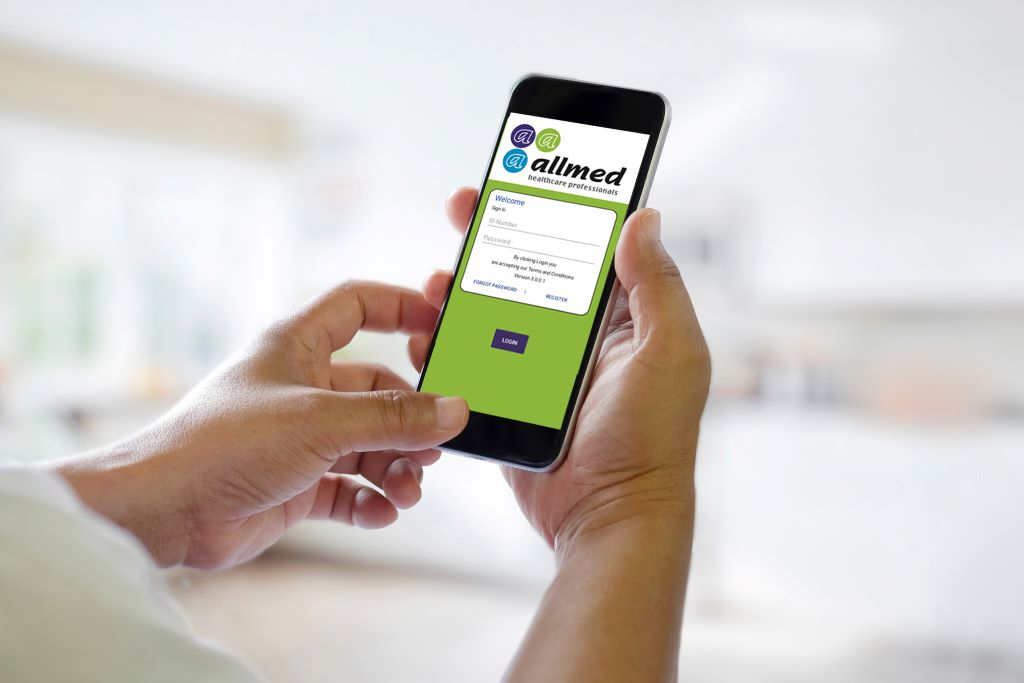
Allmed Healthcare Professionals, a leading healthcare agency, has launched its innovative Pay Slip App, designed to provide convenience and efficiency to its valued staff. The app, available for both Android and iPhone devices, revolutionises the pay slip distribution process, eliminating the need for staff to physically visit the office.
The development of the Pay Slip App began in January 2022 with the vision of addressing the challenges staff faced while collecting their pay slips. “We saw that our staff were spending time and money to come to our offices, which led to inefficiencies and unnecessary expenses,” explained Zukisani Sirwaxa, Operations Manager at Allmed. “Our goal was to save costs, improve accessibility, and streamline the entire process for our staff.”
The user-friendly app allows staff to access all their pay slips since they started working for Allmed, aiding them in financial planning and loan applications. Staff can easily check their pay details, including overtime, leaves, and earnings for specific shifts. This real-time access empowers staff to proactively manage their finances.
Karishma Dayaram, Business Unit Manager at Allmed, highlighted the app’s broader benefits, saying, “The Pay Slip App not only saves costs in printing and delivery but also frees up valuable staff time that was previously spent on manual processes. It enhances transparency and empowers our staff with immediate access to their essential pay information.”
Donald McMillan, Managing Director of Allmed, shared his excitement about the app’s unique features, stating, “As one of the first agencies to introduce such a dedicated Pay Slip App, we have been at the forefront of technology adoption in the industry. We are continuously exploring ways to improve the app’s functionality to meet our staff’s evolving needs.”
The Pay Slip App, developed in collaboration with a third-party developer, underwent a rigorous testing phase to ensure its efficiency and reliability. Since its launch, the app has received several thousand downloads, and Allmed has been proactive in addressing any technical challenges to ensure a seamless user experience.
Looking towards the future, Allmed envisions expanding the app’s functionalities to provide enhanced communication with our staff. “We are exploring the possibility of using the platform to share important updates, memos, and notices directly with our staff,” said Zukisani Sirwaxa. “This will further streamline our communication and foster a dynamic and connected community.”
As a forward-thinking company, Allmed recognises the importance of environmental responsibility. “We are also proud to align ourselves with the green initiative,” stated Donald McMillan. “By embracing digital solutions like the Pay Slip App, we are reducing paper usage and contributing to a sustainable future.”
Almost 100 former nurses at Jubilee District Hospital in Hammanskraal are calling on the Gauteng Department of Health to employ them permanently. Originally contracted in July 2020 to deal with the Covid pandemic, their employment contracts were periodically renewed but terminated at the end of March 2023.
The nurses have been sitting outside the hospital since Monday.
“They want us to work under agencies, and we don’t want that,” said a nurse.
“This hospital is very understaffed, but they are being stubborn. Inside the wards there are only two nurses working, and they are overstretched. They are struggling but the department doesn’t want to employ more nursing staff,” she said.
“It’s heartbreaking to see our people in distress, and I know I am a qualified person and could help. We are told there is no budget for us,” she said.
In a statement on Monday, the Democratic Nursing Organisation of South Africa (DENOSA), said as a result of the cholera outbreak “Jubilee Hospital is now experiencing an influx of patients, which is stretching the facility to breaking point.”
“Nurses in the facilities in the area will also be made to perform duties that are outside their scope of practice where they may be expected to carry water buckets to the water tankers. DENOSA does not encourage that nurses perform duties that are outside their scope.”
DENOSA Gauteng provincial secretary Bongani Mazibuko said there was a shortage of nurses and that it had been agreed at the provincial level to extend the contracts of Covid contract nurses.
Mazibuko said the contracts were due to end on the 31 March 2023 and the Gauteng health department was supposed to have given the nurses new contracts for 1 April 2023 to March 2024.
He said nurses whose contracts had been terminated should contact the union.
GroundUp made several attempts, all in vain, to get comment from the Gauteng health department.
Services at the Dora Nginza Hospital in Gqeberha, Eastern Cape are under strain as the nurse’s strike entered its second day on Friday. The striking nurses are demanding that management provide more beds and staff to the maternity wards, among other demands. They claim that their previous engagements with the health department have been fruitless.
On Thursday, some patients were moved to another hospital. Dora Nginza Hospital is the centre for maternal and paediatric care for the western part of the Eastern Cape.
A pregnant woman at the hospital described the maternity ward as “chaotic”.
“Heavily pregnant women were crying for help that was not coming. Many people are sleeping on the cold floor and there is a smell of blood in the ward. The few nurses there are overwhelmed,” she said.
Vuyo Nodlawu, regional chairperson of the Democratic Nursing Organisation of South Africa (DENOSA), told GroundUp that the maternity wards do not have enough beds and resources to cope with the influx of patients since Monday. “Patients, be it prenatal or postnatal, did not have beds to sleep on. The situation has been getting worse, to the extent that patients who had given birth were removed from beds to accommodate those in labour,” he said.
Nodlawu said the hospital’s management had told medical practitioners to stop admitting patients if there were no more beds available or until the matter was resolved. “However, the doctors continued to admit patients. Nurses then decided to allocate all available beds within the maternal department to everyone who didn’t have a bed,” said Nodlawu.
A meeting was called between the maternal directorate from the head office and the hospital but it was unsuccessful.
Mzikazi Nkatha, provincial deputy secretary of the National Union of Public Service and Allied Workers (NUPSAW)’s, said, “Nurses are saying enough is enough. They can’t continue as normal when patients have to lie on the floor and not on hospital beds. This is also an overwhelming number of patients and not enough health providers to care for them.”
Health department spokesperson Yonela Dekeda said union leaders have not been willing to negotiate with officials sent by management. Dekeda said plans to “decongest” Dora Nginza Hospital are underway, with emergency cases being referred to Port Elizabeth Provincial Hospital.
She said a team from other hospitals across the district were deployed to assist. The team included Anaesthetics, Obstetrics , Gynaecology, Paediatrics, Neonatology, Nursing and non-clinical support services.
“The designated ward and theatre at the Provincial Hospital has been staffed and equipped with the relevant equipment and medication. The Emergency Medical Services is also part of the response team and will coordinate patient transfers between facilities,” she said.
Dekeda said the department considers the nurses’ action as an unprotected strike. “These essential workers are refusing to engage with senior management nor do they want to return to work. The department takes this very seriously and the administrative and legal remedies at our disposal are being deployed,” she said.
DENOSA’s deputy regional chairperson Vuyo Dlanga has vowed that nurses would continue their action until provincial government officials meet them to resolve the issues.