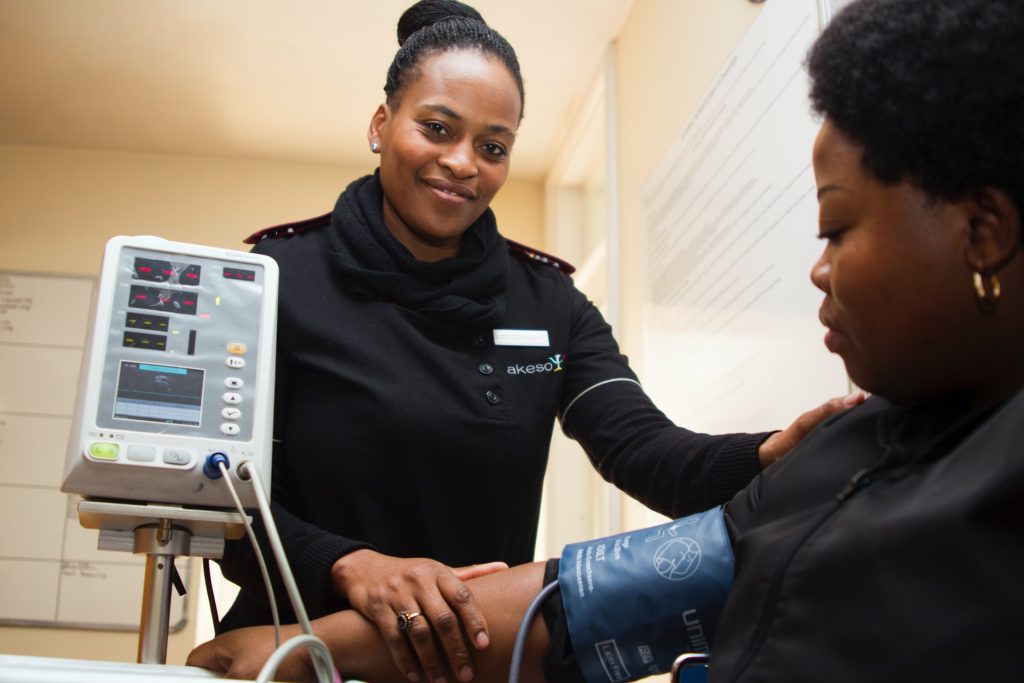
Tag: South Africa

Transforming South Africa’s Healthcare Sector: The Essential Role of Leadership

Dr Ali Hamdulay

By Dr Ali Hamdulay – CEO, Metropolitan Health Corporate

South Africa’s healthcare sector, a sophisticated and ever-changing industry, is central to the health and prosperity of our communities. Its effective operation, however, hinges on the strength and direction of its leadership.

Leadership, given the broad healthcare landscape, is far from a singular role; it’s a complex undertaking that requires comprehensive understanding of the wide medical ambit, the regulatory environment, compassion, and a forward-thinking mindset. Leaders are the primary builders of healthcare infrastructure, moulding it to encourage innovation, prioritise patient-focused care, and maintain the highest ethical standards.

Attracting and retaining skilled healthcare workers is a critical role that leadership in South Africa’s healthcare landscape must play. This includes attracting and retaining a diverse range of healthcare professionals such as doctors, nurses, and specialists. Leaders are responsible for creating a conducive work environment that not only draws in skilled workers but also motivates them to stay and thrive. Furthermore, leaders are advocates for healthcare workers, ensuring they have the necessary resources and support to carry out their roles effectively.

The rise of technology has ushered in substantial shifts in the healthcare sector. From telemedicine and AI diagnostics to electronic health records, technology has revolutionised how we provide care. Integrating these innovations into the healthcare system, though, is a challenging task that demands visionary leadership.

Leaders must understand these technologies, evaluate their potential advantages and risks, and oversee their implementation in a manner that enhances patient care without jeopardising privacy and security. Teams must also be equipped with the necessary skills to adapt to these changes and effectively implement new procedures.

A pivotal role of a healthcare leader is to champion health equity. Despite progress in healthcare, disparities in access and outcomes remain. Leaders play a crucial role in creating pathways to eradicate these disparities and to ensure that everyone, irrespective of their background, has access to quality healthcare. This involves understanding the social determinants of health, implementing policies that promote equity, and establishing an inclusive and respectful culture within the healthcare environment.

This cannot be done without support.

Leadership isn’t solely about leading; it’s also about inspiring others to lead. By exemplifying excellence and integrity, leaders can inspire their teams to aspire to the same standards. They can cultivate a culture of continuous learning and improvement, encouraging everyone to contribute their ideas and expertise.

A resilient healthcare system is anchored by robust leadership. It requires a mix of knowledge, skills and attitudes, a thorough understanding of the healthcare landscape, the ability to make critical decisions, the vision to embrace innovation, the empathy to advocate for health equity, and the charisma to inspire others.

We must elevate both individual and group thinking within our operating environments if we are to make meaningful progress in establishing a healthcare sector that prioritises access and quality. This approach contributes to a resilient healthcare workforce—one that can adapt to the dynamic landscape and is essential for the sector’s long-term viability and the overall health of South Africa’s population. By embracing this combination of collective and individual thinking, we propel the sector forward across businesses, the healthcare industry, and the nation as a whole.

Navigating the intricacies of the healthcare sector, particularly in the dawn of South Africa’s Government of National Unity, underscores the critical role of strong and reliable leadership. This fresh political landscape brings with it a wave of optimism. It has the potential to catalyse transformative change in our healthcare sector, from policy reforms and resource reallocation to the introduction of initiatives aimed at enhancing healthcare quality.

In our journey towards a more equitable and efficient healthcare system in South Africa, the focus on public-private partnerships must remain steadfast. These partnerships are instrumental in leveraging the strengths of both sectors to deliver better healthcare outcomes. They foster innovation, improve service delivery, and enhance accessibility, making them a crucial component of a robust healthcare system.

During this era of change, leadership is our compass guiding us towards quality access to healthcare for all. The role of leadership in ensuring progress and maintaining stability cannot be overstated. It is the driving force behind a healthcare sector that truly serves its people.

The future of South Africa’s healthcare sector is promising, but it requires the collective effort of all stakeholders. As a business, we recognise the critical role of nurturing our emerging leaders through mentoring and coaching. Our partnerships ensure continuity and preserve the essential skill and knowledge base of our healthcare workforce. These partnerships are key in establishing a healthcare system that is accessible to all and provides quality care.

As we commemorate Nelson Mandela Day, let us honour his unwavering commitment to justice, equality, and compassion. Our responsibility lies not only in the present but also in shaping a legacy for future generations. Let us build a healthcare system that echoes Mandela’s vision—a system that ensures access for all and equips our leaders to carry forth their roles with purpose and resilience.
Childhood Vaccine Coverage in SA Declined in 2023, Finds WHO Report

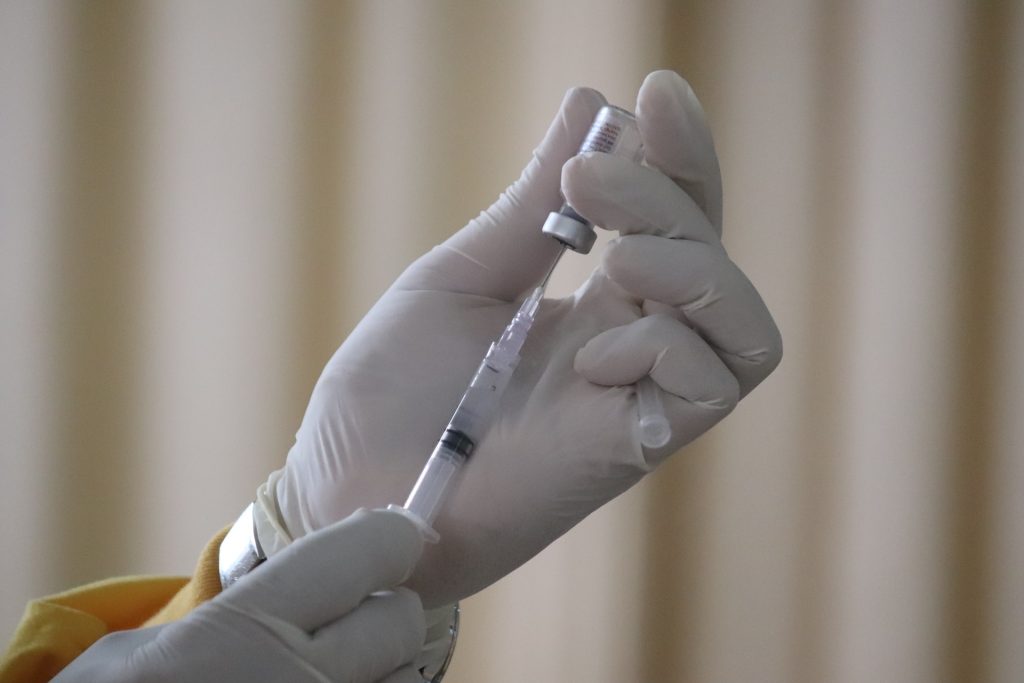
A marker used to measure immunisation coverage is to look at whether children received three doses of the vaccine against diphtheria, tetanus and pertussis. Photo by Mufid Majnun on Unsplash

By Elri Voigt

New data from the World Health Organization (WHO) and UNICEF show that globally childhood immunisation coverage stalled in 2023, while in South Africa it decreased. Elri Voigt unpacks the new data and asks local experts to put it in context.

A new report found that vaccination coverage rates around the world have not yet returned to levels seen in 2019, before the COVID-19 pandemic disrupted immunisation programmes.

There has been no meaningful change in immunisation coverage between 2022 and 2023, according to the WHO and UNICEF report published in July. It means progress in immunisation coverage has effectively stalled, leaving 2.7 million additional children who are either unvaccinated or under-vaccinated compared to pre-pandemic levels in 2019.

A marker used to measure immunisation coverage is to look at whether children received three doses of the vaccine against diphtheria, tetanus and pertussis – referred to as DTP3. Global coverage for DTP3 stalled at 84% in 2023, according to the report.

At the same time, the number of children worldwide who have not received any vaccinations has increased. We refer to these kids as zero-dose children. Ten countries account for 59% of all zero-dose children, with the global number in 2023 rising to 14.5 million compared to 13.9 million in 2022, according to the report.

Coverage slightly down in SA

Data from the report showed a slight decrease for a number of outcome measures in South Africa between 2022 and 2023. It was one of 14 countries in the African region that saw a decrease in coverage for DTP1 (the first dose of the vaccine for diphtheria, tetanus and pertussis), slipping from 87% in 2022 to 81% in 2023. Coverage for DTP3 also decreased, falling from 85% in 2022 to 79% in 2023.

South Africa was also one of 10 countries in the African region that saw a decrease in coverage for the first dose of the measles vaccine, and was singled out by the report as having the sharpest decline in coverage in the region between 2022 and 2023. Measles coverage dropped from 86% in 2022 to 80% in 2023.

Commenting on the accuracy of the new data, Professor Shabir Madhi, Dean at the Faculty of Health Sciences at the University of Witwatersrand (Wits), said it used administrative data, which can bias the estimates. He explained that the report bases vaccine coverage on the number of vaccines procured by government and deployed to facilities. For example, if a facility gets 100 doses of the measles vaccine and ends up discarding 50 doses, that doesn’t necessarily get reported.

The WHO acknowledges the potential for data inaccuracies. It stated that they calculate the estimated percentage of immunisation coverage by dividing the number of doses administered to a target population by the estimated number of people in that target population.

Madhi said a more accurate picture of childhood immunisation coverage in the country can be found in National Vaccine coverage surveys, like the Expanded Programme on Immunisation (EPI) National Coverage survey. Spotlight previously reported on results from the most recent EPI survey conducted in 2019.

Madhi said it appears the new report did not incorporate data from the EPI survey. However, even without this data, he said the WHO estimates are not too far off the local data. He remarked that he doesn’t feel “too strongly either way” about the accuracy of the WHO data since the bottom line is vaccine coverage in the country is lagging.

“Fluctuations in immunisation coverage are not uncommon,” Dr Haroon Saloojee, a professor of Child Health at Wits University told Spotlight. “One should not make too much of a fall or increase in coverage rates over one year, unless it is drastic.”

Data from the WHO report for vaccine coverage in South Africa between 2018 and 2022 had actually showed an overall upward trend, which was “promising”, according to Saloojee. However, he said the latest data from the report “holds no good news for South Africa” because the dip in coverage in 2023 was noteworthy.

How does SA compare?

“South Africa’s performance is moderate when compared globally, and poor compared to other high-middle income countries,” said Saloojee. “Considering that South Africa is a high-middle-income country, we should be performing much better in all our health indicators.”

He pointed out that countries in a similar bracket like Cuba and Uruguay have achieved high immunisation coverage through robust healthcare systems and effective public health policies.

Regarding zero-dose children, the report ranked South Africa 6th worst in the African region. In 2022, the country ranked 13th. With a total of 220 000 zero-dose children, the country accounted for 3% of all zero-dose children in the African region. Nigeria had the highest percentage at 32% of all zero-dosed children in the region, followed by Ethiopia with 14%.

‘Dysfunctionality of primary healthcare’

Apart from the international comparisons, Madhi pointed out that South Africa is not meeting its own targets of having at least 90% of children in each district fully vaccinated.

The EPI survey found that only seven of the 52 districts in the country were able to achieve the national target of 90% of children fully vaccinated under one year of age. Together, the data from the survey and the WHO clearly shows that childhood immunisation targets are not being met in the country.

For Madhi, the results from the EPI survey “speaks to dysfunctionality of primary health care in the country”. He said the immunisation of children, which is the bedrock of primary healthcare when it comes to children, acts as a “canary in the mine with regards to how well primary healthcare is working”.

He said South Africa is a leader in the field when it comes to evaluating and introducing vaccines to the public immunisation programme. But when it comes to implementation, for the vast majority of districts we “are falling completely flat on our face and coming short in terms of reaching our own targets”.

Implications for children

The health implications for children who are not unvaccinated or only partially vaccinated are significant.

“They are less protected against what can be life threatening diseases. And those life-threatening diseases include diseases such as measles, but also other life-threatening diseases such as pneumonia,” Madhi said.

“We’re selling ourselves short as a country in addition to actually compromising the health of children by not ensuring that we’re doing everything that’s possible to actually get children to be vaccinated,” Madhi added. “It also comes with other consequences, so it sort of lends South Africa to be more prone to outbreaks.”

Saloojee added that it is also likely that children who are not fully vaccinated are “not receiving many of the other health, education and social development services all children require and that is being provided by government, such as early childhood development services and child support grants”.

The reasons for immunisation coverage lagging are complex and the responsibility for fixing the problem lies with more than just one entity. Spotlight previously reported on some of the reasons children are remaining unvaccinated or under-immunised as identified by the EPI survey.

Madhi said there needs to be a fundamental relook at the country’s immunisation programme. Proper governance structures need to be put in place and the programme will need to be implemented all the way down to the sub-districts. There is also a need for real-time data and monitoring of that data so interventions can be done when children are missing their immunisations. He also suggested ring-fencing funds for vaccines, at either a national or provincial level, to ensure that money earmarked for vaccines are used for that purpose so as to ensure less stock-outs.

“The immunisation programme hasn’t changed much from what I can gather over the past 20 years, let alone the past 10 years. So we can’t expect a different outcome if the strategy that we’re using which has failed is the strategy that you continue pursuing,” Madhi said.

Saloojee said the National Department of Health can play a pivotal role in strengthening the immunisation programme by “providing leadership, resources, and policy support”. He said that to his knowledge the health department is currently preparing a national immunisation strategy to take us to 2030, but the draft is not up to scratch. The strategy, he says, will need to offer clear objectives, establish realistic indicators of, and targets for, measuring success, and attract a fully funded mandate.

Spotlight asked the National Department of Health for comment on the new WHO report and how it plans to respond to improve immunisation coverage. While the department acknowledged our questions, they did not provide comment by the time this article was first published.

Republished from Spotlight under a Creative Commons licence.

Read the original article

New Research Shows Great Strides have been Made in Controlling HIV in South Africa

Image: supplied.

Although South Africa has the largest number of people living with HIV worldwide, strides have been made in controlling the epidemic, especially in the reduction of HIV incidence, testing, and treatment.  Researchers from the South African Medical Research Council (SAMRC) and University of KwaZulu-Natal (UKZN) are inching closer to finding the answer to the natural control of HIV infection, leading to improved health outcomes and quality of life amongst South Africans.

 According to the latest survey by the Human Sciences Research Council, in 2022, there were approximately 7.8 million people afflicted with HIV in South Africa, the highest absolute number of people living with HIV globally. Yet despite having the largest genetic diversity in the world, African human genome sequences represent the lowest of all the human genomes that have been sequenced worldwide. There is a dire need to leverage genomics to back up and scale targeted intervention programs to put more people living with HIV on effective treatment.

Of particular interest in the global investigations into HIV is “elite controllers” (ECs), a rare group of HIV‐1‐positive individuals whose immune systems can seemingly suppress the infection from developing without taking antiretrovirals (ARVs). For every 200 people living with HIV, around one may be an elite controller (0.5%). In South Africa, with its high rate of HIV infection, the prevalence of ECs also appears to be higher. By “unmasking” the secrets of ECs through research, clues can be revealed, and new therapies potentially developed to benefit broader groups of people living with the disease.

In order to identify the polymorphism and mutations within individuals of African descent, and understand how they are associated with HIV disease progression, Dr Veron Ramsuran, Associate Professor at UKZN, and Prof Thumbi Ndung’u, Director for Basic & Translational Science at the Africa Health Research Institute, joined hands with SAMRC, MGI and local South African clinics in 2019 to take their 20+ years of work in EC research to the next level using whole genome sequencing (WGS).

“The HIV Host Genome project was started at the same time as we launched SAMRC’s African Genomics Centre in Cape Town with the support from MGI,” said project co-investigator Rizwana Mia, also co-founder of the SAMRC Genomics Centre and Senior Program Manager in Precision Medicine at SAMRC. “The partnership saw MGI putting down a high-throughput sequencing workflow and assisted us with the specialised scaled infrastructure design in our lab. This was at a time when there was no real infrastructure for large-scale next generation sequencing in Africa.”

“More importantly, by moving our laboratory workflow to scale, we are hoping to develop genomic research to address this quadruple burden of disease that South Africa faces,” explained Mia. “Our project looks at a unique cohort of patients that have the ability to control the HIV virus to ascertain how disease progresses and the host-directed mechanisms for innate immune control. In addition, we included family sets to help us better understand the relationship between pediatric non-progressors and their parents who are also HIV positive, to uncover and genetic differences that may contribute to host immune control of HIV.”

“We’ve identified new genes and polymorphism that are playing a role with HIV disease through new data generated from Whole Genome Sequencing,” said Dr Veron Ramsuran, principal investigator of the HIV Host Genome project. “Traditionally, there is a list of mutations or genes that are known to associate with HIV, yet they are largely based on studies on Caucasian populations. Our HIV research is adding to the general pool of knowledge pertaining to individuals of African descendent, which will thereby inform new treatment and new vaccine opportunities.”

“What’s important is also understanding how drugs interact with the individual,” added Ramsuran. “We’ve found in the past that certain polymorphism is associated with drug metabolism in genes. Building on this understanding of drugs in combination with the genetics of the individual, we can develop prediction tools to inform clinicians on drug type or dosage depending on the presence of the polymorphism to facilitate a more rapid metabolism of the drug.”

Encouragingly, investigations into Africa’s diseases will continue beyond this point. The HIV Host Genome project has laid the groundwork for the ambitious National 110K Human Genome Project. This large-scale population study will involve 110 000 participants from the South African population, aiming to understand more about of their genomic diversity, address various health challenges, and pave the way for personalized medicine in the country. Furthermore, the data collected will be incorporated into a national population database, enhancing research outcomes and deepening disease understanding for Africa.

Given South Africa’s diverse population, limited human genomics data and significant healthcare burden from diseases such as HIV, understanding pathogenesis and inherent mutations is important for implementing targeted treatments and public health programs. With its lower sequencing cost, high quality data, and efficient all-in-one workflows, MGI’s equipment play an instrumental role , will continue to drive progress in studying rare HIV phenotypes, which holds great promise in advancing the development of targeted interventions and cures– not only for HIV – but many other diseases.

“Looking at the genetic variation and its impact on HIV is a gamechanger, because it will shed light on some of the best immune responses that can be generated against the HIV virus,” stated Prof Thumbi Ndung’u, principal investigator of several of the project’s cohort studies. “And actually, this knowledge will be widely applicable and could have an impact on other diseases – infectious and non-infectious – as well as their drug interventions. It will make sure that Africans, just like everybody else, are at the centre of drug and vaccine development.”

High Court Ruling Strikes Down Key Part of NHI Act

Photo by Tingey Injury Law Firm on Unsplash

A key part of the National Health Insurance Act is the requirement of private healthcare facilities to obtain a Certificate of Need (CON) in order to practise. Now it, this component has been struck down by a Pretoria High Court judge. Judge Anthony Millar struck down the Act’s key section, saying that it was “akin to an attempt to indenture the private medical service in the service of the state”.

The case had been brought by the Solidarity Trade Union, the Alliance of South African Practitioner Associations, the South African Private Practitioner Forum, the Hospitals Association of South Africa (HASA) and a number of healthcare providers and owners of healthcare establishments.

Sections 36 to 40 of the NHI Act would introduce a Certificate of Need (CON) scheme, essentially tying down doctors to a specified geographical location, which would be the only location where they could render their services.

It is declared that sections 36 to 40 of the National Health Insurance Act 61 of 2003 are invalid in their entirety and are consequently severed from the Act.

Judge Anthony Millar’s ruling

Any new healthcare facility would have to apply for a CON, which would be valid for 20 years. Existing facilities would have two years’ grace period to apply. This would applicable to hospitals, clinics, pharmacies and even to private rooms set up within the home of the practitioner. Operating without one would be a criminal offence – punishable with a fine, five years in prison or both.

It had been argued that because the regulations for CON had not been promulgated, the applicants’ argument was “hypothetical” and not “crystallized”. In Tuesday’s ruling, Judge Millar cited previous rulings and the constitutionality of the matter was still worth testing.

The CON scheme was extensive, Judge Millar noted, and would impact not only healthcare practitioners who worked in healthcare facilities and their employees, but also “juristic persons“, ie corporations or other organisations that can be legally liable.

Read the judgment here

‘A blunt instrument’

In terms of its constitutionality, the applicants’ argument was that, “at least six constitutional rights are infringed. They say it tramples on their rights including where they want to reside, send their children to school and the communities they belong to.”

Judge Millar noted, would mean that setting up a hospital was a hefty investment of R500 million or so, and there was no provision any support. Taken together with the 20-year CON validity, would serve to discourage private investment and became a “blunt instrument” with which the Director-General of Health could control private healthcare in the country.

Even though this provision was ostensibly to serve many, this could not come at the cost of individual freedoms, among them Section 22 of the Constitution which provided for the freedom to choose an occupation within the rule of law.

“The scheme is silent on the extant rights of both the owners of private health establishments, private healthcare service providers and private healthcare workers. Such extant right include their integration and professional reputations in the communities which they presently serve together with the significant financial investments and commitments made by them to be able to render the services that they do.”

Since health establishments are purpose-built and hard to convert for other use, this constitutes a de facto deprivation, he wrote.

“It does not behove government in pursuing transformation, to trample upon the rights of some ostensibly for the benefit of the many.”

‘Effective indenture’ of private healthcare

While the legal teams for President Cyril Ramaphosa, the minister of health, Dr Aaron Motsoaledi, and the director-general of health, Dr Sandile Buthelezi, argued that the public healthcare sector was overburdened, Judge Millar replied that this amounted to the effective indenture of the private healthcare system.

Among other problems, contesting CON issuance was without recourse and by turning down a certificate the DG could essentially deprive the affected parties of income, as doing so would see them prosecuted under Section 40.

The ruling was welcomed by healthcare professional associations.

As reported in the Daily Maverick, Solidarity chief executive Dr Dirk Hermann said, “This judgment is a major blow to the total NHI [National Health Insurance] idea, as the principle of central management is a core pillar of the NHI Act itself. A more extensive consequence of this ruling with regard to the certificate of need is that parts of the NHI Act are now probably also illegal in principle.

“The NHI in its current format cannot be implemented as the essence of the NHI is central planning – and this has now been found unconstitutional.” 

In a statement, HASA said that it regretted that the matter had to come to court. “We would have preferred achieving the objective of a stronger health system through a negotiated and collaborative effort to increase the number of medical students and nurses in medical training facilities to address the healthcare system’s needs,” the association stated.

Essenwood Residential Home – A Case Study in Elevated Care Through Staffing Partnership

Essenwood Residential Home, a haven for senior women since the 1850s in Durban, South Africa, provides exceptional care for its residents. However, managing the complexities of HR for a growing number of caregivers became a burden, taking away time and resources from core resident care duties. This is where Allmed, a specialist medical personnel solutions provider, stepped in to make a significant difference.

A long history of caring
Founded by the Durban Benevolent Society to provide care for elderly women, it initially resided on Victoria Street and in 1921, the home relocated to its current location on Essenwood Road, a larger and more suitable site. The Greenacre family played a pivotal role in this development, with Walter Greenacre donating the land and a bequest from his father, Sir Benjamin Greenacre, facilitating the construction.

Over the years, Essenwood has continuously evolved to meet the needs of its residents. It acquired autonomy in 1950 and established a dedicated assisted living wing in 1970. Most recently, in 2015, the home underwent extensive renovations to ensure it remained a safe and comfortable haven for its residents. Currently, Essenwood is home to 85 residents, with the capacity to care for 110.

The challenge of HR burdens stifling quality care
Essenwood, like many care facilities, struggled with the time-consuming tasks of HR management. Nursing Services Manager, Colleen Dempers, found herself spending a considerable amount of time on tasks like rostering, replacements for absent staff, and disciplinary issues. This detracted from the home’s primary focus – ensuring the well-being and individual care of residents.

“We found that we were spending so much time on HR issues that it became a huge distraction, Dempers explains. “It detracted us from additional time on HR issues that could be better spent on quality of care. This is what led us to Allmed for a solution.”

Allmed to the rescue with a partnership for success
Building on their established trust with Allmed, a partnership that began in 2016, Essenwood Residential Home made a strategic move to elevate resident care. Allmed was already providing relief support for registered nurses and enrolled nurses, offering a flexible solution for fluctuating staffing needs. The governing board made the tactical decision to entrust Allmed with their entire caregiving staff, ensuring continuity and quality.

“Our core function is resident care,” clarifies Chad Saus, Essenwood Residential Home’s General Manager. “We need to provide individual attention, activities, and a stimulating environment. By outsourcing HR, IR and payroll for 56 caregivers, along with the flexibility of additional resources when needed, Allmed frees us to focus on what truly matters – our residents.”

Streamlining operations for quality care with the Allmed advantage
The partnership with Allmed has yielded multiple benefits for Essenwood:

  • Reduced HR burden: Allmed took over recruitment, payroll, and disciplinary processes for caregivers, freeing up Essenwood’s staff to focus on resident care and quality of service.
  • Enhanced responsiveness: Allmed provided prompt and efficient support, addressing Essenwood’s concerns quickly and professionally. Whether it was staffing issues, training needs, or resident care challenges, Allmed offered round-the-clock support, solutions, and a “can-do” attitude.
  • Improved caregiver fit: Allmed understood Essenwood’s care philosophy and resident needs. The caregivers placed by Allmed at Essenwood integrated seamlessly into the environment, providing the high-quality care residents deserve.
  • Leadership that listens: Essenwood valued Allmed’s commitment to open communication. Any concerns raised by Essenwood were addressed promptly and collaboratively.

The impact: residents feel the difference
The positive ripple effects of the Essenwood-Allmed partnership are evident in the high standard of care received by residents. With a dedicated and well-matched caregiving staff, Essenwood can cater to individual needs and provide a more enriching environment for its residents.

A model partnership for senior care
The Essenwood Residential Home exemplifies the success achievable through a well-structured healthcare staffing partnership. By outsourcing HR and leveraging a qualified care staffing agency, Essenwood has demonstrably improved the quality of care for its residents. This model can serve as an inspiration for senior care facilities seeking to elevate their services and prioritise resident well-being.

A Holistic Approach will Build a Stronger Rural Healthcare System

Photo by Hush Naidoo on Unsplash

As part of a series of podcasts titled “Advancing Healthcare” that examine the critical issues that must be addressed to achieve universal healthcare, Russell Rensburg of the Rural Health Advocacy Project calls for a focus and prioritisation of rural health. 

Across rural South Africa, the health profile of South Africans is changing. Thanks to the rollout of antiretroviral drugs, South Africa’s life expectancy has increased, and with that, the population is getting older. While this is good news, an ageing population does bring new challenges to the healthcare system.

Rensburg noted that as part of the success of the HIV response in the last 10 years, there has been an increase in life expectancy. But the challenge is that as disease profiles change, health care needs change too. “We need to respond to the differing health needs of young people and older populations,” he adds.

According to Rensburg, available data shows we must start taking differentiated approaches to delivering healthcare for different population segments. However, more data is required because no one knows the prevalence of certain diseases, like cancer. Also, lacking management data means little information on how facilities are run. Without the right data, he says, “We haven’t figured out a way of doing health promotion and health literacy.” 

The Rural Health Advocacy Project is a division of Wits University’s health consortium, and it aims to promote better health care for rural communities. However, providing meaningful rural health care requires understanding that each province within South Africa has its own challenges.

In Kwazulu-Natal, for instance, a recent study involving basic screening found high levels of diseases like diabetes and tuberculosis in people who had never accessed the healthcare system.

The Eastern Cape, says Rensburg, has too many hospitals that are expensive to run. “Some of those hospitals they don’t need,” he said. “There are, like, 91 district hospitals in the Eastern Cape; many of them are like old mission hospitals that, in my view, are sometimes too expensive to run.”

Limpopo, says Rensburg, has a malnutrition problem. “They have severe acute malnutrition rates that are quite high, which is ironic because it’s kind of a breadbasket province,” he said.

Another overreaching problem that healthcare professionals have to deal with in the rural districts of South Africa is that patients often bypass the community clinics and go to the hospitals when they need medical attention.

These clinics are bypassed because of negative experiences where patients endure day-long queues and medicines that aren’t in stock. “They go to the hospital, which costs probably five or six times more for the state to deliver that care,” explained Rensburg.

Rensburg believes more community health workers should be hired, and their training should be standardised to improve rural health care. “We need to professionalise them because it’s an opportunity to create employment in parts of the country with low economic activity,” he said.

According to Rensburg, other interventions that could improve rural health care could include cutting queuing times, improving antenatal care, and making maternity care easier to access. Pregnant mothers can wait up to 14 hours to access a bed.

Access to better management data would help in the better running of facilities. “I think the first baseline into improving healthcare is getting more people to understand their health status. And I think how we do that is being much more focused on gathering information. And then using that information for decision-making,” Rensburg said.

However, improving the well-being of South Africans living in the rural parts of the country goes beyond what the health sector can offer. “So maybe something like a Basic Income Grant could have a massive impact on people’s health, particularly in the rural areas where unemployment is 90%.” The basic income grant could help reduce malnutrition, Rensburg adds.

What could influence rural health soon is NHI. “I think the NHI is an opportunity to change how we deliver healthcare,” said Rensburg. “But when you look at the NHI proposals, it was about restructuring public-funded health care services. The whole thing talks about how we better manage hospitals by giving them their budgets.” Rensburg adds that restructuring publicly funded services, prioritising district health services, and improving the efficiency and efficacy of central, tertiary and regional hospitals by giving them greater autonomy should also be considered key to improving rural health.

This podcast, which is part of a series that aims at creating critical discussion around achieving universal health care, can be accessed at https://hasa.co.za/hasa-podcasts/ 

Nomantu Nkomo-Ralehoko’s Comeback as Gauteng MEC for Health Sparks Mixed Reactions

Nomantu Nkomo-Ralehoko is sworn in by Judge Lebogang Modiba as the new MEC for Health. (Photo: Gauteng Provincial Government)

By Ufrieda Ho

ANC support in Gauteng dipped below 40% in the recent provincial elections and an ANC-led minority government is now at the helm. Among those in Premier Panyaza Lesufi’s new Cabinet is Nomantu Nkomo-Ralehoko who’s been reappointed as MEC for Health and Wellness.

Nomantu Nkomo-Ralehoko was first appointed Gauteng’s MEC for Health and Wellness in October 2022. A long-time ANC member, she previously served as MEC for Finance and e-Government and has been a member of the provincial legislature since 1999.

She returns to the critical role at a time when the province’s health department, based on extensive reporting by Spotlight and other publications,  remains mired in a chronic cycle of administrative and service delivery dysfunction.

At just under R65 billion for the current financial year, the department gets a massive slice of the Gauteng budget. While the National Department of Health leads on health policy, the day-to-day running of public healthcare services is managed by provincial departments of health.

The Gauteng health department has a high number of vacancies. On the administrative side this includes the critical position of a chief financial officer (CFO). The previous CFO, Lerato Madyo, was suspended in August 2022. Her case is still to be concluded. Research conducted last year by community healthcare monitoring group Ritshidze found that the majority of healthcare facility staff and public healthcare users that they surveyed felt that healthcare facilities were understaffed.

Madyo’s case is connected to ongoing investigations into corruption at Tembisa Hospital undertaken by the Special Investigating Unit. This was also the issue that whistle-blower Babita Deokaran was investigating before she was assassinated in August 2021. Deokaran was acting chief finance director before she was killed. Since her death it’s been confirmed that there was corrupt spending to the tune of R1bn at Tembisa Hospital.

When Nkomo-Ralehoko answered 10 questions from Spotlight shortly after her appointment in 2022, she said: “One of my immediate focus areas is to ensure that the department’s systems across delivery areas such as Finance, Human Resources, Monitoring and Evaluation, Risk Management, etc. are strengthened so that processes are not dependent on human vulnerability but there are clear checks and balances. An environment that has no consequence management breeds ill-discipline and a culture of ignoring processes and procedures as prescribed in our legislative framework.”

Gauteng also faces mounting surgery and oncology treatment backlogs. Its clunky supply chains and procurement systems have often left suppliers unpaid and facilities struggling without basic medical consumables as well as not being able to procure large pieces of equipment when it’s been needed. Some hospitals have had periods when patients have had to go without food.

There remains questions about governance capacity in the department. Notable examples from Nkomo-Ralehoko’s tenure so far include inaction over utilising a March 2023 Gauteng Treasury allocation of R784 million for outsourcing radiation oncology services. These ring-fenced funds were secured following sustained pressure and protests by activists and civil society. To date, this money has still not been spent.

https://platform.twitter.com/embed/Tweet.html?creatorScreenName=SpotlightNSP&dnt=false&embedId=twitter-widget-1&features=eyJ0ZndfdGltZWxpbmVfbGlzdCI6eyJidWNrZXQiOltdLCJ2ZXJzaW9uIjpudWxsfSwidGZ3X2ZvbGxvd2VyX2NvdW50X3N1bnNldCI6eyJidWNrZXQiOnRydWUsInZlcnNpb24iOm51bGx9LCJ0ZndfdHdlZXRfZWRpdF9iYWNrZW5kIjp7ImJ1Y2tldCI6Im9uIiwidmVyc2lvbiI6bnVsbH0sInRmd19yZWZzcmNfc2Vzc2lvbiI6eyJidWNrZXQiOiJvbiIsInZlcnNpb24iOm51bGx9LCJ0ZndfZm9zbnJfc29mdF9pbnRlcnZlbnRpb25zX2VuYWJsZWQiOnsiYnVja2V0Ijoib24iLCJ2ZXJzaW9uIjpudWxsfSwidGZ3X21peGVkX21lZGlhXzE1ODk3Ijp7ImJ1Y2tldCI6InRyZWF0bWVudCIsInZlcnNpb24iOm51bGx9LCJ0ZndfZXhwZXJpbWVudHNfY29va2llX2V4cGlyYXRpb24iOnsiYnVja2V0IjoxMjA5NjAwLCJ2ZXJzaW9uIjpudWxsfSwidGZ3X3Nob3dfYmlyZHdhdGNoX3Bpdm90c19lbmFibGVkIjp7ImJ1Y2tldCI6Im9uIiwidmVyc2lvbiI6bnVsbH0sInRmd19kdXBsaWNhdGVfc2NyaWJlc190b19zZXR0aW5ncyI6eyJidWNrZXQiOiJvbiIsInZlcnNpb24iOm51bGx9LCJ0ZndfdXNlX3Byb2ZpbGVfaW1hZ2Vfc2hhcGVfZW5hYmxlZCI6eyJidWNrZXQiOiJvbiIsInZlcnNpb24iOm51bGx9LCJ0ZndfdmlkZW9faGxzX2R5bmFtaWNfbWFuaWZlc3RzXzE1MDgyIjp7ImJ1Y2tldCI6InRydWVfYml0cmF0ZSIsInZlcnNpb24iOm51bGx9LCJ0ZndfbGVnYWN5X3RpbWVsaW5lX3N1bnNldCI6eyJidWNrZXQiOnRydWUsInZlcnNpb24iOm51bGx9LCJ0ZndfdHdlZXRfZWRpdF9mcm9udGVuZCI6eyJidWNrZXQiOiJvbiIsInZlcnNpb24iOm51bGx9fQ%3D%3D&frame=false&hideCard=false&hideThread=false&id=1783790046073520568&lang=en&origin=https%3A%2F%2Fwww.spotlightnsp.co.za%2F2024%2F07%2F08%2Fnomantu-nkomo-ralehokos-comeback-as-gauteng-mec-for-health-sparks-mixed-reactions%2F&sessionId=0cf4a9233d69e0418da0c0880c4ca69b12ddb0e2&siteScreenName=SpotlightNSP&theme=dark&widgetsVersion=2615f7e52b7e0%3A1702314776716&width=550px

The department is also still to implement a June 2022 memorandum of agreement with the University of Witwatersrand. The agreement sets a framework for the department and the university to mutually address many of the health sector challenges in the province, while ensuring the academic training of the next generation of doctors takes place.

Another key challenge for Nkomo-Ralehoko will be how to navigate a changed Gauteng Provincial Legislature in this seventh administration. There is no outright majority and there is no unity government deal that includes the largest opposition party, the Democratic Alliance (DA). This will represent distinct hurdles for passing budgets or garnering enough votes for approvals in the house.

Despite these challenges, the reappointment of 58-year-old Nkomo-Ralehoko is being welcomed by some. They say that she brings stability to a portfolio that has been plagued by shaky, short-lived tenures in the top role. They say she has a flexible leadership style, and that she is open to working with many different stakeholders. But her critics charge that she cannot deliver the overhaul that the department needs and that she has not been tough enough on corruption.

‘More of the same’

Jack Bloom is the DA shadow minister for health in Gauteng. He says: “I don’t think the present MEC deserves to be reappointed, but that’s for the ruling party to determine. What we will get going forward is more of the same. The Gauteng Department of Health needs wholesale change but it’s not going to happen under the present situation.”

Bloom says Nkomo-Ralehoko’s comeback is “cadre deployment and political protection” and he adds: “I’m afraid that the corruption is across the board and the looting is going to continue.”

https://platform.twitter.com/embed/Tweet.html?creatorScreenName=SpotlightNSP&dnt=false&embedId=twitter-widget-2&features=eyJ0ZndfdGltZWxpbmVfbGlzdCI6eyJidWNrZXQiOltdLCJ2ZXJzaW9uIjpudWxsfSwidGZ3X2ZvbGxvd2VyX2NvdW50X3N1bnNldCI6eyJidWNrZXQiOnRydWUsInZlcnNpb24iOm51bGx9LCJ0ZndfdHdlZXRfZWRpdF9iYWNrZW5kIjp7ImJ1Y2tldCI6Im9uIiwidmVyc2lvbiI6bnVsbH0sInRmd19yZWZzcmNfc2Vzc2lvbiI6eyJidWNrZXQiOiJvbiIsInZlcnNpb24iOm51bGx9LCJ0ZndfZm9zbnJfc29mdF9pbnRlcnZlbnRpb25zX2VuYWJsZWQiOnsiYnVja2V0Ijoib24iLCJ2ZXJzaW9uIjpudWxsfSwidGZ3X21peGVkX21lZGlhXzE1ODk3Ijp7ImJ1Y2tldCI6InRyZWF0bWVudCIsInZlcnNpb24iOm51bGx9LCJ0ZndfZXhwZXJpbWVudHNfY29va2llX2V4cGlyYXRpb24iOnsiYnVja2V0IjoxMjA5NjAwLCJ2ZXJzaW9uIjpudWxsfSwidGZ3X3Nob3dfYmlyZHdhdGNoX3Bpdm90c19lbmFibGVkIjp7ImJ1Y2tldCI6Im9uIiwidmVyc2lvbiI6bnVsbH0sInRmd19kdXBsaWNhdGVfc2NyaWJlc190b19zZXR0aW5ncyI6eyJidWNrZXQiOiJvbiIsInZlcnNpb24iOm51bGx9LCJ0ZndfdXNlX3Byb2ZpbGVfaW1hZ2Vfc2hhcGVfZW5hYmxlZCI6eyJidWNrZXQiOiJvbiIsInZlcnNpb24iOm51bGx9LCJ0ZndfdmlkZW9faGxzX2R5bmFtaWNfbWFuaWZlc3RzXzE1MDgyIjp7ImJ1Y2tldCI6InRydWVfYml0cmF0ZSIsInZlcnNpb24iOm51bGx9LCJ0ZndfbGVnYWN5X3RpbWVsaW5lX3N1bnNldCI6eyJidWNrZXQiOnRydWUsInZlcnNpb24iOm51bGx9LCJ0ZndfdHdlZXRfZWRpdF9mcm9udGVuZCI6eyJidWNrZXQiOiJvbiIsInZlcnNpb24iOm51bGx9fQ%3D%3D&frame=false&hideCard=false&hideThread=false&id=1808599071910691314&lang=en&origin=https%3A%2F%2Fwww.spotlightnsp.co.za%2F2024%2F07%2F08%2Fnomantu-nkomo-ralehokos-comeback-as-gauteng-mec-for-health-sparks-mixed-reactions%2F&sessionId=0cf4a9233d69e0418da0c0880c4ca69b12ddb0e2&siteScreenName=SpotlightNSP&theme=dark&widgetsVersion=2615f7e52b7e0%3A1702314776716&width=550px

He says the MEC slow-walked disciplinary action on many suspended senior staffers and has also failed to tighten up on the likes of pre-employment checks on would-be employees, resulting, he says, in weak candidates being appointed.

The EFF is the third largest party in the Gauteng legislature. Nkululeko Dunga was contacted to weigh in on Nkomo-Ralehoko’s reappointment but he declined to take our calls and didn’t respond to written questions.

‘Delays that cost lives’

Speaking briefly to news channel eNCA after she signed her oath of office on 3 July, Nkomo-Ralehoko mentioned oncology and radiation services as one of her priority areas. She referred specifically to the building of bunker-like facilities in order to house specialist cancer treatment equipment procured for Chris Hani Baragwanath Hospital and George Mukhari Hospital.

However, for Salome Meyer of the Cancer Alliance, the fact that equipment has been procured but is sitting in storage amounts to delays that cost lives. She says there are currently 3 000 patients in the province on waiting lists for cancer treatment.

“Our facilities are operational but they aren’t operating at full capacity because the  equipment is not in use or we don’t have  staff to operate the equipment,” Meyer says.

“What we’re seeing is resignation after resignation of radiation therapists because they aren’t on the correct pay grade. So even when we do get equipment there is not enough people to operate the equipment.

“The MEC has to start looking after her own people – the people who work in our clinics and hospitals,” she says.

‘Ensuring stability’

For the Democratic Nursing Organisation of South Africa (Denosa) in Gauteng though, Nkomo-Ralehoko has used her 20 months in the MEC role so far to start making the right turnarounds for the health department.

Bongani Mazibuko of the nursing association says: “We believe that this welcome appointment of the MEC will go a long way in ensuring that there’s stability in the department and it’s something that Denosa has long been calling for”.

Lack of stability has been a feature of Gauteng health over the last decade or so. When Nkomo-Ralehoko was appointed in 2022, she replaced Nomathemba Mokgethi, who had been in the job for less than two years. Prior to Mokgethi, Bandile Masuku was also in the position for less than two years. Gwen Ramokgopa filled in for a bit more than two years, and before her, Qedani Mahlangu was forced to resign after the Life Esidemeni tragedy.

Denosa in Gauteng also call for the finalisation of CEO appointments and for senior management posts to be filled. They also say fixing of infrastructure is critical “so that the department can be more functional”.

Mazibuko adds: “We need to ensure that appointment of nurses is prioritised as they are the backbone of the system. But we have faith that we can continue working together to ensure that the people of Gauteng get the health that they deserve.”

Right direction, but needs to act on corruption

Treatment Action Campaign Gauteng chairperson Monwabisi Mbasa also supports Nkomo-Ralehoko’s reappointment. He says compared to her predecessors, Nkomo-Ralehoko has so far been someone they feel they can work with.

“We have seen that in the past nearly two years the MEC has been trying to address some issues plaguing public healthcare at provincial, district and clinic level. She is hands-on and flexible, so we have confidence in her still,” Mbasa says.

But Mbasa says she must be held to account on not taking “drastic action against corruption”. He says 26 of Gauteng’s 37 public hospitals have in recent times run out of food but Nkomo-Ralehoko’s intervention included using suppliers and service providers who were not properly registered. He says it is a red flag and they will continue to hold the MEC to account.

Mbasa says to move forward now for health in the province will require alignment of the health department with the departments of infrastructure and development and of finance.

“Infrastructure of our health facilities is an emergency. We are also calling for the improvement of supply chain management and procurement of goods and services and we need to improve human resources.

“There are challenges and weakness in the Cabinet but it’s good that we are not working with completely new people in these portfolios. This is the time to accelerate and to ensure that we use the seventh administration to improve the delivery of public health,” Mbasa says.

After long and tense talks, negotiations with the DA to form part of the provincial executive deadlocked. This resulted in Premier Panyaza Lesufi naming a Cabinet with seven MEC positions for the ANC and one each to the PA, IFP and Rise Mzansi.

Republished from Spotlight under a Creative Commons licence.

Read the original article here

Prosthetics Technology – Restoring a Life of Mobility, Without Limitations

A new generation of prosthetic digits is transforming the lives of finger amputees.

Whilst small in size, the role of fingers in our overall body mobility is huge. Our fingers play a critical role in the accomplishment of everyday activities, allowing for tactile sensations and multiple fine movements from the grasping and manipulation of objects through to performing complex tasks.

Unfortunately, a significant number of finger amputations occurs each year. In fact, finger amputations account for well over 90% of all upper limb loss. The impact of this often extends far beyond the immediate area of amputation, having a much greater effect on the individual’s entire mobility.  According to the American Medical Association, losing the index and middle fingers mid-metacarpal creates a 40% impairment of the hand, 36% impairment of the upper extremity and 22% impairment of the whole body. The loss of four fingers is equivalent to a leg amputation or the loss of an eye in total impairment. [1]

The role of prosthetics in assisting these amputees to lead a far more mobile and functional life has come a long way. Traditionally, prosthetic fingers were only cosmetic and not functional. However, innovations in prosthetics technology have revolutionised this, enabling partial hand and/ or finger amputees to not only return to work but, as importantly, to a life without limitations. A recent report by the National Library of Medicine, stated that, “Over the past decade, significant advances have been made in 3D-printed prosthetics owing to their light weight, on-site fabrication, and easy customisation.” [2]

“Technology has struggled to provide relevant and fit-for-purpose solutions, leaving a void in the market,” says Ernst van Dyk (Managing Director, Össur South Africa). Össur, a global provider of non-invasive orthopaedics, recently announced its ownership of Naked Prosthetics – a provider of functional devices for partial hand and finger amputees. Making use of traditional machining, injection moulding and 3D printing, Naked Prosthetics develops and makes customised, robust and functional prostheses.

“We offer a fully customisable prosthetic finger design that allows the amputee full finger functionality,” continues van Dyk. These biomechanical prosthetic fingers are designed to replace partial or total loss of the fingers and functions exactly as a finger would. Further, the prosthetic, a non-motorised device, uses the remainder of an amputee’s finger to power the device.

Using sizing rings and photos specific to each amputee, the devices make use of a very high-end 3D printer to create the simple, elegant and fully functional device. Working with physicians, surgeons and prosthetists, each prosthetic finger is customised to the exact needs of each individual patient. Each affected finger receives a custom design to restore digit length, joint spacing and range of motion, accounting for a user’s unique amputation level and joint capability. Beyond the functional design, each has been tested for structural integrity and fatigue life.

Using mass-customisation and novel design, Naked Prosthetics’ fingers restore natural motion, dexterity and strength and are the result of strong collaboration between experienced engineers from aerospace, robotics, prosthetics and product development together with clinicians and patients. A strong focus on engineering design means that the devices are kinematically and structurally optimised to account for both the capabilities of the patient’s driving joints and the conditions under which the devices are used. Each device is designed with a safety factor above and beyond any forces the user will experience and can be used in virtually any environment.

Operated by the user through intuitive movement and driven by remaining intact joints, these prostheses require little acclimation and restore digit dexterity and hand strength without specialised training. Users report that with time these prostheses feel like a part of their bodies.

“Once a customer is fitted with their prosthetic finger, it is only a matter of weeks or months before they are fully functioning,” continues van Dyk. “Although the finger, or a portion of the finger is gone, the vibration of what is left sends a message to the brain allowing it to re-map and bring back function.” These functional, high-quality finger devices aim to restore the user’s ability to perform daily tasks, support job retention and encourage an active lifestyle.

Products such as these were not possible until only a few years ago. Says van Dyk, “Detailed CAD technology and 3-D printing makes it possible to mass-produce mechanical prostheses. It includes our custom body-driven devices (PIPDriver, MCPDriver, and ThumbDriver) that are designed for the unique shape of each patient’s hand and fingers after their amputation as well as the GripLock Finger (a passive, positionable device for those who suffered complete finger amputations or were born with congenital anomalies).” The GripLock Finger weighs in at an industry best of 25 grams and can hold up to 90 kilograms. These prostheses, made from aluminium, stainless steel, and medical-grade nylon (with a conductive tip that works on smart touch screens), are strong and rugged.

“The prevalence of finger and thumb amputations and the impact of this on the lives of these amputees deserves a high level of care,” says van Dyk. “Whilst development of prostheses has been impeded by technical and anatomical challenges, a new generation of practical, durable and body-driven prosthetic digits can enable care teams to address an unmet need and transform the lives of people who have undergone finger amputation.”

[1] April 2021 O&P Almanac by AOPA – Issuu

[1] Functional improvement by body-powered 3D-printed prosthesis in patients with finger amputation – PMC (nih.gov)

Motsoaledi’s Return could Work, but he Needs a DG who can Say “No Minister”

By Marcus Low

In some respects, Dr Aaron Motsoaledi was the right person for the job when he was appointed as South Africa’s Minister of Health in 2009. But in 2024, the healthcare context in the country looks very different. Spotlight editor Marcus Low asks what we might expect from this new chapter with Motsoaledi in the top health job.

When Dr Aaron Motsoaledi first became South Africa’s Minister of Health in 2009, the number one task in front of him was clear. He had to rapidly expand the country’s HIV testing and treatment programme.

Over the next decade, he did exactly that. When he left the health portfolio in 2019, there were around 5.1 million people on HIV treatment in the country – roughly six times the 850 000 there were in 2009. Driven largely by this expansion in the HIV treatment programme, life expectancy in the country increased from 58.4 years when he started to 64.9 when he left.

But while Motsoaledi largely succeeded on HIV and tuberculosis, there was a sense that he was not a details man and struggled to see through important health system reforms. He never got on top of fundamental challenges like healthcare worker shortages and poor governance in provincial health departments. That is why we were cautiously optimistic when Motsoaledi was replaced by Dr Zweli Mkhize in 2019. We thought it likely that Mkhize would be better at turning rhetoric into actual reform. As it turned out, any hopes of that happening were derailed first by the COVID-19 pandemic, and then more definitively by the Digital Vibes scandal.

The return

In a recent editorial considering possible health ministers after South Africa’s 2024 national elections, we argued that President Cyril Ramaphosa might feel that he can get more out of Motsoaledi back in the health portfolio than at home affairs, where we think it is fair to say he struggled. Even so, hearing Ramaphosa read out Motsoaledi’s name on Sunday night came as a surprise. Our money was on Dr Joe Phaahla staying in the job – as it turns out, he was demoted to again serve as Deputy Minister of Health.

What to make of all of it?

From one perspective, Motsoaledi’s return is understandable. He is a close and loyal ally of Ramaphosa and therefore someone the President would want to keep in his Cabinet. He is a medical doctor who knows the health portfolio. He is a staunch supporter of National Health Insurance (NHI) and his impassioned leadership style is probably considered an asset by the President.

If one considers the Health Minister’s number one task to be the implementation of NHI, and if one sees the implementation of NHI to be an essentially political process, then you can see a case for Motsoaledi’s return.

But even if one accepts this line of argument, it does come with some kinks that are hard to straighten out. For one, the NHI Act is now law and the political battle has thus, to some extent, already been won, and it is time to move from the broad strokes of political rhetoric, that Motsoaledi excels at, to the detail of implementation, which hasn’t been his strong point. And, to the extent that the political battle surrounding NHI has been reopened due to the ANC losing its parliamentary majority, the type of leadership required now will involve building consensus beyond just the ANC, and arguably more challenging for Motsoaledi, making strategic concessions such as allowing a greater role for medical schemes than envisaged in the NHI Act.

But all that only really matters if one accepts the premise that implementing NHI should be the top priority for the Minister of Health.

There is an argument that implementing NHI will take many years and there are much more urgent healthcare issues that need to be dealt with right away. The harsh reality is that provincial health budgets have been shrinking, healthcare worker shortages remain acute, governance in provincial health departments is often a disgrace, and health sector corruption remains a far from solved problem.

During his previous stint as health minister, Motsoaledi faced many of these problems and, while he often said the right things, the bluster wasn’t ever really backed up with a sustained programme of reform. To be sure, there were important successes like the establishment of the Office of Health Standards Compliance and attempts to revitalise health facilities, but when it comes to the fundamentals of having a well-managed healthcare system with enough healthcare workers, the picture was bleak when he left the health ministry in 2019 and it remains so today. In short, there is a view, only reinforced by his struggles at home affairs, that Motsoaledi is not the right person to have in charge if you want to implement the complex, systemic reforms required to sustainably address South Africa’s urgent healthcare problems.

That may be a bit harsh. Ministers are after all politicians and their roles are meant to be political. While it certainly helps to have ministers who are serious about, and committed to the details of implementation, they should be working in conjunction with government departments and directors-general (DGs) in particular. It certainly hasn’t helped our Health Ministers that our National Department of Health has often been overstretched and arguably lacking in strong leadership.

One underlying problem here is that over the last two decades, South Africa’s DGs and heads of provincial government departments for that matter, have too often been yes-men or people appointed as a political favour. While that may in some ways make a minister or MEC’s life easier, it does not make for good governance when a DG or a head of department is a walk-over. Ministers need to lead on policy, but have DGs and deputy DGs who are trusted and empowered to get on with implementation.

One criticism of Motsoaledi’s previous stint in the job is that even though he had a good DG in Precious Matsoso and a few decent deputy DGs, rather than shield them from the political crises of the day, he drew them into those crises. One expert we spoke to this week suggests that Motsoaledi loved the limelight and wouldn’t let others lead while another charged him with not being hands-on enough – maybe the key insight is that those things might all have been true to some extent.

Either way, given Motsoaledi’s strengths and weaknesses and the very complex health challenges South Africa faces, it is now more important than ever that as Minister he leads on political and policy matters, but gives the actual administration the space to lead on implementation. For that to work, he will need a DG who is not just another politician or cadre, but one who is an excellent manager and implementer, and maybe above all, who has the guts to say “no minister” when he or she needs to.

*Low is editor of Spotlight.

Note: Spotlight is editorially independent and is not affiliated with, nor does it endorse any political parties. Spotlight is a member of the South African Press Council.

Republished from Spotlight under a Creative Commons licence.

Read the original article.

Gauteng Non-profit Organisations Reject Findings of Province’s Forensic Probe

Six out of 13 drug rehabs previously funded by the Gauteng Social Development Department are now “under investigation”

Photo by Scott Graham on Unsplash

By Daniel Steyn and Masego Mafata

Non-profit organisations whose funding by the Gauteng Department of Social Development has been withdrawn say they are being unfairly punished for “frivolous” and “flimsy” findings made by forensic auditors.

Among the organisations concerned are women’s shelters, drug rehabilitation centres and organisations that provide meals and social work services to homeless people. Many say they have no choice but to scale down their services and even close their doors.

Only seven in-patient drug rehabilitation centres, out of 13 that received funding last year, will be receiving funds for the first two quarters of this financial year, the department confirmed to GroundUp on Wednesday. Six rehabs are under investigation, the department said. 

A manager at a children’s home told GroundUp earlier this week that they had to send a teenager struggling with substance use disorder back to their family because there were no state-funded in-patient drug rehabilitation centres available in the West Rand.

Forensic auditors were appointed by the department in 2023 to probe allegations of maladministration and fraud in the non-profit sector. The department’s budget for non-profit organisations is R1.9-billion for 2024/25, but Gauteng premier Panyaza Lesufi has promised it will be increased to R2.4-billion. Fourteen department officials have been suspended based on findings of forensic audits, the department has said.

The forensic audits were supported by outgoing MEC Mbali Hlophe. Hlophe has claimed several times that non-profit organisations in the province were “stealing from the poor” and that there has been extensive corruption in the sector.

report provided by the department to the Gauteng Care Crisis Committee last week, on the orders of the Gauteng High Court, contains a list of 53 organisations that are under investigation, out of several hundred funded by the department.

Among the organisations on the list are Daracorp and Beauty Hub which received millions of rands in subsidies for training, while others have had their budgets cut.

But while organisations such as these have received large amounts of funding under questionable circumstances, the department has not provided evidence that this applies to all organisations on the list.

In May, almost two months into the new financial year, organisations flagged in the investigations started receiving letters informing them that they would not receive funding due to the findings made by the auditors. Some only received the letters in June.

When they requested clarity from the department, some received details in writing. But others were only given reasons for the suspension of their funding during a meeting with the department’s lawyers on Wednesday.

GroundUp spoke to representatives of five organisations who attended Wednesday’s meeting. They said the findings they were presented with on Wednesday were minor issues that should have been picked up by the department’s own monitoring and evaluation teams and would have been quickly resolved. They said they did not understand why a forensic audit was necessary.

The organisations have not received any funding from the department since the end of the financial year in March, and are battling to keep going.

“Flimsy and frivolous”

Derick Matthews, CEO of the Freedom Recovery Centre, which until March was funded for 52 beds for in-patient drug rehabilitation, told GroundUp that the allegations against the centre are “flimsy” and “frivolous”.

Matthews was told at Wednesday’s meeting that Freedom Recovery Centre had not submitted audited financial statements for 2022. GroundUp has seen evidence that he submitted the audited financial statements.

Matthews said the department had never before raised concerns about the organisation’s compliance with legislation. He said every quarter the department’s monitoring and evaluation officials would check the centre’s financial statements and that no concerns had ever been raised.

The auditors also found a “high turnover of security personnel” at Freedom Recovery Centre which was causing “instability in the organisation”. Matthews explained that this was because the security staff are employed from the centre’s skills development programme, through which a person who has been sober for a year works for three to six months at the centre.

“They are paid salaries from DSD funding. Our security is not working directly with the residents so they cannot impact the stability of the centre,” Matthews said.

The third finding against Freedom Recovery Centre was that staff members were being given “loans”. Matthews explained that sometimes when the department paid subsidies late, the centre would pay part of staff salaries from the tuck shop’s funds, which would later be deducted from their salaries.

Matthews says that they are in the process of discharging their last state-funded patients. “Both government-funded centres that we have been told to send people to during this crisis are full, they can’t help us. In the last week, I’ve received about 12 phone calls of people that needed urgent help and we can’t even help or intervene,” he said.

Representatives of other organisations GroundUp spoke to had similar concerns about the findings against them but did not want to be named for fear of victimisation.

They also raised concerns that their meeting on Wednesday was with only one department official and the department’s lawyers, while the organisations themselves did not have lawyers present.

They were told they have until Monday to provide evidence to dispute the allegations against them.

At the meeting on Saturday convened by Gauteng Premier Panyaza Lesufi, it was agreed that the organisations would receive an interim service-level agreement from the department by Monday, which would be finalised once the organisations were cleared. But not one organisation GroundUp spoke to has received an interim service-level agreement. Then on Wednesday they were told they will receive the agreements next week.

One organisation under investigation, Child Welfare Tshwane, was finally paid by the department last week after Gauteng High Court Judge Ingrid Opperman issued a directive that the organisation be paid to prevent harm to the beneficiaries.

GroundUp sent detailed questions to the Gauteng Department of Social Development, but we were told that the department will not be responding to media queries relating to the non-profit sector until further notice.

Republished

Read the original article