Tag: public health

Analysis: SA’s New Mental Health Plan and the Problem of Stigma

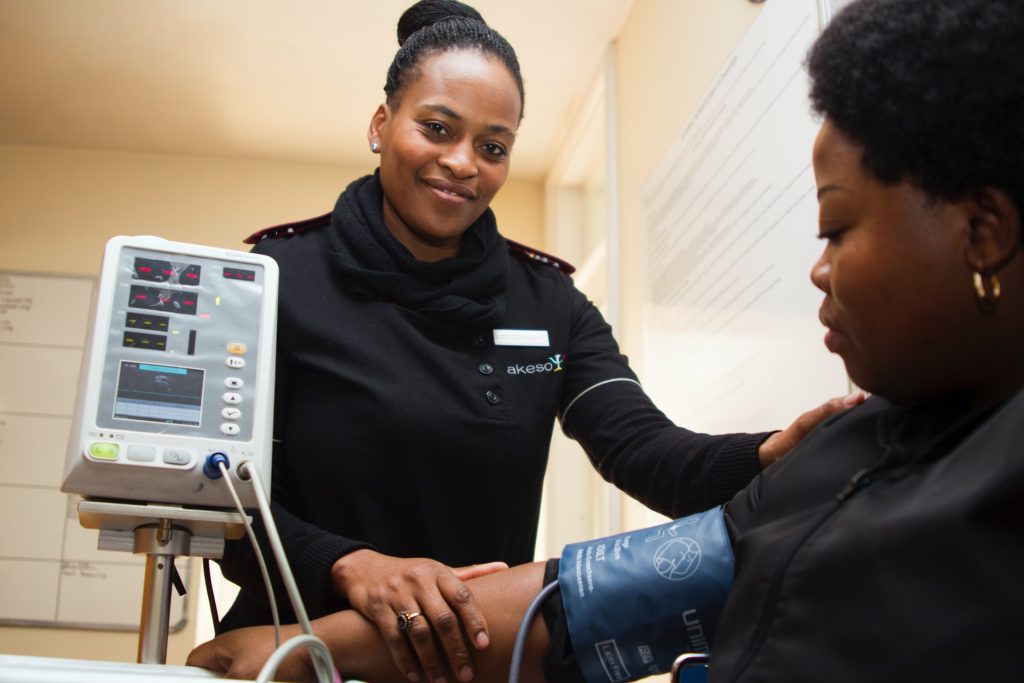
Photo by Alex Green on Pexels

By Nthusang Lefafa for Spotlight

Before being diagnosed with bipolar disorder Type 1, Sifiso Mkhasibe says he was often labelled as the “black sheep” of the family and he did not know where to go for help. He was often dismissed as crazy and told that this is a white man’s illness.

“My immediate family did not know how to help or support me,” he says. “I was always labelled the black sheep of my family. I was told that I was crazy, bewitched and that I was just pretending to be sick. I was told to be strong and to get over myself and that this disease is a white man’s illness and black people do not have such things.”

Mkhasibe says his family thought it was a cultural thing and that he had an ancestral calling to become a traditional healer. He did not agree.

The South African Federation of Mental Health (SAFMH) defines stigma as “an attribute, quality, or condition that severely restricts or diminishes a person’s sense of self, damaging their self-worth, social connections, and sense of belonging”.

The challenge of getting help

“It was extremely challenging to get help and support from my family. They played a big role in stigmatising me,” Mkhasibe tells Spotlight.

A delay in accessing mental healthcare services led to Mkhasibe’s condition deteriorating. He says some of his symptoms were racing thoughts, impulsive spending, hearing voices, and insomnia. “I was always high on life with extreme energy levels. Things became worse, whereby I became violent and aggressive. I was eventually admitted to Chris Hani Baragwanath Hospital in 2007 and later transferred to Sterkfontein Psychiatric Hospital in Krugersdorp.”

“I was never informed about my diagnosis. What it was and how to manage it. I had no idea what to do when I was diagnosed. The challenge was that I was not educated about my mental illness,” he says.

Mkhasibe says he was in Sterkfontein Hospital until 2011. By then, he was estranged from his family and moved around a lot staying with cousins, aunts, and his late grandmother.

“I was at Sterkfontein for four years. My family did not want me back home. I moved from one ward to the other during that time. Now I’m close to my sister and mother again but it took a while to mend those bridges.”

He says his experience with the illness prompted him in 2011 after he was discharged from hospital, to start volunteering and creating awareness on mental health conditions. Mkhasibe is now 39 years old and was until recently a project leader for mental health at the SAFMH. He started at the organisation in 2017. On leaving the organisation, he says he has learned a lot but now has a newborn son and wants to spend time with him. Mkhasibe describes himself as a family man. He is married and has two children.

Stigma and seeking care

Ashleigh Craig, a clinical psychologist who runs a Johannesburg-based private practice and has also worked in the public sector, says beliefs around mental health contribute to stigma because there are negative connotations surrounding mental illness.

“People seeking care are often called names such as bewitched or crazy. This prevents people from seeking out care,” says Craig. “This results in people seeking care when their condition is acute and recovery will take much longer. Stigma can often lead to people completely stopping to take treatment.”

Claire Hart, a post-doctoral fellow at Wits University’s Developmental Pathways for Health Research Unit (DPHRU), says the label of any mental illness is often also associated with a mark of social disgrace or stigma. This has been shown in South African communities, where studies revealed high levels of stigmatisation towards individuals with mental disorders. The label of having a “mental illness” is socially stigmatised and constitutes negative external perceptions, which may, in turn, be internalised and negatively impact an individual’s internal sense of self.

“As a result, these individuals may avoid using existing mental health care services in fear of being labelled even when experiencing severe psychological distress. Thus, both having a mental illness and seeking help may be viewed as undesirable,” says Hart.

Under-funded, under-resourced

Hart says fighting stigma requires a two-fold approach that involves education and providing adequate resources. “People with a lived experience can help in terms of fighting mental health stigma and raising awareness. However, mental health is underfunded and there is a shortage of psychologists in the country. To become a registered psychologist, you need a Masters degree and most universities only take six to 12 Masters candidates per year,” says Hart.

Craig says people in the public sector can wait up to four months just to see a psychologist. She says private psychologists are very expensive and in the public sector most mental health services are only available at tertiary hospitals.

According to South Africa’s new National Mental Health Policy Framework and Strategic Plan 2023 – 2030 (the mental health framework,) the country has less than one psychologist for every 100 000 people. This is among the reasons why there are limited mental health services in the public health sector, especially in rural areas.

“At present, mental healthcare in rural areas, preventive and promotive aspects of mental health, and the provision of services to children, adolescents and those with anxiety, mood, and other non-psychotic disorders remain under-resourced and underdeveloped. Furthermore, primary healthcare workers are under considerable strain due to high caseloads and have minimal training in mental health, resulting in patients receiving inadequate mental health care,” says Hart.

The social and economic costs

Data in the mental health framework indicates that about 5% of the total public health budget was allocated to public mental health expenditure in 2016/2017. Provincial public health budget allocations towards mental health showed marked inequality, ranging from 2.1 to 7.7% across provinces.

According to the mental health framework, social costs of mental illness can include disrupted families and social networks, stigma, discrimination, loss of future opportunities, marginalisation, and decreased quality of life.

Mental illnesses such as depression and anxiety have been estimated to cost the economy more than R61.2 billion in lost earnings, according to the mental health framework. It states that at a societal level, lost income associated with mental illness far exceeds public sector expenditure on mental health care. In other words, it costs South Africa more to not treat mental illness than to treat it.

What to do?

Although the mental health framework goes to great lengths to stress the impact of stigma on mental health, its plans to address this are relatively low in detail. According to the framework, all health staff working in health settings will receive basic mental health training, inclusive of anti-stigma training, and ongoing routine supervision and mentoring. Provincial departments of health are meant to look at expanding their mental health workforce.

The framework also sets out to strengthen mental health promotion, prevention and advocacy. “Currently, however, no concerted national programme exists,” the framework states. “In 2024, a national public education programme for mental health will be established, including knowledge of mental health and illness; stigma and discrimination against people with lived experience of mental illness.” This, according to the policy framework, will be steered by the national health department and provincial health departments. Other relevant government departments, including Employment and Labour, Education, and Social Development will, among others, introduce mental health literacy programmes into curriculums or workplace policies and decrease stigma.

But according to Michel’le Donnelly, a project leader for advocacy and awareness at the SAFMH, there is no clear outline for any anti-stigma programming in the mental health policy framework. “As the SAFMH we hold the view that the South African government needs to actively ensure that there is sufficient funding targeted for anti-stigma programming. Monitoring, evaluation, and implementation of these programmes should be done in collaboration with people with lived experience of mental health conditions and NGOs working in the sector. These programmes should include contact-based education as part of governments intended activities because, through evidence and research, this has proven to be a way of ending stigma.”

Mkhasibe agrees that we need more support to make people aware of mental health services and how to fight stigma. ”We need more community engagement in terms of mental health education and awareness. People all over South Africa need to know that mental health is more prevalent than we think. Businesses and organisations need to instil mental health training as a culture in the office,” he says.

“Schools, colleges, and universities should make mental health a priority within education. Awareness campaigns should be done at churches, malls, taxi ranks, airports, and bus stations. Basically, everywhere where people gather,” he says.

Republished from Spotlight under a Creative Commons Licence.

Source: Spotlight

Opinion: There are Paths to Quality Universal Healthcare Besides NHI

One of the most damaging aspects of our public discourse on National Health Insurance (NHI) is the mistaken notion in some quarters that the only two options are NHI and the status quo. PHOTO: Rosetta Msimango/Spotlight

By Marcus Low for Spotlight

One of the most damaging aspects of our public discourse on National Health Insurance (NHI) is the mistaken notion that the only two options are NHI and the status quo. Often implicitly, sometimes explicitly, defenders of NHI suggest that any argument against NHI is one for maintaining the current system. Since the current system doesn’t work very well for most people, this line of argument gets some purchase, even though it is based on a false premise.

In his book “Which country has the world’s best health care?”, oncologist and bioethicist Ezekiel Emanuel outlines the key features of healthcare systems in 11 different countries. Two things that stand out are that health systems differ substantially between countries and that most systems are the relatively messy products of complex histories and political and other compromises. This latter point about the path-dependency of healthcare systems is an important point we will return to.

Many varieties

South Africa’s proposed NHI system is sometimes clumped together with systems in other countries such as Canada, the United Kingdom, and Thailand. At times this is fair, at times it skims over important differences.

For example, NHI will be a single-payer system, which is to say, the NHI fund will be responsible for almost all purchasing of healthcare services in the country. In some respects, Canada has a similar system, except that rather than one system for the whole country, they in effect have 13 single-payer systems for each of their provinces and territories. Even Thailand, at times referred to as an example of NHI, technically has three funds rather than one, although it resembles South Africa’s NHI plans in several other respects. In principle, a large single-payer should be able to negotiate better deals than several smaller payers, but on the other hand, having Canada-style provincial funds would be more closely aligned with South Africa’s current governance arrangements and in some provinces, like the Western Cape, chances are people would have more trust in a fund run by the province than in one run nationally.

Another thing that quickly becomes apparent when looking at the variety of healthcare systems out there, is that a simplistic dichotomy between NHI and private healthcare is a false one. Countries like the Netherlands and Germany have achieved excellent health outcomes with systems that are neither NHI-style systems nor examples of the private sector running riot. Though the details are significantly more complicated than this, you can think of the Netherlands and Germany roughly as having many strictly regulated medical schemes (called sickness funds in Germany) with scheme/fund membership being compulsory (with some exceptions). The German system is progressive in that people with higher incomes contribute more than people with lower incomes – an important difference from South Africa’s medical schemes.

Funds in the Netherlands are also not primarily funded directly, as with our medical schemes, but receive funding from a central fund via a risk adjustment process. Both the German and Dutch systems have significant social solidarity built-in in the way it institutionalises the cross-subsidising of the poor by the wealthy.

In South Africa, such a system could, for example, be implemented by dramatically tightening up the regulation of medical schemes, putting in place a progressive mechanism for cross-subsidisation between schemes, making scheme membership compulsory for those who can afford it, and, over time, using tax revenue to pay for scheme membership for the unemployed (although this last element, like NHI, does come with a big question mark on affordability. Those with long enough memories might remember that a system roughly along such lines was on the cards in South Africa around the turn of the century. (see for example the Taylor report of 2002 and this interesting paper.)

Getting to there from here

One striking thing about NHI in South Africa is that for all the column inches, submissions to Parliament, and oral hearings across the country and in Parliament, hardly anyone seems to have shifted their positions in the last decade and there has been very little serious consideration of alternative paths to universal healthcare.

Photo by Hush Naidoo on Unsplash

One reason for this is the sense that the design choices behind the NHI Bill were essentially decided on by a relatively small group of people in the National Health Department and the African National Congress (ANC) around 10 or 15 or so years ago. What followed since then often felt like an attempt at co-opting rather than meaningful engagement. This was particularly apparent in the way some members of the Portfolio Committee on Health continuously pushed people on whether they are for or against NHI, rather than engaging with the substance of people’s submissions. Though the boxes for public engagement were ticked, the reality was often a parody of what such engagement is meant to be.

We could have gone a different route. It would have been entirely feasible to have a process for NHI akin to the much more meaningful set of engagements we had for the Competition Commission’s Health Market Inquiry into the private healthcare sector. In that case, people could make submissions, be heard by the panel, and crucially, one never got the sense that the outcome was preordained. Such a process may in some respects have given government officials and members of Parliament a few more headaches, but it would also have built trust and understanding of the technical issues, and for major reforms like NHI trust and public understanding is half the battle.

Republished from Spotlight under a Creative Commons Licence.

Source: Spotlight

Health Activists Make Over 12 000 Submissions on Draft Food Labelling Regulations

These are examples of the proposed new black and white warning labels on food packaging. Photo: supplied

By Mary-Anne Gontsana

Over 12 000 submissions have been collected by Community Media Trust and the Healthy Living Alliance (HEALA) in response to the Department of Health’s draft Regulations Relating to the Labelling and Advertising of Foodstuffs.

The draft regulations were gazetted in January and consumers had until 21 July to comment. These regulations, among other things, propose the mandatory use of new and bolder warning labels on unhealthy food which include items high in salt, sugar, saturated fats and items containing artificial sweeteners.

Community Media Trust (CMT) is a not-for-profit company, mainly focused on health and human rights and has partnered with the Healthy Living Alliance (HEALA), a coalition of organisations focused on nutrition.

In February, CMT and HEALA staged a flash mob as part of the “Less Sugar, More Life” campaign in Cape Town ahead of the Finance Minister’s Budget Speech, advocating for an increase in the sugary drinks tax. They were disappointed by the announcement that the tax would be frozen for two years.

Following a massive media campaign on the draft regulations, CMT and HEALA successfully collected thousands of submissions.

CMT’s co-director Lucilla Blankenberg said the warning labels had been tested with audiences and researchers. If you’re a diabetic shopping for food and there was a clear warning label saying, ‘high in sugar’, the consumer won’t have to spend time trying to work it out because the message is simple.

The proposed warning labels are black and white triangles and would clearly indicate when food is high in sugar, salt and fat or contains artificial sweeteners.

“The reason the food industry is fighting back is because if food has a warning label, it cannot be marketed directly to children. Which means cartoons and animation that will attract children cannot be used to market a food item that has a warning label. If a pack has a warning label they can’t make any health claims whatsoever,” said Blankenberg.

“We won’t see the results immediately, but it will happen over time, especially for the children. With warning labels, it will be easier for parents to avoid buying certain food,” said Blankenberg.

HEALA’s communications manager Zukiswa Zimela said conversations proposing front of pack warning labels started in 2016.

Zimela said research for the campaign was initially done by the University of Western Cape to determine which foods qualify to have front of pack warning labels. She said the research gave more insight into what consumers thought of the current information on packaging as well as what the new warnings should look like.

“We started the campaign in May and went to eight provinces, mainly to educate and inform communities about the importance of front of pack warning labels and the food they were eating,” said Zimela. She said they found that many consumers agreed that they did not understand the nutritional information on food packaging.

She said the food industry had used scare tactics like saying warning labels would cause job losses which was “completely untrue”.

“This is not something new, warning labels have been done in other countries like Chile, Mexico, Peru and Columbia and there has been no evidence that jobs have been lost because of it. This is just undermining the government’s plan to get people to eat better.”

Zimela said HEALA will be monitoring the responses to the regulations. “Should the regulations be implemented, we need to make sure that they are not watered down or seen as useless.”

Sugar industry warns against “demonising sugar”

The South African Sugar Association (SASA) told GroundUp it had also submitted comments on the draft regulations, and that the front of pack warning labelling system was of particular concern to the industry.

SASA executive director, Trix Trikam, said: “The objective of this system is to encourage the reduction of energy/calorie intake, saturated fat and salt to prevent obesity and non-communicable diseases.

“It is well known and there is evidence that sugar is not the sole contributor of kilojoules to the diet and should therefore not be singled out in a regrettable out-of-context manner,” he said.

He said the warning labels should not be done in a sensationalist or alarmist manner “which seeks to demonise sugar” because that would have “a significant adverse impact on the sugar industry”.

Trikman suggested that the warning labels should instead reflect the calories in a food product. “SASA is also not convinced that the perceived cut-off values for sugar is evidence-based. A possible solution to that would be to use the perceived cut-off values based on percentage of energy value and not the amount of sugar per volume of product,” said Trikam.

“The draft regulations make it mandatory for a warning symbol to be placed on the front of pack labels for foods that exceed a perceived cut-off value for sugar. In order to avoid the warning symbol for sugar, food manufacturers will seek to find ways of removing sugar from their products. This will lead to a decrease in the demand for sugar and will ultimately negatively impact the livelihoods of those dependent on the sugar industry in the deeply rural areas of KwaZulu-Natal and Mpumalanga.”

Trikam said SASA is concerned about the obesity rates in South Africa but added that the solutions should be evidence-based.

Disclosure: GroundUp was once a project of, and still has a close relationship with, Community Media Trust.

Republished from GroundUp under a Creative Commons Licence.

Source: GroundUp

Staff at Chatsworth Hospital Picket over Poor Working Conditions

Staff, including nurses, at RK Khan Hospital in Chatsworth, Durban, picketed on Wednesday over poor working conditions at the facility. Photo: Tsoanelo Sefoloko

By Tsoanelo Sefoloko

Nurses, administration staff and general workers brought parts of RK Khan Hospital in Chatsworth, Durban, to a standstill for about an hour on Wednesday. They protested outside the hospital to highlight what they say are poor working conditions. 

Protesting nurses say they are forced to perform cleaning duties in addition to patient care because the hospital has not employed enough cleaners. Other workers complained of staff shortages in the administration and general units.

Workers say they met with the management in February. Union leaders had asked the facility to commit to resolving their complaints.

Nurse Zizakele Ndlovu said they were told by the union leaders that working conditions would improve. But nothing changed, she said.

“The conditions we work under at the hospital are not good. We end up having to work more hours, and we don’t get paid for overtime. Sometimes I even work as a clerk,” she said.

“The department treats us as if we don’t know our job, and we don’t deserve what we are asking for. We lost many workers to Covid; some retired and others resigned. Those vacancies have not been filled. Even at top management there are lots of vacancies and this leads to poor service.”

Chairperson at the hospital of the National Education, Health and Allied and Workers’ Union (NEHAWU) David Mpongose said they had engaged management and had been promised that the situation would improve.

“Our bosses are arrogant. They really don’t take us seriously. Each time they make empty promises, so we decided to protest for the provincial government to assist us,” said Mpongose.

Xolani Mnguni, a cleaner, said he earned R7800 per month under the hospital’s previous contractor, but now only earns R3000 under the current contractor. He also said he has to do jobs other than cleaning.

Hospital CEO Linda Sobekwa accepted the workers’ memorandum and signed it on behalf of the provincial health department. She promised to ensure that the department responded within ten days as requested.

Agiza Hlongwane, spokesperson for the KwaZulu-Natal Department of Health, said officials would consider the workers’ demands and respond to them.

Republished under a Creative Commons Attribution-NoDerivatives 4.0 International License.

Source: GroundUp

Funding the NHI: ‘Political Suicide’ and Tax Revolts

Photo by Jp Valery on Unsplash

According to a 27-page ‘factsheet’ purportedly produced by the Department of Health and the Presidency, the National Health Insurance (NHI) scheme would be funded through a payroll tax and additional personal income taxes. There are however better ways to go about this, according to a number of experts who weighed in on the topic.

Professor Alex van den Heever said that the payroll tax plan is misguided, according to Daily Investor. In the same vein as Unemployment Insurance Fund (UIF) payment, both employers and employees would make contributions to a payroll tax.

But Van den Heever criticised this, saying that those who suggested this do not have the qualifications to make financial comments such as NHI funding.

“They talk of introducing payroll taxes. You don’t introduce payroll taxes for a general government allocation,” he explained. “Payroll taxes are for contributory systems where you get a specific benefit or entitlement for what you contribute.”

The term “payroll taxes” in relation to funding NHI does not make sense, he said. Discussions on raising taxes and a new payroll tax shows that the government does not know how to fund the NHI.

He called them an “incredibly naïve set of fiscal proposals that you cannot even consider implementing,” and that they were “incoherent from a public finance perspective.” Introducing them as is would be politically suicidal: the tax base is already overburdened, and raising taxes beyond a certain point results in a reduction in taxes actually collected.

“It is very dangerous to overstress your tax bases. We are hitting the limit on the amount you can fund the government and the public health system from taxes.”

Huge tax increases needed to fund NHI

Van der Heever’s viewpoint is shared by Connie Mulder, Solidarity Research Institute head and Ryan Noach, Discovery Health CEO.

Mulder said trying to fund NHI through additional taxes is unfeasible because of the tremendous amount of money needed.

Mulder said that the massive additional taxation would “crush South Africa’s economic outlook.”

It is naive for the Department of Health to assume that medical aid contributions will be funnelled into a national health insurance scheme, said Noach. The NHI scheme would force South African taxpayers to pay much higher taxes but cut their healthcare entitlement by 72%, and would provoke a tax revolt.

South Africa has a unique situation where a very small tax base of 5.5 million people funds nearly all government expenditures, accounting for 80% of public healthcare funding, he said. Notably, their after-tax disposable income is used to pay medical aid and private healthcare.

The single-funder model described in the NHI Bill would not be able to achieve the government’s goal of equitable access to healthcare, Noach told Daily Investor. This is a model which Discovery Health does not endorse, calling it not only “risky and inefficient” but also not likely to be equitable because “cross-subsidies cannot be properly managed”.

He reiterated earlier comments where he said that the NHI Bill would have no immediate impact on medical schemes, but once it is fully implemented (with “implemented” remaining undefined), medical aid schemes would only be allowed to offer what is not covered under the NHI – at the discretion of the Health Minister. This would make NHI a single monopolistic funder for the NHI package of services, which he had said in an earlier interview with Newzroom Afrika was without a parallel anywhere in the world. 

Even though implementation is a decade away, this is going to drive off health sector investment, Noach said.

Noach recommended a multi-fund framework, which he described as “not only less risky and faster to implement, but also ensures that cross-subsidies are managed to ensure that social solidarity is achieved”.

Collaboration between the private and public sectors is the only way financial integrity and sustainability is achievable, something which has been built on the successful COVID-19 partnerships.

NHI ‘charade’ – but Obamacare offers an alternative

Business Leadership South Africa CEO Busi Mavuso has a similar view – and didn’t mince her words. According to Mavuso, NHI as currently envisaged, was a “charade” without any thought to funding, according to Moneyweb. One that would leave all South Africans worse off, and recommends instead a private-public partnership.

She also pointed to the public–private partnership behind South Africa’s COVID-19 response. The two entities sourced resources, rolled out vaccines and funded other interventions.

“It was a clear demonstration that national health outcomes are achieved faster and more efficiently when government and business work together, drawing on their respective strengths,” she said.

“With the right incentives, the private sector can complement government efforts, speed up the investment needed and reduce costs to the state and users.” 

One viable alternative to the NHI’s single buyer model was the US’ Affordable Care Act (aka Obamacare) in the US, wherein health insurers provide minimum cover, with the state subsidising those below a certain level. Insurers are however able to compete to offer coverage.

One other disadvantage of South Africa effectively ending the private sector was that it would discourage internationally mobile businesspeople from working in the country.

Steaks are OK? Global Study Challenges Current Advice on High-fat Diets

Photo by Jose Ignacio Pompe on Unsplash

In a study conducted across 80 countries, researchers found that unprocessed red meat and whole grains can be included or left out of a healthy diet. Published in the European Heart Journal, the findings showed that diets emphasising fruit, vegetables, dairy (mainly whole-fat), nuts, legumes and fish were linked with a lower risk of cardiovascular disease (CVD) and premature death in all world regions. The addition of unprocessed red meat or whole grains had little impact on outcomes.

“Low-fat foods have taken centre stage with the public, food industry and policymakers, with nutrition labels focused on reducing fat and saturated fat,” said study author Dr Andrew Mente of the Population Health Research Institute, McMaster University, Hamilton, Canada. “Our findings suggest that the priority should be increasing protective foods such as nuts (often avoided as too energy dense), fish and dairy, rather than restricting dairy (especially whole-fat) to very low amounts. Our results show that up to two servings a day of dairy, mainly whole-fat, can be included in a healthy diet. This is in keeping with modern nutrition science showing that dairy, particularly whole-fat, may protect against high blood pressure and metabolic syndrome.”

The study examined the relationships between a new diet score and health outcomes in a global population. A healthy diet score was created based on six foods that have each been linked with longevity. The PURE diet included 2-3 servings of fruit per day, 2-3 servings of vegetables per day, 3-4 servings of legumes per week, 7 servings of nuts per week, 2-3 servings of fish per week, and 14 servings of dairy products (mainly whole fat but not including butter or whipped cream) per week. A score of 1 (healthy) was assigned for intake above the median in the group and a score of 0 (unhealthy) for intake at or below the median, for a total of 0 to 6. Dr Mente explained: “Participants in the top 50% of the population – an achievable level – on each of the six food components attained the maximum diet score of six.”

Associations of the score with mortality, myocardial infarction, stroke and total CVD (including fatal CVD and non-fatal myocardial infarction, stroke and heart failure) were tested in the PURE study which included 147 642 people from the general population in 21 countries. The analyses were adjusted for factors that could influence the relationships such as age, sex, waist-to-hip ratio, education level, income, urban or rural location, physical activity, smoking status, diabetes, use of statins or high blood pressure medications, and total energy intake.

The average diet score was 2.95. During a median follow-up of 9.3 years, there were 15 707 deaths and 40 764 cardiovascular events. Compared with the least healthy diet (score of 1 or less), the healthiest diet (score of 5 or more) was linked with a 30% lower risk of death, 18% lower likelihood of CVD, 14% lower risk of myocardial infarction and 19% lower risk of stroke. Associations between the healthy diet score and outcomes were confirmed in five independent studies including a total of 96 955 patients with CVD in 70 countries.

Dr Mente said: “This was by far the most diverse study of nutrition and health outcomes in the world and the only one with sufficient representation from high-, middle- and low-income countries. The connection between the PURE diet and health outcomes was found in generally healthy people, patients with CVD, patients with diabetes, and across economies.”

“The associations were strongest in areas with the poorest quality diet, including South Asia, China and Africa, where calorie intake was low and dominated by refined carbohydrates. This suggests that a large proportion of deaths and CVD in adults around the world may be due to undernutrition, that is, low intakes of energy and protective foods, rather than overnutrition. This challenges current beliefs,” said Professor Salim Yusuf, senior author and principal investigator of PURE.

In an accompanying editorial, Dr Dariush Mozaffarian of the Friedman School of Nutrition Science and Policy, Tufts University, USA, stated: “The new results in PURE, in combination with prior reports, call for a re-evaluation of unrelenting guidelines to avoid whole-fat dairy products. Investigations such as the one by Mente and colleagues remind us of the continuing and devastating rise in diet-related chronic diseases globally, and of the power of protective foods to help address these burdens. It is time for national nutrition guidelines, private sector innovations, government tax policy and agricultural incentives, food procurement policies, labelling and other regulatory priorities, and food-based healthcare interventions to catch up to the science. Millions of lives depend on it.”

Source: European Society of Cardiology

OPINION: With the Right Interventions We can Help Many More Men Start and Stay on HIV Treatment

By Shawn Malone for Spotlight

June is Men’s Health Month and while the focus is mostly on men’s attitudes about their health, it is also worth reflecting on the health sector’s attitudes toward men.

We hear many stereotypes about men and health, but how many of those are actually true?

A few years ago representatives of The Mpilo Project spoke to more than 2 000 men in KwaZulu-Natal and Mpumalanga to understand why many find it hard to engage with HIV testing and treatment. We uncovered several myths and misperceptions in the process.

One common myth is that men are stubborn and apathetic about HIV – that they aren’t listening and don’t care. While many men may indeed wear a mask of indifference, HIV leaves many of them feeling paralysed by fear and anxiety. This is why we need a health service delivery approach rooted in encouragement and reassurance, not scolding and pressure.

Another common misconception is that men are mainly just workers who need practical solutions like convenient clinic hours and quick service. The reality is that men are complex human beings who face social and emotional barriers as well as practical ones. We need solutions that address both practical and psychosocial barriers.

There is also a view that sources of support are available and that men just fail to access them, perhaps because “they don’t really want support”. In fact, many men are hungry for support but see no sources that feel safe or relatable. They experience counselling as scripted, one-directional, overly technical, and often judgmental. The key is to give men the right sources of support and to speak empathetically to their individual issues and concerns.

Finally, there is a view that healthcare providers are helping men by taking proactive approaches like provider-initiated testing and tracking-tracing. But these often leave men feeling hunted and ambushed by the health system. We need proactive approaches that leave men feeling like they still have control over their own lives and decisions and help them develop their own internal motivation to start and stay on treatment.

These and other misconceptions can lead healthcare providers to conclude that men are simply difficult if not impossible to reach. But once we understand their barriers, that picture changes dramatically.

The 11th SA AIDS Conference concluded last week and in one of the plenary sessions we had the opportunity to respond to the question: “Strategies for reaching men—are we seeing a return on investment?”

The short answer is yes!

Since 2017, the percentage of men with HIV in South Africa who know their status has increased from 78% to 94%, nearly on par with women. We can attribute that in part to approaches like HIV self-testing that have made it quick, easy, and private for men to learn their status.

We’ve also seen good progress on viral suppression, which has increased from 82% to 93%, again comparable to the rate among women – proof that men on treatment are fully capable of being adherent.

Yet only 70% of men who know they have HIV are currently on treatment – hardly any increase at all from 68% in 2017.

Given the progress we’ve seen in men testing for HIV and achieving viral suppression, the persistent gap in men on treatment suggests that something is wrong – not with men but with the HIV treatment services and support we are offering them.

The good news

The good news is that we know much more than we did a few years ago about what works. Here are three examples.

The MINA campaign aims to reach men with “the new HIV story” by featuring stories from real men living a healthy, happy life with HIV on social media, television, radio, billboards, etc. The campaign also helps men feel more welcome in the clinic, using signage and materials to send the signal to men that “this is your space too”. MINA-supported districts and facilities have seen strong growth in testing and linkage, as well as modest improvement in retention in care.

The Coach Mpilo model employs men who are thriving with HIV as coaches of men at risk of non-initiation or disengagement. Coaches provide a safe, relatable source of support and serve as living proof that HIV is not the end of the road. Piloted in 2020 and currently implemented in 18 districts, the model is achieving 97% linkage to care and 94% retention.

The B-OK bead bottles are a simple visual tool for helping people to understand the benefits of HIV treatment and viral suppression and, more importantly, to build the motivation to start and stay on treatment. Red beads are HIV; black beads are healthy cells. A mixed bottle represents most people upon diagnosis. A red bottle represents the virus multiplying uncontrolled in the absence of treatment. A black bottle with one red bead represents viral suppression achieved through treatment adherence. In an evaluation of the tool, understanding of how HIV treatment works increased from 12.5% to 92.5%.

Men are not indifferent about their health and they are not inherently poor health-seekers. If many of them are avoiding healthcare services, let’s consider that it may be because they are not getting what they need from these services.

We have seen that men do engage when we in the public health sector meet them where they are rather than where we want them to be; when we speak to their needs and priorities rather than ours; when we give them the right sources of support rather than one-size-fits-all, and when we help them build understanding and motivation rather than simply instructing.

When we invest, we see returns. Let’s keep investing in scaling what works.

*Malone is the Project Director of The Mpilo Project, PSI.

Reproduced from Spotlight under a Creative Commons 4.0 Licence.

Source: Spotlight

Funding Secured for Massive TB Vaccine Trial

Tuberculosis bacteria. Credit: CDC

By Marcus Low for Spotlight

A massive and much-anticipated phase 3 trial of an experimental tuberculosis (TB) vaccine is set to proceed after funding for it has been secured from two large philanthropies. Wellcome and the Bill & Melinda Gates Foundation (BMGF) Wednesday announced they’d be investing a combined $550 million into the trial – around $150 million from Wellcome and the remaining from the Bill & Melinda Gates Medical Research Institute, a nonprofit subsidiary of the BMGF.

The vaccine, called M72/AS01E or just M72, made headlines in September 2018 when it was found to offer 54% protection against pulmonary TB disease in a phase 2B trial. That trial, of around 3 300 people, was conducted in South Africa, Zambia, and Kenya. Final results from that study were published in the New England Journal of Medicine in 2019 – efficacy in these final results was down to around 50%.

Medicines and vaccines are typically only brought to market once safety and efficacy have been confirmed in a large phase 3 trial. In this case, the phase 3 trial is set to have around eight times as many participants as the phase 2B trial.

26 000 study participants

“Conducted in collaboration with an international consortium of TB clinical investigators, the trial will enrol approximately 26 000 people, including people living with HIV and without TB infection, at more than 50 trial sites in Africa and Southeast Asia,” Wellcome and BMGF said in a statement announcing the trial.

They said the trial will “assess the candidate vaccine’s efficacy at preventing progression from latent TB infection to pulmonary TB”. In an online media conference on Wednesday Trevor Mundel, President for Global Health at BMGF, clarified that while most study participants will be people with latent TB infection, 4 000 people without TB infection would also be recruited. This is because establishing evidence of the vaccine’s safety in people without latent TB infection will be important if the vaccine is to be rolled out in areas with high background rates of TB without first having to test everyone for latent infection. “You’d want to be comfortable with vaccinating everyone in the community,” he said, “So we need to have that safety data in the uninfected as well in order to be able to have that usage, which will be the easiest way to use the vaccine at the end of the day.”

Mundel said that the study is scheduled to start early in 2024 and that it is expected to last for four to six years. Exactly how long the study will take will depend largely on how long it takes for 150 study participants to develop active TB – the number required for the study to have sufficient statistical power. By comparison, recruitment for the phase 2B trial started in 2014 and the first findings from that study were published in 2018.

According to the statement, additional details about the trial design and participants will be announced in the coming months.

Given that the phase 2B trial was partially conducted in South Africa and the country has substantial TB clinical trial capacity, it is almost certain that some of the 50 trial sites will be in South Africa – although know specific trial sites have yet been announced.

As pointed out in the statement, the only TB vaccine in use today, bacille Calmette-Guerin (BCG), was first given to people in 1921. It helps protect babies and young children against severe systemic forms of TB but offers limited protection against pulmonary TB among adolescents and adults. If the findings from the phase 3 trial of M72 are positive, m72 will become the first new TB vaccine in over a hundred years to be proven safe and effective.

According to the most recent figures from the World Health Organization (WHO), around 304 000 people fell ill with TB in South Africa in 2021. While TB rates are declining, they are declining relatively slowly and according to the most recent WHO World TB Report, a major technological breakthrough such as a new vaccine will be needed if ambitious TB control targets are to be met.

Announcement welcomed

“We’ve waited a long time for this study, so are happy to see the Bill & Melinda Gates Foundation and Wellcome taking up this important task,” said Patrick Agbassi, chair of the Global TB Community Advisory Board, in a comment included in the Wellcome/BMGF statement. “The question now becomes how we can enroll 26 000 people most quickly and ensure that all populations at risk of TB will ultimately be able to benefit from access to what could be the first new TB vaccine in over 100 years. A robust community engagement programme will be key, as will taking on studying this vaccine in younger adolescents, pregnant women, people with prior history of TB, and other key groups often underrepresented or left out entirely of TB trials and the benefits of scientific progress.”

Mark Harrington, executive director of New York-based advocacy organisation Treatment Action Group (TAG) said, “TAG welcomes this historic investment in TB vaccine development by Wellcome and the Bill & Melinda Gates Foundation. A Phase III clinical trial of the M72/AS01E TB vaccine candidate is a long-awaited milestone. We hope this funding commitment sparks governments and other funders to substantially increase investments in the TB vaccine pipeline, which contains a number of promising candidates in addition to M72/AS01E but faces a dire financial shortfall.”

“This Phase III trial,” Harrington said, “will take several years to complete. We encourage the Gates Foundation, Wellcome, GSK, country governments, and other partners to use this time to lay the groundwork for eventual vaccine adoption by ensuring the availability, affordability, and acceptability of M72/AS01E should it prove safe and effective.”

Initial development of M72 was driven by the pharmaceutical company GSK with support from several governments, philanthropies, and research organisations. The vaccine contains the M72 recombinant fusion protein, which the Wellcome/BMGF statement explains is derived from two Mycobacterium tuberculosis antigens (Mtb32A and Mtb39A) combined with the GSK proprietary Adjuvant System AS01E. According to the statement, GSK will continue to provide the adjuvant for the vaccine’s further development and potential launch.

NOTES: (1) The BMGF is mentioned in this article. Spotlight receives funding from the BMGF, but is editorially independent – an independence that the editors guard jealously. Spotlight is a member of the South African Press Council. (2) A representative of the Global TB Community Advisory Board is quoted in this article. Spotlight editor Marcus Low was previously a member of the Global TB Community Advisory Board.

Reproduced from Spotlight under a Creative Commons 4.0 Licence.

Source: Spotlight

Gauteng Hospitals’ Food Woes Continue and Health Dept Outsources Cancer Care

Photo by Thought Catalog on Unsplash

A number of service providers have voluntarily ended their contracts with the Gauteng Department of Health to provide food to hospitals. In response, Gauteng Health is looking at a multi-vendor approach to tackle the problem which it blames on vendors being unable to fulfil their orders.

Meanwhile, Gauteng continues to battle with surgical and cancer treatment backlogs. R784 million has been allocated to this end, with a portion allocated to cancer treatment services, some of which will be outsourced to the private sector and some of which is going to new radiotherapy equipment.

This year has seen a number of Gauteng hospitals battling to secure their food supplies. Responding to SA parliamentary questions, Gauteng Health MEC Nomantu Nkomo-Ralehoko wrote that 26 out of 34 Gauteng public hospitals have been affected by food shortages.

“The shortages were mostly due to suppliers not being paid, contracts expiring, or companies not delivering. It was so bad for two hospitals, Bronkhorstspruit and Lenasia South, they had to borrow food from other hospitals!” said DA Shadow MEC for Health, Jack Bloom, who posed the questions.

Hospitals have being going through long stretches of not being able to provide full meals: at George Mukhari Hospital, chicken, fish and frozen vegetables were unavailable for four months, and there was no milk from February to May. The petty cash budgets are woefully insufficient to cover the gap: Kalafong hospital can only spend R2000 a day, not nearly enough to feed its 700 patients, reports SA People.

According to News24, Gauteeng Health spokesperson, Motalatale Modiba, said that the main problem was down to vendors struggling to fulfil their orders on time.

Currently, Gauteng health is running a tender to outsource oncology services for the Charlotte Maxeke and Steve Biko hospitals. The outsourcing programme should be able to ensure that patients who are currently awaiting treatment in the public sector will be able to access private sector treatment instead.

In their announcement, Gauteng Health stated: “We recognise the urgency of the situation and want to assure the public that we are committed to handling the outsourcing of radiation oncology sources diligently and are nearing implementation.”

The open tendering process will last 14 days, and is divided into categories for oncology specialists, treatment services and radiation planning services.

The department has already procured 4 Llinac machines, and has recently closed a tender for a Brachytherapy, and have advertised a tender for another Linac machine for Charlotte Maxeke. Ongoing investigations by Spotlight have also revealed that the oncology procurement process is lagging behind. The GDoH aims to have the first treatments under the outsourcing programme to start in August 2023.

Can the Health System Help Answer South Africa’s Youth Unemployment Issue?

Photo by Ivan Samkov on Pexels

Amid skyrocketing youth unemployment, healthcare, a vast sector which touches all of our lives at some point, seems a sensible space for young people to set their sights on for opportunities. From clinical sciences to pharmacy, there is a myriad of careers in the healthcare ecosystem, but there are also factors preventing this potential from being unleashed, writes Bada Pharasi, CEO of The Innovative Pharmaceutical Association South Africa (IPASA).

A career in health has long been seen as a symbol of success in South Africa. The no-nonsense nurses in our communities, the hard-working doctors and the knowledgeable pharmacists have long represented those who had “made it”.

For many of us, these were the lucky ones who had found a career path that was both rewarding and respected. This has also been the way that South Africans view the myriad of the less visible jobs in healthcare (lab technicians, pharmacist assistants, dieticians, the list is endless).

Bada Pharasi, Chief Executive Officer of IPASA

As South Africa grapples with the highest unemployment rate1 in the world, with youth unemployment being the biggest concern (currently at more than 60%2), it’s not difficult to see why the healthcare system with its vast range of careers would present a solution. Careers in health not only benefit young people looking for a start in life, but they also build South Africa’s capacity to provide care for millions who desperately need it.

As young people search for the stepping stones to long, rewarding careers, many will be advised by well-intentioned family and friends to seek a future in healthcare. And it’s not bad advice.

As a sector that can generate employment opportunities at both ends of the value chain – from highly skilled specialists in technology and research to those who operate in palliative or frail care environments2 – the recent effects of the Covid-19 pandemic underscored the essential value and role that healthcare workers play in bolstering South Africa’s socio-economic and overall health resilience.

Human resource gaps in healthcare are clear

In 2020, the Hospital Association of South Africa suggested that there was a shortage of between 26 000 and 62 000 professional nurses and this shortage is expected to increase to between 305 000 and 340 000 by 2030 as the country’s population continues to grow. Alarmingly, estimates suggest that only 26 ,000 will be trained by then3.

South Africa also has less than one doctor per 1000 patients4. In a country with serious disease burdens, the situation is far from ideal.

The need for long-term planning

A challenge often cited when posts are frozen in healthcare is funding. While there are undoubtedly funding constraints in the healthcare system, it seems unlikely that the addition of funds will solve the challenge. It’s worth rethinking the way the human resources pipeline in South Africa is structured and where the bottlenecks lie.

South Africa’s history of inequality, which is deeply entrenched in the country’s healthcare system, has created the twin challenge of a shortage of skills and inadequate capacity to manage and distribute those skills to where they’re most needed. There are also policy bottlenecks that can hinder progress.

For instance, while complementing the qualification with some kind of work experience and community service spent in the public sector is an applaudable initiative, it becomes counterproductive when there aren’t enough posts in the public sector to place people coming out of training institutions. This, in turn, limits the number of professionals who can qualify, adding incrementally to the shortage of personnel every year. 

Similarly, the cap on the number of personnel that the Nursing Council can accredit per year may limit the number of posts needed, but it doesn’t help address the shortage of nurses in South Africa.

The burden of disease in South Africa, coupled with the uneven spread of healthcare facilities means that it’s also a singularly challenging environment to work in. This means that retention policies, and initiatives that prioritise the well-being of healthcare workers are also important considerations.

It’s worth noting that over the past few decades, there have been a number of well-considered human resources strategies for the healthcare system in South Africa5. Unfortunately, these have suffered from inadequate implementation. This long-term planning and implementation is critical.  

Ultimately, it means ensuring that we’re able to encourage young people to take up these worthy careers with the guarantee that once they qualify, their skills will be put to good use. 

As the National Department of Health prepares to move South Africa toward the National Health Insurance scheme, the question of staffing becomes even more critical. It’s going to call for long-term strategies that will need to be implemented over generations.

References:

  1. Leshoro D. 179 000 job losses means South Africa now leads the world in unemployment [Internet]. Citypress. 2023 [cited 2023 June 5]. Available from: https://www.news24.com/citypress/business/sas-deepening-unemployment-headache-20230516
  2. [No title] [Internet]. [cited 2023 June 15]. Available from: https://www.statssa.gov.za/?p=15407
  3. Health sector can create thousands of jobs in SA [Internet]. SABC News. 2019 [cited 2023 June 5]. Available from: https://www.sabcnews.com/sabcnews/health-sector-can-create-thousands-of-jobs-in-sa/
  4. Francke RL. Nursing shortage puts rural South Africans at risk – report [Internet]. DFA. 2023 [cited 2023 Jun 6]. Available from: https://www.dfa.co.za/opinion-and-features/nursing-shortage-puts-rural-south-africans-at-risk-report-2355a0bd-ea21-4483-9429-cb9351ac0a1d/
  5. Critical shortage of doctors in SA – less than 1 doctor for every 1 000 patients [Internet]. Democratic Alliance. [cited 2023 June 7]. Available from: https://www.da.org.za/2022/05/critical-shortage-of-doctors-in-sa-less-than-1-doctor-for-every-1-000-patients#:~:text=09%20May%202022%20in%20News,doctors%20per%201%20000%20patients.
  6. Ryneveld Mv, Schneider H, Lehmann, U – Looking back to look forward: a review of human resources for health governance in South Africa from 1994 to 2018 [internet]: https://human-resources-health.biomedcentral.com/articles/10.1186/s12960-020-00536-1