

Tag: hantavirus

Hantavirus in Africa: Why Climate Change, Rats and Weak Surveillance Are Worrying Scientists
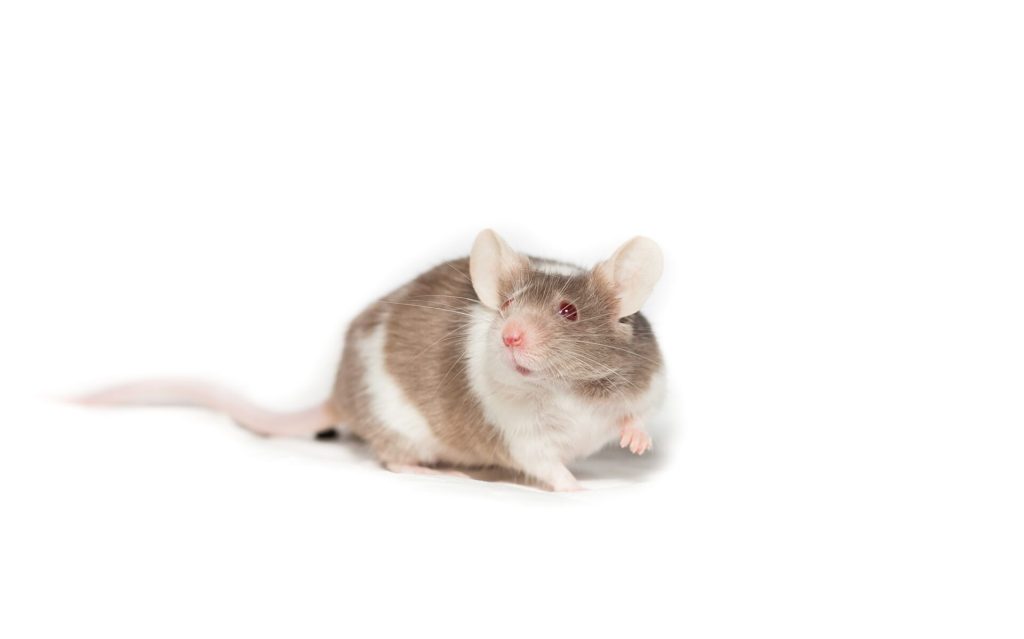
Photo by Kanashi ZD on Unsplash

Wolfgang Preiser, Stellenbosch University; Carla Mavian, University of Florida; Cheryl Baxter, Stellenbosch University; Richard Lessells, University of KwaZulu-Natal, and Tulio de Oliveira, Stellenbosch University

Hantaviruses are not new. They have circulated for decades in rodent populations, particularly in rats and mice. Humans can become infected if they are bitten or scratched by a rodent or by inhaling aerosolised particles. These are tiny bits of rodent urine, faeces or saliva floating through the air that are contaminated by the virus.

There are many different hantaviruses but only one can spread from person to person: the Andes hantavirus from South America. This is the strain that recently killed several cruise ship passengers.

Infections between humans can be prevented by closely observing people who were exposed and isolating those who are sick. This limits the risk of further spread, as transmission generally requires close contact.

However, as an interdisciplinary group of scientists working on emerging infectious diseases, we argue that hantaviruses might pose a much bigger threat to African countries than currently known. We are concerned for three reasons.

Firstly, diagnostic testing capacity across much of the African continent remains limited. This is a real issue. In many rural settings, under-resourced diagnostic services may overlook sporadic cases. This may allow hantaviruses to spread without anyone noticing. Our medical expertise tells us that larger outbreaks are likely to be recognised eventually. But these delays in diagnosing the cases will slow down effective control measures.

Secondly, monitoring systems are lacking and likely to miss infections in wildlife and in human beings.

Thirdly, climate change and accelerating changes to the way land is used could increase the risk of spread of hantaviruses from animals to people. This is because global change may increase rodent populations and bring rats and mice into closer contact with humans.

For example, modelling studies in the Americas found broad zones with enzootic circulation (where an animal community always carries a certain disease). This is because many rodent species tend to live across a wide variety of environments where humans are also found. As human and rodent populations increase, the likelihood of encounters also increases. Some rodent species flourish in habitats shaped by humans or even in buildings. This poses a high risk for transmission of pathogens.

As a typical zoonosis (animal disease that spreads to humans), hantaviruses must be seen as a One Health issue. One Health is an approach that understands and takes into account the close connection between human, animal and ecosystem health. Hantaviruses cannot simply be seen as a clinical management or infection control issue.

It is really important that African governments set up better monitoring of wildlife so that they can detect when and where animal viruses like this are likely to spill over into the human population. This will help stop larger outbreaks of hantavirus, which can be deadly.

Weak surveillance may be allowing hantaviruses to spread unnoticed

In Africa, scientists have discovered several hantaviruses, including Sangassou virus in Guinea in small mammal species, such as rodents. More recently, hantaviruses were found in shrews and bats too – not just in rats and mice as previously thought.

The fact that hantaviruses may circulate in a much wider range of animals and environments than scientists originally realised makes their ecology and potential spillover risk into humans more complex.

One of the current problems facing Africa is that there hasn’t been enough research into the ecology of hantaviruses and which animals host them. There are very few genetic sequences available that would allow scientists to analyse interactions between viruses and hosts and the possible risk this poses to humans.

Combined with limited monitoring of the disease, Africa is experiencing a hantavirus surveillance gap. This gap needs to be closed because hantavirus infections and disease may be more widespread than many health systems assume.

Climate change and land use

Climate and land-use change influence rodent populations which host hantaviruses, and increase human-rodent contact. Hantavirus boomed in the US between 1993 and 1995 because El Niño brought very heavy rains and warmer winters, which led to a bumper crop in seeds that rodents eat. This improved nutrition led to a massive increase in rodent numbers. Outbreaks elsewhere have likewise been linked to weather phenomena.

More rodents means more of them seeking food and shelter in the vicinity of humans. More competition for resources leads to more aggressive behaviour between animals and biting transmits the virus. Because El Niño episodes are predicted to become more frequent and intense in future, hantaviruses are likely to affect African countries more and more.

In Africa, land-use change is likely to play an increasingly important role in hantavirus ecology and emergence, as was the case with Lassa fever (another virus spread by rodents) in Nigeria and Guinea. Deforestation, agricultural expansion, mining activities, road construction and urban growth are transforming natural habitats across many regions of the continent. These environmental changes can force populations of rodents, shrews and bats to move into farms, villages, peri-urban settings and water sources used by people.

When humans expand into previously undisturbed habitats in search of land, food, or economic opportunity, this also creates a new opportunity (known as an ecological interface) where hantaviruses and other zoonotic pathogens may circulate more easily between wildlife reservoirs and humans.

What needs to happen next

When people and wildlife come into close contact, viruses like Andes can jump from animals and begin transmitting between humans. Hantaviruses can cause severe human disease and this is likely far more widespread than currently recognised.

Fortunately, the risk of Andes hantavirus spreading beyond the cruise ship passengers and crew and their close contacts is small. But Sars coronavirus and monkeypox virus are recent examples that some zoonotic viruses have the potential to spread rapidly and widely among humans.

Virological and ecological studies of wildlife reservoirs and surveillance of possible hantavirus infection and disease in humans in endemic regions are needed. This requires specialised diagnostic tools combined with samples from rodents in areas where humans have disturbed their habitat and have since experienced unexplained febrile illness (acute high fevers).

Once there is firm evidence of human disease, scientists and medical professionals will be able to argue for the widespread use of diagnostic tests. The results of these tests will determine how much of a threat the virus poses to human health.

Genetic sequencing and data-sharing partnerships can then help connect animal, environmental and human signals into a clearer picture of risk.

The greatest gap currently may be the failure to identify where, how, and under which environmental conditions spillover events occur before outbreaks emerge.

Strengthening surveillance to identify high-risk interfaces, emerging transmission zones, and drivers of spillover is therefore essential to anticipate potentially pathogenic African hantaviruses before larger outbreaks occur.

PhD candidate Maambele Khosa co-authored this article.

Wolfgang Preiser, Head: Division of Medical Virology, Stellenbosch University; Carla Mavian, Assistant Professor, University of Florida; Cheryl Baxter, Head Scientific Research Support, Stellenbosch University; Richard Lessells, Senior Lecturer, University of KwaZulu-Natal, and Tulio de Oliveira, Director of the Centre for Epidemic Response and Innovation (CERI) at Stellenbosch University and the KwaZulu-Natal Research Innovation and Sequencing Plaform (KRISP)., Stellenbosch University

This article is republished from The Conversation under a Creative Commons license. Read the original article.

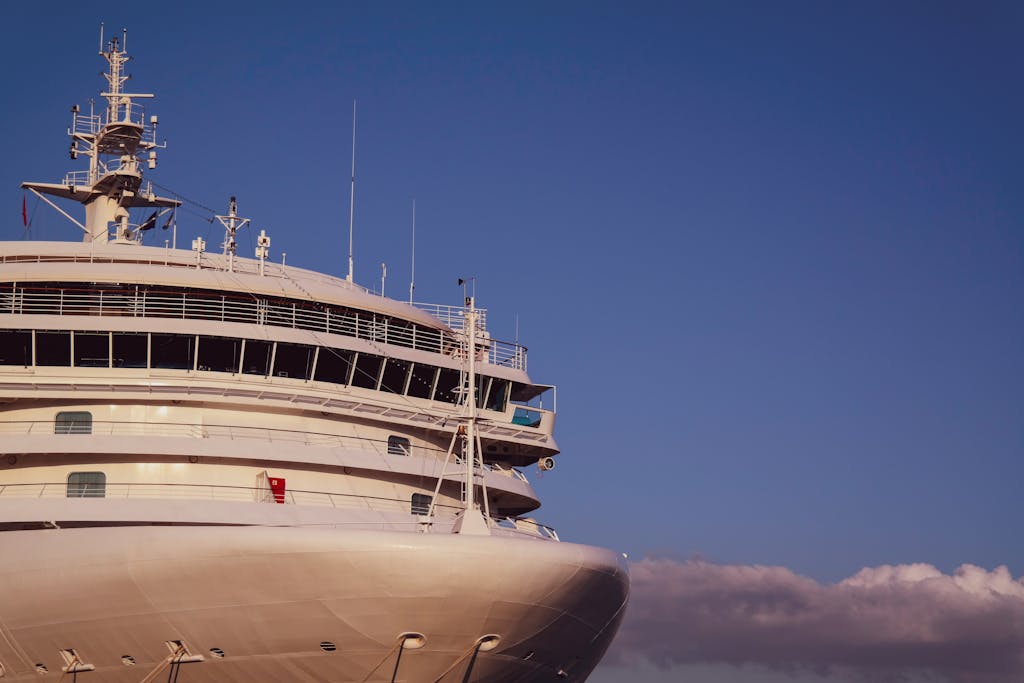
UP Infectious Diseases Expert Explains Hantavirus Risk amid Global Interest in Andes Variant

PRETORIA – Recent international reports of hantavirus cases linked to an outbreak on a cruise ship have raised questions about the virus, how it spreads and what level of risk it may pose to the public. According to Professor Veronica Ueckermann, Head of Infectious Diseases in the Department of Internal Medicine at the University of Pretoria (UP), hantavirus is a rare but potentially serious infection that should be understood in context.

“Hantavirus is a rare zoonotic virus, which means it’s carried by animals – in this case, rodents,” she explains. “Humans typically become infected when they breathe in particles from the urine, faeces or saliva of infected rodents.” Rare cases of human-to-human spread have been reported.

The virus isn’t new and does not spread in the same way as more familiar respiratory infections such as influenza or COVID-19. Most hantavirus infections occur after environmental exposure (in endemic regions), particularly in enclosed spaces where rodent droppings, urine or saliva have contaminated dust. Activities such as sweeping dry droppings in garages, sheds, storage rooms or other poorly ventilated areas may increase the risk of inhaling contaminated particles.

The current outbreak has drawn attention because it’s been confirmed as the Andes variant of hantavirus. The Andes virus is unusual because it is the only hantavirus variant documented to spread between people. However, Prof Ueckermann emphasises that this form of transmission remains rare and appears to require prolonged, close contact.

“To date, human-to-human spread of hantavirus is extremely rare, and has been described only with the Andes variant and with prolonged close contact, such as people sharing a household,” she says. “There is no evidence of community-wide spread of hantavirus of the kind seen with COVID-19.”

Previous cases of the Andes virus suggest that transmission is associated with close, sustained exposure rather than brief or casual contact. Reported situations include household exposure, being in contact with an intimate partner, caregiving activities or spending extended periods in enclosed spaces in close proximity to an infected person. This distinction is important in interpreting public concern about travel and shared public spaces.

“Based on what we currently know about the Andes virus, the risk to fellow passengers on a flight appears to be low,” Prof Ueckermann says. “Simply being on the same aircraft, walking past an infected person or sitting at a distance would be considered very low risk. Sitting next to a sick person on a long-haul flight may plausibly carry a low risk, while the highest risk would be repeated close contact, such as caring for someone, touching or sharing cups.”

Prof Ueckermann adds that the public health response to the recent outbreak has been appropriate and reassuring. This has included early sequencing of the virus to confirm that it is the Andes variant, monitoring of close contacts and a coordinated approach to managing those affected.

In South Africa, hantavirus is not considered a major public health concern. Confirmed human cases are extremely rare, and the current cases being managed in the country are linked to exposure outside South Africa, not local transmission. Prof Ueckermann stresses that South Africa is not experiencing a hantavirus outbreak.

Symptoms may initially resemble influenza and can include fever, body aches, headache and abdominal pain. In most cases, especially during winter in South Africa, such symptoms are far more likely to be caused by common seasonal infections. However, anyone with a known exposure to rodent-contaminated environments or having had close contact with a confirmed case should seek medical advice if symptoms develop. Urgent care is needed if symptoms progress to shortness of breath, tightness in the chest, rapid breathing, dizziness, confusion, bluish lips or sudden worsening after a flu-like illness.

Practical prevention remains important. People should avoid sweeping rodent droppings, and instead spray the droppings with disinfectant or diluted bleach, allow the area to soak, wipe it up with paper towels and wash their hands thoroughly afterwards. They should also ventilate enclosed spaces before cleaning, wear gloves and a mask. Food and waste should be stored securely, and rodent entry points should be sealed.

“Hantavirus is a rare but potentially serious rodent-borne infection, with very rare person-to-person spread,” Prof Ueckermann says. “The appropriate response is evidence-based awareness, sensible hygiene and rodent control – not panic.”

Health Organisations Lend Support in Hantavirus Cruise Ship Outbreak

Photo by Taha Yasir Yöney

Remaining passengers from the cruise ship MV Hondius, where an outbreak of hantavirus occurred, have now been evacuated after docking in Tenerife. So far, only three fatalities are reported, although the number of known infected cases has risen. Health organisations around the world are extending their support.

In a media briefing, Dr Tedros Adhanom Ghebreyesus, WHO Director-General said that eight cases have been reported so far, including three deaths. Five of the 8 cases have been confirmed as hantavirus.

According to the World Health Organization, the hantavirus in this case is the Andes virus, which is the only one capable of human transmission, albeit in an extremely limited fashion. Prolonged and close contact is required, as would happen on board a cruise ship.

Describing the situation, Dr Tedros said, “While this is a serious incident, WHO assesses the public health risk as low.” He noted that given the incubation period, “it’s possible that more cases may be reported.” Among medical support offerd, the WHO has distributed test kits from Argentina to five countries to support testing.

The US Centers for Disease Control has dispatched a medical team to the Canary Islands.

Prior to this incident, the most serious outbreak of Andes hantavirus was in Epuyén, Argentina, in late 2018 to early 2019 with 34 confirmed cases and 11 deaths (case fatality rate ~32%). Previously, very little was known about the Andes strain, explained Dr Gustavo Palacios, a microbiologist at Mount Sinai in New York, speaking to CNN.

“There is very limited experience handling this virus,” said Palacios, who had helped to trace how the virus spread. The study of the outbreak was published in 2020 in the New England Journal of Medicine.

“Probably we are having less than – I don’t know, I’m giving you a number, just for a ballpark number – 300 cases in history” of human to human transmission of Andes virus and about 3000 Andes cases overall, Palacios said.

Based on research into the Epuyén outbreak, Palacios said there seems to be only a roughly day-long window for transmission of the Andes virus of about a day, when patients first develop a fever.

Index case identified

The patients likely picked up the virus while they were on shore, before boarding the ship. The New York Post reports that Dutch ornithologist, Leo Schilperoord, was patient zero for the hantavirus outbreak. Along with his wife Maria Schilperoord, he visited a landfill outside of the city of Ushuaia to seek out a rare bird – birdwatchers frequent the landfill due to the number of birds flocking there. Argentinian authorities believe that it was there that he came in contact with long-tailed pygmy rats, inhaling particles of its faeces, which carries the Andes strain.

After boarding the ship with 112 others – including many other birdwatchers and scientists – he fell ill with diarrhoea and abdominal pain on April 6 and dying five days later. His wife was flying back with his body but collapsed when connecting in Johannesburg, and died in hospital the next day. Meanwhile, the UK man who was in intensive care in a Johannesburg hospital is now making a recovery.

Three Dead, One Severely Ill in Cruise Ship Hantavirus Outbreak

Photo by Taha Yasir Yöney

An outbreak of hantavirus on a cruise ship has left three people dead, with another person in intensive care in Johannesburg, the BBC reports. The ship, MV Hondius, departed from Argentina and had completed its cruise in Cape Verde.

Department of Health spokesperson Foster Mohale told the BBC that there were 150 passengers of various nationalities aboard the vessel.

The three victims were all of Dutch nationality. The first, a 70-year old man, suddenly fell ill, developing fever, headache, abdominal pain and diarrhoea, Mohale reported. The man died at the UK island of St Helena. The second, the man’s 69-year old wife, was evacuated to a Johannesburg hospital but also died there. The body of the third victim is awaiting repatriation, along with a guest “closely associated” with them. A 69-year-old man from the UK remains severely ill in a Johannesburg hospital.

Two crewmembers are also understood to be seriously ill but medical authorities in Cape Verde have not given them authority to disembark.

Hantaviruses are a family of viruses spread mainly by rodents, and can cause serious illnesses and death. These viruses cause diseases like hantavirus pulmonary syndrome (HPS) and haemorrhagic fever with renal syndrome (HFRS). About half of patients will develop abdominal symptoms similar to the first passenger who dies.

Speaking to the BBC, microbiologist Siouxsie Wiles speculates on the possibility that additional cases will develop among the ship’s passengers and crew.

“With this incubation period are we going to see more people coming down with the disease in the next days and weeks?”