Day: May 15, 2026

Higher Dietary Soy and Legume Intake Linked to Lower Hypertension Risk

Optimal daily amount may be about 170g of legumes and 60-80g of soy, evidence suggests

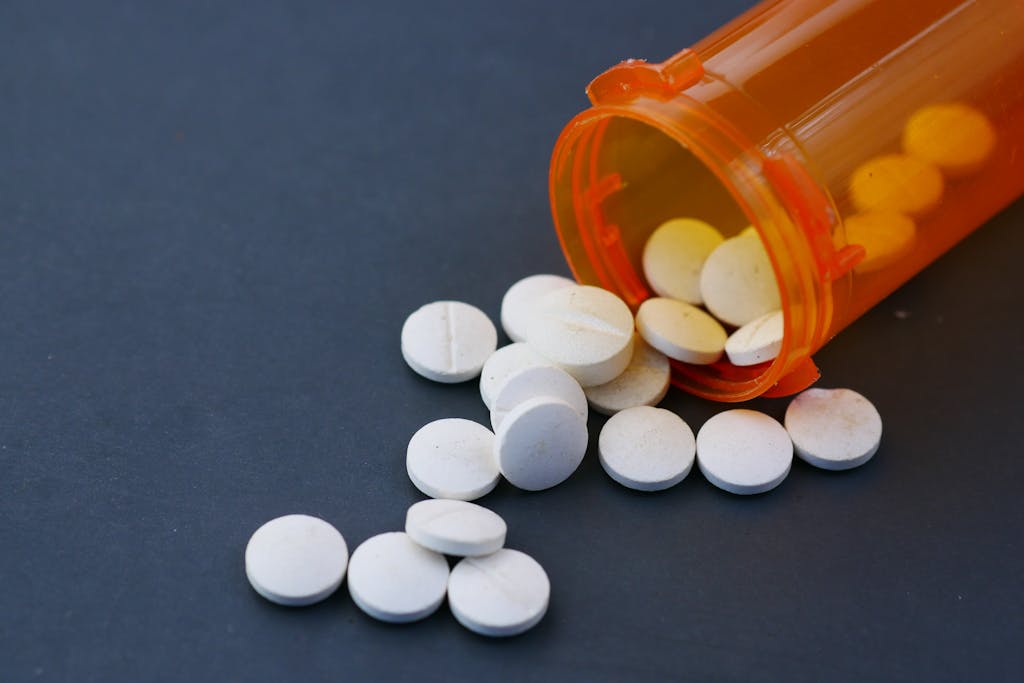
Photo by Sherman Kwan on Unsplash

A higher dietary intake of soy and legumes is linked to a lower risk of high blood pressure, finds a pooled data analysis of the available evidence, published in the open access journal BMJ Nutrition Prevention & Health.

And the optimal daily amount may be around 170g of legumes, which include peas, lentils, chickpeas and beans, and 60 to 80g of soy foods, examples of which include tofu, soy milk, edamame, tempeh, and miso, the findings indicate.

Legumes and soy foods have been associated with an overall lower risk of cardiovascular disease, but the evidence on their potential for lowering high blood pressure is mixed and needs to be systematically quantified, explain the researchers.

To explore this further, the researchers scoured databases for relevant studies published up to June 2025, and found 10 publications that included data from 12 prospective observational studies.

Five studies were from the USA, 5 from Asia (China, Iran, South Korea and Japan), and 2  were from Europe (France and the UK). Nine studies included both men and women, 2 included only women, and 1 included only men.

The number of study participants ranged from 1152 to 88 475 and the number of cases of high blood pressure ranged from 144 to 35 375.

Pooled data analysis of the study findings showed that higher daily intake of legumes and soy foods was associated with a lower risk of developing high blood pressure.

Compared with those with a low intake of legumes, those with a high intake were 16% less likely to develop high blood pressure. Similarly, those with a high intake of soy foods were 19% less likely to develop the condition than those with a low intake.

When assessing the association between quantity and lower risk, a linear reduction (30%) emerged for legumes up to around 170 g/day, while most of the reduction in risk (28-29%) for soy foods was observed at between 60 and 80 g/day, with no further reduction in risk at higher intake.

One hundred grams of legumes/soy is equivalent to a serving size of about one cup or 5–6 tablespoons of cooked beans, peas, chickpeas, lentils, soybeans or a palm-size serving of tofu, explain the researchers.

Using World Cancer Research Fund evidence grading criteria for evaluating the likelihood of causality, the researchers consider the overall evidence to indicate a probable causal relationship between both legume and soy intake and a reduced risk of high blood pressure.

There are plausible explanations for the findings, they say. Legumes and soy are high in potassium, magnesium, and dietary fibre, all of which are known for their blood pressure lowering properties.

And recent research has suggested that the fermentation of soluble fibre from legumes and soy produces short-chain fatty acids that influence blood vessel dilation, while the isoflavone content of soy also seems to help lower blood pressure, they explain.

The researchers acknowledge various limitations to their findings, including the variability of the studies in the pooled data analysis. This included differences in legume types, levels of intake, preparation methods, dietary contexts, and the definition of high blood pressure.

“Despite these limitations, the findings of this meta-analysis have major public health implications, given the alarming global increase in hypertension prevalence,” they point out.

“Current legume consumption across Europe and the UK remains below dietary recommendations, with average intakes of only 8–15g/day, far below the recommendations of 65 to 100g/day recommended for overall cardiovascular health,” they add.

“Although further large-scale cohorts are needed for confirmation, these findings provide further evidence in support of dietary recommendations to the public to prioritise and integrate legumes and soy foods as healthy protein sources in the diet,” they conclude.

“This research strengthens the evidence base for the cardioprotective benefits of plant-based diets. The authors have significantly added to the case for using legumes and soy as primary dietary strategies to mitigate the global burden of hypertension,” comments Professor Sumantra Ray, chief scientist and executive director of NNEdPro Global Institute for Food, Nutrition and Health, which co-owns BMJ Nutrition Prevention & Health.

“The strengths of the study lie in its rigorous dose-response analyses, which offer practical dietary targets for use in public health guidelines and clinical practice. But we can’t entirely rule out the influence of unmeasured influential factors. And the plateauing of benefits for soy at 60–80g/day warrants further investigation, as it remains unclear if this reflects a true biological limit or is a byproduct of the smaller number of studies available for analysis.”

Source: The BMJ Group

UP Infectious Diseases Expert Explains Hantavirus Risk amid Global Interest in Andes Variant

PRETORIA – Recent international reports of hantavirus cases linked to an outbreak on a cruise ship have raised questions about the virus, how it spreads and what level of risk it may pose to the public. According to Professor Veronica Ueckermann, Head of Infectious Diseases in the Department of Internal Medicine at the University of Pretoria (UP), hantavirus is a rare but potentially serious infection that should be understood in context.

“Hantavirus is a rare zoonotic virus, which means it’s carried by animals – in this case, rodents,” she explains. “Humans typically become infected when they breathe in particles from the urine, faeces or saliva of infected rodents.” Rare cases of human-to-human spread have been reported.

The virus isn’t new and does not spread in the same way as more familiar respiratory infections such as influenza or COVID-19. Most hantavirus infections occur after environmental exposure (in endemic regions), particularly in enclosed spaces where rodent droppings, urine or saliva have contaminated dust. Activities such as sweeping dry droppings in garages, sheds, storage rooms or other poorly ventilated areas may increase the risk of inhaling contaminated particles.

The current outbreak has drawn attention because it’s been confirmed as the Andes variant of hantavirus. The Andes virus is unusual because it is the only hantavirus variant documented to spread between people. However, Prof Ueckermann emphasises that this form of transmission remains rare and appears to require prolonged, close contact.

“To date, human-to-human spread of hantavirus is extremely rare, and has been described only with the Andes variant and with prolonged close contact, such as people sharing a household,” she says. “There is no evidence of community-wide spread of hantavirus of the kind seen with COVID-19.”

Previous cases of the Andes virus suggest that transmission is associated with close, sustained exposure rather than brief or casual contact. Reported situations include household exposure, being in contact with an intimate partner, caregiving activities or spending extended periods in enclosed spaces in close proximity to an infected person. This distinction is important in interpreting public concern about travel and shared public spaces.

“Based on what we currently know about the Andes virus, the risk to fellow passengers on a flight appears to be low,” Prof Ueckermann says. “Simply being on the same aircraft, walking past an infected person or sitting at a distance would be considered very low risk. Sitting next to a sick person on a long-haul flight may plausibly carry a low risk, while the highest risk would be repeated close contact, such as caring for someone, touching or sharing cups.”

Prof Ueckermann adds that the public health response to the recent outbreak has been appropriate and reassuring. This has included early sequencing of the virus to confirm that it is the Andes variant, monitoring of close contacts and a coordinated approach to managing those affected.

In South Africa, hantavirus is not considered a major public health concern. Confirmed human cases are extremely rare, and the current cases being managed in the country are linked to exposure outside South Africa, not local transmission. Prof Ueckermann stresses that South Africa is not experiencing a hantavirus outbreak.

Symptoms may initially resemble influenza and can include fever, body aches, headache and abdominal pain. In most cases, especially during winter in South Africa, such symptoms are far more likely to be caused by common seasonal infections. However, anyone with a known exposure to rodent-contaminated environments or having had close contact with a confirmed case should seek medical advice if symptoms develop. Urgent care is needed if symptoms progress to shortness of breath, tightness in the chest, rapid breathing, dizziness, confusion, bluish lips or sudden worsening after a flu-like illness.

Practical prevention remains important. People should avoid sweeping rodent droppings, and instead spray the droppings with disinfectant or diluted bleach, allow the area to soak, wipe it up with paper towels and wash their hands thoroughly afterwards. They should also ventilate enclosed spaces before cleaning, wear gloves and a mask. Food and waste should be stored securely, and rodent entry points should be sealed.

“Hantavirus is a rare but potentially serious rodent-borne infection, with very rare person-to-person spread,” Prof Ueckermann says. “The appropriate response is evidence-based awareness, sensible hygiene and rodent control – not panic.”

Net Zero Waste Hospital Certification a First for SA

Netcare Blaauwberg Hospital leads the way in reducing landfill waste

Friday, 15 May 2026: The Green Building Council South Africa (GBCSA) has recognised Netcare Blaauwberg Hospital as the first hospital in the country to achieve Net Zero Waste certification with general waste to landfill reduced by more than 90%.

Valid until 2029, this latest certification marks a new departure for healthcare in the country and a notable step in the Netcare Group’s environmental sustainability strategy, first implemented in 2013.

Chief executive officer of GBCSA, Lisa Reynolds, commended the Netcare Group’s initiative in achieving this significant milestone of Net Zero Waste certification.

“As the first hospital in South Africa to achieve the rating, it will serve as the template for other Netcare Group facility certifications, and provides a case study for all medical facilities looking to execute their sustainability goals,” she says.

“The certification process was characterised by solid teamwork, across the Netcare Group teams, the Zero Waste sustainability consultants, and the technical team at GBCSA, and it is this teamwork that is taking projects beyond the boardroom and into action.” 

Alan Abrahams, Netcare’s Cape regional manager and general manager of Netcare Blaauwberg Hospital, congratulated staff and doctors on their enthusiasm for pioneering the Net Zero Waste initiative in the hospital setting.

“Caring for people and caring for the environment should be indivisible, yet progress towards sustainability requires commitment to measurable steps towards the goal of Net Zero Waste within the broader aims of the global Race to Zero,” Abrahams says.

“We appreciate Netcare leadership’s commitment and the support from the Group’s environmental sustainability team who have guided our Net Zero Waste certification journey. This would not be possible without each person in the hospital doing their part to reduce the amount of landfill waste by incorporating small changes into daily practices.”

The GBCSA’s Net Zero Waste Level 2 certification process analyses an existing building’s operational waste generated during day-to-day use and assesses how much of this waste is diverted from landfill, whereas Level 1 is a separate category measuring construction waste reduction in new buildings.

Netcare Blaauwberg Hospital successfully achieved the required diversion rate in line with global best practices through its own waste management processes, without any purchased offsets.

Dimakatso Nhlapo, Netcare’s national lead on integrated waste management, explains that a multidimensional approach is required to achieve Net Zero Waste Level 2 requirements in the healthcare setting.

“Healthcare risk waste, such as blood-contaminated items and pharmaceutical products, is managed in line with regulatory requirements and is not part of this process. Our efforts focused on the hospital’s general waste, which would otherwise be disposed of in landfill,” she explains.

“We looked at where we could minimise waste from every angle and improved the separation of general waste at source through practical measures, such as providing different bins for different types of materials.” 

“The shift towards reducing the hospital’s landfill waste to less than a tenth required continuous staff training and education on waste diversion. Onsite general waste sorting systems and improved processes for the recycling of paper, cardboard boxes, plastics, textile waste, and e-waste were established to further reduce the need for landfill,” Nhlapo says.

“We identified items commonly used in the hospital that can be safely reused and set up the necessary systems to ensure they are properly cleaned and disinfected. For organic waste, such as food scraps, we also established a composting system at Netcare Blaauwberg Hospital.”

André Nortje, Netcare’s environmental sustainability manager, adds that when Netcare joined the United Nations Race to Zero 2050 global campaign in 2021, it became the first healthcare institution in Africa to do so.

“Only by setting ambitious environmental objectives can these goals be achieved. Alongside Netcare’s strategic efforts to improve energy and water efficiency and reduce reliance on non-renewable resources across our operations, minimising waste to landfill is a fundamental component of minimising our operations’ footprint on the planet,” he says.

“We anticipate that many of the learnings from this first hospital’s Net Zero Waste certification will be replicable across other Netcare hospitals and will inspire other healthcare providers and corporates to seek ways to reduce landfill waste through similar initiatives,” Nortje concludes.

Research Identifies the ‘Sweet Spot’ for ADHD Dosage

Photo by Towfiqu barbhuiya

Researchers have identified the best dosage for each ADHD medication using data from thousands of people with the condition.

A new study published 14 May in the Lancet Psychiatry provides the most comprehensive view of dosage effects for five commonly used medications for ADHD.

To help patients and clinicians choose the right dosage, the international research team led by Professor Samuele Cortese from the University of Southampton has also developed a free online tool based on the findings.

The research was funded by the National Institute for Health and Care Research (NIHR).

Attention Deficit Hyperactivity Disorder (ADHD) is one of the most common neurodevelopmental conditions, affecting about five per cent of school-age children and two to three per cent of adults.

Medication is a key part of treatment, and prescriptions have increased substantially in recent years. However, most clinical guidelines provide limited guidance on the most effective dosages.

Finding the right dose is important to avoid dosages that are too low to be effective or too high, causing unwanted side effects. To identify this dosage ‘sweet spot’, the research team analysed data from 113 clinical trials, including more than 25 000 participants.

They used an advanced method called dose–effects network meta-analysis, which allowed them to estimate how different doses of each medication affect both effectiveness and side effects.

The results show that patterns differ between medications and age groups.

Dr Mikail Nourredine from the University of Lyon, first author of the study, said: “Overall, our findings suggest that clinicians should avoid using doses that are too low to be effective. If symptoms are not well controlled, the dosage may need to be increased.

“We also found no evidence that going beyond the licensed maximum doses improves average effectiveness, and higher doses are usually linked to more side effects. However, our results derive from group averages. Specific individuals with ADHD may benefit from and tolerate well unlicensed doses.”

Evidence from other studies shows that a substantial proportion of children and adolescents are prescribed low dosages without appropriate increases. That’s despite timely and adequate dose adjustments being associated with better adherence to treatment.

Professor Cortese, an NIHR Research Professor at the University of Southampton, commented: “Our study and the tool have the potential to support shared decision-making between clinicians, patients, and families when choosing the best dose. It is not only a clinician’s decision – patients and caregivers should be involved.

“The tool helps show what can be expected from each dose so that the patient knows why that particular dose has been chosen. We are continuing research to further personalise these recommendations based on individual patient characteristics.”

The study Pharmacological interventions for ADHD: a systematic review and dose-effect network meta-analysis is published in The Lancet Psychiatry and is available online.

Source: University of Southampton

Swimming Beats Running for Strengthening the Heart, Study Finds

Photo by Kampus Production

By Maria Fernanda Ziegler  |  Agência FAPESP – A study conducted on an animal model by researchers at the Federal University of São Paulo (UNIFESP) in Brazil demonstrated that swimming is more effective than running in promoting healthy heart growth and improving the strength with which the heart muscle (myocardium) contracts.

“Swimming and running are two excellent ways to improve cardiorespiratory health and protect the heart muscle, but we wanted to know if one could be even more beneficial than the other. We found that, although both increase respiratory capacity, swimming goes a step further by combining functional and molecular adaptations that make the heart stronger and more efficient,” says Andrey Jorge Serra, a professor at UNIFESP and coordinator of the study supported by FAPESP

The study, published in the journal Scientific Reports, demonstrates that swimming promotes greater modulation of microRNAs that control various heart adaptations, such as cardiac cell growth, the formation of new blood vessels (angiogenesis), protection against cell death, and the regulation of contractility and responses to oxidative stress, compared to running training.

MicroRNAs are molecules that regulate the expression of messenger RNAs, which are responsible for protein synthesis.

“Although several studies had already examined the expression of microRNAs regulated by aerobic training in general, little was known about expression patterns when swimming and running were compared in the same experimental setting. Therefore, this study reveals that there’s a distinction in cardiovascular effects between these two modalities,” says Serra.

In the study, the mice underwent an eight-week training protocol consisting of daily 60-minute sessions five days a week. The rats were divided into three groups: one that did not train, one that only ran, and one that only swam. Since running and swimming are very different forms of exercise, the comparison between the training regimens was not based on the speed the animals reached but rather on the relative intensity of the effort, as measured by maximum oxygen consumption (VO₂ max) – an indicator that assesses the body’s ability to capture, transport, and utilize oxygen during physical activity.

According to the results, running and swimming improved physical fitness similarly: between the first and last training sessions, VO₂ max increased by more than 5%. However, only swimming promoted significant structural changes in the heart, such as increases in cardiac and left ventricular mass. Running did not show relevant differences compared to the sedentary animals.

“People’s choice of sport depends largely on personal preference, aptitude, and enjoyment. But our results show that swimming may have a special impact in situations involving myocardial recovery, cardiac rehabilitation, and above all, scientific research. This is also relevant because studies on aerobic exercise often use running and swimming interchangeably, and we now know that the effects aren’t the same,” Serra explains.

Before and after the training period, the researchers administered a series of tests to evaluate various aspects of cardiac health, including cardiorespiratory capacity, fitness, and the structure and function of the heart and myocardium.

The study also analyzed the gene expression and protein pathways involved in physiological cardiac hypertrophy and the mechanisms involved in identifying regulatory microRNAs.

“Although we don’t yet know why this change occurs at the molecular level, of the microRNA, we were able to delve deeply into and investigate the molecular pathways that control physiological hypertrophy,” the researcher adds.

The article “Swimming is superior to running in inducing physiological cardiac hypertrophy and enhancing myocardial performance” can be read at nature.com/articles/s41598-026-36818-2.

Source: FAPESP