GLP-1R agonists, a popular class of diabetes drugs, may also have a protective effect against glaucoma in diabetic patients, according to a new study published in the British Journal of Ophthalmology.
The researchers examined retrospective data of 1961 diabetic patients who were new users of this class of drugs and matched them to 4371 unexposed control subjects. After 150 days on average, 10 patients in the medicated group were newly diagnosed with glaucoma (0.5%) compared to 58 patients (1.3%) in the control group. These results indicate that GLP-1 receptor agonists could halve a diabetic patient’s risk of developing glaucoma.
The findings are supported by a Penn Medicine study from 2020, which found that GLP-1R agonists reduced neuroinflammation and prevented retinal ganglion cell death in mice. This class of drugs has also shown similarly protective effects against Alzheimer’s and Parkinson’s diseases in animal models, and clinical trials are underway to test the medications against neurodegenerative diseases in humans.
Glaucoma is the second leading cause of blindness worldwide, and people with diabetes are twice as likely to develop the condition.
“It was very encouraging to see that a popular diabetes medication could significantly reduce the risk of developing glaucoma, and our study suggests that these medications warrant further study in this patient population,” said Qi N. Cui, MD, PhD, with Brian VanderBeek, MD, MPH, both assistant professors of Ophthalmology at Penn.
A quarter of people with diabetes develop foot ulcers, which are slow to heal due to hypoxic conditions in the wound from impaired blood vessels and increased inflammation. These wounds can become chronic, leading to poor quality of life and possibly amputation.
Jianjun Guan, professor of mechanical engineering and materials science at the McKelvey School of Engineering at Washington University in St. Louis, has developed a hydrogel that delivers oxygen to a wound and decreases inflammation, helps to remodel tissue and speeds up healing. The results are published in Science Advances.
Prof Guan’s new hydrogel uses microspheres to gradually release oxygen to interact with the cells by means of an enzyme coating that converts the microsphere’s contents into oxygen. In this way, the hydrogel delivers oxygen over two weeks, reducing inflammation and promoting healing. “The oxygen has two roles: one, to improve skin cell survival under the low-oxygen condition of the diabetic wound; and two, oxygen can stimulate the skin cells to produce growth factors necessary for wound repair,” Prof Guan said.
A new study from at the University of Technology Sydney (UTS) and the University of South Australia has found that women with diabetes incur significant out-of-pocket expenses in managing their health, with costs rising as the disease continues.
Researchers found middle-aged and older women spend almost $500 a year from their own funds, visiting a diverse range of health services to manage their diabetes. Their findings were published in the journal PLOS One.
“Our findings were that most women (88.3 per cent) consulted at least one health care practitioner in the previous 12 months for their diabetes, including medical doctors, allied health practitioners and complementary medicine practitioners, spending on average $492.60 per woman a year,” said Distinguished Professor Jon Adams, deputy head of the School of Public Health at UTS.
He continued: “Our analysis suggests approximately $252 million is spent annually on out-of-pocket expenditure for diabetes management by Australian women aged 50 years and over. The results of this study provide important insights regarding public and private health care use by middle-aged and older Australian women living with diabetes.”
The economic burden these women are placed under warrants further investigation to understand how health care services (and the integration of such services) can better address their biopsychosocial needs, the researchers said.
However, the researchers said the economic burden of self-care of chronic illness by individuals and households is often overlooked in Australia in favor of analyses that center on the macro-economy and the cost to the Australian government.
Diabetes mellitus is a disease of inadequate control of blood levels of glucose. Type 1 and 2 diabetes are the main subtypes, each with different pathophysiology, presentation, and management, but both have a potential for hyperglycaemia. Poor management of diabetes can lead to other chronic health problems such as increased cardiovascular disease risk.
While it was known that fat cells can influence insulin sensitivity, researchers have recently discovered that there are three different subtypes of mature fat cells in white adipose tissue and that it is only one of these, called AdipoPLIN, that responds to insulin. The findings, which were published in Cell Metabolism, may have implications for the treatment of metabolic diseases such as Type 2 diabetes.
“These findings increase our knowledge about the function of fat tissue,” said co-corresponding author Niklas Mejhert, researcher at the Department of Medicine, Huddinge, at Karolinska Institutet. “They show that the overall capacity of fat tissue to respond to insulin is determined by the proportion and function of a specific fat cell subtype. This could have implications for diseases such as obesity, insulin resistance and Type 2 diabetes.”
The researchers identified 18 classes of cells that form clusters in white adipose tissue in humans. Of these, three constituted mature fat cells with distinct phenotypes.
To determine if a specific function was linked to the fat cell subtypes, the researchers measured how these subtypes in four people reacted to short-term increases in insulin levels. They found that insulin activated the gene expression in the AdipoPLIN subtype but did not affect the other two subtypes. The response to insulin stimulation was also proportional to the individual’s whole-body insulin sensitivity.
A challenge to the prevailing view “Our findings challenge the current view of insulin resistance as a generally reduced response to insulin in the fat cells,” said co-corresponding author Mikael Rydén, professor in the same department. “Instead, our study suggests that insulin resistance, and possibly type 2 diabetes, could be due to changes in a specific subtype of fat cells. This shows that fat tissue is a much more complex tissue than previously thought. Like muscle tissue, people have several types of fat cells with different functions, which opens up for future interventions targeted at different fat cell types.”
The researchers employed spatial transcriptomics, which generates information about tissue organisation via microscopy and gene expression via RNA sequencing.
”This study is unique in that it is the first time we’ve applied spatial transcriptomics to fat tissue, which has a special set of characteristics and composition,” said third corresponding author Patrik Ståhl. “We are very happy that the technology continues to contribute to solving biologically complex questions in an increasing number of research areas.”
Following a low glycaemic diet confers small but important benefits in blood glucose levels, cholesterol, weight and other risk factors, according to a study published by The BMJ.
The improvements were over and above existing drug and insulin therapy, suggesting this diet may help complement treatment, said the researchers.
Research has shown that foods with a low glycaemic index(GI), which is a measure of how quickly a food affects blood glucose levels relative to white bread, can help keep blood sugar levels steady and reduce the risk of heart disease in people with diabetes. These include foods such as vegetables, most fruits, pulses and wholegrains.
Due to this, clinical guidelines across the world recommend a low GI or GL (glycaemic load) diet for people with diabetes. However, the last European Association for the Study of Diabetes (EASD) guidelines were released over 15 years ago and since that time a number of trials have been published. So researchers set out to summarise the effect of low GI/GL dietary patterns on blood sugar control and other known risk factors in diabetes to help inform the update of the EASD guidelines for nutrition treatment.
Their results are based on 27 randomised controlled trials published up to May 2021 investigating the effect of diets with low GI/GL in diabetes for three or more weeks.
The trial recruited a total of 1617 participants with type 1 or 2 diabetes, who were predominantly middle aged, overweight or obese with moderately controlled type 2 diabetes treated with drugs or insulin.
Though the trials varied quality, the researchers could assess the certainty of evidence using the recognised GRADE system.
The results show that low-GI/GL dietary patterns were linked to small but clinically meaningful reductions in blood sugar levels (HbA1c) compared with higher-GI/GL control diets.
Some other risk factors saw changes, such as fasting glucose (blood sugar levels after a period of fasting), LDL cholesterol, body weight, and C-reactive protein (a chemical associated with inflammation), but not blood insulin levels, HDL cholesterol, waist circumference, or blood pressure. The certainty of evidence was high for reduction in blood sugar levels and moderate for most other outcomes.
Limitations that included imprecision in the evidence for the effect of low GI/GL dietary patterns on LDL cholesterol and waist circumference, and the small number of available trial comparisons for blood pressure and inflammatory markers.
However, they say their findings show that low GI/GL dietary patterns “are considered an acceptable and safe dietary strategy that can produce small meaningful reductions in the primary target for glycaemic control in diabetes, HbA1c, fasting glucose, and other established cardiometabolic risk factors.”
“Our synthesis supports existing recommendations for the use of low GI/GL dietary patterns in the management of diabetes,” they concluded.
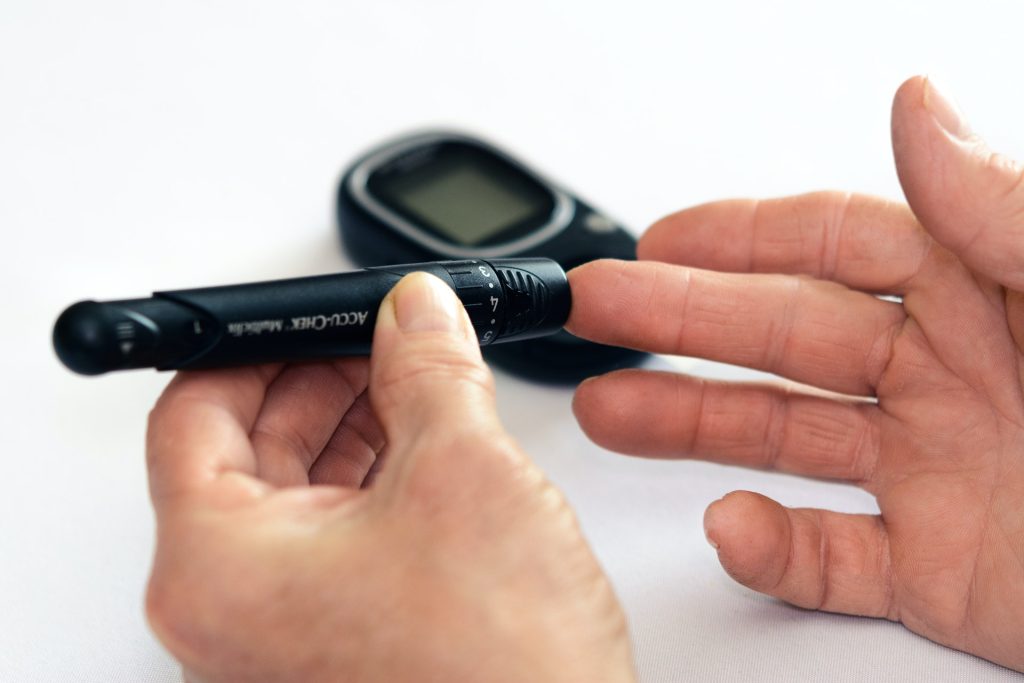
A study found that patients with poorly controlled type 2 diabetes benefitted more from continuous blood glucose monitoring than standard blood glucose monitoring using finger pricks.
While continuous glucose monitoring has well-demonstrated benefits for patients with diabetes, the benefits have only been well studied in patients with type 1 diabetes or patients with type 2 treated with prandial insulin, consisting of multiple daily insulin injections, and not those treated with basal insulin, which is long-lasting and injected only once or twice daily.
Study author Rodica Busui, MD, PhD, at University of Michigan Health, said this of the first studies to assess the impact of continuous glucose monitor in adults with poorly controlled type 2 diabetes with basal insulin.
“Not only does this trial demonstrate the benefits of continuous glucose monitoring for these patients, a technology that hasn’t been covered by many insurers for those with type 2 diabetes, but these benefits were seen across a broad spectrum of socio-economic status and racial backgrounds,” said Dr Busui, adding that about half of the study’s participants were of a racial or ethnic minority.
The randomised clinic trial began enrolling patients in mid-2018 to late-2019, with follow up in mid-2020. The participants received basal insulin, with or without non-insulin medications to help lower blood sugar levels.
“This work wouldn’t have been possible without the partnership between endocrinologists and primary care physicians, as all the patients were recruited and treated by our primary care teams,” said Busui, who is also associate director for clinical research in the Elizabeth Weiser Caswell Diabetes Institute.
The investigators found that continuous glucose monitoring, compared to blood glucose meter monitoring using finger pricks, significantly decreased their haemoglobin A1C over eight months (-1.1% versus -0.16%, respectively).
In addition to testing the efficacy of continuous glucose monitoring paired with basal insulin, Dr Busui and her team sought approach affected patients’ adherence to managing their disease as well as their overall life satisfaction. The 175 study participants exhibited better adherence to managing their diabetes, and their life satisfaction was higher.
“For me, what’s most exciting is that this work demonstrates that using continuous glucose monitoring is effective in substantially improving blood sugars levels and decreasing the risks of hypoglycemia in those that were randomized to use a continuous glucose monitor compared with the usual finger-prick,” said Busui.
“This may open the door for broader coverage of this game-changing technology for all patients with diabetes. More patients can manage their diabetes if they have access to this resource and their primary care physicians are educated on the benefits of their patients utilising it.”
Journal information: Thomas Martens et al, Effect of Continuous Glucose Monitoring on Glycemic Control in Patients With Type 2 Diabetes Treated With Basal Insulin, JAMA (2021). DOI: 10.1001/jama.2021.7444
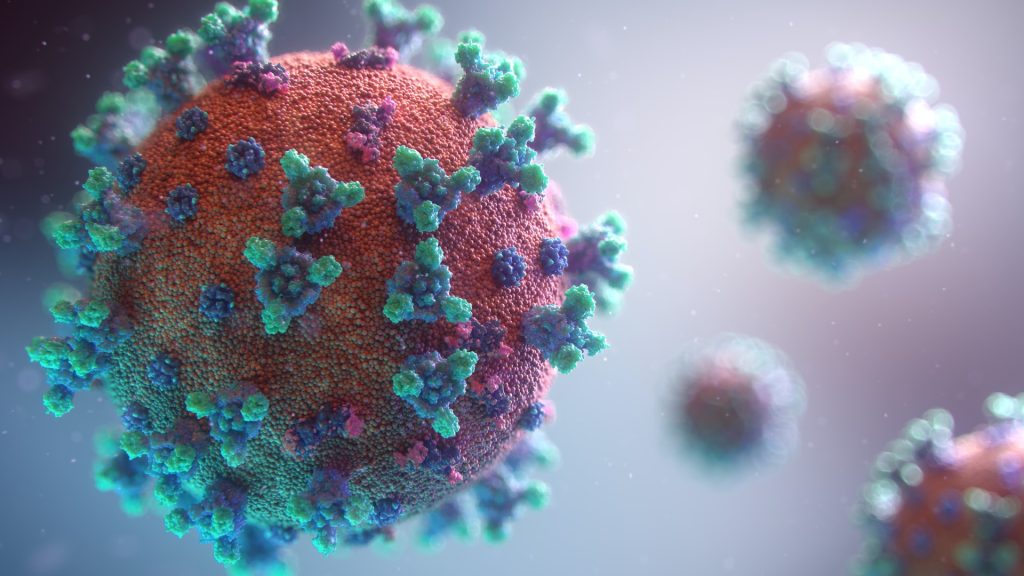
A new study found that about half of hospitalised COVID patients at the start of the pandemic developed new cases of hyperglycemia and had poorer outcomes, prompting concerns about waves of COVID-caused diabetes.
“These people were not diabetic before,” said lead author Paolo Fiorina, MD, PhD, who is affiliated with the Division of Nephrology at Boston Children’s Hospital. “But during admission, about 46 percent of the patients were found to have new hyperglycaemia.” About 35 percent of the newly hyperglycaemic patients were still so six months after infection.
New cases of post-COVID diabetes had been observed since the first waves of the COVID pandemic, though the mechanism behind it was not understood at the time.
The study examined 551 people admitted to the hospital in Italy from March to May 2020, with follow-ups up to six months. All patients were fitted with a glucose sensor at admission.
Compared with patients without signs of glucose abnormalities, the hyperglycaemic patients had worse clinical concerns: longer hospitalisations, worse clinical symptoms, and greater need for oxygen, ventilation and intensive care treatment.
“We wanted to understand the mechanism why these patients did poorly compared to those who did not have hyperglycemia,” said Fiorina, who previously authored a paper showing COVID worsened glucometabolic control in diabetics. The current study was published in Nature Metabolism. Over the course of time, the researchers detected many abnormalities in glucose metabolic control in the hyperglycaemic patients. They also found that hyperglycaemic patients had abnormal hormonal levels: “We discovered they were severely hyperinsulinaemic; they produced too much insulin,” said Fiorina. They also had abnormal levels of pro-insulin and markers of impaired islet beta cell function. “Basically, the hormonal profile suggests that the endocrine pancreatic function is abnormal in those patients with COVID and it persists long after recovery,” he said. Hyperglycaemic patients also had severe abnormalities in levels of inflammatory cytokines, including IL-6.
“We thought that blocking IL-6, and potentially even other cytokines, would be a benefit for beta cell function,” added Fiorina, an idea that proved to work. Patients treated with anti-IL-6 therapy (tocilizumab) had greater improvement in glycaemic control compared.
While glucometabolic abnormalities gradually reduced for some (particularly after COVID infection), other issues persisted: many patients had higher post-prandial glucose levels and abnormal pancreatic hormones after COVID.
“This study is one of the first to show that COVID has a direct effect on the pancreas,” said Fiorina. “It indicates that the pancreas is another target of the virus affecting not only the acute phase during hospitalisation but potentially also the long-term health of these patients.”
The study highlights the importance of evaluating pancreatic function in patients hospitalised for COVID. “This goes beyond fasting glucose testing because we observed glucose metabolic abnormalities during the day which were not always present in a normal fasting test,” said Fiorina.
Questions remain as to whether patients should be treated just with an anti-diabetic drug like an insulin sensitiser, or should anti-inflammatory drugs like tocilizumab and other drugs be used?
“If you keep targeting and blocking insulin, but you have a strong and chronic inflammation, it may lead to chronic damage,” said Dr Fiorina, who suggested that larger studies to test anti-diabetic and anti-inflammatory treatment are needed. “When you consider how many patients have been hospitalised with COVID and continue to be worldwide, we may see a huge increase in the diabetic population.”
Journal information (1): Laura Montefusco et al, Acute and long-term disruption of glycometabolic control after SARS-CoV-2 infection, Nature Metabolism (2021). DOI: 10.1038/s42255-021-00407-6
Journal information (2): Sebastiano Bruno Solerte et al, Sitagliptin Treatment at the Time of Hospitalization Was Associated With Reduced Mortality in Patients With Type 2 Diabetes and COVID-19: A Multicenter, Case-Control, Retrospective, Observational Study, Diabetes Care (2020). DOI: 10.2337/dc20-1521
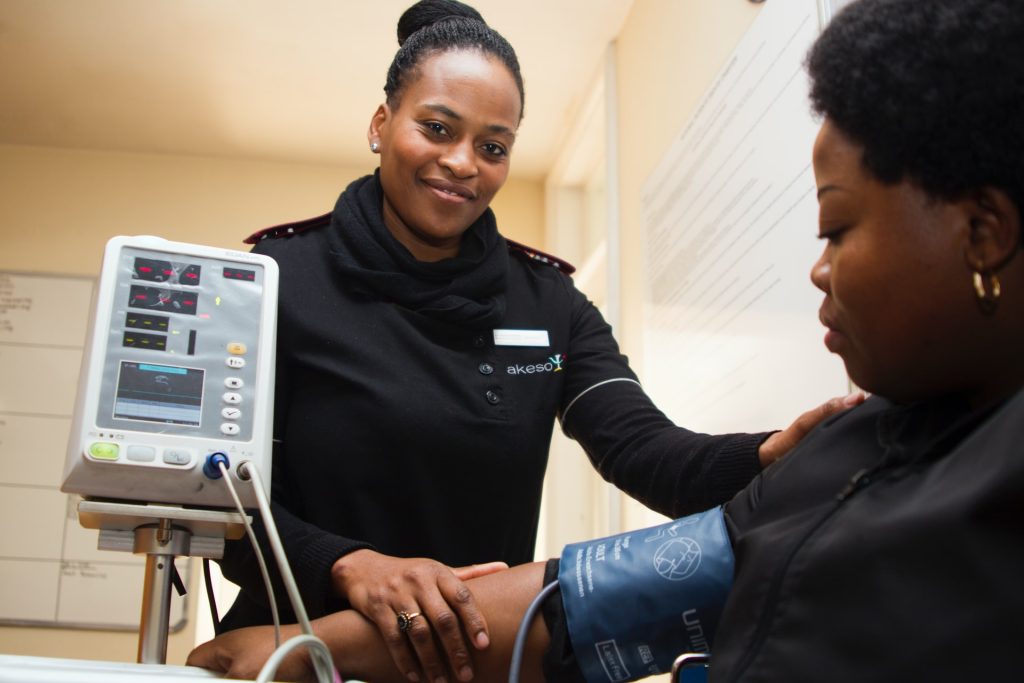
A comprehensive health-screening program has found a high burden of poorly controlled or uncontrolled disease KwaZulu-Natal, along with a high incidence of undiagnosed diseases.
The study, published in The Lancet Global Health, found that four out of five women over 30 had a chronic health condition, and that the HIV-negative population and older people had the highest burden of undiagnosed or poorly controlled non-communicable diseases such as diabetes and hypertension. The study was conducted at the Africa Health Research Institute (AHRI).
Study co-leader Emily Wong, MD, at AHRI in Durban, said: “The data will give AHRI researchers and the Department of Health critical indicators for where the most urgent interventions are needed,” Dr Wong said. “The research was done before COVID, but it has highlighted the urgency of diagnosing and treating people with non-communicable diseases — given that people with uncontrolled diabetes and hypertension are at higher risk of getting very ill with COVID.”
HIV-associated tuberculosis infections are particularly prevalent in Durban. Dr Wong of the University of Alabama works there to understand the impact of HIV infection on tuberculosis pathogenesis, immunity and epidemiology. In sub-Saharan Africa, 15 years of intense public health efforts that increased access to antiretroviral therapyhas resulted in decreased AIDS mortality and raised life expectancy. As a result, there is an increasing priority to address other causes of disease, including tuberculosis and non-communicable diseases.
Over 18 months, health workers screened 17 118 people aged 15 years and older via mobile camps within 1 kilometre of each participant’s home in the uMkhanyakude district. They found high and overlapping burdens of HIV, tuberculosis, diabetes and hypertension among men and women.
While the HIV cases were largely well diagnosed and treated, some demographic groups still had high rates of undiagnosed and untreated HIV, such as men in their 20s and 30s. In contrast, the majority of people with tuberculosis, diabetes or hypertension were either undiagnosed or not well controlled. Of particular concern was the high rates of undiagnosed and asymptomatic tuberculosis discovered, as it remains one of the leading causes of death in South Africa.
“Our findings suggest that the massive efforts of the past 15 years to test and treat for HIV have done very well for that one disease,” Dr Wong said. “But in that process, we may have neglected some of the other important diseases that are highly prevalent.”
The mobile camps screened for diabetes, high blood pressure, nutritional status (obesity and malnutrition), and tobacco and alcohol use, as well as HIV and tuberculosis. The tuberculosis screening component included high-quality digital chest X-rays and sputum tests for people who reported symptoms or had abnormal X-rays. Clinical information was combined with 20 years of population data from AHRI’s health and demographic surveillance research. Using a sophisticated data system combined with artificial intelligence to interpret the chest X-rays, AHRI’s clinical team examined the information in real time, referring people to the public health system as needed.
The study found that:
Half of the participants had at least one active disease, and 12 percent had two or more diseases. Diabetes and hypertension incidences were 8.5 percent and 23 percent, respectively.
One-third of the people were living with HIV, but this was mostly well diagnosed and treated. A particularly high burden of HIV, high blood pressure and diabetes was seen in women.
For tuberculosis, 1.4 percent of the people had active disease, and 22 percent had lifetime disease. About 80 percent of the undiagnosed tuberculosis was asymptomatic, with higher rates of active tuberculosis seen in men.
Several disease patterns varied by geographical location — eg, the highest HIV burden was seen near main roads, while higher rates of tuberculosis and non-communicable diseases were seen in more remote areas.
Journal information: Wong, E. B., et al. (2021) Convergence of infectious and non-communicable disease epidemics in rural South Africa: a cross-sectional, population-based multimorbidity study. The Lancet Global Health. doi.org/10.1016/S2214-109X(21)00176-5.
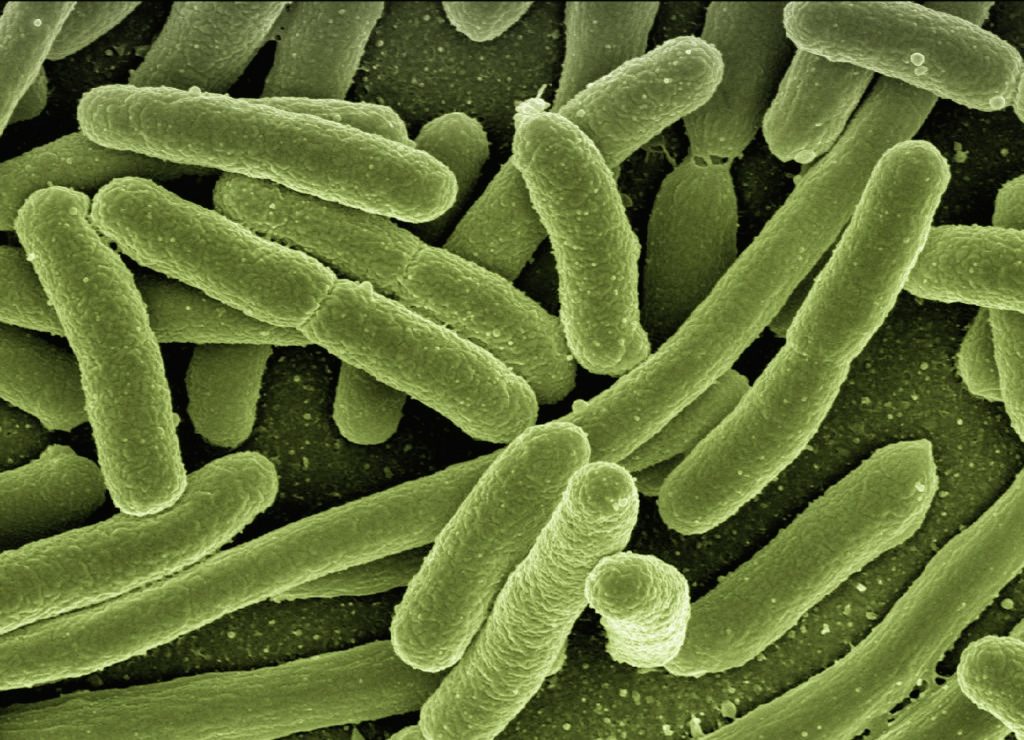
A newly discovered bacterium has been shown to have a possible link to type 2 diabetes and obesity, and may yield pathways to possible treatments.
It began when Patrice Cani, FNRS researcher at University of Louvain (UCLouvain), and his team repeatedly observed that a certain bacterium, Subdoligranulum, is usually lacking in obese and diabetic people, while it is systematically present in healthy people. Based on this, they decided to examine this family of bacteria.
Currently only one cultivated strain of this family is available in the world (the only known member of a large family) and was not the strain that was seen to be decreased in obese and diabetic people. This is not unusual: nearly 70% of bacteria in the intestine have not yet been identified — this is called the dark matter of the intestine.
In 2015, the team then set out to isolate the bacterium themselves in order to learn about its action on the human body, knowing that it is only present in healthy people. To find a second member of the family, the scientists spent two years searching, isolating and cultivating nearly 600 intestinal bacteria.
All of this was in vain. Instead, the UCLouvain team uncovered a bacterium of a new, previously unknown kind. They named it Dysosmobacter welbionis: Dysosmo (“which smells bad”, in Greek), bacter (bacterium) is the bacterium which stinks, “Because, when you grow it, it has a slight odour,” they explained. Welbionis for WELBIO, the organisation in the Walloon region which funded this research.
The bacterium is peculiar for a number of reasons, including the fact that it produces butyrate. Though many other bacteria produce this colon cancer-promoting molecule, for example by strengthening the intestinal barrier and boost immunity. But the team also discovered that Dysosmobacter welbionis was less present in people with type 2 diabetes.
By analysing the microbiota from 12 000 faecal samples gathered from around the world, the UCLouvain scientists observed that the bacteria is present in 70% of the population. As to why such a widely prevalent bacteria was never discovered before, the answer likely lies in the improved cultivation techniques developed by the UCLouvain team.
The UCLouvain team including doctoral student Emilie Moens de Hase and post-doctoral fellow Tiphaine Le Roy then tested the action of Dysosmobacter welbionis in mice. The Results? The bacteria increased the number of mitochondria (a kind of power plants within cells that burns fat), thereby lowering sugar levels and weight, in addition to having strong anti-inflammatory effects. All these effects are very promising for type 2 diabetic and obese subjects and resemble those of Akkermansia, a beneficial bacterium that is at the heart of the research in Patrice Cani’s lab.
They also observed that the bacteria’s effects are not limited to the gut: Scientists have found that certain molecules produced by Dysosmobacter migrate around the body and have distant actions as well. This could explain the effects the bacteria have on the fat tissues, and also opens the doors for a possible impact on other diseases such as cancer. This is currently being investigated by the team.
The next step is to test the action of Dysosmobacter welbionis coupled with that of Akkermansia, in order to see if their association has cumulative effect on health, while always keeping in mind the fight against type 2 diabetes, inflammatory diseases, obesity and cancer. “That’s the fun of research: you dig for dinosaur bones and you end up finding a treasure,” Patrice Cani enthused.
Journal reference: Roy, T. L., et al. (2021) Dysosmobacter welbionis is a newly isolated human commensal bacterium preventing diet-induced obesity and metabolic disorders in mice. Gut. doi.org/10.1136/GUTJNL-2020-323778.
A team of researchers have developed a miniscule device that allows them to implant insulin-secreting cells into diabetic mice, which secrete insulin in response to blood sugar without being destroyed by the immune system.
The findings are published in the journal Science Translational Medicine.
“We can take a person’s skin or fat cells, make them into stem cells and then grow those stem cells into insulin-secreting cells,” said co-senior investigator Jeffrey R Millman, PhD, an associate professor of medicine at Washington University. “The problem is that in people with Type 1 diabetes, the immune system attacks those insulin-secreting cells and destroys them. To deliver those cells as a therapy, we need devices to house cells that secrete insulin in response to blood sugar, while also protecting those cells from the immune response.”
Prof Millman, also an associate professor of biomedical engineering, had previously developed and honed a method to make stem cells and then grow them into insulin-secreting beta cells. Prof Millman previously used those beta cells to reverse diabetes in mice, but it was not clear how the insulin-secreting cells might safely be implanted into people with diabetes.
Prof Millman explained why the new device’s structure was so important.
“The device, which is about the width of a few strands of hair, is micro-porous—with openings too small for other cells to squeeze into—so the insulin-secreting cells consequently can’t be destroyed by immune cells, which are larger than the openings,” he said. “One of challenges in this scenario is to protect the cells inside of the implant without starving them. They still need nutrients and oxygen from the blood to stay alive. With this device, we seem to have made something in what you might call a Goldilocks zone, where the cells could feel just right inside the device and remain healthy and functional, releasing insulin in response to blood sugar levels.”
Millman’s laboratory collaborated with researchers from the laboratory of Minglin Ma, PhD, an associate professor of biomedical engineering at Cornell and the study’s other co-senior investigator. Prof Ma has been working to develop biomaterials that can help implant beta cells safely into animals and, eventually, people with Type 1 diabetes.
In recent years a number of implants have been tried to varying degrees of success. For this study, the team led by Prof Ma developed a nanofibre-integrated cell encapsulation (NICE) device. They filled those implants with insulin-secreting beta cells grown from stem cells and then implanted the devices into the abdomens of diabetic mice.
“The combined structural, mechanical and chemical properties of the device we used kept other cells in the mice from completely isolating the implant and, essentially, choking it off and making it ineffective,” Prof Ma explained. “The implants floated freely inside the animals, and when we removed them after about six months, the insulin-secreting cells inside the implants still were functioning. And importantly, it is a very robust and safe device.”
The cells in the implants continued to secrete insulin and control blood sugar in the mice for up to 200 days — even without any immunosuppressive drugs being administered. “We’d rather not have to suppress someone’s immune system with drugs, because that would make the patient vulnerable to infections,” Prof Millman said. “The device we used in these experiments protected the implanted cells from the mice’s immune systems, and we believe similar devices could work the same way in people with insulin-dependent diabetes.”
Profs Millman and Ma stress that a considerable amount of work is needed before the device can be trialled in a clinical setting.
Journal information: X. Wang et al., “A nanofibrous encapsulation device for safe delivery of insulin-producing cells to treat type 1 diabetes,” Science Translational Medicine (2021)