Tag: diabetes

Increasing Age Blunts the Strength of Certain Stroke Risk Factors
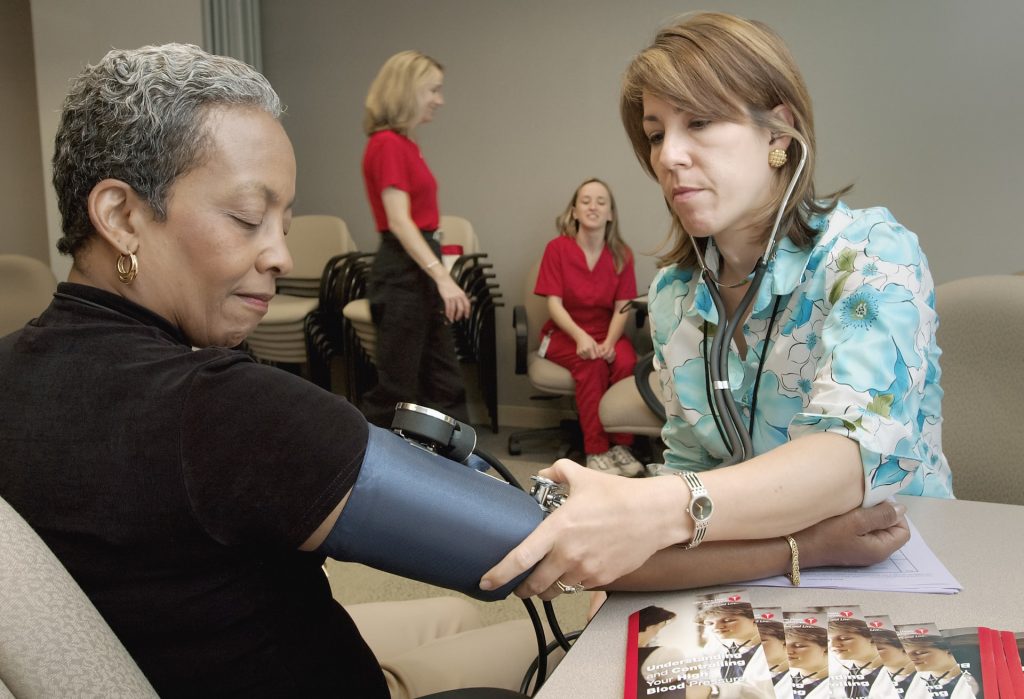
Photo by CDC on Unsplash

Hypertension and diabetes are known risk factors for stroke, but now a new study shows that the amount of risk may decrease as people age. The study is published in Neurology.

“High blood pressure and diabetes are two important risk factors for stroke that can be managed by medication, decreasing a person’s risk,” said study author George Howard, DrPH, of the University of Alabama at Birmingham School of Public Health. “Our findings show that their association with stroke risk may be substantially less at older ages, yet other risk factors do not change with age. These differences in risk factors imply that determining whether a person is at high risk for stroke may differ depending on their age.”

The study involved 28 235 people who had never had a stroke and were followed for 11 years. Risk factors included hypertension, diabetes, smoking, atrial fibrillation, heart disease and left ventricular hypertrophy. Because of the well-known higher stroke risk in Black people (comprising 41% of participants), race was also considered as part of the assessed risk factors, Howard added.

Researchers followed up with participants every six months, confirming strokes by reviewing medical records.

During the study, there were 1405 strokes over 276 074 person-years. Participants were divided into three age groups. The age ranges for those groups varied slightly depending on the data being analysed by researchers. In general, the younger group included participants ages 45–69, the middle group included people in their late 60s to 70s and the older group included people 74 and older.

Researchers found that people with diabetes in the younger age group were approximately twice as likely to have a stroke as people of similar age who did not have diabetes, while people with diabetes in the older age group had an approximately 30% higher risk of having a stroke than people of similar older age who did not have diabetes.

Researchers also found that people with high blood pressure in the younger age group had an 80% higher risk of having stroke than people of similar age without high blood pressure while that risk went down to 50% for people with high blood pressure in the older age group compared to people of similar age without high blood pressure.

With race/ethnicity as a risk factor, Black participants in the younger age group compared to White participants in that group, a difference which decreased in the older age group. For stroke risk factors such as smoking, atrial fibrillation and left ventricular hypertrophy, researchers did not find an age-related change in risk.

“It is important to note that our results do not suggest that treatment of high blood pressure and diabetes becomes unimportant in older age,” said Howard. “Such treatments are still very important for a person’s health. But it also may be wise for doctors to focus on managing risk factors such as atrial fibrillation, smoking and left ventricular hypertrophy as people age.”

Howard also noted that even where the impact of risk factors decreases with age, the total number of people with strokes at older ages may still be larger since overall risk of stroke increases with age. For example, in the younger age group for hypertension, researchers estimate that about 2.0% of normotensive people had a stroke, compared to 3.6% of hypertensive people. In the older age group, about 6.2% of normotensive people had a stroke, compared to 9.3% of hypertensive people.

A limitation of the research was that participants’ risk factors were assessed only once at the start of the study, and it’s possible they may have changed over time.

Source: American Academy of Neurology 

Looking Back at 2022: Pandemic Fades but Other Challenges Remain

Photo by Joshua Hoehne on Unsplash

The year 2022 finally saw the COVID pandemic petering out, largely through the less-lethal but still highly contagious Omicron variant. Significant strides were made in cancer and Alzheimer’s research, although not without controversy. Amid growing public healthcare challenges in South Africa, the NHI Bill advanced closer to reality.

As Omicron displayed greatly reduced severity compared to prior strains, South African medical experts were some of the first to justify no longer being at ‘code red’. This brought an end to the cycles of lockdowns and travel restrictions characterised by the two previous years.

It even saw the lifting of some aspects of China’s ultra-strict ‘zero-COVID’ policy, with citizens paying online tribute to the memory of the heroic doctor who defied government censorship to warn the world. However, the pandemic’s true cost became apparent as the World Health Organization put global excess deaths for the pandemic at almost 15 million.

A number of key medical advances were made during the year for a variety of conditions. Studies showed that administering steroids after COVID hospitalisation with severe inflammation reduced mortality up to one year post-infection.

COVID was found to be linked to a spate of new-onset Type 1 diabetes, but this may just have been due to medical checkups as a result of developing COVID. The rheumatoid arthritis drug auranofin was found to relieve diabetes symptoms. And research suggested a possible way to deliver insulin and cancer drugs orally, by adding a ‘tag’ that lets them enter the bloodstream through the intestines.

The fields of cancer and Alzheimer’s research was rocked by findings of numerous red flags. This controversy did not stop real progress: the first new drug that had any real effectiveness against Alzheimer’s disease was confirmed in a historic trial. Fortunately, the flu jab also seems to protect against developing the disease. Indeed, serious infections appear to increase the risk of both Alzheimer’s and Parkinson’s.

In advanced ER-positive, HER-2 negative breast cancers, the new drug capivasertib halved the rate of progression.

It was also revealed that humans are paying through the nose for common medications compared to those that animals receive. Antimicrobial resistance also remains a growing problem, causing an estimated 1.2 million deaths in 2019.

A major South African Medical Research Council (SMARC) study told a familiar story: unsafe sex, interpersonal violence, obesity, hypertension, and alcohol consumption are the top risk factors for disease and death in South Africa.

Despite lessons learned in the COVID pandemic, South Africa saw the progression of systemic problems in healthcare such as a critical shortage of nurses. Dr Tim de Maayer’s open letter on appalling conditions at Rahima Moosa exposed deep-seated problems in Gauteng’s public healthcare system. This was followed by the shock resignation of top cancer surgeon Professor Carol-Ann Benn. The appointment of Nomantu Nkomo-Ralehoko as Gauteng Health MEC should hopefully change the province’s situation.

As for the National Health Insurance (NHI) Bill, medical aids have aimed to reposition themselves in the new uncertain paradigm while the threat of a mass exodus of healthcare professionals from the country still hangs in the air. A slew of legal challenges now await the Bill, which still has no details on how it will be financed.

A New Drug Class Lowers Cholesterol by 70%

Photo by Artem Podrez on Pexels

A new study using mouse models describes an orally administered small-molecule drug that reduces lowers cholesterol by 70% by preventing the degradation of low-density lipoprotein (LDL) receptors. Published in Cell Reports, the findings point to a previously unrecognised strategy for managing cholesterol – one which may also impact cancer treatments.

“Cholesterol lowering is one of the most important therapies we have to prolong life and protect people from heart disease, which is still the number one cause of morbidity and mortality in the Western world,” said senior author Jonathan S. Stamler, MD, professor at Case Western Reserve School of Medicine.

“Statins only lower cholesterol so far. This is a drug class that we think would represent a new way to lower cholesterol, a new way to hit PCSK9.”

Study Findings

Central to cholesterol regulation are LDL receptors, which sit at the surface of liver cells and remove cholesterol from the blood, thereby lowering serum levels. PCSK9 in the bloodstream controls the number of LDL receptors by marking them for degradation. Therefore, agents that inhibit PCSK9 increase the number of LDL receptors that remove cholesterol.

Nitric oxide is a molecule that is known to prevent heart attacks by dilating blood vessels. In the new study, Stamler and colleagues show that nitric oxide can also target and inhibit PCSK9, thus lowering cholesterol. They identify a small molecule drug that functions to increase nitric oxide inactivation of PCSK9. Mice treated with the drug display a 70% reduction in LDL cholesterol.

Beyond Cholesterol to Cancer

In addition to impacting the field of cholesterol metabolism, the findings may impact patients with cancer, as emerging evidence suggests targeting PCSK9 can improve the efficacy of cancer immunotherapies.

“PCSK9 not only targets LDL receptors for degradation, it also mediates the degradation of MHC 1 on lymphocytes, which is used for recognition of cancer cells” said Stamler. “PCSK9 is effectively preventing your lymphocytes from recognising cancer cells. So, if you inhibit PCSK9, you can boost the body’s cancer surveillance. There may be an opportunity one day to apply these new drugs to that need.”

Delivering Cancer and Diabetes Drugs in Pills Instead of Injections

Source: Danilo Alvesd on Unsplash

In a new Journal of the American Chemical Society paper, researchers describe how they are developing a new way for diabetes and cancer patients to manage their conditions by enabling drugs to be delivered in pill form instead of through injections.

Some drugs for these diseases are water soluble, so transporting them through the intestines, is not feasible and makes them impossible to administer orally. However, UCR scientists have created a chemical “tag” that can be added to these drugs, allowing them to enter blood circulation via the intestines.

This tag is composed of a small peptide. “Because they are relatively small molecules, you can chemically attach them to drugs, or other molecules of interest, and use them to deliver those drugs orally,” said research leader Min Xue, UC Riverside chemistry professor.

Xue’s laboratory was testing something unrelated when the researchers observed these peptides making their way into cells.

“We did not expect to find this peptide making its way into cells. It took us by surprise,” Xue said. “We always wanted to find this kind of chemical tag, and it finally happened serendipitously.”

This observation was unexpected, Xue said, because previously, the researchers believed that this type of delivery tag needed to carry positive charges to be accepted into the negatively charged cells. Their work with this neutral peptide tag, called EPP6, shows that belief was not accurate.

Testing the peptide’s ability to move through a body, the Xue group teamed up with Kai Chen’s group in the Keck School of Medicine at the University of Southern California and fed the peptide to mice. With PET scans, the team observed the peptide accumulating in the intestines, and documented its ultimate transfer into the animals’ organs via the blood.

Having proven the tag successfully navigated the circulatory systems through oral administration, the team now plans to demonstrate that the tag can do the same thing when attached to a selection of drugs. “Quite compelling preliminary results make us think we can push this further,” Xue said.

Many drugs, including insulin, must be injected. The researchers are hopeful their next set of experiments will change that, allowing them to add this tag to a wide variety of drugs and chemicals, changing the way those molecules move through the body.

“This discovery could lift a burden on people who are already burdened with illness,” Xue said.

Source: University of California – Riverside

Strengthening the Case for the ‘Trigger Finger’ and Diabetes Link

Diabetes - person measures blood glucose
Photo by Photomix Company from Pexels

Locked fingers, known as ‘trigger finger’, are more common among people with diabetes than in the general population, finds a study published in Diabetes Care. A study led by Lund University in Sweden shows that the risk of being affected increases with hyperglycaemia.

Trigger finger means that one or more fingers, often the ring finger or thumb, ends up in a bent position that is difficult to straighten out. It is due to the thickening of tendons, which bend the finger, and their connective tissue sheath, which means that the finger becomes fixed in a bent position towards the palm. It is a painful condition that can often be treated with cortisone injections, but sometimes requires surgery.

“At the hand surgery clinic, we have noted for a long time that people with diabetes, both type 1 and type 2, are more often affected by trigger finger. Over 20 percent of those who require surgery for this condition are patients who have, or will develop, diabetes,” says Mattias Rydberg, doctoral student at Lund University, resident physician at Skåne University Hospital and first author of the study.

To study whether blood sugar dysregulation increases the risk of trigger finger, the researchers examined two registers. The prevalence of trigger finger in the general population 1–1.5%, but is 10-15% among those who have diabetes, particularly in type 1 diabetes.

The study added to the evidence for a link between blood sugar and trigger finger. Hyperglycaemia increased the risk of being affected by trigger finger among both men and women in the groups with type 1 diabetes and type 2 diabetes. The group of men with the worst regulated blood sugar (HbA1c > 64) had up to 5 times as high a risk of being affected than men with well-regulated (HbA1c < 48) blood sugar.

“However, we can’t know for certain if any of the groups seek healthcare more often than others which could be a factor that affects the results,” said Mattias Rydberg.

The mechanism, or mechanisms, behind the increased risk are unknown, but there are theories that high blood sugar makes both the flexor tendons and their connective tissue sheaths thicker, thus causing them to lock more easily. It was previously known that those with unregulated blood sugar are more prone to nerve entrapments in the hand.

“It is important to draw attention to the complications from diabetes and how they can arise in order to discover them early, which enables faster treatment and thus a better outcome. In addition to nerve compressions and trigger finger, there may also be a link with thickening of the connective tissue in the palm (Dupuytren’s contracture), impairment of joint movement and the risk of arthritis at the base of the thumb. The mechanisms behind these complications probably differ in the case of diabetes. The results of this study are interesting, as we can show that blood sugar dysregulation has a connection with the development of trigger finger,” said Lars B. Dahlin, professor at Lund University and consultant in hand surgery at Skåne University Hospital.

Future research will measure the effectiveness of operating on patients with diabetes who are affected by trigger finger.

“From our experience at the clinic, surgery goes well and there are few complications, but it takes a little longer for patients with type 1 and type 2 diabetes to regain full movement and function. We want to investigate this hypothesis further. Another interesting idea is to see if trigger finger could be a warning signal for type 2 diabetes. It is far from all who are affected by trigger finger that have diabetes, but it would be interesting to see if by using modern registers we can discover those who are in the risk zone for developing diabetes,” concluded Mattias Rydberg.

Source: Lund University

Arthritis Drug Auranofin may Improve Diabetes Symptoms

Photo by Towfiqu Barbhuiya on Unsplash

Researchers have found that rheumatoid arthritis drug auranofin can potentially be repurposed to improve diabetes-associated symptoms. The study, which used a mouse model, appeared in the journal Cell Metabolism.

Although clear links have been identified between inflammation in white adipose tissue and insulin resistance in humans and rodents, broad anti-inflammatory treatments lack durable clinical efficacy on diabetes. In the current study, the researchers delved deeper into this association between inflammation and diabetes by looking for existing drugs that might affect both conditions.

“We computationally screened a small-molecule dataset and identified auranofin, an FDA-approved drug that has been used to treat rheumatoid arthritis, a condition involving inflammation,” said first and co-corresponding author Dr Aaron R. Cox, instructor of medicine-endocrinology, diabetes and metabolism at Baylor. “Auranofin exerts anti-inflammatory properties, which many people suspected would be beneficial in obesity and diabetes; however, nothing was really known about how it might affect metabolism.”

The team evaluated the metabolic effects of auranofin in a mouse model of diabetes in which the animals consume a high-fat diet.

“We discovered that auranofin has anti-inflammatory and anti-diabetic effects that are independent from each other,” said co-corresponding author Dr Sean Hartig, associate professor at Baylor. “Auranofin improved insulin sensitivity, or the body’s ability to respond to insulin to keep blood sugar at healthy levels. The drug also normalised obesity-associated changes such as hyperinsulinaemia in the mouse model. In addition, we found that auranofin accumulation in white adipose tissue reduced inflammatory responses without altering body composition in obese mice.”

Looking into the mechanism of these metabolic changes, the team discovered that auranofin’s anti-diabetic effects involved reduction of leptin levels. Leptin is a hormone whose levels markedly increase in obesity, contributing to insulin resistance and diabetes. In addition, auranofin restored white adipose tissue’s ability to respond to catecholamines, which are signals that increase metabolic activities in adipose tissue, triggering the burning of lipids at a higher rate.

“These changes coupled together contribute to the overall improvement in insulin sensitivity of the mice, leading to blood glucose control, which is the ultimate goal of diabetes treatments,” Dr Cox said. “High levels of glucose in the blood are detrimental to many tissues in the body. Uncontrolled, diabetes can lead to organ failure.”

Source: Baylor College of Medicine

Obesity and Diabetes in Pregnancy may Raise Child’s ADHD Risk

Boy hanging from tree
Photo by Annie Spratt on Pexels

A recent study has found that children born to women with gestational diabetes and obesity may have twice the risk of developing attention-deficit/hyperactivity disorder (ADHD) compared to those born to mothers without obesity. The findings, published in the Journal of Clinical Endocrinology & Metabolism, also found found that in women with a healthy weight gain during pregnancy, this risk increase was not seen.

ADHD is a growing problem. According to data from 2016-2019, 6 million children aged 3–17 years have received an ADHD. Maternal obesity is a major risk factor for ADHD in children, and roughly 30% of women have obesity at their first doctor’s visit during pregnancy, rising to 47% in women with gestational diabetes. Excessive weight gain during pregnancy in this population is a risk factor for children developing ADHD.

“Our study found pregnant women with obesity and gestational diabetes had children with long-term mental health disorders such as ADHD,” said Verónica Perea, MD, PhD, of the Hospital Universitari Mutua Terrassa in Barcelona. “We did not find this association when these women gained a healthy amount of weight during pregnancy.”

Studying 1036 children born to women with gestational diabetes, the researchers found that 13% of these children were diagnosed with ADHD. When compared to mothers without obesity, the researchers found children of women with gestational diabetes and obesity were twice as likely to have ADHD compared to those born to mothers without obesity.

Notably, this association was only seen in women with gestational diabetes, obesity and excessive weight gain during pregnancy. There was no increased risk of ADHD in children of women with gestational diabetes and obesity if the amount of weight these women gained during pregnancy was within the normal range.

“It’s important for clinicians to counsel their patients on the importance of healthy weight gain during pregnancy,” Perea said.

Source: The Endocrine Society

Overweight Can be The Result of Insufficient Insulin Processing

Obesity
Image source: Pixabay CC0

Lifestyle leading to overweight increases the risk of metabolic diseases such as diabetes – but the relationship also works in reverse, according to a new study. If insulin production is compromised, as is the case in the early stages of type 2 diabetes, this can contribute to overweight. The researchers report their findings in the journal Nature Communications.

When hormone activation goes awry

The research group, led by Dr Daniel Zeman-Meier of the University Hospital of Basel, focused on protease PC1/3 – a key enzyme in the body that transforms various inactive hormone precursors into the final, active forms. Sever endocrine disorders can result if PC1/3 does not function properly. The consequences include a feeling of uncontrollable hunger and severe overweight.

“Until now, it was assumed that this dysregulation is caused by a lack of activation of satiety hormones,” explained Dr Zeman-Meier. “But when we turned off PC1/3 in the brains of mice, the animals’ body weight did not change significantly.” The researchers concluded from this that something other than a brain malfunction must be responsible.

Incorrect activation of insulin leads to hunger and overweight

In their next step, they tested whether overweight could be caused by incorrect activation of other hormones. Among other things, PC1/3 activates insulin. “Investigating the role of insulin production as a cause of overweight was obvious,” said Dr Zeman-Meier. The researchers shut off PC1/3 specifically in the insulin-producing beta cells of the pancreas in mice. The animals consumed significantly more calories and soon became overweight and diabetic.

An important mechanism in humans

“These results are also interesting because PC1/3 is reduced in the pancreas of patients with prediabetes,” says Professor Marc Donath, research leader and final author of the study. This indicates that incorrect insulin activation could cause overweight as well as result from it.

But PC1/3 is also important in the weight regulation of healthy individuals, Prof Donath stressed. The researchers were able to show that the gene expression of PC1/3 in the pancreas is negatively correlated with body weight in the general population — meaning that sufficient PC1/3 promotes a healthy body weight.

The finding that a defect in the beta cells is a trigger of overweight promises new therapeutic possibilities. For example, it is conceivable that medications could be used to reduce the production of immature insulin precursors, creating a new tool in the fight against overweight and diabetes.

Source: University of Basel

Breakthrough in Development of an Oral Insulin Tablet

Source: Danilo Alvesd on Unsplash

A team of researchers working on developing oral insulin tablets as a replacement for daily insulin injections have made a game-changing discovery, which they published in Scientific Reports. The University of British Columbia team found that it’s not so much the composition of the pill so much as where it’s absorbed.

Researchers have discovered that insulin from the latest version of their oral tablets is absorbed by rats in the same way that injected insulin is.

“These exciting results show that we are on the right track in developing an insulin formulation that will no longer need to be injected before every meal, improving the quality of life, as well as mental health, of more than nine million Type 1 diabetics around the world.” said Professor Anubhav Pratap-Singh, the principal investigator.

He said the inspiration behind the search for a non-injectable insulin comes from his diabetic father, who has had to inject insulin for the past 15 years.

According to Dr Alberto Baldelli, they are now seeing nearly 100% of the insulin from their tablets go straight into the liver. In previous attempts to develop a drinkable insulin, most of the insulin would accumulate in the stomach.

“Even after two hours of delivery, we did not find any insulin in the stomachs of the rats we tested. It was all in the liver and this is the ideal target for insulin – it’s really what we wanted to see,” said PhD candidate Yigong Guo, first author of the study.

Changing the mode of delivery

When it comes to insulin delivery, injections are not the most comfortable or convenient for diabetes patients. But with several other oral insulin alternatives also being tested and developed, the UBC team worked to solve where and how to facilitate a higher absorption rate.

The team instead developed a different kind of tablet that isn’t made for swallowing, but instead dissolves when placed between the gum and cheek.

This method makes use of the buccal mucosa to deliver all the insulin to the liver without wasting or decomposing any insulin along the way.

“For injected insulin we usually need 100iu per shot. Other swallowed tablets being developed that go to the stomach might need 500iu of insulin, which is mostly wasted, and that’s a major problem we have been trying to work around,” explained Yigong.

Most swallowed insulin tablets in development tend to release insulin slowly over two to four hours, while fast-release injected insulin can be fully released in 30–120 minutes.

“Similar to the rapid-acting insulin injection, our oral delivery tablet absorbs after half an hour and can last for about two to four hours long,” said Dr Baldelli.

Potential broad benefits

The study is yet to go into human trials, and for this to happen Prof Pratap-Singh says they will require more time, funding and collaborators. But beyond the clear potential benefits to diabetics, he says the tablet they are developing could also be more sustainable, cost-effective and accessible.

“More than 300 000 Canadians have to inject insulin multiple times per day,” Prof Pratap-Singh said. “That is a lot of environmental waste from the needles and plastic from the syringe that might not be recycled and go to landfill, which wouldn’t be a problem with an oral tablet.”

He explains that their hope is to reduce the cost of insulin per dose since their oral alternative could be cheaper and easier to make. Pills would be easier for diabetics as well, since currently their doses need to be kept cool.

Source: University of British Columbia

Why Only Some Obese Patients Develop Diabetes

A 3D map of the islets in the human pancreas. Source: Wikimedia

Oregon State University researchers have used a new analytical method to shed light on an enduring mystery in type 2 diabetes: why some obese patients develop diabetes and others don’t. The reason is down to a genetic pathway linking diet and gut microbiota to macrophages and white adipose tissue. Their findings appear in the Journal of Experimental Medicine.

Type 2 diabetes is frequently associated with obesity. Ins some patients, that means insulin resistance. Later stages of the disease sees the pancreas producing insufficient insulin to maintain normal glucose levels.

In either case, hyperglycaemia is the result, which, if left untreated, impairs many major organs, sometimes to disabling or life-threatening degrees. Overweight status is a key risk factor for type 2 diabetes, often a result of eating too much fat and sugar in combination with low physical activity.

Associate Professors Andrey Morgun and Natalia Shulzhenko of OSU and Giorgio Trinchieri of the National Cancer Institute developed a novel analytical technique, multi-organ network analysis, to explore the mechanisms behind early-stage systemic insulin resistance.

The scientists sought to learn which organs, biological pathways and genes are playing roles.

The findings showed that a particular type of gut microbe leads to white adipose tissue containing macrophage cells associated with insulin resistance.

“Our experiments and analysis predict that a high-fat/high-sugar diet primarily acts in white adipose tissue by driving microbiota-related damage to the energy synthesis process, leading to systemic insulin resistance,” said Morgun. “Treatments that modify a patient’s microbiota in ways that target insulin resistance in adipose tissue macrophage cells could be a new therapeutic strategy for type 2 diabetes.”

The human gut microbiome is incredibly complex, comprising more than 10 trillion microbial cells from about 1000 different bacterial species.

Associate Profs Morgun and Shulzhenko, in earlier research developed a computational method, transkingdom network analysis, that predicts specific types of bacteria controlling the expression of mammalian genes connected to specific medical conditions such as diabetes.

“Type 2 diabetes is a global pandemic, and the number of diagnoses is expected to keep increasing over the next 10 years,” Associate Prof Shulzhenko said. “The so-called ‘western diet’ – high in saturated fats and refined sugars – is one of the primary factors. But gut bacteria have an important role to play in mediating the effects of diet.”

In the new study, the scientists made use of transkingdom network analysis and multi-organ network analysis. Mouse experiments examined the intestine, liver, muscle and white adipose tissue, and the molecular signature (gene expression) of white adipose tissue macrophages in obese human patients.

“Diabetes induced by the western diet is characterised by microbiota-dependent mitochondrial damage,” Associate Prof Morgun said. “Adipose tissue has a predominant role in systemic insulin resistance, and we characterised the gene expression program and the key master regulator of adipose tissue macrophage that are associated with insulin resistance. We discovered that the Oscillibacter microbe, enriched by a western diet, causes an increase of the insulin-resistant adipose tissue macrophage.”

The researchers add, however, that Oscillibacter is likely not the only microbial regulator for expression for the genetic pathway they discovered, while clearly instrumental, is probably not the only important pathway, depending on which gut microbes are present.

“We previously showed that Romboutsia ilealis worsens glucose tolerance by inhibiting insulin levels, which may be relevant to more advanced stages of type 2 diabetes,” Shulzhenko said.

Source: Oregon State University