Phase 2 trial reveals that a single dose of psilocybin offers long-term relief from symptoms of depression and anxiety.
Photo by Marek Piwnicki: https://www.pexels.com/photo/macro-photography-of-a-psilocybin-mushroom-13695325/
New results from a clinical trial reveal that a single dose of psilocybin can provide sustained reductions in depression and anxiety in individuals with cancer suffering from major depressive disorder. The findings are published by Wiley online in CANCER, a peer-reviewed journal of the American Cancer Society.
People with cancer often struggle with depression. In this phase 2 trial, 28 patients with cancer and major depressive disorder received psychological support from a therapist prior to, during, and following a single 25mg dose of psilocybin.
During clinical interviews conducted 2 years later, 15 (53.6%) patients demonstrated a significant reduction in depression, and 14 (50%) had sustained depression reduction as well as remission. Similarly, psilocybin reduced anxiety for 12 (42.9%) patients at 2 years.
An ongoing randomised, double-blind trial is currently evaluating up to two doses of 25mg of psilocybin versus placebo as treatment for depression and anxiety in patients with cancer. This study is building on the single-dose study in an effort to bring a larger majority of the patients into remission of depression and anxiety.
“One dose of psilocybin with psychological support to treat depression has a long-term positive impact on relieving depression for as much as 2 years for a substantial portion of patients with cancer, and we’re exploring whether repeating the treatment resolves depression for more than half of the patients,” said lead author Manish Agrawal, MD, of Sunstone Therapies. “If randomised testing shows similar results, this could lead to greater use of psilocybin to treat depression in patients with cancer.”
For 30% of people with major depressive disorder (MDD), antidepressants don’t work. When infused at a low dose, ketamine shows remarkable efficacy as a rapidly acting antidepressant, with effects observed within hours even in patients who have been resistant to other antidepressant treatments. One drawback is that consistent infusions of ketamine are needed to maintain symptoms at bay, which could result in side effects, such as dissociative behaviours and the possibility of addiction, and stopping treatment can result in relapse.
In a new study published in Science, Lisa Monteggia’s and Ege Kavalali’s labs show that it is feasible to substantially extend the efficacy of a single dose of ketamine from its current duration of up to a week to a longer period of up to two months.
“The premise of this study, which was led by Zhenzhong Ma, a fantastic research assistant professor, was based on a testable mechanistic model that we developed that accounts for ketamine’s rapid antidepressant action,” Monteggia said.
Previously, researchers in the field had determined that ketamine’s antidepressant effect requires the activation of a key signalling pathway called ERK, but only ketamine’s long-term effects – not its rapid effects – are abolished when ERK is inhibited. As a fast-acting antidepressant, ketamine relies on ERK-dependent synaptic plasticity to produce its rapid behavioural effects. Ma and colleagues hypothesised that they could maintain ketamine’s effects for longer periods by enhancing ERK activity.
In the recent paper, Ma discovered that ketamine’s antidepressant effects could be sustained for up to two months by using a drug called BCI, which inhibits a protein phosphatase and results in increased ERK activity. By inhibiting the phosphatase, the authors retained ERK’s activity and augmented the synaptic plasticity that drives ketamine’s prolonged antidepressant effects.
lthough the use of BCI makes the application of these results to the clinic difficult, Monteggia said that the results provide a proof of principle that ketamine’s antidepressant action can be sustained by targeting intracellular signaling. She and Kavalali, the William Stokes Professor of Experimental Therapeutics and the chair of the Department of Pharmacology, have worked on the project since its inception and hope that it will foster other studies looking to identify specific molecules to enhance and sustain the action of a single dose of ketamine.
Ultimately, this work will be a stepping stone toward improving MDD patients’ lives by reducing the burden of treatment.
Excessive screen time among adolescents negatively impacts multiple aspects of sleep, which in turn increases the risk of depressive symptoms – particularly among girls. That is the conclusion of a new study published in the open-access journal PLOS Global Public Healthby Sebastian Hökby of Karolinska Institutet, Sweden, and colleagues.
Recently, the Swedish Public Health Agency published recommendations that adolescents use no more than two-to-three hours of daily leisure screen time, partly to promote better sleep. Previous studies have suggested associations between screen time, sleep disruptions, and depression in teens. However, sleep problems and depression often coincide, and the direction of these associations has been unclear.
In the new study, researchers tracked 4,810 Swedish students aged 12-16, collecting data on sleep quality and quantity, depressive symptoms, and screen usage at three timepoints over the course of a year.
The researchers found that increased screen time led to deteriorated sleep within three months, impacting both the duration and quality of sleep. Screen time was also found to postpone sleep times towards later hours – disrupting multiple aspects of the human sleep-wake cycle at once. Among boys, screen time had a direct adverse effect on depression after twelve months, while among girls the depressive effect was mediated through sleep disturbances. Sleep could explain about half (38%-57%) of the association between screen time and depression in girls. Boys who spent more time on screens also experienced sleep disruptions, but these were not strongly associated to later depression.
The authors summarize: “In this study, we found that adolescents who reported longer screen times also developed poorer sleep habits over time. In turn, this led to increased depression levels, especially among girls.”
They add: “Our results do suggest that less[…] screen time seems healthier, in line with previous World Health Organization statements…if screen times were somehow reduced, for example through public health policies, our results imply that the high burden of depressive states among young Swedish women, and maybe young men, would likely decrease.”
Emerging evidence suggests that lycopene—a natural plant extract—may have antidepressant properties. New research in Food Science & Nutrition reveals the mechanisms behind its antidepressant effects.
Lycopene is a carotenoid, related to beta-carotene and gives some vegetables and fruits (eg, tomatoes, grapefruit) a red colour. Lycopene is a powerful antioxidant that might help protect cells from damage.
In mice with depressive-like behaviours, brain analyses revealed impairments in the hippocampus. Lycopene treatment lessened these impairments and reversed the animals’ depressive-like traits.
Lycopene treatment boosted the expression of brain-derived neurotrophic factor (BDNF), a protein with roles in many aspects of brain function. Experiments indicated that a signalling pathway involving BDNF (called the BDNF-TrkB pathway, which helps regulate learning, memory, and communication between neurons) is inhibited in mice with depression, and that lycopene treatment alleviates this inhibition.
The study “offers an effective avenue for the development of novel antidepressant therapies,” the authors wrote. “We plan to conduct further verification in future studies and include multiple brain regions in our research.”
About 75% of a sample of nearly 20 000 people who have taken selective serotonin reuptake inhibitors (SSRIs) report they found them helpful, according to new research from the Institute of Psychiatry, Psychology & Neuroscience (IoPPN) at King’s College London.
Published in Psychological Medicine, the study explored different factors that could explain why SSRIs work for some people with major depressive disorder, but not others.
Researchers analysed data from UK Biobank on 19 516 participants who had tried at least one SSRI, such as citalopram, fluoxetine, paroxetine or sertraline, for at least two weeks. Participants reported whether the SSRI helped them “feel better” using a single item questionnaire with possible responses “yes, at least a little”, “no”, “do not know”, or “prefer not to answer”. This is the first detailed analysis of this large-scale study which assesses SSRIs using self-reported experiences rather than clinician-reported remission from symptoms.
Overall, 74.9% felt SSRIs helped them feel better. 18.8% said the prescribed drug was not helpful.
Using a range of data collected by UK Biobank, the study analysed what factors might influence whether people found SSRIs helpful.
It found that sociodemographic factors such as age, gender and household income were linked to differences in how people perceived the effectiveness of SSRIs. Those participants who were older, male, had lower incomes, and reported alcohol or illicit drug use were more likely to say that they did not find antidepressants helpful.
Participants who had experienced no mood improvement even when positive events occurred or whose worst episode of depression lasted more than two years, were also less likely to report that SSRIs were helpful. Lastly those who had a greater genetic risk for depression, calculated using polygenic risk scores, were less likely to report that SSRIs were helpful.
The use of antidepressants, and the rate at which they are prescribed in the UK, has been the source of much debate both in the public and media. While antidepressants don’t work for every user, this research provides reassuring evidence that many people report that this common type of medication is helping them manage what can be a severe illness.
Dr Michelle Kamp, Postdoctoral Research Associate at King’s IoPPN and first author on the study
We know that not all people respond to antidepressants prescribed, but most studies have focussed on clinician’s perspectives of response. Using participant reports, we found a strong support for antidepressants, with three quarters of people saying the drugs had helped them. The factors that make people more likely to respond to antidepressants mirror findings in clinical trials which use measures reported by clinicians. This suggests that patient-focussed responses can capture valuable insights into the effectiveness of antidepressants.
Professor Cathryn Lewis, Professor of Genetic Epidemiology & Statistics at King’s IoPPN and senior author on the study
Professor Andrew McIntosh, Professor of Biological Psychiatry at the University of Edinburgh’s Centre for Clinical Brain Sciences and co-investigator on the study, said: “The findings from this large study show that nearly three-quarters of people in UK Biobank who were treated with antidepressants found them helpful. There is already excellent evidence from clinical trials that antidepressants work for people with depression. However those studies focus on addressing only whether they are more effective than placebos, and not why they are more effective in some people than others. We must now focus on developing a better understanding of how antidepressants work and how we can predict which people are most likely to benefit from these treatments.”
The study offers key insights into antidepressant response, however the sample may not fully represent the general population and reliance on retrospective self-reports can lead to inaccurate recollection.
Almost half of patients diagnosed with depression classify as being ‘treatment-resistant’ as new research suggests that many don’t respond to multiple antidepressant options.
The new study, published in the British Journal of Psychiatry was led by academics from the University of Birmingham and Birmingham and Solihull Mental Health NHS Foundation Trust. The study found that 48% of patients whose electronic healthcare records reported a diagnosis of depression had tried at least two antidepressants, and 37% had tried four or more different options.
Treatment-resistant depression (TRD) is typically defined as a form of depression that isn’t effectively managed after a patient tries two different antidepressants. There are currently few guidelines for treating TRD.
Patients who experience TRD were also invited to take part in interviews to share their experiences. Patients talked about a “sense of hopelessness” after trying multiple treatment options for the condition, and many shared their frustrations with a “one size fits all” approach to what works with treatment.
PhD researcher Kiranpreet Gill from the School of Psychology at the University of Birmingham and corresponding author of the study said:
“This paper highlights how widespread treatment-resistant depression is among those who are diagnosed with depression. With nearly half of all patients not responding to multiple drug options, we need better treatment options to be able to support patients for whom first line antidepressant medications don’t make a difference.
“Furthermore, the experiences of patients who took part in this study shows that more awareness and options for treating depression when first line antidepressant medications don’t work well is urgently needed.
“There is an irony that the experience of struggling to treat depression is in itself a risk factor for a worsening sense of ‘hopelessness’ as one patient described it. This should be a clarion call to recognise that treatment-resistant depression needs to be factored into clinical decision making and the ongoing support that patients are offered.”
There are increased risks of other psychiatric disorders among those with TRD such as anxiety, self-harm, and personality disorders, and physical health issues such as heart disease. Data analysis suggests that patients with TRD have 35% higher odds of having a personality disorder and 46% higher odds of cardiovascular disease and the combination with qualitative data suggests that patients have multiple and considerable barriers to achieving good health.
Professor Steven Marwaha, Clinical Professorial Fellow at the Institute for Mental Health at the University of Birmingham, a Consultant Psychiatrist at Birmingham and Solihull Mental Health NHS Foundation Trust, and co-author of the study said:
“This study is important as the data demonstrates people with TRD are at a higher risk of a range of poorer outcomes, and that we need better defined care pathways for helping this population, and are in urgent need of developing and testing new treatments for this group.”
Photo by Inzmam Khan: https://www.pexels.com/photo/man-in-black-shirt-and-gray-denim-pants-sitting-on-gray-padded-bench-1134204/
A study by researchers at the University of Helsinki and HUS Helsinki University Hospital found a significant association among adolescents between having psychotic-like experiences and depressive symptoms, as well as with self-destructive behaviours.
Psychotic-like experiences resemble symptoms of psychosis, but are milder, less frequent and much more common than psychotic disorders. While these symptoms do not constitute a disorder diagnosed as psychosis, they can still be disruptive, distressing or detrimental to functional capacity. Typical psychotic-like experiences include perceptual distortions and hallucinations, suspicious paranoid thinking, delusions and bizarre, unusual thoughts.
Psychotic-like experiences are abundant among adolescents referred to care, but are generally considered fairly neutral, with only some of the adolescents reporting them as frightening, worrisome or harmful. In the study, published in the journal Psychosis, the correlation between psychotic-like experiences and depressive symptoms turned out to be strong. This link was not explained by connections between individual psychotic-like experiences and depressive symptoms, but by factors that more broadly measure paranoia and unusual thoughts. In addition to depressive symptoms, paranoid thoughts and unusual thought content were also associated with self-destructive thinking.
Making questions about psychotic-like experiences part of care
The findings show that psychotic-like experiences should be systematically surveyed in all adolescents seeking psychiatric care. It should also be assessed how frightening, worrisome or harmful they are considered to be. Particularly in the case of responses emphasising bizarre thinking and exaggerated suspiciousness, attention should also be paid to assessing mood and self-destructive thinking, as these factors can remain hidden without further enquiry.
“Our findings provide a clear recommendation for treatment practices: psychotic-like experiences should be assessed as part of routine procedures, but it is also important to determine how they are perceived. These phenomena cannot be uncovered unless separately and systematically asked,” says the principal investigator, Docent Niklas Granö.
It should be clearly explained to adolescents and their families that these symptoms are common and often manageable. In addition, applications of cognitive psychotherapy, even brief interventions, can help adolescents understand their symptoms and alleviate the strain they cause.
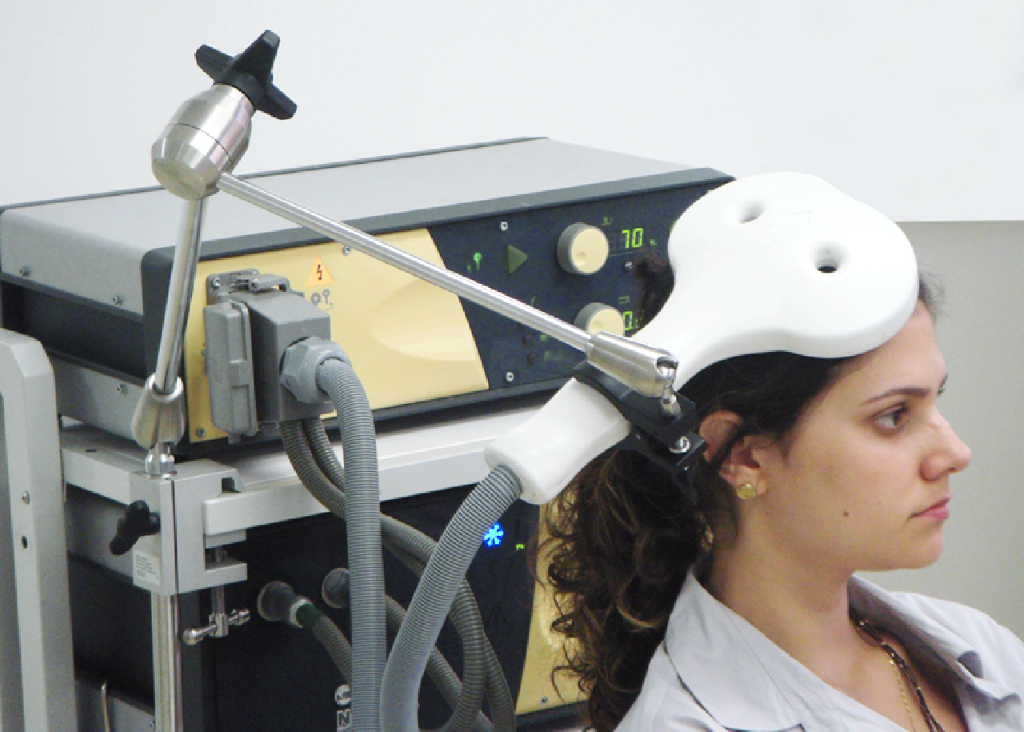
A type of therapy that involves applying a magnetic field to both sides of the brain has been shown to be effective at rapidly treating depression in patients for whom standard treatments have been ineffective.
Our accelerated approach means we can do all of the sessions in just five days, rapidly reducing an individual’s symptoms of depression
Valerie Voon
The treatment – known as repetitive transcranial magnetic stimulation (TMS) – involves placing an electromagnetic coil against the scalp to relay a high-frequency magnetic field to the brain.
Around one in 20 adults is estimated to suffer from depression. Although treatments exist, such as anti-depressant medication and cognitive behavioural therapy (‘talking therapy’), they are ineffective for just under one in three patients.
One of the key characteristics of depression is under-activity of some regions (such as the dorsolateral prefrontal cortex) and over-activity of others (such as the orbitofrontal cortex (OFC)).
Repetitive transcranial magnetic stimulation applied to the left side of the dorsolateral prefrontal cortex (an area at the upper front area of the brain) is approved for treatment of depression in the UK by NICE and in the US by the FDA. It has previously been shown to lead to considerable improvements among patients after a course of 20 sessions, but because the sessions usually take place over 20-30 days, the treatment is not ideal for everyone, particularly in acute cases or where a person is suicidal.
In research published in Psychological Medicine, scientists from Cambridge, UK, and Guiyang, China, tested how effective an accelerated form of TMS is. In this approach, the treatment is given over 20 sessions, but with four sessions per day over a period of five consecutive days.
The researchers also tested a ‘dual’ approach, whereby a magnetic field was additionally applied to the right-hand side of the OFC (which sits below the dorsolateral prefrontal cortex).
Seventy-five patients were recruited to the trial from the Second People’s Hospital of Guizhou Province in China. The severity of their depression was measured on a scale known as the Hamilton Rating Scale of Depression.
Participants were split randomly into three groups: a ‘dual’ group receiving TMS applied first to the right- and then to the left-hand sides of the brain; a ‘single’ group receiving sham TMS to the right-side followed by active TMS applied to the left-side; and a control group receiving a sham treatment to both sides. Each session lasted in total 22 minutes.
There was a significant improvement in scores assessed immediately after the final treatment in the dual treatment group compared to the other two groups. When the researchers looked for clinically-relevant responses – that is, where an individual’s score fell by at least 50% – they found that almost half (48%) of the patients in the dual treatment group saw such a reduction, compared to just under one in five (18%) in the single treatment group and fewer than one in 20 (4%) in the control group.
Four weeks later, around six in 10 participants in both the dual and single treatment groups (61% and 59% respectively) showed clinically relevant responses, compared to just over one in five (22%) in the control group.
Professor Valerie Voon from the Department of Psychiatry at the University of Cambridge, who led the UK side of the study, said: “Our accelerated approach means we can do all of the sessions in just five days, rapidly reducing an individual’s symptoms of depression. This means it could be particularly useful in severe cases of depression, including when someone is experiencing suicidal thoughts. It may also help people be discharged from hospital more rapidly or even avoid admission in the first place.
“The treatment works faster because, by targeting two areas of the brain implicated in depression, we’re effectively correcting imbalances in two import processes, getting brain regions ‘talking’ to each other correctly.”
The treatment was most effective in those patients who at the start of the trial showed greater connectivity between the OFC and the thalamus (an area in the middle of the brain responsible for, among other things, regulation of consciousness, sleep, and alertness). The OFC is important for helping us make decisions, particularly in choosing rewards and avoiding punishment. Its over-activity in depression, particularly in relation to its role in anti-reward or punishment, might help explain why people with depression show a bias towards negative expectations and ruminations.
Dr Yanping Shu from the Guizhou Mental Health Centre, Guiyang, China, said: “This new treatment has demonstrated a more pronounced – and faster – improvement in response rates for patients with major depressive disorder. It represents a significant step forward in improving outcomes, enabling rapid discharge from hospitals for individuals with treatment-resistant depression, and we are hopeful it will lead to new possibilities in mental health care.”
Dr Hailun Cui from Fudan University, a PhD student in Professor Voon’s lab at the time of the study, added: “The management of treatment-resistant depression remains one of the most challenging areas in mental health care. These patients often fail to respond to standard treatments, including medication and psychotherapy, leaving them in a prolonged state of severe distress, functional impairment, and increased risk of suicide.
“This new TMS approach offers a beacon of hope in this difficult landscape. Patients frequently reported experiencing ‘lighter and brighter’ feelings as early as the second day of treatment. The rapid improvements, coupled with a higher response rate that could benefit a broader depressed population, mark a significant breakthrough in the field.”
Just under a half (48%) of participants in the dual treatment group reported local pain where the dual treatment was applied, compared to just under one in 10 (9%) of participants in the single treatment group. However, despite this, there were no dropouts.
For some individuals, this treatment may be sufficient, but for others ‘maintenance therapy’ may be necessary, with an additional day session if their symptoms appear to be worsening over time. It may also be possible to re-administer standard therapy as patients can then become more able to engage in psychotherapy. Other options include using transcranial direct current stimulation, a non-invasive form of stimulation using weak electrical impulses that can be delivered at home.
The researchers are now exploring exactly which part of the orbitofrontal cortex is most effective to target and for which types of depression.
The research was supported by in the UK by the Medical Research Council and by the National Institute for Health and Care Research Cambridge Biomedical Research Centre.*
Research using animal models has shown that the diabetes drug dulaglutide, which is a glucagon-like peptide-1 (GLP-1) receptor agonist, may reduce symptoms of depression. A new study published in Brain and Behavior reveals the mechanisms that are likely involved.
By conducting a range of tests in mice treated with and without dulaglutide, investigators confirmed the effects of dulaglutide on depressive-like behaviours, and they identified 64 different metabolites and four major pathways in the brain associated with these effects.
Markers of depression and the antidepressant effects of dulaglutide were linked to lipid metabolism, amino acid metabolism, energy metabolism, and tryptophan metabolism.
“These primary data provide a new perspective for understanding the antidepressant-like effects of dulaglutide and may facilitate the use of dulaglutide as a potential therapeutic strategy for depression,” the authors wrote.
World Mental Health Day, celebrated internationally on 10 October, is not just another commemorative day, but in fact, a time to truly reflect on the need to break the stigma associated with seeking mental health support.
Today, many may acknowledge that mental health issues are common and can adversely affect a significant portion of the population. “In fact, according to the fourth annual Mental State of the World Report 2023, published in March 2024 by Sapien Labs, Brazil, South Africa and the United Kingdom all show the greatest proportion of respondents who are distressed or struggling with their mental health, which indicates that there is still a dire need for more open conversations about mental health in families, workplaces and communities,” says Madelein O’Connell,Executive: Marketing, Sales and Corporate Relations at Bestmed Medical Scheme.
“We already know that our mental wellbeing can affect emotions, physical health, relationships and overall quality of life,” adds O’Connell. “Beyond this, neglecting your mental health can also lead to burnout, anxiety, and an array of serious health conditions. However, prioritising your mental health can be daunting, with so many not knowing where to start. It’s important to remember that it starts with, and is built on, small, consistent steps, which can make a significant difference.”
From a medical scheme perspective, there is often a range of mental health services covered as supplementary benefits by the medical scheme, such as access to psychologists, psychiatrists, counsellors, and support for conditions like anxiety, depression, and trauma. It’s important for members to understand what their medical scheme provides.
“At Bestmed, we offer a free Tempo wellness programme for our members, which can be accessed via the Bestmed App or online Member portal. As part of the Tempo wellness programme, members have access to free Tempo Wellness Webinars, hosted by mental healthcare experts, who discuss and give advice on various relevant topics,” says O’Connell.
“We really want to support the integration of mental, nutritional, and physical health in overall wellbeing for our members, as we recognise that mental health covers a wide array of aspects. In fact, the World Health Organisation (WHO), defines mental health as ‘a state of mental well-being that enables people to cope with the stresses of life, realise their abilities, learn well and work well, and contribute to their community’, so giving people the support and skills to navigate their life is vital, particularly those more vulnerable to mental health challenges, such as adolescents, the elderly, or individuals dealing with long-term physical illness.”
Madelein O’Connell concludes, “of course, we also recognise that limited mental health service availability, a shortage of mental health professionals and financial constraints can impact a person’s ability to find the right support they need, when they need it. However, there are also some incredible mental health support organisations, locally, that can assist. LifeLine and The South African Depression and Anxiety Group (SADAG), for example, are confidential, free, and offer a starting point for anyone in need.”