Tag: depression

Teen Smokers and Vapers Have Higher Rates of Depression and Anxiety, Study Finds

Study analysed data from the US National Youth Tobacco Survey on more than 60 000 middle and high school students.

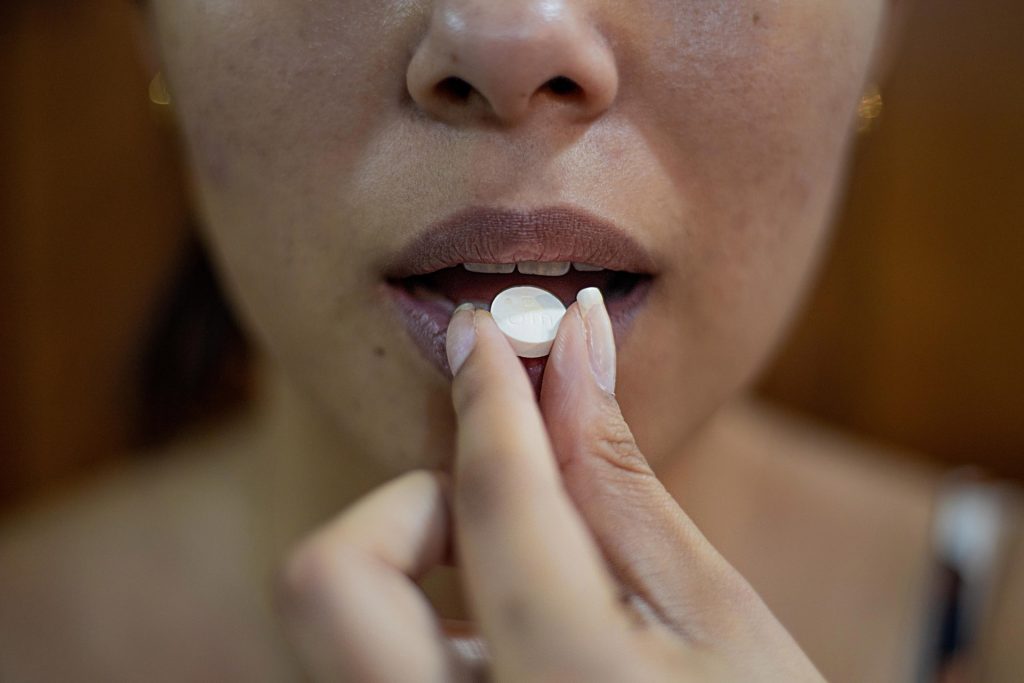
Photo by Nery Zarate on Unsplash

Adolescents who use either e-cigarettes or conventional tobacco products (CTP) – like cigarettes, cigars, hookah and pipes – are significantly more likely to report symptoms of depression and anxiety than teens who don’t use tobacco products at all, according to a study published this week in the open-access journal PLOS Mental Health by Noor Abdulhay of West Virginia University, USA, and colleagues.

Tobacco use and mental health challenges are known to have a complex, bidirectional relationship. Understanding the interplay between adolescent tobacco use and mental health is particularly important, since adolescence is a critical developmental period during which many health-related risk-taking behaviors begin. Moreover, there are increasing rates of anxiety, depression, and suicide among adolescents in the U.S. as well as shifting patterns of tobacco use.

A white screen with black dotsAI-generated content may be incorrect.

In the new study, researchers used data on tobacco use, depression and anxiety symptoms, among different demographics, from the 2021-2023 National Youth Tobacco Survey. Among the 60,072 middle and high school students who had completed all questionnaires in full, 21.37% had used tobacco products, with 9.94% using only e-cigarettes, 3.61% using only CTPs, and 7.80% using both.

Overall, 25.21% of respondents reported symptoms associated with depression and 29.55% reported anxiety symptoms. Compared to adolescents who had not used any tobacco products, users of e-cigarettes or CTPs displayed a potentially heightened risk of depression and anxiety, whilst those who used both CTPs and e-cigarettes had the highest odds of reporting mental health struggles

The authors conclude that “while causality cannot be determined, the results from this study showed that all forms of tobacco use were significantly associated with mental health issues. There is a need to continue promoting mental health support and implementing tailored interventions to combat all forms of tobacco use among adolescents”.

Provided by PLOS

Parkinson’s Drug Effective in Treating Persistent Depression

Photo by Andrew Neel on Unsplash

In the largest clinical trial to date, pramipexole was found to be substantially more effective than a placebo at reducing the symptoms of treatment resistant depression (TRD) over the course of nearly a year, when added to ongoing antidepressant medication.

The trial, supported by National Institute for Health and Care Research (NIHR) and published in The Lancet Psychiatry, included 150 patients with treatment resistant depression, with equal numbers receiving 48 weeks of pramipexole or a placebo, alongside ongoing antidepressant medication.

Overall, the group taking pramipexole experienced a significant and substantial reduction in symptoms by week twelve of treatment, with the benefits persisting over the course of a year. However, there were also significant side effects, such as nausea, sleep disturbance and dizziness, with around one in five people on pramipexole dropping out of the trial as a result.

Professor Michael Browning, from the Department of Psychiatry, University of Oxford, and workstream lead in Mood Disorders for the NIHR Mental Health-Translational Research Collaboration (MH-TRC) Mission, who led the trial, said: ‘Effectively treating people who have not responded to first-line interventions for depression is a pressing clinical problem and there has long been an urgent need to find new treatments.

‘These findings on pramipexole are a significant breakthrough for patients for whom antidepressants and other treatments and therapies have not worked.

‘Pramipexole is a medicine licensed for Parkinson’s disease and works by boosting the brain chemical dopamine. This differs from the majority of other antidepressant medications which act on brain serotonin and may explain why pramipexole was so helpful in this study.

‘We now need more research focusing on reducing the side effects of pramipexole, evaluating its cost-effectiveness, and comparing it with other add-on treatments.’

Previous research into using the drug for depression had shown promise, but there had been limited data on its long-term outcomes and side effects until now.

Current guidelines for people with treatment resistant depression recommend adding new treatments, such as lithium or antipsychotics, to ongoing antidepressant treatment, but these have limited effectiveness and do not work for everyone.

Phil Harvey, 72, from Oxfordshire, was diagnosed with depression 20 years ago and tried different tablets and counselling but nothing worked. Eventually he had to take a year off work before retiring. He started on the trial in 2022.

He said: ‘Within a few weeks I felt the effects, it was amazing. I kept a diary which they gave us on how my mood was, motivation and how it improved. It was dragging me out of this dark black hole that I’ve been in for years.’

Participants were recruited from across the country, including as part of the NIHR-funded MH-TRC Mission mood disorder clinics, which are hosted at Oxford but located across the country. The clinics efficiently, and largely remotely, assess patients with difficult to treat mood disorders and offer them enrolment in research studies. The network can also support primary care services by providing assessment and treatment advice for patients who have not responded to initial treatment.

Source: University of Oxford

Autoimmune Disease Linked to Doubling in Depression, Anxiety, Bipolar Risks

Risks higher in women than in men with the same condition
Chronic exposure to systemic inflammation may explain associations, say researchers

Photo by Sydney Sims on Unsplash

Living with an autoimmune disease is linked to a near doubling in the risk of persistent mental health issues, such as depression, generalised anxiety, and bipolar disorder, with these risks higher in women than in men, finds a large population-based UK study, published in the open access journal BMJ Mental Health.

Chronic exposure to the systemic inflammation caused by the autoimmune disease may explain the associations found, say the researchers.

A growing body of evidence suggests that inflammation is linked to mental ill health, but many of the published studies have relied on small sample sizes, limiting their statistical power, note the researchers.

In a bid to overcome this, they drew on data from 1.5 million participants in the recently established Our Future Health dataset from across the UK. Participants’ average age was 53; just over half (57%) were women; and 90% identified as White.

On recruitment to Our Future Health, participants completed a baseline questionnaire to provide personal, social, demographic, health and lifestyle information.

Health information included lifetime diagnoses–including for their biological parents–for a wide range of disorders, including autoimmune and psychiatric conditions.

Six autoimmune conditions were included in the study: rheumatoid arthritis; Graves’ syndrome (thyroid hormone disorder); inflammatory bowel disease; lupus, multiple sclerosis; and psoriasis.

The mental health conditions of interest were self-reported diagnoses of affective disorders, defined as depression, bipolar, or anxiety disorder.

In all, 37 808 participants reported autoimmune conditions and 1 525 347 didn’t. Those with autoimmune conditions were more likely to be women (74.5% vs 56.5%) and more likely to report lifetime diagnoses of affective disorders for their biological parents:  8% vs 5.5% for fathers; 15.5% vs 11% for mothers.

Chronic and pathogenic immune system activation—including the presence of markers of inflammation—is a hallmark of many autoimmune conditions. And in the absence of direct measurements of inflammatory biomarkers, an autoimmune condition was regarded as a proxy for chronic inflammation in this study.

The lifetime prevalence of any diagnosed affective disorder was significantly higher among people with an autoimmune disorder than it was among the general population: 29% vs 18%.

Similar associations in lifetime prevalence emerged for depression and anxiety: 25.5% vs just over 15% for depression; and just over 21% vs 12.5% for anxiety.

While the overall prevalence of bipolar disorder was much lower, it was still significantly higher among those with an autoimmune disorder than it was among the general population:  just under 1% compared with 0.5%.

The prevalence of current depression and anxiety was also higher among people with autoimmune conditions.

And the prevalence of affective disorders was significantly and consistently higher among women than it was among men with the same physical health conditions: 32% compared to 21% among participants with any autoimmune disorder.

The reasons for this aren’t clear, say the researchers, but “theories suggest that sex hormones, chromosomal factors, and differences in circulating antibodies may partly explain these sex differences,” they write.

“Women (but not men) with depression exhibit increased concentrations of circulating cytokines and acute phase reactants compared with non-depressed counterparts. It is therefore possible that women may experience the compounding challenges of increased occurrence of autoimmunity and stronger effects of immune responses on mental health, resulting in the substantially higher prevalence of affective disorders observed in this study,” they add.

Overall, the risk for each of the affective disorders was nearly twice as high—87-97% higher—in people with autoimmune conditions, and remained high even after adjusting for potentially influential factors, including age, household income, and parental psychiatric history.

No information was available on the time or duration of illness, making it impossible to determine whether autoimmune conditions preceded, co-occurred with, or followed, affective disorders, note the researchers.

No direct measurements of inflammation were made either, and it was therefore impossible to establish the presence, nature, timing or severity of inflammation, they add.

“Although the observational design of this study does not allow for direct inference of causal mechanisms, this analysis of a large national dataset suggests that chronic exposure to systemic inflammation may be linked to a greater risk for affective disorder,” they conclude.

“Future studies should seek to determine whether putative biological, psychological, and social factors—for example, chronic pain, fatigue, sleep or circadian disruptions and social isolation—may represent potentially modifiable mechanisms linking autoimmune conditions and affective disorders.”

And they suggest that it may be worth regularly screening people diagnosed with autoimmune disease for mental health conditions, especially women, to provide them with tailored treatment early on.

Source: BMJ

Psilocybin Dose Provides Two Years of Relief from Cancer Depression

Phase 2 trial reveals that a single dose of psilocybin offers long-term relief from symptoms of depression and anxiety.

Photo by Marek Piwnicki: https://www.pexels.com/photo/macro-photography-of-a-psilocybin-mushroom-13695325/

New results from a clinical trial reveal that a single dose of psilocybin can provide sustained reductions in depression and anxiety in individuals with cancer suffering from major depressive disorder. The findings are published by Wiley online in CANCER, a peer-reviewed journal of the American Cancer Society.

People with cancer often struggle with depression. In this phase 2 trial, 28 patients with cancer and major depressive disorder received psychological support from a therapist prior to, during, and following a single 25mg dose of psilocybin.

During clinical interviews conducted 2 years later, 15 (53.6%) patients demonstrated a significant reduction in depression, and 14 (50%) had sustained depression reduction as well as remission. Similarly, psilocybin reduced anxiety for 12 (42.9%) patients at 2 years.

An ongoing randomised, double-blind trial is currently evaluating up to two doses of 25mg of psilocybin versus placebo as treatment for depression and anxiety in patients with cancer. This study is building on the single-dose study in an effort to bring a larger majority of the patients into remission of depression and anxiety.

“One dose of psilocybin with psychological support to treat depression has a long-term positive impact on relieving depression for as much as 2 years for a substantial portion of patients with cancer, and we’re exploring whether repeating the treatment resolves depression for more than half of the patients,” said lead author Manish Agrawal, MD, of Sunstone Therapies. “If randomised testing shows similar results, this could lead to greater use of psilocybin to treat depression in patients with cancer.”

Source: Wiley

Extending Ketamine’s Relieving Effect on Depression

Photo by Sydney Sims on Unsplash

For 30% of people with major depressive disorder (MDD), antidepressants don’t work. When infused at a low dose, ketamine shows remarkable efficacy as a rapidly acting antidepressant, with effects observed within hours even in patients who have been resistant to other antidepressant treatments. One drawback is that consistent infusions of ketamine are needed to maintain symptoms at bay, which could result in side effects, such as dissociative behaviours and the possibility of addiction, and stopping treatment can result in relapse.

In a new study published in Science, Lisa Monteggia’s and Ege Kavalali’s labs show that it is feasible to substantially extend the efficacy of a single dose of ketamine from its current duration of up to a week to a longer period of up to two months.

“The premise of this study, which was led by Zhenzhong Ma, a fantastic research assistant professor, was based on a testable mechanistic model that we developed that accounts for ketamine’s rapid antidepressant action,” Monteggia said.

Previously, researchers in the field had determined that ketamine’s antidepressant effect requires the activation of a key signalling pathway called ERK, but only ketamine’s long-term effects – not its rapid effects – are abolished when ERK is inhibited. As a fast-acting antidepressant, ketamine relies on ERK-dependent synaptic plasticity to produce its rapid behavioural effects. Ma and colleagues hypothesised that they could maintain ketamine’s effects for longer periods by enhancing ERK activity. 

In the recent paper, Ma discovered that ketamine’s antidepressant effects could be sustained for up to two months by using a drug called BCI, which inhibits a protein phosphatase and results in increased ERK activity. By inhibiting the phosphatase, the authors retained ERK’s activity and augmented the synaptic plasticity that drives ketamine’s prolonged antidepressant effects. 

lthough the use of BCI makes the application of these results to the clinic difficult, Monteggia said that the results provide a proof of principle that ketamine’s antidepressant action can be sustained by targeting intracellular signaling. She and Kavalali, the William Stokes Professor of Experimental Therapeutics and the chair of the Department of Pharmacology, have worked on the project since its inception and hope that it will foster other studies looking to identify specific molecules to enhance and sustain the action of a single dose of ketamine.

Ultimately, this work will be a stepping stone toward improving MDD patients’ lives by reducing the burden of treatment.

Source: Vanderbilt University

Study Links Teen Girls’ Screen Time to Sleep Disruptions and Depression

The association between screen time and depression may be mediated by poor sleep, the new findings suggest.

Photo by Steinar Engeland on Unsplash

Excessive screen time among adolescents negatively impacts multiple aspects of sleep, which in turn increases the risk of depressive symptoms – particularly among girls. That is the conclusion of a new study published in the open-access journal PLOS Global Public Health by Sebastian Hökby of Karolinska Institutet, Sweden, and colleagues.

Recently, the Swedish Public Health Agency published recommendations that adolescents use no more than two-to-three hours of daily leisure screen time, partly to promote better sleep. Previous studies have suggested associations between screen time, sleep disruptions, and depression in teens. However, sleep problems and depression often coincide, and the direction of these associations has been unclear.

In the new study, researchers tracked 4,810 Swedish students aged 12-16, collecting data on sleep quality and quantity, depressive symptoms, and screen usage at three timepoints over the course of a year.  

The researchers found that increased screen time led to deteriorated sleep within three months, impacting both the duration and quality of sleep. Screen time was also found to postpone sleep times towards later hours – disrupting multiple aspects of the human sleep-wake cycle at once. Among boys, screen time had a direct adverse effect on depression after twelve months, while among girls the depressive effect was mediated through sleep disturbances. Sleep could explain about half (38%-57%) of the association between screen time and depression in girls. Boys who spent more time on screens also experienced sleep disruptions, but these were not strongly associated to later depression.

The authors summarize: “In this study, we found that adolescents who reported longer screen times also developed poorer sleep habits over time. In turn, this led to increased depression levels, especially among girls.”

They add: “Our results do suggest that less[…] screen time seems healthier, in line with previous World Health Organization statements…if screen times were somehow reduced, for example through public health policies, our results imply that the high burden of depressive states among young Swedish women, and maybe young men, would likely decrease.”

Provided by PLOS

Could Lycopene – a Plant Extract – be an Effective Antidepressant?

Photo by Olga Petnyunene on Unsplash

Emerging evidence suggests that lycopene—a natural plant extract—may have antidepressant properties. New research in Food Science & Nutrition reveals the mechanisms behind its antidepressant effects.

Lycopene is a carotenoid, related to beta-carotene and gives some vegetables and fruits (eg, tomatoes, grapefruit) a red colour. Lycopene is a powerful antioxidant that might help protect cells from damage.

In mice with depressive-like behaviours, brain analyses revealed impairments in the hippocampus. Lycopene treatment lessened these impairments and reversed the animals’ depressive-like traits.

Lycopene treatment boosted the expression of brain-derived neurotrophic factor (BDNF), a protein with roles in many aspects of brain function. Experiments indicated that a signalling pathway involving BDNF (called the BDNF-TrkB pathway, which helps regulate learning, memory, and communication between neurons) is inhibited in mice with depression, and that lycopene treatment alleviates this inhibition.

The study “offers an effective avenue for the development of novel antidepressant therapies,” the authors wrote. “We plan to conduct further verification in future studies and include multiple brain regions in our research.”

Source: Wiley

Three Quarters of People Who Have Taken Antidepressants Say They Were Helpful

Photo by Danilo Alvesd on Unsplash

About 75% of a sample of nearly 20 000 people who have taken selective serotonin reuptake inhibitors (SSRIs) report they found them helpful, according to new research from the Institute of Psychiatry, Psychology & Neuroscience (IoPPN) at King’s College London.

Published in Psychological Medicine, the study explored different factors that could explain why SSRIs work for some people with major depressive disorder, but not others.

Researchers analysed data from UK Biobank on 19 516 participants who had tried at least one SSRI, such as citalopram, fluoxetine, paroxetine or sertraline, for at least two weeks. Participants reported whether the SSRI helped them “feel better” using a single item questionnaire with possible responses “yes, at least a little”, “no”, “do not know”, or “prefer not to answer”. This is the first detailed analysis of this large-scale study which assesses SSRIs using self-reported experiences rather than clinician-reported remission from symptoms.

Overall, 74.9% felt SSRIs helped them feel better. 18.8% said the prescribed drug was not helpful.

Using a range of data collected by UK Biobank, the study analysed what factors might influence whether people found SSRIs helpful.

It found that sociodemographic factors such as age, gender and household income were linked to differences in how people perceived the effectiveness of SSRIs. Those participants who were older, male, had lower incomes, and reported alcohol or illicit drug use were more likely to say that they did not find antidepressants helpful.

Participants who had experienced no mood improvement even when positive events occurred or whose worst episode of depression lasted more than two years, were also less likely to report that SSRIs were helpful. Lastly those who had a greater genetic risk for depression, calculated using polygenic risk scores, were less likely to report that SSRIs were helpful.

The use of antidepressants, and the rate at which they are prescribed in the UK, has been the source of much debate both in the public and media. While antidepressants don’t work for every user, this research provides reassuring evidence that many people report that this common type of medication is helping them manage what can be a severe illness.

Dr Michelle Kamp, Postdoctoral Research Associate at King’s IoPPN and first author on the study

We know that not all people respond to antidepressants prescribed, but most studies have focussed on clinician’s perspectives of response. Using participant reports, we found a strong support for antidepressants, with three quarters of people saying the drugs had helped them. The factors that make people more likely to respond to antidepressants mirror findings in clinical trials which use measures reported by clinicians. This suggests that patient-focussed responses can capture valuable insights into the effectiveness of antidepressants.

Professor Cathryn Lewis, Professor of Genetic Epidemiology & Statistics at King’s IoPPN and senior author on the study

Professor Andrew McIntosh, Professor of Biological Psychiatry at the University of Edinburgh’s Centre for Clinical Brain Sciences and co-investigator on the study, said: “The findings from this large study show that nearly three-quarters of people in UK Biobank who were treated with antidepressants found them helpful. There is already excellent evidence from clinical trials that antidepressants work for people with depression. However those studies focus on addressing only whether they are more effective than placebos, and not why they are more effective in some people than others. We must now focus on developing a better understanding of how antidepressants work and how we can predict which people are most likely to benefit from these treatments.”

The study offers key insights into antidepressant response, however the sample may not fully represent the general population and reliance on retrospective self-reports can lead to inaccurate recollection.

Source: King’s College London

Nearly Half of Depression Diagnoses Could be Considered Treatment-resistant

Photo by Alex Green on Pexels

Almost half of patients diagnosed with depression classify as being ‘treatment-resistant’ as new research suggests that many don’t respond to multiple antidepressant options.

The new study, published in the British Journal of Psychiatry was led by academics from the University of Birmingham and Birmingham and Solihull Mental Health NHS Foundation Trust. The study found that 48% of patients whose electronic healthcare records reported a diagnosis of depression had tried at least two antidepressants, and 37% had tried four or more different options.

Treatment-resistant depression (TRD) is typically defined as a form of depression that isn’t effectively managed after a patient tries two different antidepressants. There are currently few guidelines for treating TRD.

Patients who experience TRD were also invited to take part in interviews to share their experiences. Patients talked about a “sense of hopelessness” after trying multiple treatment options for the condition, and many shared their frustrations with a “one size fits all” approach to what works with treatment.

PhD researcher Kiranpreet Gill from the School of Psychology at the University of Birmingham and corresponding author of the study said:

“This paper highlights how widespread treatment-resistant depression is among those who are diagnosed with depression. With nearly half of all patients not responding to multiple drug options, we need better treatment options to be able to support patients for whom first line antidepressant medications don’t make a difference.

“Furthermore, the experiences of patients who took part in this study shows that more awareness and options for treating depression when first line antidepressant medications don’t work well is urgently needed.

“There is an irony that the experience of struggling to treat depression is in itself a risk factor for a worsening sense of ‘hopelessness’ as one patient described it. This should be a clarion call to recognise that treatment-resistant depression needs to be factored into clinical decision making and the ongoing support that patients are offered.”

There are increased risks of other psychiatric disorders among those with TRD such as anxiety, self-harm, and personality disorders, and physical health issues such as heart disease. Data analysis suggests that patients with TRD have 35% higher odds of having a personality disorder and 46% higher odds of cardiovascular disease and the combination with qualitative data suggests that patients have multiple and considerable barriers to achieving good health.

Professor Steven Marwaha, Clinical Professorial Fellow at the Institute for Mental Health at the University of Birmingham, a Consultant Psychiatrist at Birmingham and Solihull Mental Health NHS Foundation Trust, and co-author of the study said:

“This study is important as the data demonstrates people with TRD are at a higher risk of a range of poorer outcomes, and that we need better defined care pathways for helping this population, and are in urgent need of developing and testing new treatments for this group.”

Source: University of Birmingham

Psychotic-like Experiences in Teens Linked to Depression, Self-destructiveness

Photo by Inzmam Khan: https://www.pexels.com/photo/man-in-black-shirt-and-gray-denim-pants-sitting-on-gray-padded-bench-1134204/

A study by researchers at the University of Helsinki and HUS Helsinki University Hospital found a significant association among adolescents between having psychotic-like experiences and depressive symptoms, as well as with self-destructive behaviours.

Psychotic-like experiences resemble symptoms of psychosis, but are milder, less frequent and much more common than psychotic disorders. While these symptoms do not constitute a disorder diagnosed as psychosis, they can still be disruptive, distressing or detrimental to functional capacity. Typical psychotic-like experiences include perceptual distortions and hallucinations, suspicious paranoid thinking, delusions and bizarre, unusual thoughts.

Psychotic-like experiences are abundant among adolescents referred to care, but are generally considered fairly neutral, with only some of the adolescents reporting them as frightening, worrisome or harmful. In the study, published in the journal Psychosis, the correlation between psychotic-like experiences and depressive symptoms turned out to be strong. This link was not explained by connections between individual psychotic-like experiences and depressive symptoms, but by factors that more broadly measure paranoia and unusual thoughts. In addition to depressive symptoms, paranoid thoughts and unusual thought content were also associated with self-destructive thinking.

Making questions about psychotic-like experiences part of care

The findings show that psychotic-like experiences should be systematically surveyed in all adolescents seeking psychiatric care. It should also be assessed how frightening, worrisome or harmful they are considered to be. Particularly in the case of responses emphasising bizarre thinking and exaggerated suspiciousness, attention should also be paid to assessing mood and self-destructive thinking, as these factors can remain hidden without further enquiry.

“Our findings provide a clear recommendation for treatment practices: psychotic-like experiences should be assessed as part of routine procedures, but it is also important to determine how they are perceived. These phenomena cannot be uncovered unless separately and systematically asked,” says the principal investigator, Docent Niklas Granö.

It should be clearly explained to adolescents and their families that these symptoms are common and often manageable. In addition, applications of cognitive psychotherapy, even brief interventions, can help adolescents understand their symptoms and alleviate the strain they cause.

Source: University of Helsinki