Tag: covid

Children Struggle to Recognise Expressions of People with Facemasks

Image by pedro_wroclaw from Pixabay

sA new study has shown that children between the ages of 3 and 5 have difficulty in recognising the emotions of people wearing surgical masks. This collateral effect from this  measure to prevent COVID transmission could influence the correct development of children’s capabilities of social interaction.

To provide guidance for decision-makers, the World Health Organization (WHO) and UNICEF compiled a document discouraging exposure to the use of facemasks when dealing with children aged up to five years old. In addition, even for older children, WHO recommends weighing up the benefits of wearing facemasks in against potential negative impacts that could include social and psychological problems, and difficulties in communication and learning.

To investigate such possible negative impacts, a study was carried out by the U-Vip (Unit for Visually Impaired People) research team led by Monica Gori at the IIT- Istituto Italiano di Tecnologia (Italian Institute of Technology). The findings were published in Frontiers in Psychology.

A research team led by Monica Gori at the Istituto Italiano di Tecnologia (IIT) focused on the pre-school age group, helping define the measures that can be taken to reduce the impact of the use of surgical masks amongst children. While the wearing of facemasks is not mandatory from 3 to 5 years of age, children are in any case exposed to the use of such preventive measures in various everyday social and educational contexts.

The IIT researchers prepared a quiz containing images of people with and without facemasks, and displayed them on screens to 119 individuals comprising 31 children aged between 3 and 5 years old, 49 children between 6 and 8 years old, and 39 adults between 18 and 30 years old. The participants, independently or with parental assistance in the case of the youngest participants, were asked to try to recognise the faces’ expressions, with and without facemask, conveying different emotions such as happiness, sadness, fear and anger.

When those faces were covered with a facemask, the 3-5 years olds only managed to recognise facial expressions conveying happiness and sadness 40% of the time. The percentages were higher for other age groups: 6-8 years olds had a 55-65% success rate, and 70-80% adults. Generally, however, all age groups displayed some difficulty in interpreting these emotions expressed while the face was partially covered by a facemask. There were better results with other expressions, but the pre-school age children still had the greatest difficulty.

“The experiment was performed in the earliest phases of the 2020 pandemic, and at that time facemasks were still a new experience for everyone,” said Monica Gori. “Children’s brains are highly flexible, and at the moment we are performing tests to ascertain whether children’s understanding of emotions has increased or not.”

“In the study, we worked with children and adults with no forms of disability”, explained Maria Bianca Amadeo, IIT researcher, “of course, these observations are even more important when considering children affected by disabilities.” 
“Indeed”, added co-author Lucia Schiatti, IIT researcher, “for example visual impairment implies difficulties in social interaction. For such individuals in particular, it will be even more necessary to concentrate on possible preventive measures or specific rehabilitation activities”.

Further research is needed over the next few years to assess the actual impact of this mask wearing on the ability of children with and without disabilities to interact. In the meantime, the findings suggest the use of transparent facemasks for all operators in contact with children in the 3-5 year-old age group, or developing training activities to teach children how to recognise emotions by looking at the eyes.

Source: News-Medical.Net

Journal information: Gori, M., et al. (2021) Masking Emotions: Face Masks Impair How We Read Emotions. Frontiers in Psychology. doi.org/10.3389/fpsyg.2021.669432.
Why the Origin of COVID Matters

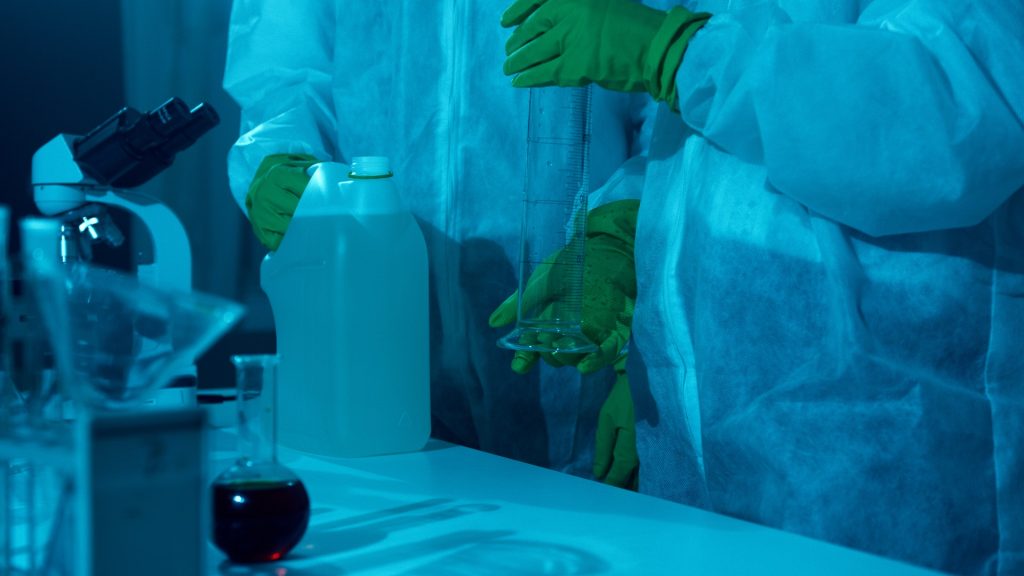
Photo by Artem Podrez from Pexels

As interest mounts in the ‘lab leak’ hypothesis for the origin of SARS-CoV-2, more scientists are starting to take it seriously, especially because of the important implications of its actual origins.

MedPage Today reported that many experts it approached for the story were hesitant to speculate on its exact implications, they agreed that further research into its origins is important to ward off future pandemics.

A natural origin’s implications

Back in 2007, scientists who were studying coronaviruses warned: “The presence of a large reservoir of SARS-CoV–like viruses in horseshoe bats… is a time bomb. The possibility of the re-emergence of SARS and other novel viruses… should not be ignored.”

On May 26 2021, in the midst of the greatest disaster the world has faced since World War II, US President Joe Biden gave US intelligence 90 days to reach a “definitive conclusion” on the origins of SARS-CoV-2.

Vincent Racaniello, PhD, professor of microbiology and immunology at Columbia University, said finding an answer is unlikely within Biden’s deadline. After all, it took 14 years to find the ancestor of the first SARS virus in wildlife.

For Prof Racaniello, this renewed concern underscores the need for better surveillance of viruses in wildlife.

“All human viruses begin in nature. There’s an overwhelming preponderance of data that shows that, so it makes sense to look in nature when we’re looking for the source of new viruses,” Prof Racaniello told MedPage Today.

As a result of human population pressure, more viruses are spilling over into humans from nature. Examples of this include Ebola, SARS-1, MERS, and bird and swine flu. Because of the evolutionary closeness of mammals and humans, they are major pathogen sources. Rodents and bats (accounting for 20% of mammals), as well as various species of birds are good places to look. However our surveillance of wildlife is spotty, so we have “very little” understanding of the viruses these types of animals harbour, and which ones could be threats to humans, Prof Racaniello warned.

“We need to do more wildlife sampling, to find out what’s out there and what’s potentially a threat,” he said. “More investment in this could have prevented the trillions of dollars that we’ve spent to take care of this pandemic.”

A lab leak’s implications

On the other hand, Richard Ebright, PhD, a molecular biologist and professor of chemistry and chemical biology at Rutgers University in New Jersey, believes the real issue lies in addressing the potential for future pandemics that could originate from lab accidents, a discussion that “needs to begin now.”

“Irrespective of whether COVID originated in a natural accident or a lab accident, the risk of a future pandemic originating in a lab accident is real,” he told MedPage Today.

Prof Ebright explained that, in the US and other countries, only voluntary biosafety guidelines exist, and these are about preventing accidental release of pathogens. While the US has legal regulations against several pathogens that could be used as biological weapons, there are no biosecurity regulations for other pathogens. In most of the world, no biosecurity regulations exist for pathogens other than smallpox, not even voluntary ones, Prof Ebright said.

In 2017, the US implemented a bio-risk policy requiring a risk-benefit analysis before federal funding can be approved for high-risk research, such as ‘gain of function’ research that could be used to increase a pathogen’s transmissibility or pathogenicity to better understand and control it, Prof Ebright said. But this bio-risk policy has been essentially ignored by federal agencies, and the other countries with bio-risk policies only apply it to smallpox.

“Discussion now, especially among policy makers and the public, needs to turn to the inadequacy of biosafety, biosecurity, and biorisk-assessment standards worldwide, and to the essentially complete absence of biosafety regulation worldwide,” he said.

The return of the lab leak hypothesis

While evidence is largely circumstantial, the basic idea is that a laboratory at the Wuhan Institute of Virology had been experimenting on a virus called RaTG13 (a coronavirus closely related to SARS-CoV-2, which infects horseshoe bats), and genetically manipulating other horseshoe bat viruses collected around China. It is thought that one of these laboratory viruses could have infected a staffer at the institute, who then transmitted it to the broader public, Dr Ebright explained.

Following the WHO’s March 30 SARS-CoV-2 origins investigation report, there was a sudden about-face and the lab leak theory began to be taken seriously. Though investigators classified a laboratory origin as “extremely unlikely”, they said the conclusion was reached on the evidence made available.

Even the Director-General of the WHO, Dr Tedros Ghebreyesus, said at the time that he did not believe the assessment of a laboratory origin was “extensive enough,” that this hypothesis “requires further investigation,” and that “this report is a very important beginning, but it is not the end.”

“At this point in time, all scientific data related to the genome sequence of SARS-CoV-2 and the epidemiology of COVID are equally consistent with a natural-accident origin or a laboratory-accident origin,” Ebright said.

While the WHO report does not propose a follow-up study for laboratory origins, it acknowledges that both “follow-up of new evidence” and “regular administrative and internal review of high-level biosafety laboratories worldwide” is needed.

Source: MedPage Today

WHO Warns of African Third Wave

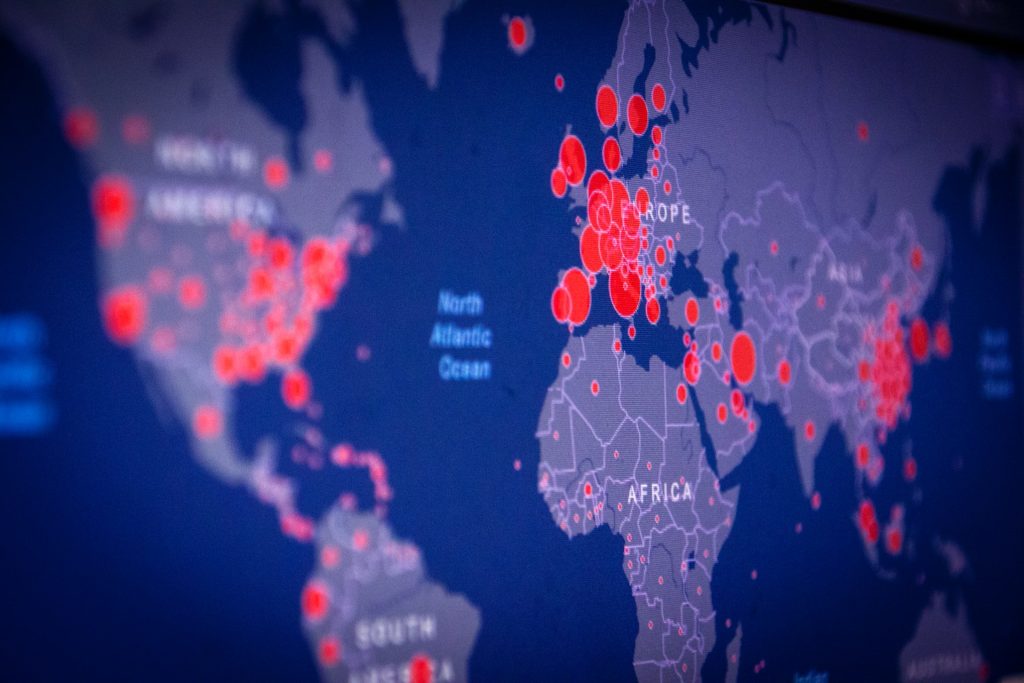
COVID cases map. Photo by Giacomo Carra on Unsplash

A surge in COVID cases in many parts of Africa could mean a continental third wave, the World Health Organization warned, posing a great threat for a continent where immunisation drives have been hamstrung by funding shortfalls and production delays for vaccine doses.

The WHO said that over the last week, test positivity had risen in 14 African countries, with eight reporting a surge of over 30% in new cases. Infections are steadily climbing in South Africa, where four of nine provinces are battling a third wave and the positivity rate was 14.2% as of Sunday. Uganda has also seen sharp increases, with hospitals overwhelmed with COVID patients and a lockdown being considered.

Weak compliance with social restrictions, increasing travel and the arrival of winter is behind the rise in cases, the WHO said. Experts also believe that new variants are also driving the numbers up.

Although Africa has reported less than 3 per cent of global coronavirus cases, the WHO said that the continent accounted for 3.7 percent of total deaths. This is likely an underestimate, given the lack of formal reporting for deaths.

“The threat of a third wave in Africa is real and rising,” said Dr Matshidiso Moeti, WHO regional director for Africa, in a statement. “It’s crucial that we swiftly get vaccines into the arms of Africans at high risk of falling seriously ill and dying of Covid-19.”

While many wealthier countries have vigorous vaccination campaigns and some are on track to fully reopen, many of Africa’s poorer countries face a huge challenge in accessing vaccines.

Out of 1.3 billion people on the continent, only 31 million have received at least one dose, Dr Moeti said, and only seven million are fully vaccinated. Just 1386 people in Kenya have received two doses of a vaccine, out of a population of 50 million.

Countries like Ghana and Rwanda have run through their first deliveries of vaccines through Covax, the global facility working to ensure the equitable distribution of vaccines.

In some countries, vaccine hesitancy has been so high that it even caused stocks of vaccines to expire. Possible contamination in Johnson & Johnson vaccine doses detected at a US manufacturing plant has resulted in yet another delay to South Africa’s immunisation programme.

Meanwhile, fake vaccines and PPE pose another problem; last November a police raid in South Africa found almost 2400 doses of fake vaccine.

The WHO warned that the surge of causes could swamp the limited capacities of healthcare systems. To stave off a full-blown crisis, Dr Moeti urged “countries that have reached a significant vaccination coverage to release doses and keep the most vulnerable Africans out of critical care.”

Only about two per cent of the population has received at least one vaccine dose, compared with the 24 per cent global figure.

“While many countries outside Africa have now vaccinated their high-priority groups and are able to even consider vaccinating their children, African countries are unable to even follow up with second doses for high-risk groups,” said Dr. Moeti. “I’m urging countries that have reached a significant vaccination coverage to release doses and keep the most vulnerable Africans out of critical care.”

Source: UN News

Cancer Patients Have a Higher Mortality Risk from COVID

Photo by Tima Miroshnichenko from Pexels

Patients hospitalised with active cancer are more likely to die from COVID than those with a cancer history or diagnosis, according to a new study.

The findings published by Wiley early online in CANCER, a peer-reviewed journal of the American Cancer Society, also indicate that the greatest risk of death due to COVID was in those with active blood cancers. No mortality risk increase was found in patients who received cancer treatments in the three months (or longer) prior to hospitalisation.

To find out how cancer, or the various therapies used to treat it, could affect the health of patients with COVID infections, a team analysed the NYU Langone Medical Center’s records of 4184 hospitalised patients who tested positive for SARS-CoV-2, the virus that causes COVID.

This group included 233 patients who had a current, or ‘active’, cancer diagnosis. They found that more patients with an active cancer diagnosis (34.3 percent) were likely to die from COVID than those with a history of cancer (27.6 percent) and those without any cancer history (20.0 percent).

Among patients with active cancer, those with blood-related cancers had the greatest risk of death. However, undergoing systemic anticancer therapy, including chemotherapy, molecularly targeted therapies, and immunotherapy, within three months prior to hospitalisation was not linked to a higher risk of death, and the investigators found there were no differences according to the type of cancer therapy being received.

Senior author Daniel Becker, said, “We completed a large chart review-based study of patients hospitalised with COVID and found that patients with active cancer, but not a history of cancer, were more likely to die. Notably, however, among those hospitalised with active cancer and COVID, recent cancer therapy was not associated with worse outcomes.”

“People with active cancer should take precautions against getting COVID, including vaccination, but need not avoid therapy for cancer.”

Source: Wiley

Tobacco Industry Linked to Disproven COVID ‘Protective Effect’ of Nicotine

Photo by Sara Kurfeß on Unsplash

An investigation by The BMJ uncovered undisclosed financial links between certain authors and the tobacco and e-cigarette industry in a number of COVID research papers, which had suggested that smokers were less likely to develop COVID. 

In April 2020, two French studies (in preprint and not yet peer reviewed) suggested that nicotine might have a protective effect against COVID, which was coined the ‘nicotine hypothesis’.

The studies were reported on widely by the media, causing fears that it could undermine decades of tobacco control. What should have been an opportunity for promoting cessation of this practice which every year kills five million people around the world.

Since then, the ‘nicotine hypothesis’ has been soundly disproved, with several studies showing that, to the contrary, smoking is associated with an increased chance of COVID related death.

Journalists Stéphane Horel and Ties Keyze investigated the circumstances of these reports. They pointed out that one of the study authors, Professor Jean-Pierre Changeux, has a history of receiving funding from the Council for Tobacco Research, whose purpose was to fund research that would cast doubt on the dangers of smoking and focus on the positive effects of nicotine.

From 1995 to 1998, documents from the tobacco industry show that Changeux’s laboratory received $220,000 (£155,000; €180,000) from the Council for Tobacco Research.

When approached by The BMJ, Changeux assured them that he has not received any funding linked “directly or indirectly with the tobacco industry” since the 1990s.

In late April 2020, Greek researcher Konstantinos Farsalinos was the first to publish the ‘nicotine hypothesis’ formally in a journal, in an editorial in Toxicology Reports.

That journal’s editor in chief, Aristidis Tsatsakis was a co-author, as was A Wallace Hayes, who in 2013 had been a member of Philip Morris International’s scientific advisory board, and had served as a paid consultant to the tobacco company.

Another co-author is Konstantinos Poulas, head of the Molecular Biology and Immunology Laboratory at the University of Patras, where Farsalinos is affiliated.

The laboratory has been receiving funding from Nobacco, the market leader in Greek e-cigarettes and the exclusive distributor of British American Tobacco’s nicotine delivery systems since 2018. However, in their published scientific articles, neither Farsalinos nor Poulas had ever declared this Nobacco funding.

Yet the journalists showed that two grants were attributed in 2018 by the Foundation for a Smoke Free World—a non-profit established by tobacco company Philip Morris International in 2017—to ‘Patras Science Park’.

The grants, which according to tax documents came close to €83 000, went to NOSMOKE, a university start-up incubator headed by Poulas, which markets an ‘organic’ vaping product.

Last month, the European Respiratory Journal retracted a paper with Poulas and Farsalinos as co-authors, after two other authors failed to disclose conflicts of interest.

The retracted article had found that “current smoking was not associated with adverse outcome” in patients admitted to hospital with COVID, and it claimed that smokers had a significantly lower risk of acquiring the virus.

The foundation has invested heavily in the COVID/nicotine hypothesis, said Horel and Keyzer.

In June 2020 it set aside €900 000 for research “to better understand the associations between smoking and/or nicotine use, and COVID-19 infection and outcome.”

Its request stated that the pandemic offered “both an opportunity and a challenge for individuals to quit smoking or transition to reduced risk nicotine products.”

They concluded that, in 2021, “amid a global lung disease pandemic, tobacco industry figures are increasingly pushing the narrative of nicotine as the solution to an addiction that they themselves created, with the aim of persuading policy makers to give them ample room to market their “smoke-free” products. This makes studies on the hypothetical virtues of nicotine most welcome indeed.”

Source: Medical Xpress

Article information: Covid 19: How harm reduction advocates and the tobacco industry capitalised on the pandemic to promote nicotine, The BMJ, DOI: 10.1136/bmj.n1303 , www.bmj.com/content/373/bmj.n1303

South Africa Moves to Level 2 Lockdown

Image by Quicknews

President Cyril Ramaphosa said on Sunday that he did not know “how long or how severe the third wave will be” as he tightened restrictions in response to rising COVID infections.

In a national address on Sunday, President Cyril Ramaphosa announced that Level 2 COVID restrictions would in place from Monday in response to rising cases, saying that he did not know “how long or how severe the third wave will be”.

The new restrictions mostly target social gatherings as well as moving the night-time curfew forward by one hour to 11pm.

No more than 100 people can attend indoor events, while the number for outside was halved to 250. However, to the relief of the liquor industry and many South Africans, no alcohol restrictions have been put in place. This demonstrates a less economically restrictive approach than the initial lockdowns, which caused the economy to shrink by 7% last year.

COVID hospitalisations increased 17% in recent days and the Free State, the Northern Cape, the North West and Gauteng are already seeing a third wave, Ramaphosa said.

A third wave is considered to be underway when the seven-day moving average of new cases exceeds 30% of the previous wave’s peak, according to the definition used by the SA Covid-19 Modelling Consortium.

“It is only a matter of time before the whole country enters a third wave … gatherings are the biggest source of transmission and we urge South Africans to social distance,” Ramaphosa said.

The daily infection rate is sharply higher than the averages of between 1000 and 1500 for most of the year. 

President Ramaphosa said cases averaged about 3700 in the past week, a 31% increase compared to the previous seven days, which he partly attributed to people’s increasing complacency over following health protocols.

“Because rates of infection have been low for some time, and because we are all suffering from pandemic fatigue, we have tended to become complacent.

“We have not been as vigilant about wearing our masks all the time, we have not been avoiding crowded places, and we have been socialising more,” the president said.

Due to the delay in infections and subsequent COVID testing, it may take several days for the new restrictions to have any noticeable impact on the daily number of new cases reported. The case positivity rate is now 11.9%, according to the most recent statistics for SA, now well above the 10% level which is considered acceptable.

Source: Business Day

French President Macron in SA for Talks on COVID

French President Emmanuel Macron arrived in South Africa today for talks with President Cyril Ramaphosa on a range of issues including possible technological assistance to aid South Africa’s response to the COVID pandemic.

On the agenda of the visit is the economic, health, research and manufacturing responses to the COVID pandemic.

Arriving from Rwanda, where he acknowledged France’s role in the 1994 genocide, Macron held talks in Pretoria with President Ramaphosa, whom he met last week in Paris at a summit on African economies.

The pair were also due to attend an event to support vaccine production on the continent, sponsored by the European Union, the United States and the World Bank. 

So far South Africa is the country worst hit by COVID on the continent as far available monitoring can determine, and has vaccinated just 1 percent of its population of 59 million people.

South Africa’s immunisation efforts have been hampered by delayed procurement, and then selling off its AstraZeneca vaccines obtained via Covax to other African countries after trial results showed drastically reduced effectiveness against the local B.1.351 variant. Rollout of the replacement Johnson & Johnson vaccine was paused for two weeks in April due to blood clot fears.

Now, along with India, South Africa is campaigning for a waiver of intellectual property rights on COVID vaccines, so that each country may produce its own doses. This effort has met with stiff resistance so far.

Macron has voiced support for a technology transfer to enable vaccine production sites to be set up in poorer countries.

Visit long delayed

Macron’s visit to South Africa has been long delayed due to the COVID pandemic.
The initial purpose for the trip had been to discuss multilateral cooperation with South Africa, an important G20 partner which is also a regular guest at G7 summits.

According to Foreign Policy, the French leader will also seek to establish greater influence in a region that is experiencing greater instability, marked by recent insurgencies in Mozambique.   

Jihadist attacks forced French energy giant Total to suspend work on a multi-billion euro gas project in Cabo Delgado province after a nearby town was targeted.

Before he returns to France, he will pay a visit to the Nelson Mandela Foundation, whose main missions are the fight against AIDS and education in rural areas.

Source: RFI

President Biden Orders Deeper Probe into COVID Origins

Photo by Giacomo Carra on Unsplash


US President Joe Biden has ordered intelligence officials to “redouble” their efforts in investigating the origins of COVID, as well as the theory that it was a ‘lab leak’ in China.

This comes days after details of a US intelligence report emerged in the Wall Street Journal, claiming that three doctors working at the Wuhan Institute of Virology had fallen ill with COVID-like symptoms in November 2019 – about when epidemiologists believe SARS-CoV-2 first began circulating in humans. 

Mr Biden said the US intelligence community was divided on whether it was the result of a lab accident, or from jumping from human to animal. Mr Biden asked the groups to report back to him within 90 days.

China’s embassy in the US made a warning statement posted on its website, without mentioning the president’s remarks. “Smear campaigns and blame shifting are making a comeback, and the conspiracy theory of ‘lab leak’ is resurfacing.
“To politicise origin tracing, a matter of science, will not only make it hard to find the origin of the virus, but give free rein to the ‘political virus’ and seriously hamper international cooperation on the pandemic,” it said.

Authorities linked early COVID cases to a seafood market in Wuhan, leading scientists to theorise the virus first passed to humans from animals.

Why now?

In a White House statement released on Wednesday, President Biden said he had asked for a report on the origins of COVID after taking office, “including whether it emerged from human contact with an infected animal or from a laboratory accident”. He asked for “additional follow-up” on receiving the report.

Mr Biden said most of the intelligence community had “coalesced” around those two scenarios, but “do not believe there is sufficient information to assess one to be more likely than the other”.

The president has now asked agencies to “redouble their efforts to collect and analyse information that could bring us closer to a definitive conclusion”, and report to him within 90 days.

He concluded by saying the US would “keep working with like-minded partners around the world to press China to participate in a full, transparent, evidence-based international investigation and to provide access to all relevant data and evidence”.

Beijing meanwhile has previously suggested a possible US lab origin for COVID. The Chinese embassy said it supported a full investigation into “some secretive bases and biological laboratories all over the world”.

Mr Biden’s statement coincided with a CNN report that the president’s administration earlier this year shut down a state department investigation into a possible lab leak origin.

The ‘lab leak’ theory

When they first arose last year, the laboratory leak allegations were widely dismissed as a fringe conspiracy theory, with many US media outlets describing the claims as debunked or false after then-President Donald Trump said COVID had originated from the Wuhan Institute of Virology.

Two months ago, the World Health Organization (WHO) issued a joint report with Chinese scientists on COVIDs origins, rating the likelihood of an accidental lab release as “extremely unlikely”. However the WHO Director-General Tedros Adhanom Ghebreyesus said that he was not satisfied that the investigation had looked at this possibility enough to rate. The investigation only stirred up more interest in the ‘lab leak’ theory, with 18 scientists signing an open letter calling for more investigation before it could be ruled out.

There is little evidence for the ‘lab leak’ theory in the public domain however, and intelligence reports such as the one the Wall Street Journal based its story on are often of unproven provenance. 

Chief White House medical adviser Anthony Fauci still believes that COVID jumped from animals to humans, though this month he admitted he was no longer confident COVID had developed naturally.
Mounting pressure

Mr Biden’s statement comes the day after Xavier Becerra, US secretary for health and human services, urged the WHO to ensure a “transparent” investigation into the virus’s origins.

“Phase 2 of the Covid origins study must be launched with terms of reference that are transparent, science-based and give international experts the independence to fully assess the source of the virus and the early days of the outbreak,” Mr Becerra said.

On Tuesday, Mr Trump sought to take credit in an emailed statement to the New York Post, saying: “To me it was obvious from the beginning but I was badly criticised, as usual. Now they are all saying: ‘He was right.'”

Source: BBC News

COVID Sniffer Dogs Have a 94% Sensitivity, Study Shows

Image by Foto-Rabe from Pixabay

Quickly and efficiently screening incoming travellers for COVID is currently beyond present technology, but dogs — with their keen sense of smell that has aided humans for thousands of years — may be a solution.

An Ekurhuleni-based company is in the final stages of training dogs to be deployed as COVID sniffers at South African points of entry, just in time for the expected third wave, eNCA reports.

Currently, the most widespread test is the rapid antigen (lateral flow) test, which has been shown to produce more false positives for COVID than real detections in low prevalence situations — such as travellers arriving in a country.

Alternatively, the polymerase chain reaction (PCR) test has the greatest sensitivity but is time-consuming and expensive. And most currently available tests involve nasopharyngeal swabs — an unpleasant experience for most people. 

Dogs, with their keen sense of smell have long been used to sniff out drugs and explosives. In recent years they have also been trained to sniff out certain cancers and malaria, although they are not regularly used for this.
Using medical sniffer dogs has the advantage of being extremely quick and could be used in resource-constrained settings.

In the first months of the pandemic, many wondered whether dogs could in fact smell the disease, and began training dogs to see if it was possible. 
Past studies had already established that the volatile organic compounds (VOCs) released in body odour change during respiratory infections. VOCs associated with COVID infection showed a clear distinction between infected and uninfected individuals, suggestive of a strong, distinctive smell.

Initial trials with trained sniffer dogs at airports in France, Lebanon and FInland found that the dogs were even capable of detecting infection before it could be picked up with clinical tests.

A recent study led by the London School of Hygiene & Tropical Medicine (LSHTM) estimated that a plane with 300 passengers could be screened in 30 minutes with two sniffer dogs, and only those passengers identified by the dogs would be required to take a PCR test.

The study, which is not yet peer-reviewed and which is currently available as a pre-print, found that dogs could be trained to detect COVID in 94.3% (test sensitivity) — comparable to the gold standard of PCR tests with 97.2% sensitivity. They also have a specificity of 92%, meaning that they have a low rate of false positives.

Dr Claire Guest, Chief Scientific Officer at Medical Detection Dogs, which assisted in the study, said: “These fantastic results are further evidence that dogs are one of the most reliable biosensors for detecting the odour of human disease. Our robust study shows the huge potential for dogs to help in the fight against COVID.

“Knowing that we can harness the amazing power of a dog’s nose to detect COVID quickly and non-invasively gives us hope for a return to a more normal way of life through safer travel and access to public places, so that we can again socialise with family and friends.”

Besides simple detection, the dogs could also serve as a visible deterrent to people wanting to travel with fake COVID passports, the authors said.
The findings of their study also provided valuable knowledge which could be applied to future pandemics.
The authors acknowledged the limitation that the dogs were conducting the tests in a controlled environment as opposed to the real world.

Primary source: London School of Hygiene & Tropical Medicine

Secondary source: eNCA

Journal information: Pre-print available online

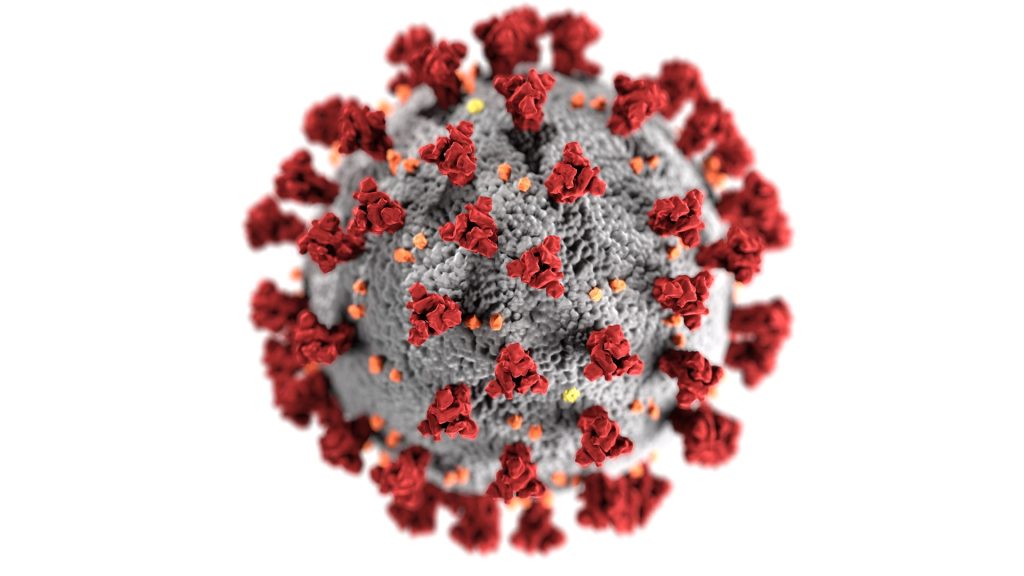
Little Traitors: Infection-Enhancing Antibodies in Severe COVID

Osaka University researchers have discovered that infection with SARS-CoV-2 results in not only the production of neutralising antibodies that prevent infection, but also of infection-enhancing antibodies.

Both neutralising antibodies that protect against infection as well as infection-enhancing antibodies that increase infectivity are produced after infection with SARS-CoV-2 by analysing antibodies from COVID patients.

Virus-specific antibodies generally are considered antiviral, playing an important role in the control of virus infections. In some cases however, the presence of specific antibodies can benefit the virus. This activity is known as antibody-dependent enhancement of virus infection, a phenomenon in which virus-specific antibodies enhance the entry of virus, and in some cases the replication of virus, into monocytes/macrophages and granulocytic cells through interaction with Fc and/or complement receptors. 

In COVID infections, antibodies that target the receptor binding site (RBD) of the SARS-CoV-2 spike protein play an important function as neutralising antibodies that suppress SARS-CoV-2 infection by preventing it from binding to the human receptor, ACE2. However, the function of antibodies against other sites of the spike protein was not known.

“We found that when infection-enhancing antibodies bind to a specific site on the spike protein of SARS-CoV-2, the antibodies directly cause a conformational change in the spike protein, resulting in the increased infectivity of SARS-CoV-2. Neutralising antibodies recognise the RBD, whereas infection-enhancing antibodies recognise specific sites of the N-terminal domain (NTD),” explained lead researcher Professor Hisashi Arase. “Furthermore, the production of infection-enhancing antibodies attenuated the ability of neutralising antibodies to prevent infection.”

The study found that patients with severe COVID produced more infection-enhancing antibodies. Non-infected individuals were also found to possibly have small amounts of infection-enhancing antibodies.

Though infection-enhancing antibodies may be involved in the development of severe disease, further research is necessary to determine whether they are in fact involved in the worsening of infection in the body.

A possible benefit would be that by analysing the antibody titer of infection-enhancing antibodies, it would be possible to see who would be prone to severe COVID. The findings are also important for the development of vaccines that do not induce the production of infection-enhancing antibodies.

“It is important to analyse not only neutralising antibodies but also infection-enhancing antibodies. In the future, it may be necessary to develop vaccines that do not induce the production of infection-enhancing antibodies, because infection-enhancing antibodies may be more effective against mutant strains in which neutralising antibodies are not sufficiently effective,” says Professor Hisashi Arase.

Source: Osaka University

Journal information: Yafei Liu et al, An infectivity-enhancing site on the SARS-CoV-2 spike protein targeted by antibodies, Cell (2021). DOI: 10.1016/j.cell.2021.05.032