In response to the third wave driven by the delta variant, President Cyril Ramaphosa instituted a two-week Level 4 lockdown during a ‘family meeting’ address to the nation.
He warned that the healthcare system was facing a dire situation. “Our health facilities are stretched to the limit… ICU beds are in short supply,” he said.
In a press briefing on Friday, the head of the World Health Organization said the COVID Delta variant, first seen in India, is “the most transmissible of the variants identified so far,” and warned it is now spreading in at least 85 countries.
“We are in the exponential phase of the pandemic with the numbers just growing very, very, extremely fast and (they) will keep growing in the next weeks,” said Tulio de Oliveira, a leading virologist in the country.
The Delta variant first seen in India now appears to be “dominating infections in South Africa,” de Oliveira of the Network for Genomic Surveillance in South Africa told a virtual briefing.
The Delta variant has emerged as dominant in South Africa. Source: Department of Science & Technology
Koleka Mlisana, the head of a government ministerial advisory committee on COVID, told the same briefing that there is “evidence that the Delta variant may actually be taking over”.
Acting Minister of Health, Mmamoloko Kubayi-Ngubane said that due to the prevalence of the Delta variant, infection numbers “are likely to surpass the second wave peak” in January.
Only about 2.4 million people have been immunised since February. Thousands of EFF activists rallied in Pretoria on Friday to demand a faster coronavirus vaccination rollout, including expedited approvals for the Sinovac vaccine from China and Russia’s Sputnik V.
SARS-CoV-2 viruses emerging from a human cell. Credit: NIAID
Australian researchers studying SARS-CoV-2 have discovered that the virus is most ideally adapted to infect human cells — instead of bat or pangolin cells, prompting renewed questions about its origin.
The scientists, from Flinders University and La Trobe University, described how they used high-performance computer modelling of SARS-CoV-2’s structure at the beginning of the pandemic to predict its ability to infect humans and a range of 12 domestic and exotic animals.
They were hoping to identify an intermediate animal vector that may have played a role in transmitting a bat virus to humans, and to understand any risk posed by the susceptibilities of pets and livestock.
Using genomic data from 12 animal species, the researchers painstakingly built computer models of the key ACE2 protein receptors for each species. These models were then used to calculate how strongly the SARS-CoV-2 spike protein bound to each species’ ACE2 receptor.
Surprisingly, the results showed that SARS-CoV-2 bound to ACE2 on human cells more tightly than any of the tested animal species, including bats and pangolins. If one of the animal species tested was the origin, it would normally be expected to show the highest binding to the virus.
“Humans showed the strongest spike binding, consistent with the high susceptibility to the virus, but very surprising if an animal was the initial source of the infection in humans,” said Professor David Winkler at La Trobe University.
The findings, originally released on the ArXiv preprint server, have now been peer reviewed and published in Scientific Reports.
“The computer modelling found the virus’s ability to bind to the bat ACE2 protein was poor relative to its ability to bind human cells. This argues against the virus being transmitted directly from bats to humans. Hence, if the virus has a natural source, it could only have come to humans via an intermediary species which has yet to be found,” says Flinders affiliated Professor Nikolai Petrovsky.
The team’s computer modelling also showed fairly strong binding of SARS-CoV-2 to ACE2 from pangolins, which are occasionally used as food or in traditional medicines. Professor Winkler noted that pangolins displayed the highest spike binding energy of all the animals in the study – significantly higher than bats, monkeys and snakes.
“While it was incorrectly suggested early in the pandemic by some scientists that they had found SARS-CoV-2 in pangolins, this was due to a misunderstanding and this claim was rapidly retracted as the pangolin coronavirus they described had less than 90% genetic similarity to SARS-CoV-2 and hence could not be its ancestor,” Prof Petrovsky said.
Similarity in spike proteins
As shown in this and other studies, the specific part of the pangolin coronavirus spike protein that binds to ACE2 was almost identical to its SARS-CoV-2 counterpart.
“This sharing of the almost identical spike protein almost certainly explains why SARS-CoV-2 binds so well to pangolin ACE2. Pangolin and SARS-CoV-2 spike proteins may have evolved similarities through a process of convergent evolution, genetic recombination between viruses, or through genetic engineering, with no current way to distinguish between these possibilities,” Prof Petrovsky said.
“Overall, putting aside the intriguing pangolin ACE2 results, our study showed that the COVID-19 virus was very well adapted to infect humans.”
“We also deduced that some domesticated animals like cats, dogs and cows are likely to be susceptible to SARS-CoV-2 infection too,” Prof Winkler added.
The question of how the virus came to infect humans currently has two main explanations. The virus may have jumped to humans from bats through an intermediary animal which remains to be identified. The other explanation making headlines in the media is an accidental release from a virology lab, where it perhaps was created in ‘gain of function‘ tests, which are carried out around the world to better understand pathogens. A number of organisations and governments, including the World Health Organization and the United States have urged further investigation to find out which of these is correct — though a definitive answer may take years. How and where the SARS-CoV-2 virus adapted to become such an effective human pathogen remains a mystery, the researchers concluded, adding that finding the origins of the disease will help efforts to protect humanity against future coronavirus pandemics.
Journal information: Sakshi Piplani et al, In silico comparison of SARS-CoV-2 spike protein-ACE2 binding affinities across species and implications for virus origin, Scientific Reports (2021). DOI: 10.1038/s41598-021-92388-5
President Cyril Ramaphosa is expected to meet with the National Coronavirus Command Council (NCCC) to discuss the government’s response to the third COVID wave, which includes the possibility of new restrictions.
Several bodies have strongly urged upgrading to a harder lockdown, including the South African Medical Association, the Gauteng Provincial Government, medical professionals, and now the Ministerial Advisory Committee on Covid-19.
Earlier this week Ramaphosa indicated that the government will have to increase its COVID containmant measure – especially in Gauteng province. He noted that the country’s first hard lockdown in March 2020, one of the strictest in the world, did help cut infection rates at the start of the pandemic.
South Africa recorded 17 493 new cases, a new daily high for the third wave, of which 10 806 were in Gauteng. Case positivity rate increased to 24.92%. A report released on Wednesday by the South African Medical Research Council showed that 1349 excess deaths in Gauteng for the week ending 13 June, of which 431 were due to COVID/
Warnings and failure to act
In an interview with The Money Show with Bruce Whitfield this Monday, Netcare CEO Richard Friedland had warned that the numbers of Covid-19 patients “are overwhelming facilities at the moment”.
Since Wednesday last week, Gauteng’s hospitals had been battling with a “mass casualty situation” , not unlike the aftermath of a train accident, or the collapse of a sports stadium, with “injuries on a massive scale”. But, with COVID, he said, the crisis is not over in a couple of hours, but remains ongoing.
With no evidence of a peak in case numbers, Friedland said that, “I’m afraid that these numbers are demonstrating that [without] a Level 5 lockdown in Gauteng, we may not see the end of this surge for some time.”
Professor Koleka Mlisana, co-chairperson of the Ministerial Advisory Committee on Covid-19, says that tighter restrictions are likely needed to help curb infections.
Prof Mlisana said that the other major crisis is making sure that there are sufficient hospital beds in Gauteng. This includes additional facilities, staffing members and beds to ensure the system is not overwhelmed, she said.
Prof Mlisana said that this was down to a lack of preparation by the government, despite warnings from the advisory committees.
The WHO has urged that as air travel is restored, vaccinations should not be a prerequisite for travellers, potentially locking out those in poorer regions, especially Africa.
In a virtual press briefing on Thursday, Dr Matshidiso Moeti, World Health Organization Regional Director for Africa said that the WHO believes that schemes to remove quarantine and entry restrictions for travellers that have been vaccinated, are discriminatory and could deepen already existing inequalities even further.
Meanwhile, she warned that Africa’s third wave, already underway in 12 countries, with cases rising in another 14, threatens to be the worst yet with 5.3 million cases across the continent. It is projected that in three weeks the third wave will surpass the previous wave’s peak.
Public fatigue and new variants are driving this surge across Africa, with Delta the variant detected in 14 countries. She stated that Africa can “blunt this third wave” but “the window of opportunity is closing”.
The WHO aims to strengthen variant surveillance in Africa by reinforcing the regional laboratory hub have a 8 to 10 fold increase in next 6 months for genome sequencing
Though vaccination rates remain low in Africa, there is nevertheless a great demand for vaccines, with 18 countries having used over 80% of the vaccines received through COVAX. Fortunately only mild side effects from the vaccines have been seen in African communities, she said.
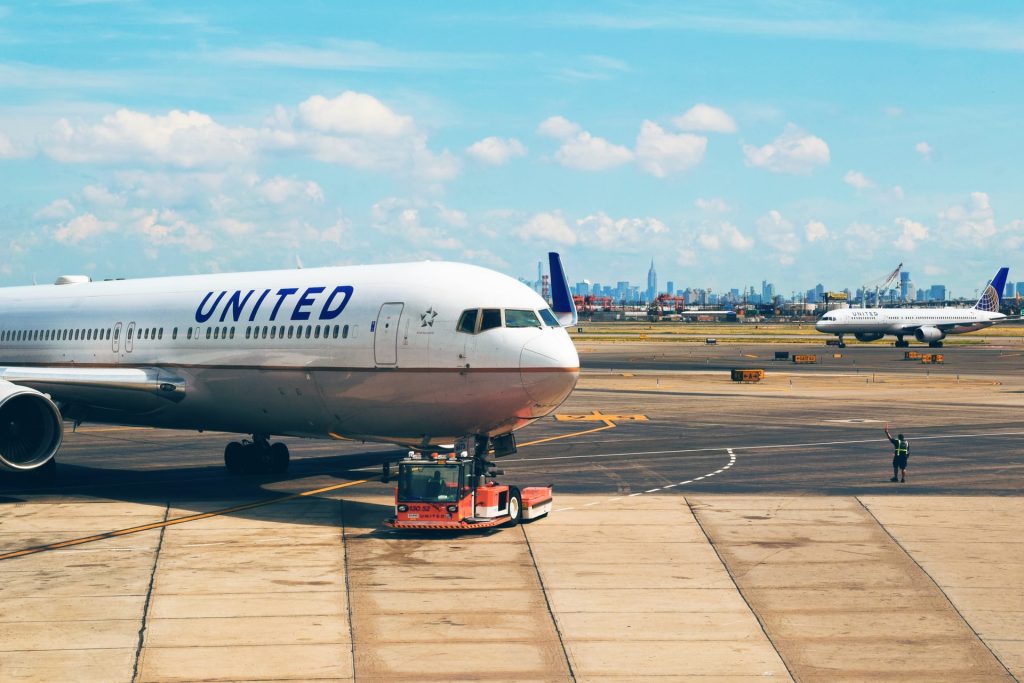
Mr Kamil Alawadi, Regional Vice President for Africa and Middle East, International Air Transport Association (IATA) said that inconsistent requirements added additional complications in travel, increasing cost for the passenger and the airline. For travellers, PCR testing can range from $100 up to $400 for a single, one direction trip.
The key requirement for the recovery of the airline industry is the lifting of restrictions, said Alwadi, citing a survey that showed that 84% of passengers will not fly if there were quarantines in place. However, demand still existed for air travel, as evidenced by travel bookings spiking as soon as governments relaxed their border restrictions.
Alawadi said that the IATA agreed with the WHO that only lifting quarantine requirements for vaccine individuals was inequitable, and that “a robust and flexible testing system” was needed in place of quarantine, using systematic testing at the point of departure such as rapid antigen tests which are cheaper, faster and more accessible.
Graphic from Skyscanner.net showing countries with major travel restrictions from South Africa (red, 83 countries), moderate (orange, 29) and low restrictions (green, 42)
The situation was urgent for the African aviation industry as it had lost USD7.8 billion in 2020, with eight airlines filing for bankruptcy, he noted. This was against a background of USD430 billion global loss for the industry, though he noted that some countries are seeing a rebound to 2019 numbers for domestic travel. However, it is projected that losses will only stop by 2023 and return to profit by 2024.
The IATA has developed protocols in concert with the International Civil Aviation Organization (ICAO) and WHO that will be non-discriminatory not require vaccinations, said Alwadi. However the aviation industry is sinking very rapidly without governmental support.
South Korean researchers have found that certain common gut bacteria produce compounds that inhibit SARS-CoV-2.
The research was presented on June 20 at World Microbe Forum, an online meeting of the American Society for Microbiology (ASM), the Federation of European Microbiological Societies (FEMS), and several other societies that taking place online June 20-24.
Previous clinical findings had shown that some patients with moderate to severe COVID experience gastrointestinal symptoms, while others show signs of infection in the lungs only.
“We wondered whether gut resident bacteria could protect the intestine from invasion of the virus,” said Mohammed Ali, a PhD student in Medicine at Yonsei University in South Korea.
To investigate this hypothesis, the researchers screened dominant bacteria inhabiting the gut for activity against SARS-CoV-2. Their efforts revealed that Bifidobacteria, already shown to suppress other bacteria such as H. pylori and have proven active against irritable bowel syndrome, had such activity, said Ali. Bifidobacteria are common in the guts of breast fed infants, which is partly driven by the bifidogenic activities of specific mother milk-derived oligosaccharides
The researchers also searched for potential illness-fighting compounds in databases containing microbially produced molecules, and discovered some that might also be useful against SARS-CoV-2. “To train our model we leveraged previous coronavirus datasets in which several compounds were tested against targets from coronaviruses,” explained Ali. “This approach seems to be significant as those targets share features in common with SARS-CoV-2.”
Ali emphasised the ecological nature of his approach to this work, pointing out that numerous existing antibiotics and cancer therapies are themselves compounds that bacteria use to compete with each other within the gastrointestinal tract, and that these were initially purified from microbial secretions.
“Finding microbes that secrete anti-coronavirus molecules will be a promising method to develop natural or engineered probiotics to expand our therapeutics prevention techniques, to provide a more sustainable way to combat the viral infection,” said Ali.
Brazil’s COVID deaths passed 500 000 in Brazil, days after the US reported passing 600 000 deaths. Experts warn of a worsening outbreak amid slow vaccination and the onset of winter.
President Jair Bolsonaro refuses to back measures like social distancing even as the virus continues to take its toll. With only 11% of adults vaccinated, Brazil’s health institute Fiocruz says the situation is “critical”.
Heavy criticism has been directed at President Bolsonaro for not implementing a co-ordinated national response and for his vaccine scepticism, lockdowns and mask-wearing requirements, which he has sought to loosen.
The country has reported, on average, 70 000 cases and 2 000 deaths daily in the past week. Most new cases were among those aged 20-59, Fiocruz said, warning that the start of winter in the southern hemisphere this week could result in more infections.
Yet governors and mayors have already relaxed nonpharmaceutical interventions. Restaurants, bars and shops have reopened in many cities, while many people in the streets are not wearing face masks or following social distancing.
“People in Brazil are tired and they normalise death now,” Dr Natalia Pasternak Taschner, a microbiologist at the Question of Science Institute, told the BBC, adding that they have a long way to go.
“If we’re not successful in changing the behaviour of people and if we don’t have campaigns for mask wearing, social distancing and vaccinations coming directly from the central government we’re not going to be able to control it.”
On Saturday, protests against President Bolsonaro were held in cities across the country, with demonstrators accusing him of delaying the purchase of vaccines yet prioritising unproven treatments, such as hydroxychloroquine.
More transmissible variants of the virus have driven Brazil’s outbreak, including the one first identified in the Amazon region which is now known as Gamma. Occupancy rate for intensive care unit beds remains at or above 80% in most states, while cities struggle with vaccine supplies.
Faced with a crumbling healthcare system without the relief of lockdowns, a ‘Covid Kit‘ of ivermectin and azithromycin has been touted by the government, and which is widely prescribed. Ironically, its creator, a doctor in Mato Grosso state, died of COVID last September. In a country notorious for its excessive pill-taking, doctors are finding it difficult to recruit people into trials who have not taken ivermectin.
The Brazilian Senate is looking into President Bolsonaro’s handling of the pandemic. The opposition is accusing him of delaying vaccine orders for political reasons, as he has consistently downplayed the pandemic’s severity.
But President Bolsonaro maintains he has done all he can to buy vaccines from several countries, and insists the impacts of a lockdown would be worse than the pandemic.
The president has not commented on the 500 000 deaths although on Twitter, Health Minister Marcelo Queiroga expressed solidarity with relatives of those who had died.
Researchers at the University of Texas Medical Branch have discovered SARS-CoV-2 in the testes of infected hamsters, findings which may explain certain COVID symptoms reported in men.
Clinicians are finding that COVID affects more than just the lungs; some patients have reported testicular pain and some reports have shown decreases in testosterone. Autopsies have also shown evidence of significant disruption of the testes at the cellular level, severe in some cases, and presence of immune cells. Since SARS-CoV-2 has an affinity for ACE-2 receptors, and ACE-2 receptor expression is high in the testes, this could explain why this tissue becomes an infection target for COVID.
“Given the magnitude of the COVID pandemic, it is critical to investigate how this disease can impact the testes, and the potential consequences for disease severity, reproductive health and sexual transmission,” said Dr Rafael Kroon Campos, the study’s lead author and postdoctoral fellow in the laboratory of Dr Shannan Rossi at UTMB.
For a number of years, the Rossi lab had been studying Zika virus infection in the testes and wondered if SARS-CoV-2 could cause a similar disease. Hamsters are common models for COVID since they develop similar signs of disease to humans. Virus was detected in the testes of all infected hamsters during the first week but tapered off. The authors think this may represent what could occur in men with mild to moderate COVID disease.
“These findings are the first step in understanding how COVID impacts the male genital tract and potentially men’s reproductive health,” said Rossi, an associate professor in the Departments of Pathology and Microbiology & Immunology. “We have much more to do before we have the full picture. Moving forward, we will investigate ways to blunt this impact, including using antivirals, antibody therapies and vaccines.”
Future research could also include conditions associated with severe COVID, such as pre-existing conditions like obesity and diabetes and SARS-CoV-2 variants of concern, the study authors said.
There might be an unexpected benefit to the rhinovirus, or the most frequent cause of the common cold — protection against COVID, according to a study at Yale University.
Around 200 viruses cause the common cold, of which rhinovirus is the most common. Researchers found that the rhinovirus kick-starts interferon-stimulated gene activity. Within airway tissues infected with the rhinovirus, this also can halt replication of the SARS-CoV-2 virus.
Setting off these defences early in the course of COVID infection might prevent or treat the infection, said Ellen Foxman, assistant professor of laboratory medicine and immunobiology at the Yale School of Medicine and senior author of the study. One method is treating patients with interferons, an immune system protein which is also available as a drug.
“But it all depends upon the timing,” Prof Foxman clarified.
In later stages of COVID, high interferon levels correlate with worse disease and may fuel overactive immune responses, according to previous research. But recent genetic studies show that interferon-stimulated genes may actually also be protective in cases of COVID infection.
Prof Foxman’s lab wanted to study this defence system early in the course of COVID infection.
Earlier studies by the lab had shown that common cold viruses may protect against influenza, so they decided to find out whether rhinoviruses would have the same beneficial impact against the COVID virus. The researchers infected lab-grown human airway tissue with SARS-CoV-2 and found that for the first three days, viral load in the tissue doubled about every six hours. However, replication of the coronavirus was completely halted in tissue which had been exposed to rhinovirus. When antiviral defences were blocked, the SARS-CoV-2 could replicate in airway tissue previously exposed to rhinovirus.
The same defences slowed down SARS-CoV-2 infection even without rhinovirus, but only with a low infectious dose, suggesting that the viral load at the time of exposure affects whether the body can effectively fight the infection.
The researchers also studied nasal swab samples from patients diagnosed close to the start of infection. They found evidence of rapid growth of SARS-CoV-2 in the first few days of infection, followed by activation of the body’s defenses. According to their findings, the virus typically increased rapidly for the first few days of infection, before host defenses kicked in, doubling about every six hours; in some patients the virus grew even faster.
“There appears to be a viral sweet spot at the beginning of COVID, during which the virus replicates exponentially before it triggers a strong defence response,” Foxman said.
Interferon treatment is promising but could be tricky, she said, because it would be mostly effective in the days immediately after infection, when many people are asymptomatic. In theory, interferon treatment could be used prophylactically in people at high risk who have been in close contact with others diagnosed with COVID. Interferon is being trialled in COVID, and there appears to be a benefit when given early, but not late.
The study helps explain why influenza infections are lowered at times of the year when the common cold is prevalent, Prof Foxman said. The easing of social distancing measures could cause the common cold and flu viruses, which have been suppressed, to spring back with greater force. Respiratory viruses interference with each other could be a mitigating factor, creating an ‘upper limit’ on the degree to which respiratory viruses circulate together, she said.
“There are hidden interactions between viruses that we don’t quite understand, and these findings are a piece of the puzzle we are just now looking at,” Prof Foxman said.
Journal information: Cheemarla, N.R., et al. (2021) Dynamic innate immune response determines susceptibility to SARS-CoV-2 infection and early replication kinetics. Journal of Experimental Medicine.doi.org/10.1084/jem.20210583.
As COVID cases continue to rise virtually unabated by the move to Level 2 lockdown, there are reportedly discussions at the National Coronavirus Command Council to tighten the lockdown restrictions.
The Gauteng government wants the province to have tighter lockdown restrictions, as it is host to about half of daily new infections of COVID in the country. Despite the high infection rate in the province, many in Gauteng are against tougher restrictions, such as the Gauteng Education Department and South African Council of Churches. Acting Health Minister Mmamoloko Kubayi-Ngubane says that she will speak to the National Coronavirus Command Council about the issue.
The province’s premier David Makhura said the province is asking for increased measures. “Level 2 as we know it currently is not having a sufficient impact,” he said. “People are going on as if we are really not in the middle of a raging pandemic.”
With Charlotte Maxeke Academic Hospital being indefinitely closed, the pressure is mounting on both public and private facilities which running out of ICU beds.
“So, we talk to the private hospitals almost on a daily basis, and they do indicate to us that they are running almost at about 80% of their capacity for ICU. In the public hospitals, we are also running at about 70%,” said Thabo Masebe, communications head of the Gauteng government.
He confirmed that the province was looking for tougher restrictions to curb new infections.
“That’s what the premier had said. He will be raising that with national government to see what added restrictions could be made to help slow down the rate of infections in the province,” Masebe said.
A sharp drop in heart attacks in Finland last year seems to be a result of the COVID pandemic, doctors believe.
Cardiologist Mika Laine noticed a roughly 30 per cent reduction in the number of patients suffering myocardial infarction at Helsinki University Central Hospital in April and May 2020. But what was even more surprising was that this was not an isolated occurrence.
“When we started to study this further, we noticed that exactly the same phenomenon happened everywhere else in Finland and also in other countries in Europe and in the United States. So it was a kind of global phenomenon that happened during the COVID pandemic,” he told Euronews.
What was behind the drop?
Dr Laine is of the opinion that the fall in heart attack patient numbers results from changes made in response to the COVID outbreak.
“We have the exact same genes that we had a year ago, two years ago. So it has to be something in the environment that has changed,” he said. One major factor could be the massive global shift to remote working for many people, as a result of the lockdowns.
“People are at home, they are less stressed because they don’t need to go through morning traffic, hurry to work and so forth,” Dr Laine added.
EU Science Hub data shows that even before the pandemic, Finns worked remotely more than almost any other EU country. Last May, EU labour research body Eurofound revealed that Finnish workers made the fastest switch to teleworking in the EU, with nearly 60 per cent switching over.
“We also see this decrease in those people who are retired, who don’t go to work, so it cannot be just because you’re commuting,” said Dr Laine. He however cautioned that there could be other factors behind the fall in heart attack patients.
Was there a real fall in heart attacks in 2020?
“We know that many people stopped smoking because smoking was associated with severe COVID mortality,” he said.
Better air quality in urban areas as a result of the lockdown could be another cause, Laine said, since airborne particles are known to be a risk factor for heart disease.
However not all are convinced that the pandemic had a positive impact on patients with all types of heart conditions.
Research published in the Journal of the American College of Cardiology in January found that, during the early phase of the pandemic, deaths due to ischaemic heart disease and hypertensive diseases increased in some parts of the US. Some patients may have died as a result of avoiding hospital visits due to infection fears, the researchers noted.
A temporary or permanent effect?
With Finland, however,Dr Laine believes that was not the case.
“We haven’t seen any increase in mortality in cardiac diseases and so currently we think that it’s a true decrease in the number of cases and not because patients are not seeking help,” he said. “People were not dying at home to myocardial infarction”.
According to Dr Laine, the number of heart attack patients in Finland remains about 5 per cent lower than average, despite the easing of COVID restrictions.
“I think this is a typical example that environmental factors can have profound effects on myocardial infarction. And I think it’s motivating us to change our lifestyle healthier,” Dr Laine said.