Tag: clinical trials

Funding Secured for Massive TB Vaccine Trial

Tuberculosis bacteria. Credit: CDC

By Marcus Low for Spotlight

A massive and much-anticipated phase 3 trial of an experimental tuberculosis (TB) vaccine is set to proceed after funding for it has been secured from two large philanthropies. Wellcome and the Bill & Melinda Gates Foundation (BMGF) Wednesday announced they’d be investing a combined $550 million into the trial – around $150 million from Wellcome and the remaining from the Bill & Melinda Gates Medical Research Institute, a nonprofit subsidiary of the BMGF.

The vaccine, called M72/AS01E or just M72, made headlines in September 2018 when it was found to offer 54% protection against pulmonary TB disease in a phase 2B trial. That trial, of around 3 300 people, was conducted in South Africa, Zambia, and Kenya. Final results from that study were published in the New England Journal of Medicine in 2019 – efficacy in these final results was down to around 50%.

Medicines and vaccines are typically only brought to market once safety and efficacy have been confirmed in a large phase 3 trial. In this case, the phase 3 trial is set to have around eight times as many participants as the phase 2B trial.

26 000 study participants

“Conducted in collaboration with an international consortium of TB clinical investigators, the trial will enrol approximately 26 000 people, including people living with HIV and without TB infection, at more than 50 trial sites in Africa and Southeast Asia,” Wellcome and BMGF said in a statement announcing the trial.

They said the trial will “assess the candidate vaccine’s efficacy at preventing progression from latent TB infection to pulmonary TB”. In an online media conference on Wednesday Trevor Mundel, President for Global Health at BMGF, clarified that while most study participants will be people with latent TB infection, 4 000 people without TB infection would also be recruited. This is because establishing evidence of the vaccine’s safety in people without latent TB infection will be important if the vaccine is to be rolled out in areas with high background rates of TB without first having to test everyone for latent infection. “You’d want to be comfortable with vaccinating everyone in the community,” he said, “So we need to have that safety data in the uninfected as well in order to be able to have that usage, which will be the easiest way to use the vaccine at the end of the day.”

Mundel said that the study is scheduled to start early in 2024 and that it is expected to last for four to six years. Exactly how long the study will take will depend largely on how long it takes for 150 study participants to develop active TB – the number required for the study to have sufficient statistical power. By comparison, recruitment for the phase 2B trial started in 2014 and the first findings from that study were published in 2018.

According to the statement, additional details about the trial design and participants will be announced in the coming months.

Given that the phase 2B trial was partially conducted in South Africa and the country has substantial TB clinical trial capacity, it is almost certain that some of the 50 trial sites will be in South Africa – although know specific trial sites have yet been announced.

As pointed out in the statement, the only TB vaccine in use today, bacille Calmette-Guerin (BCG), was first given to people in 1921. It helps protect babies and young children against severe systemic forms of TB but offers limited protection against pulmonary TB among adolescents and adults. If the findings from the phase 3 trial of M72 are positive, m72 will become the first new TB vaccine in over a hundred years to be proven safe and effective.

According to the most recent figures from the World Health Organization (WHO), around 304 000 people fell ill with TB in South Africa in 2021. While TB rates are declining, they are declining relatively slowly and according to the most recent WHO World TB Report, a major technological breakthrough such as a new vaccine will be needed if ambitious TB control targets are to be met.

Announcement welcomed

“We’ve waited a long time for this study, so are happy to see the Bill & Melinda Gates Foundation and Wellcome taking up this important task,” said Patrick Agbassi, chair of the Global TB Community Advisory Board, in a comment included in the Wellcome/BMGF statement. “The question now becomes how we can enroll 26 000 people most quickly and ensure that all populations at risk of TB will ultimately be able to benefit from access to what could be the first new TB vaccine in over 100 years. A robust community engagement programme will be key, as will taking on studying this vaccine in younger adolescents, pregnant women, people with prior history of TB, and other key groups often underrepresented or left out entirely of TB trials and the benefits of scientific progress.”

Mark Harrington, executive director of New York-based advocacy organisation Treatment Action Group (TAG) said, “TAG welcomes this historic investment in TB vaccine development by Wellcome and the Bill & Melinda Gates Foundation. A Phase III clinical trial of the M72/AS01E TB vaccine candidate is a long-awaited milestone. We hope this funding commitment sparks governments and other funders to substantially increase investments in the TB vaccine pipeline, which contains a number of promising candidates in addition to M72/AS01E but faces a dire financial shortfall.”

“This Phase III trial,” Harrington said, “will take several years to complete. We encourage the Gates Foundation, Wellcome, GSK, country governments, and other partners to use this time to lay the groundwork for eventual vaccine adoption by ensuring the availability, affordability, and acceptability of M72/AS01E should it prove safe and effective.”

Initial development of M72 was driven by the pharmaceutical company GSK with support from several governments, philanthropies, and research organisations. The vaccine contains the M72 recombinant fusion protein, which the Wellcome/BMGF statement explains is derived from two Mycobacterium tuberculosis antigens (Mtb32A and Mtb39A) combined with the GSK proprietary Adjuvant System AS01E. According to the statement, GSK will continue to provide the adjuvant for the vaccine’s further development and potential launch.

NOTES: (1) The BMGF is mentioned in this article. Spotlight receives funding from the BMGF, but is editorially independent – an independence that the editors guard jealously. Spotlight is a member of the South African Press Council. (2) A representative of the Global TB Community Advisory Board is quoted in this article. Spotlight editor Marcus Low was previously a member of the Global TB Community Advisory Board.

Reproduced from Spotlight under a Creative Commons 4.0 Licence.

Source: Spotlight
Novel Antihypertensive Flounders in Early Trial Phase

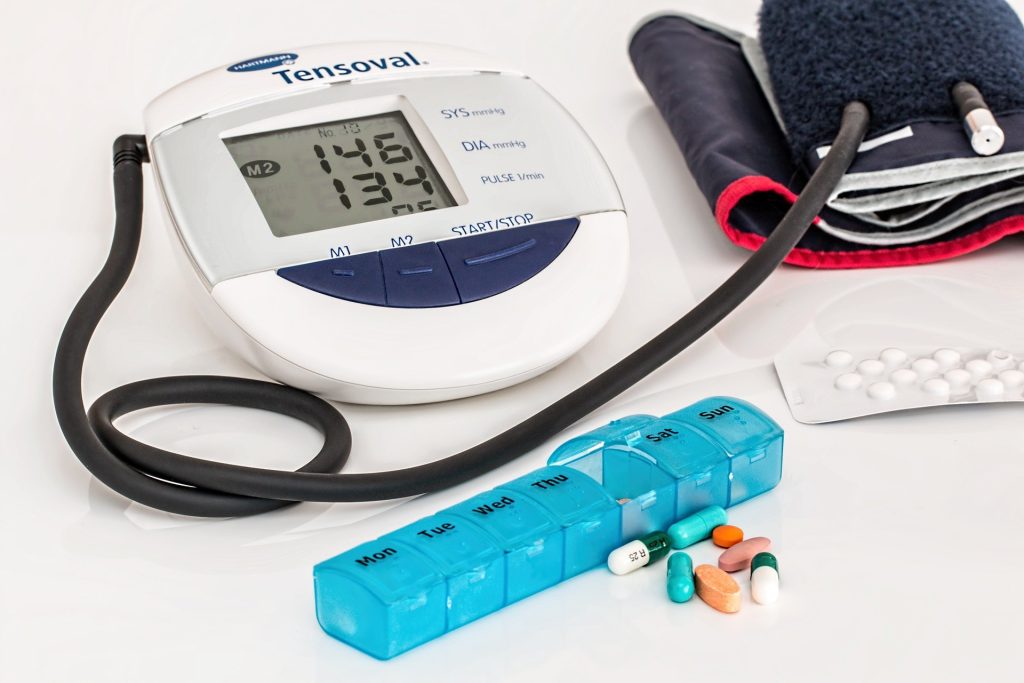
Blood pressure cuff
BP cuff for home monitoring, Source: Pixabay

A phase II trial with the novel antihypertensive baxdrostat did not replicate the impressive results in a similar trial for the drug in treatment-resistant hypertension, failing to improve on placebo effect.

Deepak Bhatt, MD, MPH, of Mount Sinai Heart in New York City, presented the disappointing findings at the American College of Cardiology (ACC) annual meeting, but noted that the findings were not a complete write-off for the drug, hampered as the trial was by poor patient adherence and the confounding effect of other antihypertensives.

For baxdrostat, seated systolic blood pressure was lowered by 16.0–19.8mmHg across the doses tested, compared to 16.6mmHg for placebo, a nonsignificant difference. Diastolic blood pressure drops showed a similar pattern, even slightly favouring placebo.

HALO included 249 participants with a mean seated systolic blood pressure of 140–180 mmHg at baseline despite treatment with a stable regimen of an ACE inhibitor or one of those drugs plus a thiazide diuretic or a calcium channel blocker. They were randomised to placebo or a 0.5-, 1.0-, or 2.0-mg dose of baxdrostat for 8 weeks.

In the prior phase II BrighHTN trial, baxdrostat reduced systolic blood pressure by 11 and 8.1 mm Hg more than placebo in the two higher dose groups.

The drug, which is in a new class of highly selective aldosterone synthase inhibitors, did decrease serum aldosterone and increase plasma renin activity as expected compared with placebo in HALO.

A post hoc analysis to understand why the trial failed despite high pill-count based adherence showed that 36% of the baxdrostat patients in the highest, 2-mg dose group (20 of 54) were actually not adherent, based on plasma levels < 1% of expected.

ACC session moderator Kim Eagle, MD, of the University of Michigan in Ann Arbor wondered if the patients were flushing their pills, and Bhatt replied that these were clustered at a few sites, highlighting issues of site selection and providing patient support.

The adherence problem does not explain away the placebo effect, Eagle told MedPage Today. “The placebo effect may well be that by enrolling in a trial, the patient is also taking their other meds for hypertension. Recall that the patients were already supposed to be taking several antihypertensives.”

Nevertheless, he called it compelling that, in “patients who were taking the larger dose and who had evidence of adherence by blood levels, the drug clearly seems to work.”

Source: MedPage Today

‘Striking’ Colon Cancer Trial Data gets Standing Ovation

Woman using lab equipment
Source: NCI on Unsplash

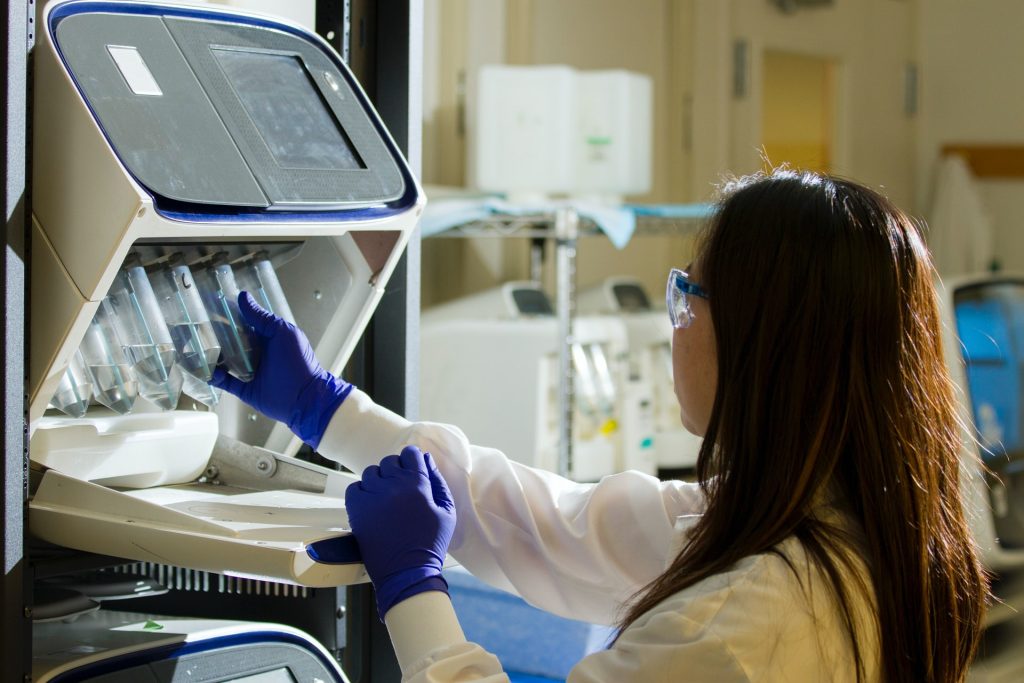
In a clinical trial, nearly every one of the 112 patients with mismatch repair-deficient (dMMR) colon cancer achieved a pathologic response with just two cycles of neoadjuvant immunotherapy, prompting a presentation panellist to describe it as “striking data” – though a note of caution was given.

Patients in the NICHE-2 single-arm study received PD-1 plus CTLA-4 blockade – nivolumab plus ipilimumab, and successfully underwent surgical resection, 98% on time, meeting the study’s primary safety endpoint, reported Myriam Chalabi, MD, at the at the European Society for Medical Oncology (ESMO) annual congress.

And with a median follow-up of 13.1 months, the disease-free survival (DFS) rate was 100%, said Dr Chalabi of the Netherlands Cancer Institute in Amsterdam. She pointed out that, by this point, the expected rate for this patient population was about 15%. The primary efficacy endpoint for the trial is DFS at 3 years, with success defined as a rate of 93% (data are expected next year).

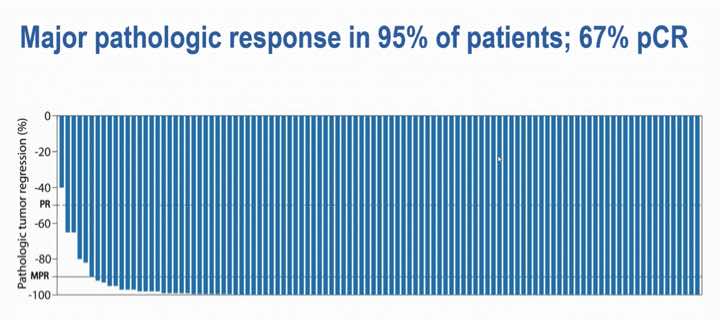
A standing ovation erupted when Dr Chalabi displayed the waterfall plot showing the depth of pathologic response with just four weeks of nivolumab plus ipilimumab.

Credit: NICHE-2 Study

Among the 107 patients evaluable for efficacy, all but one had a pathologic response, 95% had a major pathologic response (MPR), and 67% had a pathologic complete response (pCR), ie no residual viable tumour in both the primary tumour bed and lymph nodes.

“As you can appreciate, the pathologic regression observed was near-complete or complete in almost all patients,” she said.

In contrast, pathologic response rates in the range of 5% to 7% for this population have been shown in prior trials involving neoadjuvant chemotherapy, said Chalabi.

Some 10–15% of colon cancers are classified as dMMR, she explained, which are highly sensitive to immune checkpoint inhibitors, where a number of agents have been approved for the metastatic setting.

The first to comment in Q&A, Alexander Eggermont, MD, PhD, stressed the potential impact of the findings, saying that patients with dMMR tumours scheduled for resection “should be taken off the surgical program.”

“They should be sent to the medical oncologist for the first dose of ipi/nivo,” he said. “We will live the day that they will not undergo surgery anymore after these schedules – that’s the next step.”

A multicentre, single-arm study, NICHE-2 enrolled 112 patients with previously untreated non-metastatic dMMR colon cancer undergoing surgery. The first cycle of neoadjuvant treatment included ipilimumab (1mg/kg) and nivolumab (3mg/kg). The second cycle, given two weeks later, was limited to nivolumab alone. After the first dose, median time to surgery was 5.4 weeks.

The trial defined pathologic response as 50% or less residual viable tumour; MPR was defined as 10% or less residual viable tumour, and included patients with pCRs in the primary tumour but viable tumour in the lymph nodes.

The median age of patients was 60, and 58% were women. About three-fourths had high-risk stage III disease, 13% had low-risk stage III disease, and 13% had stage I/II disease. About half had radiologic high-risk disease (both T4 and N2), said Dr Chalabi, and abdominal wall involvement was common.

When asked whether randomised data would be needed to make this approach standard, Dr Chalabi pointed out the group with T4 tumours.

“I wouldn’t want to randomise those patients,” she said. “Surgeons usually would prefer to have some type of downstaging before continuing on to surgery in order to increase the chances of achieving tumour-free resection margins and also to limit the extent of surgery needed to achieve that.”

The case for randomisation is stronger in earlier disease, she said, but if recurrences can be prevented even in stages where recurrence is more rare, such as stage II tumours (about 10% at 3 years), “we’re curing 10% more patients.”

A little less than a third of patients had Lynch syndrome, and pCRs were more frequent in this subset (78% vs 58% in those with sporadic tumours). Immune-related adverse events (AEs) were reported in 61% of patients, with 4% being grade 3/4.

When the prospect of a NICHE-3 trial came up, Dr Chalabi said that it ideally would have been an international study to validate the approach. However, a subsequent trial is being developed and will likely involve nivolumab plus anti-LAG-3 relatlimab, “which is a shame,” she noted.

“If we do get similar responses with nivolumab and anti-LAG-3, then that may be an avenue to test organ-sparing approaches with that combination in this population,” she added.

Source: MedPage Today

Towards Larger, More Representative Lung Cancer Clinical Trials

Source: NCI

Filling clinical trials and enrolling sufficiently diverse, representative groups of patients, has long been a challenge, partly due to stringent participation guidelines. In an effort to attain larger and more diverse trial groups, an international team of researchers and policymakers has written new recommendations on how to determine eligibility criteria for lung cancer clinical trials.

The group was led in part by David Gerber, MD, along with representatives from the Food and Drug Administration (FDA), National Cancer Institute, European Medicines Agency, pharmaceutical companies, and the LUNGevity Foundation.

The recommendations, published today in JAMA Oncology, offer the first publicly available outline of upcoming FDA draft guidance on lung cancer clinical trials that are expected to make it easier to include more patients.

“This paper is the public’s first look at the FDA’s proposed changes to how we determine who can participate in a lung cancer clinical trial,” said Professor Gerber in the Hematology/Oncology Division at UTSW. “If these changes are successful, they could make clinical trials for lung cancer as well as other cancers more powerful and more representative.”

Ensuring that people from diverse backgrounds join clinical trials is key to properly evaluating how a new treatment will work among patients of all races and ethnicities. But today, only about 5% of all cancer patients enrol in a clinical trial, and only 11% of cancer clinical trial participants identify as a racial or ethnic minority.

For patients with cancer, participation in clinical trials requires not just a decision to try an experimental treatment, but time and energy spent understanding the trial, enrolling in it, and often attending extra testing or clinic appointments. Many researchers agree that complicated, inconsistent, poorly explained, and overly strict eligibility requirements to join a cancer clinical trial exacerbate this problem and are a key reason for the low number of underrepresented minorities in clinical trials.

“So many clinical trials never finish enrollment, close prematurely, or don’t recruit a population that lets researchers generalise the results,” Dr. Gerber said. “I think there’s widespread recognition that eligibility criteria have become too stringent.”

Addressing this for one cancer subtype, advanced non-small cell lung cancer (NSCLC), – the LUNGevity Foundation convened a roundtable discussion with experts from academia, industry, and regulatory bodies. The team assembled a prioritised list of eligibility categories that should be included in the descriptions of all NSCLC clinical trials and recommended criteria for each category. Some suggestions were more lenient than what has typically been included in previous NSCLC trial eligibility criteria; for instance, the team recommended that most patients with prior or concurrent cancers, most patients with brain metastases, and most patients with mild liver impairment – all of whom would likely have been excluded in the past – still be included in trials.

The team also suggested that these categories be clearly laid out on public websites advertising clinical trials in an easily searchable format.

The FDA will be releasing draft guidance on NSCLC clinical trials in the near future and hold a public comment period before finalising them. Other interdisciplinary teams have already convened to standardise eligibility requirements for clinical trials of other cancer types.

If the new guidelines prove effective, Prof Gerber said that clinical trials will likely be easier to fill and provide more complete and timely data on new cancer interventions.

“If you can involve more patients in clinical trials, you’re more likely to complete those trials quickly. That’s going to lead to new treatments faster,” he said.

Source: UT Southwestern Medical Center

New Monoclonal Antibody Eptinezumab Success in Hard-to-treat Migraine

A trial for a new monoclonal antibody, eptinezumab, in the treatment of resistant migraine has demonstrated that it significantly reduced migraine days with acceptable safety and tolerability. The findings were published in The Lancet.

Eptinezumab, which targets calcitonin gene-related peptide, has shown migraine preventive effects starting the day following infusion and acceptable safety and tolerability in phase 3 trials, but benefits in the subpopulations of patients with previous preventive treatment failures were not examined.

In the 24-week double-blind placebo-controlled DELIVER phase 3b trial, the researchers recruited adults with episodic or chronic migraine with at least four monthly migraine days and two-to-four previous preventive treatment failures within the past 10 years. Patients were randomised to either eptinezumab 100mg, eptinezumab 300mg, or placebo. The primary efficacy endpoint was the change from baseline in mean monthly migraine days (captured using a daily electronic diary) in weeks 1–12, assessed in the full analysis set. All participants and study personnel were masked to study drug assignments. A 48-week dose-blinded extension period is ongoing.

In all, 865 patients completed the placebo-controlled period. Compared to baseline, weeks 1–12 saw reductions of 4.8 mean monthly migraine days with eptinezumab 100mg and 5.3 days at 300mg, which was a significantly less than the reduction of 2.1 days with placebo.

Adverse events were reported in 42% of patients in the eptinezumab 100mg group, 41% in the 300mg group, and in 40% in the placebo group. COVID was the most common treatment-emergent adverse event. Serious adverse events were uncommon (five [2%] of 299 in the 100mg group, seven [2%] of 294 in the 300mg group, four [1%] of 298 in the placebo group) and included anaphylactic reaction (eptinezumab 300 mg n=2) and COVID-19 (eptinezumab 100 mg n=1 and eptinezumab 300 mg n=1).

In adults with migraine and two-to-four previous preventive treatment failures, eptinezumab provided significant migraine preventive effects compared with placebo, with acceptable safety and tolerability, indicating that eptinezumab might be an effective treatment option for this patient population. The trial has a dose-blinded extension period which will provide additional long-term safety data in patients with migraine and previous preventive treatment failures.

End of the Road for Ivermectin as COVID Treatment in South Africa

Stop sign

South Africa’s medicines regulator has officially terminated the special dispensation to use Ivermectin as a treatment for COVID, stating that “there is currently no credible evidence to support a therapeutic role for Ivermectin” in the treatment of the disease.

On Monday 30 May, the South African Health Products Regulatory Authority (SAHPRA) officially withdrew its authorisation [PDF], bringing to end something of a saga which saw vocal proponents pitched against the scientific and regulatory establishment.

The antiparasitic Ivermectin gained considerable notoriety as the COVID pandemic went on, based on preliminary studies that seemed to demonstrate its effectiveness. Pressure born out of desperation for some kind of treatment led to SAHPRA – amidst its own apparent misgivingsgranting compassionate use authorisation under strict guidelines in January 2021. Use was allowed under Section 21 guidelines without having to wait for Section 21 authorisation, which was misinterpreted as full authorisation by some media sources.

The social media furore and misinformation surrounding Ivermectin led to dangerous instances of COVID self-treatment, with hospitalisations and even deaths reported.

In its terribly botched response to COVID, Brazil adopted Ivermectin on a mass scale, and essentially became a living laboratory for its effectiveness. Despite even administering Ivermectin as prophylaxis, Brazil’s health system was overwhelmed with COVID patients during the surge caused by the Gamma variant.

Studies turned up scant evidence in favour of Ivermectin’s effectiveness, with serious flaws and even outright data fabrication were picked up in a number of studies that seemed to show a significant benefit – even flying right through the peer review process only to be picked up at a later stage. This lead to a major meta-analysis by Hill et al. showing a effectiveness instead being retracted, which SAHPRA noted in its decision.

Finally, the I-TECH and the Together randomised clinical trials of 2021 showed no effect. Like hydroxychloroquine before it, Ivermectin prescribing was found to be driven by political interests. Thus, Ivermectin quietly disappeared from the media as viable antivirals such as Paxlovid came into the market.

The termination comes after a distinct decline in demand for Ivermectin use in South Africa, with no new applications for importation of unregistered Ivermectin products place since August 2021. SAHPRA also noted a marked decline in the number of health facilities applying for permission to hold bulk stock after August 2021.

Furthermore, no individual named patient applications have been approved since December 2021. Finally, there was little in the way of reporting of outcomes achieved by the treating healthcare providers.

Many Clinical Trials Ignore Previous Research

Photo by Louise Reed on Unsplash

Researchers evaluating a random selection of clinical trials done in North America found that they neglected to take into account previous or ongoing trials, which may result in researchers conducting redundant or less impactful studies. The findings were published in the journal Med.

Clinical trials are a crucial tool for assessing the safety and efficacy of medical interventions, but sponsors often provide incomplete information for assessing their ethical justification. Incomplete portrayals of supporting evidence hamper the ability of individuals or authorities to evaluate the trials’ risks, benefits, and scientific merit. 

To assess the prevalence of such omissions, researchers accessed the ClinicalTrials.gov registry and evaluated 101 randomly chosen clinical trials. Among those where there was at least one previous trial testing the same drug in the same disease, 30% of industry-sponsored trials and 20% of non-industry-funded trials failed to cite related studies. “Clinical trial protocols undercite easily accessible, relevant trials and do not document systematic searches for relevant clinical trials,” the authors wrote.

“Numerous studies suggest that some clinical trials are pursued despite their clinical hypotheses having been resolved prior to study launch,” write the authors. “Failure to provide a complete and impartial account of prior and ongoing research in study protocols may enable clinical research that fails to inform clinical practice.”

Source: EurekAlert

Wits University Tests Nirsevimab to Protect Against RSV in Infants

Holding a baby's hand
Photo by William-Fortunato on Pexels

Wits University has reported that a drug to prevent respiratory syncytial virus (RSV) in infants is safe and effective, enabling ways to protect vulnerable groups such as preterm babies from the virus.

RSV is a major cause of lower respiratory tract infection (LRTI) and hospitalisation in infants. Globally, approximately one-third of all hospitalisations for lower respiratory tract illness are caused by RSV. Hence, there is a serious unmet medical need for RSV protection in healthy infants born at term.

The Wits Vaccines and Infectious Diseases Analytics (Wits VIDA) research unit was the lead South African collaborator in a phase 2/3 study to investigate the efficacy and safety of Nirsevimab, in healthy late-preterm and term infants.

Nirsevimab is a monoclonal antibody against RSV with an extended half-life. Monoclonal antibodies are antibodies that have a high degree of specificity (mono-specificity) for an antigen or epitope, and are generally well tolerated. Monoclonal antibodies are typically derived from a clonal expansion of antibody-producing malignant human plasma cells. Because they are large proteins (typically 150-200 000 daltons in size) they require parenteral, often intravenous, administration.

Nirsevimab has an extended half-life of three to four months, and is able to provide protection for the entire RSV season, which usually lasts for three to four months.

Compared to term infants, late preterm infants (born at 32 to 37 weeks) have a higher hospitalisation and mortality risk from RSV, due to their relative physiologic and metabolic immaturity. Late preterm infants are at increased risk of a host of morbidities and mortality, including respiratory distress and failure, feeding difficulties, poor growth, hypoglycaemia, hyperbilirubinemia, and hypothermia.

The study, published in the New England Journal of Medicine, found that the drug Nirsevimab significantly protected infants against RSV disease in the Phase 3 MELODY trial, and protected high risk children in a separate study known as MEDLEY.

“This intervention provides the opportunity to protect young infants against the most common cause of hospitalisation from lower respiratory tract infections – RSV – which kills between 60 000 to 190 000 babies each year, mainly in low- and middle-income countries,” says Wits Professor of Vaccinology Shabir Madhi, Director of Wits VIDA, and a co-author of the study.

The findings showed 74.5% efficacy against medically attended lower respiratory tract infections caused by RSV in healthy infants.

Furthermore, Nirsevimab is the first potential immunisation for all infants to demonstrate sustained protection across the entire RSV season with a single dose.

“The new drug provides the opportunity of protecting infants, including high-risk groups – such as those born prematurely or with chronic lung or congenital heart disease – against the leading cause of hospitalisation for lower respiratory tract infections among infants globally,” says Madhi.

Source: Wits University

Nitazoxanide Flops in South African COVID Trial

Photo by Artem Podrez on Pexels

Interim analysis of a South African clinical trial has revealed that nitazoxanide, an oral antiparasitic agent with antiviral properties, was ineffective in improving outcomes in ambulatory patients with mild-to-moderate COVID.

Funded by the South African Medical Research Council (SAMRC), the study was performed at four sites in South Africa. The primary goal of the trial was to evaluate the effectiveness of nitazoxanide (1g twice daily for 7 days) in reducing the progression from mild to severe COVID in ambulatory patients. Progression to severe disease was defined as hospitalisation or death. The trial underwent an interim analysis at 67% of the recruitment target (290 participants), and the data was reviewed by an independent data and safety monitoring board (DSMB). Following the interim analysis, the DSMB recommended halting recruitment of the trial on the grounds of futility.

No significant difference was seen in serious adverse events, which included all causes of hospitalisation and death, between the nitazoxanide and the placebo groups [12/144 (8.3%) vs 10/146 (6.8%)]. Hospitalisation and death specifically due to COVID showed the same pattern [7/144 (4.9%) vs 8/146 (5.5%)].

Principal investigator Prof Keertan Dheda from the University of Cape Town (UCT) and the London School of Hygiene and Tropical Medicine, said that the results of the trial, although disappointing, contributes to the growing body of evidence, clarifying what works and what doesn’t for the treatment of COVID. Thus, clarifying what does not work is as important as finding effective therapies so that clinically useful management algorithms can be developed.

Nitazoxanide is a low-cost broad-spectrum antiviral drug with an extensive safety record. Originally developed as antiparasitic, it seemed promising against SARS-CoV-2 in the lab but the real world test did not show any benefit. It is still possible that nitazoxanide may be of benefit at higher doses (greater than the dose used in the trial, which was already twice the normal dose), however this will most likely cause an increase in intolerable gastrointestinal side effects. “The next step will be to focus on formally publishing the data in a peer reviewed journal and to evaluate secondary objectives of the study, including assessing the efficacy of nitazoxanide in reducing the duration of illness, reducing SARS-CoV-2 viral load, and its efficacy, if any, in preventing COVID in close contacts,” said Prof Dheda.

Prof Dheda concluded that nitazoxanide could have a less than 30% benefit which may be detectable in a larger study. However, it is questionable whether such an effect size is clinically relevant given the number needed to treat to prevent disease progression, adverse events, cost and that other therapies have emerged (eg paxlovid) with an efficacy benefit of greater than 80%.

SAMRC President and CEO, Prof Glenda Gray said although the study did not meet its primary endpoint, the results are an important addition into the scientific repository. “COVID and HIV in their very nature are unique and complex viruses which have posed unprecedented challenges for vaccine development, globally – however, the knowledge gained from this trial will help us advance our pursuit of effective therapies and vaccines for both COVID and HIV alike,” said Prof Gray.

Prof Gray, who also has led numerous trials in search of effective HIV and COVID vaccines, said COVID poses substantial challenges for those living with HIV which evades the immune system. “Until an effective vaccine has been found, all people living with HIV should take all recommended preventive measures to minimise their exposure to COVID,” concluded Prof Gray.

Source: South African Medical Research Council

Pfizer’s Paxlovid Could Deliver Knockout Blow to COVID

Source: Pixabay CC0

Pharmaceutical giant Pfizer announced today that Paxlovid, its investigational novel COVID oral antiviral candidate, significantly reduced hospitalisation and death, based on an interim analysis of its phase II/III clinical trials showing an 89% reduction of risk of hospitalisation or death due to COVID. 

The phase II/III EPIC-HR (Evaluation of Protease Inhibition for COVID-19 in High-Risk Patients) randomised, double-blind study of non-hospitalised adult patients with COVID, who are at high risk of progressing to severe illness. The scheduled interim analysis showed an 89% reduction in risk of COVID-related hospitalisation or all-cause mortality compared to placebo in patients treated within three days of symptom onset (primary endpoint). Only 0.8% of patients who received Paxlovid were hospitalised through Day 28 with zero deaths, compared to 7.0% of patients who received placebo and were hospitalised or died. Similar reductions in COVID-related hospitalisation or mortality were seen in patients treated within five days of symptom onset; 1.0% of patients in the intervention arm were hospitalised through Day 28 with zero deaths, compared to 6.7% of placebo arm patients. In the overall study population through Day 28, no deaths were reported in intervention arm patients as compared to 10 (1.6%) deaths in placebo arm patients.

The results show such an overwhelming effectiveness that Pfizer, in consultation with the US Food and Drug Administration (FDA), will cease further enrollment into the study and will apply for Emergency Use Authorization (EUA) as soon as possible.

If it gets the green light, Pfizer’s Paxlovid, would be the first oral antiviral of its kind, a specifically designed SARS-CoV-2-3CL protease inhibitor. PF-07321332 inhibits viral replication at the proteolysis stage, before viral RNA replication. Co-administration with a low dose of ritonavir helps slow the metabolism of PF-07321332 in order for it to remain active in the body for longer at higher concentrations. It has shown effectiveness against multiple variants, and could have broad general effectiveness against coronaviruses.

“All of us at Pfizer are incredibly proud of our scientists, who designed and developed this molecule, working with the utmost urgency to help lessen the impact of this devastating disease on patients and their communities,” said Mikael Dolsten, MD, PhD, Chief Scientific Officer and President, Worldwide Research, Development and Medical of Pfizer. “We’re thankful to all of the patients, investigators, and sites around the world who participated in this clinical trial, all with the common goal of bringing forth a breakthrough oral therapy to help combat COVID.”

The review of safety data included a larger cohort of 1881 patients in EPIC-HR, whose data were available at the time of the analysis. Adverse events were comparable between paxlovid (19%) and placebo (21%), which were mostly mild.

Pfizer kicked off the EPIC-HR study in July 2021 after positive results from Phase I clinical trials, followed in August by the Phase II/III EPIC-SR (Evaluation of Protease Inhibition for COVID-19 in Standard-Risk Patients), to evaluate efficacy and safety in patients with a confirmed diagnosis of SARS-CoV-2 infection who are at standard (low) risk. This trial includes a cohort of vaccinated at-risk patients who have an acute breakthrough COVID infection. A further trial is investigating prophylaxis among household members of patients with a COVID infection. 

Source: Pfizer