This is a pseudo-colored image of high-resolution gradient-echo MRI scan of a fixed cerebral hemisphere from a person with multiple sclerosis.
Credit: Govind Bhagavatheeshwaran, Daniel Reich, National Institute of Neurological Disorders and Stroke, National Institutes of Health
Women with autoimmune disease are more likely to suffer from depression during pregnancy and after childbirth; conversely, women with a history of perinatal depression are at higher risk of developing autoimmune disease, according to a new study from Karolinska Institutet which is published in the journal Molecular Psychiatry.
Some of the most common autoimmune diseases are gluten intolerance (coeliac disease), autoimmune thyroiditis, rheumatoid arthritis, type 1 diabetes, and multiple sclerosis (MS).
In the present study, researchers used data from the Swedish Medical Birth Register and identified all women who had given birth in Sweden between 2001 and 2013. Out of the resulting group of approximately 815 000 women and 1.3 million pregnancies, just over 55 000 women had been diagnosed with depression during their pregnancy or within a year after delivery.
The researchers then compared the incidence of 41 autoimmune diseases in women with and without perinatal depression, controlling for familial factors such as genes and childhood environment by also including the affected women’s sisters.
Strongest association for MS
The results reveal a bidirectional association between perinatal depression and autoimmune thyroiditis, psoriasis, MS, ulcerative colitis, and coeliac disease. Overall, women with autoimmune disease were 30 per cent more likely to suffer perinatal depression. Conversely, women with perinatal depression were 30 per cent more likely to develop a subsequent autoimmune disease.
The association was strongest for the neurological disease MS, for which the risk was double in both directions. It was also strongest in women who had not had a previous psychiatric diagnosis.
“Our study suggests that there’s an immunological mechanism behind perinatal depression and that autoimmune diseases should be seen as a risk factor for this kind of depression,” says the study’s first author Emma Bränn, researcher at the Institute of Environmental Medicine at Karolinska Institutet.
Can have serious consequences
The researchers will now continue to examine the long-term effects of depression during pregnancy and in the first year following childbirth.
“Depression during this sensitive period can have serious consequences for both the mother and the baby,” says Dr Bränn. “We hope that our results will help decision-makers to steer funding towards maternal healthcare so that more women can get help and support in time.”
Since this was an observational study, no conclusions on causality can be drawn.
The study was financed by Karolinska Institutet, Forte (the Swedish Research Council for Health, Working Life and Welfare), the Swedish Research Councill and the Icelandic Research Fund. The researchers report no conflicts of interest.
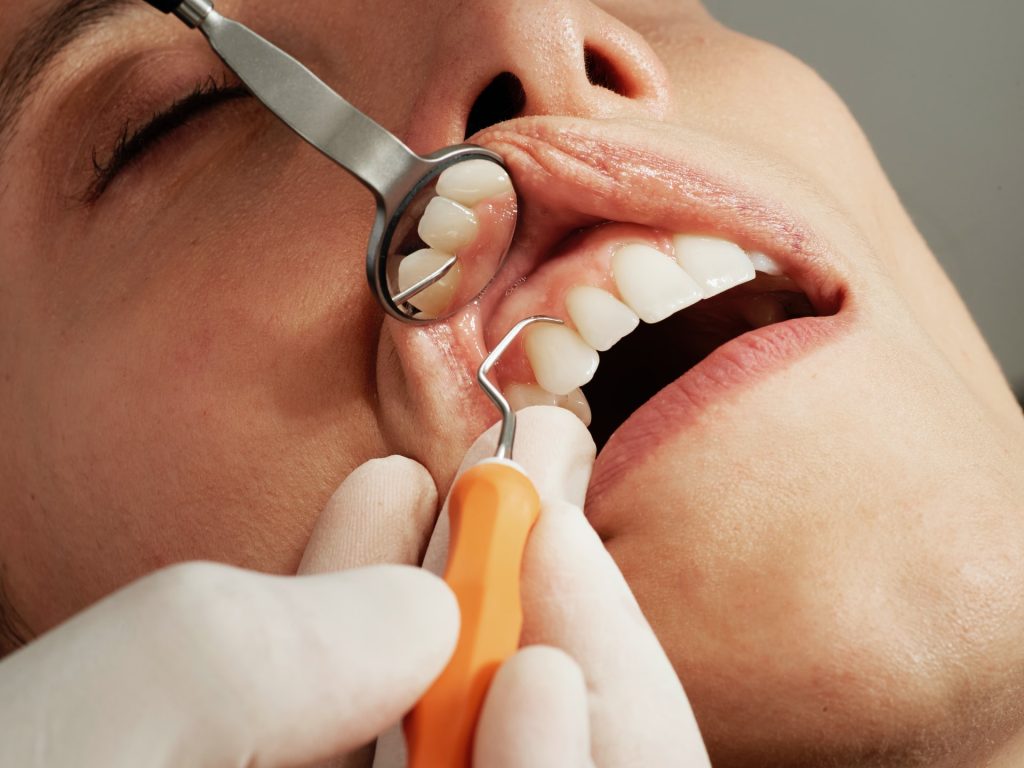
In one of every 10 people, and in one third of children with celiac disease, the enamel coating of the teeth appears defective, failing to protect the teeth properly. As a result, teeth become more sensitive to heat, cold and sour food, and they may decay faster. In most cases, the cause of the faulty enamel production is unknown.
Now, a study by Prof Jakub Abramson and his team at the Weizmann Institute of Science, published recently in Nature, may shed light on this problem by revealing a new children’s autoimmune disorder that hinders proper tooth enamel development. The disorder is common in people with a rare genetic syndrome and in children with celiac disease. These findings could help develop strategies for early detection and prevention of the disorder.
Tooth enamel is made up primarily of mineral crystals that are gradually deposited on protein scaffolds during enamel development. Once the crystals are in place, the protein scaffold is dismantled, leaving behind a thin, exceptionally hard layer of enamel. A strange phenomenon was identified in people with a rare genetic disorder known as APS-1: although the enamel layer of their milk teeth forms perfectly normally, something causes its faulty development in their permanent teeth. Since people with APS-1 suffer from a variety of autoimmune diseases, Abramson and his team hypothesised that the observed enamel defects may also be of an autoimmune nature
In autoimmune disease, to prevent T cells from triggering the immune system to attack body tissues, T cells developing in the thymus gland must be educated’ to discriminate between the body’s own proteins and those of foreign origin. To this end, T cells are presented with short segments of self-proteins that make up various tissues and organs in the body. When a ‘poorly educated’ T cell erroneously identifies a self-protein in the thymus as a target for attack, that T cell is labelled as dangerous and destroyed, so that it could not cause any damage after being released from the thymus.
This critical education step is impaired in APS-1 patients as a result of a mutation in a gene known as the autoimmune regulator (Aire). This gene is essential for the T cell education process: It produces a protein that is responsible for the collection of self-proteins presented to the T cells in the thymus. In their new study, scientists from Abramson’s lab in Weizmann’s Immunology and Regenerative Biology Department, led by research student Yael Gruper, sought to work out how mutations in the Aire gene lead to deficient tooth enamel production. The researchers discovered that, in the absence of Aire, proteins that play a key role in the development of enamel are not presented to the T cells in the thymus gland. As a result, T cells that are liable to identify these proteins as targets are released from the thymus, and they encourage the production of antibodies to the enamel proteins. But why do these autoantibodies damage permanent teeth and not baby teeth?
The answer to this question lies in the fact that milk teeth develop in the embryonic stage, when the immune system is not yet fully formed and cannot create autoantibodies. In contrast, the development of enamel on permanent teeth starts at birth and continues until around the age of six, when the immune system is sufficiently mature to thwart enamel development. Furthermore, the researchers found a correlation between high levels of antibodies to enamel proteins and the severity of the harm to enamel development in children with APS-1. This strengthens the assumption that the presence of enamel-specific autoantibodies in childhood can potentially lead to dental problems.
When the researchers looked into deficiencies in enamel development in people with other autoimmune diseases, they found a very similar phenomenon in children with celiac disease, a relatively common autoimmune disorder that affects around 1% of people in the West. When people with this disease are exposed to gluten, their immune system attacks and destroys the cellular layer lining the small intestine, leading to attacks on other self-proteins in the intestine.
In an attempt to understand how celiac disease, known to cause intestinal damage, may also cause damage to tooth enamel, the researchers first examined whether people with this disease have autoantibodies against enamel. They found that a large proportion of celiac patients have these autoantibodies, just as do people with APS-1. But the ‘education’ in the thymus gland of these patients seems normal, so why do they develop these antibodies? The researchers hypothesised that some proteins are found in both the intestine and the dental tissue and that these proteins play an important role in the development of tooth enamel. In this case, the antibodies that identify proteins in the intestine might move through the bloodstream to the dental tissue, where they could start to disrupt the enamel production process.
Since many celiac patients had previously been found to develop sensitivity to cow’s milk, the researchers decided to focus on the k-casein protein, a major component of dairy products. Strikingly, they found that the human equivalent of k-casein is one of the main components of the scaffold necessary for enamel formation. This led them to hypothesise that antibodies produced in the intestines of celiac patients in response to certain food antigens, such k-casein, may subsequently cause collateral damage to the development of enamel in the teeth, similarly to the way in which antibodies against gluten can eventually trigger autoimmunity against the intestine.
Indeed, they discovered that most of the children diagnosed with celiac had high levels of antibodies against k-casein from cows’ milk, which in many cases can also react against k-casein’s human equivalent expressed in the enamel matrix. This means that in theory, the same antibodies that are produced in the intestine against the milk protein could act against the human k-casein in the teeth.
These findings could have implications for the food industry. “Similarly to the lessons learned from gluten, we can assume that the consumption of large quantities of dairy products could lead to the production of antibodies against k-casein,” Abramson explains. “This protein increases the amount of cheese that can be produced from milk, so the dairy industry deliberately raises its concentration in cow’s milk. Our study, however, found that the milk k-casein is a potent immunogen, which may potentially trigger an immune response that can harm the body itself.”
Tooth enamel flaws are common, not just among people with celiac disease or APS-1. “Many people suffer from impaired tooth enamel development for unknown reasons,” Abramson says. “It is possible that the new disorder we discovered, along with the possibility of diagnosing it in a blood or saliva test, will give their condition a name. Most important, early diagnosis in children may enable preventive treatment in the future.”
Links have been reported between schizophrenia and autoimmunity. In a study published in Brain Behavior and Immunity, Japanese researchers identified autoantibodies that target a ‘synaptic adhesion protein’, neurexin 1α, in a subset of patients with schizophrenia. When injected into mice, the autoantibodies caused many schizophrenia-related changes.
What is a synaptic protein, and why might it be linked to schizophrenia? Synaptic adhesion proteins are specialised proteins that bind to create physical connections between brain cells. These connections, called synapses, allow the cells to communicate by passing molecules back and forth. Both synapses and autoimmunity are known to be associated with schizophrenia, so the research team from Tokyo Medical and Dental University (TMDU) decided to investigate autoantibodies that target synaptic proteins in patients with schizophrenia.
“In around 2% of our patient population, we identified autoantibodies against the synaptic protein neurexin 1α, which is expressed by one cell in the synapse and binds to proteins known as neuroligins on the other cell in the synapse,” says lead author of the study Hiroki Shiwaku. “Once we had identified these autoantibodies, we wanted to see if they were able to cause schizophrenia-related changes.”
To do this, the researchers isolated autoantibodies from some of the patients with schizophrenia and injected them into the cerebrospinal fluid of mice, so that the autoantibodies would travel into the brain. In these mice, the autoantibodies blocked neurexin 1α and neuroligin binding and altered some related synaptic properties. The administration of these autoantibodies also resulted in fewer synapses in the brains of mice and schizophrenia-related behaviours, such as reduced social behaviour toward unfamiliar mice and reduced cognitive function.
“Together, our results strongly suggest that autoantibodies against neurexin 1α can cause schizophrenia-related changes, at least in mice,” explains Hiroki Shiwaku. “These autoantibodies may therefore represent a therapeutic target for a subset of patients with schizophrenia.”
Schizophrenia has a wide variety of both symptoms and treatment responses, and many patients have symptoms that are resistant to currently available treatment options. Therefore, the identification of possible disease-causing autoantibodies is important for improving symptom control in patients with schizophrenia. It is hoped that the results of this investigation will allow patients with autoantibodies that target neurexin 1α – all of whom were resistant to antipsychotic treatment in the present study — to better control their symptoms in the future.
A population-based study of 22 million people in the UK estimates that around one in ten individuals in the UK now live with an autoimmune disorder. The findings, published in The Lancet, also highlight important socioeconomic, seasonal and regional differences for several autoimmune disorders, providing new clues as to what factors may be involved in these conditions.
There are more than 80 known autoimmune diseases, including conditions like rheumatoid arthritis, type 1 diabetes and multiple sclerosis, some of which have been increasing in the last few decades.
This has raised the question whether overall incidence of autoimmune disorders is on the rise and what factors are involved, such as environmental factors or behavioural changes in society. The exact causes of autoimmune diseases remain largely unknown, including how much can be attributed to a genetic predisposition to disease and how much is down to exposure to environmental factors.
The study used anonymised electronic health data from 22 million individuals in the UK to investigate 19 of the most common autoimmune diseases. The authors examined whether incidence of autoimmune diseases is rising over time, who is most affected by these conditions and how different autoimmune diseases may co-exist with each other.
They found that the 19 autoimmune diseases studied affect around 10% of the population. This is higher than previous estimates, which ranged from 3–9% and often relied on smaller sample sizes and included fewer autoimmune conditions. The analysis also highlighted a higher incidence in women (13%) than men (7%).
The research discovered evidence of socioeconomic, seasonal and regional disparities for several autoimmune disorders, suggesting that these conditions are unlikely to be caused by genetic differences alone. This observation may point to the involvement of potentially modifiable risk factors such as smoking, obesity or stress. It was also found that in some cases a person with one autoimmune disease is more likely to develop a second, compared to someone without an autoimmune disease.
Dr Nathalie Conrad at the University of Oxford said: “We observed that some autoimmune diseases tended to co-occur with one another more commonly than would be expected by chance or increased surveillance alone. This could mean that some autoimmune diseases share common risk factors, such as genetic predispositions or environmental triggers. This was particularly visible among rheumatic diseases and among endocrine diseases. But this phenomenon was not generalised across all autoimmune diseases. Multiple sclerosis, for example, stood out as having low rates of co-occurrence with other autoimmune diseases, suggesting a distinct pathophysiology.”
These findings reveal novel patterns that will inform the design of further research into the possible common causes of different autoimmune diseases.
Professor Geraldine Cambridge at UCL Medicine said: “Our study highlights the considerable burden that autoimmune diseases place upon individuals and the wider population. Disentangling the commonalities and differences within this large and varied set of conditions is a complex task. There is a crucial need, therefore, to increase research efforts aimed at understanding the underlying causes of these conditions, which will support the development of targeted interventions to reduce the contribution of environmental and social risk factors.”
In a new entry to the growing list of lasting complications from COVID infection, a large German cohort study of over 600 000 COVIDpatients indicates that new autoimmune conditions may result from previous COVID infection. The findings, which are awaiting peer review on the MedRxiv preprint server, show that the odds of new autoimmune conditions appear to increase in line with the severity of COVID infection.
After the acute phase of infection, some people may develop long-lasting symptoms, known as post-COVID, which are consistent with COVID infection and last more than 12 weeks. Most studies to date have focused on symptoms that partly wane over time. Many studies examined a small selective sample of patients, and only a few studies included a control group or information on chronic health conditions, such as SARS-CoV-2 infection.
Compared to post-COVID emergence of cardiovascular and other diseases, autoimmune diseases are less discussed in the literature, although autoantibodies could be found in patients after SARS-CoV-2 infection. So far there is limited evidence on newly manifested autoimmune diseases after an infection based on several case reports and one recent cohort study using UK health record data. In addition, COVID itself has some similarities with systemic autoimmune rheumatic diseases, which could make diagnosis difficult.
The researchers selected a cohort from German routine health care data, identifying individuals with polymerase chain reaction (PCR)-confirmed COVID through December 31, 2020. Patients were matched 1:3 to control patients without COVID. Both groups were followed up until June 30, 2021. We used the four quarters preceding the index date until the end of follow-up to analyse the onset of autoimmune diseases during the post-acute period. The researchers calculated the incidence rates (IR) per 1000 person-years for each outcome and patient group, and estimated incidence rate ratios (IRRs) of developing an autoimmune disease conditional on a preceding COVID.
In total, 641 704 patients with COVID were included. When comparing the incidence rates in the COVID and matched control groups, the researchers found a 42.63% higher likelihood of acquiring autoimmunity for patients who had suffered from COVID. This estimate was similar for common autoimmune diseases, such as Hashimoto thyroiditis, rheumatoid arthritis, or Sjögren syndrome. The highest IRR was observed for autoimmune disease of the vasculitis group. Patients with a more severe course of COVID were at a greater risk for incident autoimmune diseases. These risk increases were as follows:
41% higher risk of Grave’s disease
42–45% higher risk of rheumatoid arthritis
25% higher risk of type 1 diabetes
27-29% higher risk of Crohn’s disease
The researchers concluded that SARS-CoV-2 infection is associated with an increased risk of developing new-onset autoimmune diseases after the acute phase of infection.
While endocrine-metabolic disorders and depression are known to co-occur, genetic and environmental factors are known to underlie both. In a study examining the link, published in the American Journal of Psychiatry, analysis revealed the balance of genetic and environmental influences underlying the co-occurrence of depression for a range of endocrine-metabolic disorders.
It is known that there is elevated co-occurrence between endocrine-metabolic disorders and depression, but the relationship between them is still not well understood.
Familial aggregation
The authors identified 2.2 million individuals born in Sweden between 1973 and 1996, as well as their full and half siblings, and followed them up to age 40. A number of medical conditions were studied; depression and various endocrine-metabolic disorders, including three autoimmune diseases (autoimmune hypothyroidism, Graves’ disease, and type 1 diabetes) and three non-autoimmune disorders (type 2 diabetes, obesity, and polycystic ovary syndrome).
Individuals with endocrine-metabolic disorders had 1.4 to 3.5 times the risk of depression compared to people without these diagnoses. Full and half siblings of these individuals also showed some elevated risk for depression, suggesting that genetic and/or environmental risk factors shared between family members play a role in the co-occurrence of these mental and physical disorders.
Genetic and environmental contributions
By comparing pairs of full sibling (who share about half of their genes) to pairs of half siblings (who share about a quarter of their genes), it was possible to calculate the relative contribution of genetic and environmental factors to the co-occurrence of depression and various endocrine-metabolic disorders.
The results were a mix of these possibilities; the overlap between depression and non-autoimmune conditions was mainly explained by shared genetic influences, while environmental factors were predominantly involved in the association between depression and autoimmune disorders, particularly type 1 diabetes.
This indicates that the link between depression and different endocrine-metabolic disorders may be driven by different mechanisms. For example, shared biological mechanisms, such as immuno-inflammatory and metabolic dysregulations, may underlie the co-occurrence of depression and type 2 diabetes, obesity, and polycystic ovarian syndrome. In contrast, the absence of shared genetics in the association between type 1 diabetes and depression may reflect the existence of environmental factors influencing the risk of both conditions and/or a direct link between these conditions through mediating factors – eg, biological and psychosocial mechanisms connected to type 1 diabetes, including inflammation, cerebral damage, as well as stress of this lifelong condition that is often diagnosed early in life and that requires a complex management regime for both patients and their families.
“Our results underscore that clinicians should be aware of increased risks of depression in individuals with endocrine-metabolic disorders, and vice versa, and be vigilant for shared symptoms. This study also provides a useful foundation for future research aimed at identifying and targeting the biological mechanisms and modifiable risk factors underlying the co-presentation of endocrine-metabolic disorders and depression”, said Marica Leone, first author for the study.
A new epidemiological study published in The Lancet shows that patients with autoimmune disease have a substantially higher risk (between 1.4 and 3.6 times depending on which autoimmune condition) of developing cardiovascular disease (CVD) than people without an autoimmune disorder. This excess risk is comparable to that of type 2 diabetes, a well-known risk factor for cardiovascular disease.
Although earlier research has suggested associations between various different autoimmune disorders and a higher risk of cardiovascular disease, these studies were often too small and limited to selected autoimmune or selected cardiovascular conditions to draw conclusive evidence on the necessity of CVD prevention among patients with autoimmune disease.
At the annual congress of the European Society of Cardiology, researchers presented the outcome of a thorough epidemiological investigation into possible links between 19 of the most common autoimmune disorders and CVD. The research shows for the first time that cardiovascular risks affect autoimmune disease as a group of disorders, rather than selected disorders individually.
The whole cardiovascular disease spectrum
In the study, the authors show that the group of 19 autoimmune disorders they have studied accounts for about 6% of cardiovascular events. Importantly, excess cardiovascular risk was visible across the whole cardiovascular disease spectrum, beyond classical coronary heart disease, including infection-related heart disorders, heart inflammation, as well as thromboembolic and degenerative heart disorders, suggesting the implications of autoimmunity on cardiovascular health are likely to be much broader than originally thought. Furthermore, the excess risk was not explained by traditional cardiovascular risk factors such as age, sex or smoking. Another noteworthy finding: the excess risk is particularly high among patients with autoimmune disorders under 55 years and suggests that autoimmune disease is particularly important in causing premature cardiovascular disease, with the potential to result in a disproportionate loss of life years and disability.
The study was based on UK electronic health with data from about one-fifth of the current UK population. The researchers assembled a cohort of patients newly diagnosed with any of the nineteen autoimmune disorders. They then looked at the incidence of twelve cardiovascular outcomes – an unprecedented granularity that was made possible by the very large size of the dataset – in the following years, and they compared it to a matched control group. The risk of developing CVD for patients with one or more autoimmune disorders was on average 1.56 times higher than in those without autoimmune disease. The excess risk also rose with the number of different autoimmune disorders in individual patients. Among the disorders with the highest excess risk were systemic sclerosis, Addison’s disease, lupus and type I diabetes.
Need for targeted prevention measures
The results show that action is needed, said Nathalie Conrad, lead author of the study. “We see that the excess risk is comparable to that of type 2 diabetes. But although we have specific measures targeted at diabetes patients to lower their risk of developing cardiovascular disease (in terms of prevention and follow-up), we don’t have any similar measures for patients with autoimmune disorders.” Conrad also noted that the European Society of Cardiology guidelines on the prevention of cardiovascular diseases, do not yet mention autoimmunity as a cardiovascular risk factor, only mentioning specific disorders such as lupus, nor do they list any specific prevention measures for patients with autoimmune disease.
Conrad hopes the study will raise awareness among patients with autoimmune disease and clinicians involved in the care of these patients, which will include many different specialties such as cardiologists, rheumatologists, or general practitioners. ‘We need to develop targeted prevention measures for these patients. And we need to do further research that helps us understand why patients with an autoimmune disorder develop more cardiovascular diseases than others, and how we can prevent this from happening.’
The underlying mechanisms are still poorly understood. Conrad said: “The general hypothesis is that chronic and systemic inflammation, which is a common denominator in autoimmune disorders, can trigger all sorts of cardiovascular disease. Effects of autoimmune disease on connective tissues, small vessels, and cardiomyocytes, and possibly some of the treatments commonly used to treat autoimmunity are also likely to contribute to patients’ cardiovascular risk. This really needs to be investigated thoroughly.”
Facial rash characteristic of lupus. Credit: Statpearls
A study published in Nature has identified mutations in an X chromosome gene that senses viral RNA, as a cause of the autoimmune disease lupus, a finding which may explain why the disease is far more common in females, and which might lead to new treatments.
In the study, whole genome sequencing was performed on the DNA of a Spanish child named Gabriela, who was diagnosed with severe lupus at age 7. Such a severe case with early onset of symptoms is rare and suggests a single genetic cause.
In their genetic analysis, the researchers discovered a single point mutation in the TLR7 gene. Referrals from other institutions, they were able to identify other cases of severe lupus where this gene was also mutated.
To confirm that the mutation causes lupus, the team inserted the gene into mice, which went on to develop the disease and showed similar symptoms. The mouse model and the mutation were both named ‘kika’ by Gabriela, the young girl central to this discovery.
Carola Vinuesa, senior author and principal investigator said: “It has been a huge challenge to find effective treatments for lupus, and the immune-suppressors currently being used can have serious side effects and leave patients more susceptible to infection. There has only been a single new treatment approved by the FDA in about the last 60 years.
“This is the first time a TLR7 mutation has been shown to cause lupus, providing clear evidence of one way this disease can arise.”
Professor Nan Shen, co-director of CACPI adds: “While it may only be a small number of people with lupus who have variants in TLR7 itself, we do know that many patients have signs of overactivity in the TLR7 pathway. By confirming a causal link between the gene mutation and the disease, we can start to search for more effective treatments.”
The mutation identified by the researchers makes TLR7 protein bind more readily guanosine and become more active. This in turn increases the sensitivity of the immune cell, making it more likely to incorrectly target healthy tissue.
Interestingly, other studies have shown mutations that cause TLR7 to become less active are associated with some cases of severe COVID infection, highlighting the delicate balance of a healthy immune system.
The findings could also explain why lupus is 10 times more common in females than in males. Because TLR7 is located on the X chromosome, females have two copies of the gene while males have one. Usually, in females one of the X chromosomes is inactive, but in this section of the chromosome, silencing of the second copy is often incomplete. This means females with a mutation in this gene can have two functioning copies.
Study co-author Dr Carmen de Lucas Collantes, said: “Identification of TLR7 as the cause of lupus in this unusually severe case ended a diagnostic odyssey and brings hope for more targeted therapies for Gabriela and other lupus patients likely to benefit from this discovery.”
Gabriela, now a teenager, remains in touch with the research team. She said, “I hope this finding will give hope to people with lupus and make them feel they are not alone in fighting this battle. Hopefully the research can continue and end up in a specific treatment that can benefit so many lupus warriors who suffer from this disease.”
The researchers are now investigating the repurposing of existing treatments which target the TLR7 gene. By targeting this gene, they hope to be able to also help patients with related conditions.
Carola added: “There are other systemic autoimmune diseases, like rheumatoid arthritis and dermatomyositis, which fit within the same broad family as lupus. TLR7 may also play a role in these conditions.”
A five year-long randomised, placebo-controlled study found that in older adults taking vitamin D supplements, alone or with omega-3 fatty acids, the risk of developing autoimmune disease was reduced.
Autoimmune diseases (AD) such as rheumatoid arthritis, polymyalgia rheumatica, autoimmune thyroid disease and psoriasis, are a leading cause of morbidity and mortality as people age. Few effective treatments are available for AD, but some research has hinted that supplements, including vitamin D and omega-3 fatty acids, could have beneficial effects.
In a new study published in the BMJ, investigators from Brigham and Women’s Hospital evaluated whether taking vitamin D and/or omega fatty acid supplements could affect rates of AD. The large-scale vitamin D and Omega-3 Trial (VITAL), a randomised study which followed participants for approximately five years. Taking vitamin D, or vitamin D and omega-3 fatty acids had a significantly lower rate of AD than placebo.
“It is exciting to have these new and positive results for non-toxic vitamins and supplements preventing potentially highly morbid diseases,” said senior author Karen Costenbader, MD, MPH. “This is the first direct evidence we have that daily supplementation may reduce AD incidence, and what looks like a more pronounced effect after two years of supplementation for vitamin D.”
“Now, when my patients, colleagues, or friends ask me which vitamins or supplements I’d recommend they take to reduce risk of autoimmune disease, I have new evidence-based recommendations for women aged 55 years and older and men 50 years and older,” said Dr Costenbader. “I suggest vitamin D 2000 IU a day and marine omega-3 fatty acids (fish oil), 1000 mg a day – the doses used in VITAL.”
VITAL included 25 871 participants, with men aged 50 and older and women aged 55 and older, conducted to investigate whether taking vitamin D3 and/or omega-3 supplements could reduce the risk for developing cancer, heart disease and stroke in people who do not have a prior history of these illnesses. Prior to the launch of VITAL, investigators determined that they would also look at rates of AD among participants, as part of an ancillary study.
Participants answered questionnaires about new diagnoses of diseases, including rheumatoid arthritis, polymyalgia rheumatica, autoimmune thyroid disease, psoriasis and inflammatory bowel disease, with space to write in all other new onset ADs. Medical records were reviewed to confirm reported diagnoses.
“Autoimmune diseases are common in older adults and negatively affect health and life expectancy. Until now, we have had no proven way of preventing them, and now, for the first time, we do,” said first author Jill Hahn, ScD, post-doctoral fellow at the Brigham.
Among patients randomised to vitamin D, 123 participants in the treatment group and 155 in the placebo group were diagnosed with confirmed AD (22 percent reduction). Among those in the fatty acid arm, confirmed AD occurred in 130 participants in the treatment group and 148 in the placebo group. Omega-3 fatty acids alone did not significantly lower incidence of AD, but there was some evidence of a decrease over long periods.
New therapies for autoimmune rheumatic diseases (AIRDs) that are designed to better regulate lipid metabolism could significantly reduce the harmful side-effects caused by conventional treatments, researchers found in a new large-scale review.
AIRDs include rheumatoid arthritis, lupus and Sjögren’s syndrome – conditions which affect millions and all with high rates of morbidity. The pathogenesis of autoimmune conditions is still ill-defined and delivering targeted therapeutic strategies is challenging.
As a result, current treatments for AIRDs are primarily designed to suppress the symptoms (inflammation), but are ‘low target’, ie may also have unintended side-effects. In this regard, AIRDs drugs often cause changes to cell metabolism (such as lipid metabolism) and function, putting patients at greater risk of co-morbidities such as cardiovascular disease (CVD).
Lead author Dr George Robinson (Centre for Rheumatology Research, UCL Division of Medicine) said: “While the mechanisms that cause rheumatic diseases are ill-defined, some recent research indicates cell metabolism may play an important role in triggering or worsening their onset or affect.
“In this review we therefore sought to understand the effect of both conventional and emerging therapies on lipid metabolism in patients with AIRDs.”
For the study, published in the Journal of Clinical Investigation, researchers reviewed more than 200 studies to assess and interpret what is known regarding the on-target/off-target adverse effects and mechanisms of action of current AIRD therapies on lipid metabolism, immune cell function and CVD risk.
Explaining the findings, Dr Robinson said: “Our review found that current AIRD therapies can both improve or worsen lipid metabolism, and either of these changes could cause inflammation and increased CVD risk.
“Many conventional drugs also require cell metabolism for their conversion into therapeutically beneficial products; however drug metabolism often involves the additional formation of toxic by-products, and rates of drug metabolism can be different between patients.”
The review noted that optimal combinations of immunosuppressive treatments to better control inflammation could lead to an improved metabolic/lipid profile in AIRDs.
However, many studies also showed that lipid lowering drugs such as statins do not sufficiently lower CVD risk in some AIRDs, possibly because they cannot completely restore the anti-inflammatory properties
Dr Robinson added: “The unfavourable off-target adverse effects of current therapies used to treat AIRDs provides an opportunity for optimal combination co-therapies targeting lipid metabolism that could reduce immune complications and potential increased CVD risk in patients.
“New therapeutic technologies and research have also highlighted alternative metabolic pathways that can be more specifically targeted to reduce inflammation but also to prevent undesirable off-target metabolic consequences of conventional anti-inflammatory therapies.”