Tag: antibiotic resistance

Insects Carry a Range of Antimicrobial-resistant Bacteria

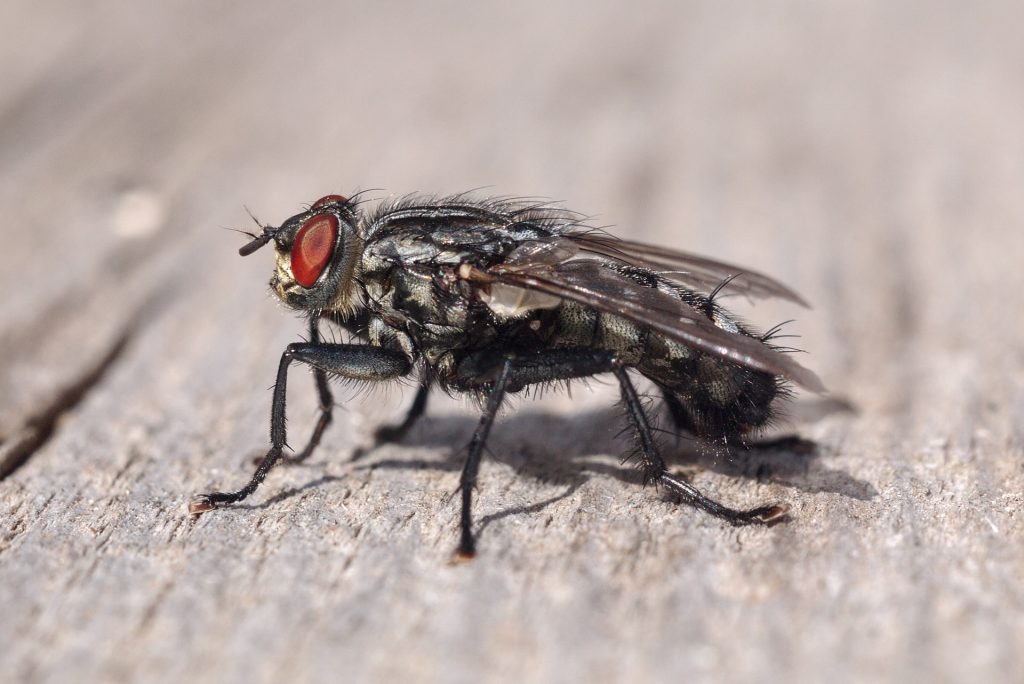
A study published in Nature Microbiology has for the first time provided compelling evidence of connections between antimicrobial-resistant bacteria causing surgical-site infections and insects and other arthropods. Among these bacteria are those with resistance to drug-of-last-resort. 

Antimicrobial resistance (AMR) could render many of the current mainstay and last-resort antibiotics useless, resulting in many more deaths from previously treatable infections. A UN report estimated in 2019 that AMR could lead to ten million deaths per year, and cost the world $100 trillion, by 2050.

“Similar to our experience over the last eighteen months with the pandemic, a problem currently seen from afar will quickly come into focus much closer to home” said Professor Tim Walsh at Oxford University

The report found that:

  • About 20% of the flies, cockroaches, spiders, moths, and ants were carrying carbapenem resistance.
  • Of these, 70-80% were carrying extended spectrum cephalosporin resistance, that is, enzymes that confer resistance to most beta-lactam antibiotics, including penicillins, cephalosporins, and the monobactam aztreonam.
  • Currently there are about 18 million flies to every human, but conservative global warming projections estimate insect and fly population will double if temperatures increase by 1.5 degrees.
  • By 2080 there could be around 50 000 trillion flies carrying carbapenem resistance and spreading AMR across the planet.

“Similar to our experience over the last eighteen months with the pandemic, a problem currently seen from afar will quickly come into focus much closer to home,” said Prof Walsh. “The clinical burden of AMR is most felt in low-middle income countries, but the increase in global temperatures, due to climate change, will result in a significant increase in flies and many other insects and a subsequent increase in the global velocity of antibiotic resistance.” Prof. Tim Walsh, Oxford University.

AMR is a pervasive issue, stretching from hospitals to farming and human waste processing. Resistance can spread within hospitals, communities, farms, and wastewater systems, and domestic animals can share AMR microorganisms with humans.

One tactic is to repurpose previously developed drugs that did not work for humans and use these for animals, buying time for us to develop new drugs.

Another is to rethink hospital prevention and infection control measures, especially in lower- and middle-income countries. Further research into how arthropods disseminate AMR and improving healthcare infrastructure to reduce the spread of AMR by arthropods.

“Most antibiotics currently used on animals are also the same that are used in humans, creating a pool where bacteria can evolve to evade drugs and then reinfect humans,” said Prof Tim Walsh of Oxford University.

“There is no silver bullet when it comes to tackling the worldwide threat of AMR,” he added. “The Ineos Oxford Institute for AMR Research is committed to finding non-human antibiotic therapies and feeds for animals, addressing the increase in AMR in human infections and raising awareness of this hidden threat to human health. But this is a global medical crisis that ultimately will only be resolved with a global response.”

Source: Oxford University

Human Breast Milk Could Yield Antibiotic Secrets

Researchers believe that antibacterial properties of sugars in human breast milk could be harnessed for new antimicrobial therapies.

Group B Streptococcus (GBS) bacteria are a common cause of blood infections, meningitis and stillbirth in newborns, and are becoming resistant to antibiotics. Researchers have now discovered that human milk oligosaccharides (HMOs), short strings of sugar molecules abundant in breast milk, can help prevent GBS infections in human cells and tissues and in mice. This might yield new antibiotic treatments, the researchers believe. 

“Our lab has previously shown that mixtures of HMOs isolated from the milk of several different donor mothers have antimicrobial and antibiofilm activity against GBS,” says Rebecca Moore, who is presenting the work at a meeting of the American Chemical Society (ACS). “We wanted to jump from these in vitro studies to see whether HMOs could prevent infections in cells and tissues from a pregnant woman, and in pregnant mice.” Moore is a graduate student in the labs of Steven Townsend, PhD, at Vanderbilt University and Jennifer Gaddy, PhD, at Vanderbilt University Medical Center.

According to the US Centers for Disease Control and Prevention, about 2000 babies in the U.S. get GBS each year, with 4-6% of them dying from it. The bacteria are often transferred from mother to baby during labour and delivery. An expectant mother who tests positive for GBS is usually given intravenous antibiotics during labor to help prevent early-onset infections, which occur during the first week of life. Notably, late-onset infections (which happen from one week to three months after birth) are more common in formula-fed than breastfed infants, suggesting breast milk has factors which could help protect against GBS. If so, the sugars could be a replacement for current antibiotics which are steadily becoming less effective.

The researchers studied the effects of combined HMOs from several mothers on GBS infection of placental macrophages and of the gestational membrane. “We found that HMOs were able to completely inhibit bacterial growth in both the macrophages and the membranes, so we very quickly turned to looking at a mouse model,” Moore says. They examined whether HMOs could prevent a GBS infection from spreading through the reproductive tract of pregnant mice. “In five different parts of the reproductive tract, we saw significantly decreased GBS infection with HMO treatment,” Moore notes.

To determine which HMOs and other oligosaccharides have these antimicrobial effects and why, the researchers made an artificial two-species microbiome with GBS and the beneficial Streptococcus salivarius species growing in a tissue culture plate, separated by a semi-permeable membrane. Then, the researchers added oligosaccharides that are commonly added to infant formula, called galacto-oligosaccharides (GOS), which are derived from plants. In the absence of the sugar, GBS suppressed the growth of the “good” bacteria, but GOS helped this beneficial species grow. “We concluded that GBS is producing lactic acid that inhibits growth, and then when we add the oligosaccharide, the beneficial species can use it as a food source to overcome this suppression,” Moore explained.
The first HMOs tested did not have this effect, but Townsend says it’s likely that one or more of the over 200 unique sugars in human milk will show activity in the artificial microbiome assay. There are likely two reasons why HMOs can treat and prevent GBS infection: they prevent pathogens from sticking to tissue surfaces and forming a biofilm, and they could also act as a prebiotic by promoting good bacteria growth.

“HMOs have been around as long as humans have, and bacteria have not figured them out. Presumably, that’s because there are so many in milk, and they’re constantly changing during a baby’s development,” Townsend said. “But if we could learn more about how they work, it’s possible that we could treat different types of infections with mixtures of HMOs, and maybe one day this could be a substitute for antibiotics in adults, as well as babies.”

Source: American Chemical Society

Human Transmission in Antibiotic-resistant Plague Outbreak

Scanning electron micrograph of Yersinia pestis, which causes bubonic plague, on proventricular spines of a Xenopsylla cheopis flea.
 
Credit: National Institute of Allergy and Infectious Diseases/NIH


Analysing a recent outbreak of plague in Madagascar, a team of researchers uncovered evidence of human transmission of antimicrobial-resistant plague.

While COVID dominates the global awareness of infectious diseases, others are still out there, such as Yersinia pestis, which causes plague. Even though plague has been largely eradicated in the developed world, hundreds of people globally contract it each year.

When a human is infected with bubonic plague from a flea bite and it goes untreated, the infection can progress, spread to the lungs and resulting in pneumonic plague. Pneumonic plague is usually lethal if not treated quickly, and infected patients can transmit the disease to others via respiratory droplets. A team of scientists from Northern Arizona University’s Pathogen and Microbiome Institute, led by professor Dave Wagner, recently published their findings from a remarkable study involving antimicrobial resistant (AMR) plague.

Plague is considered to be a reemerging and neglected disease, particularly in the East African island country of Madagascar, which reports the majority of annual global cases. There is no vaccine for it, so preventing mortality from plague requires rapid diagnosis followed by antibiotic treatment. In Madagascar, the antibiotic streptomycin is usually the first-line treatment for plague. The researchers isolated a streptomycin-resistant AMR strain of Y. pestis from a pneumonic plague outbreak that occurred there in 2013, involving 22 cases, including three fatalities. The study was recently published in Clinical Infectious Diseases.

“By characterising the outbreak using epidemiology, clinical diagnostics and DNA-fingerprinting approaches,” Prof Wagner said, “we determined—for the first time—that AMR strains of Y. pestis can be transmitted person-to-person. The AMR strain from this outbreak is resistant to streptomycin due to a spontaneous point mutation, but is still susceptible to many other antibiotics, including co-trimoxazole. Luckily, the 19 cases that were treated all received co-trimoxazole in addition to streptomycin, and all of them survived.

“The point mutation, which also is the source of streptomycin resistance in other bacterial species, has occurred independently in Y. pestis at least three times and appears to have no negative effect on the AMR strain, suggesting that it could potentially persist in nature via the natural rodent-flea transmission cycle. However, AMR Y. pestis strains are exceedingly rare and the mutation has not been observed again in Madagascar since this outbreak.”

Source: North Arizona University

Old Antibiotics as New Weapons against Melanoma

Researchers may have hit upon a new weapon in the fight against melanoma: antibiotics that target a vulnerability in the ‘power plants’ of cancer cells when they try to survive cancer therapy.

“As the cancer evolves, some melanoma cells may escape the treatment and stop proliferating to ‘hide’ from the immune system. These are the cells that have the potential to form a new tumor mass at a later stage,” explains cancer researcher and RNA biologist Eleonora Leucci at KU Leuven, Belgium. “In order to survive the cancer treatment however, those inactive cells need to keep their ‘power plants’—the mitochondria—switched on at all times.” As mitochondria derive from bacteria that, over time, started living inside cells, they are very vulnerable to a specific class of antibiotics. This is what gave us the idea to use these antibiotics as anti-melanoma agents.”

The researchers implanted patient-derived tumors into mice, which were then treated with antibiotics, either as alone or in combined with existing anti-melanoma therapies. Leucci observed: “The antibiotics quickly killed many cancer cells and could thus be used to buy the precious time needed for immunotherapy to kick in. In tumors that were no longer responding to targeted therapies, the antibiotics extended the lifespan of—and in some cases even cured—the mice.”

The researchers made use of nearly antibiotics rendered nearly obsolete because of antibiotic resistance. However, this does not affect the efficacy of the treatment in this study, Leucci explained. “The cancer cells show high sensitivity to these antibiotics, so we can now look to repurpose them to treat cancer instead of bacterial infections.”

However, patients with melanoma should not try to experiment, warned Leucci. “Our findings are based on research in mice, so we don’t know how effective this treatment is in human beings. Our study mentions only one human case where a melanoma patient received antibiotics to treat a bacterial infection, and this re-sensitized a resistant melanoma lesion to standard therapy. This result is cause for optimism, but we need more research and clinical studies to examine the use of antibiotics to treat cancer patients. Together with oncologist Oliver Bechter (KU Leuven/UZ Leuven), who is a co-author of this study, we are currently exploring our options.”

Source: KU Leuven

Journal information: Roberto Vendramin et al, Activation of the integrated stress response confers vulnerability to mitoribosome-targeting antibiotics in melanoma, Journal of Experimental Medicine (2021). DOI: 10.1084/jem.20210571

Untreated Sewage is a Driver of Antibiotic Resistance

Photo by Jordan Opel on Unsplash

Contamination of urban lakes, rivers and surface water by human waste is creating pools of ‘superbugs’ in Low- and Middle-Income Countries (LMIC), according to new research. However, improving access to clean water, sanitation and sewerage infrastructure could help to improve public health.

For the study, researchers studied bodies of water in urban and rural sites in three areas of Bangladesh: Mymensingh, Shariatpur and Dhaka. In comparison to rural settings, they detected more antibiotic resistant faecal coliforms in urban surface water , consistent with reports of such bacteria in rivers across Asia. Their findings were published in mSystems.

Lead author Willem van Schaik, Professor of Microbiology and Infection at the University of Birmingham, commented: “The rivers and lakes of Dhaka are surrounded by highly-populated slums in which human waste is directly released into the water. The presence of human gut bacteria links to high levels of antibiotic resistance genes, suggesting that such contamination is driving the presence of these ‘superbugs’ in surface water.

“Interventions aimed at improving access to clean water, sanitation and sewerage infrastructure may thus be important to reduce the risk of antimicrobial resistance spreading in Bangladesh and other LMICs. While levels of antibiotic resistance genes are considerably lower in rural than in urban settings, we found that antibiotics are commonly used in fish farming and further policies need to be developed to reduce their use.”

Infections from antibiotic-resistant bacteria are on the rise globally, but the clinical issues posed by these bacteria are particularly alarming in LMICs, with significant morbidity and mortality. As in other LMICs, multidrug-resistant E. coli has a relatively high prevalence in healthy humans in Bangladesh.

With a population of around 16 million people, Dhaka’s population density ranks among the highest of any megacity, but less than 20% of its households have a sewerage connection.

Urban surface waters in Bangladesh are particularly rich in antibiotic resistance genes, the researchers discovered, with a higher number of them associated with plasmids — vehicles of genetic exchange among bacteria — indicating that they are more likely to spread through the population.

Antibiotic-resistant bacteria that colonise the human gut can be passed into rivers, lakes and coastal areas through the release of untreated wastewater, the overflow of pit latrines during monsoon season or by practices such as open defecation.

Such contaminated environments are often used for bathing, for the washing of clothes and food utensils, thereby risking human gut colonisation by antibiotic-resistant bacteria.

The researchers from the University of Birmingham and the International Centre for Diarrhoeal Disease Research, Bangladesh called for further research to quantify the drivers of antibiotic resistance in surface waters in Bangladesh.

Source: University of Birmingham

Journal information: McInnes, R.S., et al. (2021) Metagenome-Wide Analysis of Rural and Urban Surface Waters and Sediments in Bangladesh Identifies Human Waste as a Driver of Antibiotic Resistance. mSystems. doi.org/10.1128/mSystems.00137-21.

The Emerging Treatment-resistant Fungus Threat

Professor Rodney E. Rohde, a public health and clinical microbiology expert at Texas State University, warned in article for The Conversation of the growing threat of fungal resistance — a problem drawing much less attention than antibiotic resistance. 

 Athlete’s foot, thrush, ringworm and other ailments are caused by fungi, and some are serious risks to health and life. Among these is Candida auris, a pathogenic fungus. Fungi generally have not caused major disease, so there is a lack of funding in this area and there are limited antifungal agents that can treat C. auris.

Most fungal infections around the world are caused by the genus Candida, particularly the species called Candida albicans. But there are others, including Candida auris, which gets its name ‘auris’, Latin for ear, because it was first identified from an external ear canal discharge in 2009.

Candida normally lives on the skin and inside the body, such as in the mouth, throat, gut and vagina, without causing any problems. It exists as a yeast and is thought of as normal flora, harmless microbes. However when the body is immuno-compromised, these fungi become opportunistic pathogens, something happening around the world with multidrug-resistant C. auris.

The threat of Candida auris

C. auris infections, or fungaemia, have been reported in 30 or more countries. They are often found in the blood, urine, sputum, ear discharge, cerebrospinal fluid and soft tissue, and occur in people of all ages. According to the US Centers for Disease Control, the mortality rate in the US has been reported to be between 30% to 60% in many patients who had other serious illnesses. In a 2018 review of research on the global spread of the fungus, researchers estimated mortality rates of 30% to 70% in C. auris outbreaks among critically ill patients in intensive care.

Recent surgery, diabetes and broad-spectrum antibiotic and antifungal use are risk factors. Furthermore, immuno-compromised patients are at greater risk than those with healthy immune systems.

C. auris can be difficult to identify with conventional microbiological culture techniques, which leads to frequent mis-identification and under recognition. This yeast is also known for its tenacity to easily colonise the human body and environment — including medical devices. People in nursing homes and patients with catheters, on ventilation etc seem to be at highest risk.

The CDC has set C. auris infections at an “urgent” threat level because 90% are resistant to at least one antifungal, 30% to two antifungals, and there are some resistant to all three available classes of antifungals. This multidrug resistance has led to outbreaks in health care settings, especially hospitals and nursing homes, that are extremely difficult to control.

The double threat of COVID and C. auris

For hospitalised COVID patients, antimicrobial-resistant infections may be a particularly devastating risk. The mechanical ventilators often used to treat serious COVID are breeding grounds and highways for entry of environmental microbes like C. auris. Further, according to a September 2020 paper, hospitals in India treating COVID have detected C. auris on surfaces including “bed rails, IV poles, beds, air conditioner ducts, windows and hospital floors.” The researchers termed the fungus a “lurking scourge” amid the COVID pandemic. Termed ‘white fungus’, these fungal infections typically arise a week to 10 days after being in the ICU.

The same authors reported in a November 2020 CDC article that of 596 COVID-confirmed patients in a New Delhi ICU from April 2020 to July 2020, 420 patients required mechanical ventilation. Of these, 15 were infected with candidemia fungal disease and eight of those infected (53%) died. Ten of the 15 patients were infected with C. auris; six of them died (60%).

How to deal with this?

With fewer and fewer antifungal options,  CDC is recommending a focus on preventing C. auris infections. This involves better hand hygiene and improving infection prevention and control in medical care settings, judicious and thoughtful use of antimicrobial medications, and stronger regulation limiting the over-the-counter availability of antibiotics.

Source: The Conversation

Journal information: Anuradha Chowdhary et al, The lurking scourge of multidrug resistant Candida auris in times of COVID-19 pandemic, Journal of Global Antimicrobial Resistance (2020). DOI: 10.1016/j.jgar.2020.06.003

In the Immune Battle, MRSA Uses Toxins to Fight Dirty

Scanning electron micrograph of methicillin-resistant Staphylococcus aureus and a dead human neutrophil. Credit: NIAID

Researchers have uncovered a novel trick employed by the bacterium Staphylococcus aureus — MRSA uses toxins to ‘fight dirty’ and stifle the immune response. This finding is a step towards one day producing a vaccine against MRSA.

Every year, there are some 700 000 deaths due to the emerging global threat of antimicrobial resistance (AMR). Turning the tables against AMR requires immediate action, and the development of novel vaccines to prevent such infections in the first place, are an attractive and potentially very effective option.

Staphylococcus aureus is the causative agent of the infamous MRSA ‘superbug’, one of the chief concerns of AMR. Immunologists from Trinity College Dublin, working with scientists at GSK, discovered the deadly bacteria’s new trick to foil the immune system. They found that the bacterium interferes with the host immune response by causing toxic effects on white blood cells, preventing them from carrying out their infection-fighting jobs.

The study also showed that the toxicity could be lessened following vaccination with a mutated version of a protein specifically engineered to throw a spanner in the MRSA works. This could one day lead to a vaccine for humans.

Rachel McLoughlin, Professor in Immunology in Trinity’s School of Biochemistry and Immunology and the Trinity Biomedical Sciences Institute (TBSI), said: “As a society we are witnessing first-hand the powerful impact that vaccination can have on curbing the spread of infection. However, in the backdrop of the COVID epidemic we must not lose sight of the fact that we are also waging war on a more subtle epidemic of antimicrobial resistant infection, which is potentially equally deadly.

“In this study we have identified a mechanism by which a protein made by the bacterium – known as Staphylococcal Protein A (SpA) – attacks and rapidly kills white blood cells. This protein has been widely studied for its immune evasion capacity and has a well-documented role in rendering antibodies raised against the bacterium non-functional.

“Here we uncover a previously undocumented strategy by which SpA forms immune complexes through its interaction with host antibodies, that in turn exert toxic effects on multiple white blood cell types. This discovery highlights how important it will be for effective vaccines to be capable of disarming the effects of protein A.”

Dr Fabio Bagnoli, Director, Research & Development Project Leader, GSK, said: “Our collaboration with Trinity College Dublin and in particular with Professor Rachel McLoughlin, a worldwide recognised expert on staphylococcal immunology, is critical for increasing our knowledge on protective mechanisms against S. aureus.”

The study documents the latest discovery made by this group at Trinity under an ongoing research agreement with GSK Vaccines (Siena, Italy). Overall, this collaboration aims to increase understanding of the immunology of Staphylococcus aureus infection to advance development of next-generation vaccines to prevent MRSA infections.

Source: Trinity College Dublin

Journal information: Fox, P. G., et al. (2021) Staphylococcal Protein A Induces Leukocyte Necrosis by Complexing with Human Immunoglobulins. Scientific Reports. doi.org/10.1128/mBio.00899-21.

Disarming a Common Pathogenic Bacterium

Pseudomonas aeruginosa bacteria. Source: Public Health Imagery Library

Scientists have discovered a gene regulator in a common pathogenic bacterium that can be exploited to drastically reduce its virulence.

Pseudomonas aeruginosa is a gram-negative, aerobic, opportunistic, pathogenic bacterium found in a variety of ecological niches, such as plant roots, stagnant water or even plumbing. Naturally extremely versatile, it can cause acute and chronic infections that are potentially fatal for immunocompromised hosts. P. aeruginosa poses a serious threat in clinical settings, where it can colonise respirators and catheters. Additionally, its adaptability and resistance to many antibiotics make P. aeruginosa infections steadily more difficult to treat. Therefore new antibacterials are urgently needed. 

Scientists from the University of Geneva (UNIGE) in Switzerland have identified a previously unknown regulator of gene expression in this bacterium, without which the infectious power of P. aeruginosa is diminished. This discovery may unlock new developmental pathways to treat this bacteria.

RNA helicases perform essential regulatory functions by binding and unwinding various RNA molecules to perform their functions. RNA helicases are present in the genomes of almost all known living organisms, including bacteria, yeast, plants, and humans; however, they have acquired specific properties depending on the organism in which they are found. “Pseudomonas aeruginosa has an RNA helicase whose function was unknown, but which was found in other pathogens”, explained Martina Valentini,  a researcher leading this research in the Department of Microbiology and Molecular Medicine at UNIGE Faculty of Medicine. “We wanted to understand what its role was, in particular in relation to the pathogenesis of the bacteria and their environmental adaptation.”

A severely reduced virulence

To accomplish this, the researchers took a combined biochemical and molecular genetic approach. “In the absence of this RNA helicase, P. aeruginosa multiplies normally in vitro, both in a liquid medium and on a semi-solid medium at 37°C”, reported Stéphane Hausmann, a researcher associate in the Department of Microbiology and Molecular Medicine at UNIGE Faculty of Medicine and first author of this study. “To determine whether the infection capacity of the bacteria was affected, we had to observe it in vivo in a living organism.”

The scientists then continued their research using Galleria mellonella larvae, a model insect for studying host-pathogen interactions.These larvae can live at temperatures between 5°C and 45°C, which makes it possible to study bacterial growth at different temperatures, including that of the human body. Three groups of larvae were observed, including a control group injected with saline. In the presence of a normal strain of P. aeruginosa, less than 20% survived at 20 hours after infection. In contrast, when P. aeruginosa lacked the RNA helicase gene, over 90% of the larvae remained alive. “The modified bacteria became almost harmless, while remaining very much alive,” says Stéphane Hausmann.

Inhibiting instead of killing

The findings demonstrated that the regulator affects production of several virulence factors in the bacteria. “In fact, this protein controls the degradation of numerous messenger RNAs coding for virulence factors”, summarised Martina Valentini. “From an antimicrobial drug strategy point of view, switching off the pathogen’s virulence factors rather than trying to eliminate the pathogen completely, means allowing the host immune system to naturally neutralise the bacterium and potentially reduces the risk for the development of resistance. Indeed, if we try to kill the bacteria at all costs, the bacteria will adapt to survive, which favours the appearance of resistant strains.”

The Geneva team is continuing its investigations by screening drug molecules to see if any of them can selectively block this protein, and also performing a detailed study in detail on the inhibition mechanisms on which could be based the development of an effective therapeutic strategy.

Source: University of Geneva

Journal reference: Hausmann, S., et al. (2021) The DEAD-box RNA helicase RhlE2 is a global regulator of Pseudomonas aeruginosa lifestyle and pathogenesis. Nucleic Acid Research. doi.org/10.1093/nar/gkab503.

Holding off on Antibiotics is Safe and Effective for Patients

According to an analysis published in BMJ Today, delayed antibiotic prescribing is a safe and effective strategy for most patients with respiratory tract infections.

Delayed antibiotic prescribing—also known as ‘just in case prescribing’—is when patients agree to see whether symptoms settle before collecting a prescription, in order to help reduce antibiotic use.

Delayed prescribing was shown to be associated with a similar duration of symptoms as no antibiotic prescribing and is not likely to lead to poorer symptom control than immediate antibiotic prescribing. In children with immediate antibiotics a slight benefit was seen but this was not judged important enough to justify immediate antibiotic prescribing.

Respiratory tract infections affect the sinuses, throat, airways or lungs and include conditions such as the common cold, sore throat, cough and ear infection. While most improve without treatment, antibiotics are still widely being prescribed for these conditions.

It has been suggested in various clinical trials that delayed antibiotic prescribing for respiratory tract infections is probably safe and effective for most patients, but they were unable to examine different groups of patients or complications.

To address this, an international research team set out to assess the effect of delayed antibiotic prescribing on symptoms for patients with respiratory tract infections in the community.

They used individual patient data on a total of 55 682 patients from nine randomised controlled trials and four observational studies to compare average symptom severity between delayed versus no antibiotic prescribing, and delayed versus immediate antibiotic prescribing.

Most of the studies took place in primary care settings with the average age of study participants ranging from 2.7 to 51.7 years.

The researchers accounted for factors including age, sex, previous duration of illness, severity of symptoms, smoking status and underlying conditions. Average symptom severity was measured two to four days after initial consultation on a seven point scale (ranging from normal to as bad as could be).

The researchers found no difference in symptom severity for delayed versus immediate antibiotics or delayed versus no antibiotics.

Symptom duration was slightly longer in those given delayed versus immediate antibiotics (11.4 v 10.9 days), but was similar for delayed versus no antibiotics.

Complications resulting in hospital admission or death were lower with delayed versus no antibiotics and delayed versus immediate antibiotics, but neither result was statistically significant.

Re-consultation rates were significantly reduced and an increase in patient satisfaction were found for delayed versus no antibiotics, but not for delayed versus immediate antibiotics.

Children under 5 years of age showed slightly more severe symptoms with delayed antibiotics than with immediate antibiotics, but this was not considered to be clinically meaningful, and this was not seen in older age groups.

 hey concluded that delayed antibiotic prescribing “appears to be a safe and effective strategy for most patients, including those in higher risk subgroups.”

This was a large, detailed analysis accounting for differences in study design and quality to reduce bias. The researchers nevertheless pointed out some limitations, being unable to exclude the possibility that other unmeasured factors may have affected their results.

Source: Medical Xpress

Journal information: Beth Stuart et al, Delayed antibiotic prescribing for respiratory tract infections: individual patient data meta-analysis, BMJ (2021). DOI: 10.1136/bmj.n808

WHO Says New Antibiotic Treatments are Falling Behind

The development projects of new antibiotic treatments are falling behind, despite increasing awareness of the antibiotic resistance threat, according to a recently released report by the World Health Organization. 

The WHO revealed that none of the 43 antibiotics that are currently in clinical development sufficiently address the problem of drug resistance in the world’s most dangerous bacteria.

Dr Hanan Balkhy ,Assistant Director General on AMR, WHO said that, “The persistent failure to develop, manufacture, and distribute effective new antibiotics is further fueling the impact of antimicrobial resistance (AMR) and threatens our ability to successfully treat bacterial infections.”

All of the new antibiotics released onto the market in the past few decades have been variations of those developed in the 1980s.

The impact of AMR is most severely felt in resource-constrained settings and in vulnerable populations such young children. Bacterial pneumonia and bloodstream infections are some of the major causes of childhood mortality under age 5, and about 30% of neonates with sepsis die due to bacterial infections resistant to multiple first-line antibiotics.

WHO puts out its Antibacterial Pipeline Report every year, reviewing antibiotics under development. The report evaluates the potential of the candidates to address the most threatening drug-resistant bacteria outlined in the WHO Bacterial Priority Pathogens List (WHO PPL). Since it began in 2017, this list, which includes 13 priority drug-resistant bacteria, has informed and guided priority areas for research and development.

The 2020 report paints a picture of an almost stalled pipeline with only few antibiotics in recent years receiving regulatory approval. Most of these agents in development have little extra clinical benefit over current ones, with 82% of recently approved antibiotics being derivatives of previous  ones with well-established drug-resistance, and drug resistance to these new ones is expected to emerge rapidly.

The review concludes that “overall, the clinical pipeline and recently approved antibiotics are insufficient to tackle the challenge of increasing emergence and spread of antimicrobial resistance”.

Speeding up development requires innovative approaches. For the first time. the 2020 WHO pipeline report includes a comprehensive overview of non-traditional antibacterial medicines, detailing 27 antibacterial agents in the pipeline. These range from antibodies to bacteriophages and therapies that boost the immune response and weaken bacterial effects.

The report notes that there are some promising products in different stages of development. However, only a fraction of these will ever make it to the market due to the economic and inherent scientific challenges in the drug development process. This, along with the small return on investment from successful antibiotic products, has limited the interest of major private investors and most large pharmaceutical companies.

Only a fraction of the promising products in the pipeline will make it to market because of financial and scientific obstacles in the development process. 

The preclinical and clinical pipelines continue to be driven by small- and medium-sized companies, which often struggle to finance their products through clinical trials and approval.

The COVID pandemic has deepened the global understanding of the health and economic implications of uncontrolled disease, as well as funding gaps, including investments in R&D of antimicrobial medicines and vaccines, while also demonstrating that much can be achieved with political will and sufficient funding.

“Opportunities emerging from the COVID-19 pandemic must be seized to bring to the forefront the needs for sustainable investments in R&D of new and effective antibiotics,” said Haileyesus Getahun, Director of AMR Global Coordination at WHO. “Antibiotics present the Achilles heel for universal health coverage and our global health security. We need a global sustained effort including mechanisms for pooled funding and new and additional investments to meet the magnitude of the AMR threat.”

To address funding challenges in antibiotics development, WHO partnered with the Drugs for Neglected Diseases intitive (DNDi) to set up the Global Antibiotic R&D Partnership (GARDP) to develop promising treatments.

In addition, the WHO has been working closely with other non-profit funding partners such as the CARB-X to “push” and accelerate antibacterial research. Another important new initiative is the AMR Action Fund, a partnership by the European Investment Bank. pharmaceutical companies and philanthropies.

Source: News-Medical.Net