The Process of Remission from Peanut Allergy Mapped Out

Credit: NIH

An Australian study published in Allergy, has identified the key immunological changes that support the remission of peanut allergy in children, a discovery that could pave the way to new, more targeted treatments.

The research showed, for the first-time, that specific gene networks are rewired to drive the transition from peanut allergy to clinical remission following a combination treatment of a probiotic and peanut oral immunotherapy.

The study found that this network reprogramming essentially shuts down the allergic immune response that was responsible for causing a food allergy.

Lead researcher, Professor Mimi Tang of Murdoch Children’s Research Institute, said this was the first study to map the complex gene to gene communication and connectivity underlying clinical remission of peanut allergy.

“The immunological changes leading to remission of peanut allergy were largely unknown,” she said. Previous studies had mostly focused on examining the levels of gene expression, without also exploring how genes interact with each other. But genes don’t work in isolation; instead, biological responses are controlled by large numbers of genes communicating with each other, so it made sense to look at these interactions more closely.

“What we found was profound differences in network connectivity patterns between children who were allergic and those who were in remission. These same changes were also seen when we compared gene networks before and after immunotherapy in the children who achieved remission following immunotherapy.”

The randomised controlled trial involved 62 peanut allergic children, ages 1–10, who received a combination treatment of a probiotic and oral immunotherapy (gradual introduction of the allergen) or a placebo. Following 18 months of treatment, 74% taking the combination treatment achieved remission compared with 4% in the placebo group.

The peanut oral immunotherapy that was used in combination with the probiotic in the trial was PRT120, a lead candidate from biotech company Prota Therapeutics.

The team led by Professor Tang also recently showed in a separate trial that two treatments — the combination probiotic and peanut oral immunotherapy treatment and the peanut oral immunotherapy alone — were highly effective at inducing remission and desensitisation. About half of the treated children achieved remission, which allowed them to stop treatment and safely eat peanut freely.

Murdoch Children’s Dr Sarah Ashley said while oral immunotherapy could successfully induce desensitisation and remission, desensitisation often waned after treatment ended or even during ongoing maintenance dosing.

“Certain changes in the allergen-specific immune cells, called Th2 cells, are critical to achieving lasting remission,” she said. Th2 cells are essential for generating allergen-specific antibodies and the development of food allergy. We found that the Th2 signalling that drives allergy is ‘turned off’ in children in remission.”

Food allergy is a global public health concern, affecting 10% of infants and 5–8% of children.

Source: Murdoch Children’s Research Institute

End of the Road for Ivermectin as COVID Treatment in South Africa

Stop sign

South Africa’s medicines regulator has officially terminated the special dispensation to use Ivermectin as a treatment for COVID, stating that “there is currently no credible evidence to support a therapeutic role for Ivermectin” in the treatment of the disease.

On Monday 30 May, the South African Health Products Regulatory Authority (SAHPRA) officially withdrew its authorisation [PDF], bringing to end something of a saga which saw vocal proponents pitched against the scientific and regulatory establishment.

The antiparasitic Ivermectin gained considerable notoriety as the COVID pandemic went on, based on preliminary studies that seemed to demonstrate its effectiveness. Pressure born out of desperation for some kind of treatment led to SAHPRA – amidst its own apparent misgivingsgranting compassionate use authorisation under strict guidelines in January 2021. Use was allowed under Section 21 guidelines without having to wait for Section 21 authorisation, which was misinterpreted as full authorisation by some media sources.

The social media furore and misinformation surrounding Ivermectin led to dangerous instances of COVID self-treatment, with hospitalisations and even deaths reported.

In its terribly botched response to COVID, Brazil adopted Ivermectin on a mass scale, and essentially became a living laboratory for its effectiveness. Despite even administering Ivermectin as prophylaxis, Brazil’s health system was overwhelmed with COVID patients during the surge caused by the Gamma variant.

Studies turned up scant evidence in favour of Ivermectin’s effectiveness, with serious flaws and even outright data fabrication were picked up in a number of studies that seemed to show a significant benefit – even flying right through the peer review process only to be picked up at a later stage. This lead to a major meta-analysis by Hill et al. showing a effectiveness instead being retracted, which SAHPRA noted in its decision.

Finally, the I-TECH and the Together randomised clinical trials of 2021 showed no effect. Like hydroxychloroquine before it, Ivermectin prescribing was found to be driven by political interests. Thus, Ivermectin quietly disappeared from the media as viable antivirals such as Paxlovid came into the market.

The termination comes after a distinct decline in demand for Ivermectin use in South Africa, with no new applications for importation of unregistered Ivermectin products place since August 2021. SAHPRA also noted a marked decline in the number of health facilities applying for permission to hold bulk stock after August 2021.

Furthermore, no individual named patient applications have been approved since December 2021. Finally, there was little in the way of reporting of outcomes achieved by the treating healthcare providers.

By Now, Nearly All South Africans Have COVID Antibodies

South African flag with COVID theme
Image by Quicknews

The latest COVID seroprevalence survey shows that nearly every adult in South Africa has either been vaccinated or had COVID. For many, it’s both.

The study analysed blood from over 3000 blood donors. It was conducted by the South African National Blood Service, which is responsible for blood donations in eight provinces, and the Western Cape Blood Service.

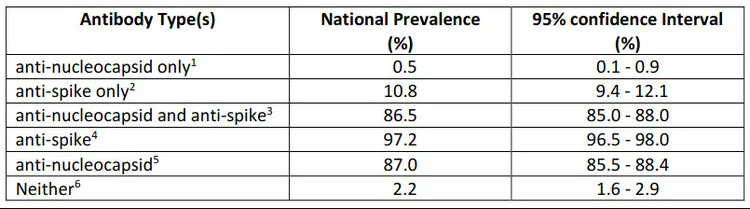
The researchers estimated that by March 2022, before the fifth wave which appears to have peaked in the last few weeks, 98% of adults had some detectable antibodies, whether from COVID or from vaccination. This means that only 2% had neither been vaccinated nor been infected.

Only 10% had been vaccinated but not infected by COVID.

Read the study

(Note: The study has been published as a preprint and has not been peer-reviewed.)

What the survey tested for

Blood samples were collected and tested from 3395 consenting donors from all provinces in mid-March 2022. While blood donors are not precisely representative of the population, the researchers have argued that the study is representative enough.

This is the first time the blood services researchers have been able to look for two types of antibodies.

One test indicates if a sample has antibodies to the nucleocapsid proteins (anti-nucleocapsid antibodies). These antibodies develop if someone is infected, but won’t develop after a person receives a vaccine only (at least not those vaccines currently available in South Africa).

The other test indicates if the sample has antibodies to the spike protein (anti-spike antibodies). These antibodies develop when someone has been infected or has been vaccinated (or both).

Using these two tests together, researchers can, for the first time, evaluate the proportion of the population that has been vaccinated and not infected.

Results

After weighting the results to reflect national demographics, the researchers found that a mere 2% of the population had neither anti-spike nor anti-nucleocapsid antibodies. These are people who have likely never had COVID nor been vaccinated.

10% had only anti-spike antibodies. These are people who were likely vaccinated, but never infected.

The researchers noted that there is “an increasing incidence of reinfection” with the omicron wave.

Blood service survey is the best we have

The blood services have been regularly testing blood samples from donors throughout the pandemic, looking at the presence of anti-nucleocapsid antibodies.

While other surveys might be more representative of the population than the blood donor ones, these have been infrequently published or published long after the survey was conducted. By contrast the blood donor surveys are relatively affordable and quick to publish. Also, as far as we are aware, it is the only survey repeatedly testing the same group of people, so that comparisons across time are possible.

Past blood surveys

The blood services’ survey from samples taken in May 2021 estimated that 47% of the adult population had previously been infected.

The next survey of blood samples was taken in November 2021 after the delta wave. This was just before the omicron wave. The researchers estimated that about 70% of people had been infected.

The latest survey indicates that about 87% of people have been infected.

The previous surveys found that levels of infection differed by province. Now these differences have “largely disappeared as prevalence appears to have saturated”.

Differences across race

There are significant differences in rates of infection when different races are compared.

The November survey showed that about 80% of black donors and 40% of white donors had been infected with COVID.

In the latest survey the proportion of white and Asian donors that only have anti-spike antibodies (indicating vaccination but no infection) was higher than black and coloured donors.

The researchers suggest that “white donors are both unusually likely to avail themselves of vaccination, and they are unusually able to avoid exposure, for instance by working predominantly from home, [and] living in smaller family units.”

Article by By James Stent. Republished from GroundUp under a Creative Commons Attribution-NoDerivatives 4.0 International License.

Source: GroundUp

Vitamin D Doesn’t Prevent the Development of Type 2 Diabetes

Vitamin D pills
Photo by Michele Blackwell on Unsplash

Daily vitamin D supplements do not seem to prevent the development of type 2 diabetes in people already at high risk of the condition, according to a Japanese trial published by The BMJ.

While no clinically meaningful effect was seen in high risk adults, the results hinted that there may be a benefit for people with insufficient insulin secretion.

Type 2 diabetes affects around 480 million people worldwide, and is predicted to increase to 700 million by 2045. Another half a billion people have impaired glucose tolerance or pre-diabetes (higher than normal blood sugar levels that, if left untreated, can develop into type 2 diabetes).

Weight loss and exercise can lower the risk of progression to type 2 diabetes, but are difficult to sustain, so new strategies are needed to tackle the problem.

An association between vitamin D deficiency and an increased risk of future diabetes has been shown in some studies, but trials of vitamin D supplements for preventing type 2 diabetes show inconsistent results.

To address this knowledge gap, researchers therefore set out to assess whether eldecalcitol (an active form of vitamin D used to treat osteoporosis in Japan) could reduce the risk of developing type 2 diabetes among people with impaired glucose tolerance.

The study involved 1256 Japanese adults with impaired glucose tolerance with an average age of 61 years; 46% were women, and 59% had a family history of type 2 diabetes.

Participants were randomly assigned to receive either a standard daily dose of eldecalcitol (630 participants) or placebo (626 participants) and were assessed for diabetes every three months over a three-year follow-up period.

During this period, the researchers found no meaningful differences between groups in those who developed diabetes (12.5% in the eldecalcitol group and 14% in the placebo group) or whose blood sugar levels returned to normal (23% in the eldecalcitol group and 20% in the placebo group).

However, after adjusting for 11 potentially influential factors, including age, sex, blood pressure, body mass index, and family history of diabetes, the results suggested that eldecalcitol might prevent type 2 diabetes in pre-diabetic patients with insufficient insulin secretion. But this finding remains unclear and the researchers say further work is needed before any firm conclusions can be made.

They did, however, find a significant increase in both lower back and hip bone mineral densities among those taking eldecalcitol compared with placebo.

No significant difference in serious adverse events was seen between the two groups.

The researchers acknowledge some uncertainties, such as whether the dose of eldecalcitol used was appropriate for preventing diabetes, and whether the results apply to all ethnicities. Nevertheless, this was a large trial with regular follow-up and high adherence to treatment, suggesting that the findings are robust.

As such, they say: “Although treatment with eldecalcitol did not significantly reduce the incidence of diabetes among people with pre-diabetes, the results suggested the potential for a beneficial effect of eldecalcitol on people with insufficient insulin secretion.” And they call for further research to determine whether vitamin D is beneficial to people with pre-diabetes.

This new trial was well conducted and results are consistent with two other recent trials, said Tatiana Christides at Queen Mary University of London in a linked editorial.

However, several questions remain, she writes, including whether vitamin D supplementation may be more effective for particular populations, and whether longer duration of treatment or younger age at initiation might be more beneficial.

Until further data are available from high quality randomized trials, she suggests healthcare professionals “should continue to discuss with patients the musculoskeletal health benefits of vitamin D and support them to achieve and maintain lifestyle changes that, although challenging to sustain, are known to decrease development of type 2 diabetes.”

Source: News-Medical.Net

MRI Unveils Secrets of Brains under Anaesthesia

Depiction of a human brain
Image by Fakurian Design on Unsplash

A study published in eLife reveals how the brains of humans and other primates under anaesthesia differ from mammals such as mice, with the visual cortex in primates being isolated from certain effects.

Anaesthesia still holds mysteries for modern science. Electroencephalography (EEG) studies show that, during anaesthesia, the brain is put into a deep sleep-like state in which periods of rhythmic electrical activity alternate with periods of complete inactivity. This state is called burst-suppression. Until now, it was unclear where exactly this state happens in the brain and which brain areas are involved.

Shedding light on the phenomenon would help better understand how the brain functions under anaesthesia. To this end, researchers used functional magnetic resonance imaging (fMRI) to study the precise spatial distribution of synchronously working brain regions in anaesthetised humans, long-tailed macaques, common marmosets and rats. They were able to show for the first time that the areas where burst-suppression is evident differ significantly in primates and rodents. While in rats large parts of the cerebral cortex synchronously show the burst-suppression pattern, in primates individual sensory regions, such as the visual cortex, are excluded from it.

“Our brain can be thought of as a full soccer stadium when we are awake,” explained Nikoloz Sirmpilatze, lead author of the study. “Our active neurons are like tens of thousands of spectators all talking at once. Under anaesthesia, however, neuronal activity is synchronised. You can measure this activity using EEG as uniform waves, as if all the spectators in the stadium were singing the same song. In deep anaesthesia, this song is repeatedly interrupted by periods of silence. This is called burst-suppression. The deeper the anaesthesia, the shorter the phases of uniform activity, the bursts, and the longer the periodically recurring inactive phases, the so-called suppressions.”

The phenomenon is caused by many different anaesthetics, some of which vary in their mechanisms of action. And burst-suppression is also detectable in coma patients. However, it is not known whether this condition is a protective reaction of the brain or a sign of impaired functioning. It has also been unclear where in the brain burst-suppression occurs and which brain areas are involved, as localisation by EEG alone is not possible.

To answer this question, the researchers fMRI. In the first part of the study, the researchers established a system to evaluate fMRI data in humans, monkeys and rodents in a standardised manner using the same method. To do this, they used simultaneously-measured EEG and fMRI data from anaesthetised patients that had been generated in a previous study. “We first looked to see whether the burst-suppression detected in the EEG was also visible in the fMRI data and whether it showed a certain pattern,” says Nikoloz Sirmpilatze. “Based on that, we developed a new algorithm that allowed detecting burst-suppression events in the experimental animals using fMRI, without additional EEG measurement.”

The researchers then performed fMRI measurements in anaesthetised long-tailed macaques, common marmosets and rats. In all animals, they were able to detect and precisely localise burst-suppression as a function of anesthetic concentration. The spatial distribution of burst-suppression showed that in both humans and monkey species, certain sensory areas, such as the visual cortex, were excluded from it. In contrast, in the rats, the entire cerebral cortex was affected by burst-suppression.

“At the moment, we can only speculate about the reasons,” said Nikoloz Sirmpilatze, who was awarded the German Primate Center’s 2021 PhD Thesis Award for his work. “Primates orient themselves mainly through their sense of sight. Therefore, the visual cortex is a highly specialised region that differs from other brain areas by special cell types and structures. In rats, this is not the case. In future studies, we will investigate what exactly happens in these regions during anaesthesia to ultimately understand why burst-suppression is not detectable there with fMRI.”

Susann Boretius, senior author of the study adds: “The study not only raises the question of the extent to which rodents are suitable models for many areas of human brain research, especially when it comes to anaesthesia, but the results also have many implications for neuroscience and the evolution of neural networks in general.”

Source: Deutsches Primatenzentrum (DPZ)/German Primate Center

An Anti-HIV Drug for Memory Recall in Older Adults?

Old man
Photo by Kindel Media on Pexels

The human brain usually stores memories in groups so that the recollection of one significant memory triggers the recall of others connected by time. With ageing, the brain gradually loses this ability to link related memories.

Now, researchers have discovered a key molecular mechanism behind this memory linking, and also identified a way to restore this brain function in middle-aged mice. They also found an anti-HIV drug that can do this.

Published in Nature, the findings suggest a new method for strengthening human memory in middle age and a possible early intervention for dementia.

“Our memories are a huge part of who we are,” explained Professor Alcino Silva. “The ability to link related experiences teaches how to stay safe and operate successfully in the world.”

The team from UCLA focused on a gene called CCR5 that encodes the CCR5 receptor – the same one that HIV hitches a ride on to infect brain cells, resulting in memory loss in AIDS patients.

In previous work, Prof Silva’s lab showed that CCR5 expression reduced memory recall.

In the current study, Prof Silva and his colleagues discovered a central mechanism underlying mice’s ability to link their memories of two different cages. Using a tiny microscope, the researchers observed neurons firing and creating new memories in the brains of the mice.

They found that boosting CCR5 gene expression in the brains of middle-aged mice interfered with memory linking, with animals forgetting the connection between the two cages.

Mice with the CCR5 gene knocked out were able to link memories that normal mice could not.

Proof Silva had previously studied the anti-HIV drug maraviroc, which inhibits the entry of HIV into human cells. His lab discovered that maraviroc also suppressed CCR5 in the brains of mice.

“When we gave maraviroc to older mice, the drug duplicated the effect of genetically deleting CCR5 from their DNA,” said Prof Silva. “The older animals were able to link memories again.”

The finding suggests that maraviroc could be used off-label to help restore middle-aged memory loss, as well as reverse the cognitive deficits caused by HIV infection.

“Our next step will be to organise a clinical trial to test maraviroc’s influence on early memory loss with the goal of early intervention,” said Prof Silva. “Once we fully understand how memory declines, we possess the potential to slow down the process.”

All of this raises a question: what’s the purpose of a gene that interferes with the brain’s ability to link memories?

“Life would be impossible if we remembered everything,” said Prof Silva. “We suspect that CCR5 enables the brain to connect meaningful experiences by filtering out less significant details.”

Source: University of California – Los Angeles Health Sciences

Tissue-sparing Radiotherapy for Lung Cancer Brain Metastasis is Effective

MRI or CT machine
Photo by Mart Production on Pexels

A new study appearing in The Lancet Oncology suggests that a targeted radiation therapy is as effective as standard care for patients with lung cancer brain metastasis.

The findings suggests that patients could benefit from this targeted approach as it is known to have have fewer negative cognitive consequences.

In non-small-cell (NSLC) lung cancer, about 57% of patients present with metastatic disease, and 20% present with brain metastases. Brain metastasis is currently treated with whole brain radiation therapy, which targets the entire brain. While this approach treats even microscopic tumours, it results in memory problems and decreases cognitive function. The alternative, stereotactic radiosurgery, spares healthy brain tissue by precisely targeting the tumour, has been shown to have less severe cognitive consequences but has not yet been studied in patients with small cell lung cancer that has metastasised to the brain.

“For many years, it made sense to treat these patients with whole brain radiation because their survival was quite poor,” said Karolina Gaebe, a research student in Dr Sunit Das’s lab, who led the study.

“For them, long-term consequences of the treatment were not as crucial as reducing the impact of disease in the short-term. But now, as treatments for their lung cancer have improved, these patients are surviving much longer.”

The researchers set out to learn more after noticing patients with longer survival times were also living with severe cognitive impairments due to the treatments for their brain metastases. They wanted to understand whether a more targeted brain radiation regimen might be as beneficial for these patients, as has been demonstrated for most other cancer types.

As a first step, they undertook this meta-analysis, reviewing current literature to examine survival and brain outcomes following stereotactic radiosurgery for patients with small cell lung cancer that had spread to the brain. The team analysed data from 31 studies and included 18 130 patients, the largest cohort of small cell lung cancer patients with brain metastases to be studied so far.

The next steps are to conduct a large clinical trial to investigate cognitive outcome differences between stereotactic radiosurgery and whole brain radiation therapy for such patients.

“Because this is a meta-analysis, we can’t use this as absolute evidence that all patients should be treated in this way,” Dr Das said. “But essentially, this means that we need to challenge our standing worldwide paradigms for treating patients with this disease and revisit the idea that these patients should receive whole brain radiation therapy.”

Source: EurekAlert!

An Egg a Day Keeps the Cardiologist Away

Photo by Annie Spratt on Unsplash

Research published in eLife has shown how moderate egg consumption can increase the amount of heart-healthy metabolites in the blood. The findings suggest that eating up to one egg per day may help lower the risk of developing cardiovascular disease.

A rich source of dietary cholesterol, eggs also contain a variety of essential nutrients. Eggs have long had a bad rap when it comes to cardiovascular health, with conflicting evidence as to whether egg consumption is beneficial or harmful to heart health. A large study in China showed that those who ate one egg a day had a lower cardiovascular disease risk than those who ate eggs occasionally. To explore this, researchers carried out a population-based study exploring how egg consumption affects markers of cardiovascular health in the blood.

“Few studies have looked at the role that plasma cholesterol metabolism plays in the association between egg consumption and the risk of cardiovascular diseases, so we wanted to help address this gap,” explained first author Lang Pan, MSc at the Department of Epidemiology and Biostatistics, Peking University, Beijing, China.

Pan and the team selected 4778 participants from the China Kadoorie Biobank, 3401 of whom had a cardiovascular disease and 1377 did not. Measuring 225 metabolites in plasma samples taken from the participants’ blood, they identified 24 that were associated with self-reported levels of egg consumption.

Their analyses showed that individuals who ate a moderate amount of eggs had higher levels of a protein in their blood called apolipoprotein A1- a building-block of high-density lipoprotein (HDL). These individuals especially had more large, protective HDL molecules in their blood.

The researchers further identified 14 metabolites linked to heart disease, and participants who ate fewer eggs had lower levels of beneficial metabolites and higher levels of harmful ones in their blood, compared to regular egg eaters.

“Together, our results provide a potential explanation for how eating a moderate amount of eggs can help protect against heart disease,” says author Canqing Yu, Associate Professor at the Department of Epidemiology and Biostatistics, Peking University. “More studies are needed to verify the causal roles that lipid metabolites play in the association between egg consumption and the risk of cardiovascular disease.”

“This study may also have implications for Chinese national dietary guidelines,” adds senior author Liming Li, Boya Distinguished Professor at the Department of Epidemiology and Biostatistics, Peking University. “Current health guidelines in China suggest eating one egg a day, but data indicate that the average consumption is lower than this. Our work highlights the need for more strategies to encourage moderate egg consumption among the population, to help lower the overall risk of cardiovascular disease.”

Source: eLife

Loss of Smell Went Unnoticed as Delta Wave Symptom

Woman smelling jasmine
Photo by Elly Johnson on Unsplash

The loss of smell and taste with a COVID infection during the delta wave was a prevalent symptom and wasn’t prevented by vaccination, suggests a new study is published in the journal Med.

The small Ohio State University study also found that some people with the earliest COVID infections were continuing to experience loss of these senses months later without realising it.

In participants with active infections during the delta surge, a majority (22 of 25) had been vaccinated. Objective screenings found that 100% were experiencing a diminished or lost sense of smell – but only 54.5% self-reported any problem with odour detection.

“We’re getting this quick communication out as an early warning. We need to continue to take a closer look at COVID infection’s impact on smell and taste,” said Dr Kai Zhao, associate professor of otolaryngology in Ohio State’s College of Medicine and senior author of the study. “Even if COVID doesn’t cause death or hospitalisation, it can have long-lasting effects on some of our sensory functions.

“A lot of people are potentially suffering, which is probably not appreciated by society.”

Data for this study emerged from an earlier project the researchers started to test the use of hard candy as a screening tool for the loss of taste and smell in populations at risk for exposure to the SARS-CoV-2 virus.

As part of that work, the team used an existing objective screening tool to collect sensory function data from 123 never-infected control participants and 65 people who had previous or active COVID infections. During the delta surge, the researchers became alarmed by what they found.

“At that time, there were a lot of speculations about whether smell loss is associated with the delta variant and whether the vaccine could protect against these symptoms. So we decided to do this interim data analysis,” Dr Zhao said.

In addition, about three-fourths of participants whose mostly mild COVID infections had occurred before delta’s dominance reported no ongoing smell and taste losses – however, over half of those participants were found by the objective screening, conducted between 102 and 785 days after their infection diagnosis, to have a loss of smell. 

“Many people who had COVID in the past, probably with the original variants of the virus,  underwent some degree of smell loss, even if they didn’t think they did,” said co-author Susan Travers, professor of biosciences in Ohio State’s College of Dentistry. “This suggests the long-term impact on sensory function isn’t captured by self-reporting.”

Beyond these silent smell and taste losses, there were also people who reported that they hadn’t regained taste or smell function for longer than six months, said first author Kym Man, a graduate student in food science and technology. 

“We’re still collecting data on these long haulers, some of whom have been experiencing smell and taste loss for over a year,” she said. 

Effects on the senses include diminished or complete loss of smell and/or taste, disordered smell and/or taste and, least common, smelling odors that are not present at all. 

The sensory function screenings were conducted with a National Institutes of Health tool consisting of a 9-item scratch-and-sniff odour identifier and an intensity rating of bitterness in a sip of quinine. The odour-detection results were adjusted for age – in general, smell sensitivity declines with age, Dr Zhao said. 

Beyond affecting the quality of life, the loss of smell and taste has health ramifications that include negative effects on nutrition intake and a reduced ability to detect danger – such as a fire or spoiled food.

“The disease’s impact on smell and taste is underreported. This is a public health concern that there may potentially be some broader impacts of COVID that we don’t realise are there,” Dr Zhao said. 

Source: Ohio State University

Doctors Stand Behind Scathing Indictment of Rahima Moosa Hospital Conditions

Source: CC0

Doctors have come out in support of criticism of the conditions at Rahima Moosa Mother and Child Hospital (RMMCH) in Johannesburg. The dire situation at the hospital, which has reportedly resulted in numerous patient deaths, has been highlighted on a number of occasions.

A year ago, Daily Maverick visited RMMCH after concerns being voiced by doctors and patients, and found a number of problems there. This year, a viral video clip showed pregnant women sleeping on the floor at the Gauteng hospital, and Daily Maverick returned to found the situation had worsened, yet the hospital’s CEO Dr Nozuko Mkabayi emphatically denied anything was amiss.

Dr Mkabayi said that although the hospital experiences periodic drug stockouts and equipment shortages, “Patients’ lives are not in danger and there is enough essential equipment. The hospital equipment committee is functional in ensuring adequate equipment needs for patient care.”

Then paediatrician Dr Tim de Maayer wrote an open letter to the Department of Health which sent further shockwaves through the media.

He said that his patients were dying due to a simple lack of basic resources. Drugs were in short supply; staff were massively overloaded; the hospital’s generators were ill-equipped to handle load shedding; and even water supply was threatened, causing hospital-acquired infections to spread “like wildfire”. These issues, Dr Maayer noted, had been raised with management before.

Gift of the Givers had stepped in and sunk a borehole to assist with the water supply situation – although a charity having to come to the rescue of a public hospital is an embarrassment.

Department of Health spokesperson Kwara Kekana acknowledged that the infrastructure was lacking:

“The hospital has over the past decade seen an increase in patient load with no increase in infrastructure development,” she said. “It has steadily increased intake from 10 000 deliveries to 16 000 deliveries per year, which is the second highest in the country.”

“To add more capacity, the hospital has repurposed 22 beds to accommodate more antenatal patients in the last two years making a total of 56 antenatal beds, which is still insufficient.”

RMMCH had requested exemption from the load shedding schedule, she noted.

In an interview with eNCA, Professor Haroon Saloojee, head of community paediatrics at Wits Universiy, said that he “wholeheartedly” agreed with Dr Mayeer, saying that, “what I think he is describing is the ‘complete storm'” and it “contributes to a reduction in quality care.

“[…]it’s the issue of inadequate staff, just not enough doctors but particularly nurses for the patient load – and certainly for the situation at Rahima Moosa has been far worsened that Charlotte Maxeke has been closed for so long and they’ve had to take the load. So a very busy hospital with a greatly increased number of deliveries as the load has become more. Added to that a problem with getting adequate equipment, he makes that point. And to add to that we’ve had both the crises with water availability and to top that all the regular loadshedding which means the generators weren’t coping.

“So you end up with a major storm and shouldn’t surprise then that children’s lives get affected.”

Regarding procurement issues such as running out of bread he remarked, “I’m sure there’s a lot of bureaucracy, but a lot of it is the simple management of the day-to-day running of a hospital, including how it places accounts, and the truth is that many hospitals are forfeiting at that.”

Since his letter went out, Dr Maayer has said there has been some reaction from the government, with President Ramaphosa reportedly wanting to see a response from RMMCH’s CEO. Deputy Health Minister, Sibongiseni Dhlomo has said that the letter is worrying and will be looked into.