Evidence of Deep Connection Between Body and Mind
Source: CC0

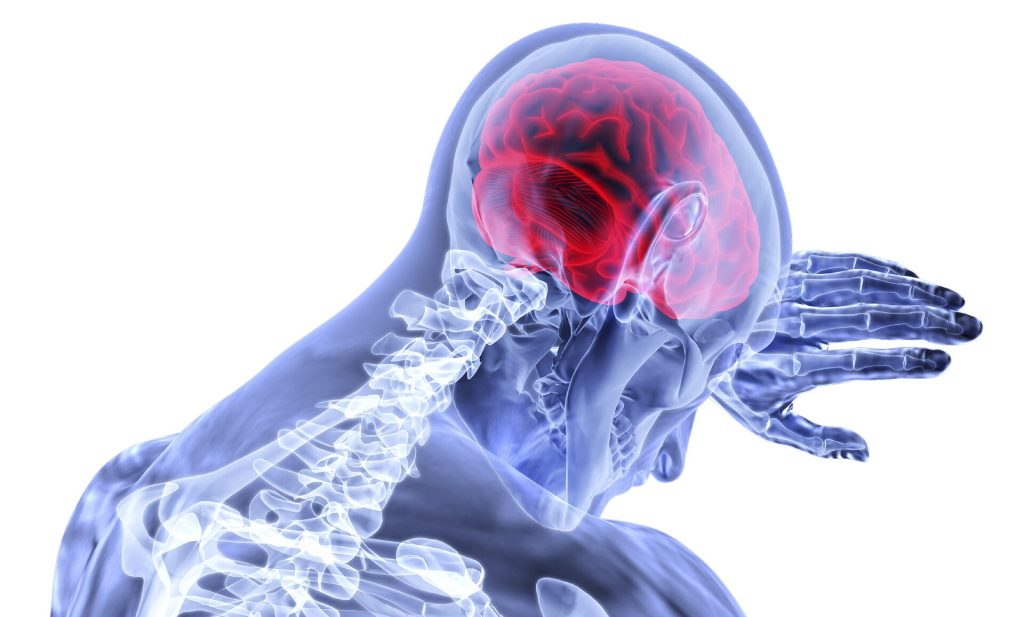
A new study suggests that notion of the body and mind being inextricably intertwined is more than mere abstraction: parts of the brain area that control movement are plugged into networks involved in thinking and planning, and in control of involuntary bodily functions such as blood pressure and heartbeat. The findings represent a literal linkage of body and mind in the very structure of the brain, overturning decades of interpretations.

The research, published in the journal Nature, could help explain some baffling phenomena, such as why anxiety causes people to pace; why stimulating the vagus nerve, which regulates internal organ functions such as digestion and heart rate, may alleviate depression; and why people who exercise regularly report a more positive outlook on life.

“People who meditate say that by calming your body with, say, breathing exercises, you also calm your mind,” said first author Evan M. Gordon, PhD, an assistant professor of radiology at Washington University School of Medicine in St. Louis. “Those sorts of practices can be really helpful for people with anxiety, for example, but so far, there hasn’t been much scientific evidence for how it works. But now we’ve found a connection. We’ve found the place where the highly active, goal-oriented ‘go, go, go’ part of your mind connects to the parts of the brain that control breathing and heart rate. If you calm one down, it absolutely should have feedback effects on the other.”

Gordon and senior author Nico Dosenbach, MD, PhD, an associate professor of neurology, did not set out to answer age-old philosophical questions about the relationship between the body and the mind. They set out to verify the long-established map of the areas of the brain that control movement, using modern brain-imaging techniques.

In the 1930s, neurosurgeon Wilder Penfield, MD, mapped such motor areas of the brain by applying small jolts of electricity to the exposed brains of people undergoing brain surgery, and noting their responses. He discovered that stimulating a narrow strip of tissue on each half of the brain causes specific body parts to twitch. Moreover, the control areas in the brain are arranged in the same order as the body parts they direct, with the toes at one end of each strip and the face at the other. Penfield’s map of the motor regions of the brain – depicted as a homunculus, or “little man” – has become a staple of neuroscience textbooks.

Gordon, Dosenbach and colleagues set about replicating Penfield’s work with functional magnetic resonance imaging (fMRI). They recruited seven healthy adults to undergo hours of fMRI brain scanning while resting or performing tasks. From this high-density dataset, they built individualized brain maps for each participant. Then, they validated their results using three large, publicly available fMRI datasets – the Human Connectome Project, the Adolescent Brain Cognitive Development Study and the UK Biobank – which together contain brain scans from about 50 000 people.

To their surprise, they discovered that Penfield’s map wasn’t quite right. Control of the feet was in the spot Penfield had identified. Same for the hands and the face. But interspersed with those three key areas were another three areas that did not seem to be directly involved in movement at all, even though they lay in the brain’s motor area.

Moreover, the nonmovement areas looked different than the movement areas. They appeared thinner and were strongly connected to each other and to other parts of the brain involved in thinking, planning, mental arousal, pain, and control of internal organs and functions such as blood pressure and heart rate. Further imaging experiments showed that while the nonmovement areas did not become active during movement, they did become active when the person thought about moving.

“All of these connections make sense if you think about what the brain is really for,” Dosenbach said. “The brain is for successfully behaving in the environment so you can achieve your goals without hurting or killing yourself. You move your body for a reason. Of course, the motor areas must be connected to executive function and control of basic bodily processes, like blood pressure and pain. Pain is the most powerful feedback, right? You do something, and it hurts, and you think, ‘I’m not doing that again.'”

Dosenbach and Gordon named their newly identified network the Somato (body)-Cognitive (mind) Action Network, or SCAN. To understand how the network developed and evolved, they scanned the brains of a newborn, a 1-year-old and a 9-year-old. They also analysed data that had been previously collected on 9 monkeys. The network was not detectable in the newborn, but it was clearly evident in the 1-year-old and nearly adult-like in the 9-year-old. The monkeys had a smaller, more rudimentary system without the extensive connections seen in humans.

“This may have started as a simpler system to integrate movement with physiology so that we don’t pass out, for example, when we stand up,” Gordon said. “But as we evolved into organisms that do much more complex thinking and planning, the system has been upgraded to plug in a lot of very complex cognitive elements.”

Clues to the existence of a mind-body network have been around for a long time, scattered in isolated papers and inexplicable observations.

“Penfield was brilliant, and his ideas have been dominant for 90 years, and it created a blind spot in the field,” said Dosenbach, who is also an associate professor of biomedical engineering, of paediatrics, occupational therapy, radiology, and psychological & brain sciences. “Once we started looking for it, we found lots of published data that didn’t quite jibe with his ideas, and alternative interpretations that had been ignored. We pulled together a lot of different data in addition to our own observations, and zoomed out and synthesised it, and came up with a new way of thinking about how the body and the mind are tied together.”

Source: Washington University School of Medicine

Neurons in Developing Brains are Connected by Nanoscopic Tunnels

Example of 3D imaging of segmented granule cells shown in green and orange, with nuclei in blue and purple respectively, and mitochondria in yellow. A thin connection can be seen between the two cells in blue, with subcompartments attached to the tube containing the mitochondria, shown in pink. Credit: Diego Cordero / Membrane Traffic and Pathogenesis Unit, Institut Pasteur

Over a hundred years after the discovery of the neuron by neuroanatomist Santiago Ramón y Cajal, scientists continue to deepen their knowledge of the brain and its development. Now, scientists detail novel insights into how cells in the outer layers of the brain interact immediately after birth during formation of the cerebellum, the brain region towards the back of the skull. Publishing their results in in Science Advances, the scientists demonstrated a novel type of connection between neural precursor cells via nanotubes, even before synapses form.

In 2009, Chiara Zurzolo’s team from the Institut Pasteur identified a novel mechanism for direct communication between neuronal cells in culture via nanoscopic tunnels, known as tunnelling nanotubes. These are involved in the spread of various toxic proteins that accumulate in the brain during neurodegenerative diseases – but may also be tapped for the treatment of diseases or cancers.

In this new study, the researchers discovered nanoscopic tunnels that connect precursor cells in the brain, more specifically the cerebellum – an area that develops after birth and is important for making postural adjustments to maintain balance – as they mature into neurons. These tunnels, although similar in size, vary in shape from one to another: some contain branches while others don’t, some are enveloped by the cells they connect while others are exposed to their local environment. The authors believe these intercellular connections (ICs) may enable the exchange of molecules that help pre-neuronal cells physically migrate across various layers and reach their final destination as the brain develops.

Intriguingly, ICs share anatomical similarities with bridges formed when cells finish dividing. “ICs could derive from cellular division but persist during cell migration, so this study could shed light on the mechanisms allowing coordination between cell division and migration implicated in brain development. On the other hand, ICs established between cells post mitotically could allow direct exchange between cells beyond the usual synaptic connections, representing a revolution in our understanding of brain connectivity. We show that there are not only synapses allowing communication between cells in the brain, there are also nanotubes,” says Dr Zurzolo, senior author and head of the Membrane Traffic and Pathogenesis Unit (Institut Pasteur/CNRS).

To achieve these discoveries, the researchers used a three-dimensional (3D) electron microscopy method and brain cells from mouse models to study how the brain regions communicate between each other. Very high resolution neural network maps could thus be reconstructed. The 3D cerebellum volume produced and used for the study contains over 2000 cells. “If you really want to understand how cells behave in a three-dimensional environment, and map the location and distribution of these tunnels, you have to reconstruct an entire ecosystem of the brain, which requires extraordinary effort with twenty or so people involved over 4 years,” said the article’s first author Diego Cordero.

To meet the challenges of working with the wide range of cell types the brain contains, the authors used an AI tool to automatically distinguish cortical layers. Furthermore, they developed an open-source program called CellWalker to characterise morphological features of 3D segments. The tissue block was reconstructed from brain section images. This program being made freely available will enable scientists to quickly and easily analyse the complex anatomical information embedded in these types of microscope images.

The next step will be to identify the biological function of these cellular tunnels to understand their role in the development of the central nervous system and in other brain regions, and their function in communication between brain cells in neurodegenerative diseases and cancers.

Source: Institut Pasteur

Flipping the Switch on Osteoporosis with Epigenetic Discovery

Photo by Mehmet Turgut Kirkgoz on Unsplash

Van Andel Institute scientists have pinpointed a key driver of low bone density, a discovery that may lead to improved treatments with fewer side effects for women with osteoporosis. Their findings appear in the journal Science Advances.

Their research reveals that loss of an epigenetic modulator, KDM5C, preserves bone mass in mice. KDM5C works by altering epigenetic ‘marks’, switches that ensure the instructions written in DNA are read in the right time and place.

Several medications are approved to treat osteoporosis but fears of rare, severe side effects often are a barrier for their use. Treatments that leverage the hormone oestrogen also are available, but are only recommended for low-dose, short-term use due in part to associations with cancer risk.

It is well-established that women experience disproportionately lower bone mass than men throughout their lives. Loss of bone mass accelerates with menopause, increasing the risk of osteoporosis and associated fractures for women as they age.

To figure out why this happens, VAI Associate Professors Connie M. Krawczyk, PhD, and Tao Yang, PhD, and their teams looked at the differences in the ways bone is regulated in male and female mice, which share many similarities with humans and are important models for studying health and disease. They focused on osteoclasts, which help maintain bone health by breaking down and recycling old bone.

“Osteoporosis is a common disease that can have debilitating outcomes,” Yang said. “KDM5C is a promising target to treat low bone mass in women because it is highly specific. We’re hopeful that our findings will contribute to improved therapies.”

The researchers found reducing KDM5C disrupted cellular energy production in osteoclasts, which slowed down the recycling process and preserved bone mass. Importantly, KDM5C is linked to X chromosomes, which means it is more active in females than in males.

“Lowering KDM5C levels is like flipping a switch to stop an overactive recycling process. The result is more bone mass, which ultimately means stronger bones,” Krawczyk said. “We’re very excited about this work and look forward to carrying out future studies to refine our findings. At the end of the day, we hope these insights make a difference for people with osteoporosis.”

Source: Van Andel Research Institute

Processed Foods Increase Miscarriage Risk; Fruits Reduce it

A preconception and early-pregnancy diet that contains lots of fruit, vegetables, seafood, dairy, eggs and grain may be associated with reducing risk of miscarriage, suggests a new review of research in the journal Fertility and Sterility.

University of Birmingham researchers analysed 20 studies on eating habits in the months before and shortly after conceiving a baby to see whether these studies showed evidence of association with a lower or higher chance of miscarriage. The team conclude that there is evidence to suggest a diet rich in fruit, vegetables, seafood, dairy products, eggs and grain reduces miscarriage risk.

Not surprisingly, these are foods which typically make up ‘healthy’ well-balanced diets, with previous evidence showing that eating a well-rounded diet which is rich in vitamins and minerals during pregnancy is important.

The research review found that, when compared to low consumption, high intake of fruit may be associated with a 61% reduction in miscarriage risk. High vegetable intake may be associated with a 41% reduction in miscarriage risk. For dairy products it is a 37% reduction, 33% for grains, 19% for seafood and eggs.

Led by Dr Yealin Chung, researchers also looked at whether pre-defined dietary types, such as the Mediterranean Diet or Fertility Diet could also be linked to miscarriage risk. They could not find evidence that following any of these diets lowered or raised risk.

However, a whole diet containing healthy foods overall, or foods rich in antioxidant sources, and low in pro-inflammatory foods or unhealthy food groups may be associated with a reduction in miscarriage risk for women.

A diet high in processed food was shown to be associated with doubling of miscarriage risk.

The studies included in the analysis focused on the peri-conception period, which is before and during the first 3 months of pregnancy. Data collected from a total of 63 838 healthy women of reproductive age was included, with information on their diets typically collected through food frequency questionnaires for each study.

Dr Chung explains:

“Miscarriage is common, with estimates suggesting 1 in 6 pregnancies end in miscarriage, and there are many known causes, from problems with the baby’s chromosomes to infections in the womb.

“Yet nearly 50% of early pregnancy losses remain unexplained and in the absence of a cause, parents often turn to their healthcare providers for guidance on the best ways to be as healthy as possible and reduce the risk of future miscarriages.

“There’s a growing body of evidence to show that lifestyle changes – including changes to diet, stopping smoking and not drinking alcohol – before conceiving and in your pregnancy’s early stages – may have an impact.”

Source: University of Birmingham

New Vaccine Will Save Thousands of Children from Dying of Pneumonia

Scanning electron micrograph of human respiratory syncytial virus (RSV) virions (colourised blue) and labelled with anti-RSV F protein/gold antibodies (colourised yellow) shedding from the surface of human lung epithelial A549 cells. Credit: National Institute of Allergy and Infectious Diseases, National Institutes of Health (NIH)

By James Stent for GroundUp

Respiratory syncytial virus (RSV) is a dangerous early childhood viral infection, but results of a vaccine trial promise to change things radically.

A new study published in the New England Journal of Medicine, the world’s most prestigious medical journal, on 5 April that examined the effect of an RSV vaccine on pregnant women found that it reduced the risk of severe lower respiratory tract infections in newborns by 82%.

RSV is the most common cause of acute lower respiratory infection – or pneumonia – in infants. Globally, it was responsible for just over 100,000 deaths (with a lower bound of 84,000 deaths and an upper bound of 126,000 deaths) of children under five in 2019. Of these deaths 45% were infants (younger than six months), and nearly all deaths occurred in lower income countries (half in Africa alone). In an article in Spotlight in June 2022, Professor Cheryl Cohen, head of the Centre for Respiratory Diseases and Meningitis at the National Institute for Communicable Diseases (NICD), said that, pre-COVID, RSV led to 44 615 hospitalisations and 490 deaths in children under five each year in South Africa.

South Africa is currently experiencing an RSV epidemic, with 301 cases detected this year, according to the NICD surveillance programme.

RSV causes cold-like symptoms, but can lead to severe symptoms like pneumonia. At present, there is no licensed RSV vaccine, though the virus was first identified in the 1960s.

The study was a phase three, double-blind trial (which compares a new treatment to standard care, and leads the way to regulatory approval and production) conducted in 18 countries, led by Beate Kampmann, Professor of Paediatric Infection and Immunity at the London School of Hygiene and Tropical Medicine, Shabir Madhi, Dean of the Faculty of Health Sciences and Professor of Vaccinology at the University of the Witwatersrand, and Iona Munjal, Director of Clinical Research & Development at Pfizer. It builds on earlier work by Madhi and others.

Women who were between 24 and 36 weeks pregnant were given an injection of a protein–based vaccine (RSVpreF) and a placebo. Pregnant women can passively transfer their immunity to viruses and diseases to their foetuses in utero.

They were then monitored to see if they suffered a severe RSV-associated lower respiratory tract illness that required medical attention, and if their newborns required medical attention for RSV-associated lower respiratory tract illness up to six months after birth.

A total of 7,358 women participated across the two trial groups, and 7,128 babies were monitored, and no safety concerns were identified over the course of the trial.

In November last year, Pfizer announced that it planned to submit a licence application to the US Food and Drug Administration after trials showed that the vaccine was highly effective at reducing severe RSV cases in the first 90 days of an infant’s life.

In a Twitter thread announcing the results, Madhi said that the next challenge would be to ensure that the vaccine is licensed across lower income countries, where most infant RSV deaths occur. Madhi said that there is a “moral responsibility on pharma to licence [the RSV] vaccine in LMIC [Lower and Middle Income Countries] at [an] affordable price.” Governments in poorer countries, “need to act to protect children in their counties by funding and deploying the vaccine timeously,” he said.

Madhi also informed GroundUp that coincidentally in the same issue of the New England Journal of Medicine, a medicine called nirsevimab was found to protect infants against RSV-associated hospitalisation and severe lower respiratory tract infections. Madhi and his team at Wits also participated in this trial.

This medicine is “administered as a single dose at the onset of RSV season,” Madhi explained. “The two approaches [the vaccine and nirsevimab] will be complementary.”

Republished from GroundUp under a Creative Commons Attribution-NoDerivatives 4.0 International License.

Source: GroundUp

Sedentary Time may Significantly Enlarge Teens’ Hearts

Photo by Steinar Engeland on Unsplash

In adolescents, sedentary time may increase heart size three times more than moderate-to-vigorous physical activity, according to a paper published in the Scandinavian Journal of Medicine & Science in Sports. The British and Finnish researchers explored the associations of sedentary time, light physical activity, and moderate-to-vigorous physical activity with cardiac structure and function.

Recent World Health Organization reports and guidelines note that more than 80% of adolescents across the globe have insufficient physical activity per day. Physical inactivity has been associated with several non-communicable diseases in adults such as cardiovascular diseases, type 2 diabetes, and cancer. In the pediatric population, the majority of movement behaviour studies have focused on the effect of sedentary behaviour and physical activity on cardiometabolic health which includes blood pressure, insulin resistance, blood lipids, and body mass index.

There has been a gap in knowledge on the effect of sedentary time and moderate-to-vigorous physical activity on cardiac structure and function in large adolescent populations due to the scarcity of device-measured movement behaviour and echocardiography assessment in the pediatric population. A higher left ventricular mass, which indicates an enlarged or hypertrophied heart, and a reduced left ventricular function, which indicates decreased heart function, may in combination or independently lead to an increased risk of heart failure, myocardial infarction, stroke, and premature cardiovascular death.

The current study, which used data from the University of Bristol study Children of the 90s (also known as the Avon Longitudinal Study of Parents and Children) included 530 adolescents aged 17 years who had complete measurements of fat mass, muscle mass, glucose, lipids, an inflammation marker, insulin, smoking status, socio-economic status, family history of cardiovascular disease, echocardiographic cardiac function and structure measures, and accelerometer-based measure of sedentary time, light physical activity, and moderate-to-vigorous physical activity.

On average, adolescents spent almost 8 hours/day sedentary and about 49 minutes/day in moderate-to-vigorous physical activity in this new study. It was observed that both sedentary time and moderate-to-vigorous physical activity were associated with higher left ventricular mass. However, the increase in cardiac mass (3.8g/m2.7) associated with sedentary time was three times higher than the cardiac mass increase (1.2g/m2.7) associated with moderate-to-vigorous physical activity. This finding was observed in adolescents irrespective of their obesity status, ie among adolescents who had normal weight and those who were overweight or obese. Importantly, light physical activity was not associated with an increase in cardiac mass but was associated with better cardiac function estimated from left ventricular diastolic function.

“This novel evidence extends our knowledge of the adverse effects of sedentary time on cardiac health. It is known among adults that a 5g/mincrease in cardiac mass may increase the risk of cardiovascular disease and death by 7–20%. Engaging in moderate-to-vigorous physical activity also slightly enlarged the heart but it seems an acceptable negative side effect considering several other health benefits of moderate-to-vigorous exercise. Hence, public health experts, health policymakers, high school administrators and teachers, paediatricians, and caregivers are encouraged to facilitate adolescent participation in physical activity to enable a healthy heart,” says Andrew Agbaje, a physician and clinical epidemiologist at the University of Eastern Finland.

Source: University of Eastern Finland

ADHD Stimulant Drugs have Potential for Abuse at Schools that Carry Them

Photo by Myriam Zilles on Unsplash

Researchers have identified a strong association between prevalence of prescription stimulant therapy for attention-deficit/hyperactivity disorder (ADHD) and rates of prescription stimulant misuse by students in US middle and high schools. Published in JAMA Network Open, the study highlights the need for assessments and education in schools and communities to prevent medication-sharing among teens. This is especially important considering non-medical use of prescription stimulants among teens remains more prevalent [PDF] than misuse of any other prescription drug, including opioids and benzodiazepines.  

The study used data collected between 2005 and 2020 by the Monitoring the Future (MTF) study. MTF is a large, multicohort survey of legal and illicit drug use among American adolescents in eighth, 10th, and 12th grade.

“The drug supply has rapidly changed, and what looks like medications – bought online or shared among friends or family members – can contain fentanyl or other potent illicit substances that can result in overdoses. It’s important to raise awareness of these new risks for teens,” said NIDA Director Nora Volkow, MD. “It’s also essential to provide the necessary resources and education to prevent misuse and support teens during this critical period in their lives when they encounter unique experiences and new stressors.”

Stimulant therapy is an evidence-based treatment for ADHD, but it can also be harmful if used without prescription or guidance from clinicians. Prolonged stimulant misuse can lead to several detrimental health effects including cardiovascular conditions, depressed mood, overdoses, psychosis, anxiety, seizures, and stimulant use disorder.

Previous studies have shown that more than half of adolescents who misuse prescription stimulants get the medication for free from friends or relatives. While diagnoses of ADHD and prescribing of stimulant therapy for ADHD have increased significantly in the United States over the past 20 years, few studies have looked at the relationship between stimulant therapy and prescription stimulant misuse in schools. This is the first large, national study to examine prevalence of prescription stimulant misuse and factors correlating with prevalence among students in eighth, 10th, and 12th grade across the U.S.

Researchers at the University of Michigan examined both school- and individual-level characteristics associated with prescription stimulant misuse. Across 231 141 student participants surveyed at 3,284 secondary schools, the school-level prevalence of nonmedical use varied from 0% to over 25% of students. Schools with a greater number of students (12% or higher) reporting prescription stimulant therapy for ADHD tended to have the highest percentages of their student body reporting prescription stimulant misuse (8% of total student body). By comparison, schools with fewer students (0 to 6% of student body) reporting stimulant therapy for ADHD were associated with lower rates of prescription stimulant misuse (4 to 5% of student body).

Other features of schools that were associated with increased rates of misuse included having a higher proportion of parents with higher levels of education, being located in non-Northeastern regions of the US and in suburban areas, having a higher proportion of non-Hispanic white students, and showing “medium-level” (10-19% of total student body) binge drinking. However, the association between school prevalence of stimulant therapy for ADHD and prescription stimulant misuse remained strong when accounting for prevalence of other types of substance use and numerous other individual- and school-level sociodemographics.

Recent research from this team expands on the associations found in this study, including a study that suggested teens with a history of taking both stimulant or non-stimulant medications for ADHD are at high risk for prescription stimulant misuse, as well as cocaine and methamphetamine use. The researchers note that it is important to interpret these results as associations, not causations, and that the primary goal of these kinds of studies is to inform effective preventative and support [PDF] strategies for teens.

“The key takeaway here is not that we need to lessen prescribing of stimulants for students who need them, but that we need better ways to store, monitor, and screen for stimulant access and use among youth to prevent misuse,” said study author Sean Esteban McCabe, PhD. “There’s variation in stimulant misuse across different schools, so it’s important to assess schools and implement personalised interventions that work best for each school. It’s also critical to treat and educate teens on prescription stimulants as the medications they are intended to be and limit their availability as drugs of misuse.”

Source: National Institutes of Health

Dopamine’s Role in Exercise Feeling ‘Hard’ or ‘Easy’

Photo by Jonathan Borba on Unsplash

Dopamine, long associated with pleasure, motivation and reward-seeking, also appears to play an important role in why exercise and other physical efforts feel ‘easy’ to some people and exhausting to others. These are the findings of of a study of people with Parkinson’s disease, which is published in NPG Parkinson’s Disease. Parkinson’s disease is marked by a loss of dopamine-producing cells in the brain over time.

According to the researchers, the findings might eventually lead to more effective ways to help people establish and stick with exercise regimens, new treatments for fatigue associated with depression and many other conditions, and a better understanding of Parkinson’s disease.

“Researchers have long been trying to understand why some people find physical effort easier than others,” says study leader Vikram Chib, Ph.D., associate professor in the Department of Biomedical Engineering at the Johns Hopkins University School of Medicine and research scientist at the Kennedy Krieger Institute. “This study’s results suggest that the amount of dopamine availability in the brain is a key factor.”

Chib explains that after a bout of physical activity, people’s perception and self-reports of the effort they expended varies, and also guides their decisions about undertaking future exertions. Previous studies have shown that people with increased dopamine are more willing to exert physical effort for rewards, but the current study focuses on dopamine’s role in people’s self-assessment of effort needed for a physical task, without the promise of a reward.

For the study, Chib and his colleagues from Johns Hopkins Medicine and the Kennedy Krieger Institute recruited 19 adults diagnosed with Parkinson’s disease, a condition in which neurons in the brain that produce dopamine gradually die off, causing unintended and uncontrollable movements such as tremors, fatigue, stiffness and trouble with balance or coordination.

In Chib’s lab, 10 male volunteers and nine female volunteers with an average age of 67 were asked to perform the same physical task, that of squeezing a hand grip equipped with a sensor, on two different days within four weeks of each other. On one of the days, the patients were asked to take their standard, daily synthetic dopamine medication as they normally would. On the other, they were asked not to take their medication for at least 12 hours prior to performing the squeeze test.

On both days, the patients were initially taught to squeeze a grip sensor at various levels of defined effort, and then were asked to squeeze and report how many units of effort they put forth.

When the participants had taken their regular synthetic dopamine medication, their self-assessments of units of effort expended were more accurate than when they hadn’t taken the drug. They also had less variability in their efforts, showing accurate squeezes when the researchers cued them to squeeze at different levels of effort.

In contrast, when the patients hadn’t taken the medication, they consistently over-reported their efforts, meaning they perceived the task to be physically harder, and had significantly more variability among grips after being cued.

In another experiment, the patients were given a choice between a sure option of squeezing with a relatively low amount of effort on the grip sensor or flipping a coin and taking a chance on having to perform either no effort or a very high level of effort. When these volunteers had taken their medication, they were more willing to take a chance on having to perform a higher amount of effort than when they didn’t take their medication.

A third experiment offered participants the choice between getting a small amount of guaranteed money or, getting either nothing or a higher amount of money on a coin flip. Results showed no difference in the subjects on days when they took their medication and when they did not. This result, researchers say, suggests that dopamine’s influence on risk-taking preferences is specific to physical effort-based decision-making.

Together, Chib says, these findings suggest that dopamine level is a critical factor in helping people accurately assess how much effort a physical task requires, which can significantly affect how much effort they’re willing to put forth for future tasks. For example, if someone perceives that a physical task will take an extraordinary amount of effort, they may be less motivated to do it.

Understanding more about the chemistry and biology of motivation could advance ways to motivate exercise and physical therapy regimens, Chib says. In addition, inefficient dopamine signalling could help explain the pervasive fatigue present in conditions such as depression and long COVID, and during cancer treatments. Currently, he and his colleagues are studying dopamine’s role in clinical fatigue.

Source: John Hopkins Medicine

Changes in Hyaluronic Acid Properties Drive Osteoarthritis

Source: CC0

The composition of synovial fluid changes significantly in osteoarthritis: The concentration and molecular weight of hyaluronic acid tends to decrease and is commonly used to diagnose the disease. An international group of researchers explored the disease-driven breakdown of hyaluronan and the mechanistic implications of these changes on the lubrication and subsequent wear of joints.

“One of the most important properties of the synovial fluid is its viscosity,” said Rosa Maria Espinosa-Marzal, co-author of the study published in the journal Biointerphases. “Viscosity is a measure of the internal frictional force between adjacent layers of a fluid in relative motion, or, more simply, a fluid’s resistance to flow. Large, high molecular weight polymers such as hyaluronic acid play a significant role in maintaining a high viscosity of the synovial fluid, which helps maintain a fluid film and reduces friction between articulating surfaces during motion.”

Through analysis with neutron and light scattering, the team determined that the structure of the lipid-hyaluronic-acid complexes in the bulk solution is a function of concentration and its molecular weight.

The researchers found the hyaluronic acid’s concentration and molecular weight both play a role in how the lubricant reacts with different surfaces.

“Our results show low molecular weight hyaluronic acid, which mimics osteoarthritis-diseased joints, hinders the adsorption of the hyaluronic-acid-lipid complex,” said Espinosa-Marzal, of the University of Illinois Urbana-Champaign. “The lack of the formation of an amorphous film on the surface may reflect a consequence of osteoarthritis, since this film should help reduce friction and wear.”

Their hypothesis is that this film’s absence may increase wear of the cartilage surface. In contrast, high molecular weight hyaluronic-acid-lipid complexes form an amorphous film, which presumably helps maintain the mechanical integrity and longevity of efficient lubrication in healthy cartilage.

Studies on hyaluronic acid itself and hyaluronic-acid-lipid complexes “do not entirely support hyaluronic acid’s role in providing high lubricity to the cartilage’s articular surface, which is still a bit controversial,” Espinosa-Marzal said. “Our results indicate that for low molecular weight hyaluronic acid, this is likely the case.”

By exploring the complex interplay between phospholipid and hyaluronic acid self-assembly, and the role of molecular weight on surface affinity, “our study illuminates a mechanism whereby the ‘vicious circle’ of osteoarthritis can be explained,” said co-author Mark Rutland, from KTH Royal Institute of Technology.

Source: American Institute of Physics

Scientists ‘Poke the Bear’ to Gain a Better Understanding of Blood Clotting

Photo by Mark Basarab on Unsplash

It’s generally good advice not to “poke the bear” as they say, but that’s exactly what a multinational team of scientists have been doing, to discover the secrets of blood clotting. Hibernating bears, paralysed humans, and pigs kept in small enclosures all avoid dangerous blood clots, despite being immobile for extremely long periods.

Their new study published in Science shows that reduction of a key protein inhibits the formation of blood clots in all three mammal species when they are immobile for days, months or even years.

Passengers on long haul flights run the risk of developing deep vein thrombosis if they do not take some time to walk around and use compression socks. Some people are predisposed to blood clots, due to genetic factors.

Yet, when humans – and other mammals such as bears – are immobilised for a much longer period than a flight, the researchers found that a protein known as Hsp47 is reduced by 55 times. This could lead to new medicines to help those who have inherited blood clotting disorders that put them at risk for pulmonary embolism, heart attack, and stroke.

Professor Jon Gibbins led the work at the University of Reading. He said: “It seems counterintuitive that people who have severe paralysis don’t appear to be at higher risk of blood clots. This tells us that something interesting is happening. And it turns out that reducing levels of Hsp47 plays a key role in preventing clots, not just in humans, but in other mammals, including bears and pigs.

“When we see something like this in multiple species, that reinforces its importance. Having Hsp47 must have been an evolutionary advantage.”

Hsp47 is released by platelets – the sticky blood cells that trigger blood clotting.  Usually clotting is an important response to an injury, to prevent blood loss, and Hsp47 is one of the necessary ingredients to enable platelets to do their job. Examining the role of Hsp47 in clotting function the team found that when released into the blood of bears, mice and humans that it promoted conditions that may give rise to deep vein thrombosis.

Professor Gibbins said, “We aren’t totally sure how, but it appears that there is something about movement that keeps Hsp47 at an appropriate level. It could be that the mechanical forces involved in moving around actually have an impact on gene expression, dramatically increasing the amount of Hsp47 that circulates in the blood.”

The team took blood samples from bears in winter, while hibernating, and in summer, while awake and moving around. They also compared people who were immobilised with those who can move and walk. And finally, pigs kept in small pens were compared with others that were free to move around in barns. In all three cases, proteomics experiments showed that the absence of movement was associated with having far less Hsp47.

Professor Gibbins continued: “Now we know that Hsp47 is so important, we can begin to look for new or existing medicines that might be able to inhibit the function of this protein in blood clotting and protect mobile people who are prone to clots.”

Source: University of Reading